FrontStreet Coffee found the following content related to "output" for you
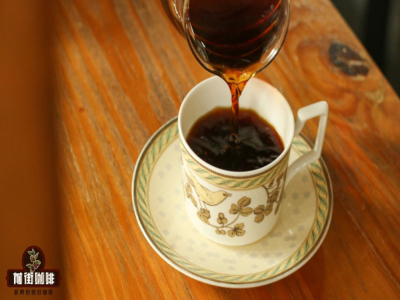
There are various TOP rankings in many fields, such as the top ten symphony orchestras in the world, the top ten wonders in the world, and the top 100 universities in the world. It turns out that in the coffee field, some people also listed the "top ten coffee beans in the world". It is unknown what conditions or indicators the ranking is based on, but it is not determined by output and price. Organize (partially rewrite)
Read more →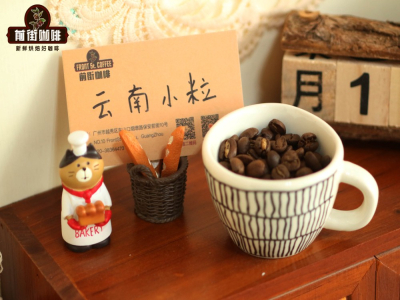
Both Hainan and Yunnan in China are places where coffee is grown, and Yunnan is the largest producer of coffee in China. Yunnan coffee is also called Yunnan arabica coffee and is known as "fragrant coffee". Yunnan's coffee output has been around 26,000 tons per year in recent years, accounting for 90% of the national output. Coffee is a beverage crop with high economic value.
Read more →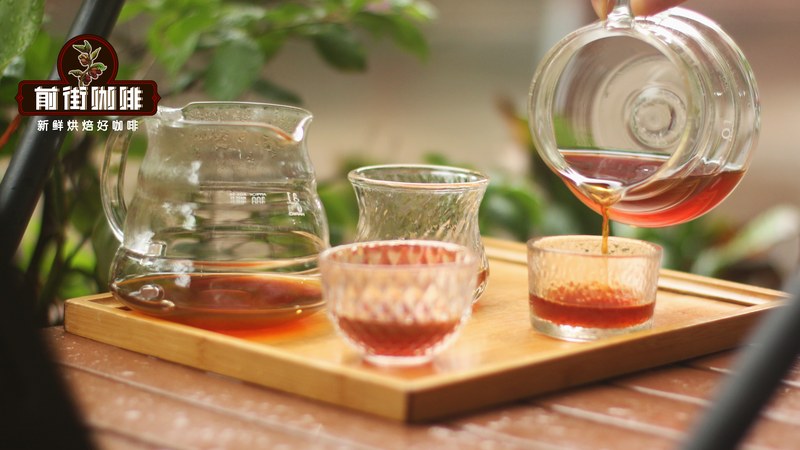
If you want to drink a cup of coffee without milk in the morning, a home espresso machine can also make SOE. SOE is the abbreviation of Single Origin Espresso, which refers to the use of coffee beans from a single origin or a single batch to make espresso. Its focus is not on the equipment label, but on the characteristics of the production area of a bean.
Read more →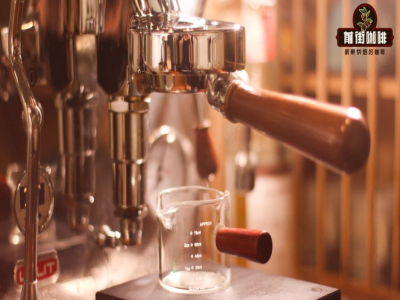
For more knowledge about specialty coffee, please follow the WeChat public account: FrontStreet Coffee Friends who have made coffee must know that the standard Americano is a combination of concentrated coffee and water. In other words, whether the Americano tastes good or not depends entirely on the quality of the concentrate. Espresso
Read more →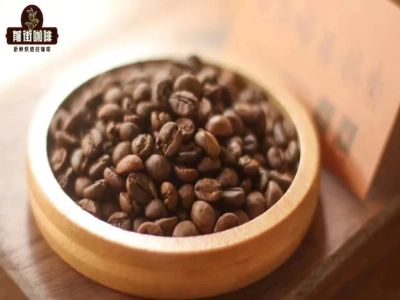
Robusta was once rated as a coffee bean that tastes worse than the lowest-grade Brazilian Santos coffee. Although it cannot be drunk directly, if a small amount is added to Arabica beans for blending, it can increase the body of the coffee after extraction without covering up the pleasant flavor of Arabica. The sourness and sweetness of robusta
Read more →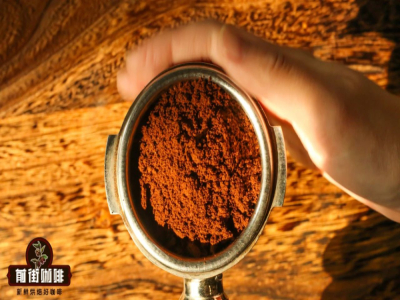
From the beginning of grinding beans to the end of extraction, making a cup of espresso takes less than 60 seconds. It seems that making a cup of delicious coffee is not a complicated operation. But as the front street often says, although it looks simple, there are actually not many details that need to be paid attention to. As the saying goes: details determine
Read more →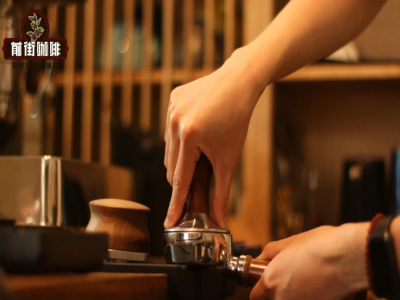
Quantitative coffee grinder, literally means that it can set the amount of coffee powder to grind at one time, eliminating the step (time) of weighing the powder. It sounds like a more convenient grinder. Is this actually the case? The quantitative grinder has two working modes - fixed weight and timing. Commonly used quantitative grinders on the market adopt a fixed
Read more →
Many student parties want to drink specialty coffee, but are dissuaded when they see the price. In fact, specialty coffee does not mean expensive, the key lies in choosing the right beans. Some production areas have large outputs and mature supply chains. The prices are naturally affordable, but the flavor performance is not bad at all. Today I recommend some affordable beans that are especially suitable for student parties. They are delicious and not expensive.
Read more →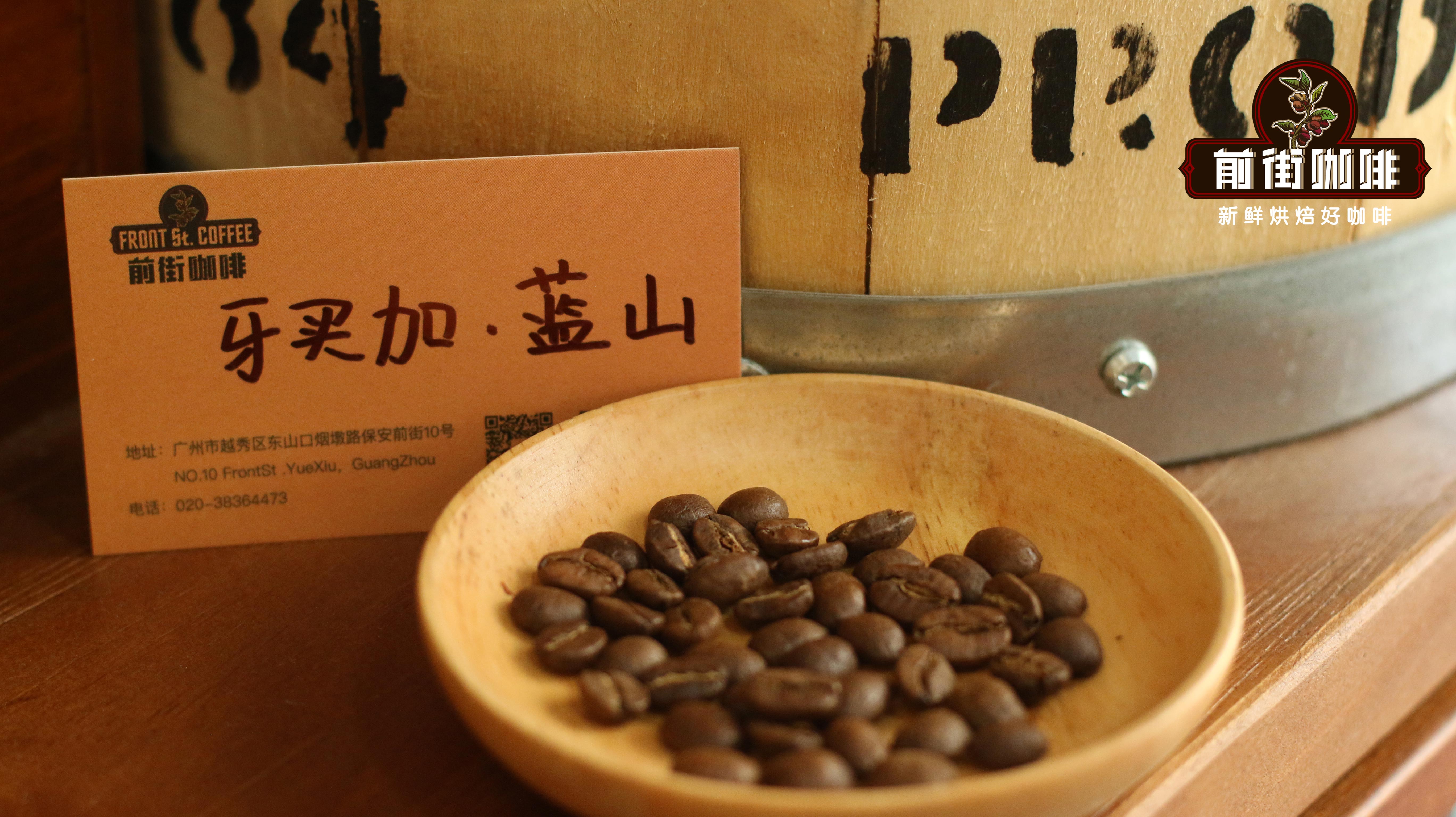
For a long time, many media have been exaggerating that there is no real Blue Mountain coffee in China. In fact, this situation has changed in 2010. Blue Mountain coffee has a mellow taste. It is a very standard cup of black coffee. It is also called the king of coffee because of its small quantity. It was once difficult to buy in China. This is a fact and also
Read more →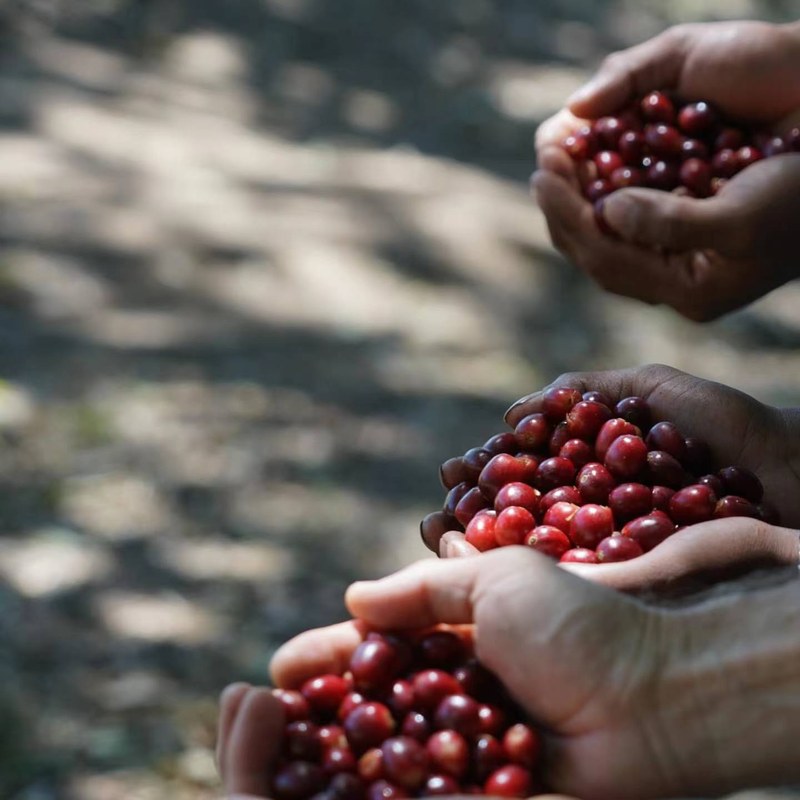
Italian coffee beans are not only suitable for espresso, but also for American style in the morning, latte in the afternoon, and fruity coffee with ice, all of which can correspond to different flavor directions. Before you decide to buy, think about which drink you make most often: Do you want the richness of nutty cocoa, or do you want the bright, fruity aroma of black coffee? With a clear scene, Douzi
Read more →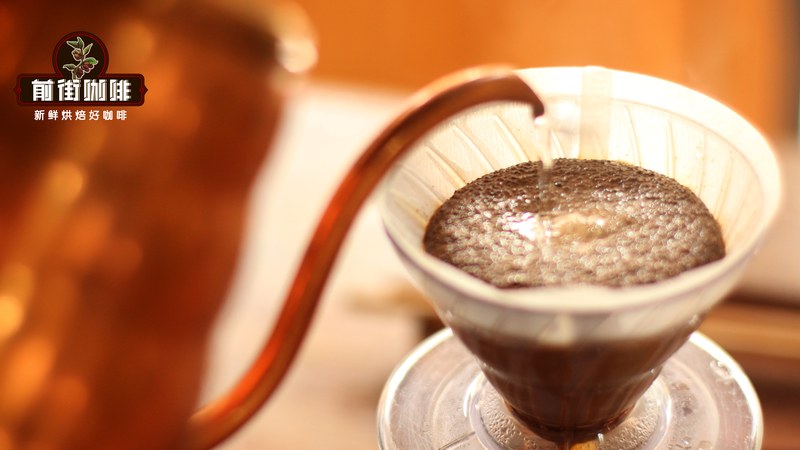
Medium-roasted beans in an espresso machine usually maintain a good balance between aroma, sweetness and taste. It delivers a cup of textured concentrate without the obvious roastiness that comes with darker roasts. If you often make American style, latte or cappuccino at home, you can start by mixing the Chinese toast, and then adjust it according to your daily preferences.
Read more →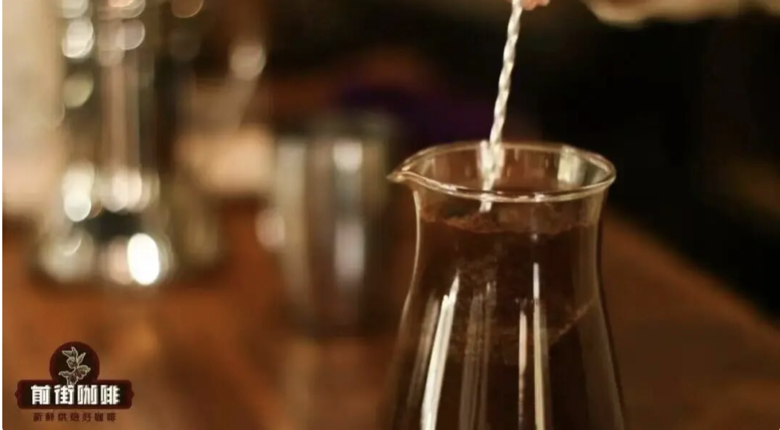
Italian beans are not just for a cup of concentrate. When rushing in the morning, drinking American style in the afternoon, or making a latte at night, the suitable flavor focus is different. If you use an espresso machine more often, you can first imagine how the coffee will look after it enters the cup: do you want a thick and direct entrance, or do you want to keep the soft and sour sweetness, and then start with the nuts?
Read more →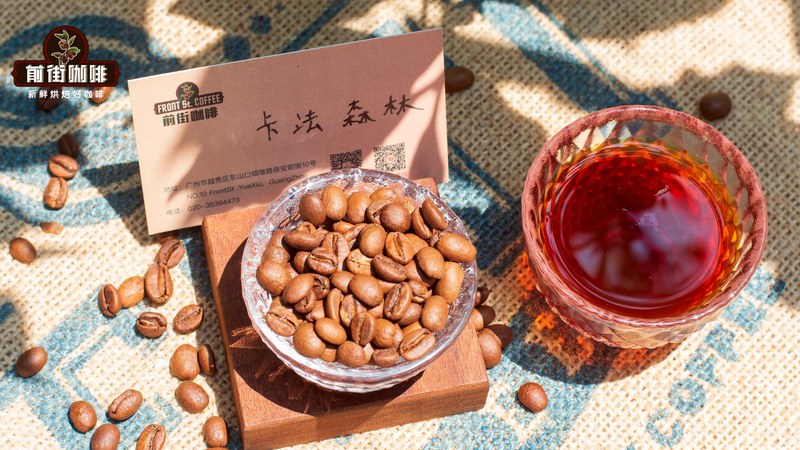
SOE is a concentrate made from coffee beans from a single origin or batch, and the flavor in the cup is often more discernible than common blends. Dark roasting can push the nuts, cocoa and caramel side more obviously, while light roasting can easily retain the floral aroma, fruit acid and tea feeling. The choice that truly suits you should start with how you drink every day, rather than just looking at
Read more →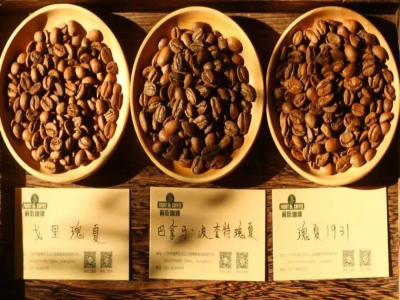
In addition to the Red Label and Green Label Geishas of Emerald Manor, there is another group of slightly famous "labeled" Geishas on the blackboard on the front street. They are the Gold Label Geisha and Red Label Geisha from Gesha Village Estate in Ethiopia. Front Street has previously shared the grading system of Emerald Manor, and also shared two manors.
Read more →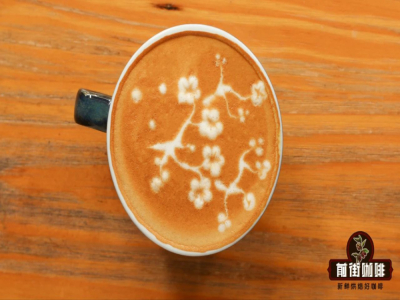
Latte art has attracted many friends to enter the field of coffee from other places, in order to one day be able to make delicate and exquisite latte art patterns. So, the question is: How long does it take to master latte art? Actually, latte art technology is not as complicated as imagined. If you only refer to
Read more →
As the birthplace of coffee, Ethiopia has always been a place of pilgrimage for many coffee professionals. Many friends who come to Front Street Coffee will ask if there are Ethiopian beans or Yirgacheffe beans as soon as they come in. Yes, whether you are a coffee novice or a coffee connoisseur, Ethiopian coffee bean namin
Read more →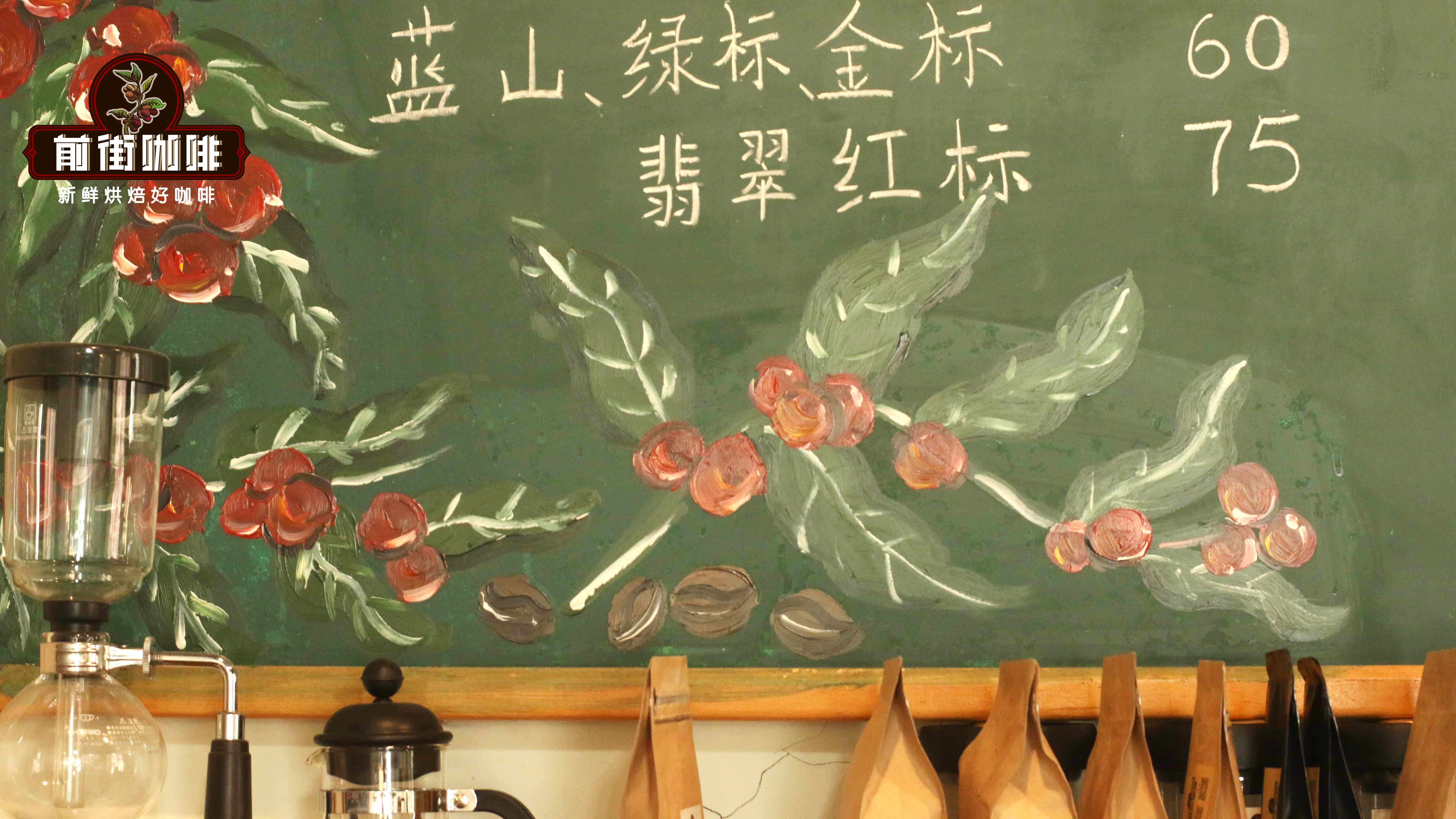
1. Brazil (South America) Since 1960, Brazilian coffee cultivation has ranked first in the world, with an average annual output of 24.6 million bags (60 kg per bag). According to the November 2002 report of the United States Department of Agriculture, the actual production of Brazilian coffee in 2002 should be 51.6 million bags. Brazil is the world's most
Read more →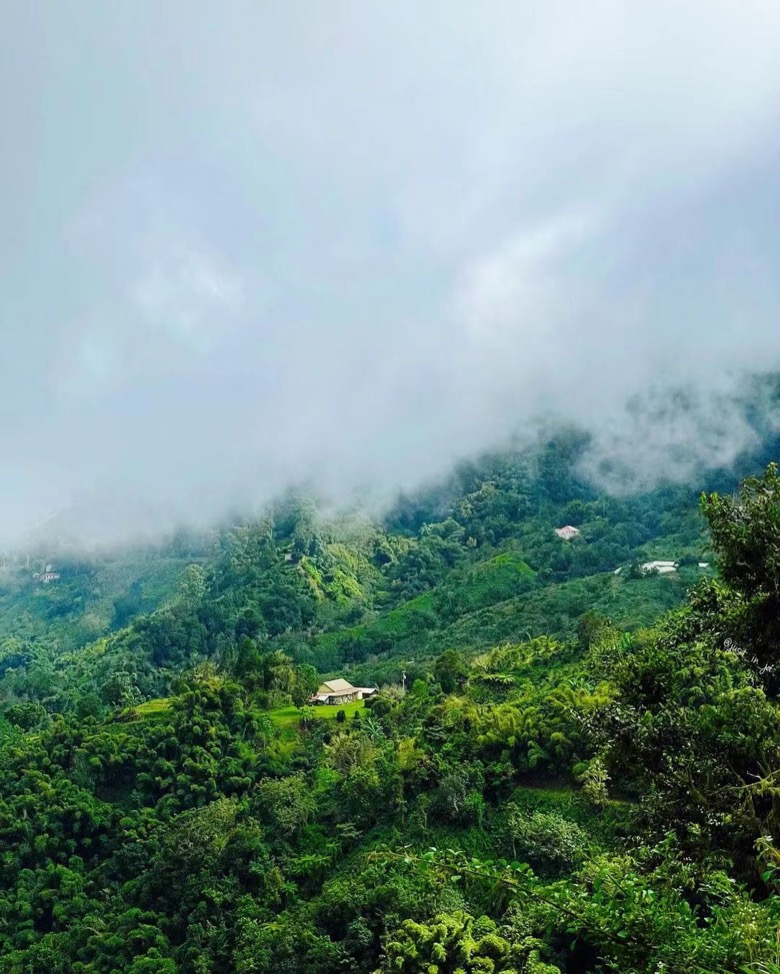
Before the concept of specialty coffee became popular, "treating guests to drink Blue Mountain" was almost synonymous with high-quality coffee. Even with the emergence of high-quality production areas, Blue Mountain still has a place for its balanced and delicate taste, and Blue Mountain No. 1 is the one that has attracted much attention in this hierarchy. If you want to understand it, you can learn about it from certification, flavor and brewing
Read more →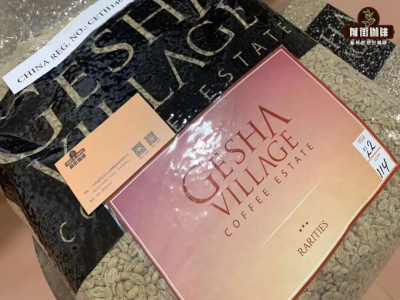
In the past, when some friends who wanted to taste Gesha coffee came to Front Street Coffee to order Gesha, the barista on Front Street would carefully ask, "Do you mean Geisha from Ethiopia or Geisha from Panama?" Everyone would be confused and confused about the difference between the two Geisha. Today, the name of Gesha, Panama
Read more →
Scenario-first bean selection logic: when drinking black coffee in the morning, the aroma and cleanliness of the beans should be given priority; when having milk coffee for breakfast, the concentration and thickness are more important; hand brewing for slow drinking and machine quick dispensing, each has its own set of parameters. The scenarios are different, and the choices are naturally different. The four variables of Italian extraction—powder volume, grinding degree, liquid weight, and time—
Read more →Be the first to know about new bean releases, brewing tips, promotions and cupping notes

Scan to Follow Front Street Coffee on WeChat
