FrontStreet Coffee found the following content related to "output" for you
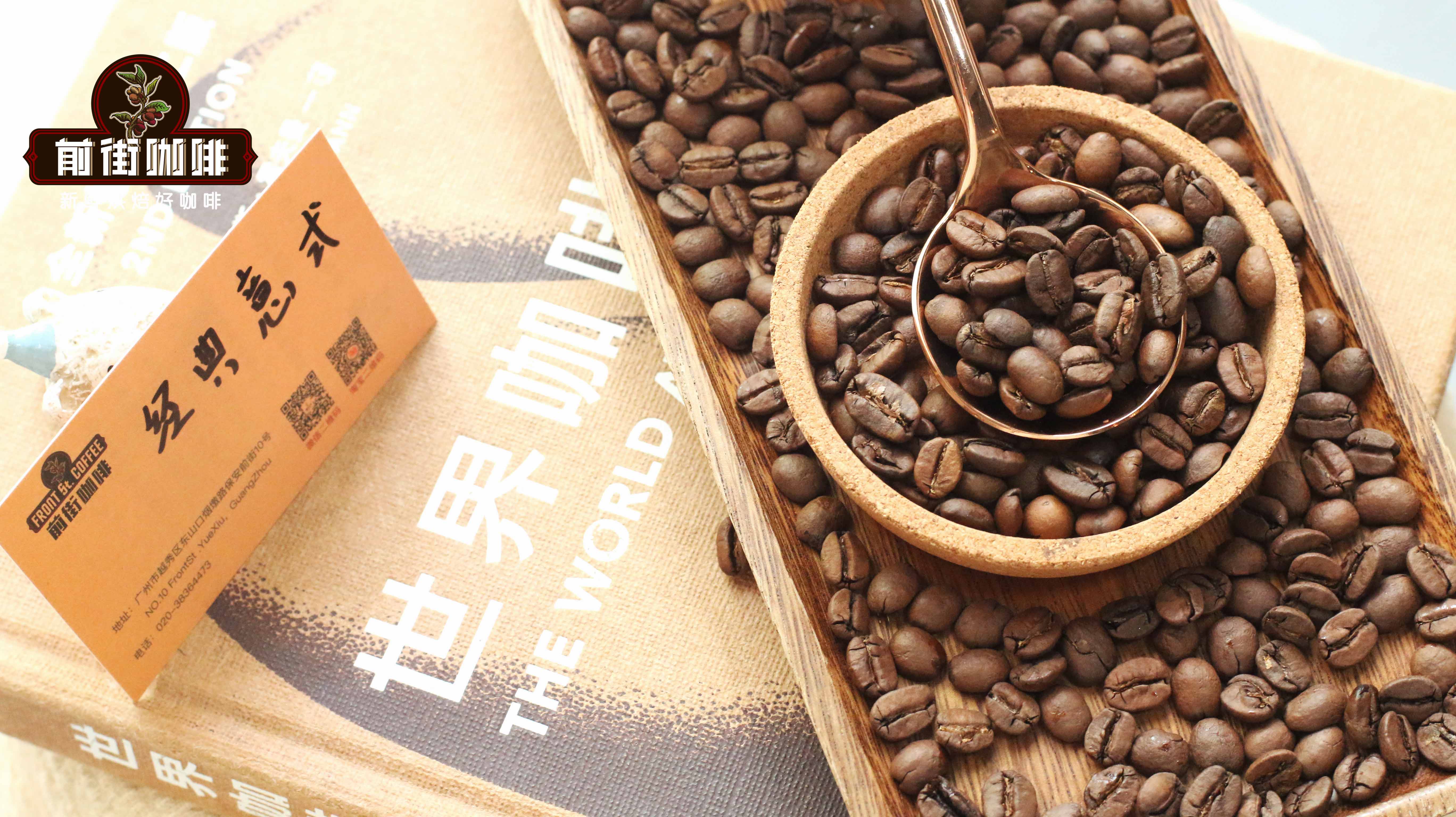
Today, when Italian coffee is popular all over the world, we are no longer unfamiliar with Italian coffee. Even passers-by can name the names of Italian coffee such as Americano, latte, and cappuccino. However, Moka pots are rarely used for commercial coffee output and are mostly used for home use, so many friends think that Moka pots do not belong to the Italian coffee system.
Read more →
Highly cost-effective Yirgacheffe recommendation. Front Street Washed Yirgacheffe Coffee Bean Origin: Ethiopia Yirgacheffe Altitude: 2300 meters Variety: Native species Processing method: washed Flavor description: lemon, citrus, tea, honey, berry Recommendation reason: with classic Yirgacheffe flavor, affordable price, can be recharged
Read more →
Yunnan coffee beans have stood out in green coffee bean competitions in recent years and have frequently appeared in the public eye. And like a dark horse, it slowly appears in the specialty coffee market. Today Front Street will share with you about the development of Yunnan coffee in recent years. You need to know the history of coffee cultivation in Yunnan, Yunnan’s
Read more →
SOE coffee has become particularly popular in recent years. Basically, newly opened community coffee shops will be equipped with more than two Italian coffee grinders, one with traditional coffee beans (usually blended beans), and the other with SOE coffee beans. Generally, SOE will be regarded as an advanced version of traditional (blended) coffee beans, which needs to be added.
Read more →
For more knowledge about specialty coffee, please follow the WeChat official account: FrontStreet Coffee. Kenyan coffee’s bright acidity, gorgeous, full and excellent taste are unforgettable for anyone who has tasted it. Front Street has cupped many coffee beans from different producing areas in Kenya.
Read more →
Before the emergence of specialty blended beans, many coffee shops relied on commercial blended beans for their daily products. Front Street Commercial Blending has long been a popular bean selection for store openings. Its core value is just one sentence: on the premise of ensuring taste, it controls costs and allows the store to operate stably. Positioning of Commercial Blend Beans Front Street Commercial Blend
Read more →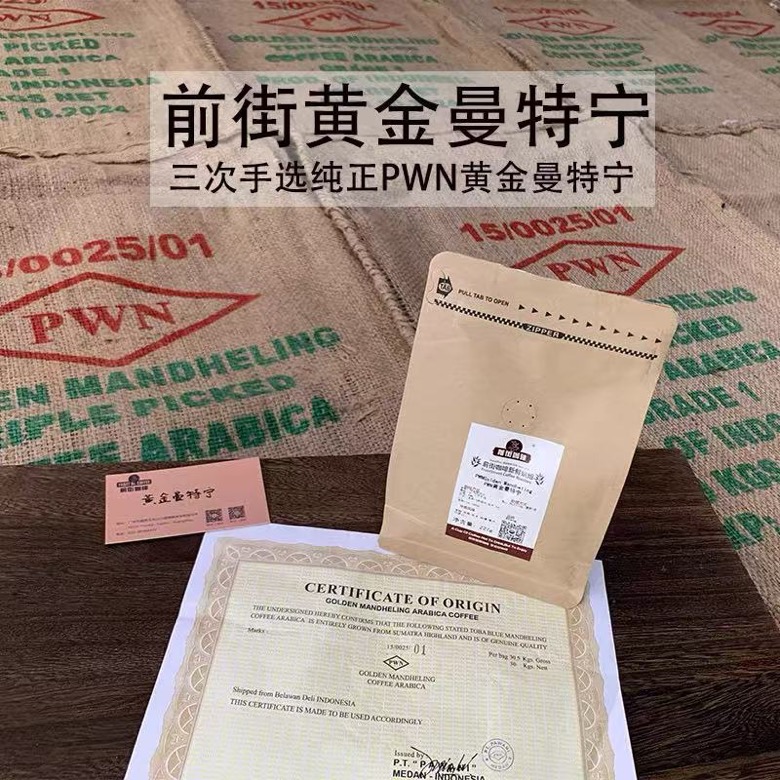
Coffee lovers who like a rich taste must be familiar with the word fat. The dense and thick oil makes the concentrated taste smooth and the milk coffee more textured. If you want to drink coffee with mellow fat, you can start with classic blending when selecting beans, and then advance to single-origin beans, step by step to find the fat style that suits you best. entry stage,
Read more →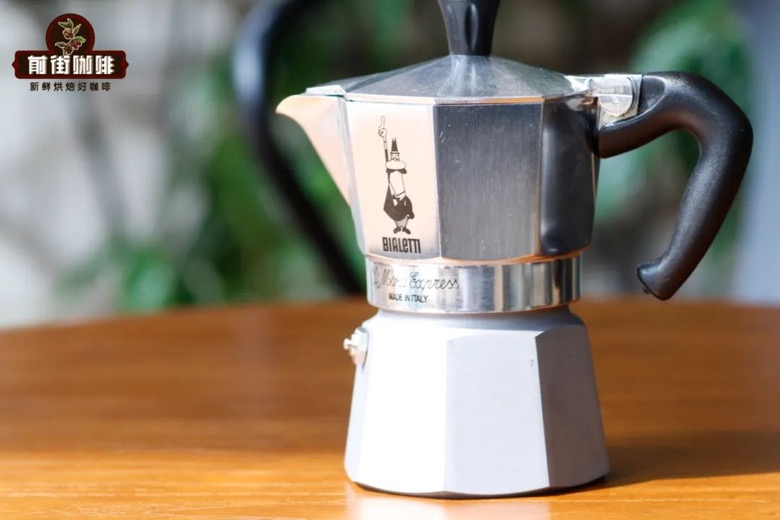
The Moka pot is an introductory appliance for making coffee in many households. It has a simple structure and is affordable. However, to make good use of the Moka pot, bean selection is more important than you think. The extraction principle of the Moka pot is between the Italian machine and hand brewing. The steam pressure pushes the hot water through the powder cake. The extraction is thicker than hand brewing but lighter than Italian brewing. Seize the oil, grind and roast when selecting beans
Read more →
In a cup of latte, milk occupies the vast majority of the volume, and the coffee only has a small cup of concentrated base. If you want this cup of milk coffee to have a clear coffee flavor, when selecting beans, you must look at the concentration and structure of the flavor substances, which is often referred to as penetration. Beans with strong penetrating power create a clear latte with a clear boundary between milk and coffee.
Read more →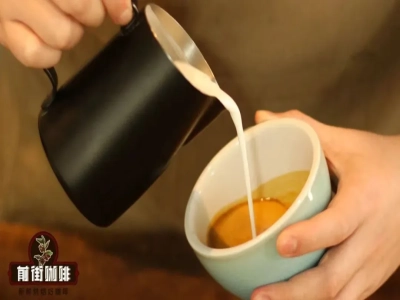
The Front Street Italian blended coffee beans used in the coffee shop are to increase the richness and harmony of the taste, and also for cost considerations, while achieving the effect of being delicious, stable and inexpensive. Since it is a blend, it naturally refers to the blending of two or more raw beans, but a special example is that beans with different roasting levels can also be blended.
Read more →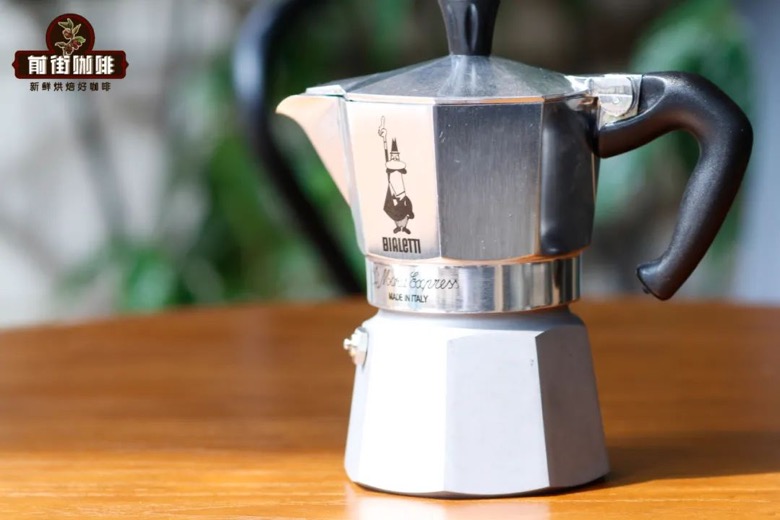
The Moka pot looks like just a small kitchen appliance, but in fact it is a small pressure extraction device: the water tank at the bottom is heated to generate steam, and the pressure pushes the hot water through the powder layer, and espresso coffee pours out from the upper pot. This principle determines the extraction characteristics of the Moka pot, and also determines the three things that cannot be avoided when selecting beans: pressure, temperature and time.
Read more →
Geisha can be said to be one of the most famous coffees. The name of Gesha is Geisha, which is pronounced the same as Geisha in Japanese, so it is also called Geisha coffee. Geisha coffee originally grew in Ethiopia, but it is not very eye-catching and not valued locally because the tree species are taller than ordinary coffee trees.
Read more →
De'Longhi is a popular brand among household semi-automatic and fully-automatic espresso machines. Many families first think of De'Longhi when purchasing a coffee machine. The characteristics of Delonghi machine are that it has a pre-soaking function and the temperature control is relatively stable, but the pressure and water discharge accuracy are not as good as commercial machines. When selecting beans, grasp the balance between oil and taste, and the Delonghi machine can also produce good taste
Read more →
Everyone who opens a store knows that during the dozens of minutes during the noon peak and evening peak, the speed of cup dispensing is the turnover. However, many store owners only look at the flavor description when selecting beans, forgetting that the beans themselves will also affect the production rhythm. The powder cake is loose and the oil is sometimes too much or too little. The barista has to go back and forth between pressing the powder and extracting it, which can take more than ten seconds per order.
Read more →
There are many Ethiopian coffees, but there are not many Geisha varieties. If you are suitable for hand-brewed coffee, the first choices are Front Street Geisha Village Gold Label, Front Street Geisha Village Red Label, and Front Street Grana Estate Gesha. If you are a loyal fan of Gesha, you should know that Gesha is actually from Ethiopia. Front Street query information
Read more →
When people mention Africa, their first impression is: desert, drought, tribes, poverty, mystery, etc. Precisely because of its climate and environment, it has become a paradise for coffee trees to grow. The world's first coffee tree was discovered in the Horn of Africa. As time goes by, Ethiopian coffee has become a popular
Read more →
For the same cup of iced coffee, cold brew and ice brewing take two completely different paths. Ice hand brewing uses hot water to quickly extract, and then relies on ice cubes to lock the aroma. The flavor structure is close to that of hot hand brewing, with bright acidity and rising aroma. Cold extraction allows the coffee powder to be soaked in low-temperature water for a long time, so that less bitter substances are dissolved, and the taste is round and sweet.
Read more →
The darker the coffee is roasted, the more acid in the coffee will be destroyed and replaced by more caramel, smoky, and bitter flavors. Correspondingly, the coffee will taste more mellow and thick, and Mandheling is one of the most famous representatives. Dark roasted Mandheling coffee not only contains unique spices, herbs,
Read more →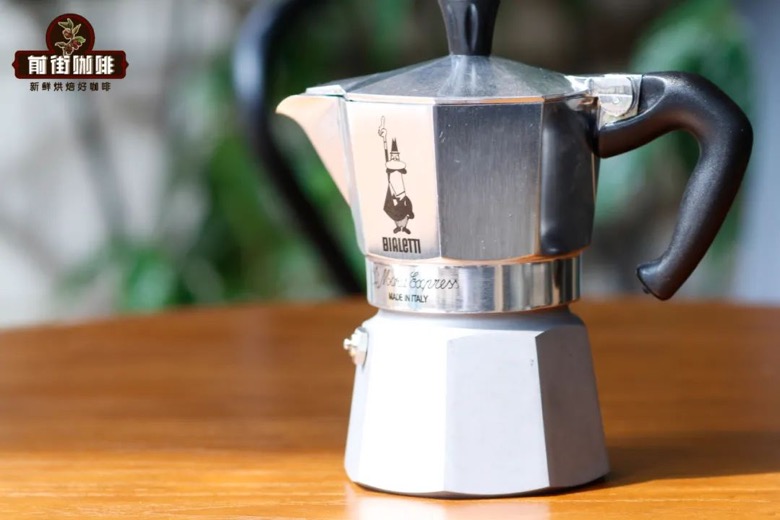
Among household coffee tools, the Moka pot is a special one. It doesn't need to be plugged in. Just put it on the stove for a few minutes and you can get a cup of coffee that's close to espresso, with strong aroma and oil. Many people just grab a handful of brewed beans and throw them in. The brewed coffee is either sour and frowning, or bitter and astringent. The problem is probably not with the pot, but with the beans
Read more →
Introduction to Bourbon Coffee Bourbon coffee was originally planted on the island of Bourbon, now called Reunion, located about 650km east of the famous island of Madagascar. Bourbon and Typical are the oldest existing fine coffee varieties. Tracing the roots
Read more →Be the first to know about new bean releases, brewing tips, promotions and cupping notes

Scan to Follow Front Street Coffee on WeChat
