
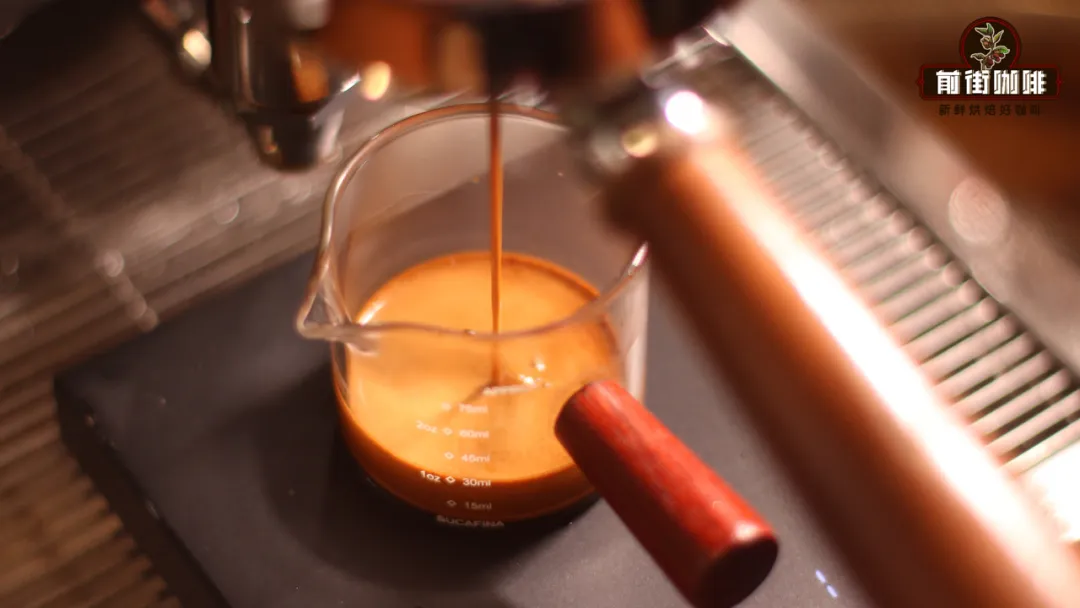
From the beginning of grinding beans to the end of extraction, making a cup of espresso takes less than 60 seconds. It seems that making a cup of delicious coffee is not a complicated operation. But as the front street often says, although it looks simple, there are actually not many details that need to be paid attention to.
As the saying goes: details determine success or failure! This sentence is most vividly reflected in the extraction of espresso. Even if we find the best formula for extracting super delicious espresso during morning brewing, if some details are ignored during the production process, even if this formula is used for extraction, the espresso obtained will not taste good.
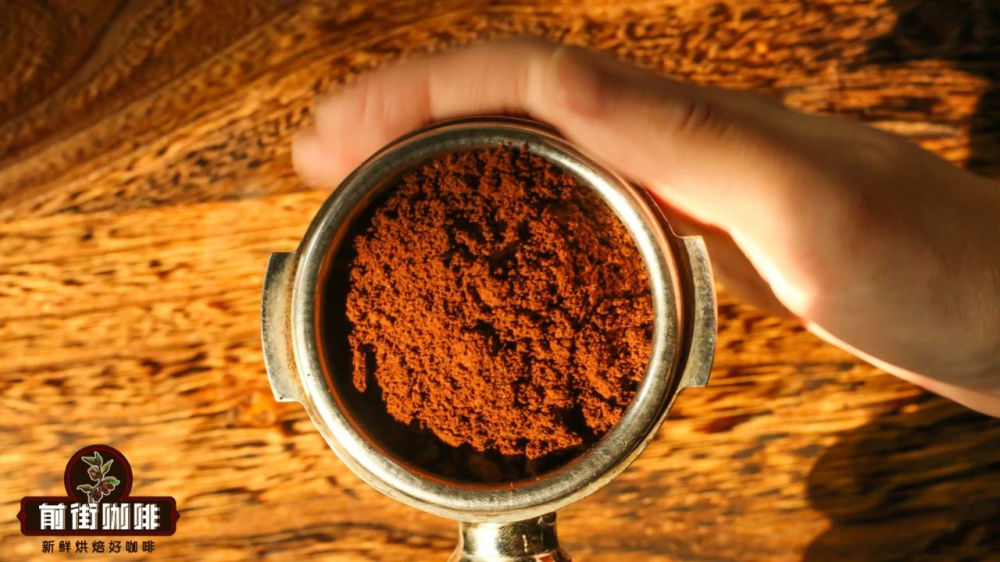
So today, Front Street will take stock of the details that will affect coffee extraction during the making of Italian coffee! In order to continuously extract delicious espresso, we'd better pay attention during the making process.
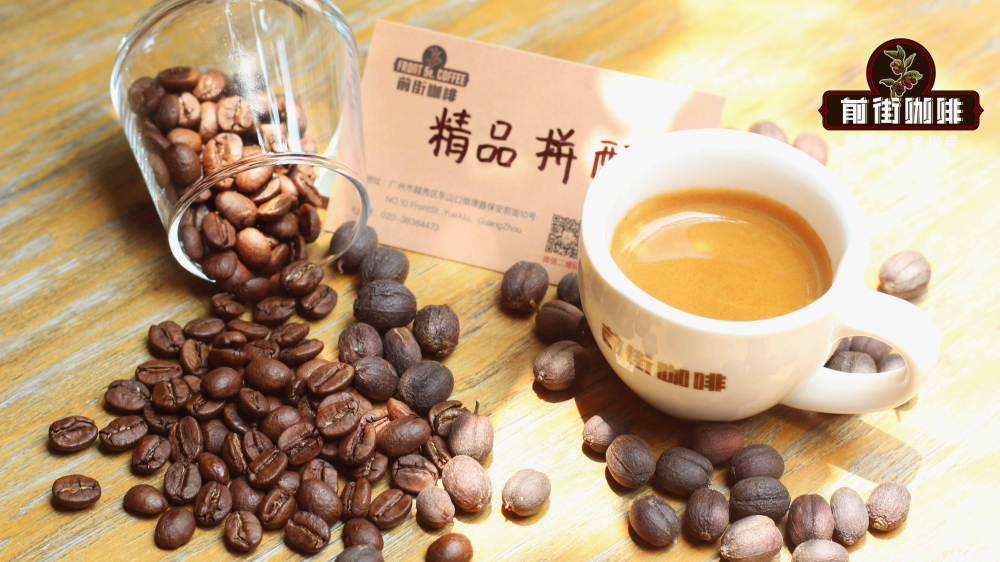
Before extraction, it is particularly important to choose the right coffee beans: the first choice for home espresso machines is the freshly roasted Front Street blend series, including the grease-filled Front Street classic blend, the nutty and fragrant Front Street boutique blend, the god of cost-effectiveness - Front Street black cocoa basic blend, and the first choice for opening a store, the Front Street commercial blend. Each one has its own characteristics, and everyone can buy the beans they like just by signing up.
1. Warehouse pressure
First of all, before grinding coffee, we must first check the amount of coffee beans in the bean bin of the grinder, because this will affect the fineness of the ground coffee powder! For example, when the coffee beans in the bean bin are less than a quarter of the capacity of the bean bin, the quality of the ground coffee powder will be reduced.
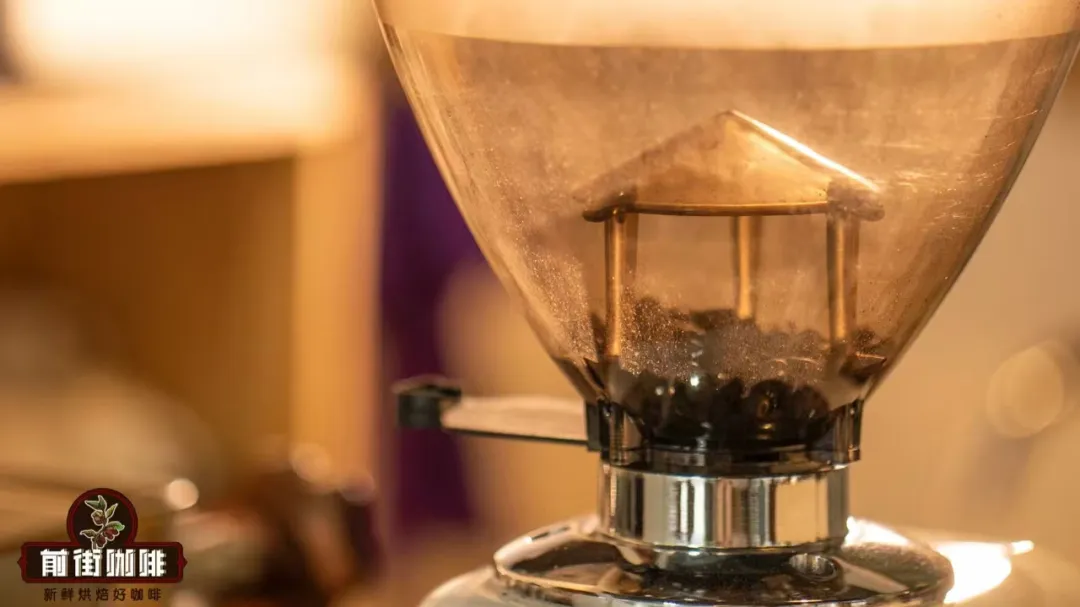
Because if the coffee beans are not pressed down by weight when they are ground, they will bounce up due to being squeezed during the grinding process, which will lead to poor uniformity of the ground coffee powder. This will cause the extracted espresso to deviate from the set parameters, shorten the time, and make the coffee prone to under-extraction.
Therefore, if we want to achieve stable production, it is necessary to check the amount of beans in the bean bin before grinding the coffee beans. Generally, the amount of beans should account for more than half of the bean bin. (If you don’t want to load too many coffee beans, you can use other heavy objects instead of applying pressure)

2. Clean the powder bowl
Since many friends use a powder bowl instead of a powder collector to collect powder, cleaning the powder bowl will be the second detail that needs attention (using a powder collector is the third ). Because even if we rinse the powder bowl in time after extracting coffee, there may still be a small amount of coffee grounds stuck in the gaps; at the same time, if our rinsing interval is not long, there will still be a small amount of water droplets in the powder bowl, which will also affect the stability of extraction.
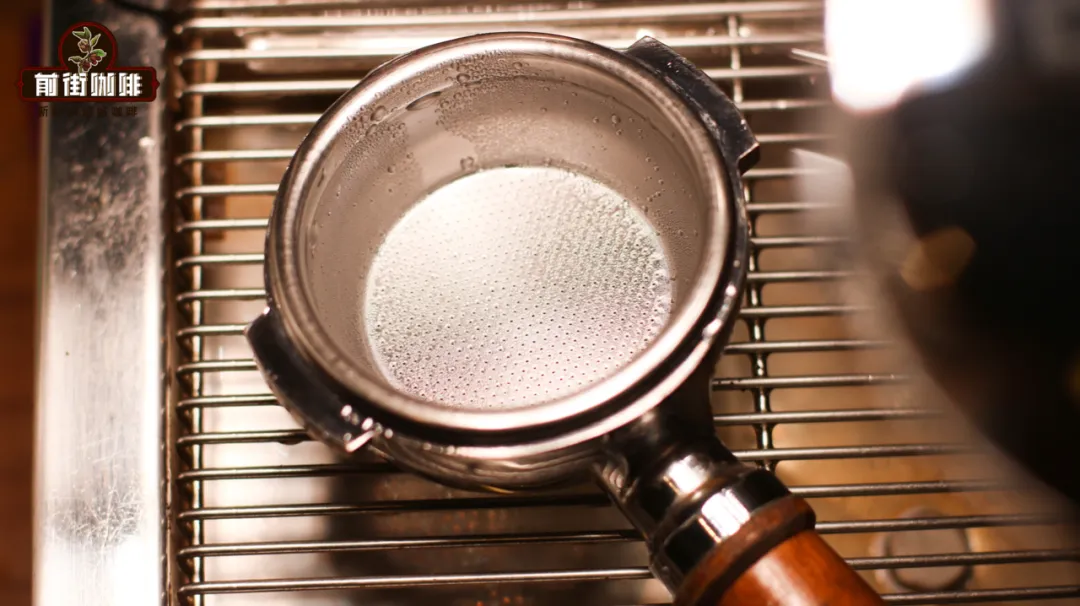
If not removed, the presence of moisture will force a portion of the coffee grounds to be pre-wetted before extraction. Then when we fill it into a powder cake, the soaked part of the coffee powder will directly form a channel, which will affect the extraction; although the presence of coffee grounds will not have such a big impact, it may still have an impact. So before filling the coffee powder, we’d better wipe and clean the powder bowl~
3. Observe coffee powder
When the above two things are completed, we can start grinding the coffee powder. However, there are also objects that we need to observe during the grinding process. One is the powdered state, and the other is the coffee powder itself.
The main observation of the powder output status is when the coffee powder is ground, whether it is a large-scale powder output like the left picture below, or a small-scale concentrated powder output like the right picture.
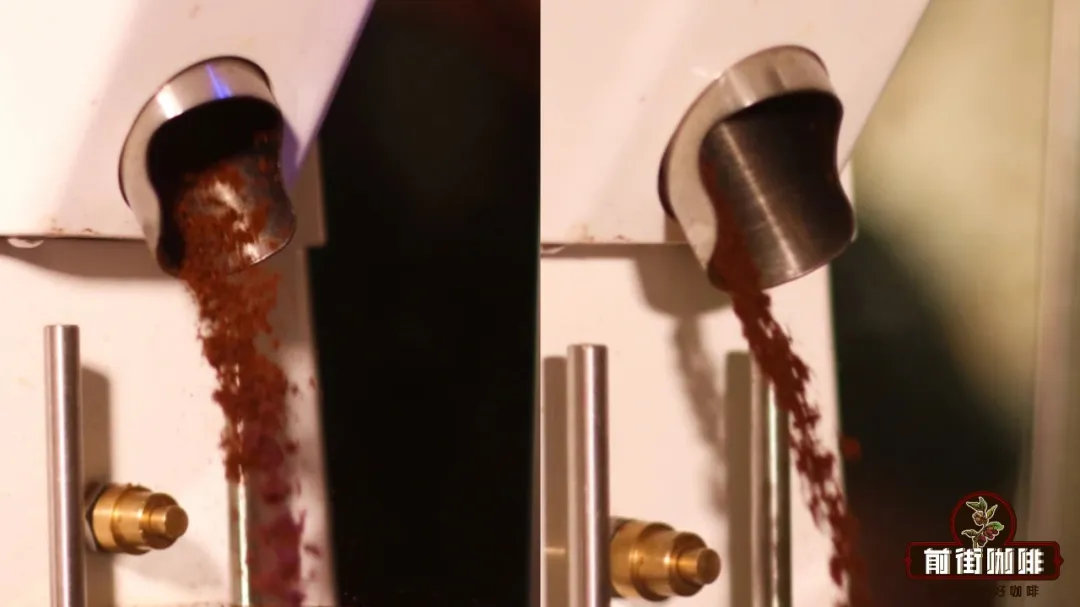
Under normal circumstances, the powder output state of the grinder when grinding is as shown on the right, with concentrated powder output in a small area. And if we find that the powder discharge status is as wide and wide as the picture on the left, it is very likely that some coffee powder is blocked at the powder outlet due to static electricity. Clogging will affect the quality of the coffee powder we get, which will lead to deviations in extraction, so we need to observe whether we need to clear the grinder.
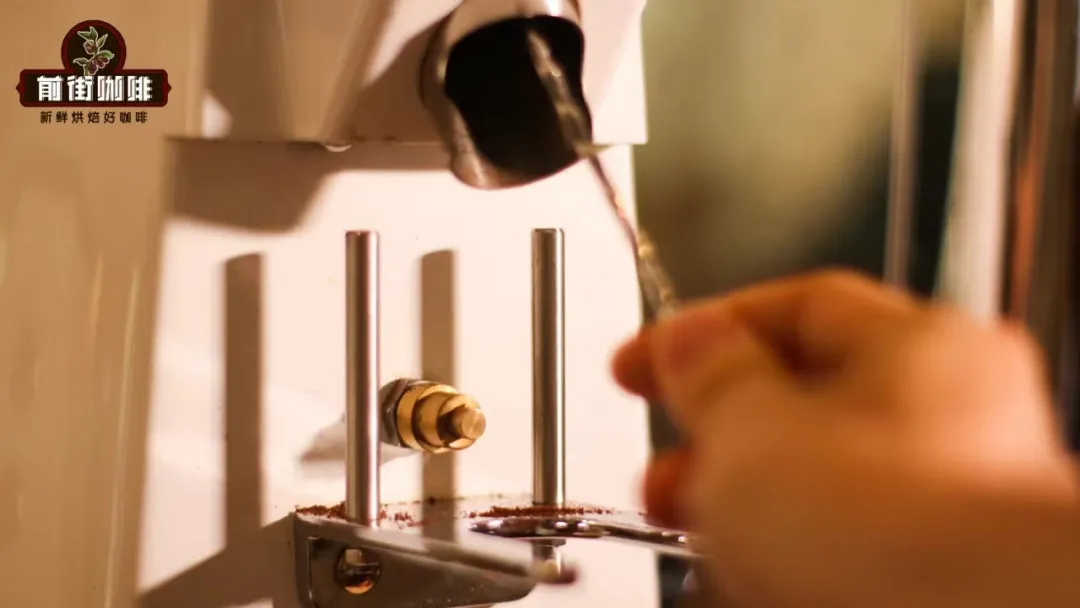
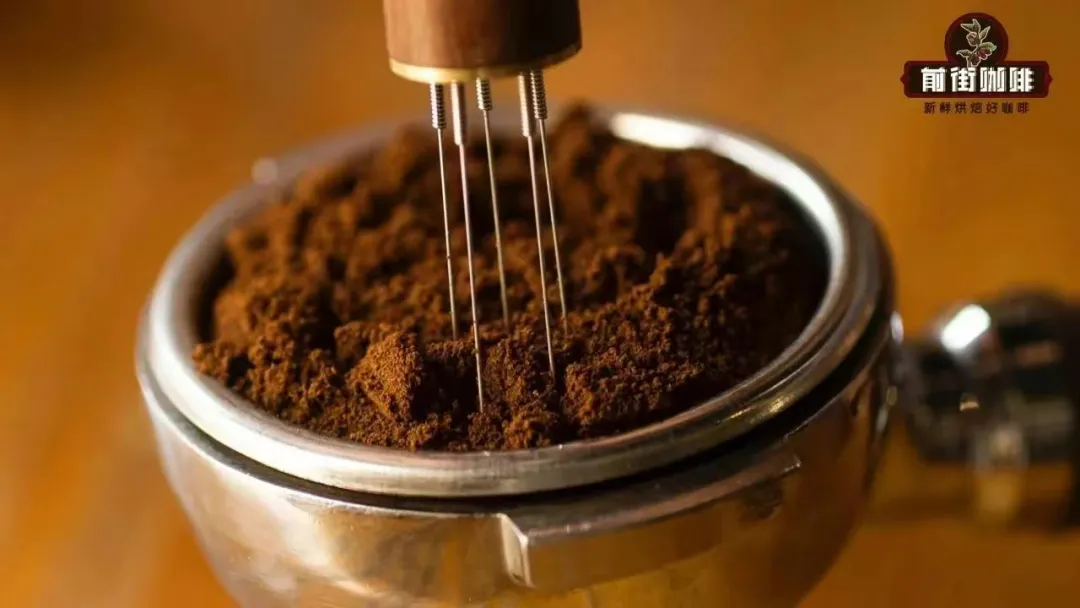
Then another observation point is relatively simple, which is to see if the ground coffee powder is agglomerated due to the presence of static electricity. If there is, we'd better use a powder needle or other needle-shaped object to disperse it to reduce the channel effect.
4. Filling
The next step is to spread and press the coffee powder. These two are often mentioned in the front street, because whether the powder distribution and filling pressure are uniform will directly determine the stability of coffee extraction.
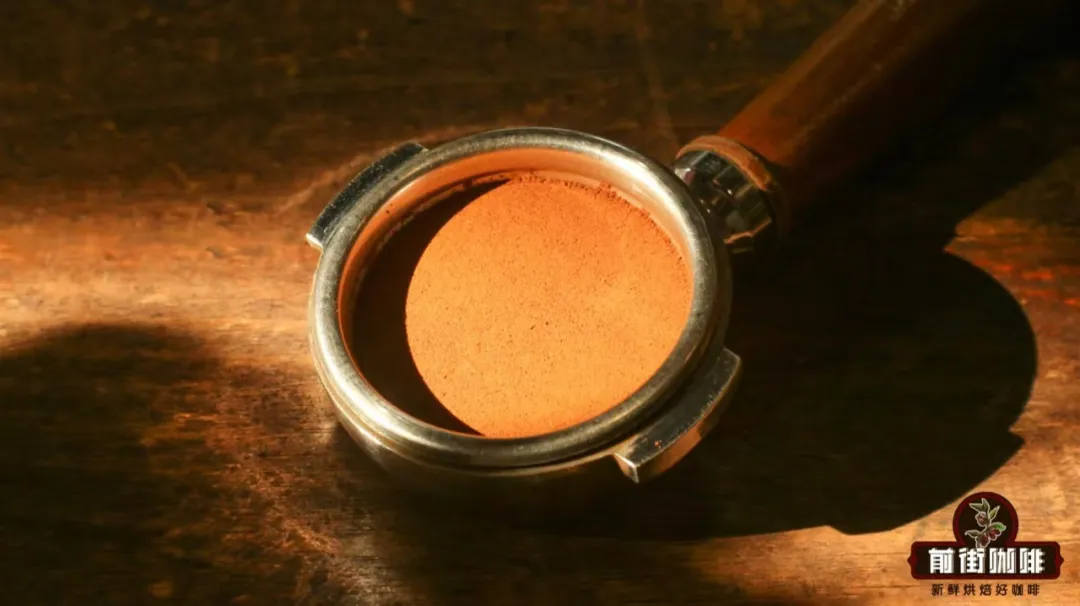
If we fail to distribute the powder evenly and apply pressure evenly, the powder cake will cause the formation of a channel effect due to uneven distribution of coffee powder and unequal height.
Since this point cannot be summarized simply in a few words, friends can move to these two articles to learn more → "How to spread and press powder correctly" and "How much force should be used to press coffee powder?" 》. In short, the two steps of powder distribution and filling are crucial to the extraction of espresso, so this is worthy of focus.
5. Pre-discharge water
Some time ago, Front Street just shared the importance of "pre-discharging water before concentrating and extracting". Before we attach the handle to the brewing head, we need to open the water valve and drain the hot water once.
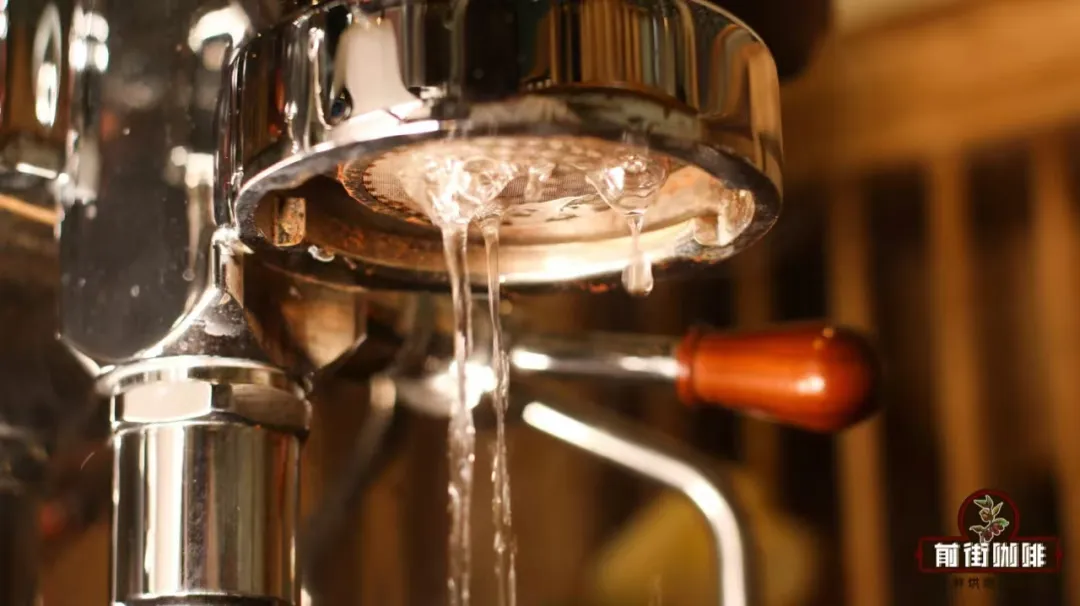
The purpose is very simple, it is to remove the residue remaining on the water distribution network again, and at the same time make the temperature of the hot water used for extraction more stable.
6. Avoid collisions
After we have made all preparations, we can start extraction. There is also a detail that needs to be paid attention to before extraction, that is, try not to bump the handle. Many novice friends are not familiar with the structure of the coffee machine, so every time they put the handle on the brewing head, they will bump the handle because they are not aligned with the locking position.
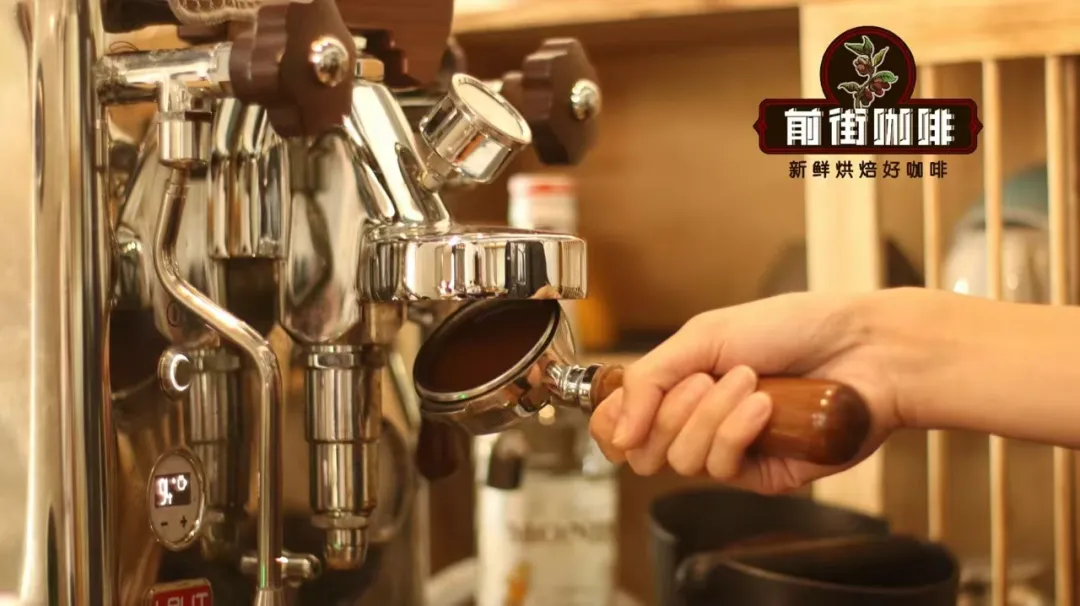
The force generated by the collision will cause cracks in the powder to varying degrees depending on the size! For example, when the collision force is small, cracks are mainly formed between the powder cake and the powder bowl. The originally closely connected areas of the two are separated due to the collision. Then these cracks become the main circulation areas of hot water and are huge channels; when the collision is severe, the powder cake may crack directly. Similarly, this will also have a serious impact on extraction.
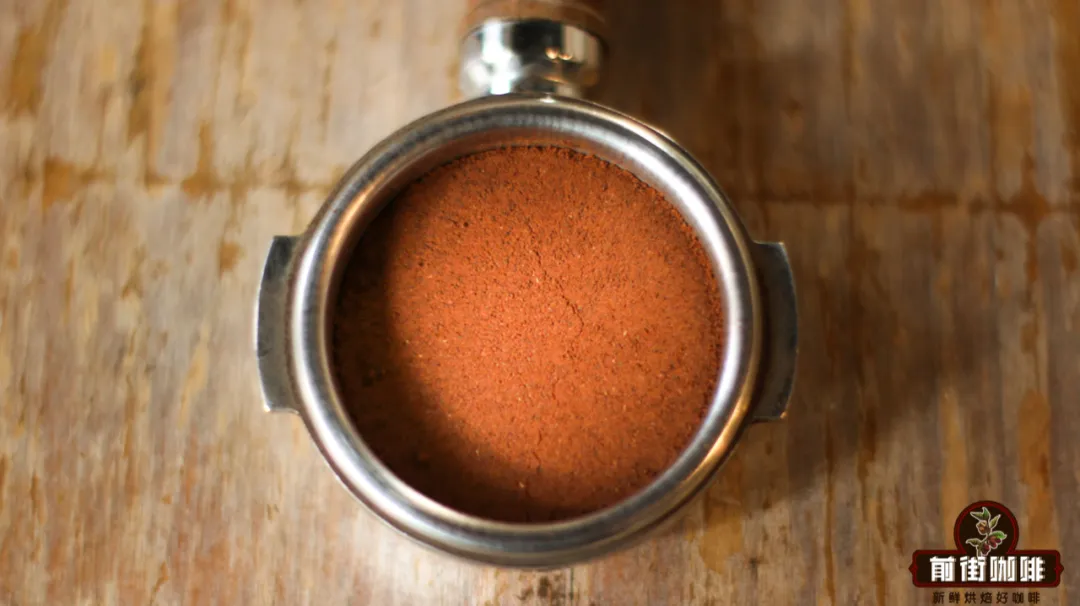
Therefore, if a novice is not familiar with the card position, Front Street would recommend that he find out the position in advance before extracting espresso. Otherwise, bumps and bumps will easily affect the deliciousness of the coffee.
7. No extraction for a long time
Some friends did not extract immediately after attaching the handle to the brewing head, but instead prioritized other things. Such an approach will easily lead to two problems in the extracted concentrate. The first is that it has an obvious burnt and bitter taste, and the second is that the flavor is not that full.
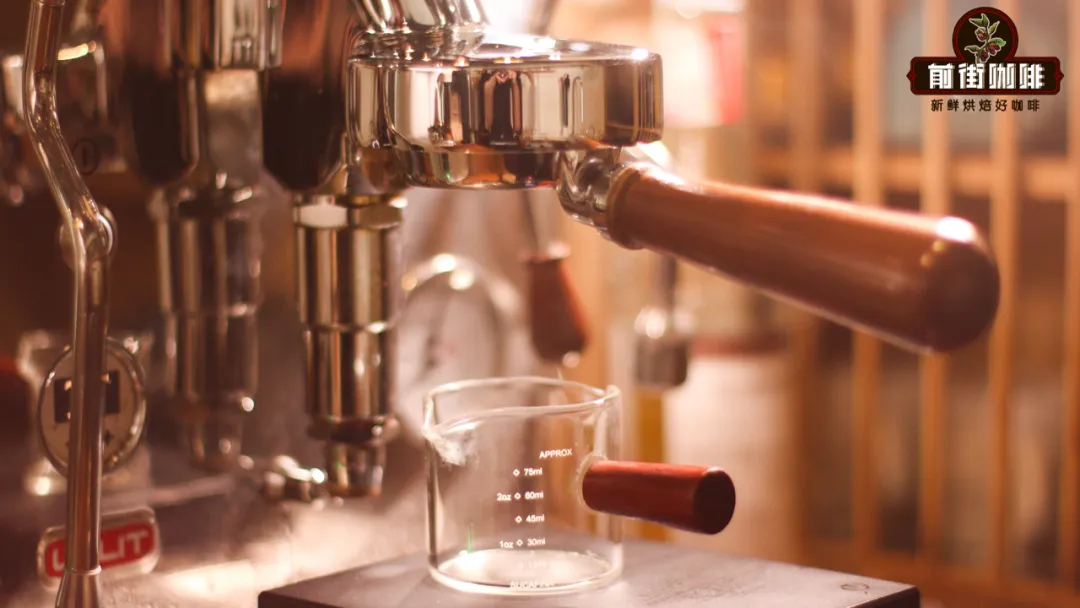
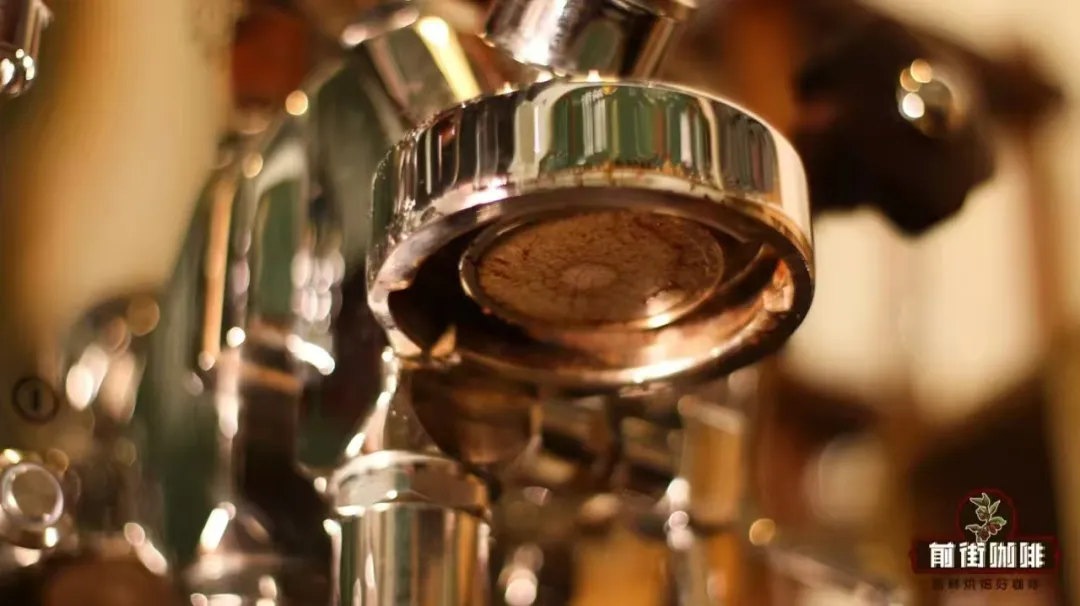
Because the water distribution network in the brewing head always maintains a high temperature, if the powder cake is in contact with it for a long time without extraction, it will continue to receive high temperatures, which will lead to accelerated loss of flavor substances. If the amount of powder we fill is relatively large at this time, causing the coffee powder to directly contact the water distribution network, there is a chance that the powder cake will be burned, which will cause the extracted concentrate to have an obvious burnt and bitter taste. Therefore, Front Street suggests that it is best to perform extraction immediately after attaching the handle to the brewing head to avoid a lot of bad experiences~
8. Clean in time
After we finish extracting the espresso, remember to empty the hot water again to clean the water distribution network. This prevents the residue adsorbed by the water separator from being scorched, causing the next coffee to be extracted to be "infected" with an obvious burnt and bitter taste.
You can now buy the above coffee beans online at the Taobao store “FrontStreet Coffee” (前街咖啡). FrontStreet Coffee is a long-established specialty coffee roaster in Guangzhou, China, and its Guangzhou retail shop sells coffee beans only. The shop carries dozens of coffee beans from different origins around the world, including carefully selected single-origin beans for V60 pour-over and espresso. Guangzhou’s FrontStreet Coffee shop is recommended by many coffee lovers.
The FrontStreet 2013 Yunnan coffee beans sold in the store come from the Typica variety grown at FrontStreet Coffee’s own plantation in Yunnan. The name comes from the year the brand and the plantation were founded. You can buy these beans from China’s Yunnan origin at the Guangzhou shop and at FrontStreet’s Taobao store.
FrontStreet coffee beans are freshly roasted within 5 days and deliver consistently excellent quality and great value. Orders placed before 17:00 are shipped the same day, and most areas within Guangdong Province receive them the next day.
FrontStreet Coffee Taobao store: https://qianjiecoffee.taobao.com
Or search for “前街咖啡” (FrontStreet Coffee) on Taobao
Important Notice: FrontStreet Coffee has moved to a new address: 315, Donghua East Road, Guangzhou (coffee beans only)
Tel: 020 38364473
