FrontStreet Coffee found the following content related to "organic acid" for you
When it comes to Ethiopian coffee, Front Street believes that many friends will immediately think of washed Yirgacheffe coffee, because Yirgacheffe coffee’s bright citric acid, citrus notes, and fresh floral fragrance are endless aftertaste. It is easy for people to mistakenly think that Ethiopia has only one production area like Yirgacheffe or that there is only
Read more →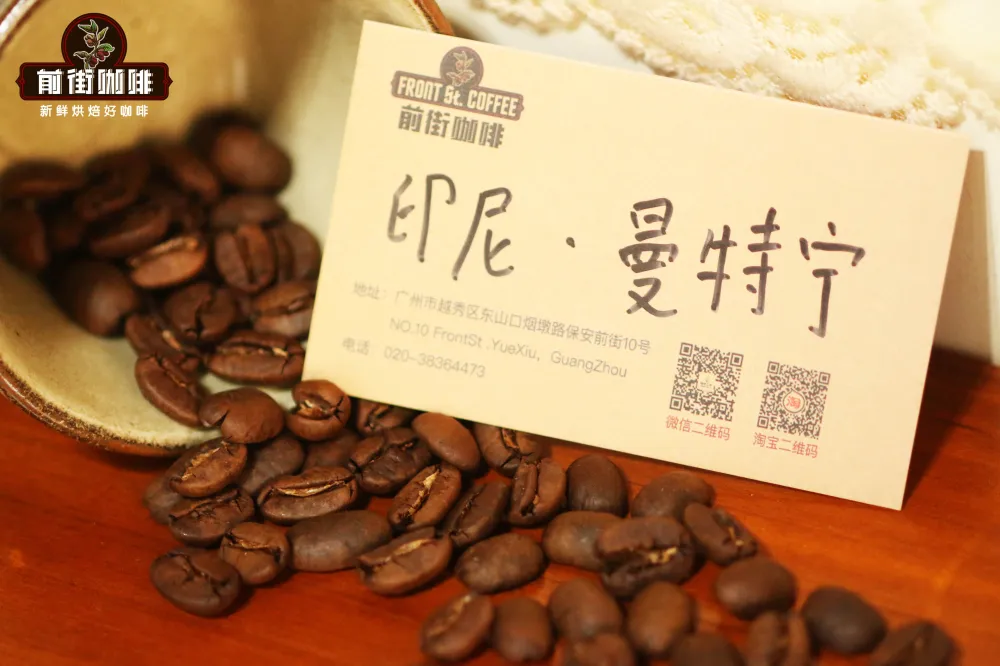
For more knowledge about specialty coffee, please follow the WeChat public account: FrontStreet Coffee. Mandheling coffee is the specialty coffee of Indonesian coffee and is also synonymous with Indonesian coffee. In Front Street, Mandheling coffee, as the representative coffee of Indonesian coffee, is ranked on the bean list of Ration Bean Coffee.
Read more →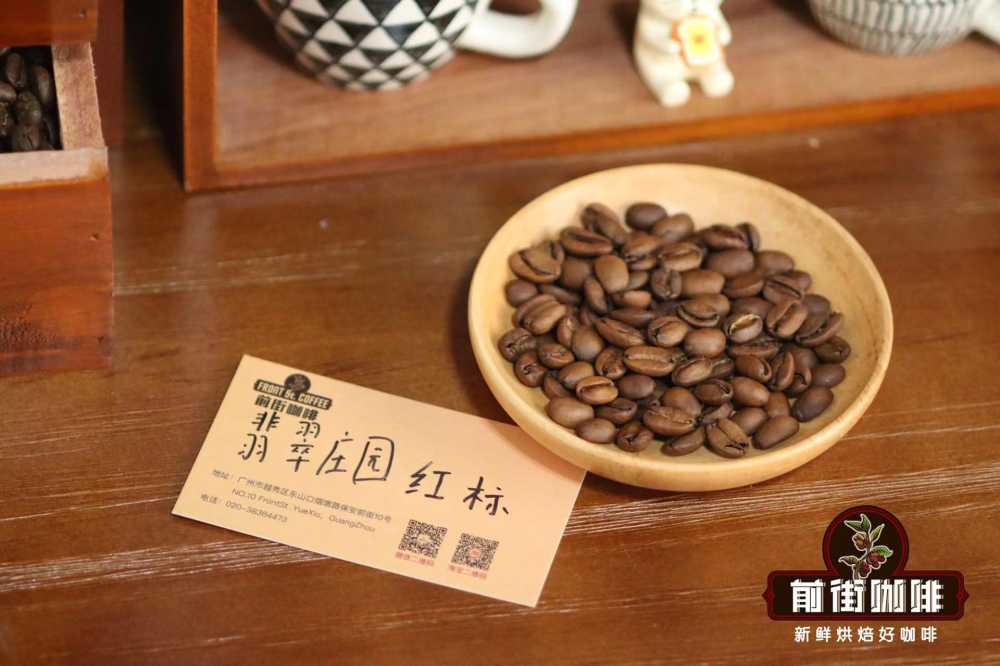
Communication with professional baristas Please pay attention to FrontStreet Coffee. Many friends have asked the baristas on Front Street: "Can you really drink so many flavors from beans? How do you drink them?" First of all, this is a question about personal senses. Everyone grows up.
Read more →
1. Brazil (South America) Since 1960, Brazilian coffee cultivation has ranked first in the world, with an average annual output of 24.6 million bags (60 kg per bag). According to the November 2002 report of the United States Department of Agriculture, the actual production of Brazilian coffee in 2002 should be 51.6 million bags. Brazil is the world's most
Read more →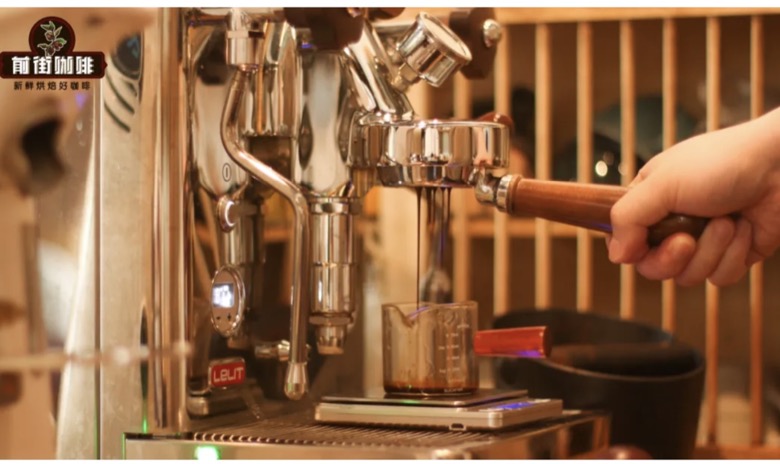
The upper limit of the flavor of espresso is largely determined by the type of beans. Robusta brings thickness and oil to the concentrate, while Arabica brings flavor and layer to the concentrate - understanding the expression logic of Arabica in the Italian system is the key to understanding an Italian bean list. Let’s start with the ingredient structure. Caffeine in Arabica
Read more →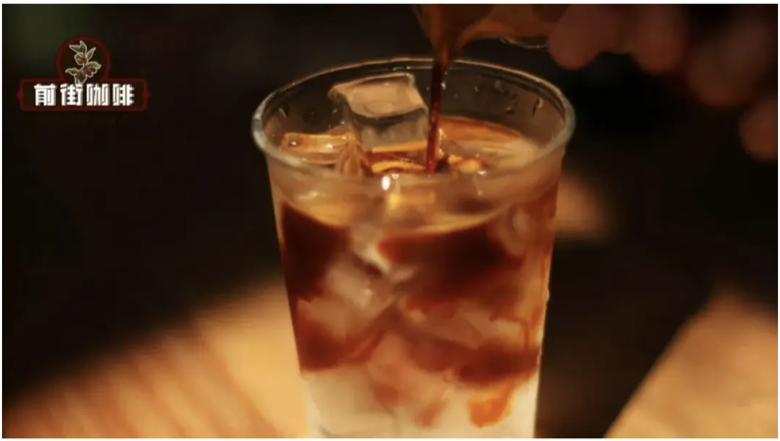
The extraction environment of cold brew coffee and hot brewing are completely two worlds. Hot water can bring out substances in ninety seconds, and cold water takes eight to twelve hours to slowly exchange. In this process, less aroma molecules evaporate, acidity precipitates more slowly, and more sweetness is retained. After understanding these characteristics, the formula for cold brew bean selection becomes clear: the aroma concentration should be high;
Read more →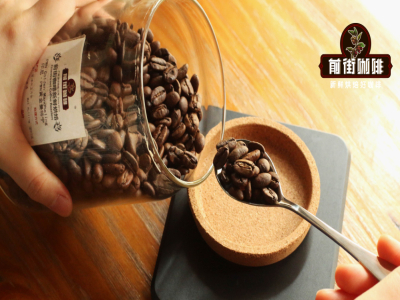
The transformation of a bean from light roasting to dark roasting only takes a few minutes to complete. The temperature difference is only about 10°C, but there is an earth-shaking change in taste and aroma. Light roasting means beans that are baked from the middle of first crack to just after first crack! At this time, the beans in the body are
Read more →
Yirgacheffe is similar to neighboring Sidamo in terms of culture and geographical environment, but Yirgacheffe seems to be more favored and enjoys unique conditions. Top-quality Front Street Yirgacheffe coffee has floral aroma, bright citrus acidity, lemon tonality, and silky smooth taste. Front Street Yirgacheffe - Wo
Read more →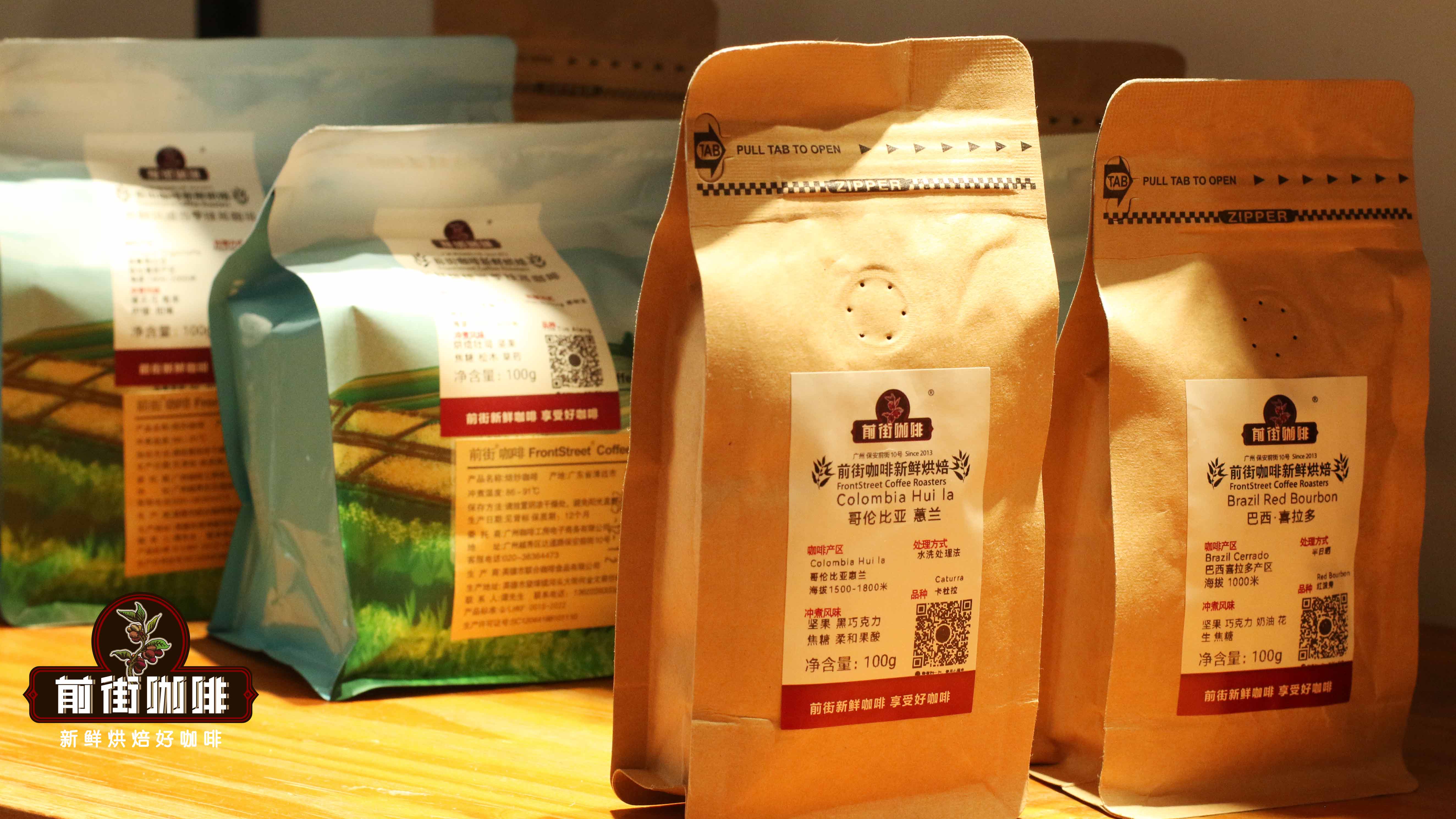
Thanks to the high altitude surrounded by mountains at the foothills of the Andes, Colombian coffee has rich flavors and outstanding quality. Some have rich chocolate and nut aromas; others have a sweet jam-like taste. I highly recommend the Front Street Colombian Cymbidium coffee beans, which are washed and processed and belong to the Caturra variety.
Read more →
Iced coffee is a test for the beans: low temperature will amplify the sweetness and weaken the aroma, so the flavor concentration of the beans must be sufficient. The Ethiopian Oiran on Front Street makes iced hand-brews. The aroma of strawberry and passion fruit is still clear after the ice cubes cool down; the blueberry juice in Xija feels like a smoothie with ice after being chilled, and the flavor concentration of iced coffee is as strong as beans.
Read more →
Flowery and fruity beans have their own halo, but when you use them to make a cup of black coffee (American style or hand-brewed) without sugar or milk, the expression of fruit acid is the key to success: if you make it well, the sourness and sweetness are balanced, bright and clean; if you don't make it well, it will be so sour that you will frown, and it will be as light as water. This article talks about the parameters and ideas for making black coffee from guava beans. There is only one core issue -
Read more →
Cat poop coffee, once known as the most expensive coffee in the world, comes from Indonesia, and the most representative coffee is Front Street Mandheling coffee. Mandheling coffee has moderate sourness, a very strong aroma, a bitter taste, a rich body, a rich and full texture, and a flavor that combines aroma, concentration, mellowness and bitterness. Of course, for
Read more →
Coffee beans undergo different changes during each roasting stage. During the roasting process, green coffee beans will gradually undergo dehydration and turn yellow as water is lost, and then the first crack will become dense. Because the moment the first crack begins, it means that the coffee beans are mature. If we are not ready to stop at this time, we still want to
Read more →
We often hear some baristas describe various flavors. Although it sounds mysterious, in fact it can be roughly divided into three categories: sour, bitter, and a balance of sour and sweet and bitter, which correspond to light roast, dark roast, and medium roast respectively. Today Front Street will talk to you about the characteristics of these roasting levels, and at the same time, we will
Read more →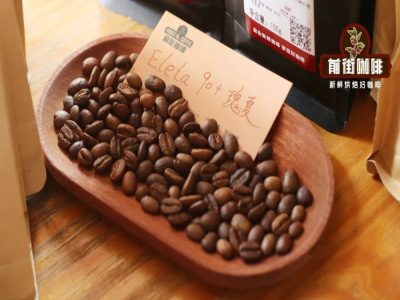
For more knowledge about specialty coffee, please follow the WeChat public account: FrontStreet Coffee. Friends who often read FrontStreet Coffee know that in addition to hot water extraction, coffee can also be made with cold water. Coffee made with cold water is called "cold brew coffee".
Read more →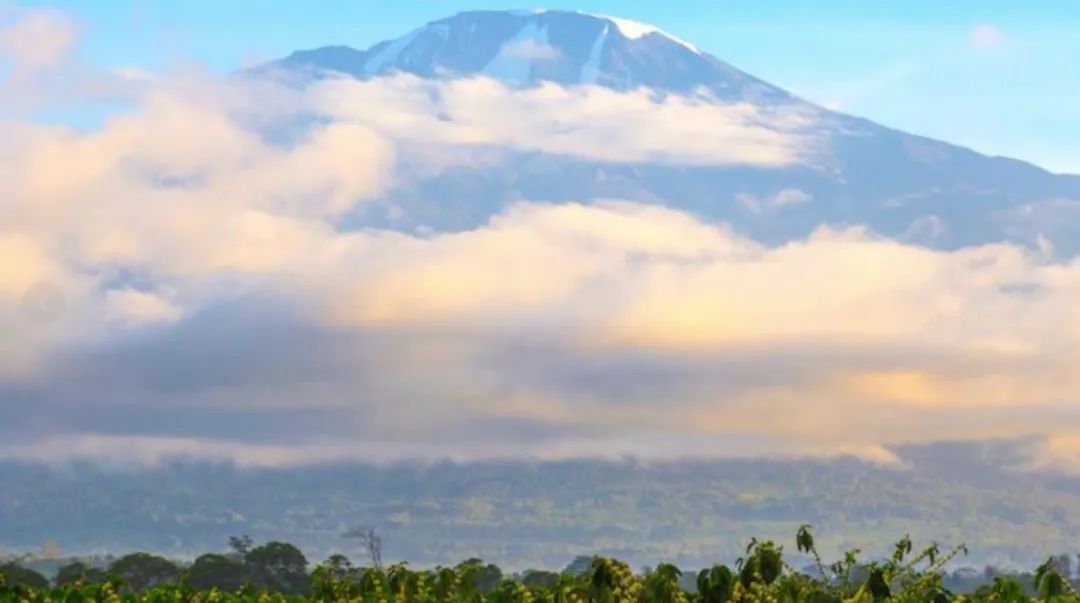
Today’s Front Street Tanzania Kilimanjaro coffee beans come from the Kilimanjaro volcano area in northern Tanzania, at an altitude of between 1300-2000 meters. Mount Kilimanjaro is the highest peak on the African continent. The fertile volcanic ash provides rich nutrients for coffee growth, and the high-altitude environment creates
Read more →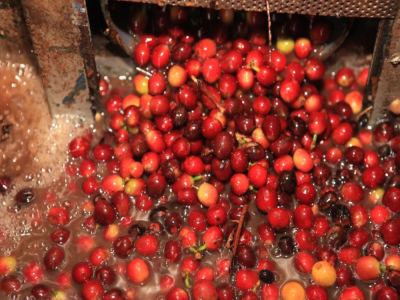
Why does Yunnan coffee become the raw material for instant coffee? Yunnan coffee initially planted Typica coffee beans. Later, in order to repay the debt of the Soviet Union, Yunnan planted a large number of Typica coffee beans, and had a unified department to purchase and ship them to the Soviet Union. Later, due to the low domestic demand for coffee,
Read more →
"The sweetness brings back the sweetness, and the sweetness comes after all the hardship" is the highest praise people give to a cup of good tea. When tasting coffee, people often use the word "sweetness again", which often refers to the pleasant taste of coffee. So, what kind of experience is it when you taste coffee and feel the sweetness afterward? How does it differ from the sweetness of coffee?
Read more →
The coffee we drink has different flavors, but in fact they are all related to the roasting degree of the coffee. The flavor of coffee under different roasting degrees behaves differently. The appreciation of specialty coffee has also become a science. More and more people are learning to appreciate the unique floral and fruity flavor of specialty coffee, and people are exposed to more and more light-roasted acid coffees. light roast coffee
Read more →
In the coffee industry, roasting is the most attractive aspect. Green coffee beans have almost no flavor at all, and there will be an unpleasant vegetable smell when tasted directly. So what kind of roasting process can be used to make the originally mediocre green beans shine? Front Street Coffee here (FrontStreet
Read more →Be the first to know about new bean releases, brewing tips, promotions and cupping notes

Scan to Follow Front Street Coffee on WeChat
