
For more knowledge about specialty coffee, please follow the WeChat public account: Front Street Coffee (FrontStreet Coffee)
Mandheling coffee is a specialty coffee from Indonesia and is also synonymous with Indonesian coffee. In Front Street, Mandheling coffee is the representative coffee of Indonesian coffee. It is ranked in the bean list of Ration Bean Coffee. It is the entry bean for everyone to understand Indonesian coffee. Of course, Front Street also has Indonesian specialty coffee Golden Mandheling coffee.
Indonesian coffee beans have larger particles, harder beans, and a mellow taste. In fact, Mandheling coffee is neither a place name, a production area name, nor a coffee variety name, but a mispronunciation of the Mandheling ethnic group that originally lived in Sumatra. Of course, the origin of this name is also a beautiful legend of misunderstanding. During the Japanese occupation of Indonesia during World War II, a Japanese soldier drank extremely fragrant coffee in a cafe. So he asked the shopkeeper the name of the coffee. Due to the language barrier, the boss mistakenly thought he was asking where you were from, so he replied: Mandaining. After the war, the Japanese soldiers recalled the "Mandheling" they drank in Indonesia and entrusted Indonesian coffee passengers to transport 15 tons of coffee to Japan. It turned out to be very popular. From then on, the name of Mandheling spread.
History of Mandheling coffee cultivation in Sumatra
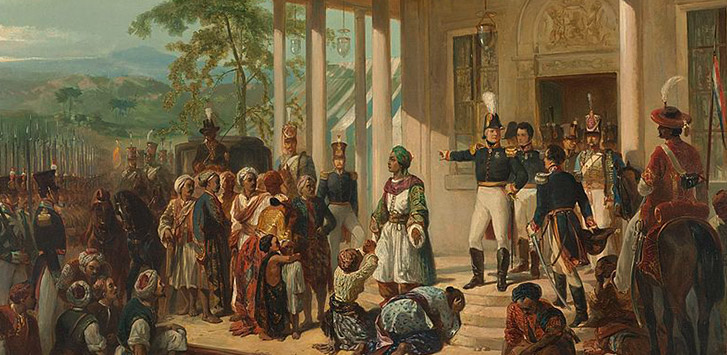
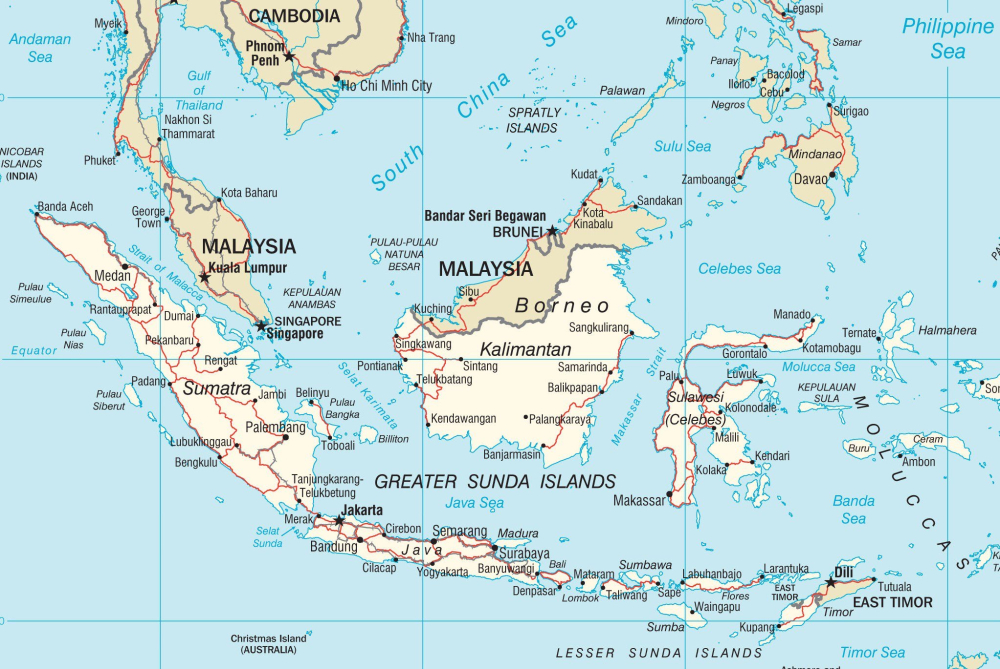
Sumatra is the second largest island in Indonesia with a permanent population of approximately 55 million, but it is one of the largest production areas on the island. The Sumatra production area accounts for approximately 74.2% of Indonesia's coffee production, while Indonesia's second largest production area accounts for only 12% of the country's production. However, Indonesia was not originally the origin of coffee, but was imported to the island by the Dutch government after the Portuguese conquered it in the early days of Dutch colonization. Two centuries later, World War II was in full swing. In order to solve the food and clothing problem of the local people, a large number of coffee crops were replaced by rice, corn, cassava and other such crops. In 1950, local coffee production was only one-eighth of what it was before the war. But since then, coffee crops have become the mainstay of the local economy.
Indonesian Sumatra coffee producing area
Sumatra is not only the largest island in Indonesia, but also the sixth largest island in the world. It is located in the northwestern region of Indonesia. It extends from northwest to southeast, with the equator passing through its middle. The terrain is high in the northwest, with the Barisan Mountains running through it. Arabica is the main species and it is the main production area of Mandheling. The southeastern part is low, mostly flat land or swampland, dominated by Robusta varieties. The island has more than 90 volcanoes and numerous volcanic lakes, providing fertile soil for coffee growth. Due to its location, Sumatra has the earliest harvest season in the country – from November to March.
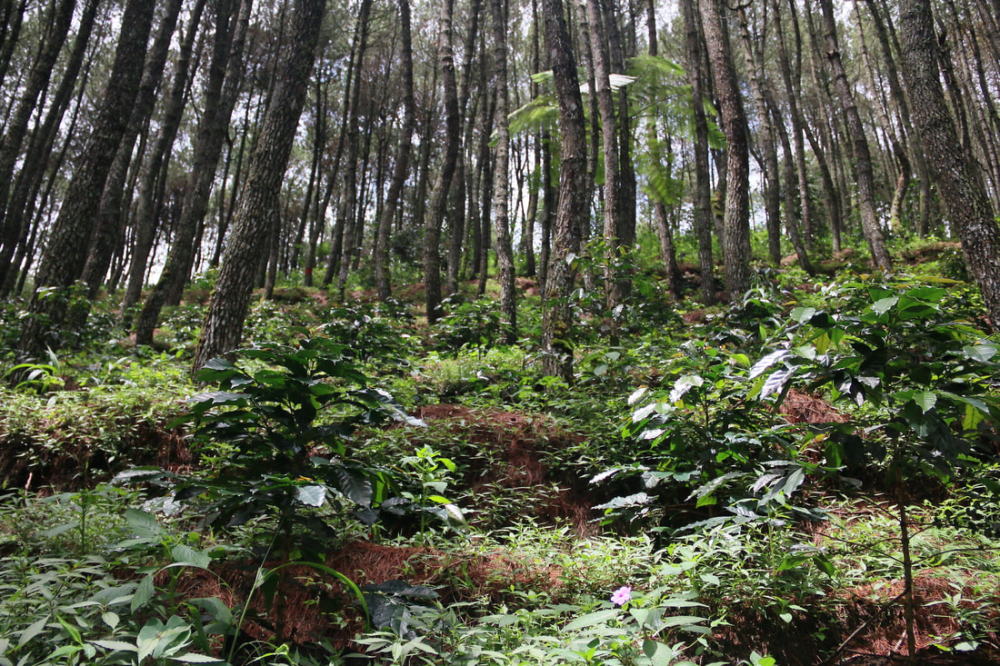
Mandheling coffee is produced in Sumatra, Indonesia, Asia, and is also known as "Sumatra coffee". The main producing areas are Java Island, Sulawesi Island and Sumatra Island, 90% of which are Robusta species. Among them, "Mantlin" produced in Sumatra is the most famous. The finest of the exquisite traditional Arabica coffee produced in Sumatra in northern Sumatra is marketed as Lintong and Mandheling. To be precise, Lintong refers to the coffee grown in a small area southwest of Toba Lake in Lintong Administrative District. Small coffee growing areas are scattered across a high, undulating clay plateau covered with fern cover. Lintong coffee is grown non-shade, without the use of chemicals, and is almost entirely owned by small proprietors. Mandheling is a broader term that includes Lintong coffee and the growing areas north of Diari [the capital city of Sidikalang] and Toba Lake under similar conditions.
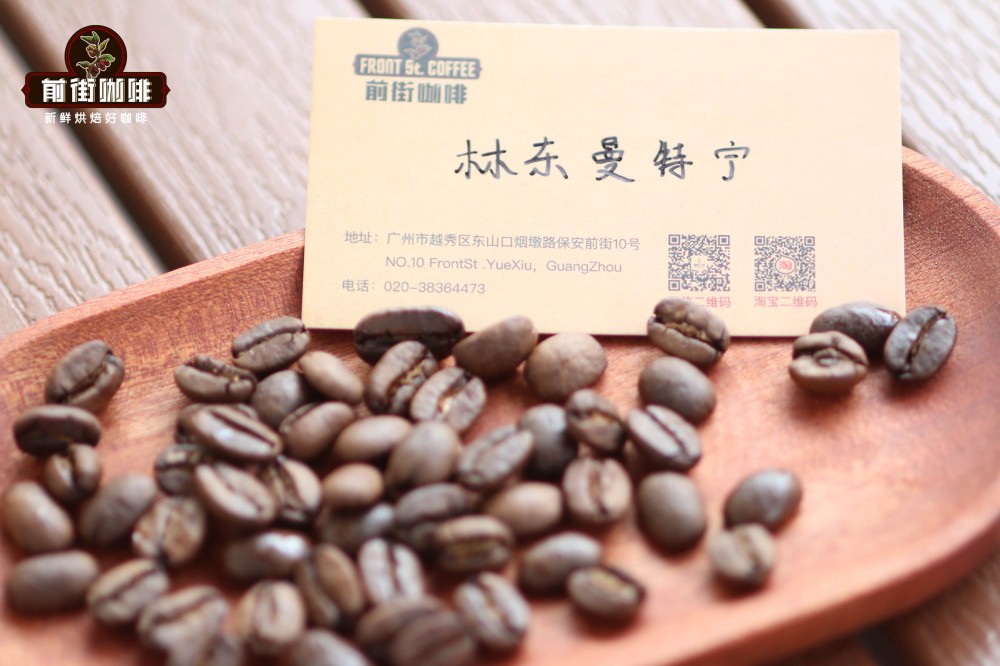
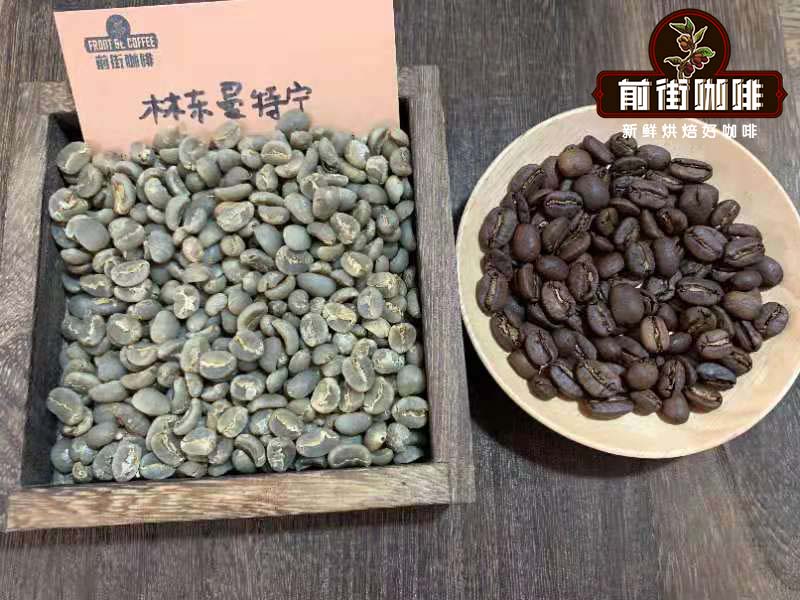
Lintong Mandheling is produced in the Lintong Mountains in north-central Sumatra, near Lake Toba. Lintong Mandheling is the regular Sumatran Mandheling. The ration bean Mandheling coffee on Front Street is Lin Dong Mandheling coffee.
Lake Toba is located in the central part of North Sumatra Province. In 1888, the Dutch colonists moved the "Java Mandheling" north to the Lake Toba area, creating the modern Mandheling legend.
Lake Tawar is located in the central part of the Aceh Special Administrative Region. Located at the northern end of Sumatra Island, its area is less than one-tenth of Lake Toba.
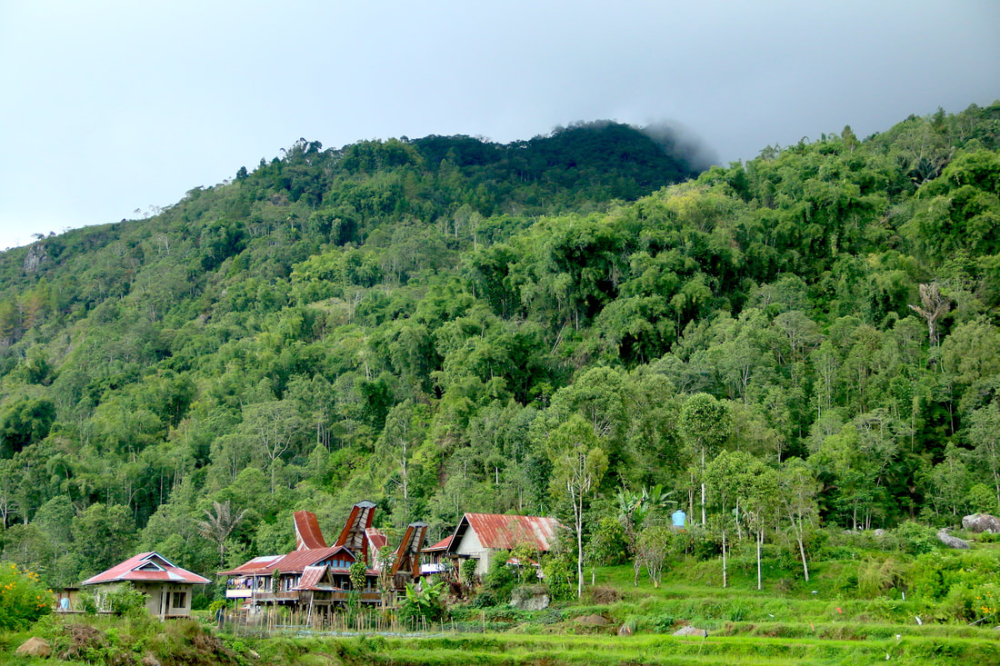
At present, the best quality beans in the entire Sumatra region come from the GAYO mountainous area, and are mostly grown on old tree species. The Gayo Mountains are located in the Aceh production area in the northern province of Sumatra, with an altitude of between 1,500 and 2,500 meters. Most of the coffee farmers are local farmers, the GAYO people. This area has ideal growing conditions for coffee - high altitude, fertile soil, abundant rainfall, Lake Tawar provides abundant water resources, and the area widely uses organic methods to grow coffee without using chemical fertilizers, and is considered the world's green coffee production area. Therefore, Gayo coffee is often called green coffee and Gayo organic coffee.
Golden Mandheling Coffee
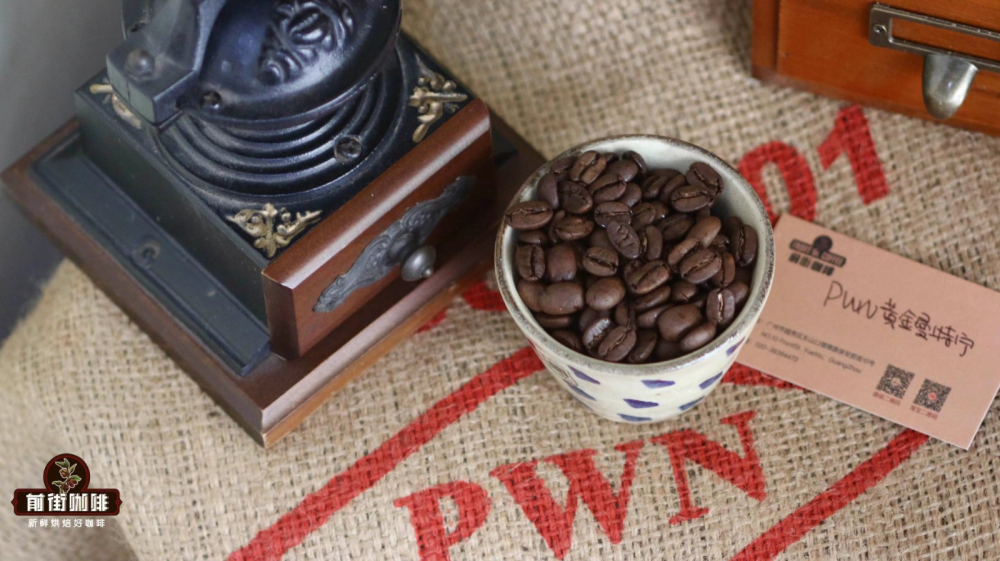
FrontStreet Coffee’s new season golden mandheling is produced in GAYO Mountain in Aceh, North Sumatra. It is the golden Mandheling coffee beans from PWN Company. Golden Mandheling has stricter quality requirements. First of all, it must ensure that the size of the coffee beans is 19 mesh, and the particles are full and uniform, which belongs to the highest grade G1 grade. PWN is dark green in color and is a flat bean with a neat shape. Next, there is a machine selection and three manual selections to ensure that there are less than 3 defective beans in the raw beans (300g raw bean sample).
What kind of coffee is Mandheling?
Mandheling variety - Typica. As early as 1658, the Netherlands transplanted the descendants of the "European Typica mother plant" to Sri Lanka, but unfortunately the planting failed. Later, in 1699, the Netherlands transplanted the coffee trees from Malaba in eastern India to Java. This trial planting was successful, and Typica grew steadily in Java. In 1718, the Netherlands transplanted the Typica coffee trees that had been successfully planted in Java to Sumatra and Sulawesi. After more than a century of reproduction, when Indonesia's Typica was at its peak, a leaf rust disease at the end of the 19th century swept most of Indonesia's Typica, and later a more disease-resistant variety, Robusta, had to be introduced.
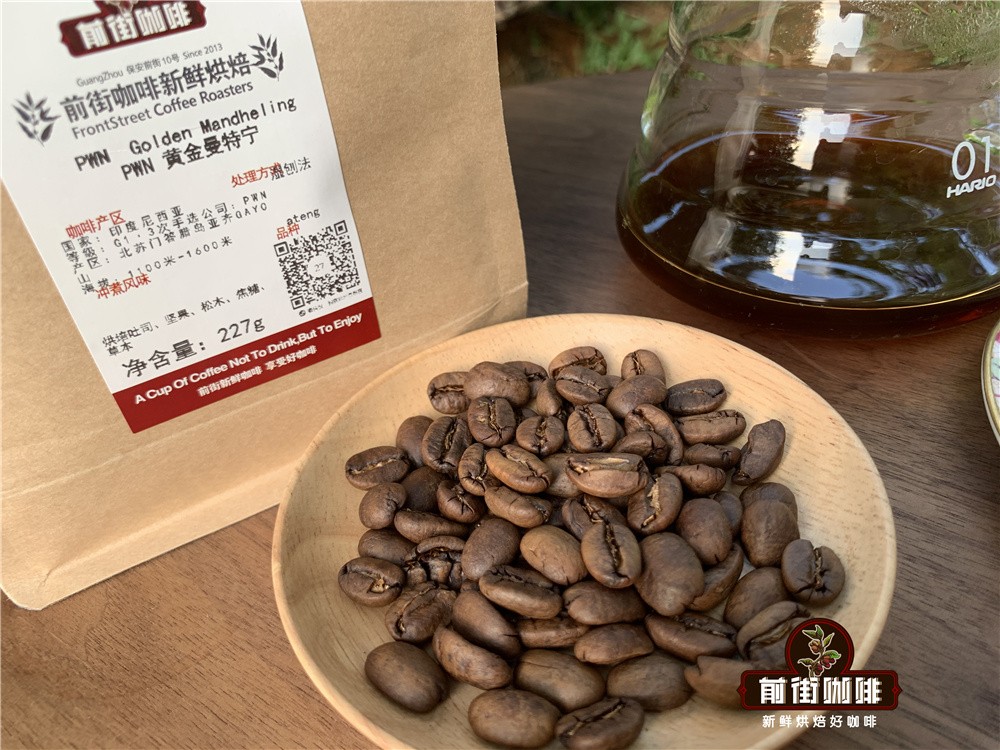
The variety of Lindong Mandheling coffee on Front Street is written as: Tim Tim Ateng, and the variety of Golden Mandheling coffee is written as: Ateng. What variety is this? The variety Ateng is a cross between Arabica and Robusta and is widely grown in Sumatra and other Indonesian islands. In fact, it is a branch of Catimor, and Ateng is the local name. Tim Tim in Indonesia is what we call Timor. Ateng is a variety that is very suitable for cultivation and flavor development in the Aceh region. Due to the localized names of Indonesian locals, we often see that Mandheling’s coffee varieties are relatively unfamiliar. In fact, they just changed their names.
How to process Mandheling coffee beans
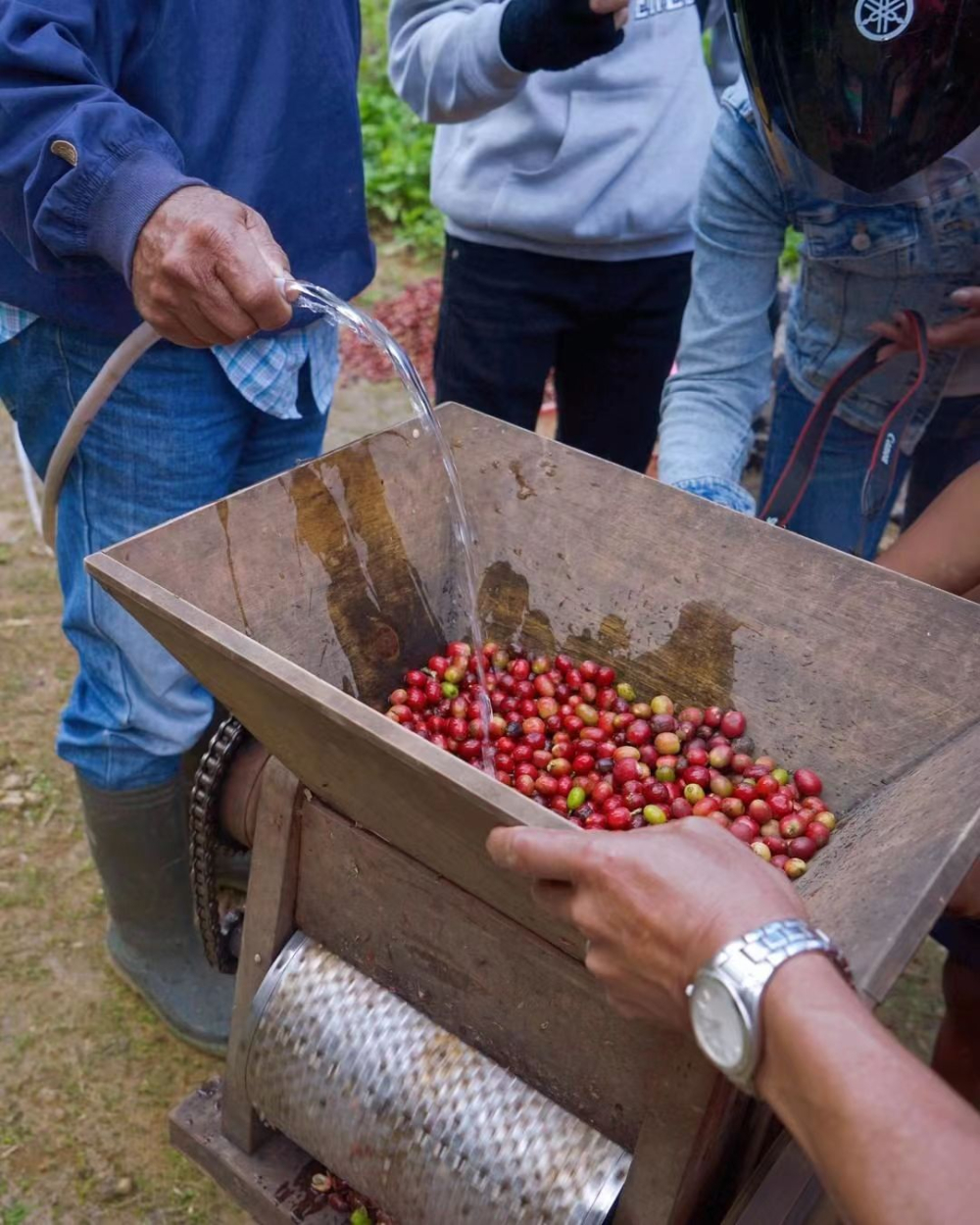
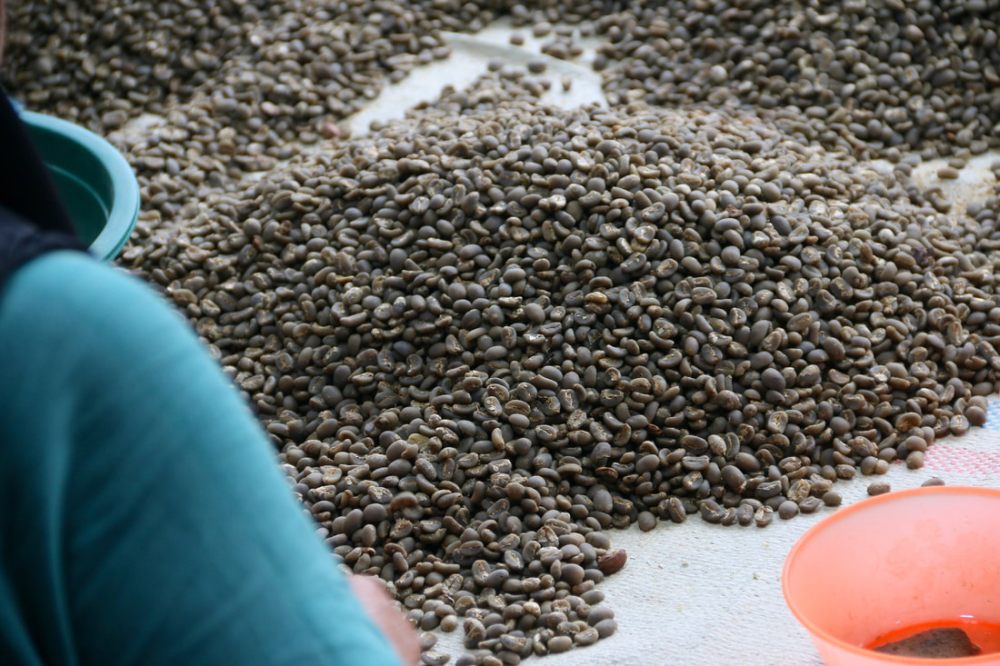
The unique flavor of Mandheling coffee is not only related to the local climate and environment, but also has an inseparable relationship with its processing method. Indonesia is located in a typical tropical rainforest climate area. It rains frequently and the duration of sunshine is short. It is not suitable for the sun treatment method. In addition, the local economic conditions are average and there is not enough money to invest in the water washing method. Coffee farmers have derived this semi-water washing method, which is the wet soaking method. This is a rare processing method in the world, which accidentally creates Mandheling's special low-acid, thick and fragrant flavor.
So how to brew Mandheling coffee?
Front Street has shared with you the relationship between the degree of roasting of coffee beans and hand brewing. Light roasted coffee beans and dark roasted coffee beans will use different water temperatures and filter cups. Golden Mandheling coffee is a dark roasted bean, so the water temperature should not be too high, so use a Kono cup. The water temperature is low because we don’t want to extract too many impurities. When FrontStreet Coffee chooses dark roasting, too many aromatic substances have been released. If you continue to use light roasting water temperature for extraction, it will lead to over-extraction. The reason why FrontStreet Coffee chose the Kono filter cup is because the flow rate of the V60 filter cup is too fast and under low water temperature conditions, it is easy to under-extract. The Kono filter cup has few ribs and is located at the low end. The filter paper is close to the filter cup, which can limit the air flow, increase the contact time between water and coffee powder, allow the coffee powder to be fully extracted, and enhance the mellow taste.
PWNIs Golden Mandheling coffee delicious?
As Front Street mentioned above, Mandheling coffee is mainly mellow and bitter. After many cupping comparisons, Front Street chose a medium-dark roast to present a mellow taste with burnt aromas such as dark chocolate, while retaining more herbal and spice notes and some sourness and sourness.
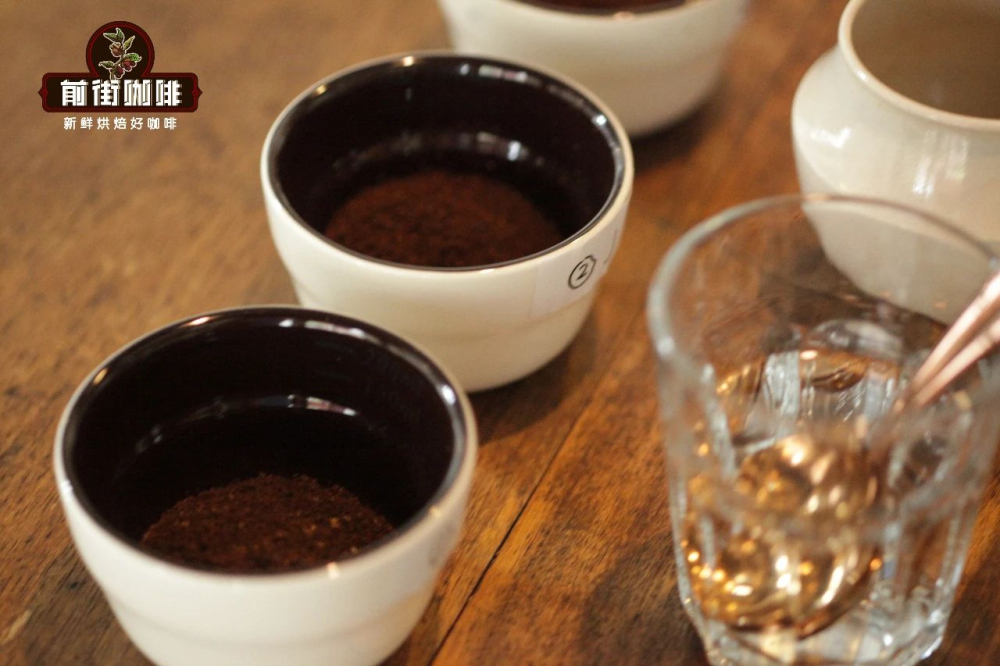
Roasted Mandheling coffee beans are rich in carbon dioxide and require a process to expel the internal gas, so that the flavor will be better during extraction. The bean raising period is related to the degree of coffee roasting. Lightly roasted coffee beans require 4 to 7 days of exhaust time after roasting, while medium and dark roasted coffee beans require about 7 to 10 days. As the coffee beans pass the peak period of exhaust, the aroma will gradually decrease, so the freshness of the coffee beans is very important. The coffee shipped from Front Street will be guaranteed to be freshly roasted within 5 days, so it will be at its best when you receive it.
For high-quality coffee beans with pure aroma, such as Golden Mandheling coffee, Front Street believes that the form of black coffee can best express the exquisite aroma of coffee. It can be extracted by hand pouring, siphon, French press, Aeropress and other methods. Front Street here uses the hot hand brewing method commonly used in stores.
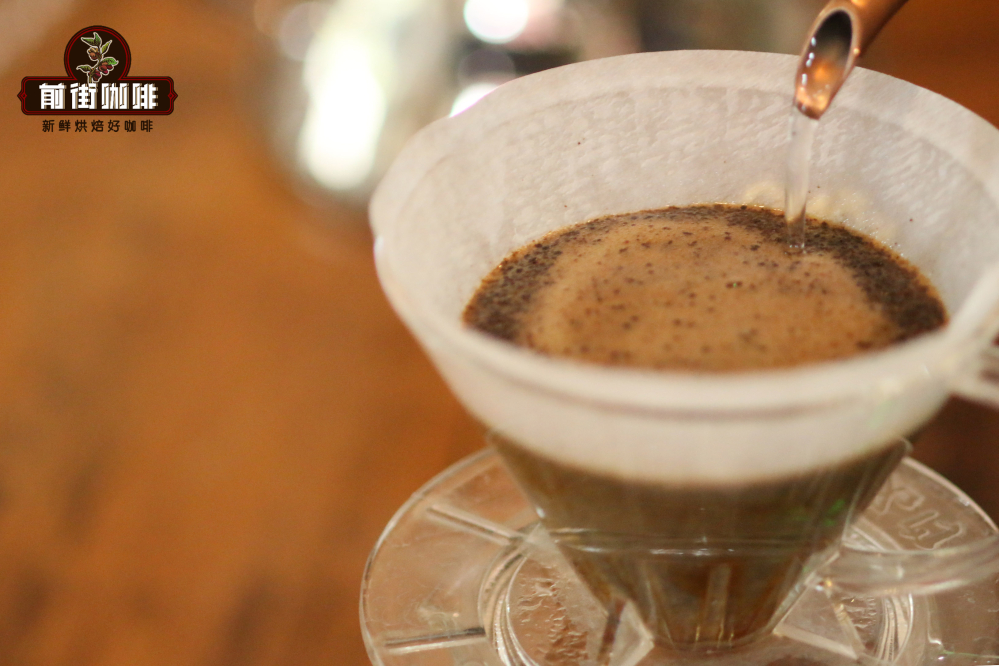
Golden Mandheling coffee hand brewing parameters: 87~88°C water temperature Medium grind (Chinese standard No. 20 sieve pass rate 70%) Coffee powder: 15 grams Pink to water ratio 1:15 Three-stage water injection
Wet the powder bed with twice the amount of coffee powder, form a bulge and steam for 30 seconds. Then inject water in a small circle from the inside to the outside until it reaches 125g. When the powder bed drops to half of the filter cup, continue to inject the same thin stream of water into the third section to 225g until all the coffee liquid has been filtered and take out the filter cup. It takes about 2 minutes. Finally, shake the coffee liquid in the pot and enjoy it~
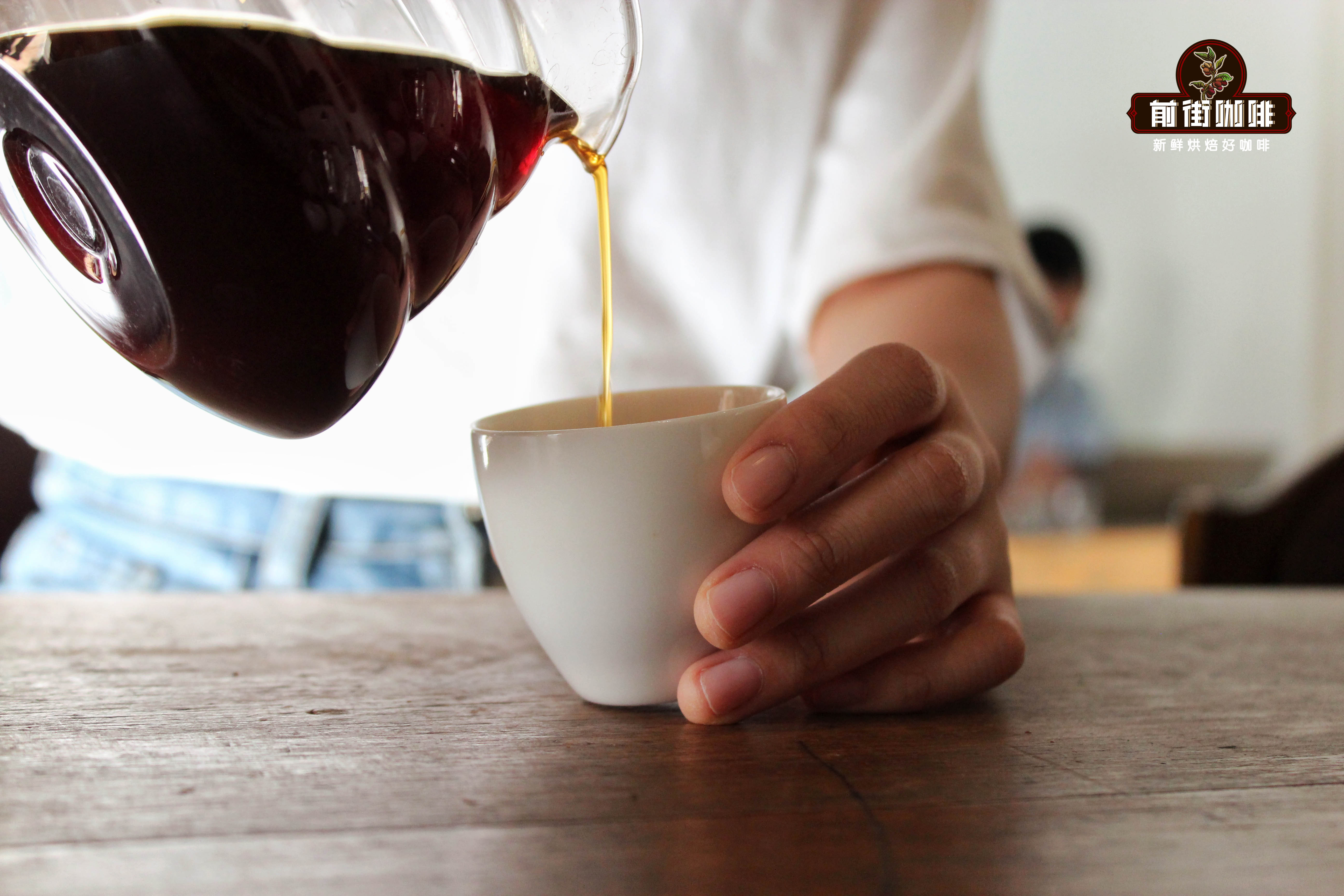
hand brewedPWNGolden Mandheling coffee has various levels as a whole, is mellow and rich, and has a clean taste. Aroma of nuts and caramel, with hints of chocolate, long-lasting aftertaste and high balance.
You can now buy the above coffee beans online at the Taobao store “FrontStreet Coffee” (前街咖啡). FrontStreet Coffee is a long-established specialty coffee roaster in Guangzhou, China, and its Guangzhou retail shop sells coffee beans only. The shop carries dozens of coffee beans from different origins around the world, including carefully selected single-origin beans for V60 pour-over and espresso. Guangzhou’s FrontStreet Coffee shop is recommended by many coffee lovers.
The FrontStreet 2013 Yunnan coffee beans sold in the store come from the Typica variety grown at FrontStreet Coffee’s own plantation in Yunnan. The name comes from the year the brand and the plantation were founded. You can buy these beans from China’s Yunnan origin at the Guangzhou shop and at FrontStreet’s Taobao store.
FrontStreet coffee beans are freshly roasted within 5 days and deliver consistently excellent quality and great value. Orders placed before 17:00 are shipped the same day, and most areas within Guangdong Province receive them the next day.
FrontStreet Coffee Taobao store: https://qianjiecoffee.taobao.com
Or search for “前街咖啡” (FrontStreet Coffee) on Taobao
Important Notice: FrontStreet Coffee has moved to a new address: 315, Donghua East Road, Guangzhou (coffee beans only)
Tel: 020 38364473
