FrontStreet Coffee found the following content related to "combination" for you
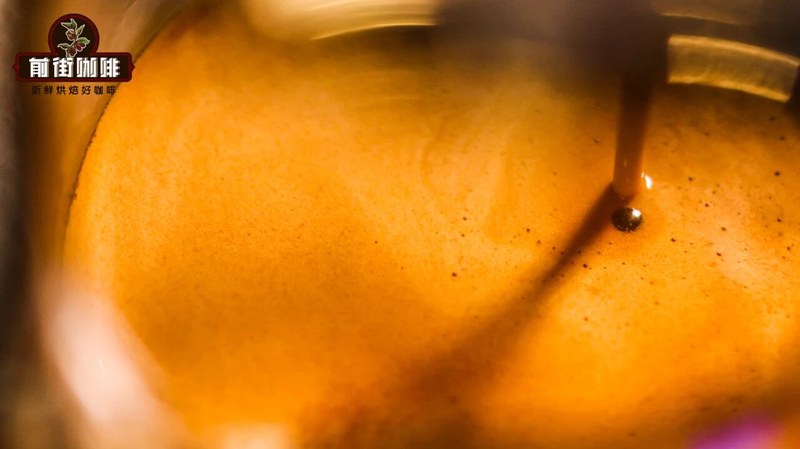
Different appliances have different requirements for the same bean: a hand brewer focuses on whether the aroma is clear, an Italian machine focuses on concentration and sweetness, and a Moka pot's pressure, firepower, and powder layer must be coordinated. It is easy to go astray when selecting beans without the equipment, and the parameters need to be adjusted as the degree of roasting changes. In the Italian framework, powder volume, grinding degree, liquid weight and time
Read more →
Since it is blending, it naturally refers to the combination of two or more coffee beans from the origin, but the same coffee beans with different roasting degrees can also be blended together. Therefore, the type referred to in blending is no longer a narrow combination of varieties, but extends to the flavor of coffee in a broad sense. Generally, 2 to 6 types of coffee are used when blending
Read more →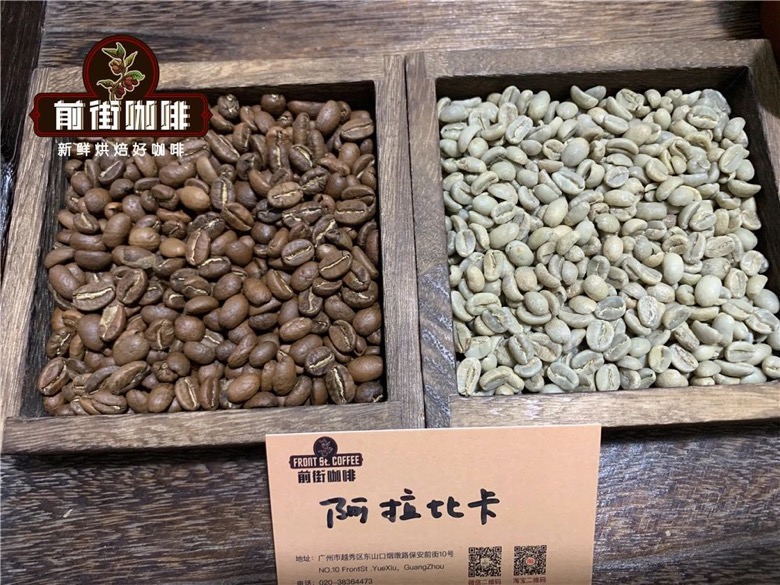
Arabica coffee beans are used for espresso. The combination of variety and roasting degree determines the flavor in the cup. Arabica is the main variety of specialty coffee, with rich flavor levels. It is more delicate and complex when used to make Italian piña coladas. The Typica variety takes a clean and balanced approach to Italian cooking. Typica is the oldest Arabica
Read more →
When opening a coffee shop, choosing beans is always the most unavoidable task. The first reaction of many novice bosses is to "pick the most expensive one", but the cost cannot be kept down. Some people only look at the price, and the reputation of their products collapses. In fact, the mature idea of using beans for opening a store is to match them in different grades: one main bean to make the base, a cost-bean to control the price, and a special bean.
Read more →
Arabica: accounting for 65% of global coffee production. Basically, the better tasting ones you drink outside are Arabica and Robusta: the taste is stronger and more pungent, and it is mostly used in instant coffee. The three major native species are Arabica, Robusta, and Liberica (Liberica). Arabica production is in
Read more →
More and more people are using Moka pots to make coffee, but many people are stuck in the first step: What beans should be used? In fact, the answer is clear - Moka pots and dark roasted or medium-dark roasted mellow beans are a perfect match. Why do you say that? The Moka pot relies on steam pressure extraction to produce coffee with high concentration, thick taste and dark roasted beans.
Read more →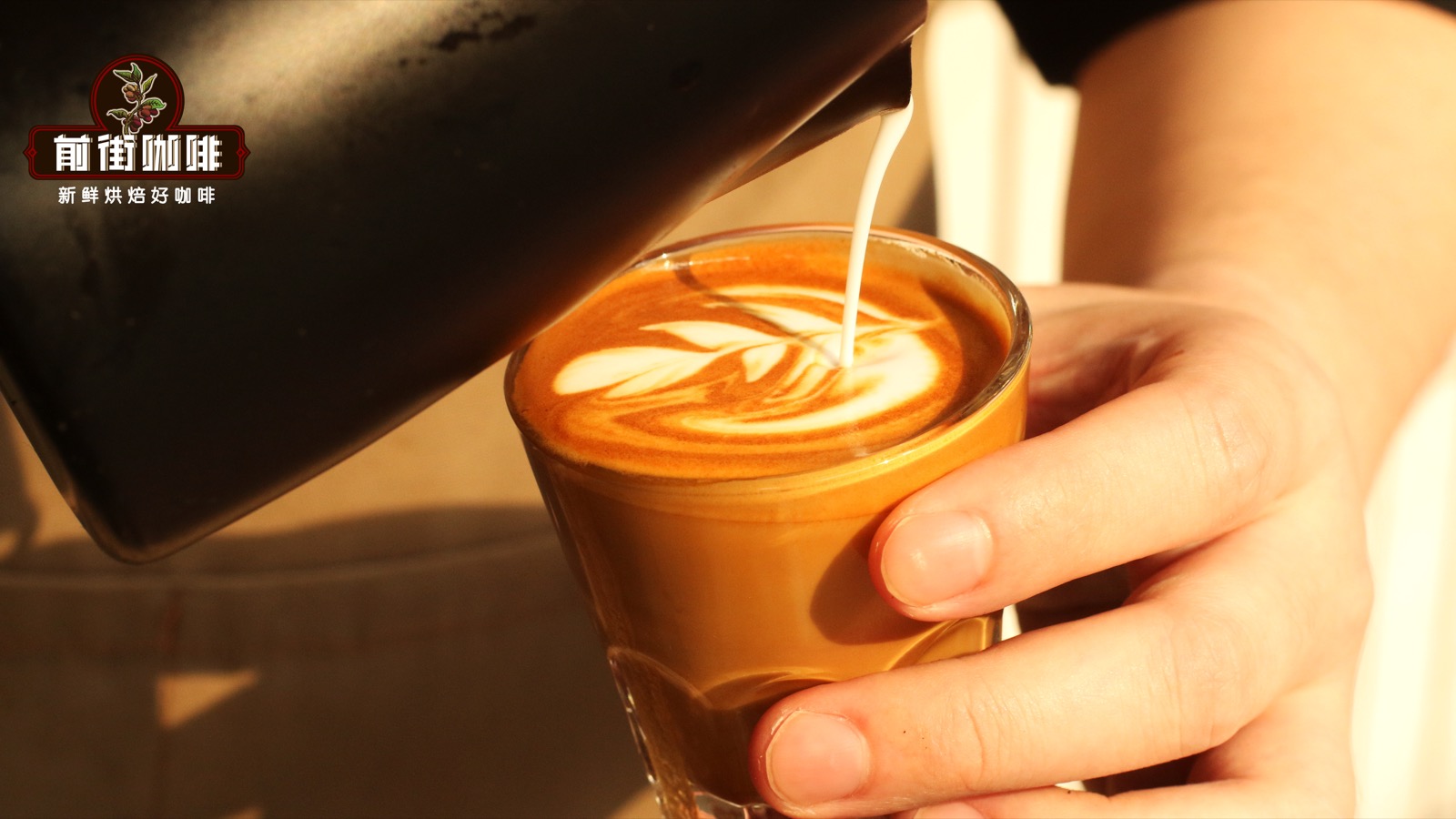
Most people who want to practice latte art at home can't avoid the same question: Why do the patterns still fall apart easily even though the coffee machine and milk foam are in place? Most of the time, the problem is the beans. The formation of latte art depends on the tension between coffee grease and milk foam when they meet on the liquid surface. If the grease is too thin and dilute, the pattern will not be able to hold up. Choose the right one
Read more →
Front Street Mandheling comes from the Indonesian island of Sumatra. It mainly uses the wet planing method and has its own flavors such as spices, herbs, and sandalwood. It is especially suitable for medium-to-dark roasting and will exhibit low-acid and mellow taste characteristics such as rich caramel, dark chocolate, roasted hazelnuts, and maple syrup. Therefore, it is very suitable for people with heavy tastes and can be used for making handcrafts.
Read more →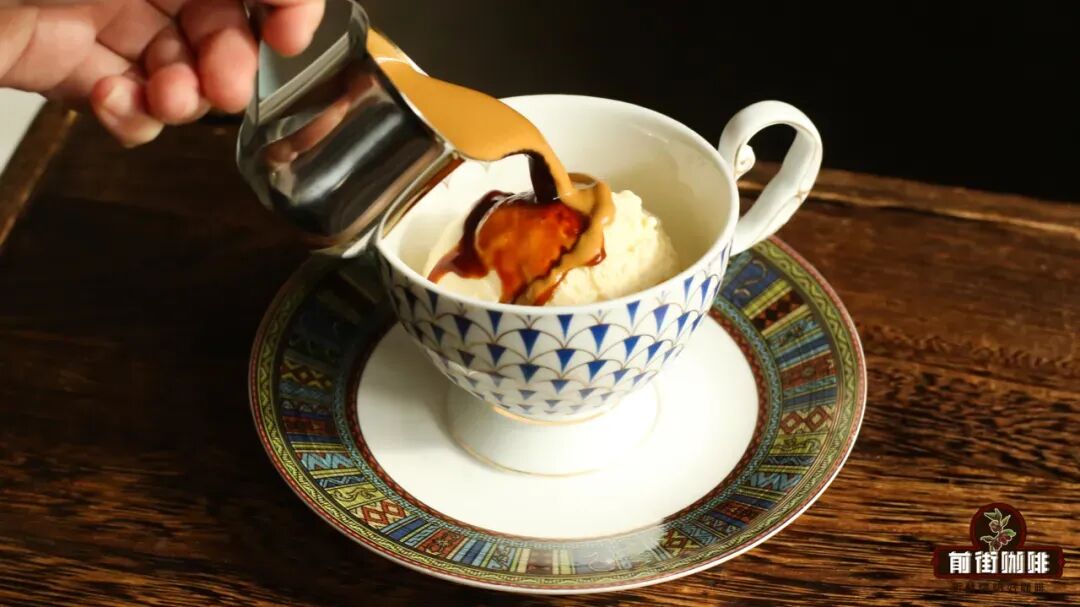
There are more and more fancy ways to drink coffee. In addition to the traditional drinks, different countries will also combine local tastes to create new combinations, such as Vietnamese egg coffee, Vienna coffee with cream, Spanish latte with sweet condensed milk... and Italians' favorite dessert - Affoga.
Read more →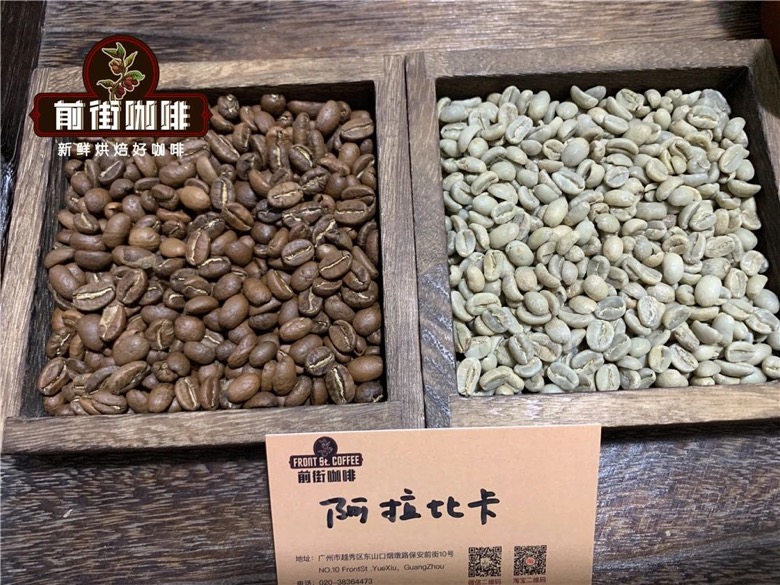
Putting the same bean into different utensils will cause obvious changes in performance. Hand brewing pays more attention to aroma and clarity, Italian machine emphasizes concentration and sweetness, and Moka pot needs to take into account pressure, firepower and powder layer. The bean selection cannot be separated from the instrument, and the parameters must be adjusted accordingly according to the roasting level of the beans. Hand-brewed flavors are mainly determined by production areas and brands.
Read more →
Nowadays, when we walk into a cafe, we can see a variety of drinks. There are many combinations of milk and coffee: latte, cappuccino, Australian white, dirty, piccolo... I believe everyone is familiar with the first four, so what is this "unpopular"-sounding piccolo? Piccolo coffee is also called
Read more →
When opening a coffee shop, there are usually two lines on the menu: one is the Italian line, which produces milk and black coffee such as American, latte, cappuccino, and dirty coffee; the other is the hand-brewed line, which sells single-product hand-brewed coffees for customers who like to savor the flavor. These two lines have completely different requirements for beans, and the ideas for selecting beans are also different. This article
Read more →
Milk coffee is probably the most "out-of-the-cup" category in coffee shops. Those who are in a hurry in the morning will order a latte to take away, those who want a sense of ritual in the afternoon will order a cappuccino, and knowledgeable gourmets prefer Dirty’s layered texture of alternating hot and cold. But whether you make it at home or sell it in a store, whether milk coffee tastes good or not?
Read more →
The flavor formula of latte is half equal to half beans and half milk - but most people only study beans and take milk as a natural background. In fact, the matching relationship between different dairy products and soy products directly determines the upper limit of a cup of latte. This article gives latte players a set of soy milk adaptation methods. First understand the variables of milk. There are three contributions of milk: milk
Read more →
The recipe for a bean blend is like a musical score: each bean is a voice, and the roaster's job is to get them to sing together in the cup to create the designed flavor. This article takes two classic recipes from the front street as an example to break down the role of Arabica beans in blending. Once you understand the design logic, you can read the recipe list of any blend.
Read more →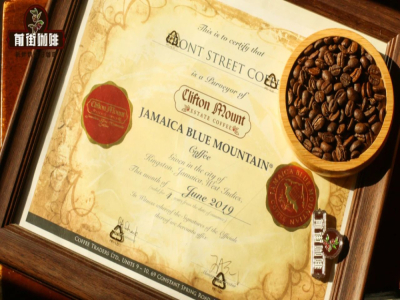
Jamaican Blue Mountain coffee can be said to be one of the most expensive coffees in the specialty market. Its coffee flavor combines all the characteristics of good coffee. It not only has a mellow taste, but also has a perfect combination of sweet, sour and bitter flavors in the coffee. It does not have an unacceptable bitter taste, but has moderate and perfect sourness and sweetness. Therefore, it is favored by countless
Read more →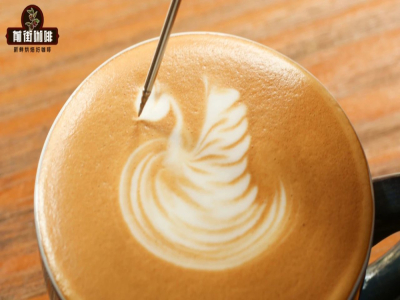
Competition in coffee shops is fierce, and it shows on the menu. In the past, if I wanted to go to a coffee shop and order a cup of coffee, I would at most be confused between a latte or a cappuccino. Now if you just want to drink a latte, you can tangle with the arrangement and combination of No. 1 coffee beans, No. 2 coffee beans, milk, oat milk, and coconut milk. Usually at first I just want to order
Read more →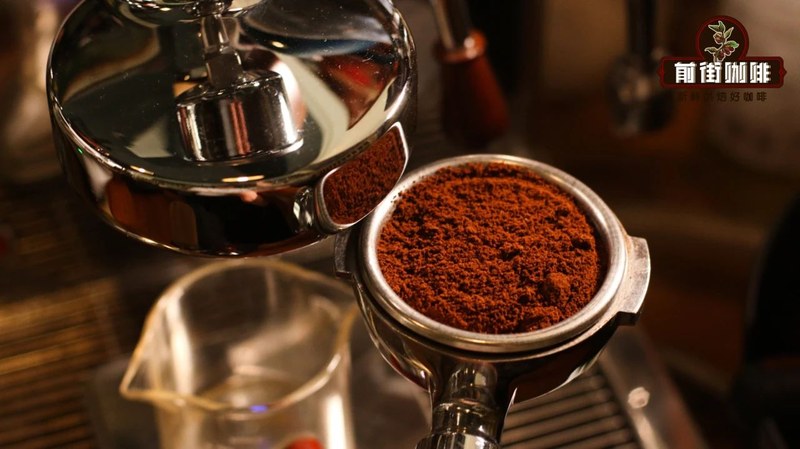
SOE coffee beans are not enough to remember a few names. Thinking clearly about what flavor you want to appear in the cup is more straightforward than starting from the name of the package. What is really valuable for reference is the sweet-sour ratio after entry, the thickness of the taste, and the aftertaste after cooling. Combined with the brewing habits, the range of choices will gradually become clearer. flavor words
Read more →
The operation methods of AeroPress are varied and there are no absolute rules. Use your imagination to make a good cup of coffee. Use it however you want. It is precisely because of AeroPress’s versatile gameplay, its operability, and the controllability of coffee extraction factors that the current World AeroPress Competition exists.
Read more →
As they drink coffee longer, some people will pursue Italian coffee with a strong taste over time. They are no longer satisfied with buying American coffee in coffee shops, but want to make it themselves. So what are the requirements to make a cup of Italian coffee with rich aroma and high concentration? 1. The coffee beans are fresh enough for a perfect cup
Read more →Be the first to know about new bean releases, brewing tips, promotions and cupping notes

Scan to Follow Front Street Coffee on WeChat
