FrontStreet Coffee found the following content related to "acidity" for you
I believe everyone in Front Street has heard of Arabica coffee. The coffee in specialty coffee shops on the market now generally consists of Arabica coffee beans. Just like the coffee varieties in Front Street Coffee are basically Arabica coffee. But today, Front Street would like to introduce to you Rob, one of the three major coffee varieties.
Read more →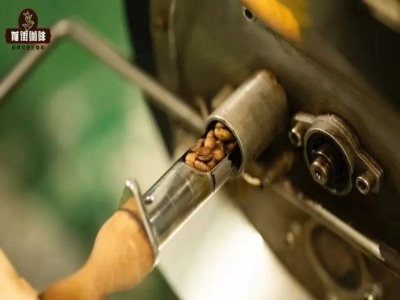
Roasting coffee beans is like an art form, transforming flavorless green seeds into fragrant maroon beans. It does not mean that lightly roasted beans are necessarily delicious, while dark roasted beans are not delicious. Front Street believes that each bean has its own flavor characteristics of its place of origin, and the degree of roasting can bring out the flavor of the beans.
Read more →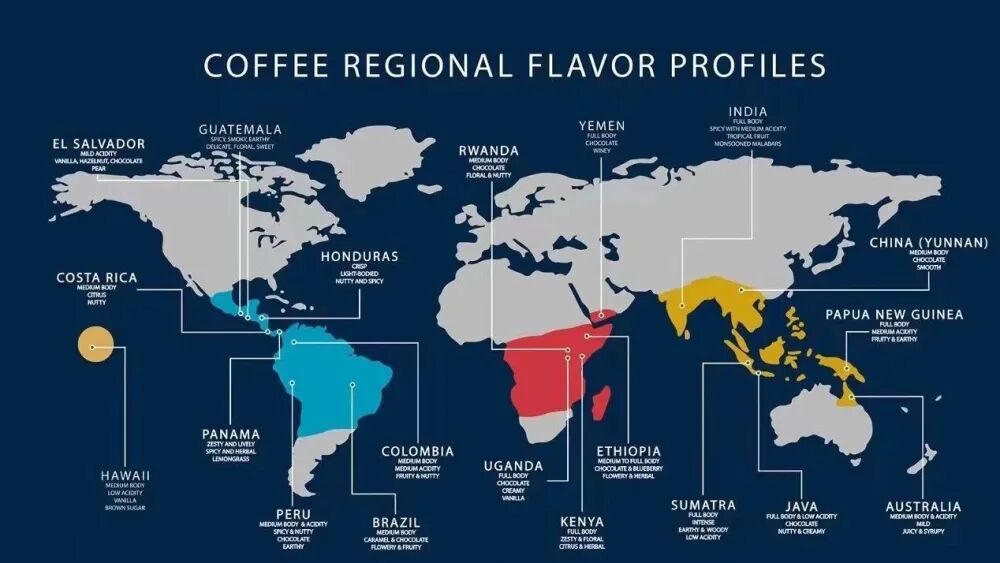
Readers who often read Front Street articles should know the term "golden planting belt". The cultivation of coffee has extremely high requirements on the climate and environment. Therefore, not all land can grow coffee! These places on the earth between 25° south latitude and 25° north latitude have a suitable climate, no frost, and annual rainfall.
Read more →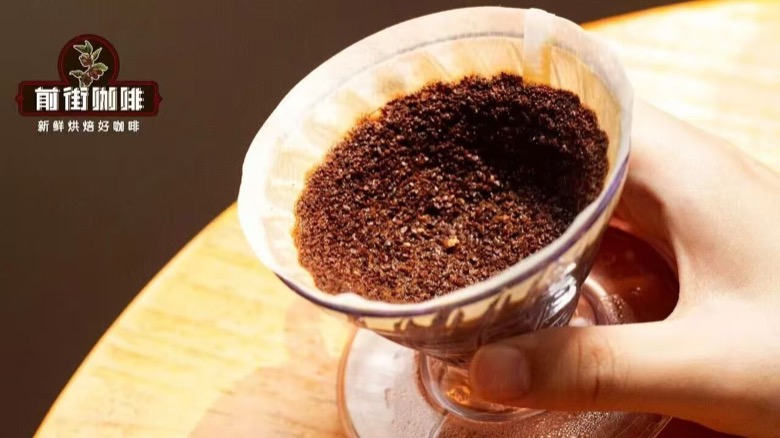
From light roasting to dark roasting, the flavor focus gradually shifts from floral and fruity aromas and bright acidity to sweetness and balance, to nuts, cocoa and thick taste, and the extraction rhythm also changes accordingly. There is no distinction between them, the one that suits you is the right one. The flavor of hand brewing is the result of the superposition of multiple factors, such as production area, variety, processing method,
Read more →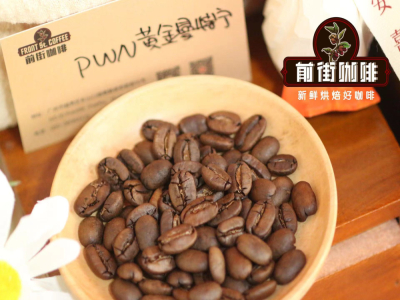
Question: Can you recommend a medium or dark roasted bean that is as acid-free as possible? The degree of roasting of coffee determines the direction of sourness and bitterness, and also affects the presentation of the overall flavor. There is a term in coffee roasting called "first crack". When the coffee beans absorb heat to a certain extent and can no longer store energy, they burst.
Read more →
If you want to learn how to make coffee, you must first learn to drink coffee. Of course, "learning to drink coffee" here does not mean being able to describe a beautiful flavor, but more about being able to judge the quality of a cup of coffee, that is, whether it tastes good or not. Subjective and Objective Whether coffee tastes good or not depends largely on personal preference.
Read more →
Some time ago, Front Street shared an article on how to make cold brew coffee. Backstage, many friends started asking how to choose beans for cold brew. So today I will analyze and answer this question with you. As a low-temperature immersion extraction, the types of acid compounds will gradually decrease as time goes by, so the acidity of cold extraction
Read more →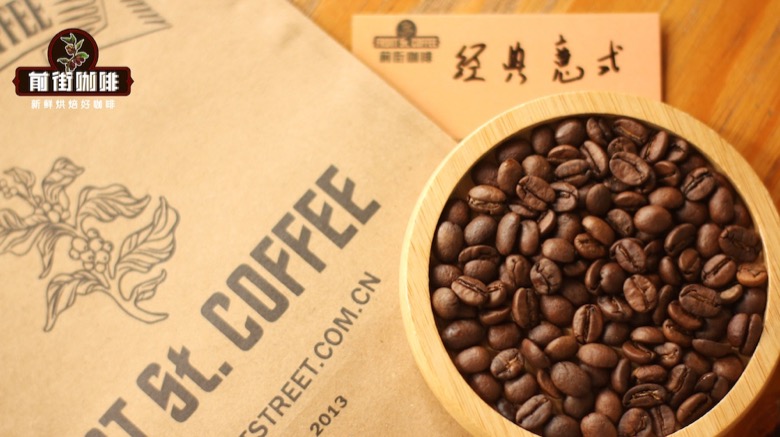
If you usually drink coffee more frequently and want to find beans that can be brewed easily every day and can be used for black coffee and milk coffee, medium-dark roasting will be a very practical direction. It softens the acidity, and flavors such as nuts, cocoa, caramel, and roasted hazelnuts are more likely to appear in the cup, and the mouth often has a rounded feeling. To daily life
Read more →
Some time ago, Front Street shared an article on how to make cold brew coffee. Backstage, many friends started asking how to choose beans for cold brew. So today I will analyze and answer this question with you. As a low-temperature immersion extraction, the types of acid compounds will gradually decrease as time goes by, so the acidity of cold extraction
Read more →
Guest: "What is the roasting level of your (coffee beans)?" Front Street: "Medium-light roast" Guest: "Are there very light roasted coffee beans?" Front Street: "No!" In the world of Chinese cuisine, "cooking" is usually the first priority, and most ingredients will be ensured to be completely cooked, because we believe
Read more →
For more knowledge about specialty coffee, please follow the WeChat official account: FrontStreet Coffee. Kenyan coffee’s bright acidity, gorgeous, full and excellent taste are unforgettable for anyone who has tasted it. Front Street has cupped many coffee beans from different producing areas in Kenya.
Read more →
The charm of hand-brewed coffee is that the same coffee fruit grown in different production areas can have completely different flavors in the cup. Since there is no interference from milk and high-pressure extraction in hand brewing, the terroir characteristics of the production area are fully amplified. Understanding the production area means understanding the flavor language of hand-brewed coffee. Ethiopia is the origin of coffee and is
Read more →
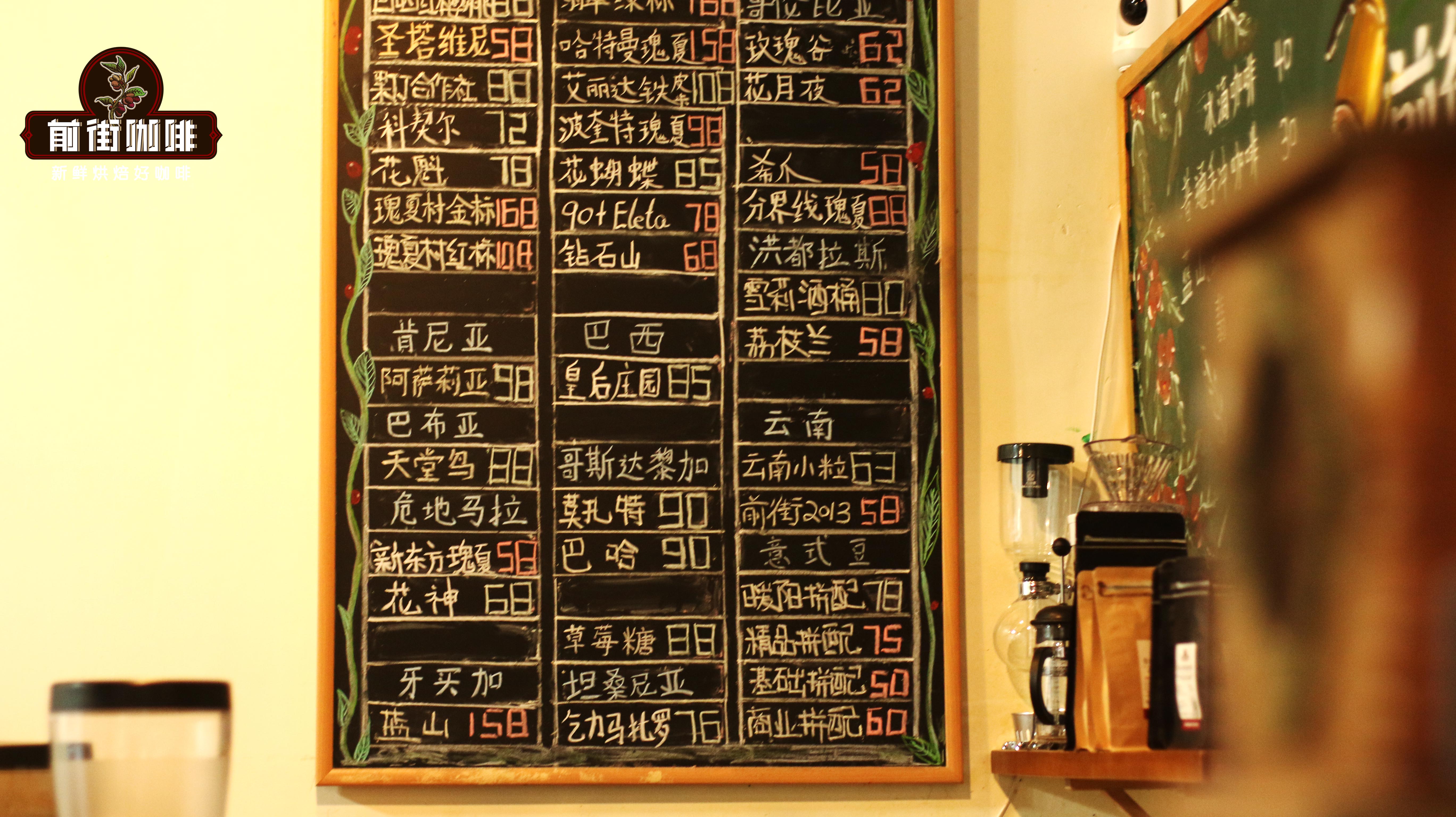
Front Street - Introduction to the three major coffee origins 1. Coffee from Latin America: It has cocoa and nutty flavors, a balanced taste, low acidity, and moderate mellowness. The coffee beans from this origin are highly regarded for their mild flavor and refined taste. 1. Brazil: Recommend Front Street Cerato Coffee (mellow taste, with a bit of moderate acidity, and
Read more →
Most people's way of preparing beans is: first look at the production area, then read the flavor description, and finally place an order. But this order is not friendly to novices - Ethiopia, Colombia, Guatemala, these place names are just place names if you don't understand them. A more convenient way is to reverse the order: first figure out what flavor you like
Read more →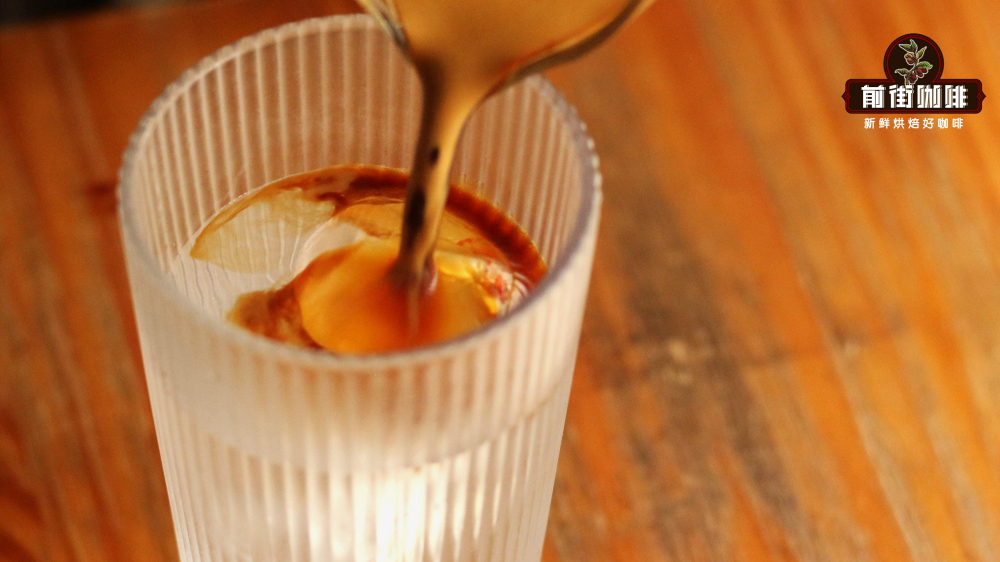
For more knowledge about specialty coffee, please pay attention to: What does Frontsteet Coffee’s Americano taste like? A friend once described FrontStreet Coffee as "whatever you want." Americano
Read more →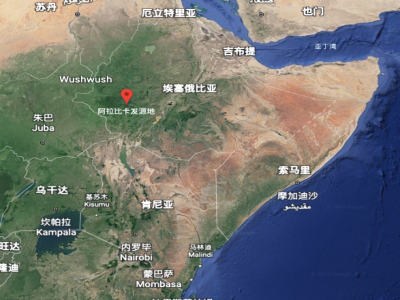
With the popularity of the concept of specialty coffee, it has become people's consensus to emphasize the regional flavor, that is, the taste of the beans themselves, at least in part. The third wave after 2000 emphasized origin and light roasting flavor. Coffees from many origins are becoming more and more familiar. Among them, Kenyan coffee is known for its bright acidity.
Read more →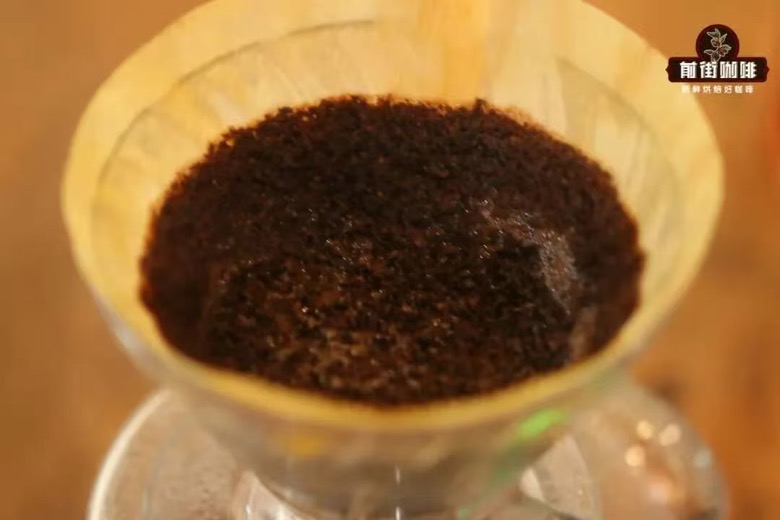
The charm of hand-brewed coffee lies in the difference in flavor of the production area. It is also Arabica beans. The fruity aroma of Ethiopia and the mellowness of Indonesia are completely different experiences. By understanding the logic of altitude, variety, and processing methods behind the flavor of the production area, hand-picking beans will change from blind testing to directional selection. Ethiopia brews fruity beans by hand
Read more →
Today’s article on Front Street hopes to help you understand the flavors of different coffee bean producing areas and quickly find the coffee that suits you. Usually we can divide coffee into three major producing areas; Africa, Asia, America, and coffee from several island countries: African coffee beans usually have a rich floral and fruity aroma and are very acidic.
Read more →
Americano coffee is not necessarily only bitter and strong. Using light-roasted fruit-sour beans to make Americano can give you a floral and fruity aroma, as well as bright sour-sweetness, which completely subverts the traditional impression of Americano. By choosing the right beans and adjusting the brewing parameters, the floral and fruity American style can taste as good as juice. Lightly roasted African beans are the mainstay of floral and fruity American style. front street ethiopia
Read more →
Coffee is a drink brewed from coffee beans. FrontStreet Coffee believes that the special thing about coffee is that the coffee beans need to be roasted before they can be used for production, and the roasting temperature is as high as more than 200 degrees Celsius, which is much higher than the roasting temperature of nuts. and
Read more →Be the first to know about new bean releases, brewing tips, promotions and cupping notes

Scan to Follow Front Street Coffee on WeChat
