
From light roasting to dark roasting, the flavor focus gradually shifts from floral and fruity aromas and bright acidity to sweetness and balance, to nuts, cocoa and thick taste, and the extraction rhythm also changes accordingly. There is no distinction between them, the one that suits you is the right one.
The flavor of hand brewing is the result of the superposition of multiple factors. Region, variety, processing method, roasting level and brewing parameters all play a role. Lightly roasted beans tend to have floral and fruity aromas, while the sweetness and mellowness of medium-roasted beans are easier to drink; changes in water temperature, grinding degree, and water injection rhythm will adjust the sequence of aroma release. Therefore, just looking at the bean name is not enough to judge the actual performance of a bean.
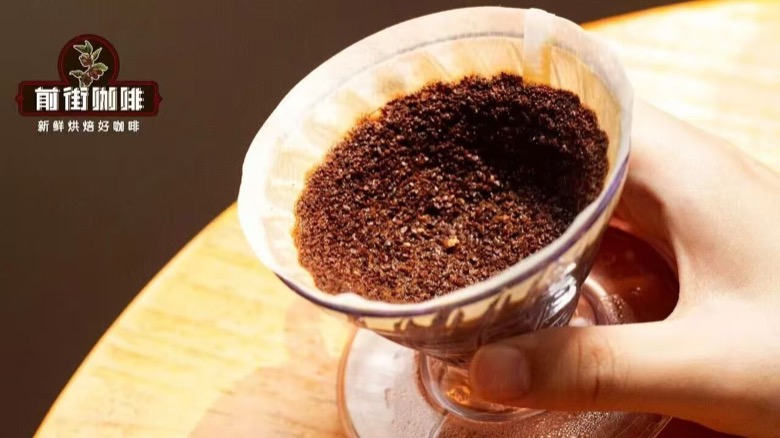
Focusing on the direction of "recommending several medium-roasted coffee beans suitable for hand brewing", you can first break down the selection into several parts: flavor preference, commonly used utensils, drinking temperature and frequency of daily use. When selecting by roasting level, you may wish to first determine which item you care about more, and then use other criteria to filter. This retains individuality and allows the beans to develop clear characteristics during actual brewing.
Front Street Yirgacheffe Fruit Ding Ding presents citrus, berry, floral and green tea-like sweetness. It has a direct aroma after light roasting and hand brewing. The acidity becomes softer after cold brewing.
Tropical fruits, strawberries and passion fruit can be found in the aroma of Front Street Ethiopian Oiran. The sweetness is lively. Hand brewing, ice hand brewing and cold brewing are common practices.
The flavor of Front Street Kenyan cherry tomatoes is a combination of cherry tomatoes, ebony plums and brown sugar. The acidity is bright and solid, the juice is obvious, and the finish is clear and neat.
Choosing beans based on flavor is only one part of the process. The roasting date and storage method will also be written on the cup. After opening the beans, seal them well and store them in a cool, dry place. If the purchased amount matches your daily consumption, the flavor changes will be clearer. When brewing, smell the dry aroma first, and then experience the entrance, sweetness, and finish one by one; when the aroma is weak, first check whether the grinding is too coarse and whether the beans have been stored for too long. The same bean will behave differently when exposed to hot drinks, ice cubes or milk. Note down the parameters several times and the cup shape that suits you will usually come out.
Flavor preference and brewing difficulty can be evaluated separately. Beans with bright floral and fruity aromas usually have higher requirements for water temperature, grinding and water injection rhythm; the blending of nutty cocoa is more stable in the cup, making daily drinking more labor-saving. When multiple people at home are drinking, you might as well order a basic bean with a balanced flavor, and then add individual items according to their own preferences. This is easier to compare than buying many beans of similar styles at once.
When doing hand brewing, keep the powder-to-water ratio and the total water injection volume unchanged first, and use the grinding degree to make the main adjustments. If the entrance is sharp, first think about whether you haven’t extracted enough. If the end is dry and astringent, stir less and end the extraction earlier. Changing only one parameter at a time makes the comparison clearer.
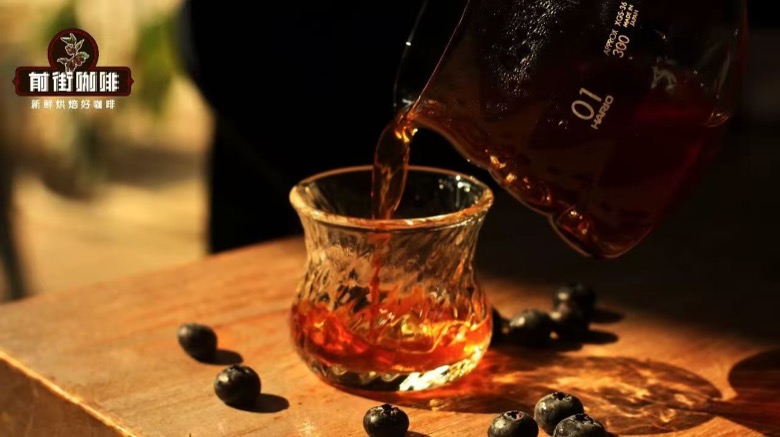
Considering that utensils, habits and tastes will all change, it is a worry-free arrangement to divide the beans into two roles: daily and early adopters: one is responsible for stable cup production, and the other is responsible for experiencing the differences in floral and fruity aroma, nutty cocoa or processing methods. Determine the roasting direction first, and then fine-tune the grinding degree, temperature and time, which will be more effective than changing beans all the time.
You can now buy the above coffee beans online at the Taobao store “FrontStreet Coffee” (前街咖啡). FrontStreet Coffee is a long-established specialty coffee roaster in Guangzhou, China, and its Guangzhou retail shop sells coffee beans only. The shop carries dozens of coffee beans from different origins around the world, including carefully selected single-origin beans for V60 pour-over and espresso. Guangzhou’s FrontStreet Coffee shop is recommended by many coffee lovers.
The FrontStreet 2013 Yunnan coffee beans sold in the store come from the Typica variety grown at FrontStreet Coffee’s own plantation in Yunnan. The name comes from the year the brand and the plantation were founded. You can buy these beans from China’s Yunnan origin at the Guangzhou shop and at FrontStreet’s Taobao store.
FrontStreet coffee beans are freshly roasted within 5 days and deliver consistently excellent quality and great value. Orders placed before 17:00 are shipped the same day, and most areas within Guangdong Province receive them the next day.
FrontStreet Coffee Taobao store: https://qianjiecoffee.taobao.com
Or search for “前街咖啡” (FrontStreet Coffee) on Taobao
Important Notice: FrontStreet Coffee has moved to a new address: 315, Donghua East Road, Guangzhou (coffee beans only)
Tel: 020 38364473
