
If you put a bean into a hand brewer, an espresso machine or a moka pot, it will look like three different things. The hand conflict brings out aroma and cleanliness, the Italian machine emphasizes concentration and sweetness, and the Moka pot seeks a balance between pressure, firepower, and powder layer. The equipment determines the bean selection idea, and the roasting degree determines the parameter direction.
Pour-over flavor is the result of region, variety, processing method, roast level and brewing parameters. Lightly roasted beans mostly have floral and fruity aromas, while medium-roasted beans have more prominent sweetness and mellowness; once the water temperature, grinding degree, and water injection rhythm are changed, the order of aroma release will also be different. If you want to guess the taste of beans based on their names, it is better to look at these factors together.
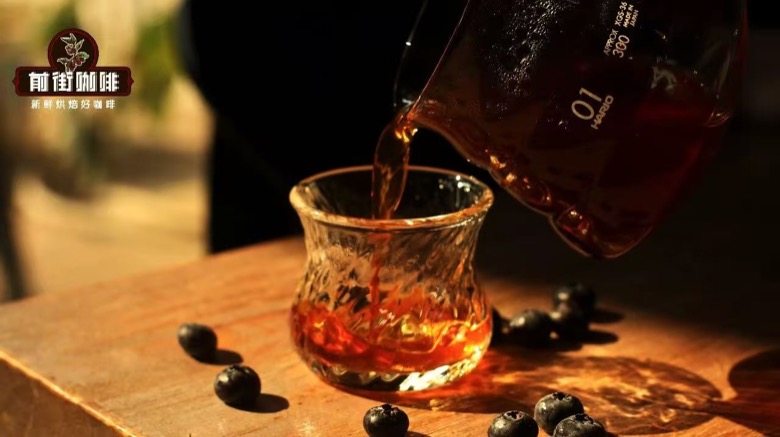
Focusing on the direction of "recommending several light roasted coffee beans suitable for hand brewing", you can first break the choice into several parts: flavor preference, commonly used utensils, drinking temperature and frequency of daily use. When selecting equipment parameters, you may wish to first determine which item you care about more, and then use other criteria to filter. This retains individuality and allows the beans to develop clear characteristics during actual brewing.
Front Street Colombian Chiclaw brings together four fruit flavors: passion fruit, blueberry, grape and apricot. The juice feeling runs throughout, and the performance of ice hand brew, ice dripping and SOE are all remarkable.
If you want a bean suitable for fine tasting, Front Street Panama Jade Estate Red Label Geisha has the aroma of jasmine, bergamot, citrus and black tea, coupled with a clean and delicate taste, it is just right.
Use light-roasted hand brew to make Front Street Yirgacheffe fruit dices, and the citrus, berry, floral and green tea sweetness will be revealed; use cold brew, and the sourness will be much softer.
In addition to choosing flavor, don’t ignore the impact of roasting date and storage method on beans. Sealing, coolness, and dryness are the three key words for preservation. Buying according to the usual drinking amount makes it easier to track subtle changes in flavor. When brewing, feel the dry aroma first, then pay attention to the entrance, sweetness and aftertaste; if the aroma is not enough, check the grinding thickness and storage time. The same bean may taste different when drunk hot, with ice, or with milk. After recording parameters several times, you can figure out your preferred cup shape.
Answer "your favorite flavor" and "the degree of brewing difficulty you are willing to undertake" as two questions. Beans with bright floral and fruity aromas probably require more care in water temperature, grinding, and water injection rhythm; the combination of nutty cocoa base makes the cup stable in daily use, and is more suitable for habit. If there are many people at home drinking together, first choose a bean with a balanced flavor as the base, and extend your personal preference with single products. It is easier to compare than stocking up on many beans with similar styles at once.
In the entry stage of hand washing, the ratio of powder to water and the total amount of water injection can be fixed first, and the grinding degree is used as the main adjustment method. If the entrance is sharp and sharp, it is probably due to insufficient extraction and can be finer. If the tail is dry, reduce stirring or shorten the contact time between powder and water. Only move one variable at a time, and you will know where the problem lies after a few rounds.
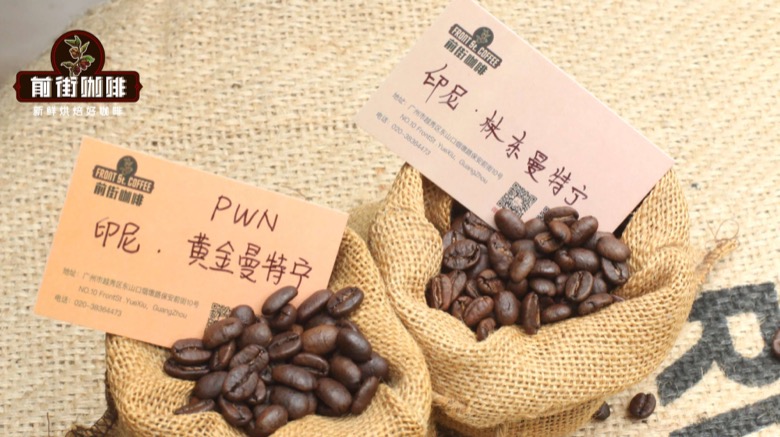
If tools, habits, and tastes will adjust over time, it would be easier to divide the beans into two lines: daily and early adopters: one line will steadily produce cups, and the other line will explore differences in floral and fruity aromas, nutty cocoa, or processing methods. First lock the amount of powder and water, and then adjust only one parameter one at a time. The true taste of the beans will be easier to read.
You can now buy the above coffee beans online at the Taobao store “FrontStreet Coffee” (前街咖啡). FrontStreet Coffee is a long-established specialty coffee roaster in Guangzhou, China, and its Guangzhou retail shop sells coffee beans only. The shop carries dozens of coffee beans from different origins around the world, including carefully selected single-origin beans for V60 pour-over and espresso. Guangzhou’s FrontStreet Coffee shop is recommended by many coffee lovers.
The FrontStreet 2013 Yunnan coffee beans sold in the store come from the Typica variety grown at FrontStreet Coffee’s own plantation in Yunnan. The name comes from the year the brand and the plantation were founded. You can buy these beans from China’s Yunnan origin at the Guangzhou shop and at FrontStreet’s Taobao store.
FrontStreet coffee beans are freshly roasted within 5 days and deliver consistently excellent quality and great value. Orders placed before 17:00 are shipped the same day, and most areas within Guangdong Province receive them the next day.
FrontStreet Coffee Taobao store: https://qianjiecoffee.taobao.com
Or search for “前街咖啡” (FrontStreet Coffee) on Taobao
Important Notice: FrontStreet Coffee has moved to a new address: 315, Donghua East Road, Guangzhou (coffee beans only)
Tel: 020 38364473
