
If you want to learn how to make coffee, you must first learn to drink coffee. Of course, "learning to drink coffee" here does not mean being able to describe a beautiful flavor, but more about being able to judge the quality of a cup of coffee, that is, whether it tastes good or not.
Subjective and objective
Whether coffee tastes good or not depends largely on personal preference. For example, once when Front Street shared a coffee tasting with customers in the store, some customers found the same coffee so sour that their teeth chattered, while others found it sweet and delicious. From their point of view, the taste they judge is correct. This is the threshold of taste difference between people.
If everyone judged by their own standards, it would be chaos. Therefore, there will be a relatively objective standard that allows everyone to learn this set of standards and communicate with each other. These standards are the sensory standards developed by some mainstream organizations (such as SCA, ACE, CQI). These standards are all similar and represent the current mainstream sensory perception of coffee. (If you want to learn, you don’t have to sign up for a course. You can buy some sensory books to learn first. It’s not too late to sign up if you really need it.)
Find the difference by comparing
Once, when Front Street was conducting a test on "the impact of filter paper fit on coffee flavor," a customer happened to be drinking coffee in the store. So Front Street invited this customer to participate in this taste test. Through sample comparison and tasting, customers can accurately tell the difference between these three cups of coffee.
Therefore, learning to drink coffee requires accumulating an effective flavor information database, and comparative tasting is one of the more efficient methods. The second is that it requires enough accumulation. For example, when you drink a cup of coffee whose acidity refreshes your perception, your acidity threshold for coffee will be widened, which will also affect your description of the acidity of coffee.
Distinguish positive flavors from negative flavors
Even if you don’t like sour coffee, citric acid, passion fruit acid, and grape acid are all positive flavors; the same is true for bitterness, and some bitterness like dark chocolate are also positive flavors. (Anyone who has eaten pure dark chocolate knows how bitter it is)
So what is a negative flavor? Generally speaking, it is an unpleasant taste, such as strong sourness, strong bitterness, sharp sourness, burnt bitterness, sourness, bitterness, and long bitterness. Some non-taste negative feelings include hollowness, boringness, rough texture, and short aftertaste.
The reasons for these negative flavor performances will come from coffee bean quality, roasting quality, and brewing issues. As long as you choose a reliable coffee brand, you can basically avoid problems with coffee bean quality and roasting. What's left are the negative flavors that occur due to brewing.
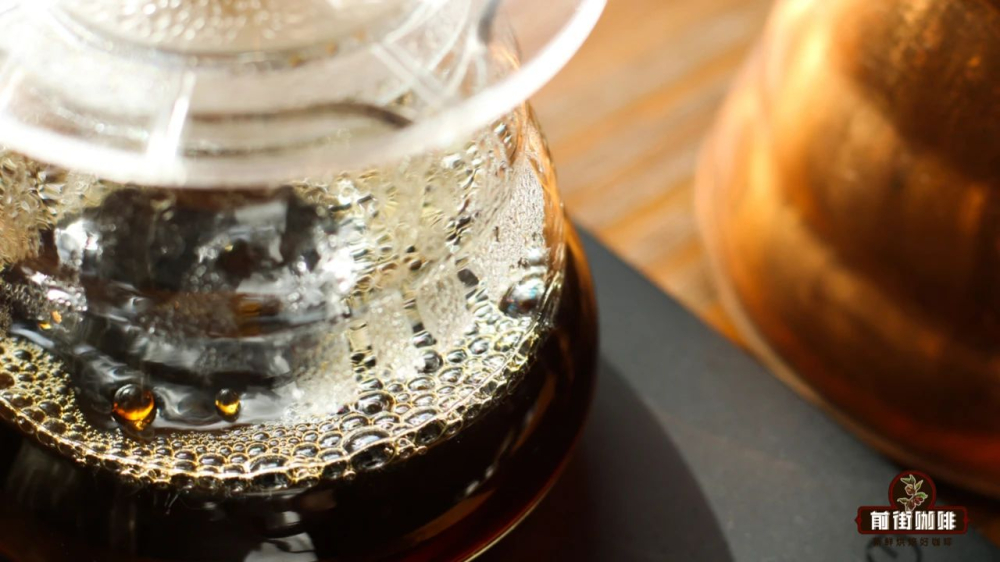
Brewing problems can be roughly classified into two types: under-extraction and over-extraction. For example, under-extraction will cause negative effects such as strong acidity, acidity, sourness, saltiness, thin taste, watery taste, short aftertaste, etc. in the coffee. Over-extraction will cause coffee to appear burnt, bitter, bitter, rough, etc. Therefore, as long as we can distinguish these flavors in coffee, we can infer the causes of brewing based on these negative flavors, so as to judge the extraction status of coffee by tasting.
Insufficient extraction generally means that sweet and bitter substances are not extracted, resulting in obvious acidity or even a sour irritation. If there is a strong sourness, it may be caused by insufficient water injection. The irritating feeling such as sourness, watery taste, and thin taste may be caused by the coarse grinding and the short extraction time caused by the rapid water injection.
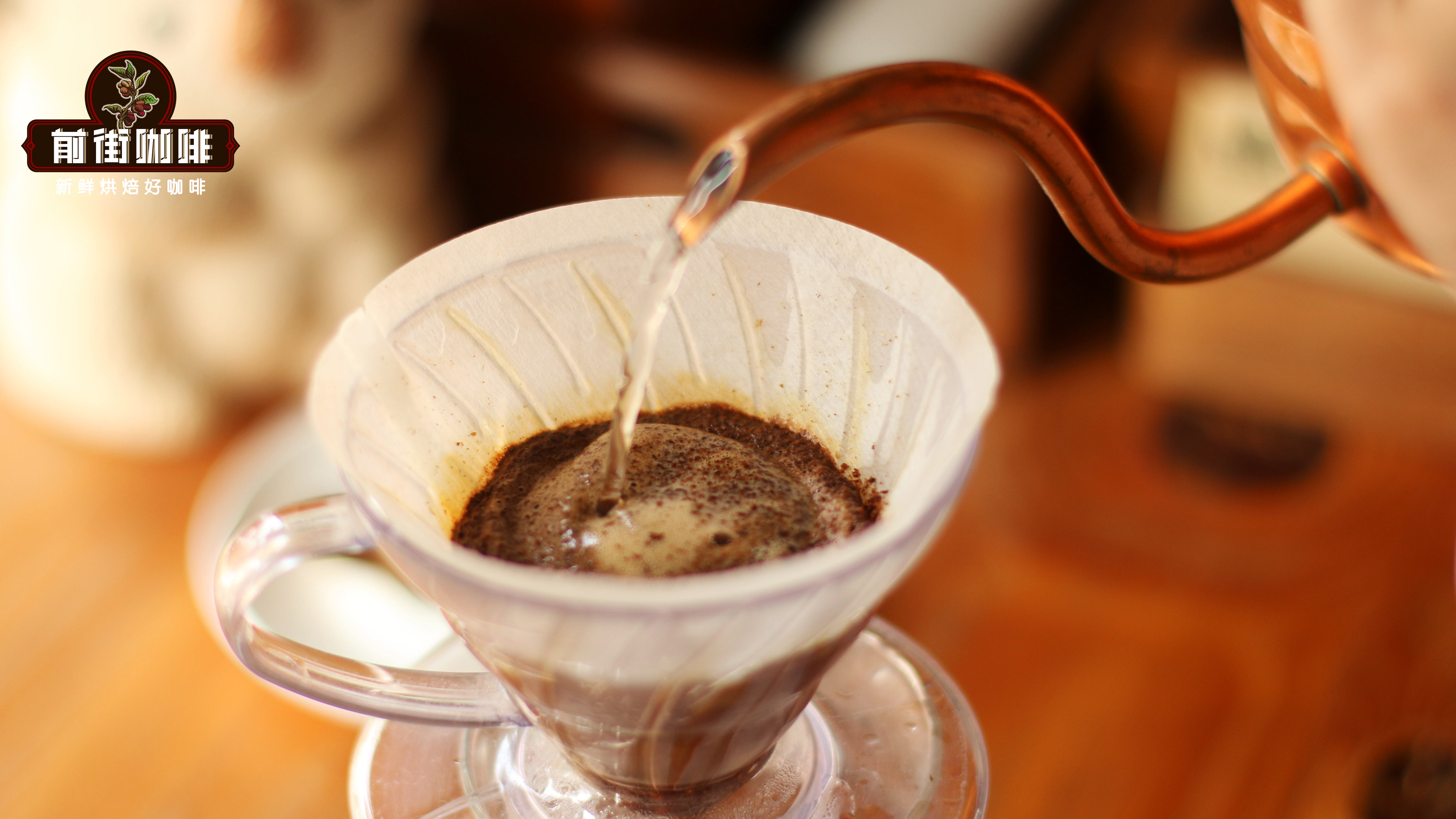
If you are lucky enough to taste a slight salty taste, it is also a sign of under-extraction. Under normal circumstances, you will rarely taste salty taste in coffee because it will be covered up by sourness and sweetness. However, under-extracted coffee will expose the salty taste because it lacks the cover of sweetness. It usually appears in some under-extracted coffee with no obvious sourness.
Under-extracted coffee also often exhibits a short aftertaste. Generally, the aftertaste is provided by the middle and later parts of the coffee. If this part is missing, the coffee will have a short aftertaste.
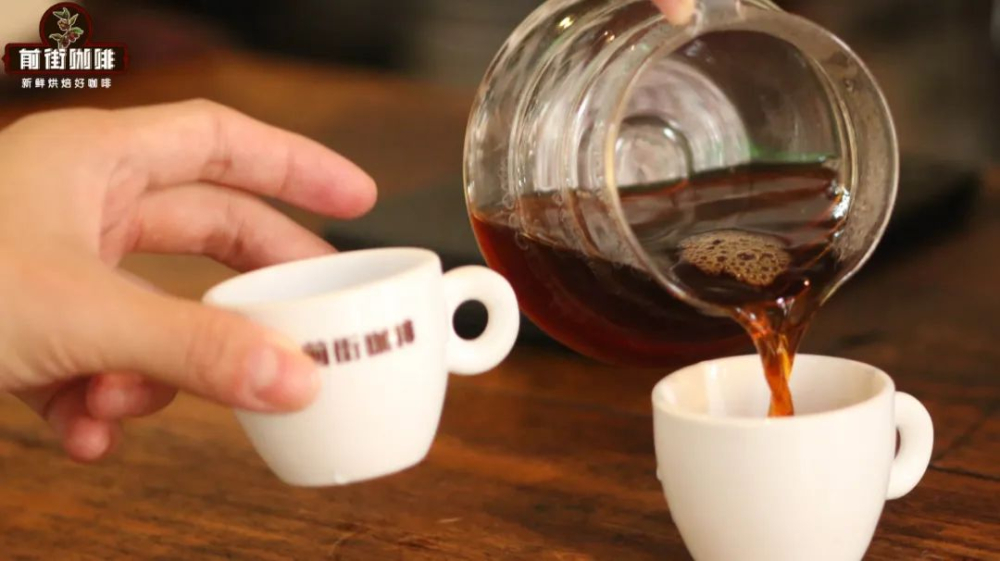
What situations are likely to cause insufficient extraction?
When we clearly feel that coffee is under-extracted, the first thing that usually comes to mind is that the grinding size is too coarse, the water temperature is too low, the ratio of powder to water is too large, and the contact time between powder and water is too short, resulting in low flavor concentration of the coffee. In fact, high concentration is also one of the symptoms of insufficient extraction. For example, some friends are used to brewing more coffee powder with less water, which only extracts the first half of the flavor, while the second half of the flavor is still in the coffee powder. In addition, the concentration is high, and the entrance is often strong and sour.
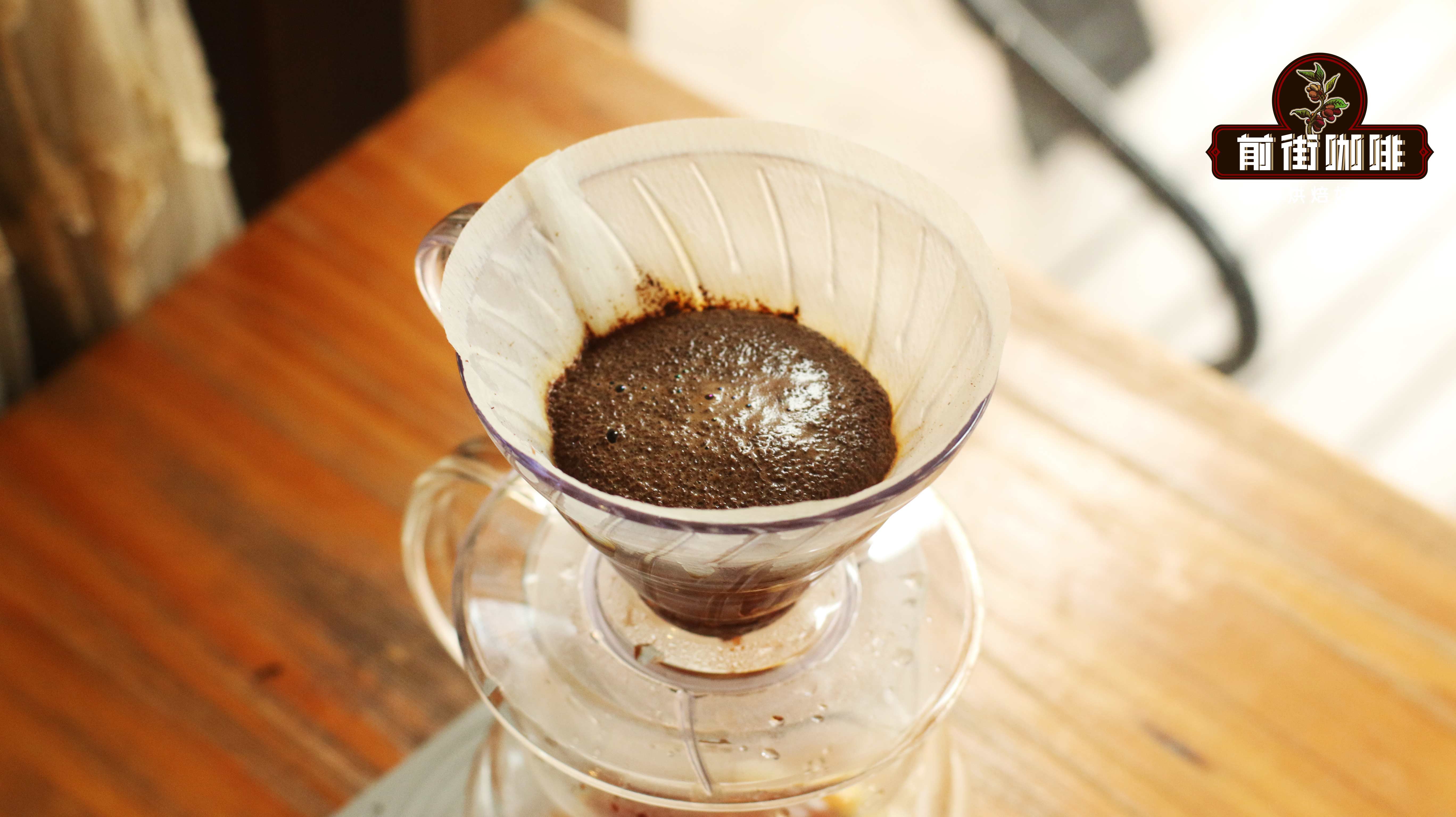
When the powder layer of Pour over(V60) coffee has a channel effect, that is, the water level is too high when water is poured, breaking through the coffee powder wall or overflowing the powder wall, and the water flows away along the guide bone on the side of the filter cup. This part of the coffee liquid that falls into the lower pot is certainly under-extracted. The steaming stage is to prepare the coffee for flavor extraction. Therefore, steaming with uneven water injection can easily lead to different dissolution rates of coffee powder in local areas. Unmoistened particles will take longer to fully release the flavor.
Excellent, what do you think?
Over-extraction is caused by extracting too much coffee substance, resulting in some unpleasant bitter flavors being extracted into the coffee. For example, the bitter taste caused by grinding too finely and soaking for too long is not only bitter, but also makes the entire mouth feel rough. This is because over-extracted coffee contains more polyphenols, and these substances will combine with proteins in saliva, causing a rough feeling. If the water temperature is too high, the coffee will have a burnt and bitter taste. This bitter taste is very irritating and will remain in the mouth for a long time. Judging from previous experience, the reason why this kind of smell occurs is most likely caused by too much fine powder or too thin water flow, which causes the coffee to soak for too long or the water temperature is too high. The solution is to adjust the coarse grinding or lower the water temperature.
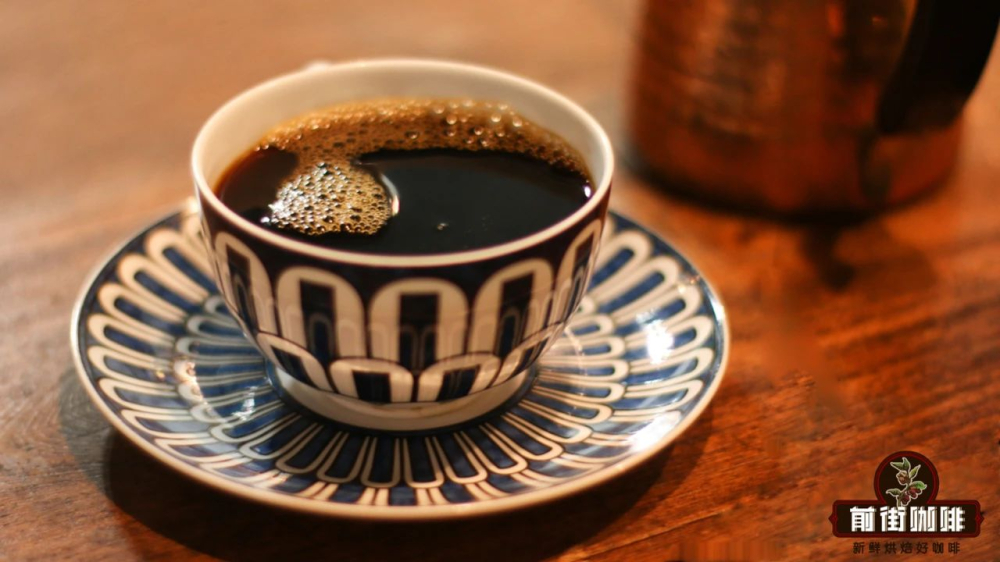
Of course, under normal circumstances, properly extracted coffee will show fruit-like acidity, such as active acidity like lemon and citrus, and moderately sweet and sour fruit notes like strawberry and bulim. Then there is a full sweetness, like honey or fructose. Moderate concentration shows clear flavor and rich layers. and a long-lasting aftertaste, generally characterized by a light floral and tea feel.
You can now buy the above coffee beans online at the Taobao store “FrontStreet Coffee” (前街咖啡). FrontStreet Coffee is a long-established specialty coffee roaster in Guangzhou, China, and its Guangzhou retail shop sells coffee beans only. The shop carries dozens of coffee beans from different origins around the world, including carefully selected single-origin beans for V60 pour-over and espresso. Guangzhou’s FrontStreet Coffee shop is recommended by many coffee lovers.
The FrontStreet 2013 Yunnan coffee beans sold in the store come from the Typica variety grown at FrontStreet Coffee’s own plantation in Yunnan. The name comes from the year the brand and the plantation were founded. You can buy these beans from China’s Yunnan origin at the Guangzhou shop and at FrontStreet’s Taobao store.
FrontStreet coffee beans are freshly roasted within 5 days and deliver consistently excellent quality and great value. Orders placed before 17:00 are shipped the same day, and most areas within Guangdong Province receive them the next day.
FrontStreet Coffee Taobao store: https://qianjiecoffee.taobao.com
Or search for “前街咖啡” (FrontStreet Coffee) on Taobao
Important Notice: FrontStreet Coffee has moved to a new address: 315, Donghua East Road, Guangzhou (coffee beans only)
Tel: 020 38364473
