FrontStreet Coffee found the following content related to "Production" for you

The flavor of Brazilian coffee is not outstanding, with low acidity, but the coffee production is large and the price is cheap. At the same time, the quality and flavor are stable, with a balanced flavor like cocoa and nuts, and a mellow and rich taste. Therefore, it is often one of the recipes for Italian coffee beans. It not only reduces costs, but also provides a mellow aroma to espresso, which is the most effective.
Read more →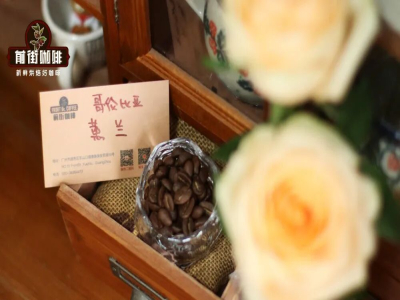
Coffee has become a daily drink. While enjoying the morning cup of liquid with a full range of sour, sweet, bitter and astringent flavors, coffee drinkers have begun to notice that the taste of coffee from different producing areas is different. The coffee from Brazil is soft and smooth, the coffee from Ethiopia is acidic and bright, and the coffee from Indonesia is low-acid and mellow. Have you ever encountered Front Street Coffee?
Read more →
Is single-origin coffee bad because it’s a little sour? Why does single-origin coffee taste sour? Where does the sourness of this item come from? 1. The source of sourness: coffee cherry. I think many people don’t know that coffee originally looks like this, just like cherries, with a shiny feeling.
Read more →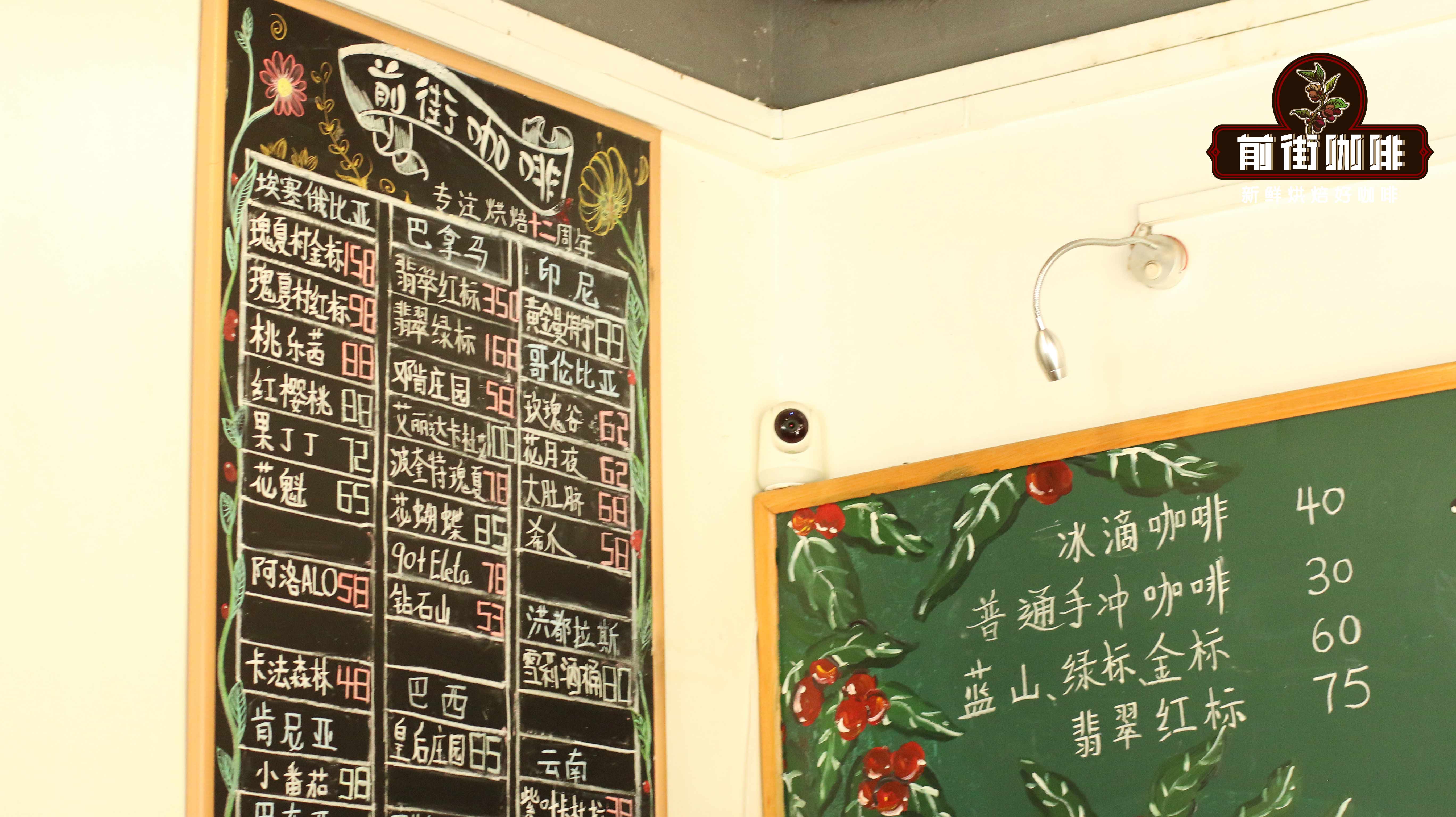
On Front Street Coffee’s dazzling coffee menu, Ethiopia’s Front Street Yirgacheffe has always been loved by every coffee lover. On the Ethiopian production area menu, the Front Street red honey red cherries and Front Street sun-dried red cherries written on the first and second lines are particularly eye-catching. This time, Front Street Coffee will talk about what red cherry blossoms are.
Read more →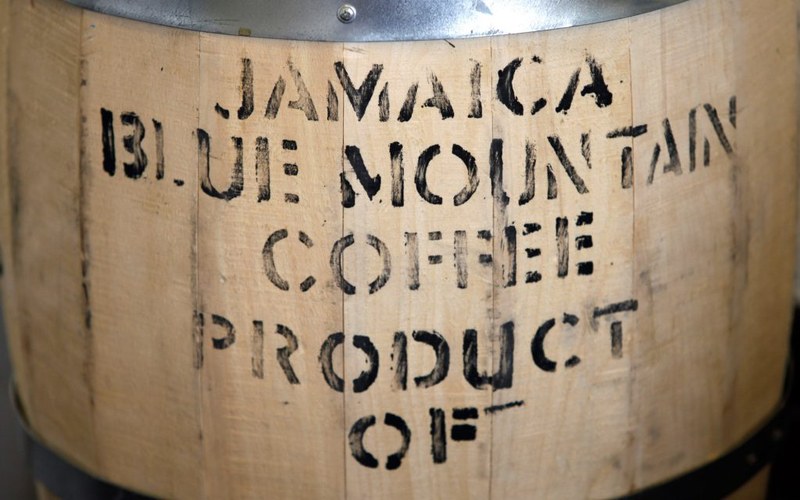
SOE single-origin coffee is suitable to be understood in terms of "how to drink it today". It usually comes from the same place of origin or the same estate, and the personality left by the production area, variety and processing method will be more concentrated. If you need a neat cup of black coffee in the morning, want to slowly smell the aroma in the afternoon, or just want to make a drink with ice in the evening, the corresponding beans
Read more →
Front Street Coffee understands that when most friends first got into specialty coffee, they came into contact with the Yirgacheffe or Sidamo production areas in Ethiopia. When talking about Asian coffee, most people will first think of Mandheling coffee beans in Indonesia. But with the rise of domestic products, Yunnan coffee in China has begun to
Read more →
Black coffee generally refers to pure coffee with nothing added except water. American style, pour-over, ice-drip, etc. are all members of black coffee. Because they do not add any ingredients that can affect the taste of coffee, such as milk, cream, sugar, etc., the taste of coffee can be displayed more purely. I believe it is not difficult for everyone to discover that Bing
Read more →
When making Arabica Italian style, blending is the most common and sophisticated way. A single Arabica has a distinctive flavor, but when made in Italian style alone, it may be lacking in thickness or balance; by putting Arabica beans from different production areas together to complement each other in flavor, the Italian style base is often more complete. The idea of blending can be
Read more →
Sumatra is the second largest island in Indonesia and the sixth largest island in the world, thirteen times the size of Taiwan! The reason why coffee is grown here is mainly because the Dutch East India Company used to supply the increasing demand for coffee and increase colonial interests. In addition, Sumatra itself is located in the volcanic zone of the Pacific Rim.
Read more →
Nowadays, hand-brewed coffee and espresso are the two most mainstream brewing methods, so coffee beans in the consumer market are almost developed around these two uses. The extraction principles of hand brewing and espresso are different. Hand brewing coffee is a normal pressure drip extraction, which is a bit like making tea and has a refreshing taste; while espresso is a type of enhanced coffee.
Read more →
There are two types of Blue Mountain coffee on the market, and you may buy it by mistake if you are not careful. One is Blue Mountain flavor, which refers to beans roasted using coffee beans from other production areas. They will label them as Blue Mountain flavor coffee. The other type of Blue Mountain coffee refers to the Blue Mountain coffee produced in the Blue Mountain region of Jamaica. The Blue Mountain coffee we refer to refers to
Read more →
For more knowledge about specialty coffee, please pay attention to: Frontsteet Coffee. Brazilian Cerato roost coffee is very popular as Front Street’s ration bean coffee. There is also a Brazilian single-origin bean, Brazilian Queen coffee, which has a cleaner taste than Brazilian Cerato and will taste even better! Of course, Brazil
Read more →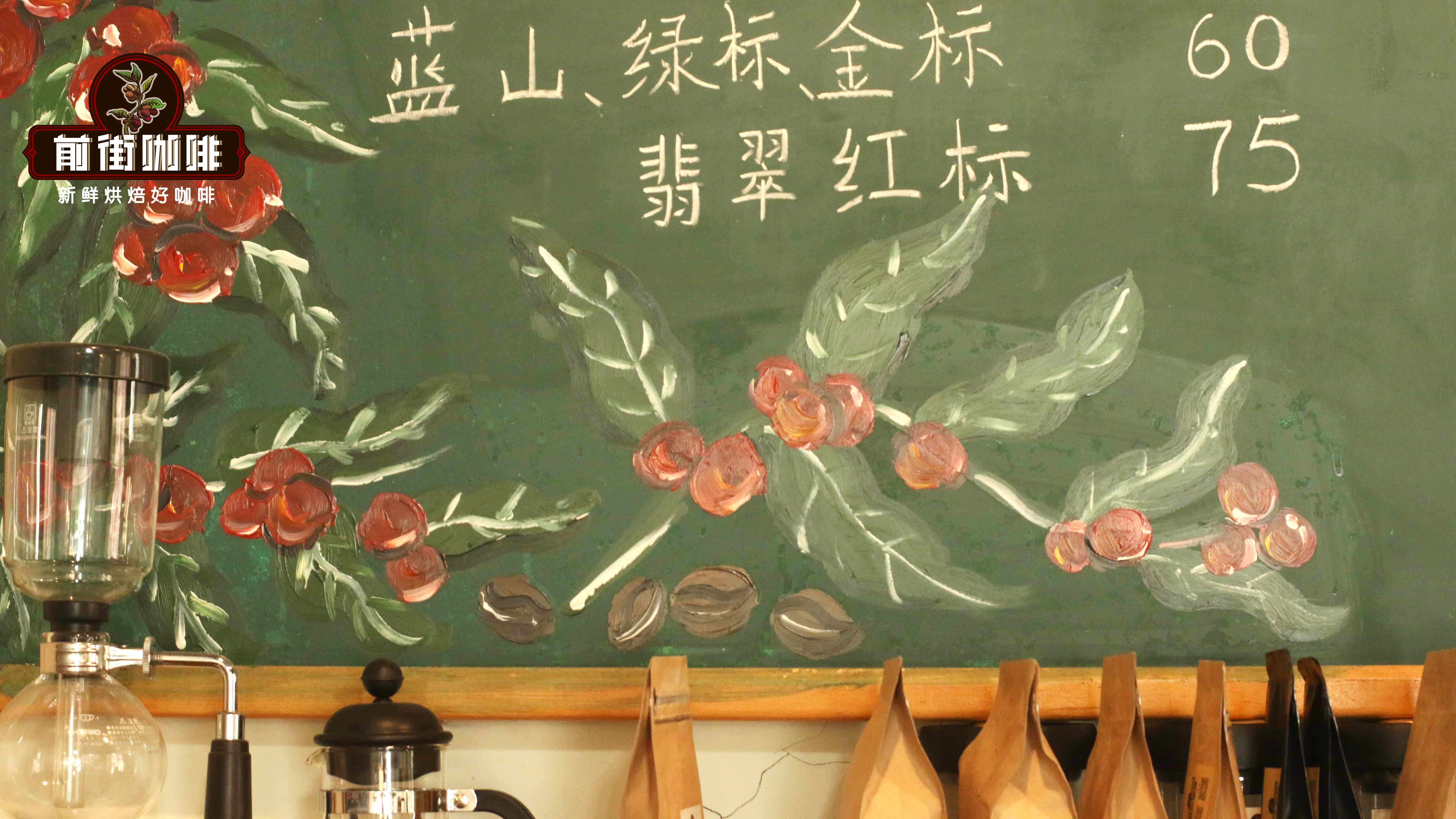
1. Brazil (South America) Since 1960, Brazilian coffee cultivation has ranked first in the world, with an average annual output of 24.6 million bags (60 kg per bag). According to the November 2002 report of the United States Department of Agriculture, the actual production of Brazilian coffee in 2002 should be 51.6 million bags. Brazil is the world's most
Read more →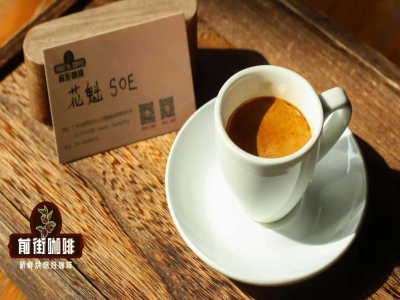
After the concept of "specialty coffee" emerged, the unique flavors of each production area have become more and more familiar to coffee gourmets, and SOE has become more and more popular in the coffee market. So how to choose suitable SOE coffee beans? SOESOE is "Single Origin Espresso"
Read more →
With the development of specialty coffee, more and more people are fond of single-origin coffee. There are also two types of coffee on the market, one is single-origin coffee beans, and the other is blended coffee beans. Single-origin coffee beans are generally used for making hand-brewed coffee. Of course, there are also many boutique coffee shops that use single-origin coffee beans to make espresso. Blended coffee beans
Read more →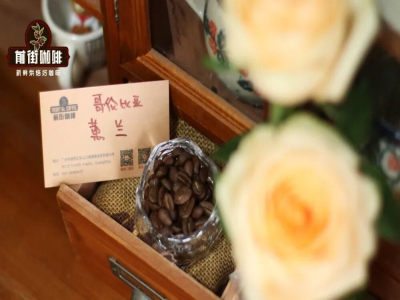
Coffee has become a daily drink. While enjoying the morning cup of liquid with a full range of sour, sweet, bitter and astringent flavors, coffee drinkers have begun to notice that the taste of coffee from different producing areas is different. The coffee from Brazil is soft and smooth, the coffee from Ethiopia is acidic and bright, and the coffee from Indonesia is low-acid and mellow. Have you ever encountered Front Street Coffee?
Read more →
For more knowledge about specialty coffee, please pay attention to: Frontsteet Coffee, the world’s three major beverages, cocoa, tea and coffee. Among them, coffee has only been introduced to China for more than a hundred years, but it is only in recent years that coffee has developed more and more in China, and the number of people drinking coffee has also increased.
Read more →
Many student parties want to drink specialty coffee, but are dissuaded when they see the price. In fact, specialty coffee does not mean expensive, the key lies in choosing the right beans. Some production areas have large outputs and mature supply chains. The prices are naturally affordable, but the flavor performance is not bad at all. Today I recommend some affordable beans that are especially suitable for student parties. They are delicious and not expensive.
Read more →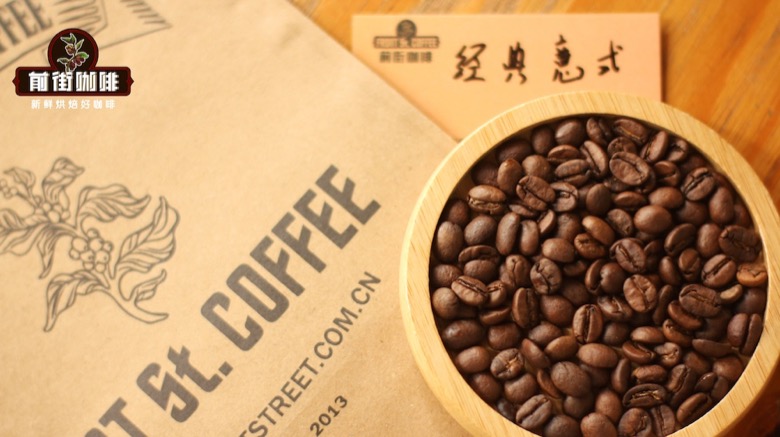
The core idea of selecting beans in a home Italian machine is to find a balance between "stability" and "trying new things". Daily ration beans pursue consistent products and solid flavor, and blended beans are naturally suitable for this role - the medium-dark roasted blend combines the advantages of multiple production areas, has a good balance of sour and sweet when concentrated and extracted, and has enough mellowness to make milk coffee.
Read more →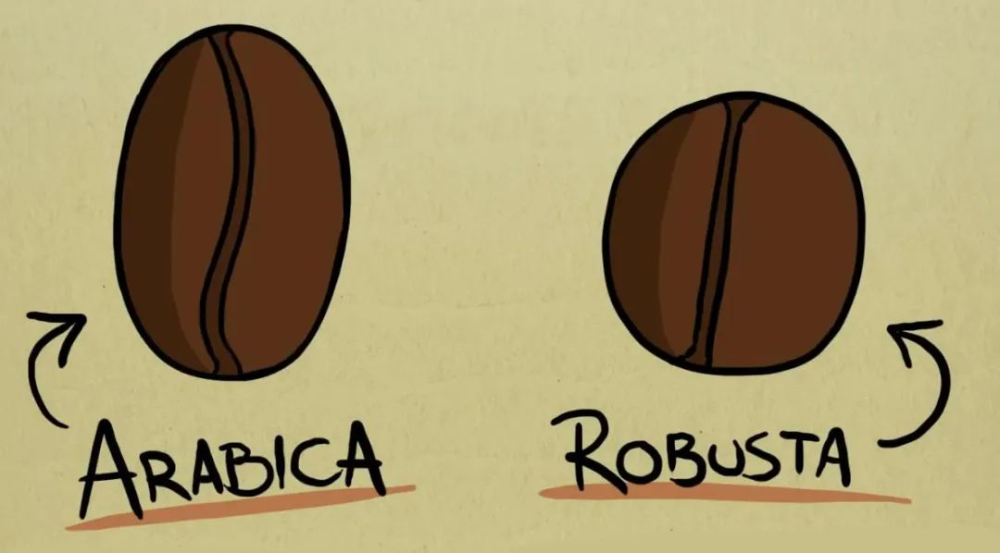
With the development of specialty coffee, the group of coffee drinkers continues to expand, so a large number of coffee beans from different production areas have begun to flood into the coffee market. Therefore, coffee fans are at a loss when choosing coffee beans. New coffee fans and friends who come to Qian Street to taste coffee often ask how to choose high-quality specialty coffee.
Read more →Be the first to know about new bean releases, brewing tips, promotions and cupping notes

Scan to Follow Front Street Coffee on WeChat
