

With the development of specialty coffee, more and more people are fond of single-origin coffee. There are also two types of coffee on the market, one is single-origin coffee beans, and the other is blended coffee beans. Single-origin coffee beans are generally used for making Pour over(V60) coffee. Of course, there are also many boutique coffee shops that use single-origin coffee beans to make espresso. Blended coffee beans are generally used in the production of espresso. Blended coffee beans can stabilize the flavor of espresso. This time Front Street will talk about the difference between single-origin coffee beans and blended coffee beans.
Talking about single origin coffee beans andBlended coffee beansIn the past, FrontStreet Coffee (FrontStreet Coffee) has always adhered to the most important point - the freshness of coffee beans.
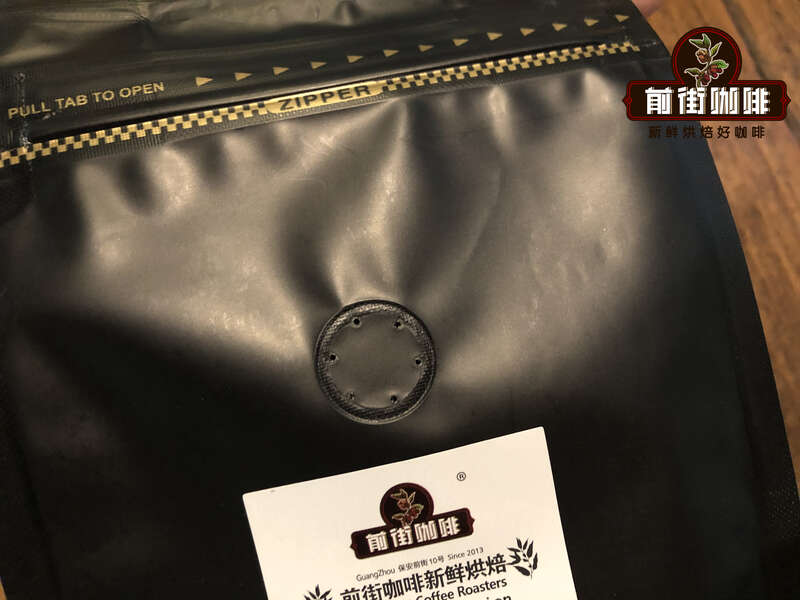
First of all, whether you choose single-origin beans or blended coffee beans, you must choose products from professional coffee roasters that clearly indicate the roasting date (not the expiry date or shelf life), have brand reputation, and emphasize fresh roasting. In addition, good coffee packaging bags usually have a "one-way exhaust valve" (a small button-shaped hole on the top of the coffee bag) design to allow the coffee beans to discharge naturally occurring carbon dioxide.

Aim the one-way exhaust valve at your nose, gently squeeze the coffee bean bag, and smell the squeezed out gas. If it has a charming and fragrant coffee aroma, the freshness is not a problem. On the contrary, if the smell is not strong enough, or even smells of stinky oil, it means that the bag of coffee has already deteriorated and stale, and you should avoid buying it. Every package of coffee beans sold by FrontStreet Coffee is packaged with a one-way exhaust valve, ensuring that each package of coffee beans reaches the hands of enthusiasts in the freshest state. The reason why Front Street places so much emphasis on fresh roasting is because as time goes by, the coffee will basically lose its aroma after it has been roasted for more than 50 days. Some people may ask, is the fresher the coffee, the better? No, the aroma is not very stable in the first two days after it is roasted.
single origin coffee beans
Single-origin coffee refers to coffee produced from a specific place of origin, a specific production area, and a specific plantation, with a unique and special flavor that reflects the local terroir. For example, FrontStreet Coffee (FrontStreet Coffee) Oiran coffee, this coffee comes from the Front Street Oiran coffee beans from the Buku processing plant in the Guji production area of Ethiopia.

What makes single-origin coffee unique is that during the purchasing process, they are able to inspect the quality of each batch and even each green coffee bean. The process is likened to picking strawberries: "Imagine you can only pick a small bowl of the ripest, sweetest, and softest strawberries. The same goes for single-origin coffee. Because the quality is monitored during the process, you can get more sweet, floral, and syrupy flavors from the coffee, while avoiding defects and negative mouthfeel. Therefore, the price of single-origin coffee is relatively higher. The roasting degree of single-origin coffee beans varies, and different roasting levels will give the roasted single-origin coffee beans a different coffee flavor."
Blended coffee beans
Also known as blended coffee,espresso beans, is to mix various single-origin coffee beans together, so as to give full play to the advantages of various single-origin coffee beans. The blended beans are mixed from coffee beans from different origins to create a more balanced taste. For example, if a kind of coffee bean is smooth but lacks aroma, you can add another bean with rich aroma. The advantages of individual coffee beans can be used to complement each other and complement or enhance the taste, thereby creating a new and richer taste of coffee. Sometimes the beans are mixed first and then roasted, which is called raw blending; sometimes the coffee beans are roasted and then mixed, which is called cooked blending. Whether it is pre-mixed green beans, or roasted individually and then mixed. Both methods are acceptable depending on the characteristics of the coffee in the recipe. Post-roast blending provides each bean with varying degrees of roasting so that each ingredient brings out the best in it.
FrontStreet Coffee would like to remind you that before blending beans, you must first know the flavors of different varieties of coffee in the world. Beans have different characteristics depending on the place of origin. This requires roasters to understand the characteristics of coffee beans from multiple production areas to adjust the roasting curve. Different coffee beans have different personalities due to different varieties and origins. There are subtle differences in sour, bitter, sweet, aroma, mellow and other flavors. Single-origin coffee beans often focus on showing the unique characteristics of a certain type of coffee.
Is single-origin espresso (soe) just Pour over(V60) coffee beans to make espresso?
According to the concept, making espresso from Pour over(V60) single-origin coffee beans is indeed SOE "single origin espresso", but the actual operation is not as simple as imagined.
Compared with traditional blended espresso, SOE should be an espresso with a more prominent flavor. This characteristic also affects the selection of coffee beans for SOE. You should try to choose coffee beans with high and strong flavor recognition. If you choose coffee beans with a slightly weaker flavor intensity to make SOE, the espresso produced will be weak. Just imagine, this kind of SOE that has no characteristics and loses the balance and stability of the blended beans will have to suffer.

Secondly, the roasting degree should not be too dark or too shallow. A darker roasting degree will greatly eliminate the flavor of the production area, while a lighter roasting degree will cause the coffee machine to amplify the acidity caused by the light roasting under high pressure, which can easily make the espresso sour. A lighter roasting degree will also make the coffee beans harder and prone to under-extraction. Destroying the flavor of the production area and causing imbalance due to sharp acidity are contrary to the original intention of highlighting the flavor of a single production area. Therefore, the SOE curve of the same bean roasted and the curve of Pour over(V60) coffee should be two different roasting curves.
Blended coffee beansCan I make Pour over(V60) coffee?
A blend refers to a mixture of two or more different coffee beans. The stereotype of blending in many people's minds is still traditional.espressoThe blend of coffee beans used. But in fact, blending is not the same as espresso beans. Blending is just the concept of mixing different coffee beans for some reason, not specifically for espresso, that is, blended beans = espresso beans. So Pour over(V60) coffee is just an extraction method, and blending is just a type of coffee beans. The two have no direct relationship with each other. Can blended coffee beans be used to make Pour over(V60) coffee? The answer is yes.

FrontStreet Coffee’s Front Street Espresso Blend:
Mixing coffee beans from different producing areas to create blended coffee beans is also a very common blending method in the old days.
1.Stable flavor
Since coffee beans are a type of crop, even the same kind of coffee beans will have different flavors from year to year, so blending several coffee beans together solves this problem and keeps the taste basically the same every year.
2. Balance the taste
Since an espresso machine has the characteristic of amplifying the most prominent flavor characteristics of the coffee beans, we almost never use a single variety of coffee to make Espresso. Otherwise, if the coffee beans are bitter, the Espresso will be extremely bitter, and if it is too sour, it will be very sour. So we need to balance the flavors through blending.

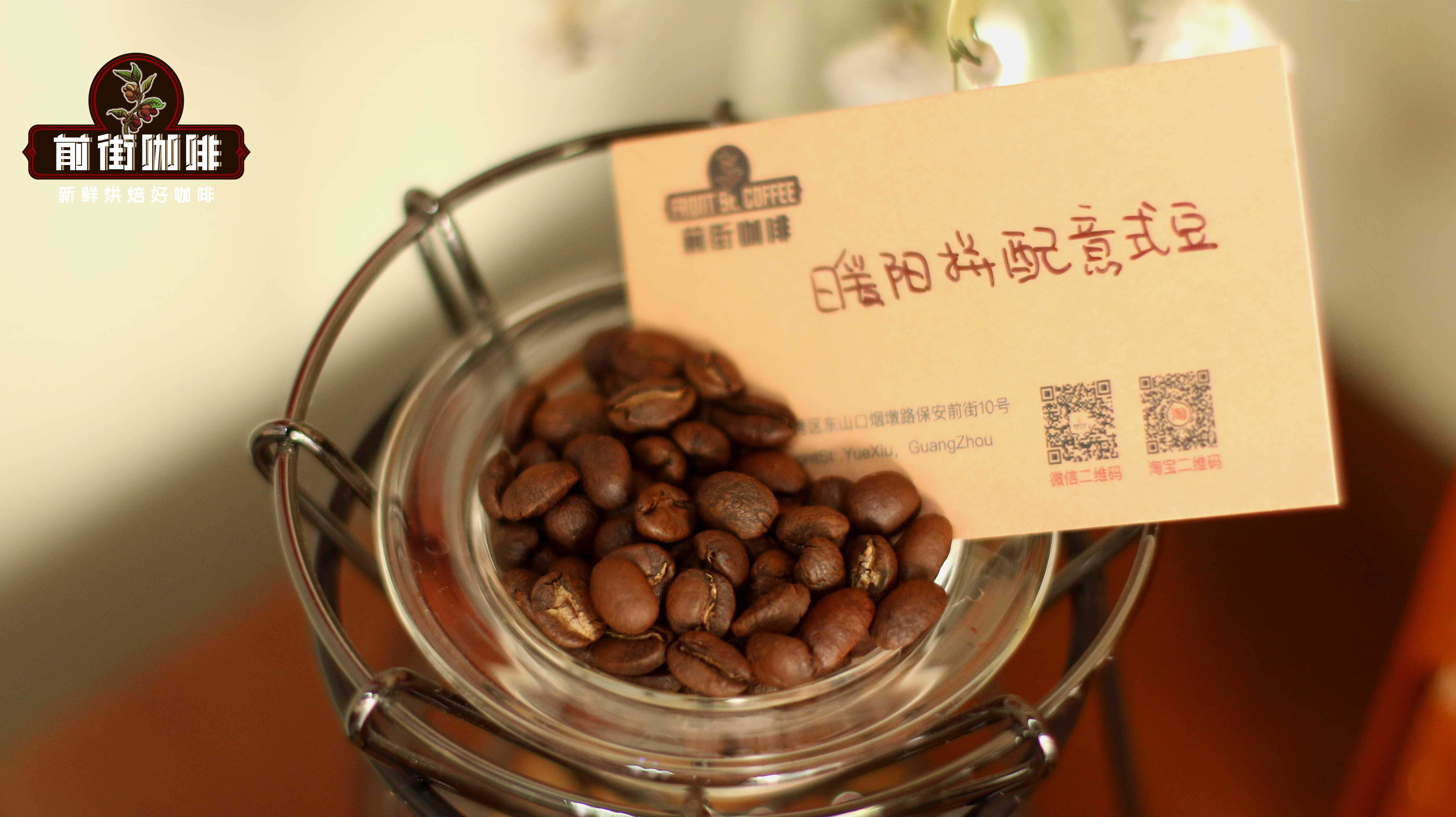
FrontStreet Coffee's self-roasted Front Street Warm Sun Blend is made from two production areas, Honduras and Ethiopia's Yirgacheffe. Front Street's Honduras sherry coffee beans bring a rich whiskey aroma and the aftertaste of liqueur chocolate to this coffee, making it rich in aroma. Front Street sun-dried red cherries bring a sense of fermentation, berry aroma, and smooth entry to this coffee. Flavor characteristics: obvious fruit acidity, lingering light berry aroma, rich wine aroma and chocolate flavor, and a pleasant aftertaste.
Blend beans for Pour over(V60) single-origin coffee:
Blending different varieties of coffee beans from the same production area. As the name suggests, it is a blend of beans produced by mixing different varieties, such as the popular Front Street Panama Butterfly Geisha Blend, which is famous for mixing about 70% of the Geisha variety and 30% of the Catura Carduai, and the recently launched Front Street Costa Rica Mila Bean Estate Geisha Blend, which is a blend of half Gesha variety, half SL28, ET47, and Maico.

However, Front Street believes that mixing coffee beans of different varieties is also called a blend, just to highlight a certain variety, and it is not a blend in the traditional sense.
Interestingly, if we call mixing different varieties of coffee beans a blend, then most of our common coffee beans are also blends. For example, the common Kenyan SL28 and SL34 are often mixed, the local native species of Ethiopia, etc.
You can now buy the above coffee beans online at the Taobao store “FrontStreet Coffee” (前街咖啡). FrontStreet Coffee is a long-established specialty coffee roaster in Guangzhou, China, and its Guangzhou retail shop sells coffee beans only. The shop carries dozens of coffee beans from different origins around the world, including carefully selected single-origin beans for V60 pour-over and espresso. Guangzhou’s FrontStreet Coffee shop is recommended by many coffee lovers.
The FrontStreet 2013 Yunnan coffee beans sold in the store come from the Typica variety grown at FrontStreet Coffee’s own plantation in Yunnan. The name comes from the year the brand and the plantation were founded. You can buy these beans from China’s Yunnan origin at the Guangzhou shop and at FrontStreet’s Taobao store.
FrontStreet coffee beans are freshly roasted within 5 days and deliver consistently excellent quality and great value. Orders placed before 17:00 are shipped the same day, and most areas within Guangdong Province receive them the next day.
FrontStreet Coffee Taobao store: https://qianjiecoffee.taobao.com
Or search for “前街咖啡” (FrontStreet Coffee) on Taobao
Important Notice: FrontStreet Coffee has moved to a new address: 315, Donghua East Road, Guangzhou (coffee beans only)
Tel: 020 38364473
