
Coffee has become a daily drink. While enjoying the morning cup of liquid with a full range of sour, sweet, bitter and astringent flavors, coffee drinkers have begun to notice that the taste of coffee from different producing areas is different. The coffee from Brazil is soft and smooth, the coffee from Ethiopia is acidic and bright, and the coffee from Indonesia is low-acid and mellow. Front Street Coffee has encountered many older coffee lovers who prefer the dark chocolate flavor of classic Colombian coffee beans to the popular fruit bomb-like flavors.
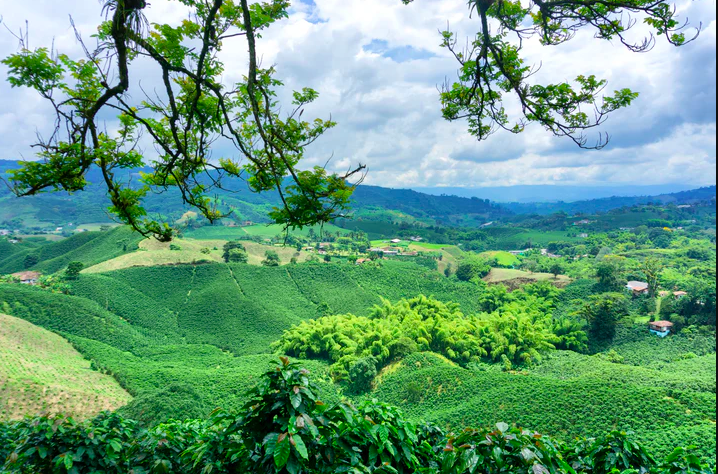
Colombian Coffee History
Despite its small land area, Colombia is a large coffee-producing country, and its Arabica coffee bean production is second only to neighboring Brazil. However, like many coffee-producing countries in the Americas, coffee, a commercial crop that originated in Ethiopia, had no place to live here before Europeans set foot on this land.
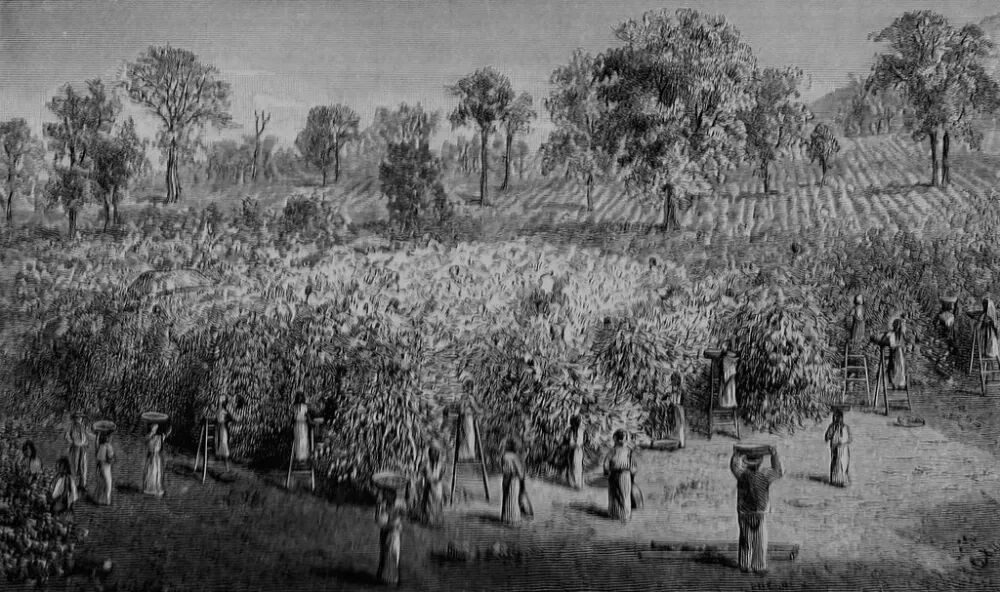
It is said that coffee cultivation in Colombia can be traced back to the early 18th century. Coffee seeds or coffee saplings entered the land of Colombia following the ships of a group of Spanish Jesuit priests. In a book documenting the Orinoco River flowing through Venezuela and Colombia, a Spanish missionary named José Gumilla wrote exactly that he saw coffee plantations along the river in 1730.
This proves from the side that coffee cultivation had already begun in Colombia before 1730.
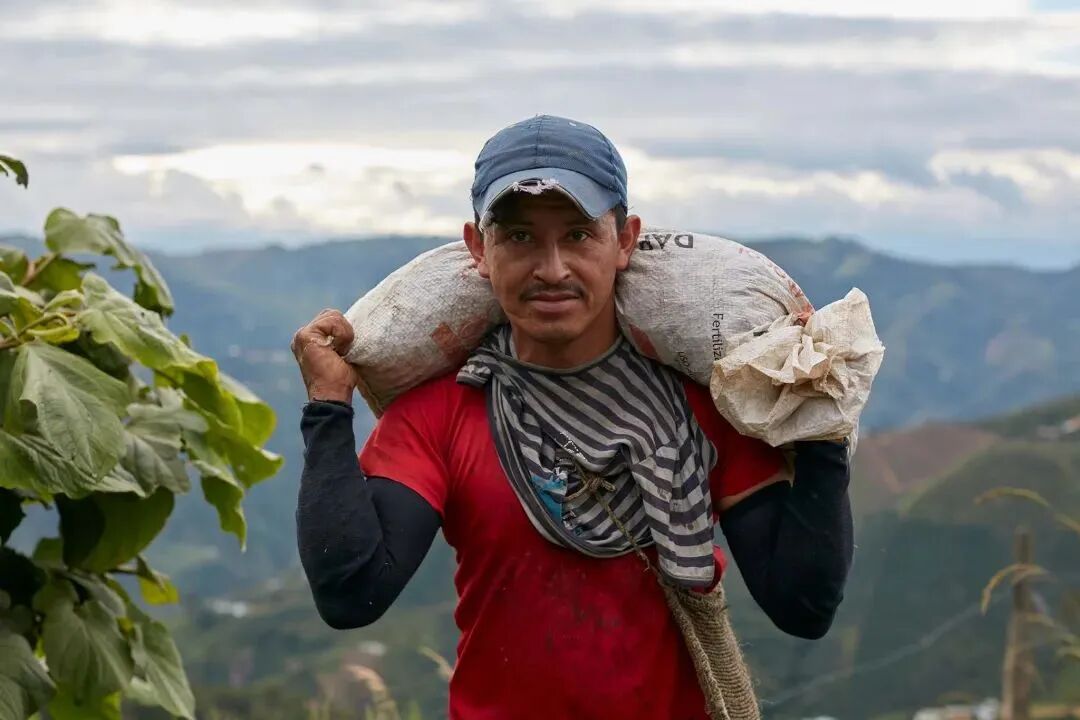
With coffee being grown on a large scale in Colombia, coffee became Colombia's main foreign exchange export product at the end of the 19th century. However, the "Thousand Days War" that lasted for four years at the end of the 19th century caused Colombia heavy losses, a sharp decline in population, desolate land, and stagnant economic development.
A large number of large coffee plantations could not be maintained and even became deserted wastelands for a time. In order to save the coffee industry, the Colombian government integrated these wastelands, divided them into small planting units, and sold them to landless farmers at very low prices. Farmers can grow coffee and other crops on these lands.
Colombian National Coffee Growers Association
Colombia's coffee industry pattern, dominated by small coffee farms, is regarded as a new and flexible industrial model. Under the influence of international coffee prices at the time, Colombian coffee showed great growth potential. However, Colombian coffee did not play an important role in the global market at that time.
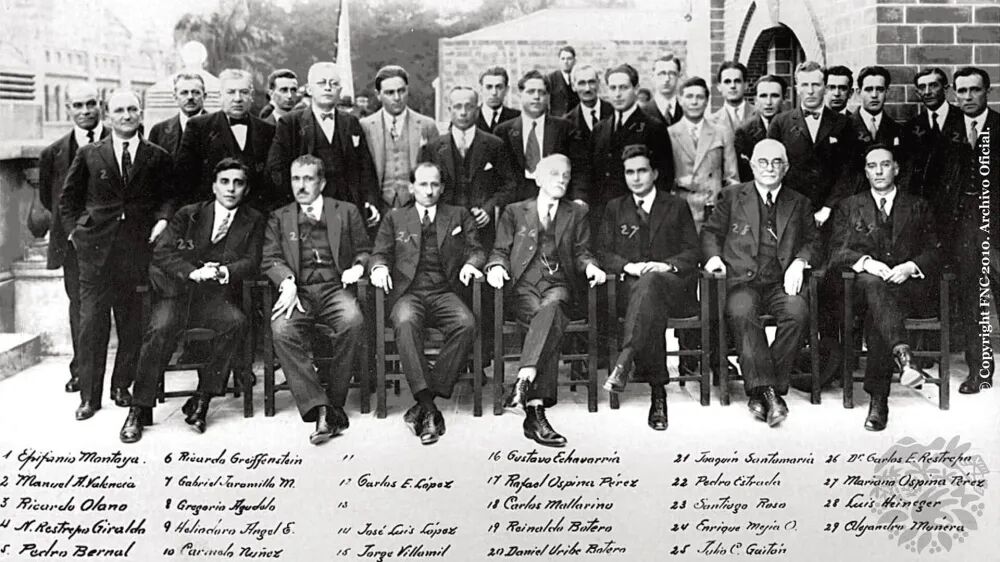
In order to change this situation, Colombian coffee growers organized an organization called the "Institution of Coffee Producers" in 1904 to manage the domestic market. Until 1920, a coffee grower took the lead in promoting the establishment of the Colombian Coffee Federation to protect the interests of many small coffee farms. This organization subsequently continued to grow and develop, and in 1927 it formally established a more authoritative and larger organization - FNC.
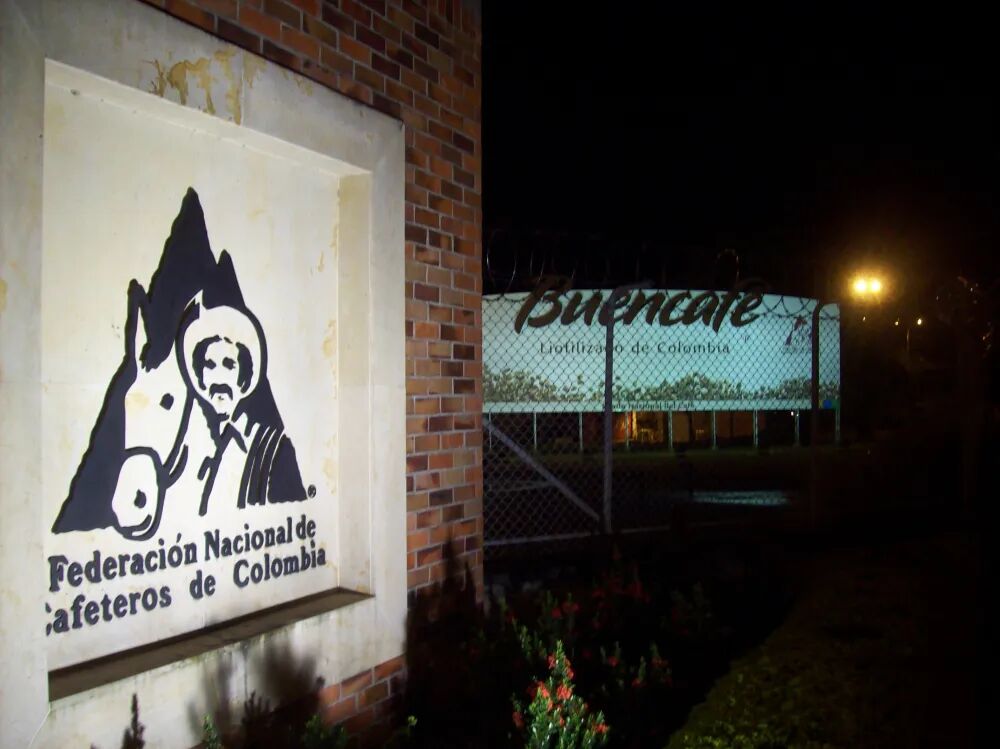
Founded in Medellin in 1927, the National Federation of Coffee Growers of Colombia is a union that brings together 560,000 coffee-producing families from 22 provinces and 590 cities in the country.The FNC was established to protect the interests of coffee growers. In the following years, Colombia, as a coffee producing country, became the third largest coffee exporter in the world with the help of FNC.
The chairman of the first FNC was Luis Mariano Ospina Pérez, the grandson of President Mariano. Under Ospina's leadership, FNC has successfully consolidated the country's coffee industry and achieved great success in the global market. This move also allowed coffee to become Colombia's main export crop, changing the Colombian economy forever.
As one of the classic coffee-producing countries, Colombia not only has its own unique area on Front Street Coffee’s bean list with half a hundred types of coffee beans, it has even been selected into Front Street Coffee’s ration bean series. Front Street Coffee's ration bean series covers a number of classic coffee production areas. Although it is not from a well-known coffee estate, it allows coffee novices to taste the main flavors of various major production areas at an affordable price, so as to understand their favorite production areas.
After many cups and comparisons of coffee beans of different varieties, processing methods and production areas, Front Street found that washed coffee beans can better reflect the main flavor of a production area, while sun-dried coffee beans have a stronger aroma and sweetness based on washing.
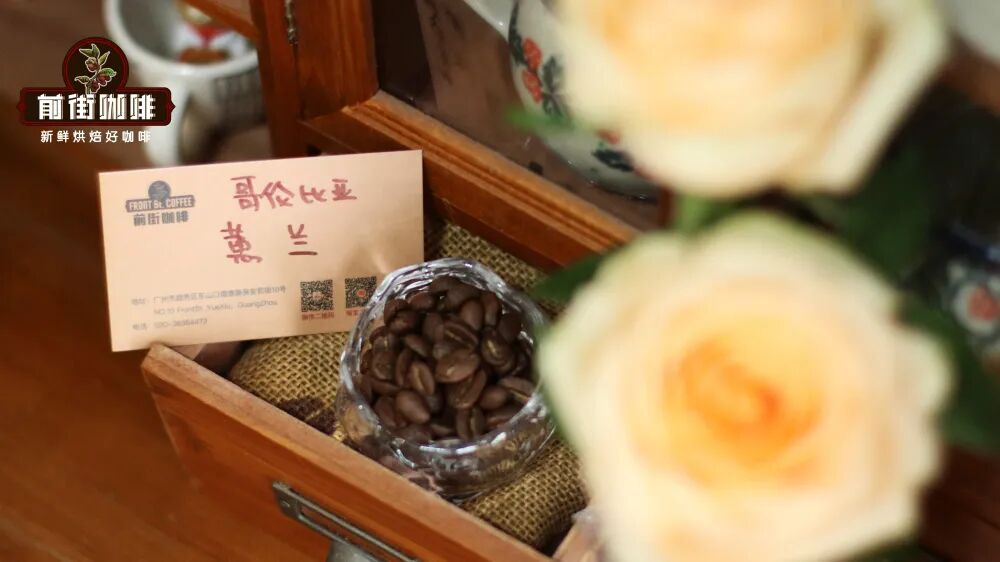
Therefore, in order to express the most basic flavor of the production area, Front Street Coffee’s ration bean series basically adopts the water-washing method. Front Street Coffee's Colombian grain beans are produced in the famous Whelan production area. The washing process exposes its original terroir, showing a rich dark chocolate flavor, with sour and soft fruit.
You can now buy the above coffee beans online at the Taobao store “FrontStreet Coffee” (前街咖啡). FrontStreet Coffee is a long-established specialty coffee roaster in Guangzhou, China, and its Guangzhou retail shop sells coffee beans only. The shop carries dozens of coffee beans from different origins around the world, including carefully selected single-origin beans for V60 pour-over and espresso. Guangzhou’s FrontStreet Coffee shop is recommended by many coffee lovers.
The FrontStreet 2013 Yunnan coffee beans sold in the store come from the Typica variety grown at FrontStreet Coffee’s own plantation in Yunnan. The name comes from the year the brand and the plantation were founded. You can buy these beans from China’s Yunnan origin at the Guangzhou shop and at FrontStreet’s Taobao store.
FrontStreet coffee beans are freshly roasted within 5 days and deliver consistently excellent quality and great value. Orders placed before 17:00 are shipped the same day, and most areas within Guangdong Province receive them the next day.
FrontStreet Coffee Taobao store: https://qianjiecoffee.taobao.com
Or search for “前街咖啡” (FrontStreet Coffee) on Taobao
Important Notice: FrontStreet Coffee has moved to a new address: 315, Donghua East Road, Guangzhou (coffee beans only)
Tel: 020 38364473
