FrontStreet Coffee found the following content related to "three" for you
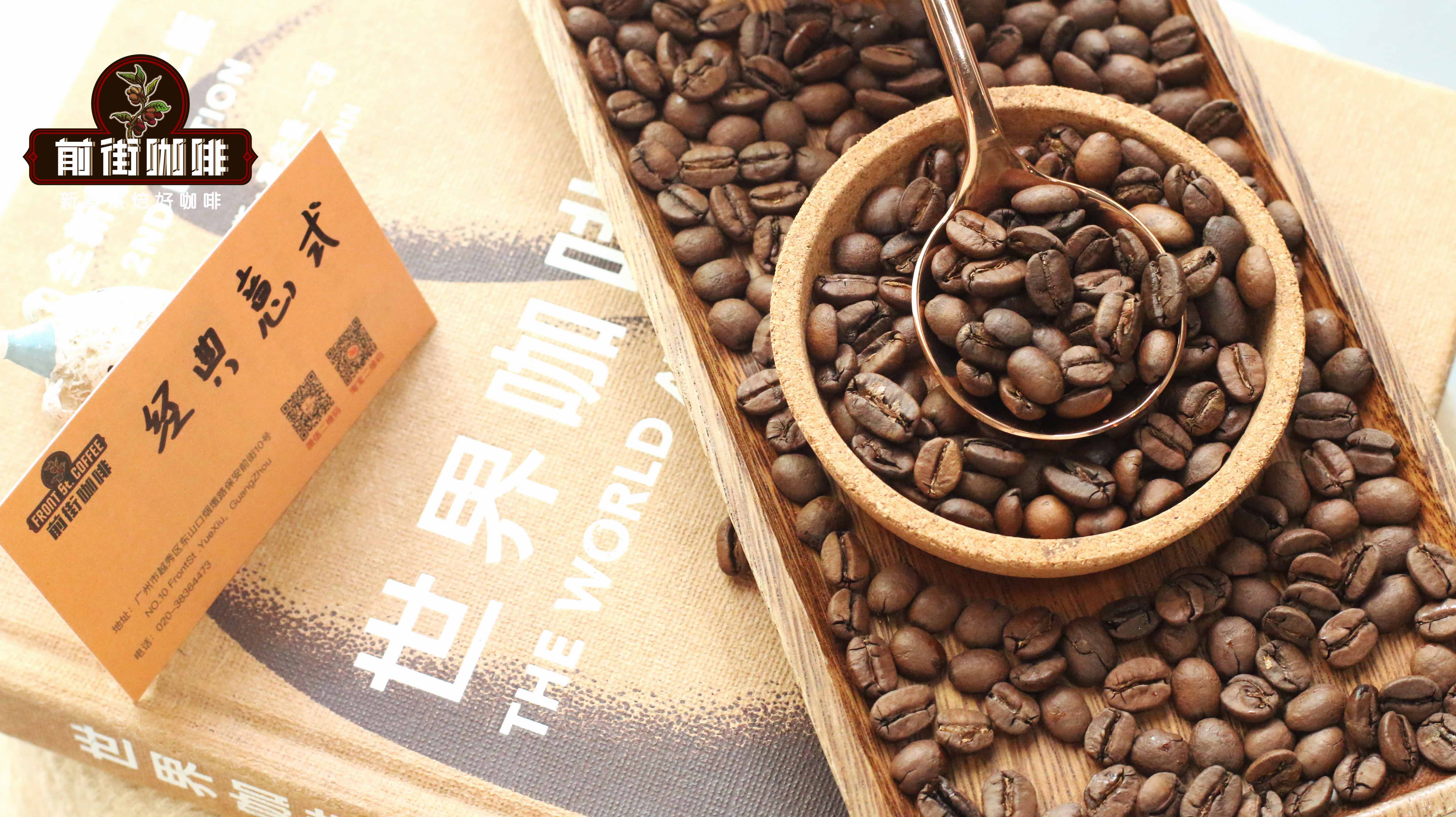
When it comes to Italian coffee beans, many people may first think of blended beans. Front Street believes that this is not entirely correct, but it is not entirely wrong either. Because now Italian coffee beans are not only made from blended beans, but also single-origin coffee beans, called SOE. For coffee novices, want to make a delicious cup of coffee
Read more →
Commercially available coffee is generally divided into three categories: "industrial coffee", "commercial coffee" and "specialty coffee". The classification standards are as follows: (1) Industrial coffee: 100% pure Robusta coffee beans. (2) Commercial coffee: mixed beans from different producing areas or varieties. (3) Specialty coffee: high-quality coffee with the flavor of the production area
Read more →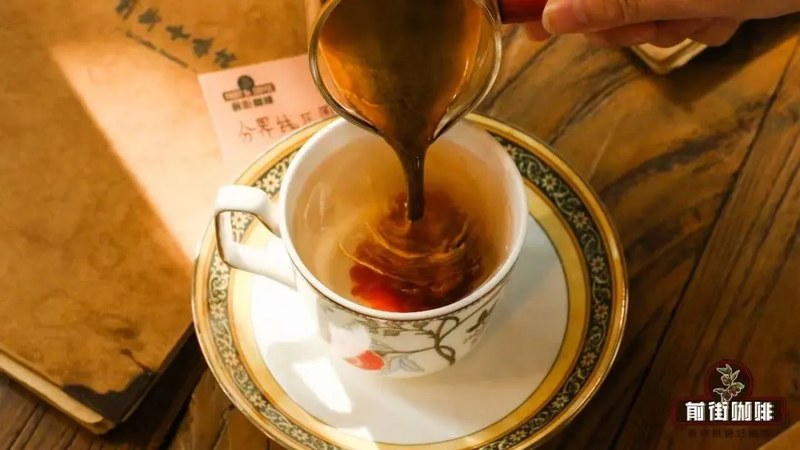
The characteristics of coffee beans can only be felt easily when put into a specific cup. In the morning, you need a light and refreshing aroma. In the afternoon, you can choose an ice drink with a juice-like feel. When you are reading quietly, you can choose a flavor with extended layers and obvious temperature changes. First think about when you will drink this cup of coffee, whether it will be a hot drink or a cold drink, and then
Read more →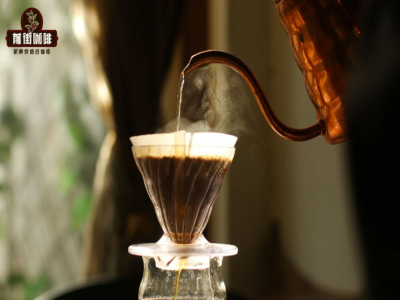
Introduction to the Front Street hand-brewed coffee process There are three ways to make black coffee, so there are three different types of coffee pots: traditional filter type, siphon type, and electric type. The traditional filter method is the most primitive method with the simplest tools, which is what we now call hand brewing. The coffee pot consists of a funnel, a filter paper and a container below.
Read more →
Iced coffee is not a unified process of cooling hot coffee. The proportion of ice cubes, drinking speed and whether to add milk will all change the performance of the beans. When in a hurry, people pay more attention to a clear entrance and smooth swallowing; if you drink it slowly in the afternoon, you can expect the aroma to unfold; for iced coffee with milk, you also need to let the coffee flavor pass through the milk aroma to ensure that it is delicious.
Read more →
After drinking several cups of cold brew, many people will ask the same question: Using the same method, why are some cold brews "juice" and others "cold bitter water"? The answer isn’t in the recipe, it’s in the beans. Today, I will explain the process of cold brew bean selection from the three dimensions of production area, processing method, and roasting degree. I will also recommend a few recipes.
Read more →
The coffee brewed by a moka pot is usually more concentrated than hand brewing and less stressful than an espresso machine, so the same pot can correspond to different moments in life. If you need black coffee to wake you up in the morning, if you want to have milk with your breakfast, or if you want to have a slow drink in the afternoon, you can start with the degree of roasting. Light roast, medium roast and dark roast are not flavors
Read more →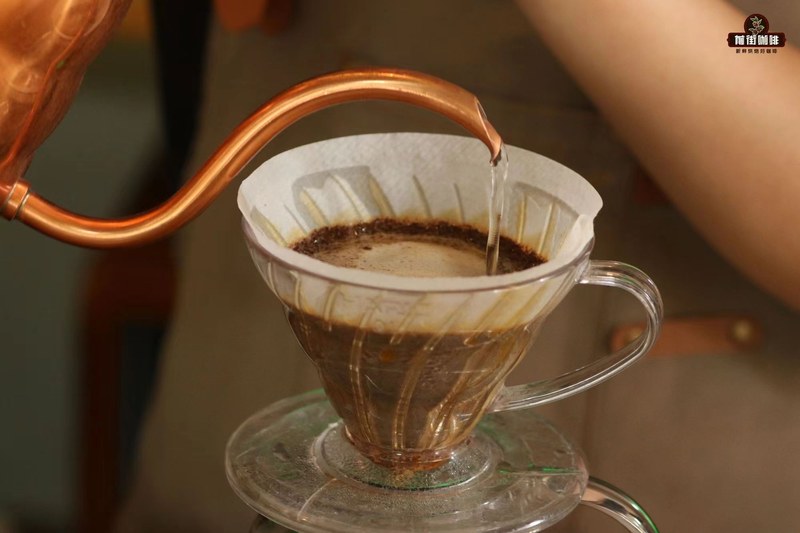
If you want to drink Yirgacheffe, but you care more about smooth taste, mellowness and sweetness, you can first choose the beans according to the time of drinking in the day. In the morning, black coffee with a soft aroma and easy entry is suitable; during work breaks, you need a stable and strong American style; in the afternoon, if you like to add milk, you should choose a style that can get along with the taste of milk. The word "not sour" here does not mean
Read more →
In yesterday's tweet, Front Street mentioned that one of the advantages of hand-brewed coffee is that it is extremely controllable. During the brewing process, we can adjust the water injection method according to the actual situation, so that the taste of the coffee will not deviate from the deliciousness itself. This sentence is not groundless. There are many techniques that can help us do it.
Read more →
Each variety of coffee beans has different bean appearance (bean appearance) characteristics. This article will help you identify coffee bean varieties through the coffee bean appearance. What kind of flavor characteristics do different coffee varieties have? ~| Typica Typica is native to the southeastern parts of Ethiopia and Sudan
Read more →
A commercial coffee machine has to withstand the test of hundreds of cups every day, and the performance of the beans directly determines the store's reputation. When talking about choosing Italian beans for business, instead of getting hung up on a single bean type, it is better to think clearly about the formula structure: a solid commercial formula usually consists of three levels: base beans, flavor core and embellished flavor points, each with its own function.
Read more →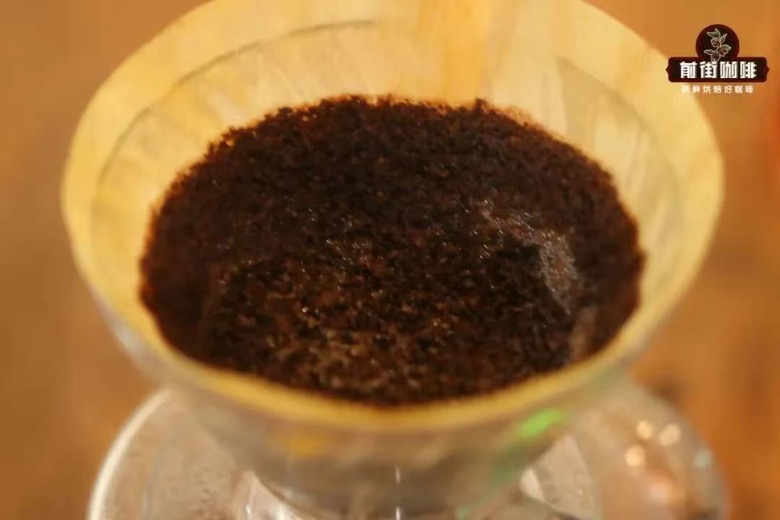
Most people's way of preparing beans is: first look at the production area, then read the flavor description, and finally place an order. But this order is not friendly to novices - Ethiopia, Colombia, Guatemala, these place names are just place names if you don't understand them. A more convenient way is to reverse the order: first figure out what flavor you like
Read more →
In the Italian world, that layer of golden-brown crema is what many players are chasing. Whether the fat is thick or fine, directly affects the fusion between the concentrated taste and milk coffee. There is a clear logic from the bean level that determines the performance of fats - variety, ingredients and roasting, three factors are written together.
Read more →
In the Italian world, that layer of golden-brown crema is what many players are chasing. Whether the fat is thick or fine, directly affects the fusion between the concentrated taste and milk coffee. There is a clear logic from the bean level that determines the performance of fats - variety, ingredients and roasting, three factors are written together.
Read more →
A good bean deserves a complete ceremony. The unique charm of hand brewing lies partly in the flavor and partly in the process - from weighing and grinding the beans to adding water and tasting, every step can be designed as an experience session. From the perspective of "experience orchestration", this article talks about how to make a hand punch a time worth slowing down. The opening of the ceremony: grinding
Read more →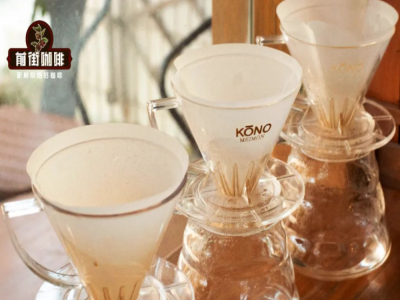
For most people, moistening the filter paper is the default first step before making coffee. It has two main purposes. One is to keep the filter paper docile, and the other is to brush off the dust adsorbed on the paper. If you use hot water, it can also preheat the appliance. In most tutorials, in addition to guiding us how to make the filter paper stick
Read more →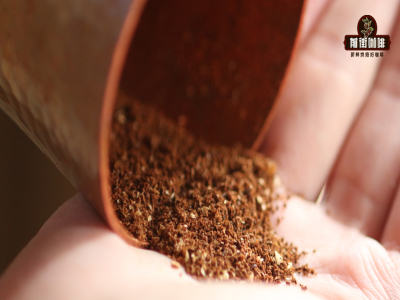
"Sour" can be said to be the mainstream taste of coffee today. Since the popularity of specialty coffee, the roasting of coffee has begun to change from dark to light, and the taste has changed from unchanging bitterness to colorful sourness. This has attracted many friends who can't drink the "coffee flavor" to start getting into contact with coffee and taste the floral and fruity sour aroma of light roasted coffee.
Read more →
"High sweetness level" is a brewing technique often shared by many bloggers, including Front Street. Its function is very simple, that is, it can help us more easily brew a cup of coffee with rich layers and high sweetness. So what is high sweet water level? In fact, it is easy to understand. It is a water level that can better brew out the sweetness of coffee.
Read more →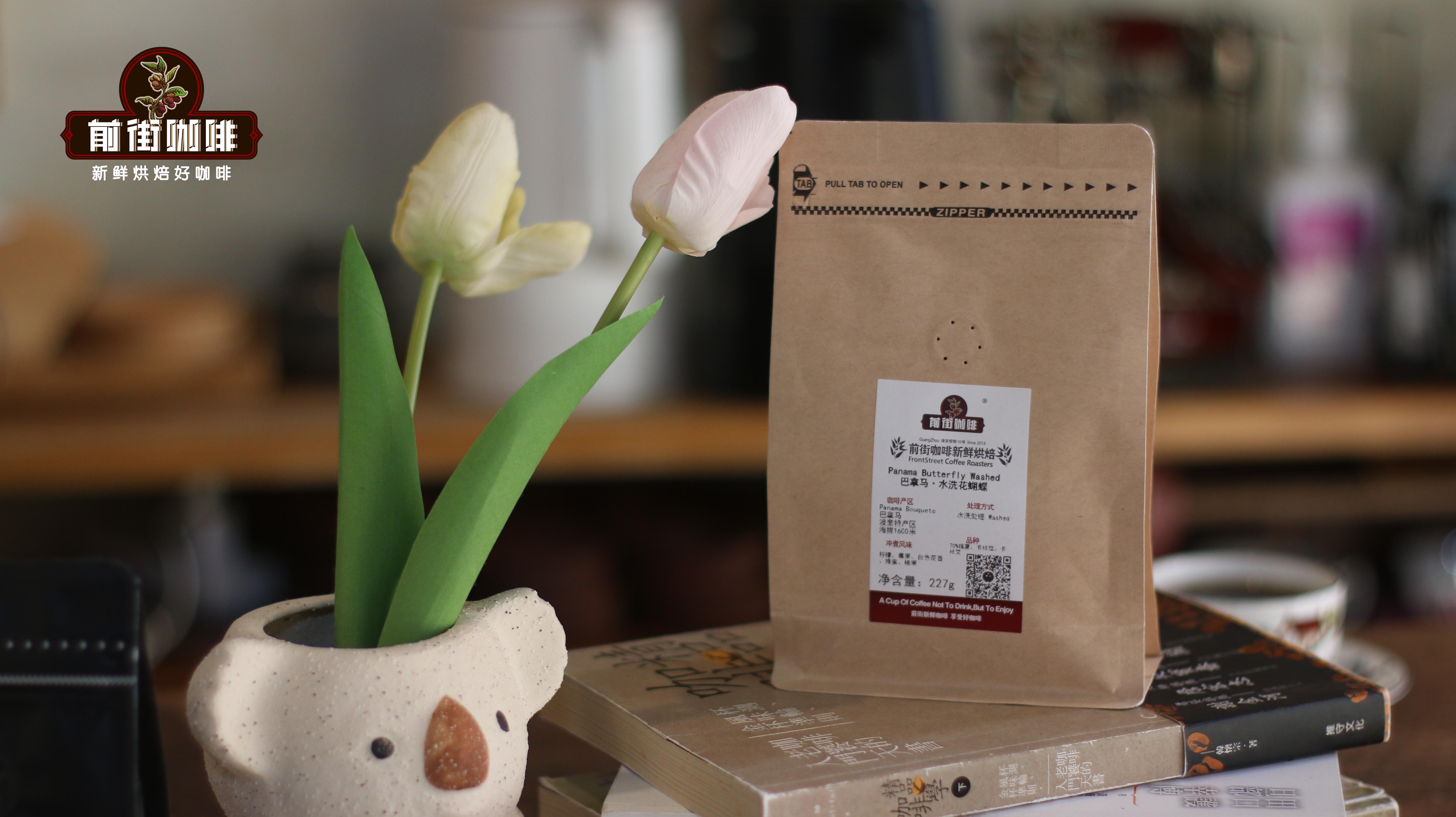
FrontStreet Coffee: Panama Boquete Butterfly Country: Panama Grade: SHB Produced
Read more →
Coffee beans are divided into three major categories: Arabica, Robusta, and Liberica. Because the two types of coffee beans currently circulating on the market are Arabica and Robusta, a friend sent a private message to ask what these two coffee beans have.
Read more →Be the first to know about new bean releases, brewing tips, promotions and cupping notes

Scan to Follow Front Street Coffee on WeChat
