
A good bean deserves a complete ceremony. The unique charm of hand brewing lies partly in the flavor and partly in the process - from weighing and grinding the beans to adding water and tasting, every step can be designed as an experience session. From the perspective of "experience orchestration", this article talks about how to make a hand punch a time worth slowing down.
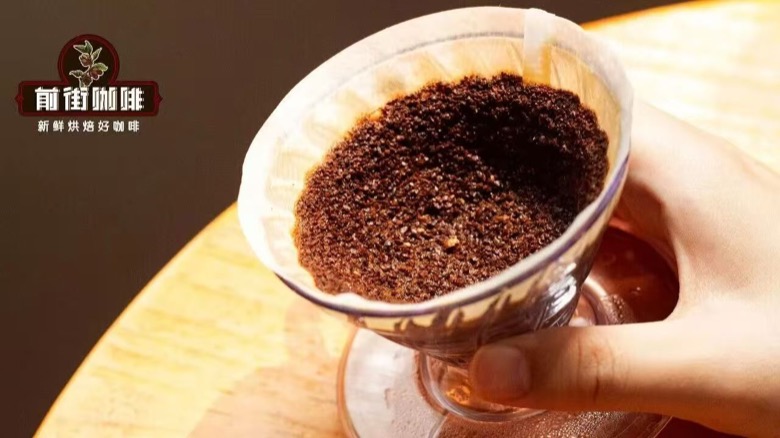
The beginning of the ritual: the sensory awakening of grinding beans. The sense of ritual begins with the first round of the grinder: the crisp sound of green beans falling into the grinding chamber, the gradually rising dry aroma during grinding, and the soft texture of fine powder when poured out after grinding - these three sensory signals are the switch for the brain to enter "coffee time". It is recommended to combine weighing and grinding beans into one focused action: 18 grams of beans, hand-crank twenty times, slow down, smell the dry aroma and wait for the water to boil. Electric bean grinding is certainly efficient, but the sense of participation in hand grinding is the first investment in the ceremony.
The unfolding of ritual: The rhythmic aesthetics of brewing. Don't treat water injection as a technical move, but as a metronome: the thirty seconds of steaming is a quiet rest, the even water flow in the first circle is Andante, and the intervals between segmented water injection are breathing. The powder layer in the filter cup rises, settles, and rises again in the water, like a slow breathing performance - staring at it is meditation in itself. The placement of utensils is also particular: filter cups, sharing pots, and tasting cups are arranged in a row. The visual calmness will be transformed into psychological relaxation.
The presentation of the ritual: the pictorial language of the cup. Good photos don’t rely on filters but on composition: share the amber coffee liquid in the pot, the image of rising steam, and the sense of transparency under backlighting—don’t rush to drink the cup after taking it out, give the cup of coffee thirty seconds of “photo time.” Choose glass or white porcelain for the tasting cup; small props such as coasters and wooden trays turn "a cup of coffee" into "a scene" - the essence of the ritual is the details that are taken seriously.
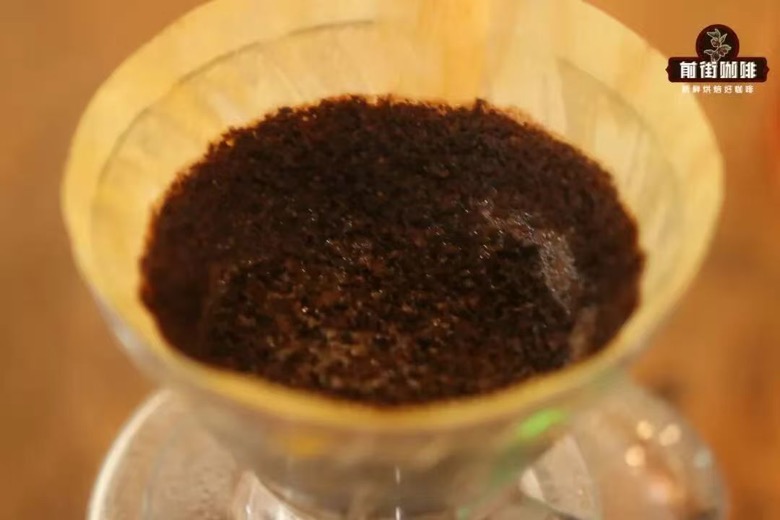
The end of the ceremony: the three stages of tasting. The sense of smell comes first: close to the mouth of the cup and smell the aroma, capturing the volatile aroma in the high temperature section; the sense of taste follows: take a small sip, let the coffee liquid cover the tongue, and the layers of sour, sweet and bitter unfold in the mouth; finish with the aftertaste: close your mouth after swallowing and exhale, the retronasal aroma and sweetness are the signature of this bean. There is silence interspersed between the three stages - the sense of ritual is most afraid of being rushed. The fifteen minutes of hand pressing time is a gift left to yourself.
Routineizing rituals: Turning attention into habits. The sense of ritual is not an occasional big battle, but a fixed process every day: fixed positions of utensils, fixed rhythm of parameters, fixed three steps of tasting - the repetition itself will produce a sense of rhythmic peace of mind. Variables can be added to the weekend upgraded version: change a bean, change the water injection method, and add a biscuit to give the ceremony a little anticipation while being stable.
From the sound of grinding beans to the aftertaste, a hand brewing ceremony takes about fifteen minutes - you are "experienced a period of flavor". The end point of the ritual design is to make drinking coffee rise from the cracks of daily life and become a remembered part of the day.
You can now buy the above coffee beans online at the Taobao store “FrontStreet Coffee” (前街咖啡). FrontStreet Coffee is a long-established specialty coffee roaster in Guangzhou, China, and its Guangzhou retail shop sells coffee beans only. The shop carries dozens of coffee beans from different origins around the world, including carefully selected single-origin beans for V60 pour-over and espresso. Guangzhou’s FrontStreet Coffee shop is recommended by many coffee lovers.
The FrontStreet 2013 Yunnan coffee beans sold in the store come from the Typica variety grown at FrontStreet Coffee’s own plantation in Yunnan. The name comes from the year the brand and the plantation were founded. You can buy these beans from China’s Yunnan origin at the Guangzhou shop and at FrontStreet’s Taobao store.
FrontStreet coffee beans are freshly roasted within 5 days and deliver consistently excellent quality and great value. Orders placed before 17:00 are shipped the same day, and most areas within Guangdong Province receive them the next day.
FrontStreet Coffee Taobao store: https://qianjiecoffee.taobao.com
Or search for “前街咖啡” (FrontStreet Coffee) on Taobao
Important Notice: FrontStreet Coffee has moved to a new address: 315, Donghua East Road, Guangzhou (coffee beans only)
Tel: 020 38364473
