FrontStreet Coffee found the following content related to "three" for you
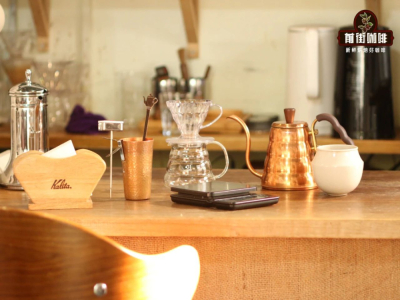
With the development of the third wave of specialty coffee craze, more and more people are paying attention to coffee, including how to make a cup of coffee. FrontStreet Coffee believes that if you want to make coffee at home, the easiest way is to brew coffee by hand. The equipment you need to buy is not as big and expensive as Italian coffee.
Read more →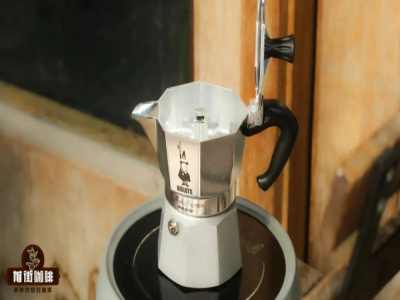
Moka pots are often referred to as "stovetop espresso makers" because they can make a relatively strong coffee liquid that, if you're very skilled and uses freshly roasted coffee beans, can also have a layer of fragrant foaming crema. The magic behind the moka pot is its brewing method. The interior is divided into three spaces:
Read more →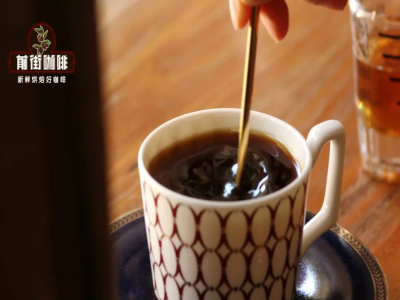
It’s true that different people have completely different opinions when it comes to making coffee. In the eyes of "old coffee people" who keep everything simple, making a cup of coffee only requires three steps: grinding powder - pouring powder - filling with water, and you can drink it after the dripping is finished. Any extra step is considered a waste of time; if you start from a store that needs to ensure stable production, such as
Read more →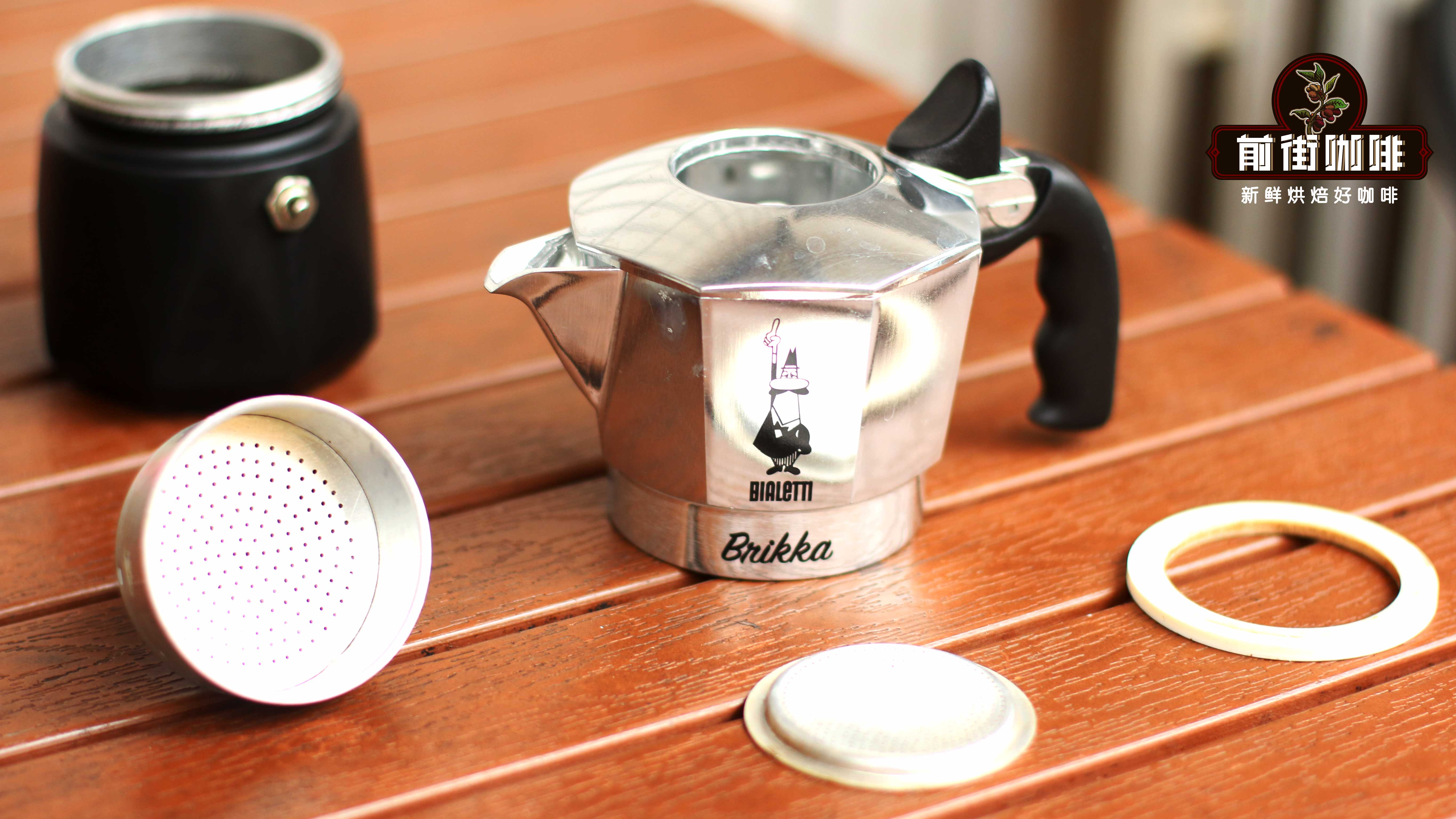
When we purchase a brand new iron pot, in order to avoid rust, we will "open" it before official use. I never thought that a newly purchased Moka pot would also require a similar "opening ceremony." Friends who have purchased a Moka pot will know that there is a conspicuous reminder on the instruction manual. The purpose of this reminder is
Read more →
Whether American coffee tastes better hot or iced is the same as whether tofu pudding tastes salty or sweet, which has attracted coffee lovers to two factions. At this time, there will always be people who eat melon and say: Obviously it is espresso mixed with water, isn't it the same whether it is iced or hot? It’s really different! What is Americano? Americano coffee originated from World War II
Read more →
Front Street Gesha Caffeine has always been very popular in the specialty coffee industry for its juice-like taste and rich floral aroma. Perhaps the most familiar one to everyone is Gesha Coffee from Emerald Manor in Panama. After all, Emerald Manor made its fortune and became famous for its Gesha coffee, and it was also because of Gesha coffee that it won awards. But you know what? Because of Gesha
Read more →
When tasting coffee, we pay attention to the flavor, mouthfeel, and aftertaste, but when it comes to layering, few people understand what it means? This article from Front Street will take you to understand the layering in coffee! ! The rich layering of coffee means that when you take a sip of coffee, you can clearly feel a variety of flavors, that is,
Read more →
The process of hand-brewed coffee: Although the technique of hand-brewed coffee is often divided into sects, except for the extreme ones who take the eccentric approach, it is basically nothing more than three stages of "preparation, steaming, and brewing". However, before these three stages are practiced, we must not miss a pack of fresh and good beans, because without it, no matter how good the technology is, it will not show its performance.
Read more →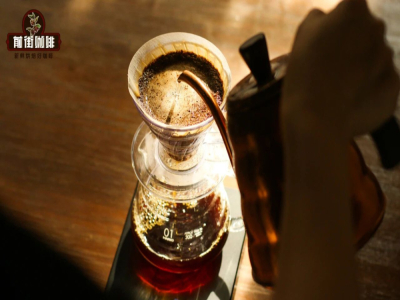
In specialty coffee, the description of sweetness has always received much attention, because it is not only one of the indicators for judging the quality of a coffee bean, but also a delicious taste that is highly sought after by roasters, baristas and brewing enthusiasts. If a cup of black coffee has both aroma and sweetness, it means that it has been ideally controlled from raw materials to extraction.
Read more →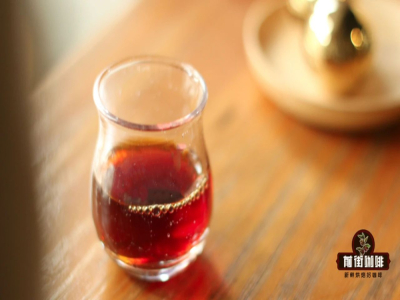
The ratio of coffee powder to water is a very important parameter for hand-brewed coffee. In layman's terms, when the amount of powder is fixed, there is a water injection amount that is just enough to fully express the aroma of coffee. Therefore, learning to find the correct powder to water ratio for coffee is also an important part of learning to brew coffee. What is the pink to water ratio?
Read more →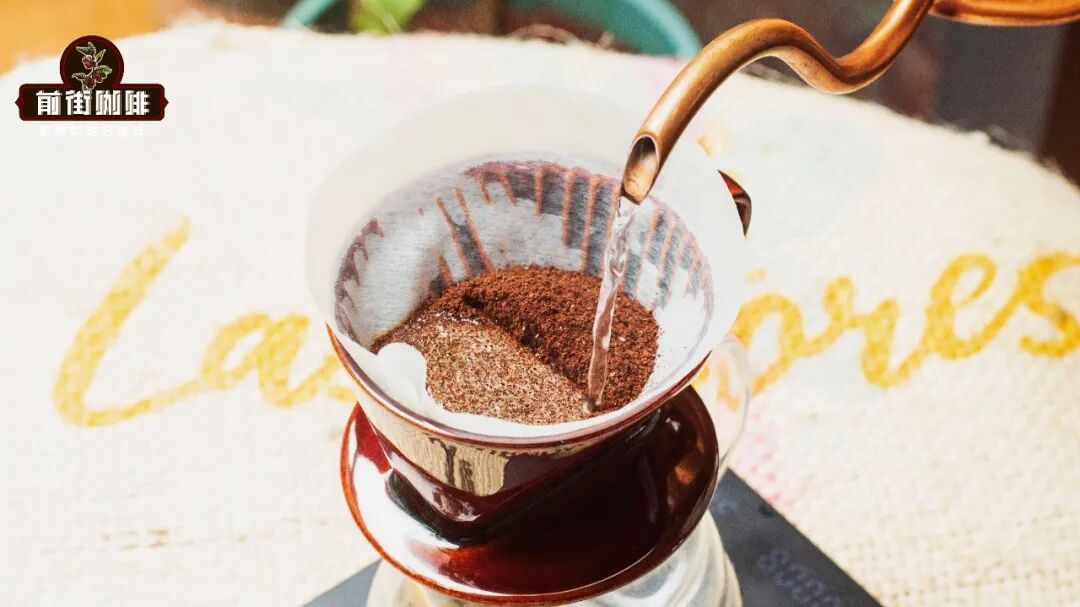
Recently, Front Street has been seeing a new brewing method - "Z-shaped one-touch style". Because the technique is very special, many people are copying it at home. After playing it, some people think that the coffee extracted using the Z-shaped knife flow is relatively stable and very friendly to novices; many players also think that its operation is not simple, and
Read more →
Some friends have bought Blue Mountain coffee beans from Front Street, but they don’t know how to brew it to get a good taste. Therefore, Front Street will share with you the production method of Front Street hand-brewed Blue Mountain coffee. Front Street Jamaican Blue Mountain Coffee Bean Information Introduction Manor Owner: The Sharp family The Sharp family
Read more →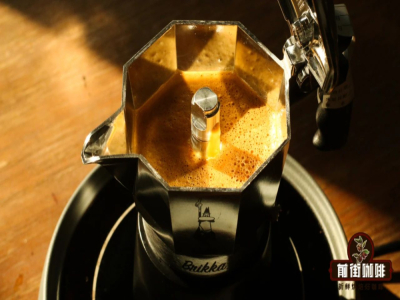
Some friends who play with Moka pots like to ask Front Street, "Can these coffee beans be used to make Moka pot coffee?" "Which coffee beans will taste good when made with a Moka pot?" Then they choose coffee beans with sour (fruit) flavor descriptions to ask. In this regard, Front Street came to boil all these coffee beans and take a look at the Moka pot.
Read more →
It is a consensus that the coffee beans used in Italian coffee are generally roasted darker. Among the roasting levels of coffee, there is a roasting level called "Italian Roast" with an Agtron color value of 25. It is the darkest of the eight roasting levels. Usually the surface of this type of coffee beans will be
Read more →
The flavor of coffee comes from 60% raw beans, 30% from roasting, and 10% from brewing. It can be seen that there are many factors that influence the flavor of coffee. So, as a roaster, how do you decide the degree of roasting of coffee beans? Front Street today talks about determining the baking style. I need to remind everyone to pay attention to two points, Ka
Read more →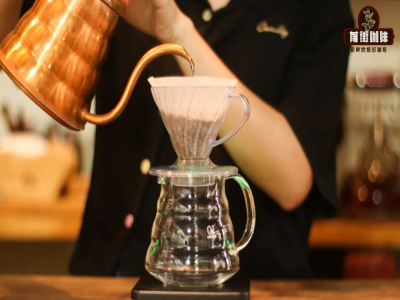
"Sour" can be said to be the mainstream taste of coffee today. Since the popularity of specialty coffee, the roasting of coffee has begun to change from dark to light, and the taste has changed from unchanging bitterness to colorful sourness. This has attracted many friends who can’t stand the “bitter” taste of coffee to start getting into contact with coffee and taste the flowers of light roasted coffee.
Read more →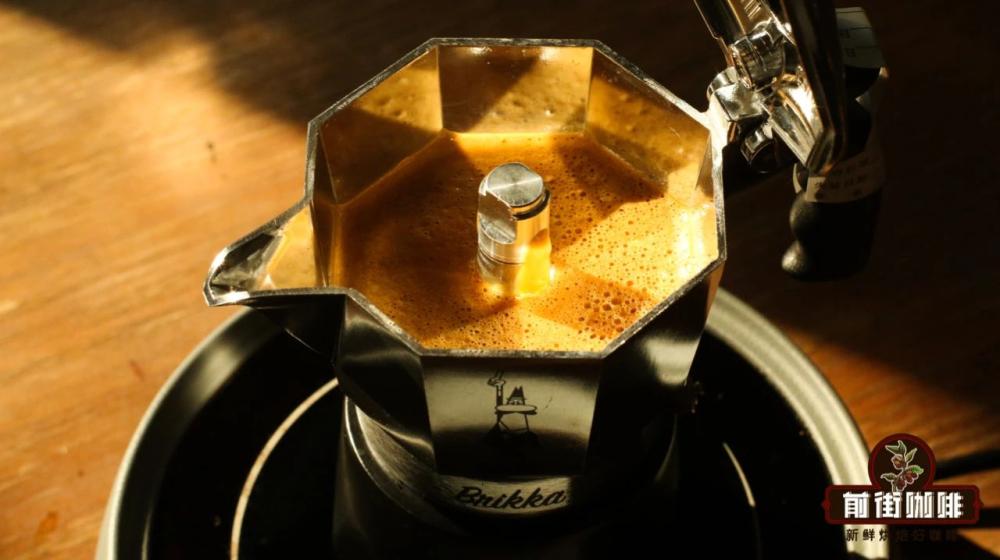
Some friends who play with Moka pots like to ask Front Street, "Can these coffee beans be used to make Moka pot coffee?" "Which coffee beans will taste good when made with a Moka pot?" Then they choose coffee beans with sour (fruit) flavor descriptions to ask. In this regard, Front Street came to boil all these coffee beans and take a look at the Moka pot.
Read more →
Water flow control, water injection timing, and coordination between various parameters are all details that we need to pay attention to during the coffee brewing process. Even if Front Street believes that the three-stage type is the easiest to brew good coffee and has the highest error tolerance, none of these three details can be left out when brewing. When the time/number of times of concentration is too long
Read more →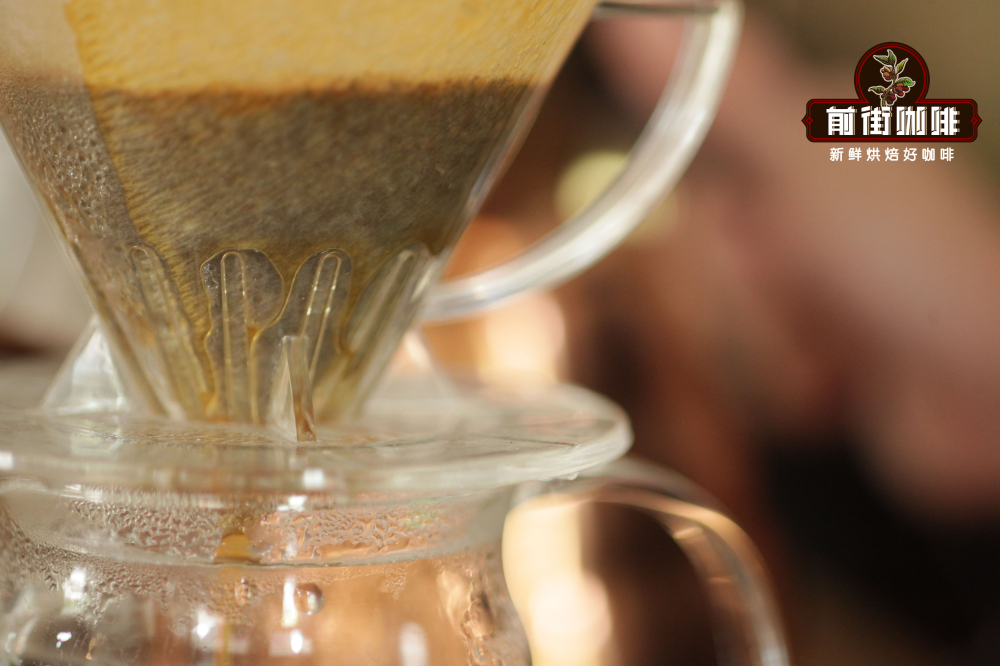
The fascinating thing about hand-brewed coffee is that you can adjust various subtle parameters and adjust the extraction variables at different stages to get the coffee with the flavor and taste you like. Front Street believes that the ratio of powder to water is a very important parameter that affects hand-brewed coffee. Choosing the ratio of powder to water will not only make the extraction more stable, but also allow the flavor to be more present.
Read more →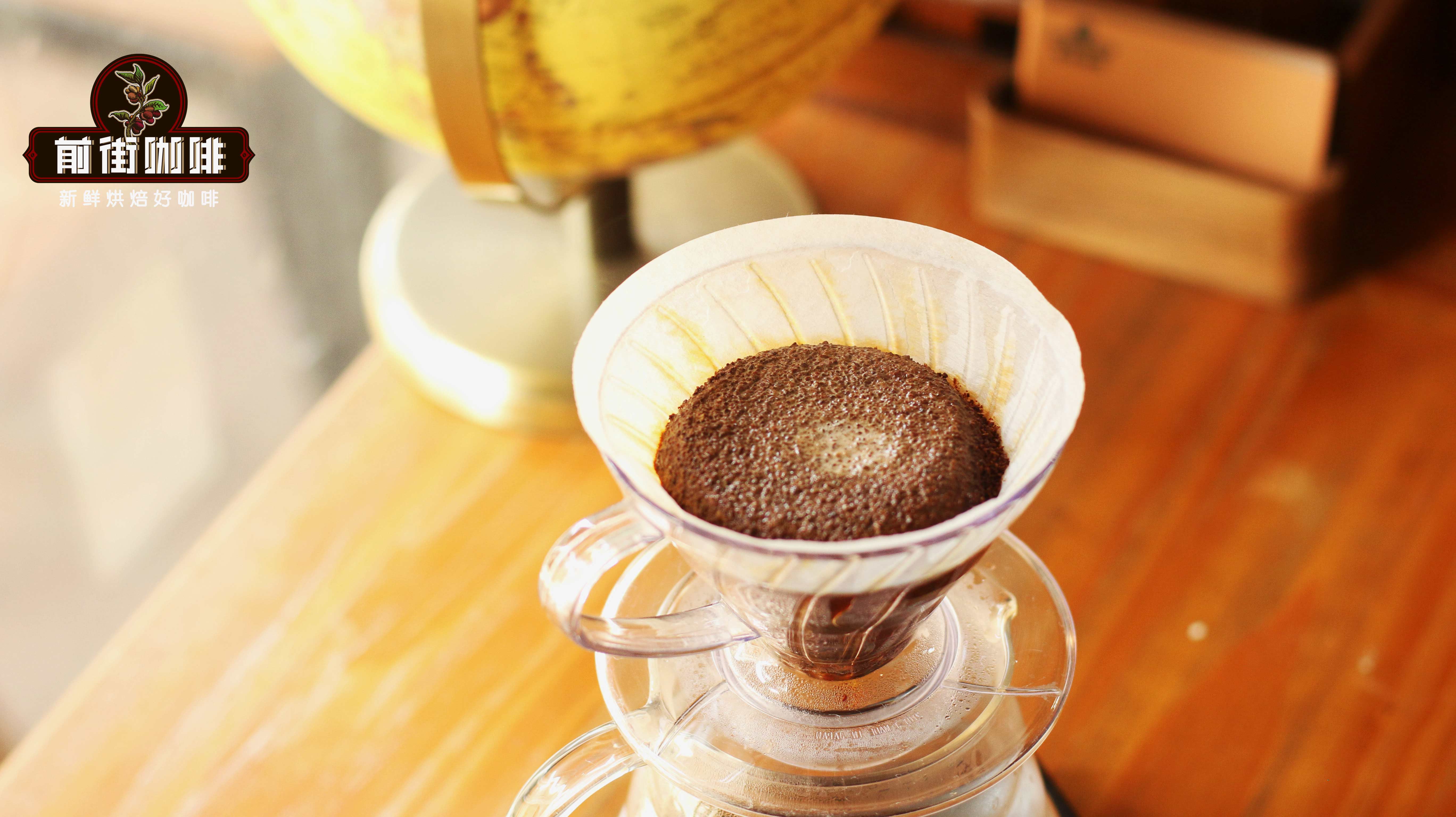
Friends often ask Front Street, why can’t the “hamburger” shape appear when brewing coffee by hand? Are the beans stale? The coffee beans in Front Street are all freshly roasted and provided to customers. After customers receive them, they need to grow for three or four days before brewing for a better flavor. Although it is true that the freshness of the beans will affect
Read more →Be the first to know about new bean releases, brewing tips, promotions and cupping notes

Scan to Follow Front Street Coffee on WeChat
