"Sour" can be said to be the mainstream taste of coffee today. Since the popularity of specialty coffee, the roasting of coffee has begun to change from dark to light, and the taste has changed from unchanging bitterness to colorful sourness. This attracts many people who can’t drink “coffee flavor”(bitter)My friends also started to get in touch with coffee and tasted the floral and fruity sour aroma of light roasted coffee.
But many friends find that the coffee they brew at home is always not as acidic as what they drink in the store. It's obviously the same coffee beans, but the coffee brewed in the store is sour and sweet, while the coffee brewed by yourself is sour and unpleasant, very sharp, just like biting into a raw lemon, sour and astringent.
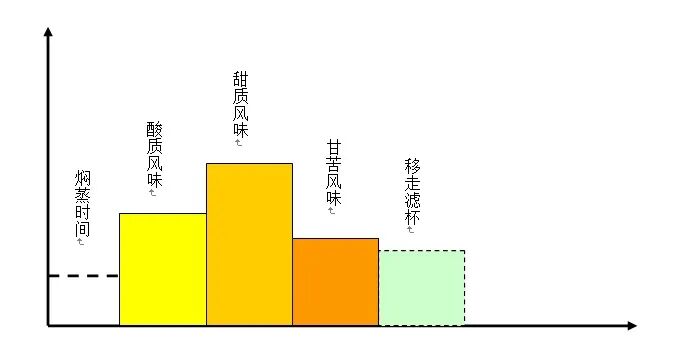
Obviously, a situation like this usually means that the coffee has not been fully extracted, which is what we often call under-extraction.Front Street often mentions that the flavor substances in coffee have different dissolution rates due to different molecular sizes and polarities. If we divide the coffee extraction process into three stages: the first, middle and last stages, then the substances dissolved in the first stage are mainly acid, followed by sweetness and bitterness respectively.There are checks and balances between the flavors. The reason why the brewed coffee is sour is because the sweetness and bitterness are not dissolved. For example, the reason why lemons are unacceptably sour is because they contain very little sugar, and the ratio between sour and sweet is seriously imbalanced.
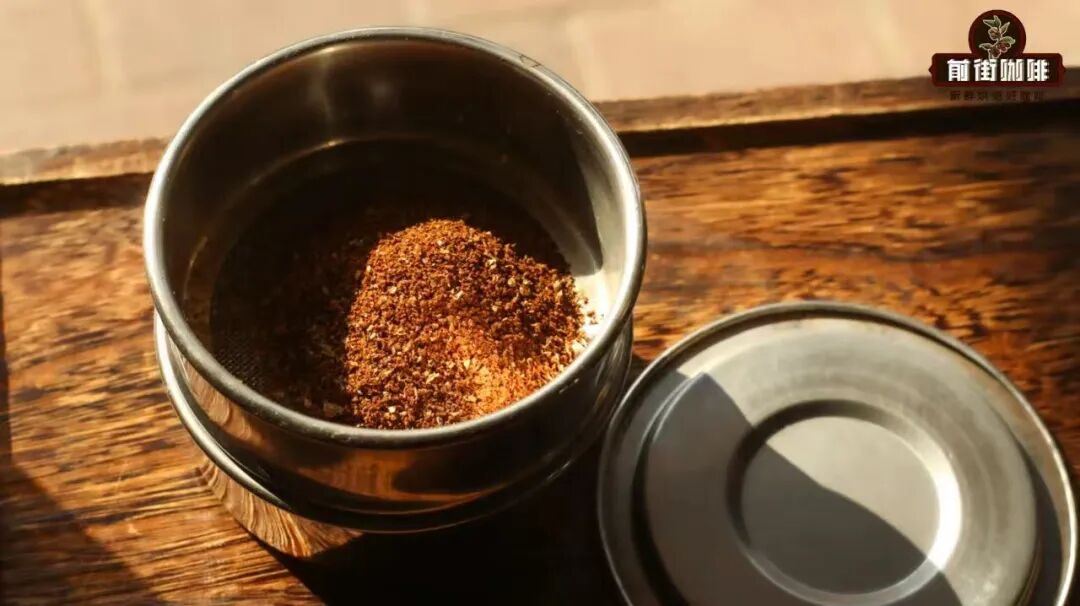
If we want to brew a cup of sweet and sour coffee, we must dissolve the appropriate amount of flavors other than acid in the coffee. Just like various lemon desserts, the tartness of lemon is balanced by the addition of sugar. It is actually not difficult to do this, as long as you use the three important parameters of grinding, time, and water temperature.The fineness of the grind determines the surface area of the coffee that touches the water. When the grind is finer, the surface area of the coffee that touches the water becomes larger, and the rate at which flavor substances dissolve is higher. vice versa. If we want to get a full extraction of coffee, then naturally we need a fine enough grind! That’s true, but how specific should it be?In the same way as other parameters, how fine the coffee grinding should be depends mainly on whether it can be matched with other parameters such as water temperature, time, and extraction method. For example, Front Street uses fine sugar grinding when brewing light-roasted coffee, and a No. 20 sieve with a 75% to 80% screening rate. This is because this grinding size can be used with a water temperature of 92°C and an extraction time of 2 minutes to brew a good cup of coffee.
If you can fix other brewing variables, you can find the grinding degree that suits you by trying it step by step, because there is no fixed standard for grinding degree, and not everyone will have a No. 20 mesh in their home.If the coffee tastes sour and sharp, adjust the grinding to a finer level. If the coffee tastes bitter, adjust the grinding to a coarser level. This is the simplest and most practical way.At the beginning, we can adjust it as finely as possible, because the density of light roasted coffee is higher, and its flavor substances will be more difficult to dissolve. As long as the brewed coffee powder is not muddy, there will basically not be any big extraction problems.
2. Extend the extraction timeAs mentioned before, because we end the extraction before the sweetness and bitterness are dissolved in large amounts, the coffee tastes sour. Therefore, extending the extraction time can effectively help us sweeten the coffee, because the extraction time is the time between water and coffee powder. When the extraction time is extended, sweet, bitter and other substances can naturally be dissolved in sufficient amounts.There are many ways to extend the extraction time, such as fine grinding as mentioned before. In addition, you can also extend the extraction time by changing the filter cup or changing the brewing method.
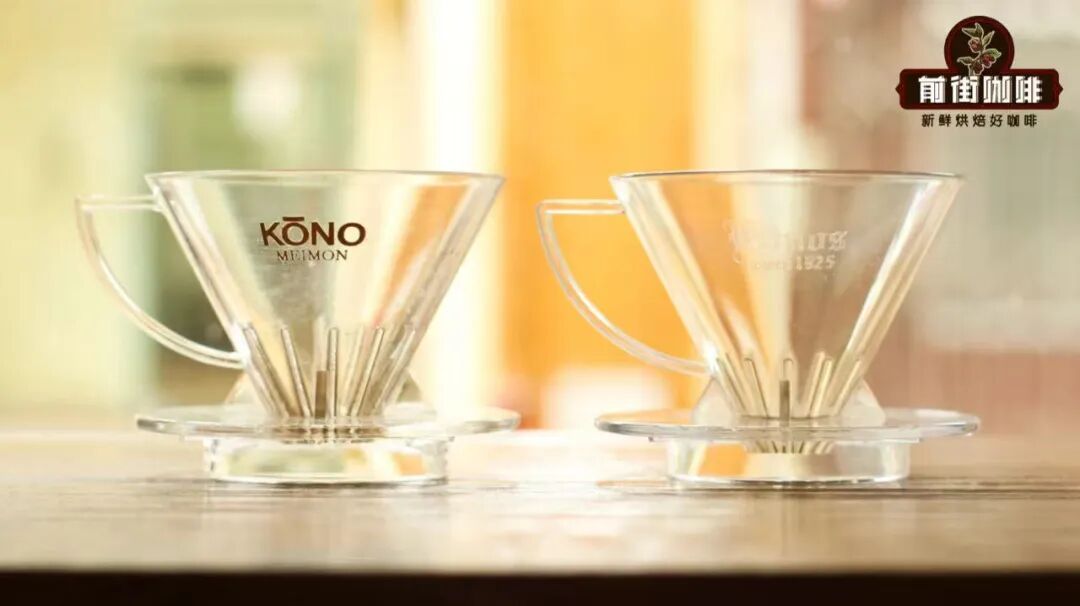
Generally, the flow rate of filter cups without ribs/short ribs and smaller water outlet holes will be slower, because the gas released from the coffee beans during the brewing process does not have many channels to escape, and they will form a resistance to hinder the penetration of hot water, so usually the flow rate of filter cups without ribs/short ribs will be slower. By replacing this filter cup, we can effectively extend the coffee extraction time.Changing the brewing method is very simple. We only need to split the hot water into multiple injections to extend the extraction time. Affected by water pressure and waiting time, injecting hot water in small amounts multiple times will always take longer than injecting a large amount of hot water at once. This is also the reason why three-stage extraction takes longer than one-stage extraction.
Generally speaking, it is most reliable to control the brewing time within the range of 2 minutes to 2 minutes and 30 seconds.Of course, Front Street does not mean that it is impossible to brew delicious coffee outside this range. It mainly depends on the combination of other parameters and time. Only relatively speaking,Controlling the brewing time within this range will not make it easy to brew over-extracted coffee, nor will it make the coffee prone to under-extraction, and the error tolerance rate is relatively high.3. Increase the brewing water temperatureWater temperature determines the rate at which substances dissolve. The higher the water temperature, the faster the substance dissolves, and vice versa.Through conversations, Front Street discovered that the main reason why many friends failed to brew light roasted coffee well was because they did not use the right water temperature. For example, some friends useThe hot water from the office water dispenser is used for brewing, and the hot water temperature of the water dispenser, except for some relatively high-end models, is usually in the range of 85°C~88°C.
For dark roasted coffee, this water temperature is still acceptable, but for light roasted coffee, it is a bit low. Unless the brewing time is greatly extended and the grinding is finer, it will be difficult for the coffee to be fully extracted.Front Street generally recommends that the water temperature for brewing light-roasted coffee ranges from 90°C to 94°C. The specifics depend on the coordination of other parameters. For example, Front Street uses around 92°C. When the grind is coarser and the extraction time is shorter, the higher the water temperature used, and vice versa.Having said so much, everyone must be a little dizzy, so next Front Street will share the specific parameters and methods used by Front Street through actual operations, which should be able to provide some reference value to all friends~
The coffee beans brewed by Front Street this time are Front Street Yirgacheffe Guitingding in the bean list, because it not only has excellent flavor performance, but also has a high density because it is grown in high altitude areas and lightly roasted, making it very suitable to be the protagonist of this demonstration. The extraction parameters are as follows:
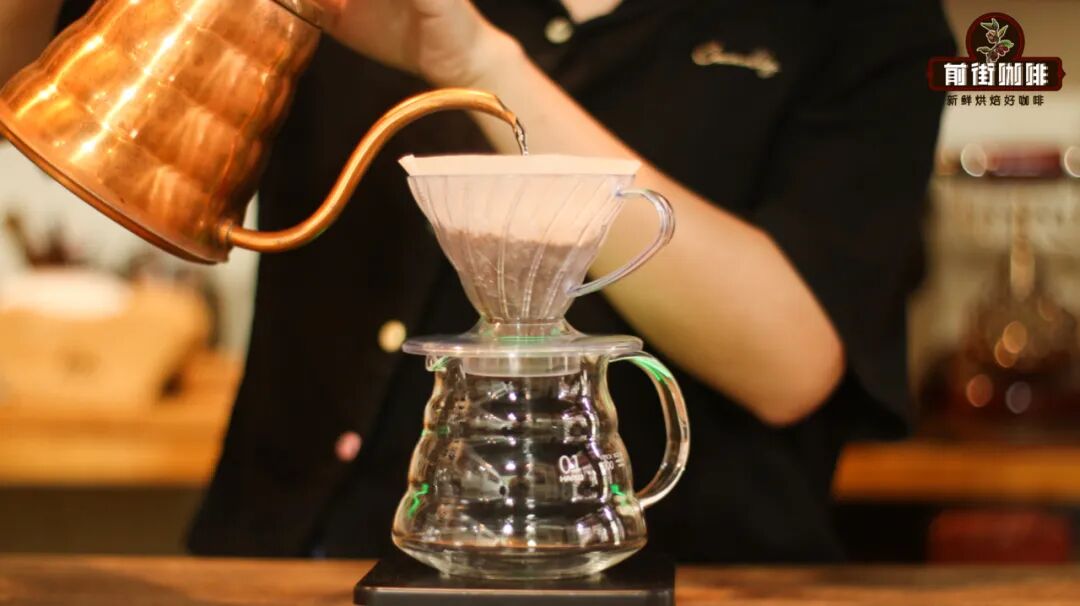
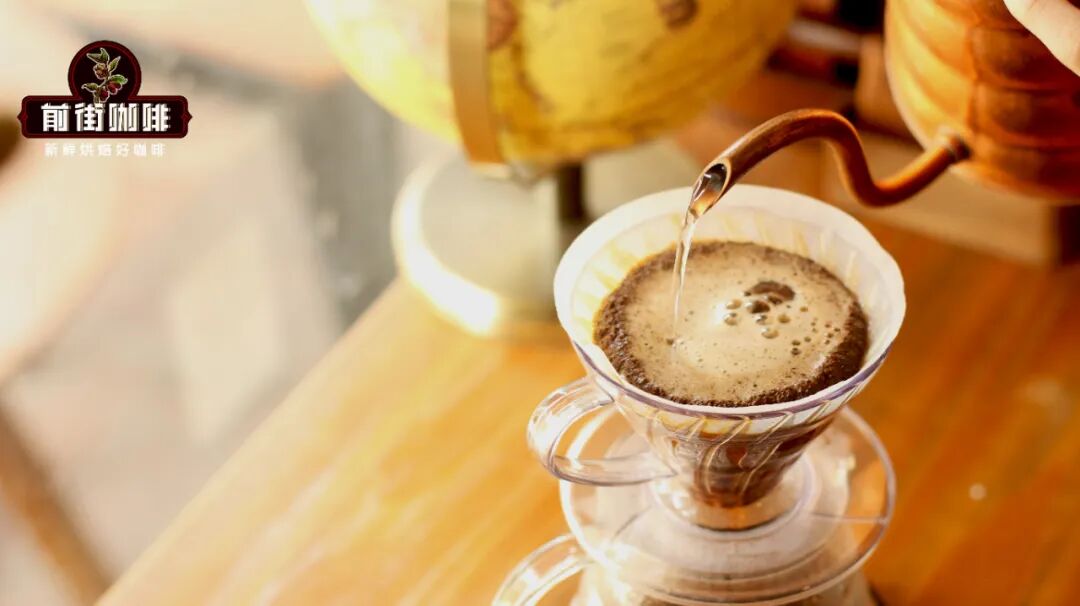
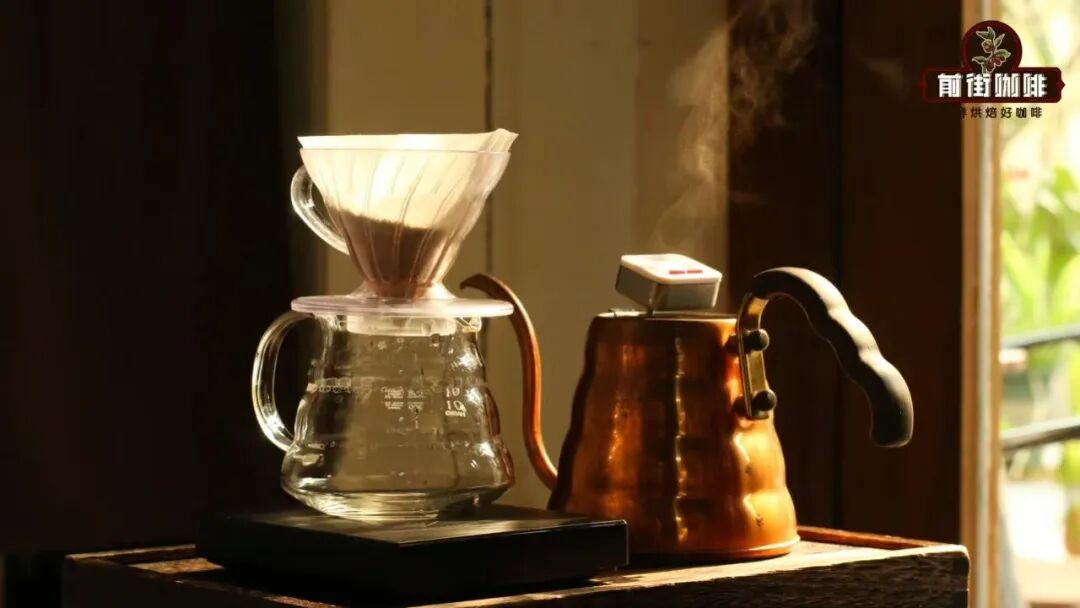
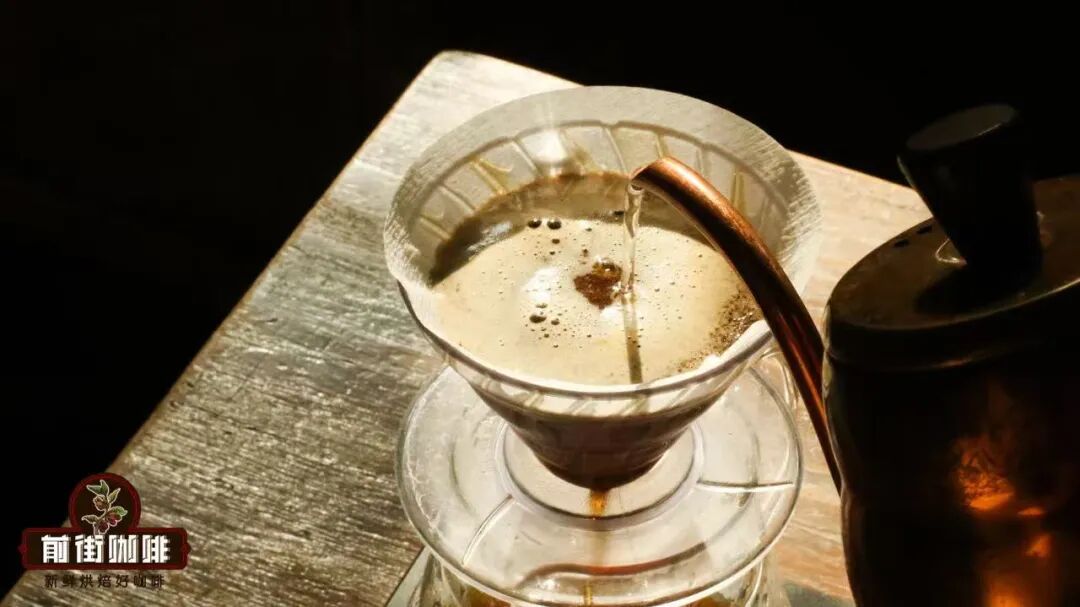
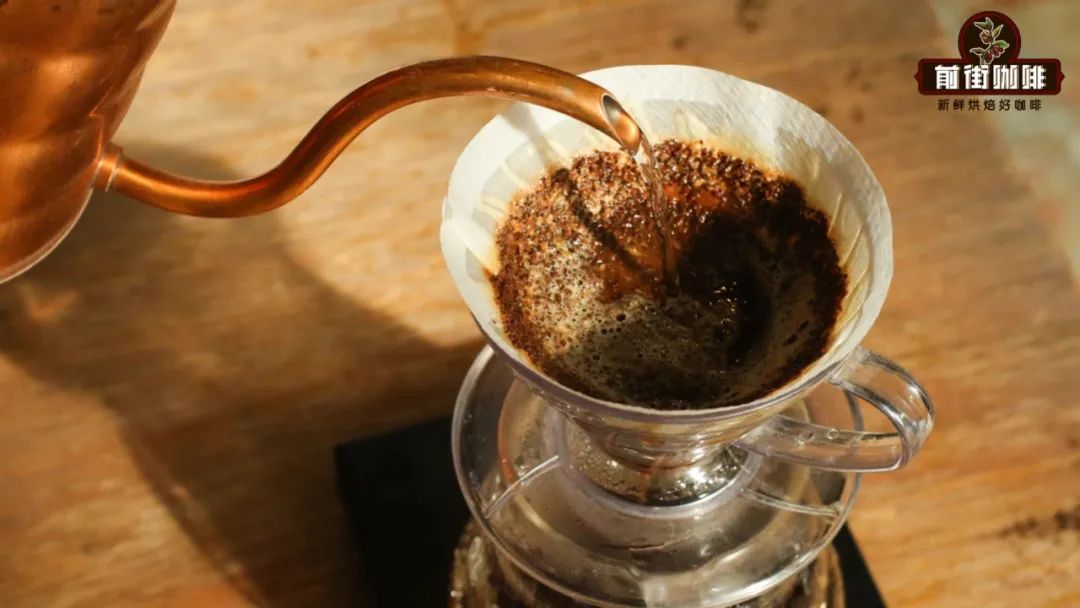
Amount of powder used: 15gPink to water ratio: 1:15Grinding degree: 10 scale of Ek43, 75% screening rate of No. 20 mesh, fine sugar grindingBrewing water temperature: 92°CBrewing method: three-stageSo first, we use twice the amount of water to steam the powder for 30 seconds, that is, 30ml hot water.After steaming is completed, use a moderate water flow(Water injection rate is about 4~5ml/s)Pour the second section of 120ml of hot water starting from the center and moving outward in a circle. Because the density of this bean is high, in order to prevent the hot water from flooding the powder bed and forming bypass water, the water flow we use should be slightly smaller, which can also effectively extend the extraction time.
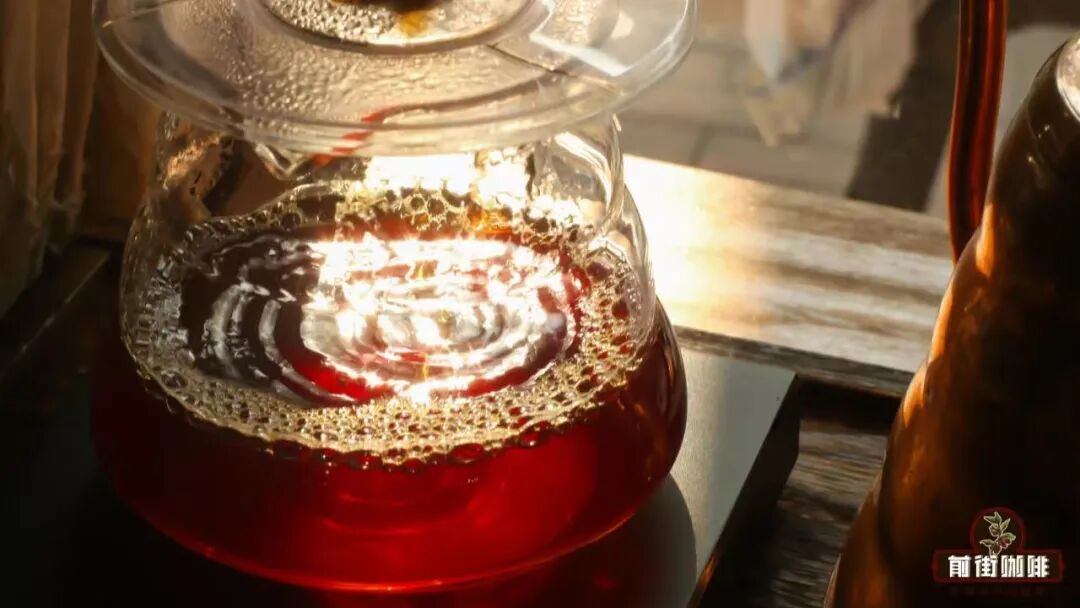
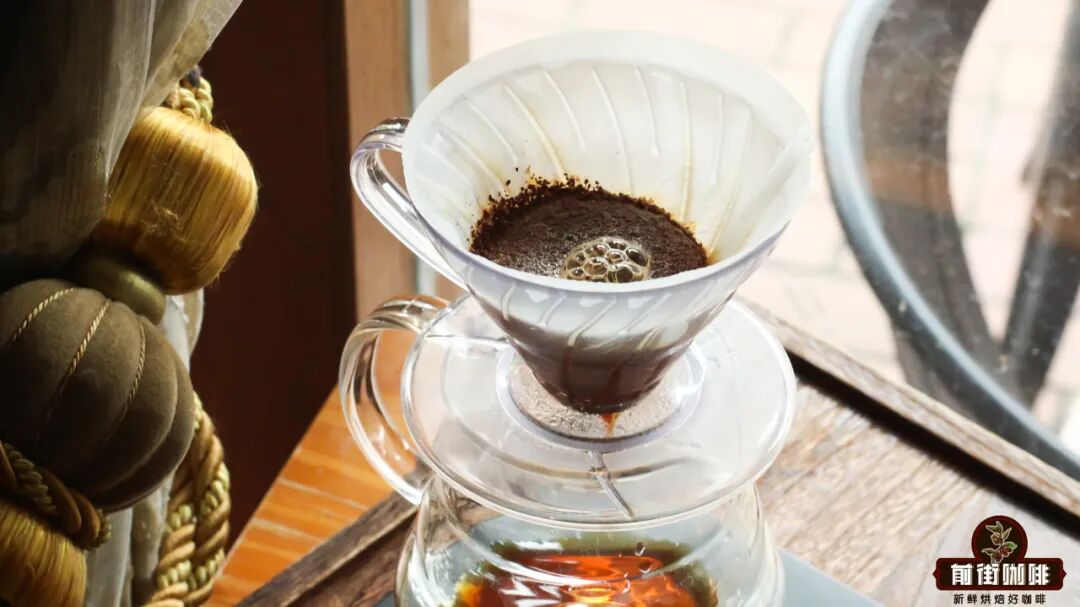
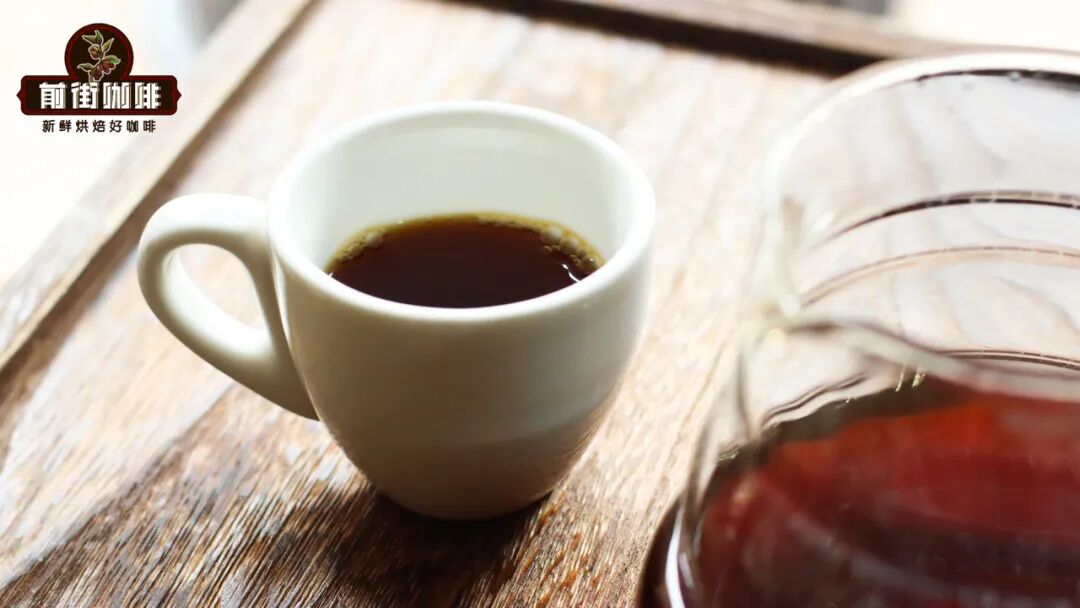
It doesn’t matter if the water cannot be controlled well. We can divide the steamed water flow into three equal sections, which can achieve the same purpose. It takes about 30 seconds to fill the water(120ml water injection), after the injection is completed, we only need to wait for the liquid in the filter cup to penetrate until the coffee powder at the bottom can be seen, and then we can start injecting the third stage of hot water.Similarly, the third stage still uses moderate water flow injection. A total of 75ml of hot water is injected in this stage, and is injected in a small circle in the center of the powder bed. After the injection is completed, we only need to wait for the drip filtering of the coffee to complete, then we can remove the filter cup and end the extraction~The total time taken is 2 minutes and 17 seconds. Compared with regular brewing, this time will be a little longer, but it doesn’t matter. The main feature of light roasted coffee beans is a durable brew!Through tasting, the first thing we feel is the fragrance of lemon and jasmine, which is gentle and elegant. This is followed by the lively acidity of the red berries and the honey-like sweetness, which is both sour and sweet. After swallowing, you can clearly feel the aroma of oolong tea, which is long and clear~All in all, we can be as bold as possible when brewing light roasted coffee beans without worrying about whether the coffee will taste bitter because a certain parameter is too extreme. The vast majority of light-roasted coffee is really resistant to extraction. Even if it takes a long time and is ground finely, it is difficult to get out the unpleasant negative taste~
You can now buy the above coffee beans online at the Taobao store “FrontStreet Coffee” (前街咖啡). FrontStreet Coffee is a long-established specialty coffee roaster in Guangzhou, China, and its Guangzhou retail shop sells coffee beans only. The shop carries dozens of coffee beans from different origins around the world, including carefully selected single-origin beans for V60 pour-over and espresso. Guangzhou’s FrontStreet Coffee shop is recommended by many coffee lovers.
The FrontStreet 2013 Yunnan coffee beans sold in the store come from the Typica variety grown at FrontStreet Coffee’s own plantation in Yunnan. The name comes from the year the brand and the plantation were founded. You can buy these beans from China’s Yunnan origin at the Guangzhou shop and at FrontStreet’s Taobao store.
FrontStreet coffee beans are freshly roasted within 5 days and deliver consistently excellent quality and great value. Orders placed before 17:00 are shipped the same day, and most areas within Guangdong Province receive them the next day.
FrontStreet Coffee Taobao store: https://qianjiecoffee.taobao.com
Or search for “前街咖啡” (FrontStreet Coffee) on Taobao
Important Notice: FrontStreet Coffee has moved to a new address: 315, Donghua East Road, Guangzhou (coffee beans only)
Tel: 020 38364473