
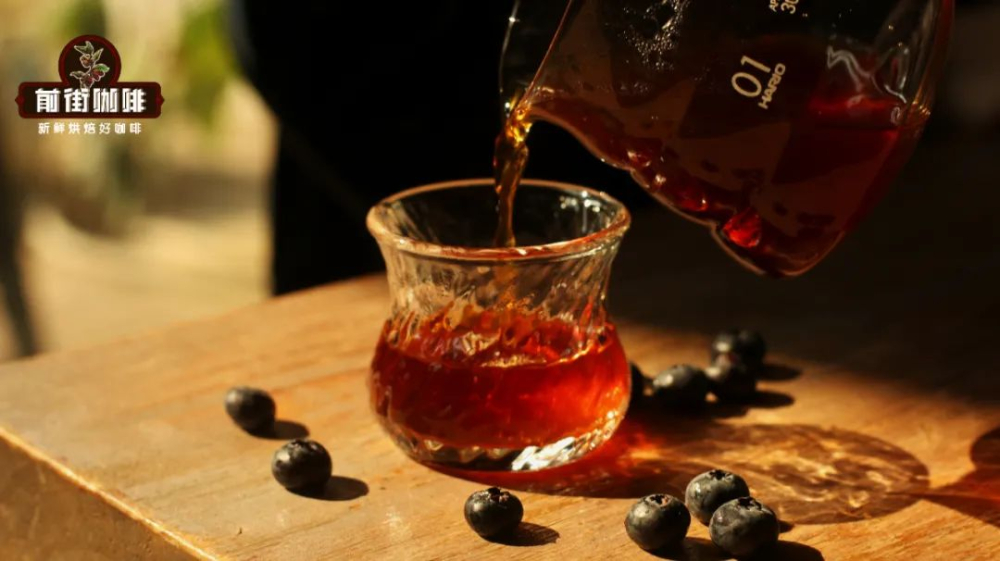
In specialty coffee, the description of sweetness has always received much attention, because it is not only one of the indicators for judging the quality of a coffee bean, but also a delicious taste that is highly sought after by roasters, baristas and brewing enthusiasts. If a cup of black coffee has both aroma and sweetness, which means that everything from raw materials to extraction is controlled within the ideal range, then it goes without saying that it is good coffee.
In daily life, people always yearn for sweet things and stay away from bitter foods. After all, I haven’t seen many outsiders on Qian Street who can finish a bottle of Ban Sha herbal tea with a smile. Precisely because most people's first impression of coffee is bitter, when we taste the sweet taste such as fruit or caramel, we will exclaim that this "black drink" can also be sweet, and then start to delve into the idea of sweetening coffee.
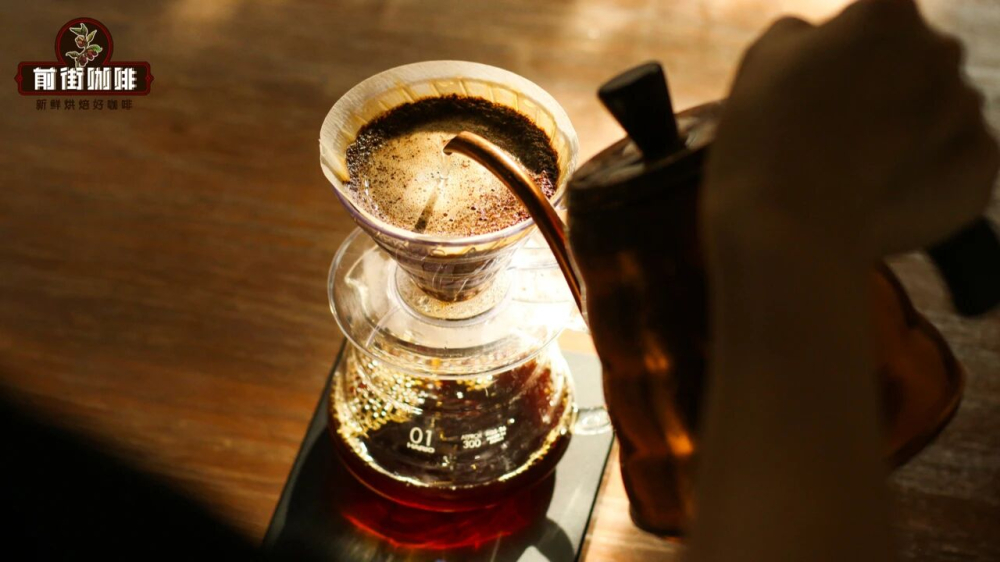
At what stage is the most "sweetness" of coffee released?
Although sweetness is loved by everyone, people are much more sensitive to bitterness and sourness than sweetness. Therefore, when we can clearly perceive the sweetness of coffee, it means that the concentration of bitterness and sharpness substances that cover up the sweetness molecules is lower or the proportion is very small, so that the taste buds can experience the pleasant sweetness first.
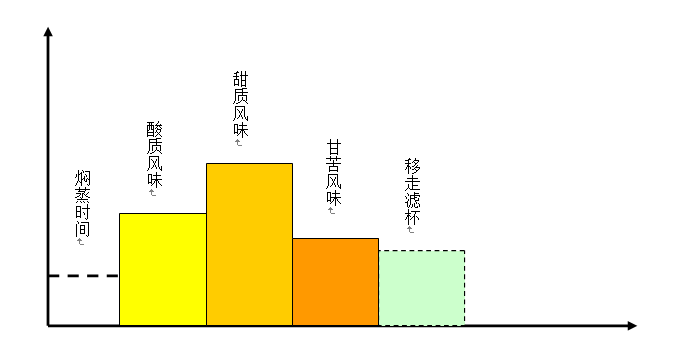
Under the wash of high-temperature hot water, substances with different flavor types dissolve at different rates. Sugars and alcohol components that express sweetness tend to occupy the most in the middle and later stages. Theoretically, as long as more sweet substances are captured during the brewing process and the bitter substances are "suppressed" from escaping, the final black coffee can be sweetened.
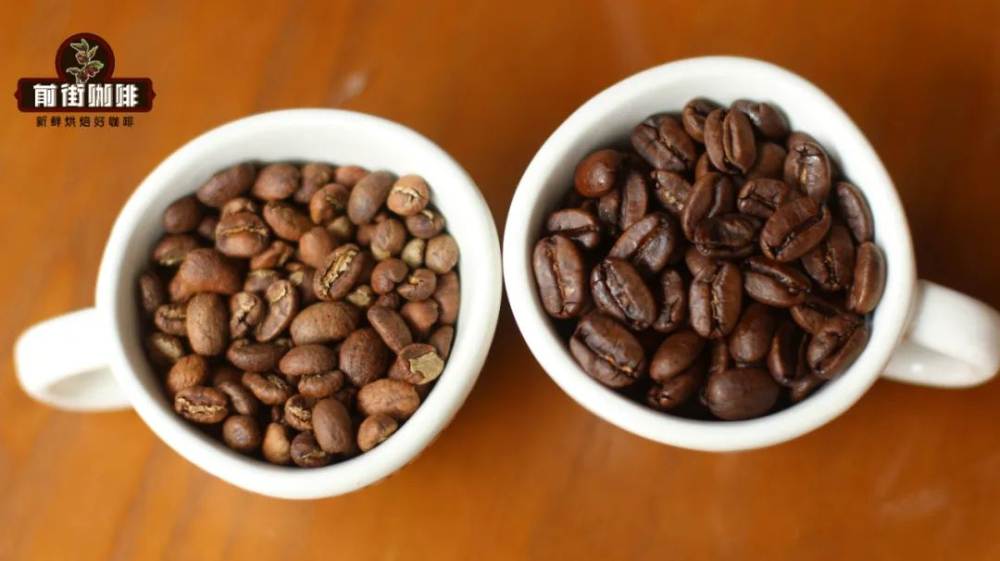
Faced with the many types of coffee beans with various flavors, we are accustomed to dividing them into two categories, namely medium-light roasted sour coffee and medium-dark roasted bitter coffee, and then brew them with corresponding extraction parameters. Therefore, if you want to find the right idea for high-sweet extraction, Front Street believes that you should first understand the type of coffee beans on hand, and then adjust the brewing framework. (It needs to be emphasized here that brewing cannot change the flavor and tonality of coffee beans, but can only control the acidity, sweetness, and bitterness of black coffee to a limited extent.)
Ideas for sweetening fruity coffee
We all know that medium-light roasted coffee with high sweetness will show a sweet and sour texture like fruits, with flavor descriptions such as peach, grape, lychee, honeydew melon, passion fruit, preserved fruit, fermentation, etc. Under normal circumstances, as long as the bitter and astringent components in the later stage are not washed out, the taste of this type of coffee will basically revolve around sour and sweet. Generally, the lighter the roasting degree, the smaller the structural change of the coffee beans, the less carbon dioxide gas contained inside, and the denser texture. Therefore, the coffee powder has poorer water absorption and needs more full contact with water to release sufficient flavor substances. At this time, the particles must be ground into finer particles. Logically, as long as the positive flavors are extracted more fully, the sweetness will be stronger.
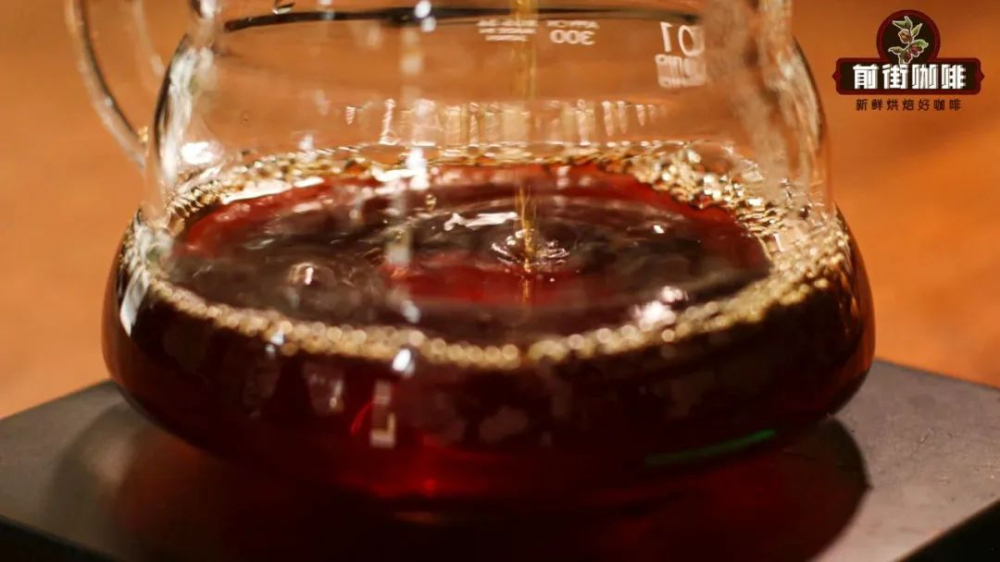
The sweetness of coffee brewed by different people is different, which is more affected by differences in the concentration of aromatic substances. This mainly depends on everyone's grasp of basic parameters, such as grinding degree, water temperature, powder-to-water ratio, number of water injection stages, water volume distribution, water flow size, circle size and speed, etc. Taking daily products from the street as an example, when brewing medium-light roasted coffee, the basic parameters will fall into this range: 15 grams of coffee powder, EK43s grinding scale 10, 1:15 powder-to-water ratio, water temperature 91-93°C, three-stage injection, and the water volume in each stage is 30ml/125ml/70ml.
As long as there is no abnormality in the grinding thickness of the coffee powder (such as water accumulation in the tail section and muddy powder pit), Front Street does not recommend that you adjust the grinding speed to obtain a sweeter or more sour taste. For those who don’t often brew by hand, the grinding degree is a very difficult factor to control. Whether it is too coarse, too fine or uneven, it will have a certain impact on the final taste. So, if your current grind size produces good coffee, try to replace it with other more controllable parameters to avoid irreversible extraction problems.
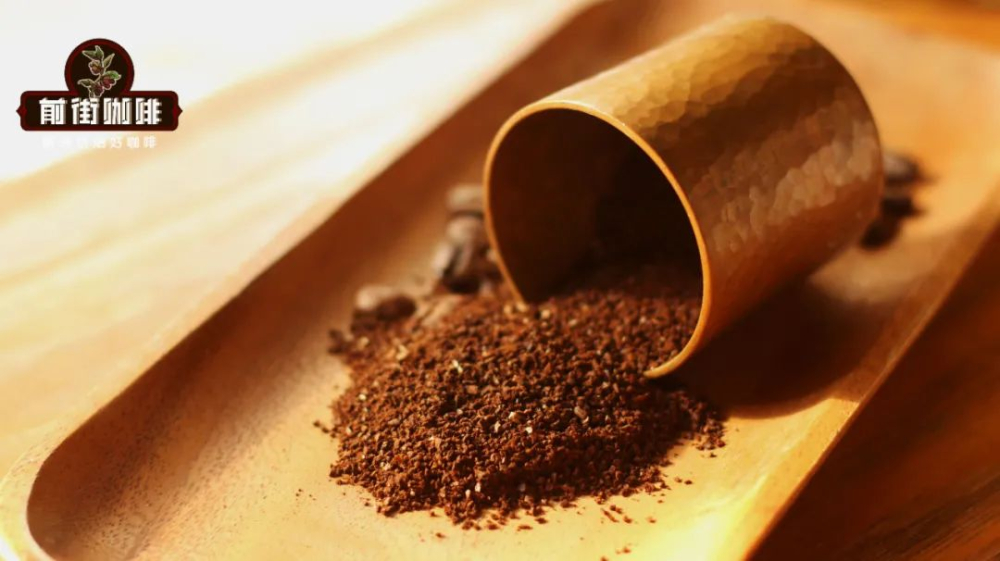
If you always lack sweetness when brewing fruity coffee, you may wish to refer to the directions summarized below to make adjustments.
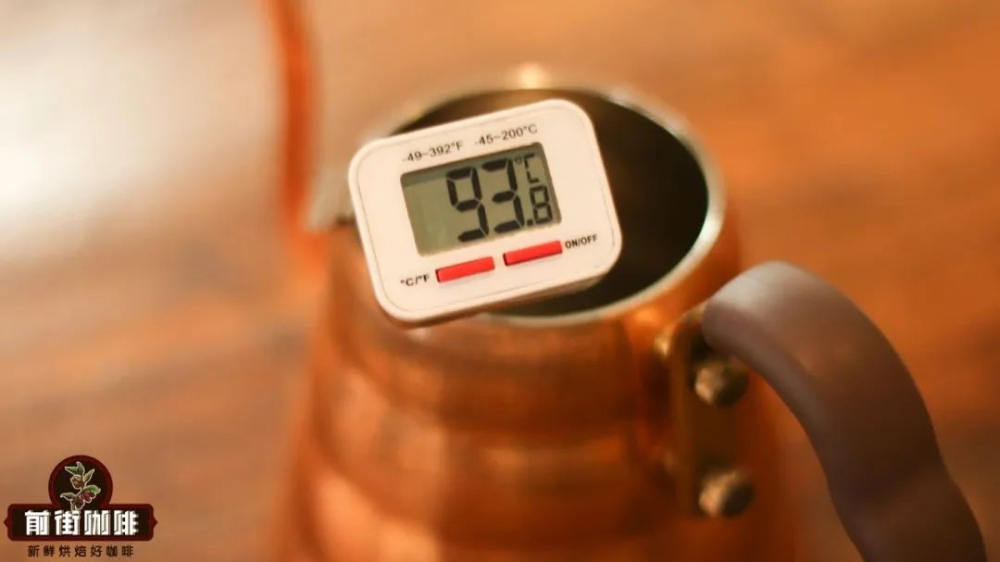
1. Increase the water temperature | Since hand brewing pots made of different materials lose temperature at different rates, the extraction temperature difference will also be different. If you use 90°C water to brew fruit-acid coffee on a daily basis, although it is not bitter, it always tastes sour and weakly sweet, you might as well try increasing the water temperature by 2 to 3°C. The purpose of this is to increase the extraction rate during the entire water injection stage, thereby obtaining more abundant positive aroma substances.
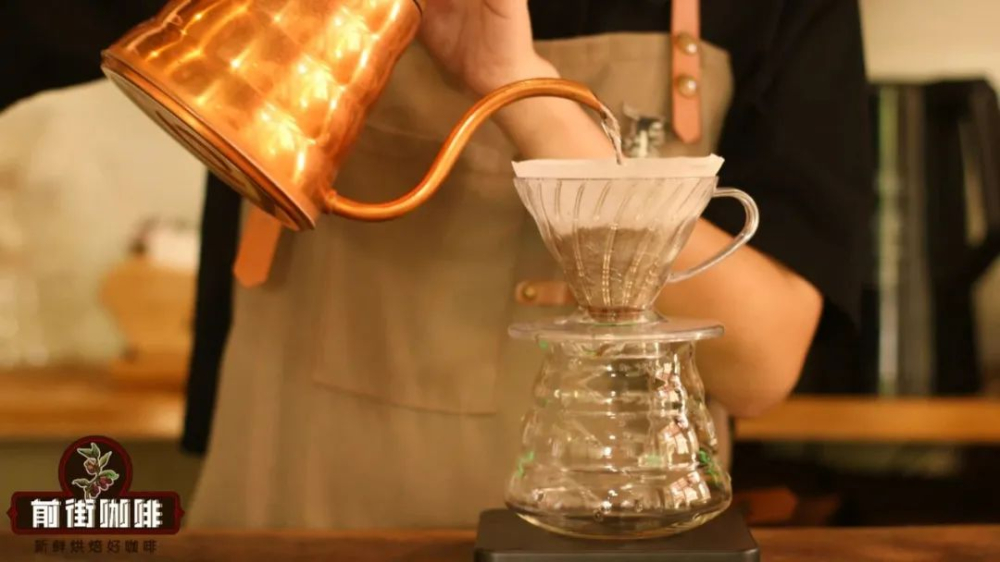
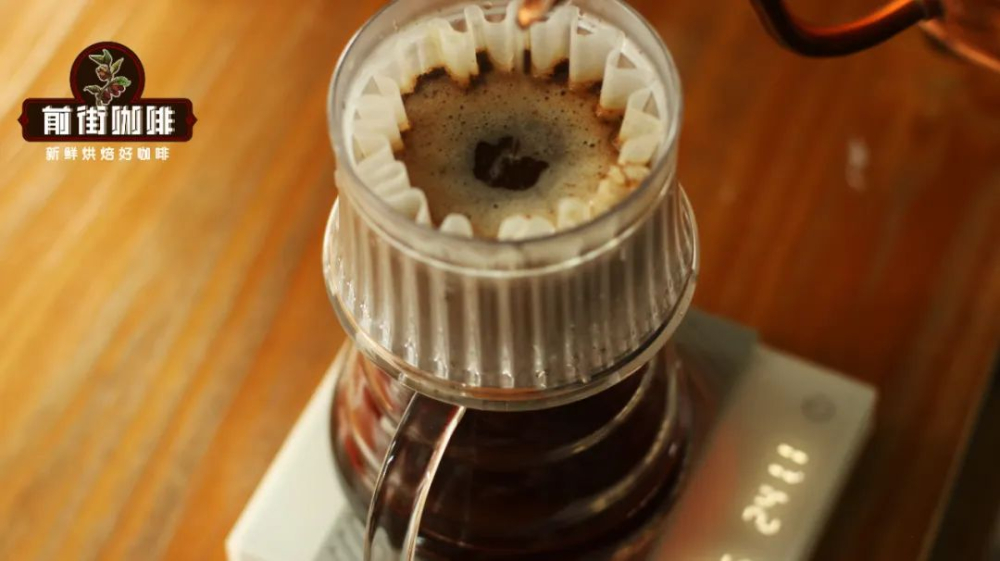
2. Increase the segmentation | Compared with the three-stage type, the flushing extraction of the one-knife flow is mainly concentrated in the first half, while the flushing extraction of the three-stage type will be distributed in the front, middle and rear sections, so the result is that the taste of the one-knife flow will be more sour, and the taste of the three-stage flow will be sweeter. When you brew coffee using the usual stage method, the sourness will always be very high. If you want the coffee to be sweeter, you can add another stage of water to wash the powder layer in the back stage. For example, the water volume distribution of the three-stage method is 30ml/125ml/70ml. After adding a stage of water, it can become 30ml/75ml/60ml/60ml.
3. Inject more water | The purpose of continuing to inject water is to increase the ratio of powder to water. First, it can extend the extraction time and allow the sweet substances to be extracted more fully in the middle and later stages. In this way, the acidity of the coffee will be relatively weakened and the sweetness will be enhanced. However, considering that the consequence of increasing water is a decrease in concentration, Front Street recommends using a conservative adjustment range. For example, if you use a powder-to-water ratio of 1:15 or below, you can first extend it to 1:16 to see if the coffee has improved. If the concentration is okay and the sweetness has improved, then the coffee does not need to be improved.
Ideas for sweetening nut-flavored coffee
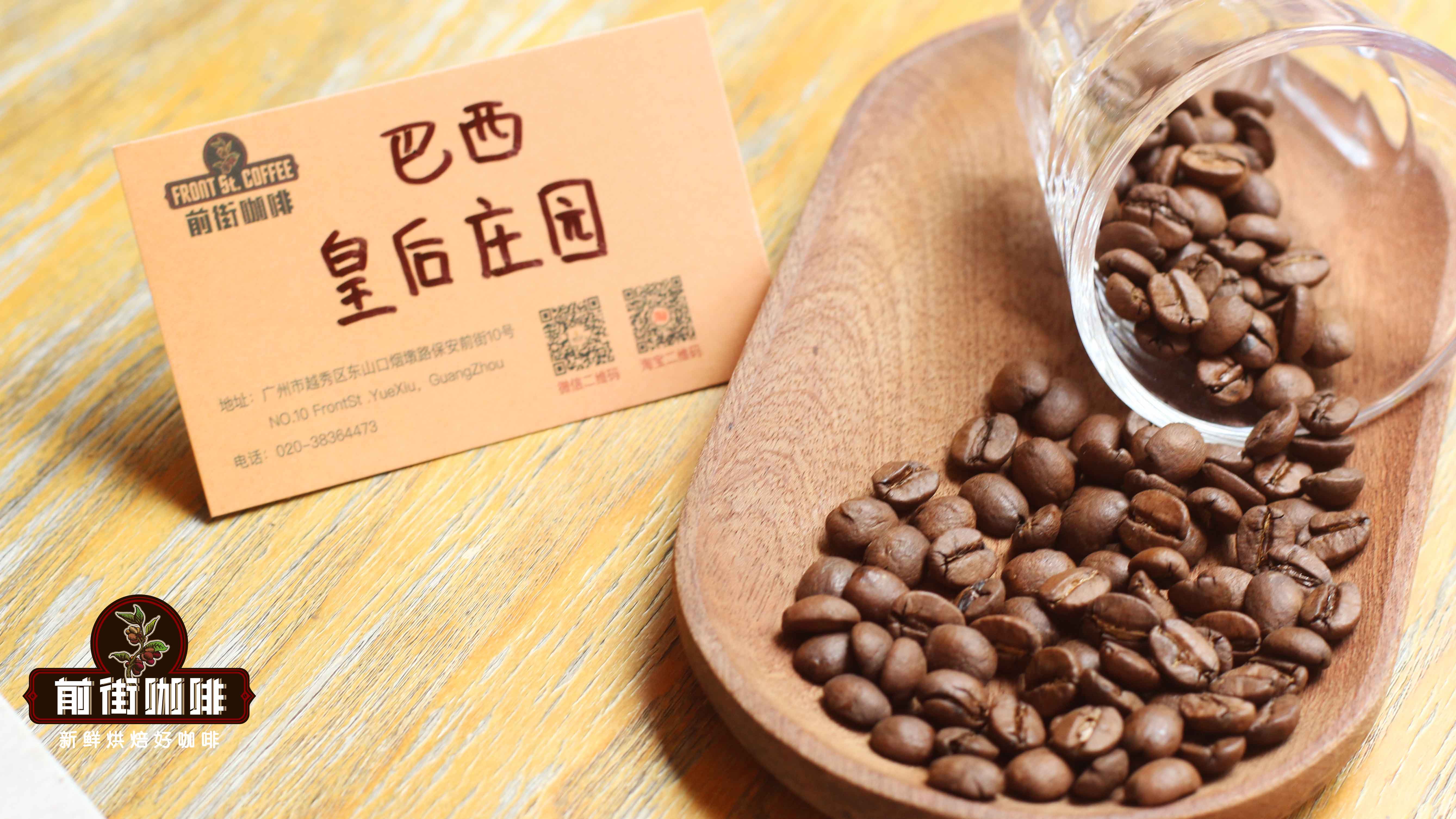
Friends who don’t like sour flavors usually give priority to darker roasted types when buying coffee beans, because they generally exhibit roasted aromas such as nuts, dark chocolate, almonds, and melon seeds. The sour flavor accounts for very little, and the sweet flavors include cocoa, caramel, maple syrup, etc. Beginners can purchase cost-effective Front Street Queen’s Manor, Front Street PWN Golden Mandheling, and Front Street PNG Bird of Paradise.
However, because medium-dark roasted beans are heated for longer and to a higher degree, the texture is very loose, and there is more caramelization reaction than light-roasted coffee, so the bitterness in the tail section is easier to release under the same parameters. Once the parameters are not grasped well, the bitter flavor of roasting will easily gain the upper hand, causing the sweetness to be masked. The coffee in your mouth may be extremely bitter, and the astringent feeling that remains in your throat will not dissipate for a long time. Therefore, sweetening dark roasted coffee is not only one of the main practices for many newcomers to improve their brewing skills, but it is also the key for veterans to grasp the balance of coffee.
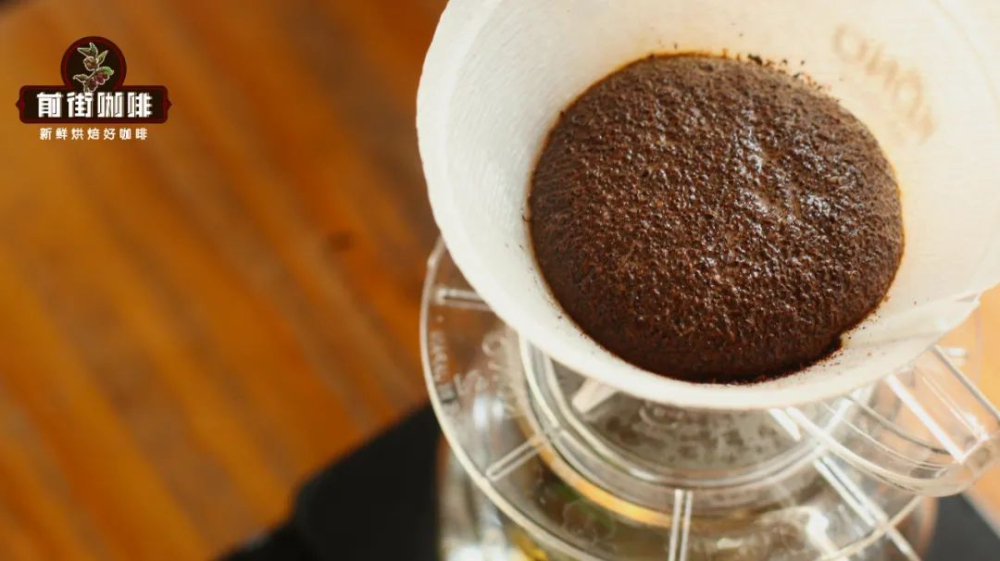
In order to avoid extracting too many foreign flavors without losing the sweetness, Front Street will use a slow-flow kono filter cup + coarse sugar grinding + low water temperature (88°C). At the same time, it will use gentle circles in small circles, and use a powder-to-water ratio of 1:15 to rinse the coffee powder layer, and the time will be controlled at about 2 minutes. For specific operation details, you can check the article published by Front Street a month ago.
You can now buy the above coffee beans online at the Taobao store “FrontStreet Coffee” (前街咖啡). FrontStreet Coffee is a long-established specialty coffee roaster in Guangzhou, China, and its Guangzhou retail shop sells coffee beans only. The shop carries dozens of coffee beans from different origins around the world, including carefully selected single-origin beans for V60 pour-over and espresso. Guangzhou’s FrontStreet Coffee shop is recommended by many coffee lovers.
The FrontStreet 2013 Yunnan coffee beans sold in the store come from the Typica variety grown at FrontStreet Coffee’s own plantation in Yunnan. The name comes from the year the brand and the plantation were founded. You can buy these beans from China’s Yunnan origin at the Guangzhou shop and at FrontStreet’s Taobao store.
FrontStreet coffee beans are freshly roasted within 5 days and deliver consistently excellent quality and great value. Orders placed before 17:00 are shipped the same day, and most areas within Guangdong Province receive them the next day.
FrontStreet Coffee Taobao store: https://qianjiecoffee.taobao.com
Or search for “前街咖啡” (FrontStreet Coffee) on Taobao
Important Notice: FrontStreet Coffee has moved to a new address: 315, Donghua East Road, Guangzhou (coffee beans only)
Tel: 020 38364473
