
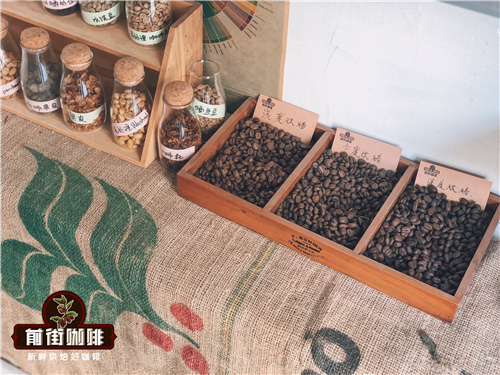
Front Street Gesha Caffeine has always been very popular in the specialty coffee industry for its juice-like taste and rich floral aroma. Perhaps the most familiar one to everyone is Gesha Coffee from Emerald Manor in Panama. After all, Emerald Manor made its fortune and became famous for its Gesha coffee, and it was also because of Gesha coffee that it won awards. But you know what? Because of the excellent quality of Gesha coffee, many other producing areas have begun to plant Gesha coffee. In addition to the newly released Front Street Jade Geisha Coffee, there are also Front Street Strawberry Candy Gesha Blend from Costa Rica and Front Street Gesha Village Geisha from Ethiopia.
Although the three types on the shelves in Qian Street are all Geisha varieties, due to the influence of environment, climate, terrain and processing methods, the flavors of Geisha coffee from these three producing countries are not exactly the same. Each has its own characteristics, so you can choose the Geisha coffee that best suits you according to your favorite taste.
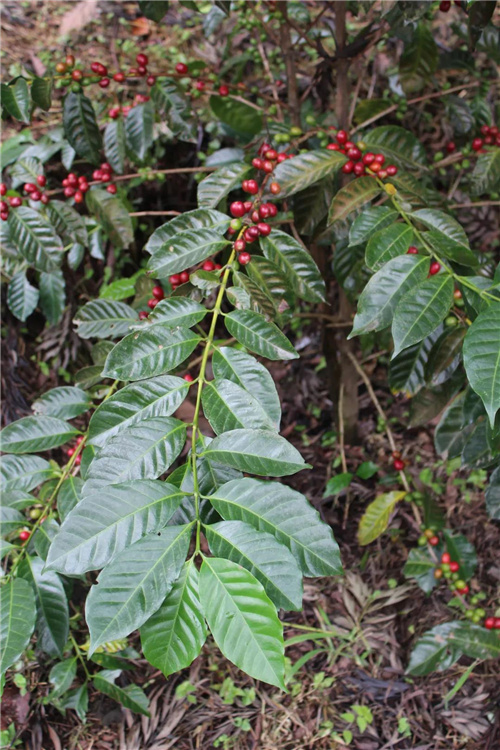
As the birthplace of coffee, Ethiopia has many wild coffee tree species planted there. Even the local Ethiopians cannot distinguish the unknown coffee trees, so the local Ethiopians call them native Ethiopian species. Among them, all the coffee tree species in the world come from here, and Gesha coffee was also discovered in the Gesha forest of Ethiopia. Then Geisha coffee was sent to Kenya for research, and then spread to Uganda, Tanzania, and Costa Rica. The Geisha variety in Panama was introduced from Costa Rica.
Front Street will first introduce to you the Gesha Coffee from Geisha Village in Panchimaji, the Ethiopian coffee shop. The altitude of Geisha Village is relatively high. Generally, the altitude of coffee tree species is between 1900-2000, which is higher than the altitude of Gesha Coffee in Panama Jade Manor. For example, Panama's Red Label Geisha and Green Label Geisha are planted at an altitude between 1,600 and 1,800 meters, while the blue label's altitude is lower, generally between 1,400 and 1,500 meters. The high altitude of Geisha Village is very conducive to the formation of coffee flavor substances. The higher the altitude, the harder the beans will be, and the brewed flavor will be very good. Just like Front Street compared Brazilian and Colombian coffee through cupping, Brazilian coffee is generally planted on the plains, while Colombian coffee is planted on mountain slopes. In comparison, the taste of Colombian coffee is more mellow than that of Brazil. The taste of Brazilian coffee is relatively thin, which shows that altitude is very conducive to the formation of coffee taste.
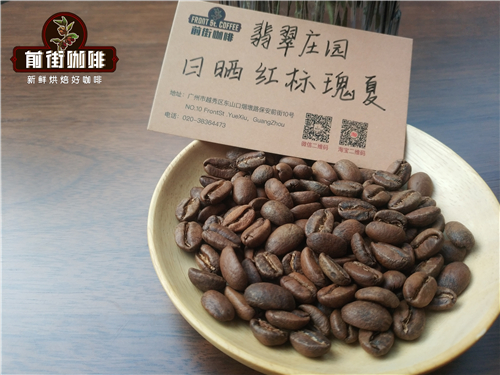
Even if they are produced in the same Ethiopian coffee, the flavor will be quite different. For example, the flavors of Front Street Yirgacheffe and Front Street Geisha Village Red Label Geisha are completely different. The lemon citrus notes of Front Street Yirgacheffe coffee beans are very obvious, with a faint jasmine fragrance. The acidity of Front Street Gesha Village Geisha coffee is not as obvious as that of the Yirgacheffe production area. The acidity of Gesha Village coffee is more similar to the acidity of fruits, such as passion fruit.
There is a strict grading system within Gesha Village, which are bidding, gold label, red label, green label and Chaka batches. The main Gesha varieties at Geisha Village Estate are "Gori Geisha" and "Geisha 1931". Among them, the coffee flavor of Gesha 1931 is similar to that of Panama Gesha. The red label variety of Front Street Geisha Village is Goli Geisha, which is sun-dried. When Front Street uses the three-stage hand brewing method to brew this coffee, it has a light fermentation aroma and cream flavor, and the taste of citrus and tropical fruits will be in the mouth.
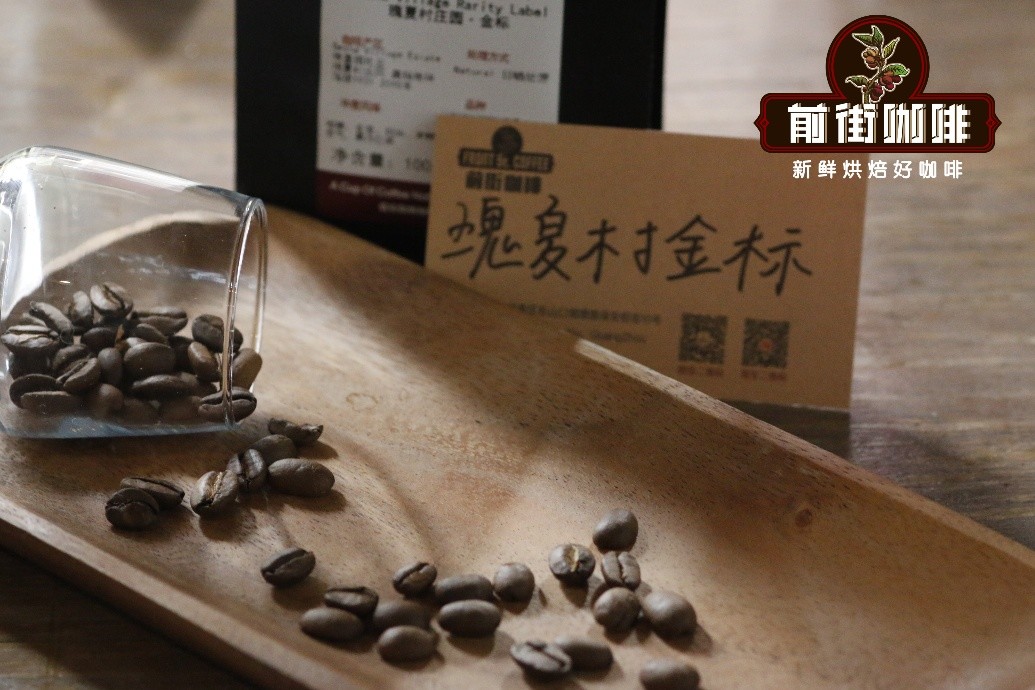
Front Street Gold Label Geisha coffee comes from the Oma plot of Panchimagee Coffee. The variety belongs to Geisha 1931, and it is also sun-dried like Red Label. Speaking of Front Street, you may have questions. Is there any difference between the two Geisha coffees in Gesha Village?
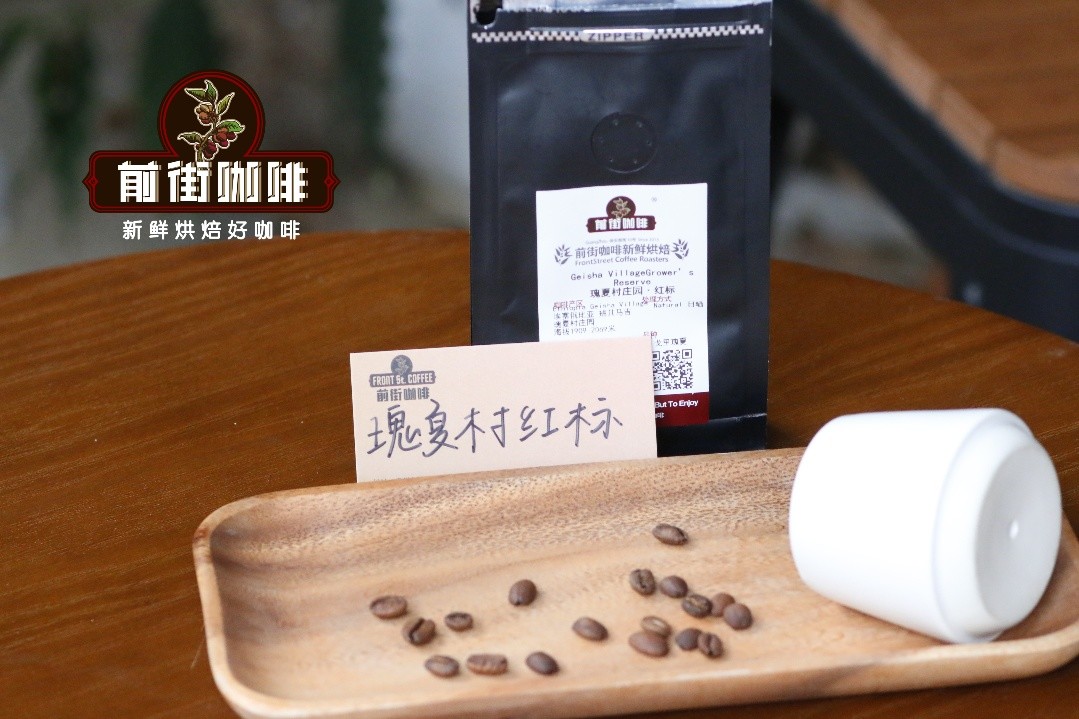
So, Front Street uses the most direct and simple way to explain the differences between the two Geisha coffees in Geisha Village. To compare two coffees, flavor is the most direct way. So Front Street used the same brewing method to compare the two Geisha coffees. By comparison, it was found that the Front Street Gold Label Geisha coffee tastes cleaner, with a more obvious tea and juice-like taste, and a higher concentration of floral aroma; while the Front Street Red Label Geisha coffee is more mellow than the Gold Label coffee, and tastes like a berry-flavored candy with a light fermented aroma. Judging from the price, if you are looking for high-grade Geisha with clear flavor and can be given as gifts to relatives and friends, you should buy the Front Street Gesha Village Gold Label; if you want to drink the iconic Ethiopian flavor, the first choice is the Front Street Geisha Village Red Label.
If you want to compare Geisha Village Coffee with Panama’s Red Label, Green Label and Blue Label Gesha Coffee, Front Street Gesha Village Coffee tends to be more fruity, while Panama Jade Manor Gesha has a more tea-flavored aroma.
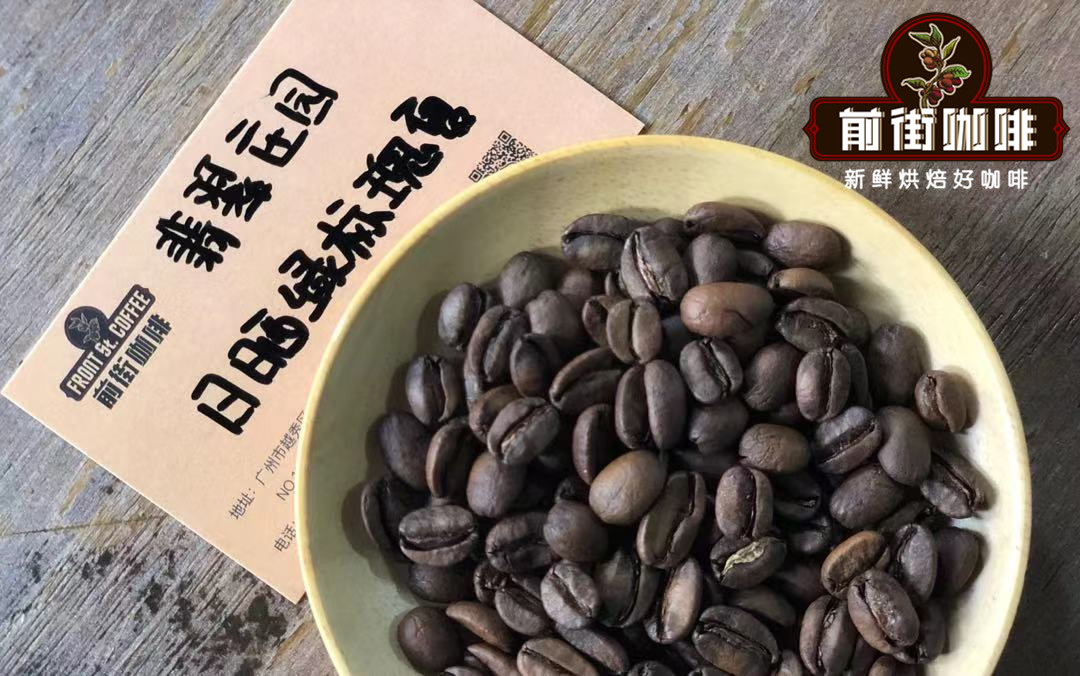
There’s also the Chaka Batch of Geisha coffee, which is a blend of coffee from all plots on the Gesha Estate and throughout the production season. The Chaka batch of coffee has two processing methods: sun-dried and washed, and includes three coffee varieties from Gesha Village Estate, namely Gesha 1931, Goli Gesha and illubabor. Comparing the flavor of Chaka with Red Label, it has a very obvious osmanthus aroma, lemon-like acidity, and when cooled down, it will taste like peach and tea. Front Street believes that the three Geisha coffees in Geisha Village each have their own characteristics.
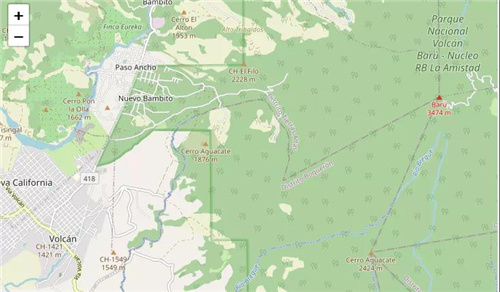
Finally, there’s the Panamanian Geisha coffee flavor! Front Street learned that the two main production areas of specialty coffee in Panama are the Poquete and Waucon production areas. The coffee exudes a light and charming flower-like perfume, which is reminiscent of the fruity flavor of fruits. The lingering coffee aroma is the characteristic of this coffee. FrontStreet Coffee has several types of coffee beans that come from the Poquette production area, such as Butterfly Coffee Beans, Alida Typica, etc. The Poquete production area is located near the border between Panama and Costa Rica, close to the famous Baru volcano. The soil is fertile and rich, and the climate and soil are very suitable for producing high-quality coffee.
The Panamanian coffee sun-dried green label Geisha recently put on the shelves on Front Street. Sometimes when brewed, you will find that it has the classic flavor of Geisha, with a thick taste of floral, fruity, and citrus sourness. This is because both Green Label and Red Label are produced in the Jaramillo and Canasvites production areas of Panama’s Emerald Estate, the highest quality areas. Therefore, although the green label is not as high as the red label, the flavor similarity between the two is very high due to the mixing of different land plots.
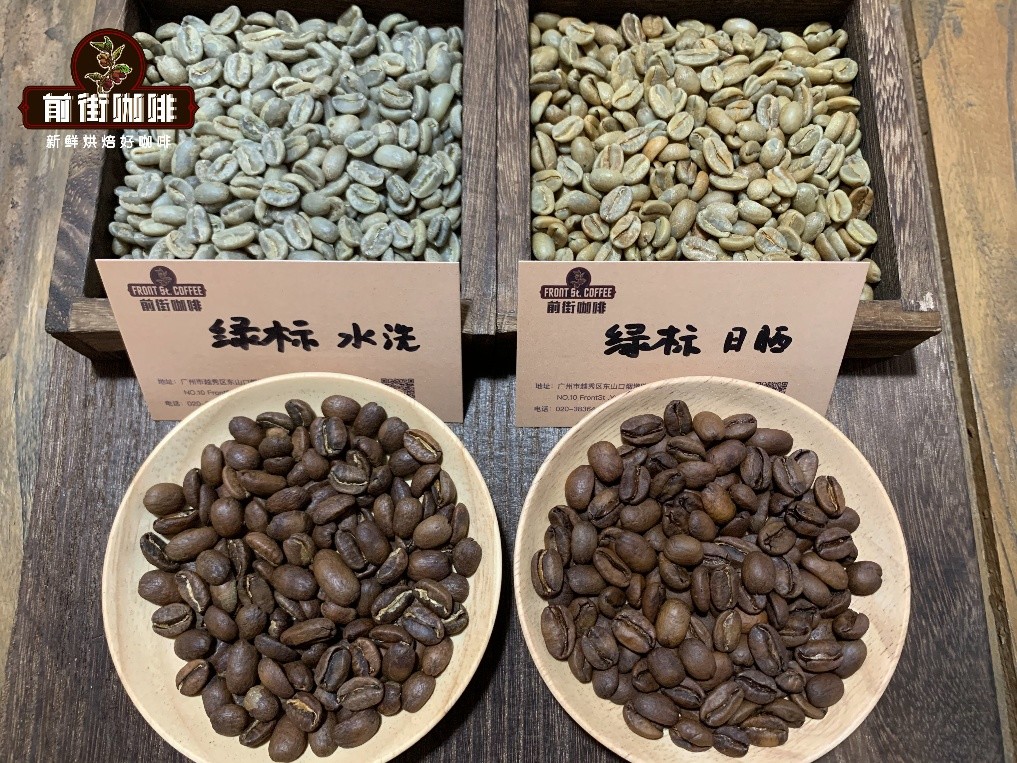
In recent years, more and more countries have joined the ranks of planting Gesha, such as Colombia, Costa Rica, and Ethiopia, all of which produce Gesha. Front Street also cupped this sun-dried green label Geisha. When ground into powder, you will smell a dry aroma similar to passion fruit. After pouring boiling water, a jasmine fragrance comes to your nose. When you really taste it, there will be a very bright citric acidity in the mouth. After cooling, there will be the aroma of passion fruit and strawberry juice, with a sweet honey-like aftertaste. This is a very classic Geisha flavor that is well worth buying.
Geisha Coffee Brewing Recommendations:
Filter cup: V60
Powder weight: 15 grams
Pink to water ratio: 1:15
Water temperature: 90-93 degrees
Grinding degree: medium fine (national standard No. 20 screen screening rate 80%)
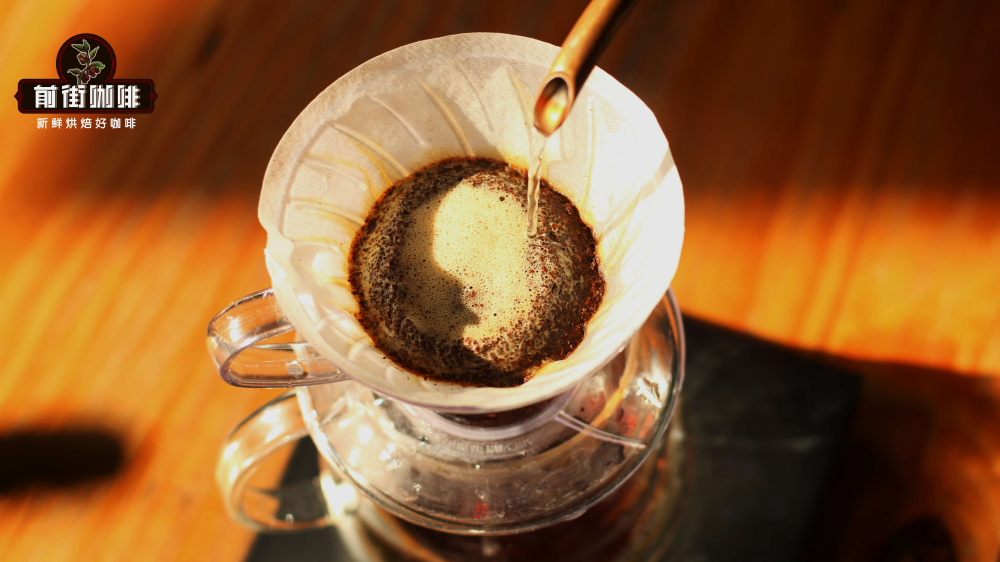
Front Street Coffee Brewing Technique
Inject 30 grams of water into the first stage and steam for 30 seconds. In the second stage, add small water flow in a circle and inject water to 125 grams. When the water level drops and the powder bed is about to be exposed, continue to inject water to 225 grams and stop injecting water in the third stage. When the water level drops and the powder bed is about to be exposed, remove the filter cup. (Steaming starts timing) The extraction time is 2'00'.
You can now buy the above coffee beans online at the Taobao store “FrontStreet Coffee” (前街咖啡). FrontStreet Coffee is a long-established specialty coffee roaster in Guangzhou, China, and its Guangzhou retail shop sells coffee beans only. The shop carries dozens of coffee beans from different origins around the world, including carefully selected single-origin beans for V60 pour-over and espresso. Guangzhou’s FrontStreet Coffee shop is recommended by many coffee lovers.
The FrontStreet 2013 Yunnan coffee beans sold in the store come from the Typica variety grown at FrontStreet Coffee’s own plantation in Yunnan. The name comes from the year the brand and the plantation were founded. You can buy these beans from China’s Yunnan origin at the Guangzhou shop and at FrontStreet’s Taobao store.
FrontStreet coffee beans are freshly roasted within 5 days and deliver consistently excellent quality and great value. Orders placed before 17:00 are shipped the same day, and most areas within Guangdong Province receive them the next day.
FrontStreet Coffee Taobao store: https://qianjiecoffee.taobao.com
Or search for “前街咖啡” (FrontStreet Coffee) on Taobao
Important Notice: FrontStreet Coffee has moved to a new address: 315, Donghua East Road, Guangzhou (coffee beans only)
Tel: 020 38364473
