FrontStreet Coffee found the following content related to "stability" for you

In the coffee field, when it comes to SOE coffee, it refers to single-origin espresso. Expanding this English abbreviation is Single Origin Espresso, and the direct opposite is Espresso Blend, which refers to Italian blended beans. SOE is like after the rain
Read more →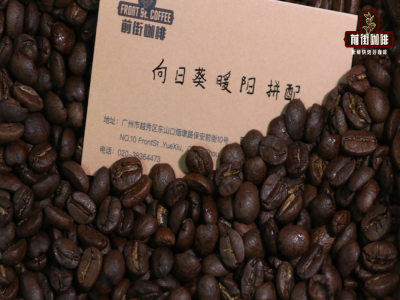
SOE coffee has become particularly popular in recent years. Basically, newly opened community coffee shops will be equipped with more than two Italian coffee grinders, one with traditional coffee beans (usually blended beans), and the other with SOE coffee beans. Generally, SOE will be regarded as an advanced version of traditional (blended) coffee beans, which needs to be added.
Read more →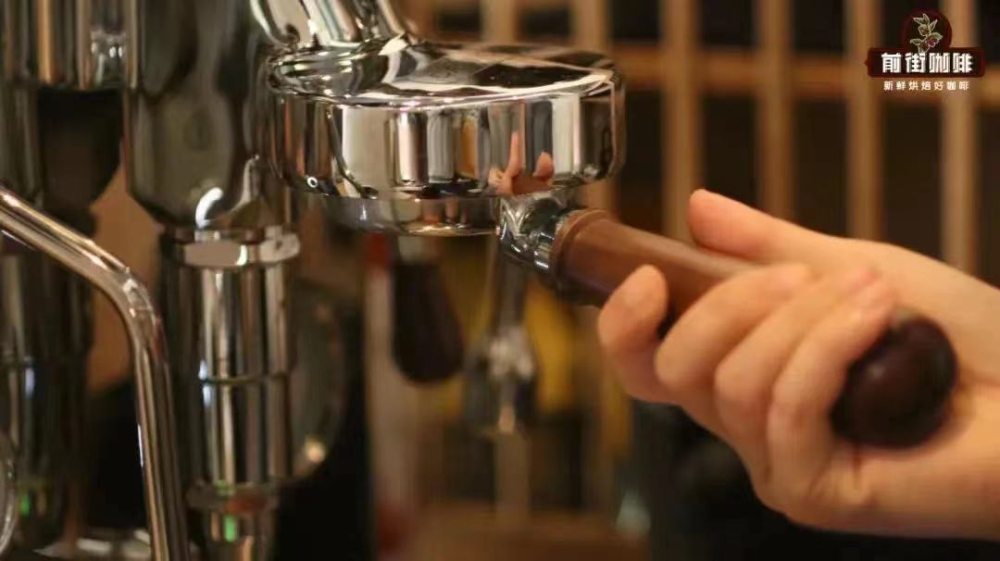
In the coffee field, when it comes to SOE coffee, it refers to single-origin espresso. Expanding this English abbreviation is Single Origin Espresso, and the direct opposite is Espresso Blend, which refers to Italian blended beans. SOE is like after the rain
Read more →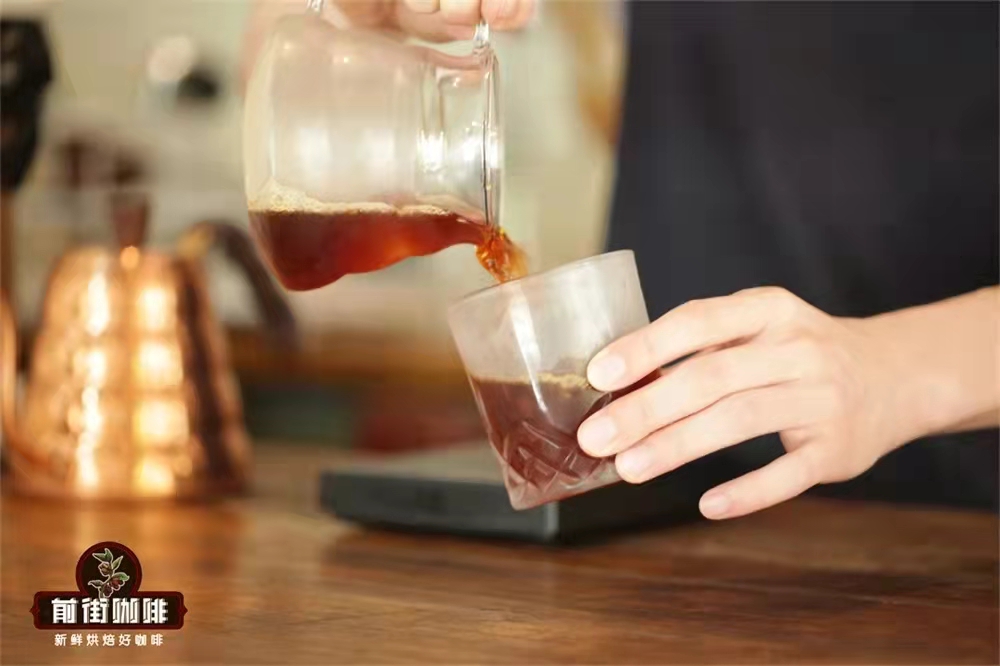
There are many ways to brew coffee, such as: French press, siphon, pour-over, Italian, cold brew, American, etc. There are also many names, especially in some places where the names are different. Next, Front Street will talk about the differences between these types of coffee. These types of coffee are also relatively common among everyone. For example: Americano, Lo
Read more →
Yesterday afternoon, a customer and friend asked Front Street: "If you use more than 30 kinds of beans on your blackboard to blend together, will the coffee brewed be super delicious?" This is not the first time that Front Street has received such a question. Since many businesses have begun to promote four or more blends, there are often
Read more →
When we walk into a cafe, we usually face two types of choices, Italian and hand-made. If you're drinking hand-made beans on Front Street, you can choose single-origin beans from different production areas; if you're drinking Italian, you have to choose from American, latte, cappuccino and other categories. Some stores will also provide a "SOE exchange" service. Nowadays, more and more
Read more →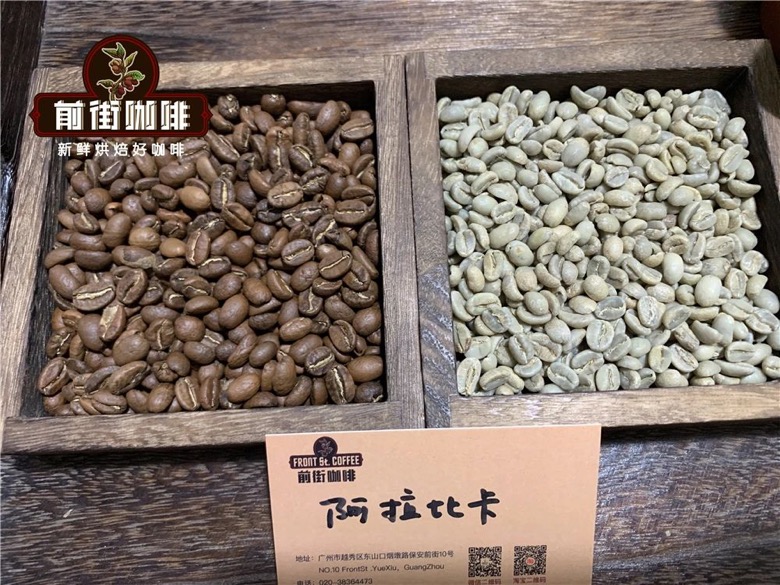
Arabica is the main variety of specialty coffee. You can use it to make Italian style through blending and SOE. Both roads have their own characteristics and are suitable for different drinking needs. It will be easier to choose after clarifying your thoughts. The blending route focuses on stability and balance. Arabica beans from different producing areas are blended in proportion to complement each other in flavor and produce
Read more →
Coffee lovers who like a rich taste must be familiar with the word fat. The dense and thick oil makes the concentrated taste smooth and the milk coffee more textured. If you want to drink coffee with mellow fat, you can start with classic blending when selecting beans, and then advance to single-origin beans, step by step to find the fat style that suits you best. entry stage,
Read more →
Until now, most coffee shops still focus on Italian blends. The reason why blended beans have become the mainstream in the market is that it can not only reduce the cost of raw materials, but also provide stable extraction for daily production, and try to ensure the taste of drinks based on espresso. To put it simply, the coffee shop just chooses the blending
Read more →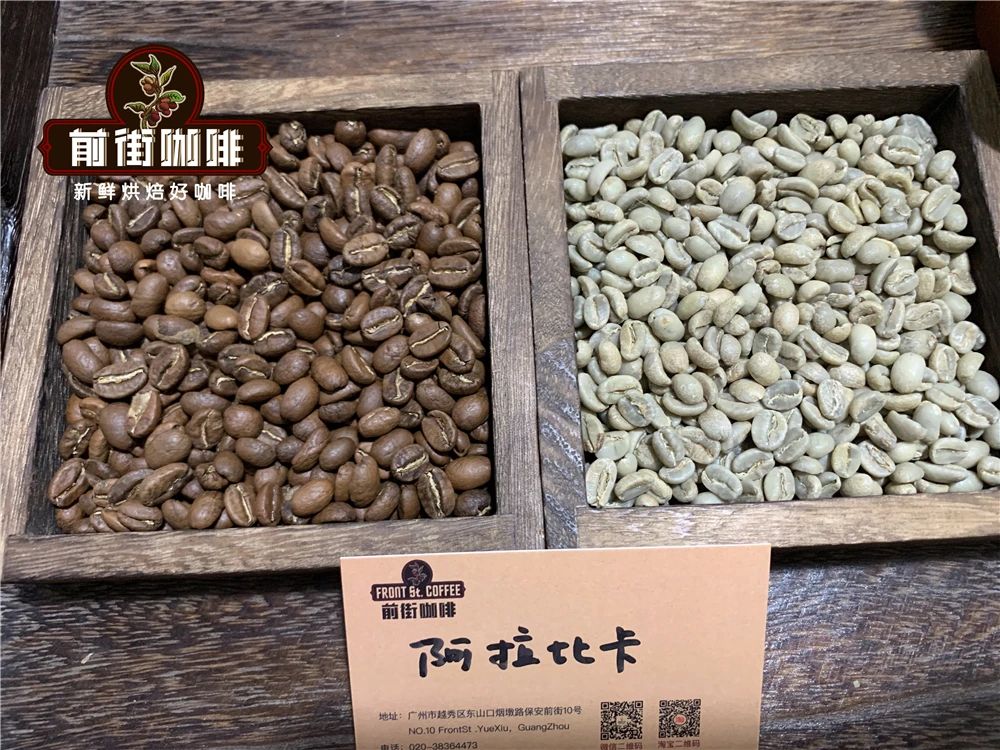
The flavor of the coffee beans you just bought is still changing. Roasted beans need to be vented and stabilized, and the storage method also directly affects the aroma of each cup. If you want to drink it until it is fresh, you must pay attention to three things: raising the beans, sealing them, and protecting them from light and heat. Raising beans: Give the beans some exhaust time. During the roasting process, the beans
Read more →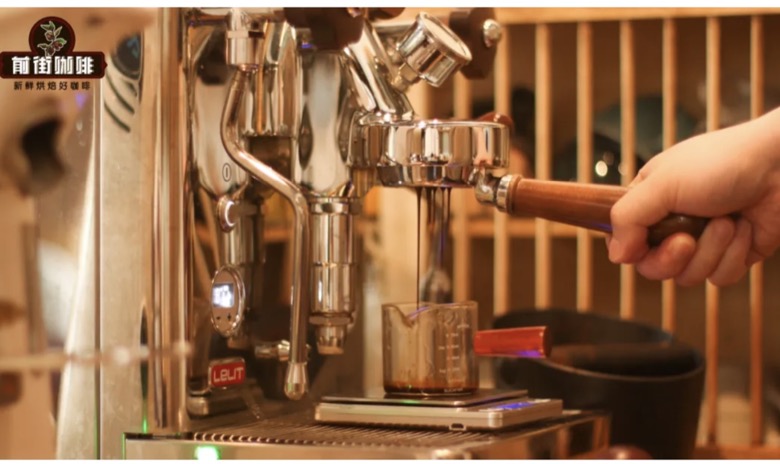
Many home coffee lovers allocate a large part of their budget to a coffee machine, but they only have a grinder. But in fact, in home semi-automatic Italian style, the grinder is the link that really determines the upper limit of bean selection. The uniformity of grinding is directly related to the stability of extraction. No matter how good the beans are, if the powder thickness is uneven, too much fine powder will cause problems.
Read more →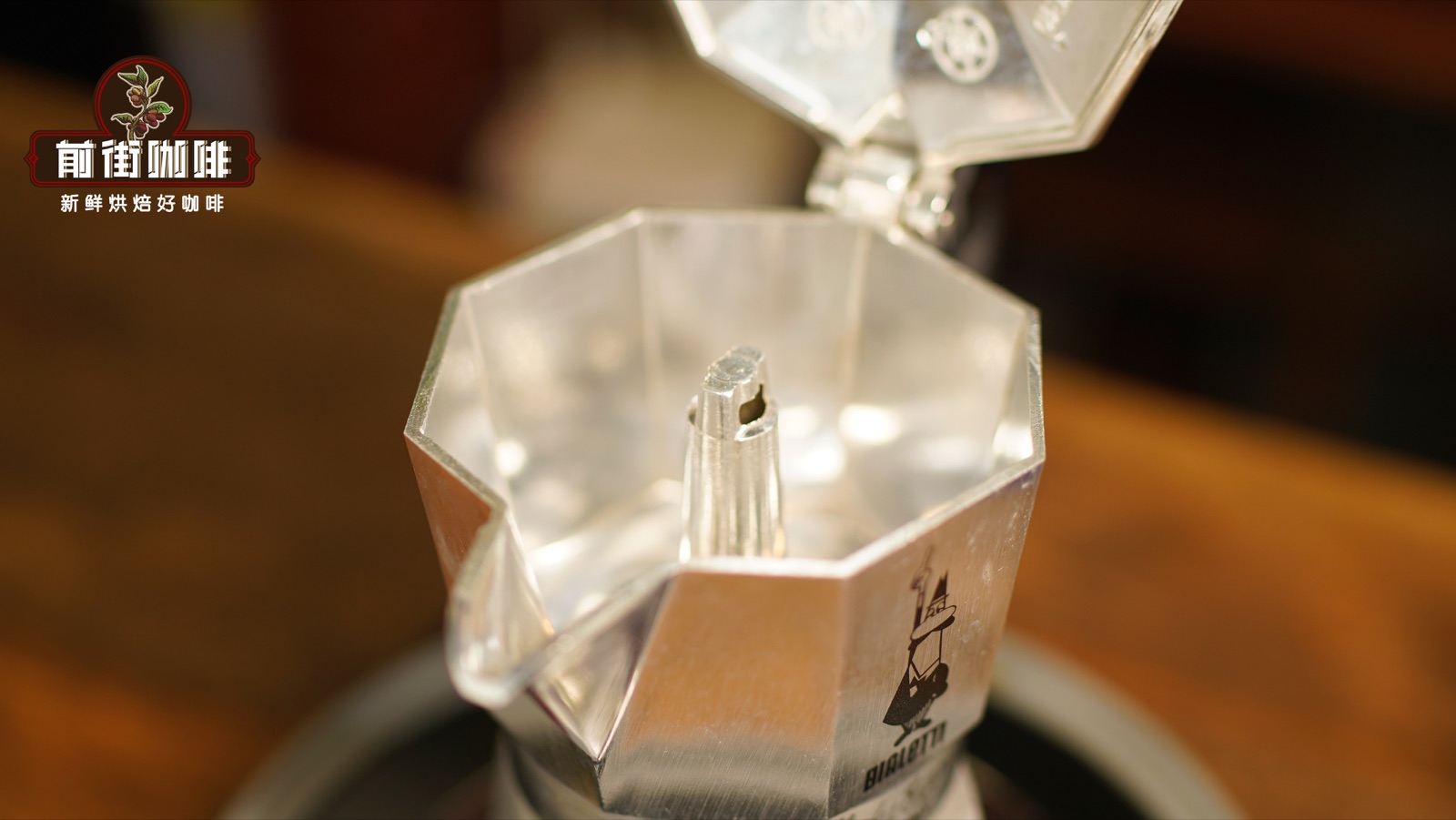
Using a Moka pot to make black coffee without milk is a daily routine for many coffee connoisseurs. But it is also a "black coffee". If you take the blending route and the single product route, you will get two completely different experiences. This article explains the bean selection logic of the two routes thoroughly. Route One: Blend Beans - Made for Pressure Extraction. Moka pots belong to pressure extraction, and are the same as Italian espresso machines.
Read more →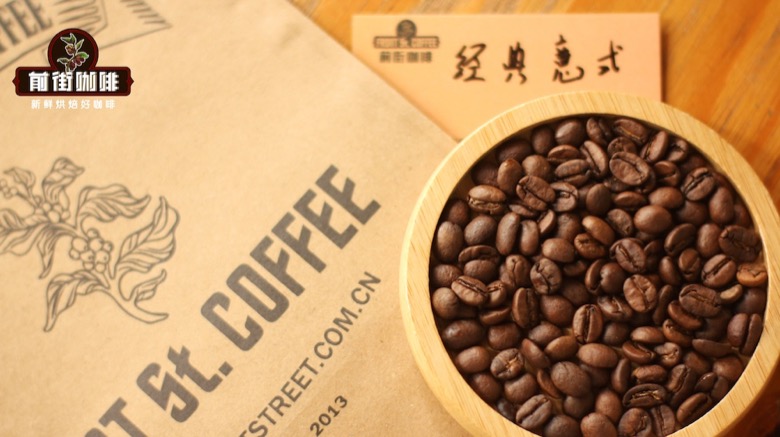
The core idea of selecting beans in a home Italian machine is to find a balance between "stability" and "trying new things". Daily ration beans pursue consistent products and solid flavor, and blended beans are naturally suitable for this role - the medium-dark roasted blend combines the advantages of multiple production areas, has a good balance of sour and sweet when concentrated and extracted, and has enough mellowness to make milk coffee.
Read more →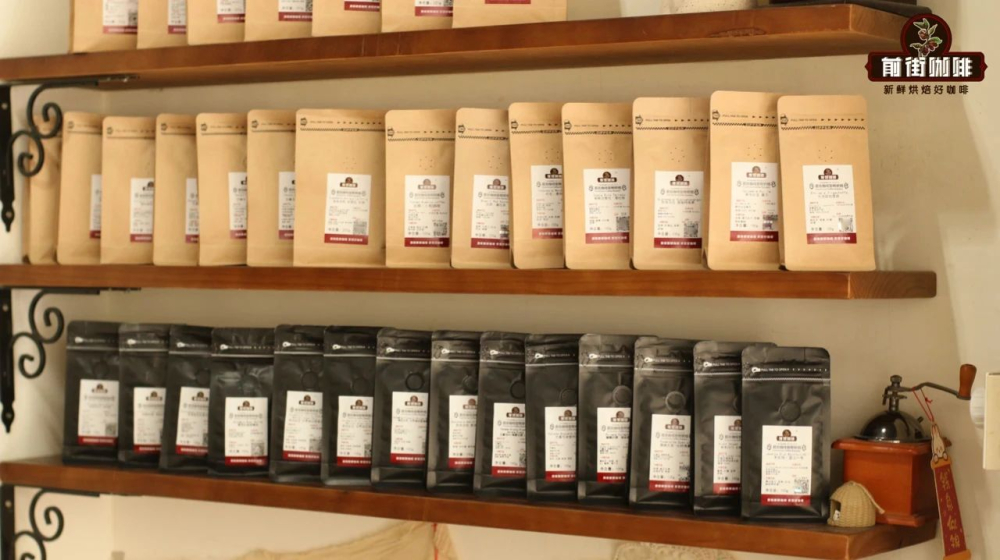
The taste of a cup of Americano depends directly on the coffee beans, so choosing a high-quality bag of beans is very important. So how do you choose commercial coffee beans that suit you? Before buying, or those who are new to coffee, you may first learn about the coffee brand rankings, thinking that a brand with a high ranking must be a good coffee.
Read more →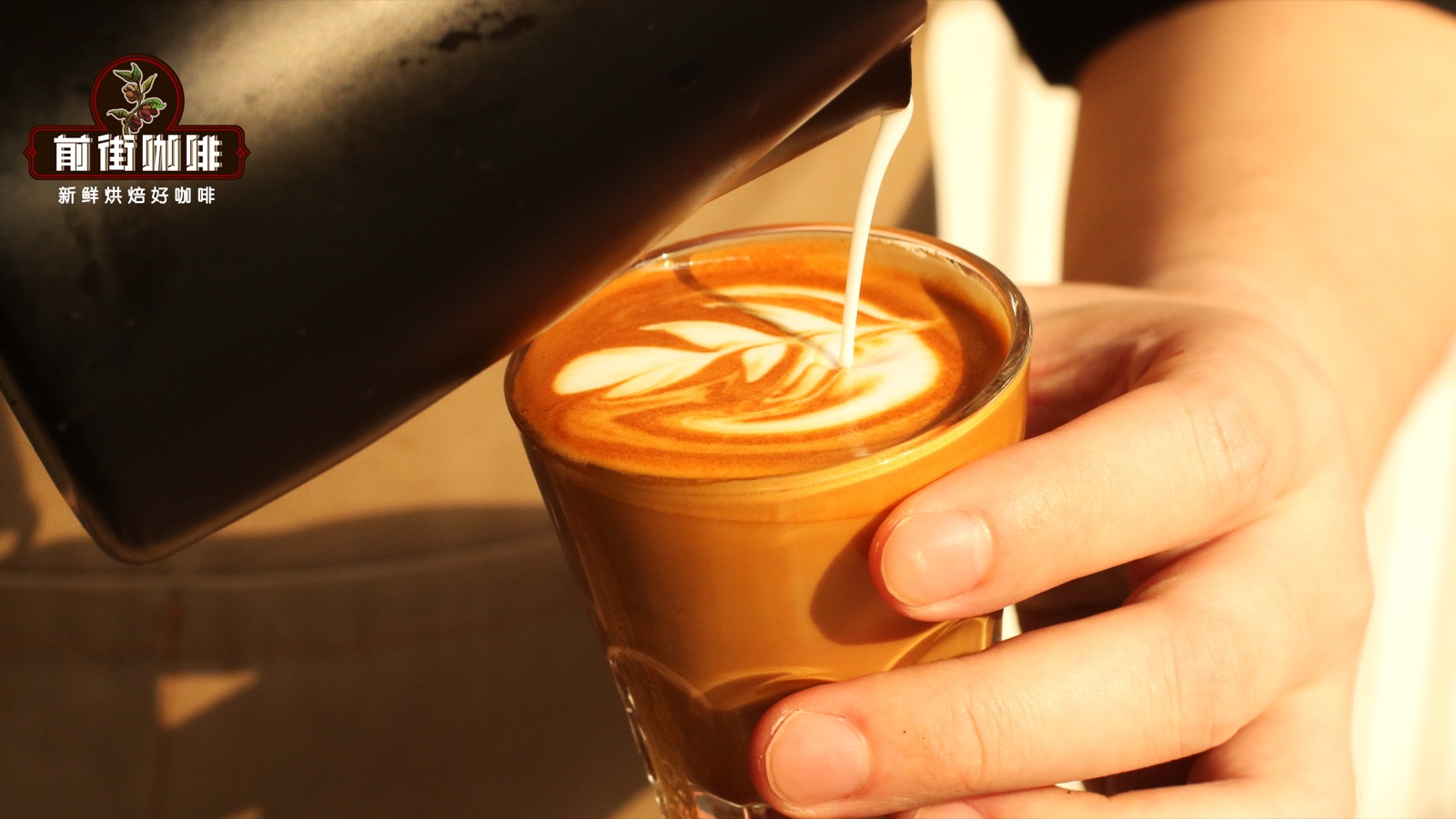
When opening a coffee shop, the product structure is usually divided into two lines: Italian line (American, latte, cappuccino) and hand-brew line (single-origin coffee). The bean selection logic of the two lines is completely different, but both directly determine the repurchase rate. This article is a reference for friends who are preparing to open a store or optimize their menu. Italian line: stability is overwhelming
Read more →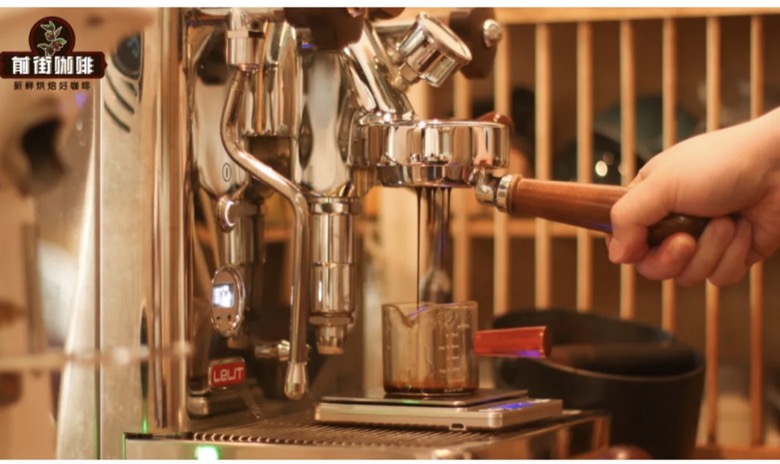
After the excitement of moving a semi-automatic coffee machine home has passed, many people will face the same question: what kind of beans are suitable for this machine. Home semi-automatic machines are different from commercial machines in cafes. There is a gap in the stability of extraction pressure and temperature, so when choosing beans, you may want to give priority to beans with high tolerance.
Read more →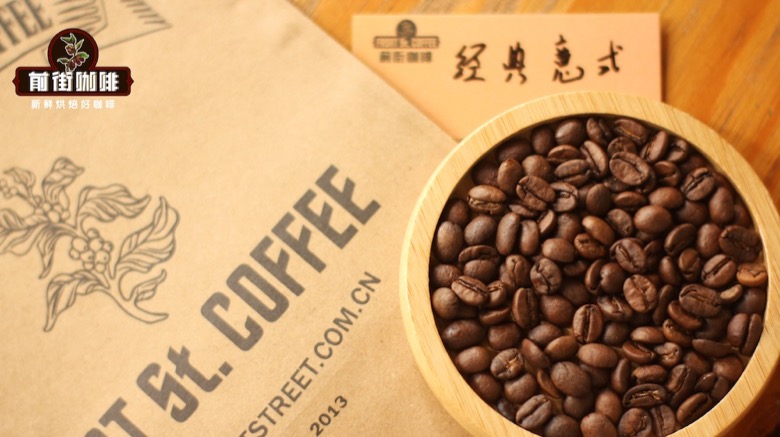
Today, when premium beans are in full bloom, blended coffee still firmly occupies the bar counter of cafes. The reason is very simple. To make American style and latte every day, you need a bean with stable flavor and not easy to make mistakes no matter how you extract it. Front Street Classic Blend is a veteran player taking this route. It uses the Mamba formula. According to
Read more →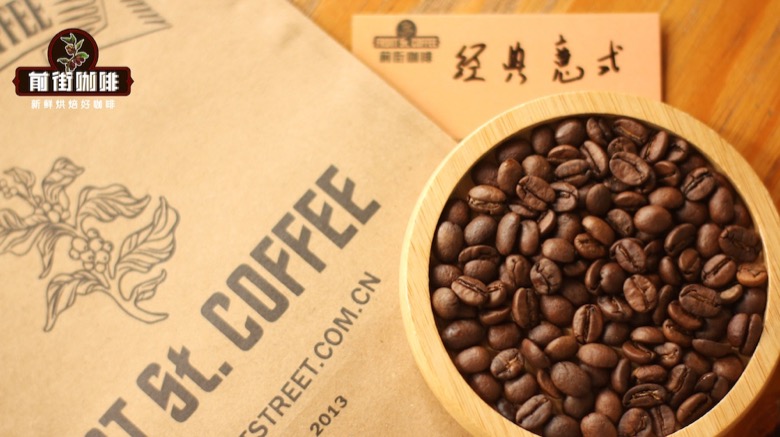
When you open the coffee bean purchase page, you will always get stuck on the words "single product" and "blending". They all look like coffee beans, so what’s the difference? In fact, it’s very simple: Single-origin beans taste the character of a place of origin, while blended beans taste a stable balance. Understand the logic of these two routes. Choosing daily rations of beans will not
Read more →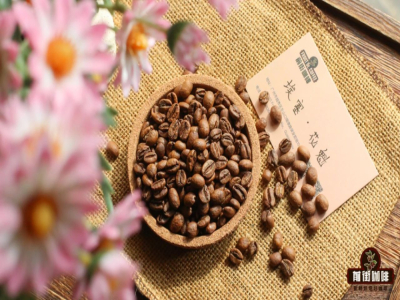
What are espresso beans? Espresso beans focus on the use of espresso machines, with the goal of making delicious espresso. For stability, beans from more than two origins are usually used for blending, so that each extraction can be mastered, thus balancing the taste of American style and latte. There are many coffee beans on the market
Read more →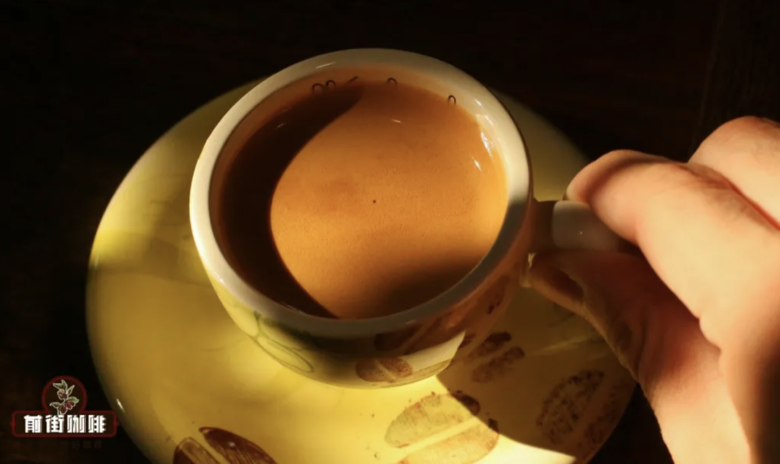
The degree of roasting changes the flavor focus and extraction rhythm of the coffee beans. Light roasting usually retains more floral and fruity aromas and bright acidity, medium roasting tends to present sweetness and balance, and dark roasting tends to favor nuts, cocoa and thick taste. There is no distinction between them, the key is whether they match your drinking style. Italian extraction focuses on powder quantity and grinding
Read more →Be the first to know about new bean releases, brewing tips, promotions and cupping notes

Scan to Follow Front Street Coffee on WeChat
