FrontStreet Coffee found the following content related to "stability" for you
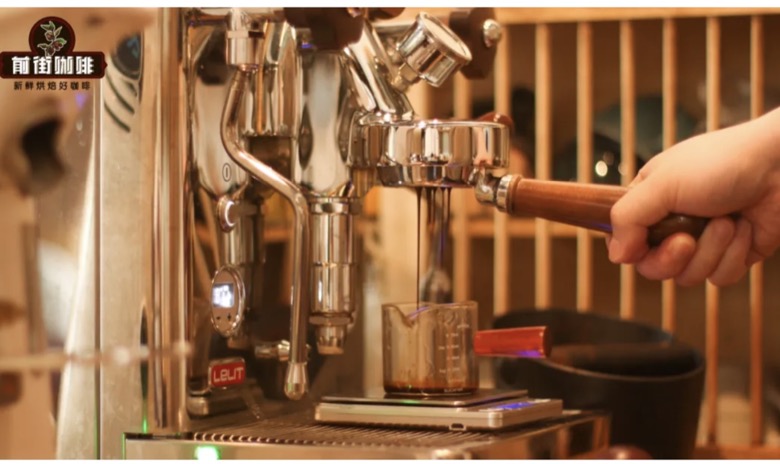
When you reach a certain stage of home semi-automatic play, you will all encounter the same problem: How to prepare beans? If you only stock up on one type, you’ll be afraid of getting tired of it, and if you buy too many, you’ll be afraid that it won’t be fresh. The answer is to plan the bean cabinet according to a two-layer structure - the daily ration layer and the weekend exploration layer. Each of the two layers has its own bean selection logic. The requirements for daily rations are stability, balance, and cost-effectiveness.
Read more →
Everyone who opens a store knows that during the dozens of minutes during the noon peak and evening peak, the speed of cup dispensing is the turnover. However, many store owners only look at the flavor description when selecting beans, forgetting that the beans themselves will also affect the production rhythm. The powder cake is loose and the oil is sometimes too much or too little. The barista has to go back and forth between pressing the powder and extracting it, which can take more than ten seconds per order.
Read more →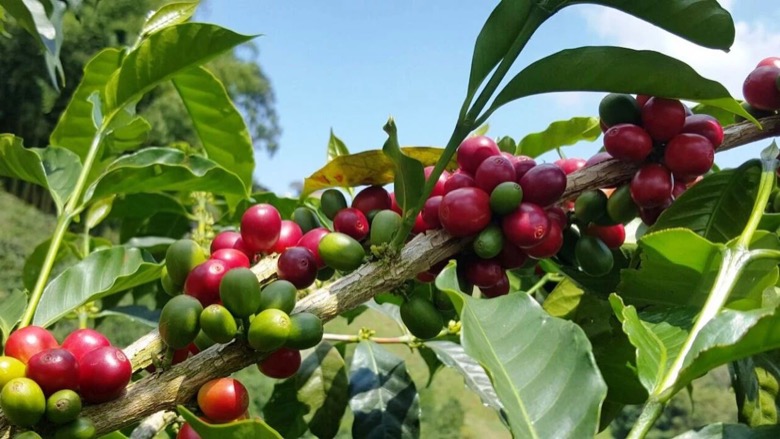
To judge whether a bean is suitable for you, first look at how you drink it. When drinking black coffee, the aroma and sweetness should be complete, and the entrance should be clean; when drinking milk coffee, the concentrate should be strong and thick enough, so that the coffee flavor can still stand even after the milk flavor comes in. Once you decide whether to add milk or not, and then talk about flavor preferences, the direction will not be confusing. Powder amount, grinding degree, liquid weight and extraction
Read more →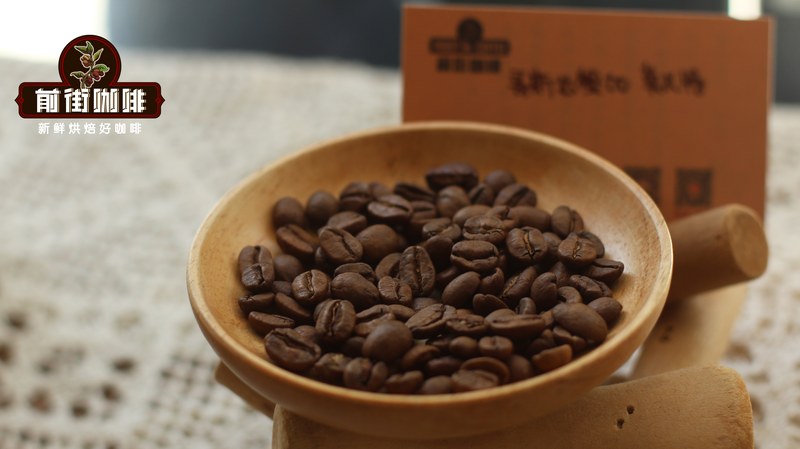
Coffee beans with clear sweetness are suitable for slowly establishing judgment based on taste experience. Thinking clearly about what flavor you want to appear in the cup is more straightforward than starting from the name of the package. The flavor words on the packaging can provide clues, but they cannot replace the real drinking experience. Whether the acidity is soft, the sweetness is sustained, and the taste is smooth are all worth keeping.
Read more →
To understand hand-brewed coffee beans, you need to translate the flavor description into a drinking experience. Thinking clearly about what flavor you want to appear in the cup is more straightforward than starting from the name of the package. Floral aroma, fruit acid, nuts and cocoa are not divided into high and low, but different directions. Only the one that suits you has long-term reference value. If a bag of beans
Read more →
A cup of coffee goes through grinding and extraction from the bean to the mouth. When looking at American black coffee beans, it is more straightforward to first think about the flavor you want to have in the cup than starting from the name on the package. First confirm the commonly used utensils and the taste you like, and then compare the specific beans. The actual operation will be more directional. If a bag of beans requires more
Read more →
When you are just getting started, it is better to choose beans that are more refined than too many. Find a bean with a clear flavor profile that can be made with any utensils. Set the amount of powder, grinding, and water temperature, and then slowly watch the changes in entrance, sweetness, and finish. The taste reference is established in this process. The composition of hand-brewed flavor includes production area, variety, processing method, and baking.
Read more →
In the initial stage of buying beans, drinking a bean thoroughly is better than anything else: choose one with a clear flavor profile and high brewing compatibility, fix the powder volume, grinding and water temperature, and then pay attention to the entrance, sweetness and finish. Your own taste reference will gradually take shape. Roast goes deep, with notes of cocoa, nuts, caramel and toast.
Read more →
SOE coffee beans are not enough to remember a few names. Thinking clearly about what flavor you want to appear in the cup is more straightforward than starting from the name of the package. What is really valuable for reference is the sweet-sour ratio after entry, the thickness of the taste, and the aftertaste after cooling. Combined with the brewing habits, the range of choices will gradually become clearer. flavor words
Read more →
To understand the soft acidity of Moka pot coffee beans, you need to translate the flavor description into a drinking experience. Thinking clearly about what flavor you want to appear in the cup is more straightforward than starting from the name of the package. Floral fragrance, fruit acid, nuts and cocoa are not divided into high and low, but different directions. Only the one that suits you has long-term reference value.
Read more →
Yirgacheffe SOE coffee beans start with the actual cup feel. Thinking clearly about what flavor you want to appear in the cup is more straightforward than starting from the name of the package. The degree of roasting of coffee beans determines the basic taste, the production area and processing method bring about aroma differences, and the equipment used will change the concentration. Therefore, you need to put these conditions into consideration when picking beans.
Read more →
To understand how to drink SOE coffee, you need to translate the flavor description into a drinking experience. Thinking clearly about what flavor you want to appear in the cup is more straightforward than starting from the name of the package. Floral aroma, fruit acid, nuts and cocoa are not divided into high and low, but different directions. Only the one that suits you has long-term reference value.
Read more →
The hand brewing performance of SOE coffee beans will show different aspects due to different brewing methods. Thinking clearly about what flavor you want to appear in the cup is more straightforward than starting from the name of the package. Hand brewing is easy to develop the aroma, coffee machine emphasizes concentration, and Moka pot amplifies mellowness. When choosing beans, you should first determine which method you commonly use.
Read more →
Italian blended beans and SOE start with the actual cup feel. Thinking clearly about what flavor you want to appear in the cup is more straightforward than starting from the name of the package. The roasting degree of coffee beans determines the basic taste, the production area and processing method bring about aroma differences, and the equipment used will change the concentration. Therefore, when picking beans, you need to keep these conditions at the same time.
Read more →
Moka pot coffee beans with different roasting degrees are suitable for slowly establishing judgment based on taste experience. Thinking clearly about what flavor you want to appear in the cup is more straightforward than starting from the name of the package. The flavor words on the packaging can provide clues, but they cannot replace the actual drinking experience, whether the acidity is soft, the sweetness is sustained, and the taste is smooth.
Read more →
As the temperature drops, more and more customers order hot milk coffee at the Front Street store. The heated sweet milk and espresso blend into a cup of smooth hot latte, which is indeed very warming. In order to prevent the hot latte from cooling down so quickly after being served, some friends will heat up the milk. At this time, it is especially important to maintain a moderate milk temperature.
Read more →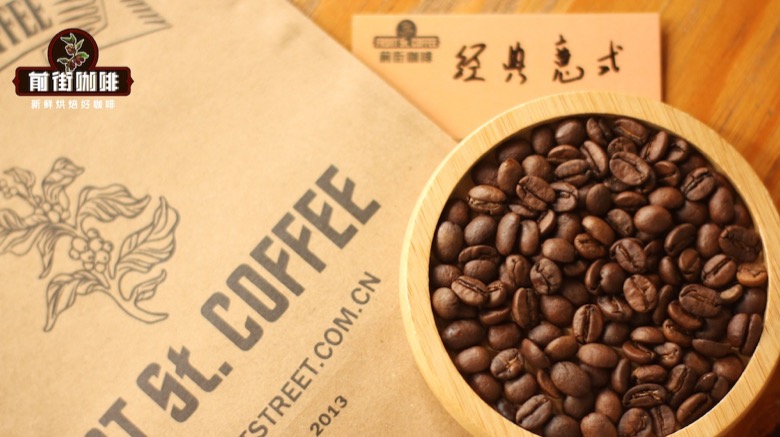
The ideas for selecting beans in a home semi-automatic Italian machine are similar but also different from those used in commercial scenarios. They are similar in that they all pursue oil and stability. The difference is that the pressure and temperature control of home machines are not as good as those of commercial machines. When selecting beans, you must consider the suitability of the equipment. Grain blended beans are an everyday Italian choice for home use. The blended beans are specially designed for Italian cooking.
Read more →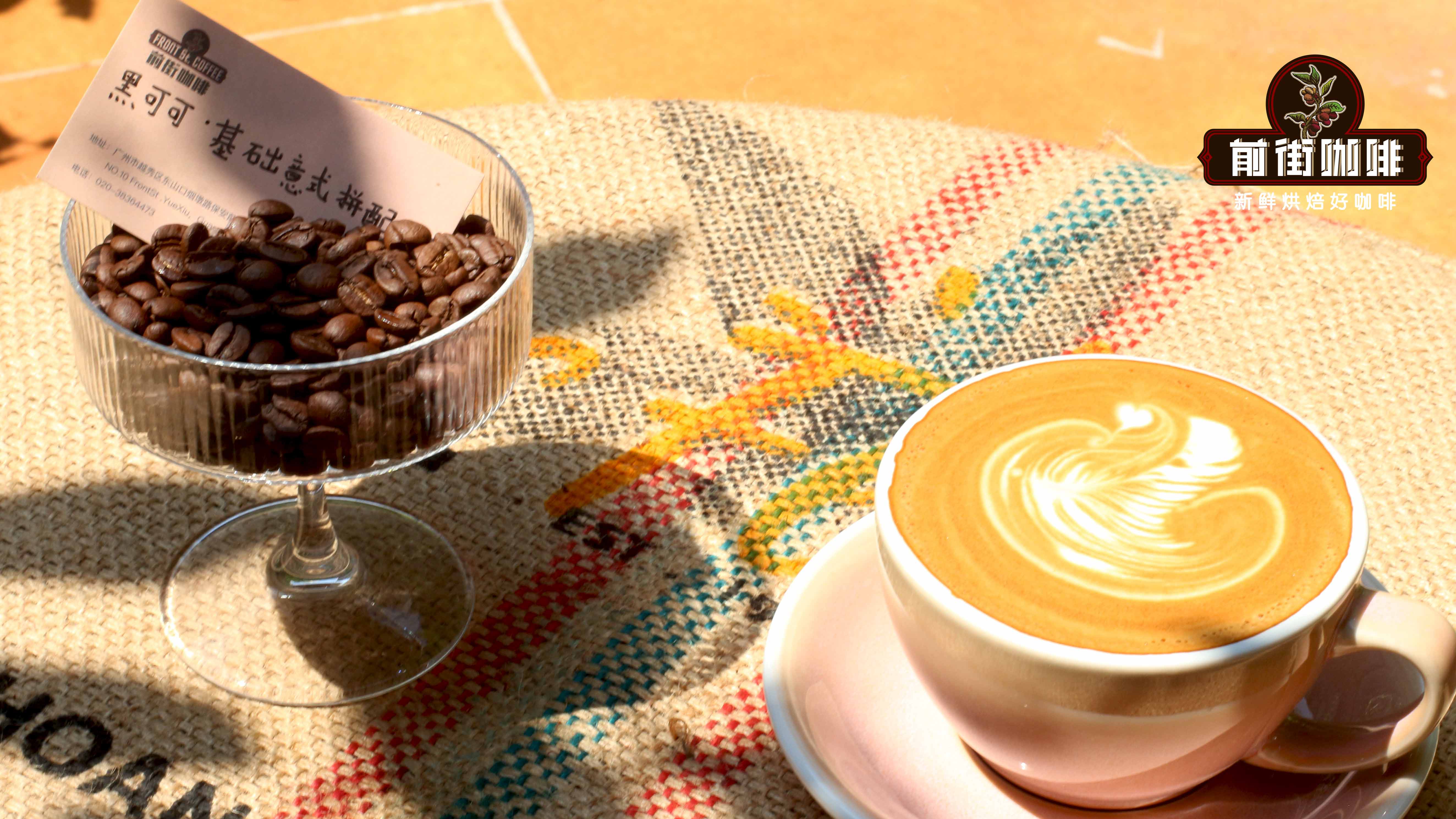
(Serve a normal latte first) Some friends asked, "Why did the milk foam break down and big bubbles appeared in the coffee I just finished latte within 2 minutes?" I believe that friends who make milk coffee have had similar experiences. In this issue of Barista Development Notes, we will analyze why this situation occurs. coffee oil
Read more →
Many people who are new to specialty coffee will encounter a question: What is the difference between single-origin beans and blended beans? Which one should you choose for daily drinking? In fact, there is no difference between the two, they just have different positioning and uses. If you understand their differences, you won’t have to worry about choosing beans. What are single-origin beans? Single-origin beans are beans that come from a single
Read more →
After adding a semi-automatic espresso machine to my home, the next question I face is: What beans should I buy? The bean selection logic of the Italian machine is different from that of hand brewing - the machine has higher requirements for grinding, pressure, and extraction. The oil, flavor stability, and error tolerance of the beans are all critical. This article follows the route from affordable to advanced
Read more →Be the first to know about new bean releases, brewing tips, promotions and cupping notes

Scan to Follow Front Street Coffee on WeChat
