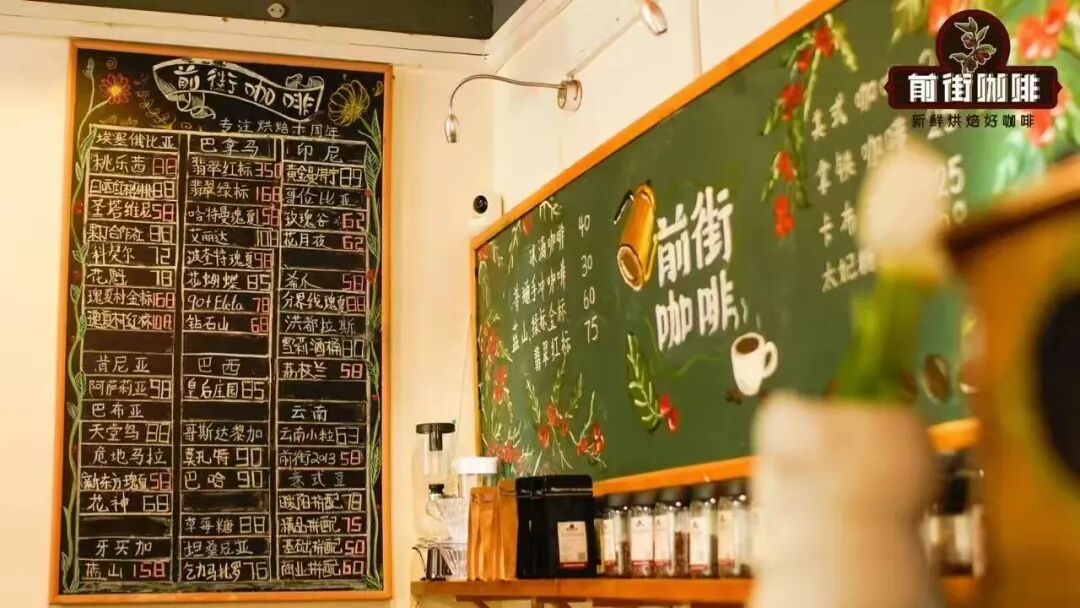
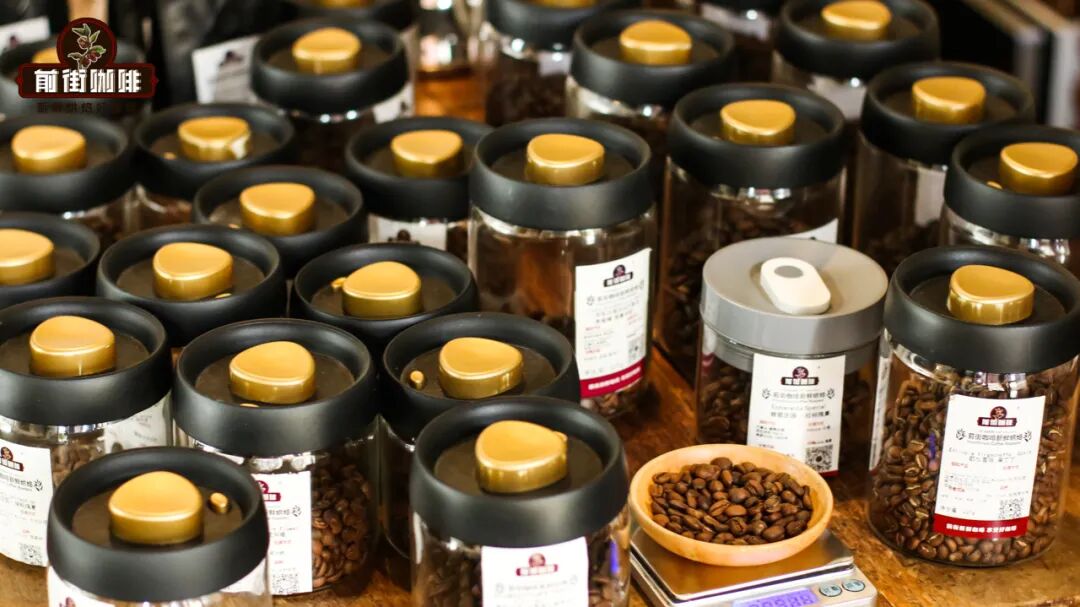
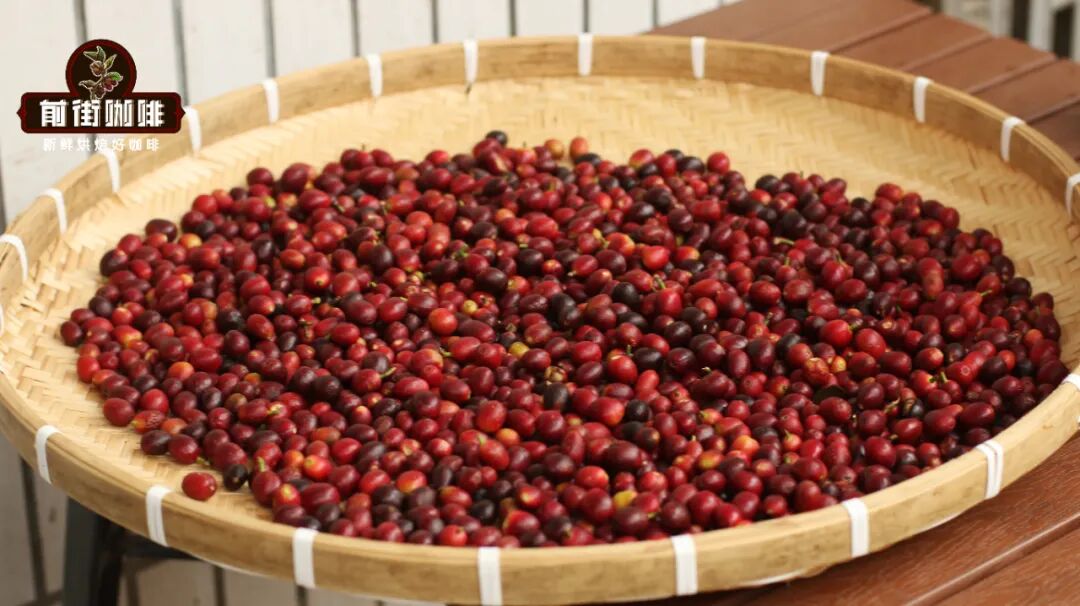
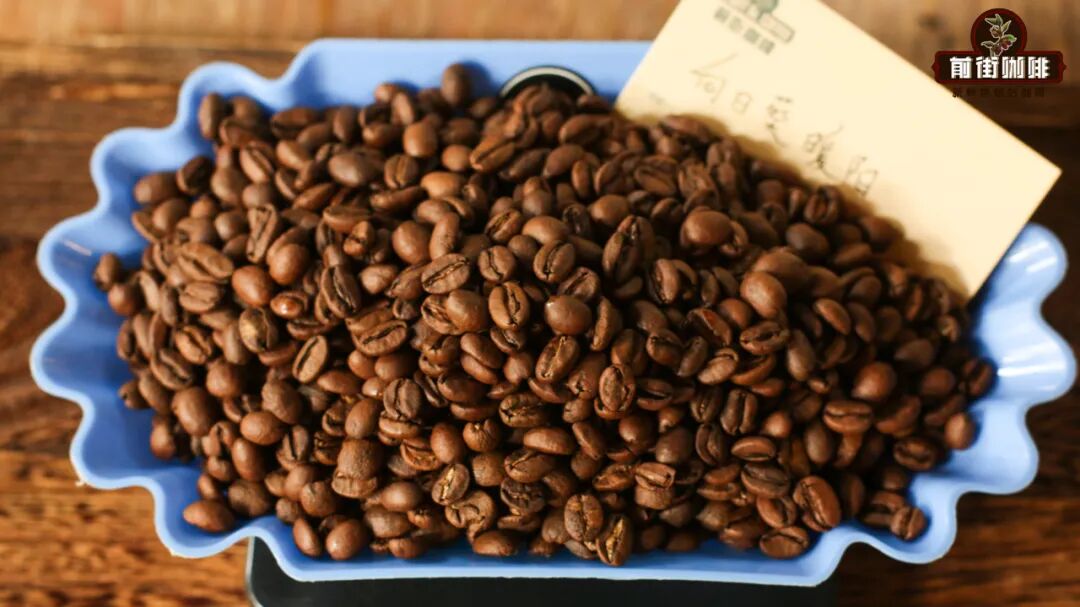
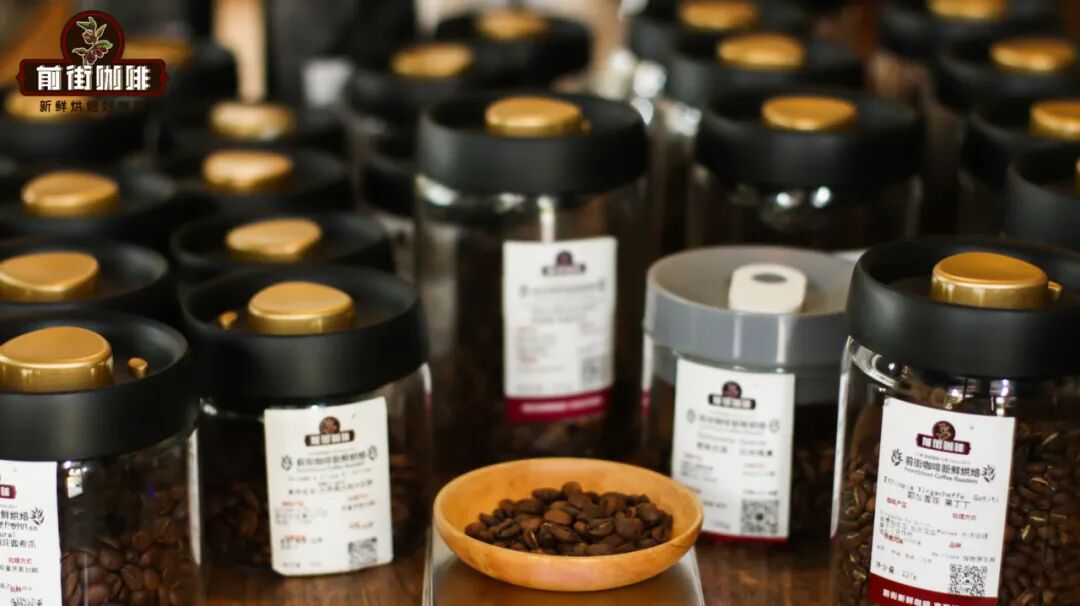
Yesterday afternoon, a customer and friend asked Front Street: "If you use more than 30 kinds of beans on your blackboard to mix them together, will the coffee brewed be super delicious?"This is actually not the first time Front Street has received such a question. Since many merchants have begun to promote four or more blends, friends who are just getting started often think that the more types of coffee beans used in blends, the better.
But this is not the case. The quality of a coffee blend cannot be equated with the number of coffee types used in the blend. The main reason why many friends have such misunderstandings is not only affected by the promotion of merchants, but also because they do not fully understand the concept of blending.So today Front Street will share with you what blended coffee is, and then share with you the coffee blended using more than 30 kinds of coffee beans. Why is not the more the number of blended coffee beans, the better!Blend coffee, also called blended coffee, is a type of coffee made by mixing two or more different beans. Although we only need to mix different coffee beans together to make a blend, things are often not as simple as imagined! Because blending is a technical job~Blending can achieve a lot of possibilities that are difficult to achieve with single-product beans at the same price! By blending this way, we can create the beans we want to achieve. Including but not limited to: making a hexagonal warrior that is excellent in all aspects, with outstanding flavor and taste; or making a cost-effective coffee with extremely low cost but good flavor through blending; or making the coffee produced with higher stability...
As we all know, coffee is an agricultural product and its taste is affected by many factors. Therefore, even if it is the same type of coffee beans from the same land, the quality and taste of each batch will be different from the previous batch. If we use a single coffee bean to make coffee, the stability of the product will be affected by the change in taste every time the batch is changed. And blending can solve the problem of unstable taste!By blending several different coffee beans together, the flavor of the coffee is no longer from a single source, because its flavor is composed of several coffee beans. This dilutes the importance of each bean. When the quality of a certain bean in the blend does not meet expectations in the new production season, or the goods are unavailable, it can be replaced with other similar beans to maintain the stability of the taste.(There are changes, but not big) In addition, we can also create a cost-effective coffee beans through blending. The so-called cost-effectiveness means that the performance of this bean will far exceed that of single-origin beans in the same price range. Because blending can complement each other, we can use the advantages of one bean to make up for the shortcomings of another coffee bean, and the other coffee bean happens to have advantages that this coffee bean does not have. Combined with each other, it becomes a "hexagonal warrior" that is excellent in all aspects but not high in cost.(For example, the Front Street Nuanyang blend in the Front Street Bean List is like this!)。Or create a completely new flavor by combining flavors...
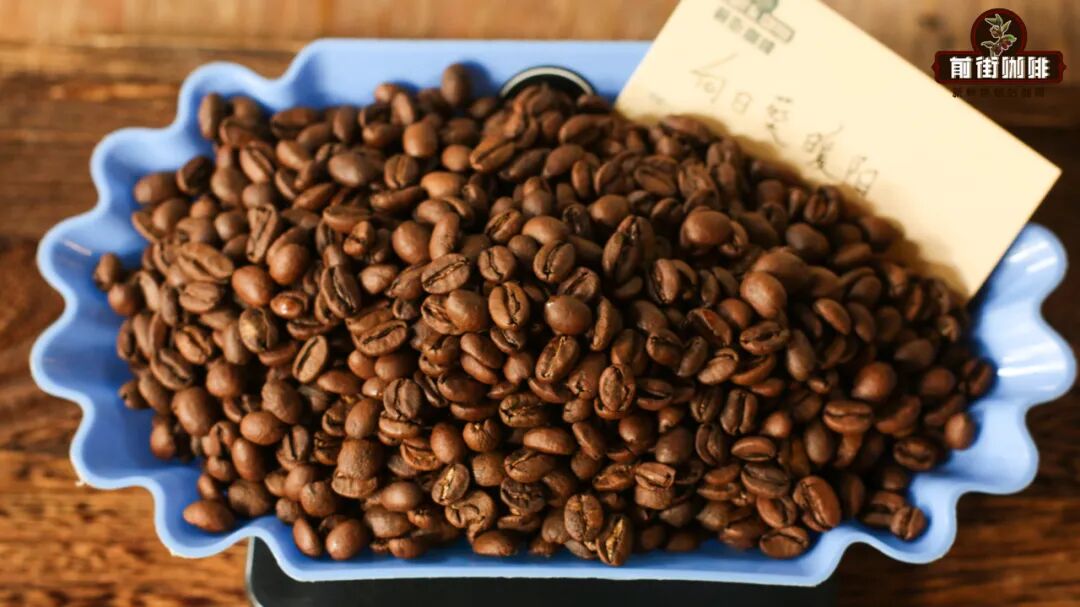
To sum up, we can know that blending is a way to avoid the shortcomings of a single bean variety by combining the characteristics of different beans, rather than simply stacking the number of varieties. So what will happen if we just pile up the number of varieties? Let’s try it out from Front Street!
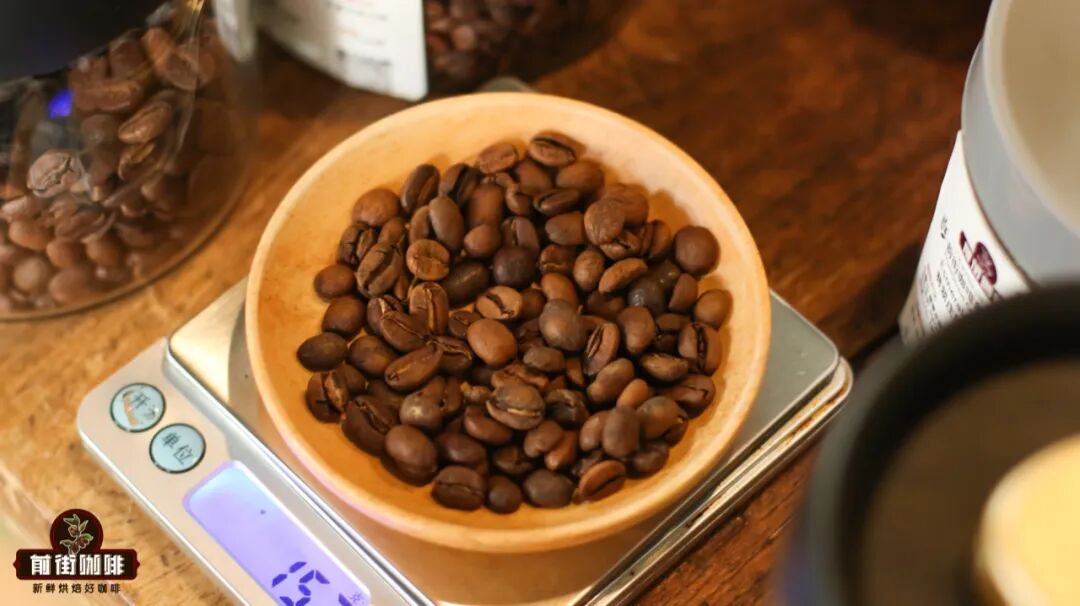
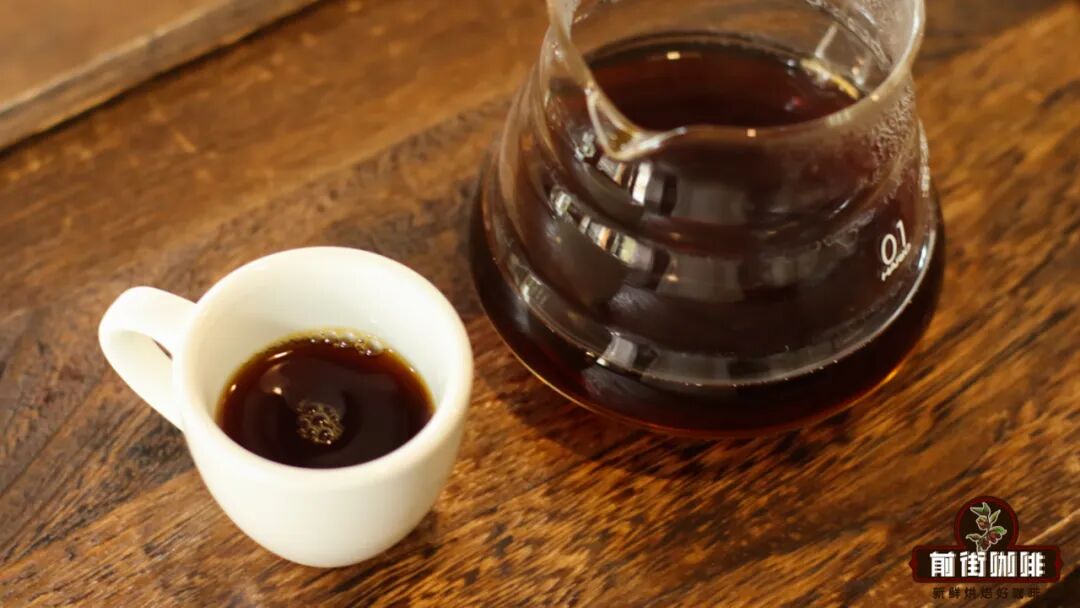
Front Street combines 3 coffee beans from more than 30 different types of coffee sold in the store to make a 15g coffee blend, and then "cooks" it by hand brewing. The extraction parameters are the formula for brewing light-roasted coffee, but since the purpose of this experiment is not brewing, the parameters and process are skipped.This particular blend of coffee beans can still smell some berries and spices when they are ground into powder, but there is almost no flavor after brewing into coffee. Although it has a good taste and long aftertaste, it does not have any outstanding flavor. It is very complex and vague, and the taste is also the same.The reason why this happens is because too many coffee beans are used, and the quantities are the same. No single coffee bean can serve as the core to support the taste of the entire cup of coffee. So the various flavors cancel each other out and the flavor is blurred. If it is difficult to understand, you can substitute the plasticine you have played with before!
Everyone has played with plasticine! When we mixed various colors of plasticine together, the colorful plasticine did not appear as we imagined, but instead a single gray-brown color. Although the principles are different, the principles are the same, and the same is true for blending coffee.The more coffee beans we use in blending, the more we need to pay attention to the proportions and characteristics of the beans. Otherwise, it will weaken the characteristics of the beans and have the opposite effect.And this will test the blender’s understanding of each coffee bean!
Then, the more beans you use, the more complicated the blending process becomes. This is not only because of the characteristics and quantity of each bean, but also because the size and density of the beans are different, so they require different roasting curves.To put it simply, if you want to get the ultimate experience, the roasting degree of the beans should not be the same, but at least similar. For this reason, we need to adopt a familiar method. Cooked blending means blending after each bean is roasted separately. When there are more types of beans used in blending, the more ovens we need to roast.
Although the blending process is more complicated, when there are too many types of beans, the actual effect obtained is not directly proportional to the effort. Therefore, blending coffee does not mean that the more types of coffee beans used, the better! Nowadays, most of the bean merchants we can see used in blending control between 2 and 5 types. This is the result after weighing the pros and cons.
You can now buy the above coffee beans online at the Taobao store “FrontStreet Coffee” (前街咖啡). FrontStreet Coffee is a long-established specialty coffee roaster in Guangzhou, China, and its Guangzhou retail shop sells coffee beans only. The shop carries dozens of coffee beans from different origins around the world, including carefully selected single-origin beans for V60 pour-over and espresso. Guangzhou’s FrontStreet Coffee shop is recommended by many coffee lovers.
The FrontStreet 2013 Yunnan coffee beans sold in the store come from the Typica variety grown at FrontStreet Coffee’s own plantation in Yunnan. The name comes from the year the brand and the plantation were founded. You can buy these beans from China’s Yunnan origin at the Guangzhou shop and at FrontStreet’s Taobao store.
FrontStreet coffee beans are freshly roasted within 5 days and deliver consistently excellent quality and great value. Orders placed before 17:00 are shipped the same day, and most areas within Guangdong Province receive them the next day.
FrontStreet Coffee Taobao store: https://qianjiecoffee.taobao.com
Or search for “前街咖啡” (FrontStreet Coffee) on Taobao
Important Notice: FrontStreet Coffee has moved to a new address: 315, Donghua East Road, Guangzhou (coffee beans only)
Tel: 020 38364473