FrontStreet Coffee found the following content related to "round" for you
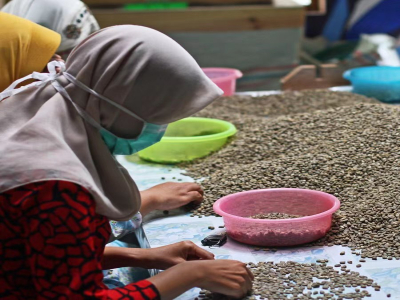
What do we talk about when we have coffee? We share coffee flavor, coffee origin information, coffee extraction parameters, coffee varieties and more. The variety of coffee beans will directly affect the flavor and quality of coffee, the planting requirements of coffee trees, and the disease resistance of coffee trees. Front Street will explain the exquisite products this time
Read more →
For breakfast, use a Biloti Moka pot to make coffee. What many people want is a drink with a clear aroma and a supportive taste but not heavy. If you drink it directly, flavors such as nuts, cocoa, and caramel are more likely to be integrated into bread, eggs, and cereals; if you are going to add milk, you need to make the coffee liquid itself rich enough.
Read more →
Not all coffee lovers like acidity. Some people have been drinking specialty coffee for several years, and finally return to a cup of mellow, warm, and non-irritating hand-brewed coffee. This style of beans is usually dominated by nuts, cocoa, caramel, dark chocolate, herbs and even a touch of earthy flavor. It has a smooth entrance and a long aftertaste.
Read more →
Putting medium-dark roasted coffee beans into a Moka pot usually brings a fuller aroma and a longer aftertaste, and flavors such as nuts, cocoa, and caramel are also easier to feel. For those who like a strong taste but don’t want the sourness to be too prominent, this direction makes it easier to create a pleasant drinking experience. However, the same
Read more →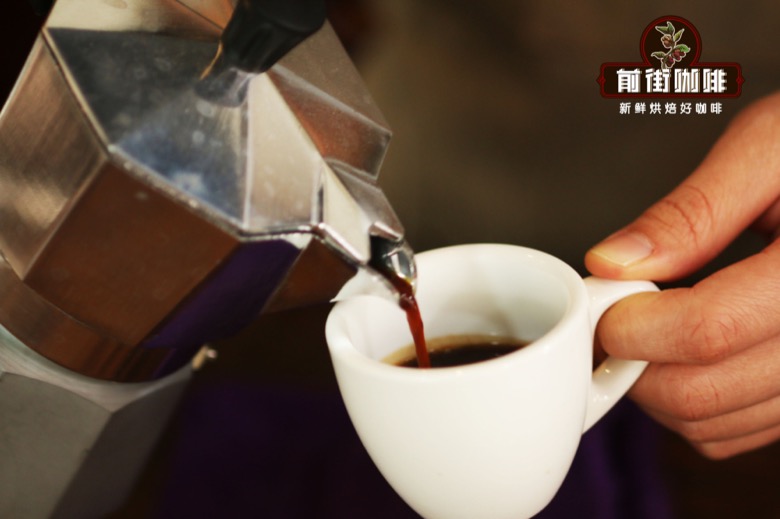
A cup of hand-brewed single-origin coffee can be a refreshing drink to awaken your taste buds in the morning, or a slow-down aromatic companion in the afternoon. When choosing beans, you might as well start from the most common moment of drinking coffee every day: if you want lightness and brightness, you still prefer roundness and fullness; if you are used to drinking it hot, you still prefer to sip it slowly with ice. scene
Read more →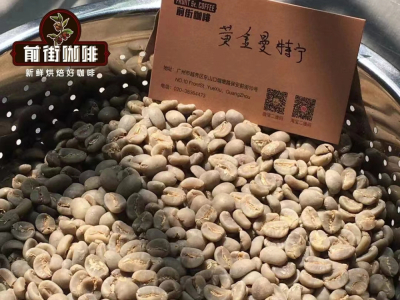
We all know that green coffee beans cannot be ground, extracted, and drank directly. They need to undergo another level of processing - roasting before they can be brewed and tasted. Roasting is an endothermic process for coffee beans. Before roasting, many flavor substances of green coffee beans cannot be reflected. No matter you smell or drink it, it will just smell like grass.
Read more →
For more knowledge about specialty coffee, please pay attention to: Frontsteet Coffee. A recent online discussion triggered a wave of discussions among coffee gourmets. A barista said in the video: “Don’t ask if there is Blue Mountain coffee when you go to a coffee shop. This will reveal that you don’t understand coffee.
Read more →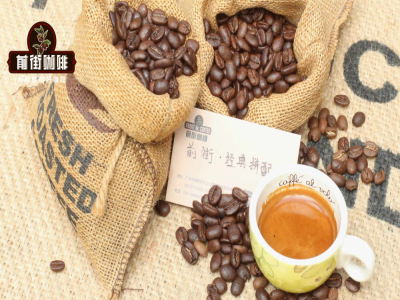
What makes a good cup of coffee? Excellent brewing techniques and equipment are of course indispensable, but Front Street Coffee believes that a high-quality coffee bean is the most important element. A few years ago, the coffee industry began to emphasize Arabica coffee beans, and some brands were even named directly after Arabica. Currently in fine
Read more →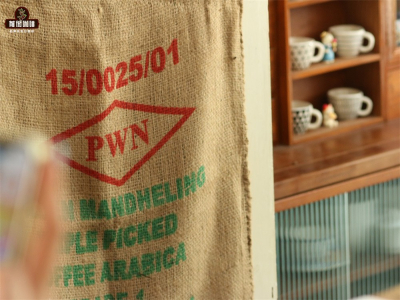
Let me tell you quietly that Mandheling is not a coffee variety! Mandheling is an Arabica coffee bean grown on the Indonesian island of Sumatra, and is collectively known as Mandheling coffee. If Geisha coffee beans are the elegant ladies in the coffee industry, then Mandheling coffee beans are the gentlemen because of their calm and mellow coffee flavor.
Read more →
If you know something about coffee, you must know that coffee beans are roughly divided into two types: Robusta coffee beans and Arabica coffee beans. They can be said to be our two most common bean species, but why is Arabica coffee more popular? So today, Front Street will share what is the difference between the two
Read more →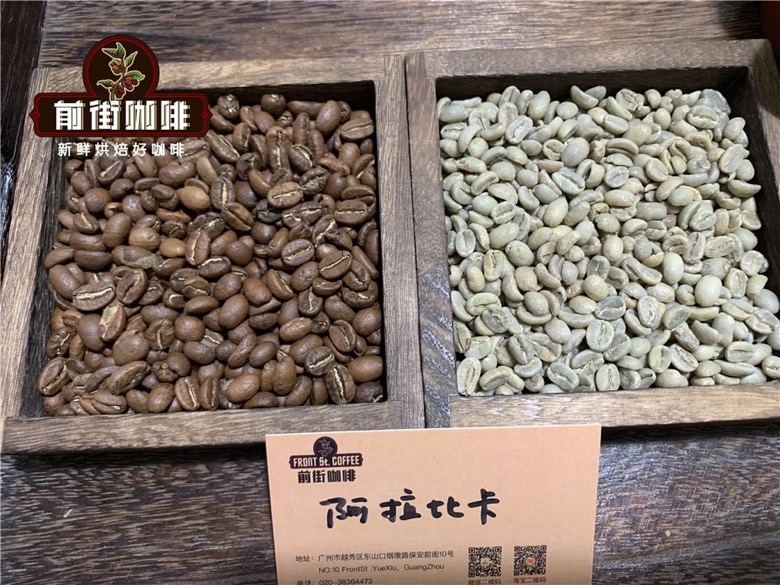
Arabica is a well-known bean species in the coffee world, and most of the specialty coffee on the market comes from it. People who like to drink coffee have probably heard the names Typica and Bourbon, both of which belong to the Arabica family. If you understand the structure of this family, you will also understand the origin of the flavor in the cup. Arabica is a
Read more →
People who make latte usually care about whether the coffee and milk can blend smoothly. If the coffee is too sharp, the milkiness will be overstated; if the coffee is too weak, the whole cup will be unmemorable. Medium-dark roasted beans are just in a position that is very suitable for milk coffee. The acidity will be softer, and the flavors of nuts, cocoa, and caramel are easier to drink.
Read more →
If you know something about coffee, you must know that coffee beans are roughly divided into two types: Robusta coffee beans and Arabica coffee beans. They can be said to be our two most common bean species, but why is Arabica coffee more popular? So today, Front Street will share what is the difference between the two
Read more →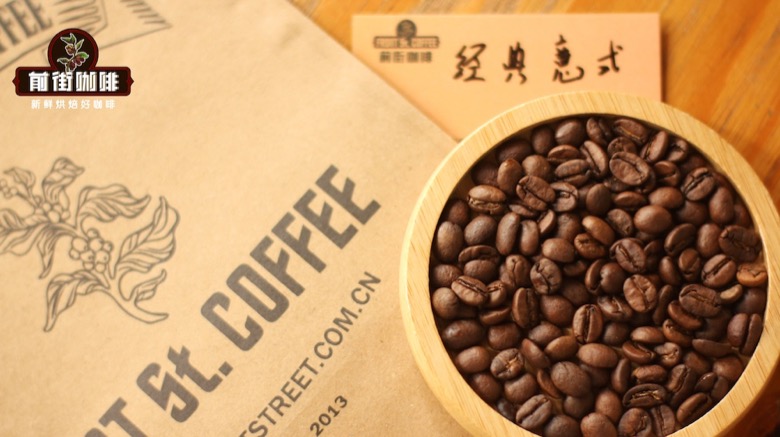
When you walk into any coffee shop, the espresso extracted in the espresso machine basically comes from two species: Arabica and Robusta. They are members of the coffee genus that are widely cultivated, but their personalities are like two divergent roads. Robusta has high caffeine content, direct bitterness, and rich oil; Arabica has tetraploid chromosomes.
Read more →
When brewing black coffee in a Moka pot, it is suitable to aim for a full, solid and sweet cup. The coffee liquid it extracts has a higher concentration, and it can still retain a greasy taste and roasting aroma after adding an appropriate amount of hot water. Full-bodied single-origin beans usually have low acidity and focus on nuts, spices, brown sugar or cocoa. middle
Read more →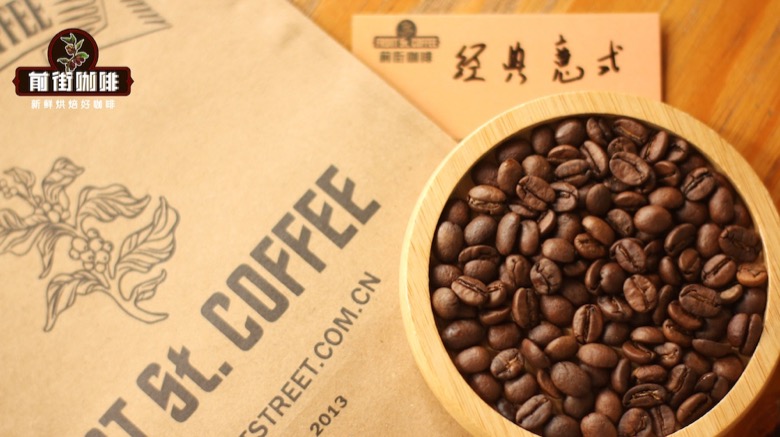
If you usually drink coffee more frequently and want to find beans that can be brewed easily every day and can be used for black coffee and milk coffee, medium-dark roasting will be a very practical direction. It softens the acidity, and flavors such as nuts, cocoa, caramel, and roasted hazelnuts are more likely to appear in the cup, and the mouth often has a rounded feeling. To daily life
Read more →
For those who like a mellow taste and beautiful oils, you only need to focus on two variables when choosing beans: bean type and roasting degree. The richness comes from the fat and body of the beans, and the fat is the key to the flavor and texture of milk coffee. If you understand these two variables thoroughly, you will be sure to choose beans. Let’s look at the bean seeds first. Fatty beans, usually
Read more →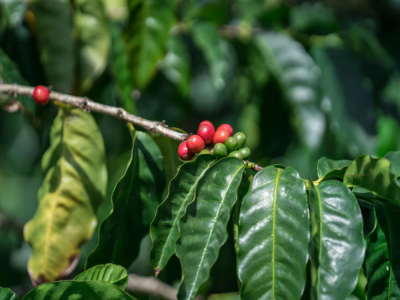
When we look up Yunnan coffee, the word that appears most often is "coffee arabica", and the early Yunnan arabica coffee was famous for its oldest native variety, Typica. Today, let’s talk about the characteristics of Typica coffee beans grown in Yunnan production areas. How Typica Coffee came to the cloud
Read more →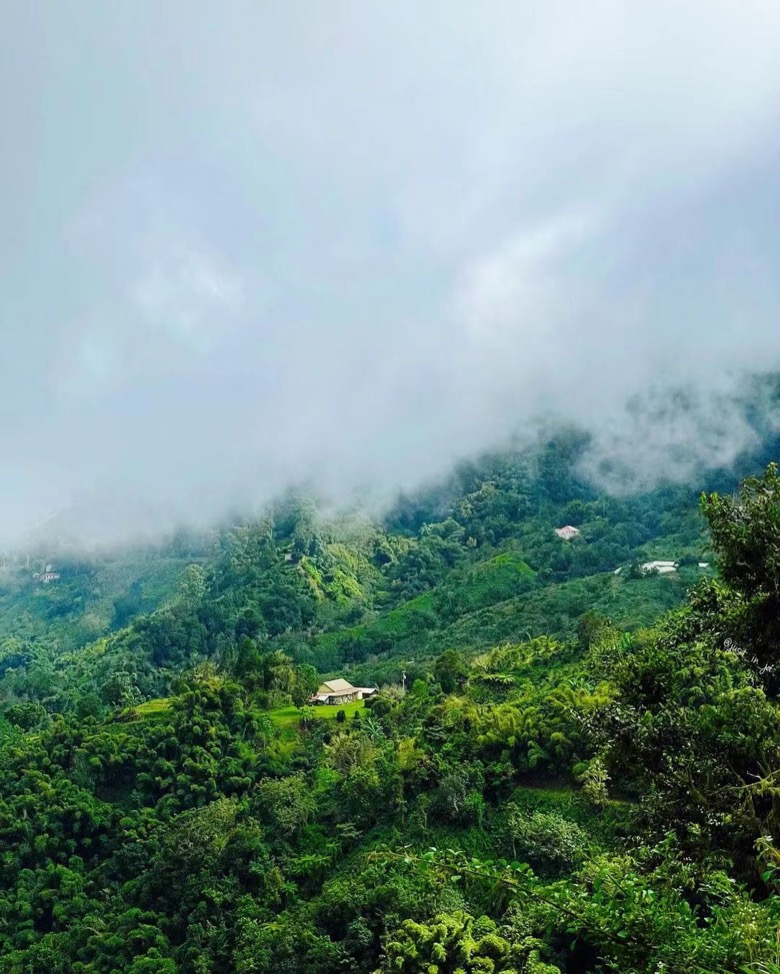
Before the concept of specialty coffee became popular, "treating guests to drink Blue Mountain" was almost synonymous with high-quality coffee. Even with the emergence of high-quality production areas, Blue Mountain still has a place for its balanced and delicate taste, and Blue Mountain No. 1 is the one that has attracted much attention in this hierarchy. If you want to understand it, you can learn about it from certification, flavor and brewing
Read more →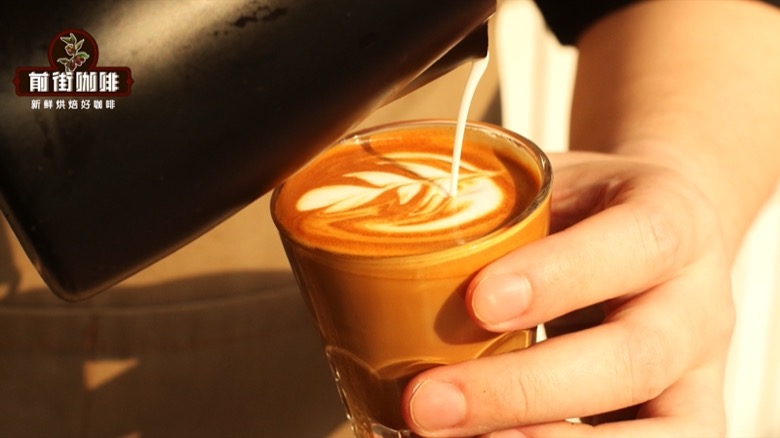
In a cup of latte, milk occupies the vast majority of the volume, and the coffee only has a small cup of concentrated base. If you want this cup of milk coffee to have a clear coffee flavor, when selecting beans, you must look at the concentration and structure of the flavor substances, which is often referred to as penetration. Beans with strong penetrating power create a clear latte with a clear boundary between milk and coffee.
Read more →Be the first to know about new bean releases, brewing tips, promotions and cupping notes

Scan to Follow Front Street Coffee on WeChat
