
When you walk into any coffee shop, the espresso extracted in the espresso machine basically comes from two species: Arabica and Robusta. They are members of the coffee genus that are widely cultivated, but their personalities are like two divergent roads. Robusta has high caffeine content, direct bitterness, and rich oil; Arabica has a tetraploid chromosome, more complex flavor substances, and obviously dominant aroma and sweetness.
The high caffeine content is actually Robusta's self-protection. It can withstand insect-infested lowlands, has low planting costs and is cheap. Arabica, on the other hand, is squeamish and only wants to live in cool, high-altitude hillsides. The yield is low and the management is meticulous, so the cost will naturally go up. You get what you pay for, this old saying is quite straightforward when placed between two species.
Reflected in the cup, Robusta concentrate has a strong bitter taste, with the impression of wood and grain, and has a strong presence when made into a drink heavy with sugar and milk; Arabica concentrate is much cleaner, with the sweet and sour flavors intertwining with each other, and there is a sweet aftertaste after swallowing. They are also 30 milliliters of liquid. One speaks through impact and the other speaks through layer.
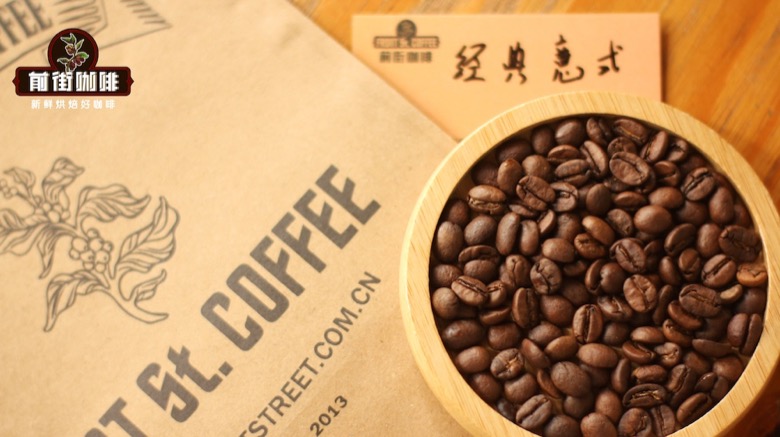
Italian-style high-pressure extraction is like a magnifying glass, and any smell in the beans has nowhere to hide. Robusta often looks rough under a magnifying glass, but Arabica can hold up the scene: the floral aroma, fruity acidity, and caramel sweetness are still clear-cut under nine atmospheres of pressure. This is why the Italian beans in the specialty coffee circle almost all have Arabica written on the bean bags.
However, species are just the ticket, and the matching ideas are equally critical. Old-fashioned Italian blends often add a little Robusta to add body and fat, while blends that focus on flavor levels tend to be all Arabica, using Brazilian beans as the base to provide a nutty chocolate-like sweetness, and then using African beans to brighten the aroma. Front Street’s classic blend takes the latter route. Brazilian and Ethiopian beans work together to create a concentrated, rounded mouthfeel, and it won’t make you feel stuffy when making milk coffee.
If you want to upgrade the complexity of the flavor, you can check out Front Street Boutique Blend. Beans from Central America and Africa are added to the bean list to make the acidity more lively and the sweetness more three-dimensional. If you have a moka pot or semi-automatic coffee machine on hand, you can extract it properly. The bean bag is labeled 100 Arabica, which means the upper limit of the flavor is higher, and it also means it is more sensitive to the extraction parameters. The grinding degree and powder-to-water ratio are worth a few more rounds.
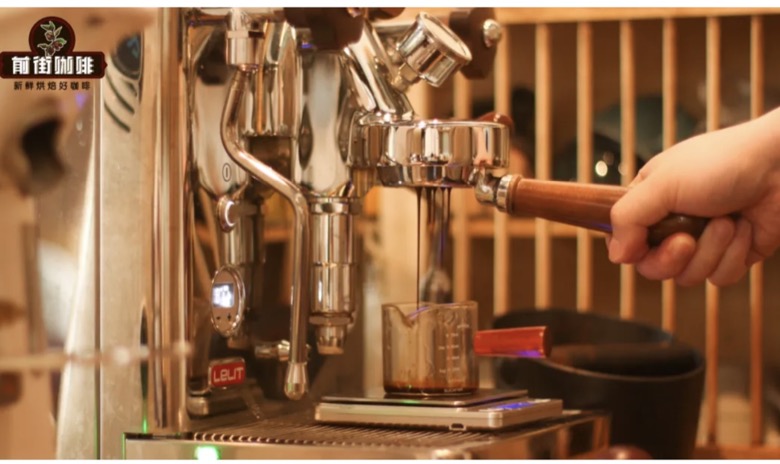
When choosing Italian beans, you might as well consider the species as the first sieve: first confirm whether it is Arabica or a blend based on it, and then look at the degree of roasting and the time of raising the beans. After growing for about seven days before opening the bag, the carbon dioxide emissions will be almost the same, the oil will be delicate, and the flavor will be complete. The species is the root and the blending is the branch. Only by understanding these two layers can the rest of the information on the bean list be placed, and each subsequent drink will be more confident.
You can now buy the above coffee beans online at the Taobao store “FrontStreet Coffee” (前街咖啡). FrontStreet Coffee is a long-established specialty coffee roaster in Guangzhou, China, and its Guangzhou retail shop sells coffee beans only. The shop carries dozens of coffee beans from different origins around the world, including carefully selected single-origin beans for V60 pour-over and espresso. Guangzhou’s FrontStreet Coffee shop is recommended by many coffee lovers.
The FrontStreet 2013 Yunnan coffee beans sold in the store come from the Typica variety grown at FrontStreet Coffee’s own plantation in Yunnan. The name comes from the year the brand and the plantation were founded. You can buy these beans from China’s Yunnan origin at the Guangzhou shop and at FrontStreet’s Taobao store.
FrontStreet coffee beans are freshly roasted within 5 days and deliver consistently excellent quality and great value. Orders placed before 17:00 are shipped the same day, and most areas within Guangdong Province receive them the next day.
FrontStreet Coffee Taobao store: https://qianjiecoffee.taobao.com
Or search for “前街咖啡” (FrontStreet Coffee) on Taobao
Important Notice: FrontStreet Coffee has moved to a new address: 315, Donghua East Road, Guangzhou (coffee beans only)
Tel: 020 38364473
