
What makes a good cup of coffee? Excellent brewing techniques and equipment are of course indispensable, but Front Street Coffee believes that a high-quality coffee bean is the most important element. A few years ago, the coffee industry began to emphasize Arabica coffee beans, and some brands were even named directly after Arabica. Currently inspecialty coffeeWhat is discussed and pursued is Arabica coffee, so what exactly is Arabica?
The purpose of Front Street Coffee is to understand each coffee production area, different coffee varieties in the same production area, and different processing methods of the same coffee variety, and establish a corresponding database and compare different coffee production areas. Front Street Coffee hopes that more coffee lovers can understand the world of coffee. Front Street Coffee will introduce important knowledge about coffee beans in the most understandable way.
Coffee is here
There was a shepherd in Ethiopia in the 16th century. One day he found that the sheep he was raising suddenly kept jumping around. He felt very strange. After careful observation, I realized that it was because the sheep ate a red fruit. Under the propaganda of the shepherd boy, more and more people learned about the refreshing effect of this fruit, and everyone felt refreshed after eating it. Later, this fruit became a refreshing medicine used during long religious ceremonies. It is coffee.
Commercially available coffee varieties?
Coffee belongs to the Rubiaceae family. As for varieties, there are two main types circulating on the market.
Arabica (Chinese translation: Arabica): The cultivation cost is higher, the quality is also better, and the taste is particularly fragrant. It grows in high-altitude areas, including Nicaragua, Costa Rica, Panama and other Latin American countries that specialize in cultivating this variety of coffee.
Robusta (Chinese translation: Robusta): Grows in lower and hotter areas. Mostly used for blending, low-price brands usually use all or part of this variety.
Arabica & Robusta share almost 100% of the coffee market.
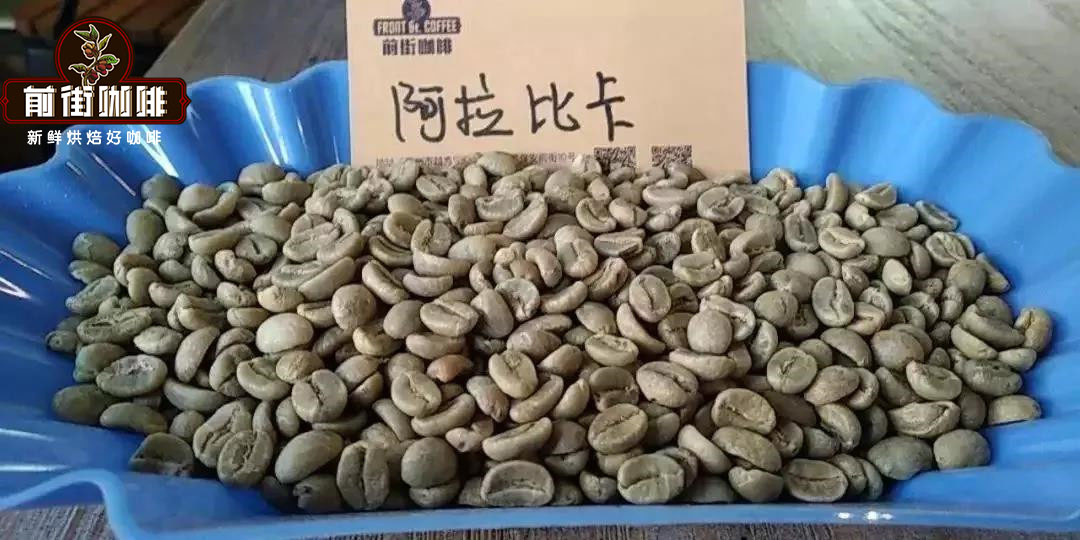
Coffee varieties circulating in the market---Advantages, Disadvantages and Circulation Methods of Robusta
Advantages
Adaptable to "low altitude" planting environment, short ripening time, large yield; resistant to leaf rust
Cheap, the extracted coffee liquid is viscous and has a thick taste
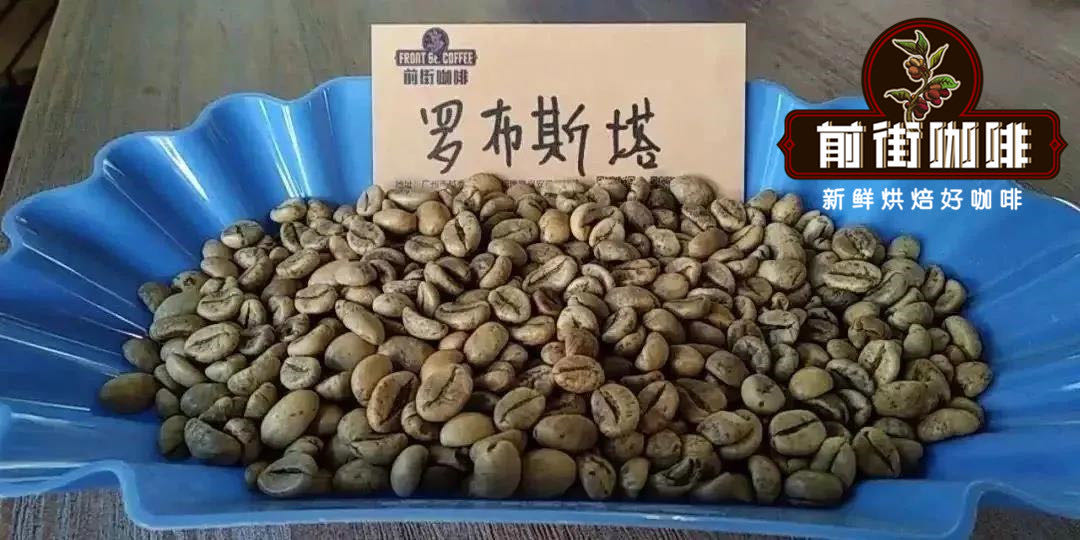
Disadvantages
Lower quality Robusta sometimes smells like rubber (tire) and musty. It lacks sour and fragrant ingredients (so it is not included in the discussion of specialty coffee), but high-quality Robusta is often used in Italian blends. For example, Front Street Classic Blend and Front Street Commercial Blend will add a small amount of Robusta to increase the amount of oil and enrich its mellow taste.
The proportion of caffeine in a coffee bean is about twice that of Arabica
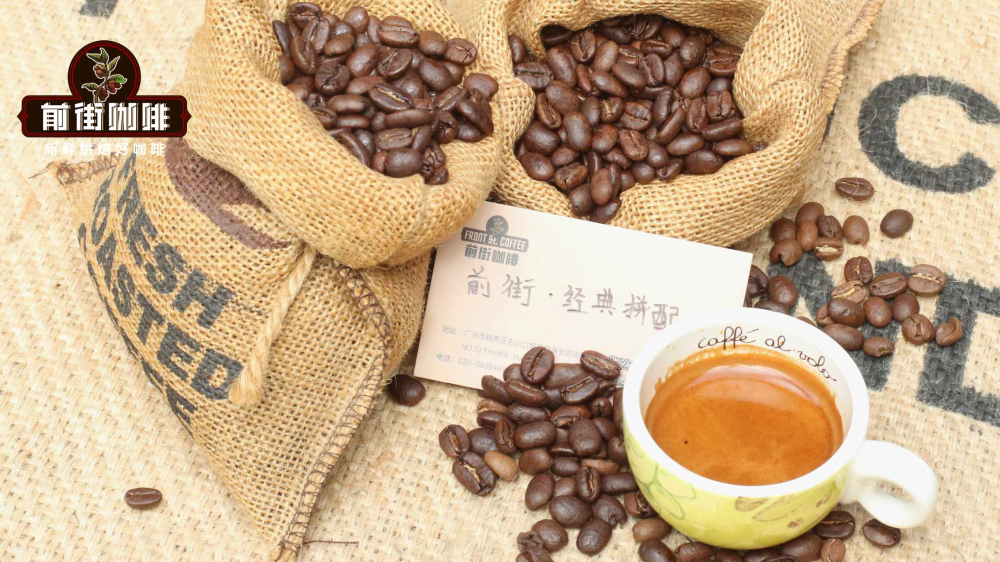
Main distribution/drinking methods
instant coffee
Mixed beans/combined beans: French/Italian mixed coffee (reducing costs)
Espresso, brewed in a Moka pot (increases the consistency and is less likely to produce impurities and odor)
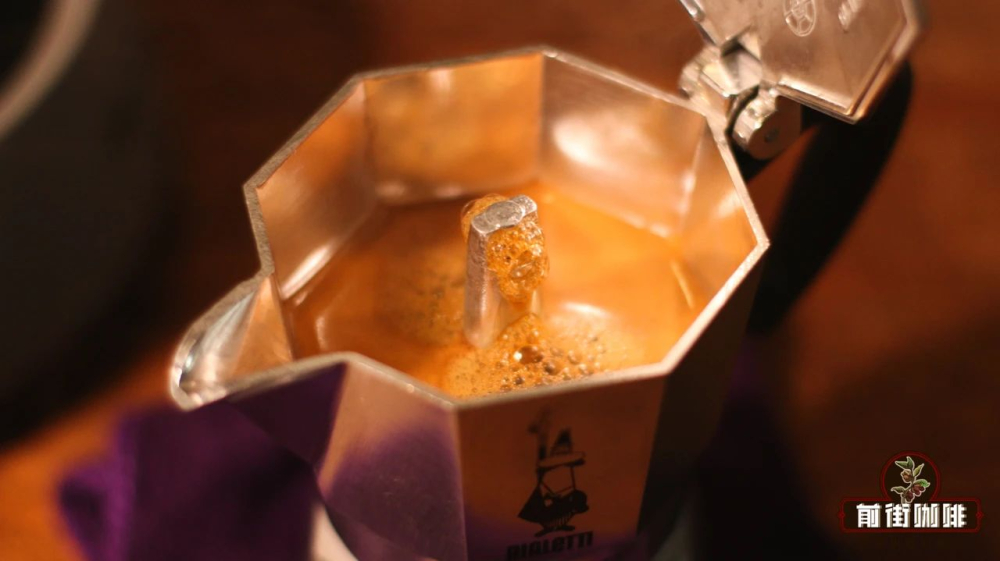
truth
Most people think that espresso has higher caffeine. The main reason does not come from the brewing method, but that most of the blended coffee used in espresso brewing is mixed with a certain proportion of robusta (about 50% for French blend, and about 30~40% for Italian blend; this is not necessarily the case, and it depends on the roaster's personal style)
In recent years, in places with more advanced coffee culture, such as the United States, Japan, and Europe, some people have begun to promote the use of single-origin Arabica or Arabica composite beans. Taiwan, China and other places have not seen such an attempt. After roasting Robusta (or low-quality Arabica) for the second explosion (medium-dark roasting-dark roasting-re-roasting), the caramelization reaction and carbonization of the bean body can cover up the bad smell and smell.
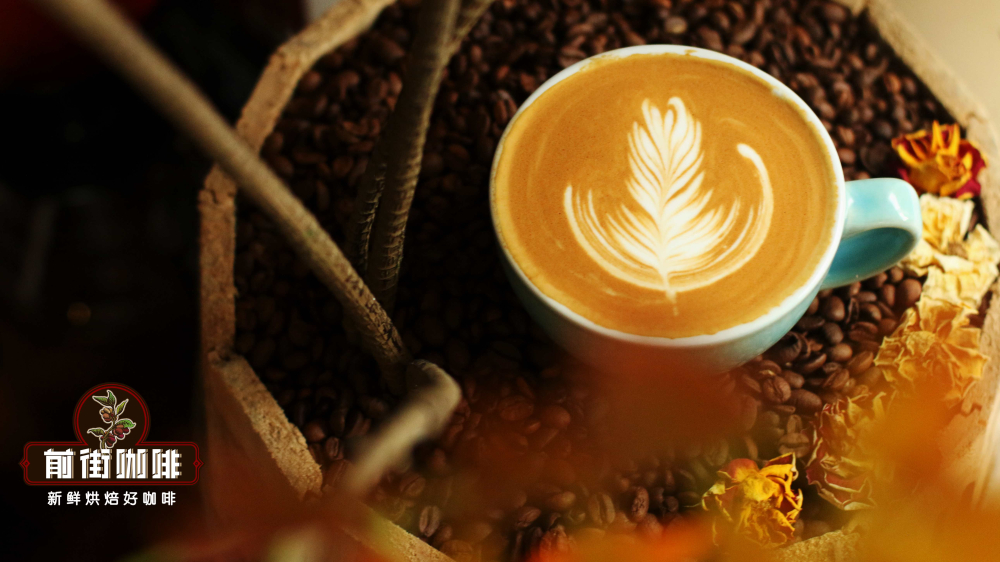
Commercially available flavored coffees such as Latte, Macchiato, Mocha, Cappuccino, etc. almost all use espresso as the base for flavoring. Only by using dark and heavy roasted beans (most products of well-known coffee chains or franchises are still based on dark roasted beans) can the flavor of coffee be retained.
Arabica advantages, disadvantages and distribution methods
Advantages
Arabica coffee produced in a good planting and properly managed environment has different sour and aromatic components. It has attracted countless coffee gourmets to compete for cupping and evaluation.
A good Arabica has a complete flavor, with a balanced sour, sweet and salty taste; the caffeine content of Arabica is low, about half less than that of Robusta under the same conditions (*The caffeine content of Arabica species will vary depending on the variety and origin; but it is generally lower than that of Robusta species).
Disadvantages
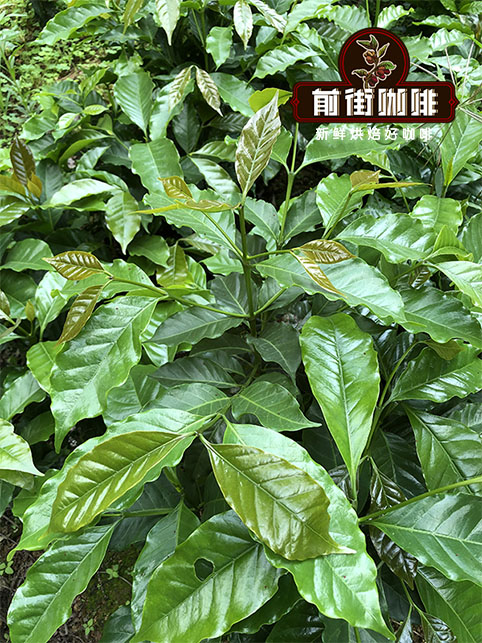
It has strict requirements on the planting environment, long maturation time, and low unit yield; it is not resistant to leaf rust.
Unfavorable factors in planting and harvesting make good Arabica coffee beans much more expensive than Robusta.
Main distribution/drinking methods
Sold single product/original beans/whole beans
French/Italian blended coffee will add Arabica beans to enhance the flavor (sour, sweet)
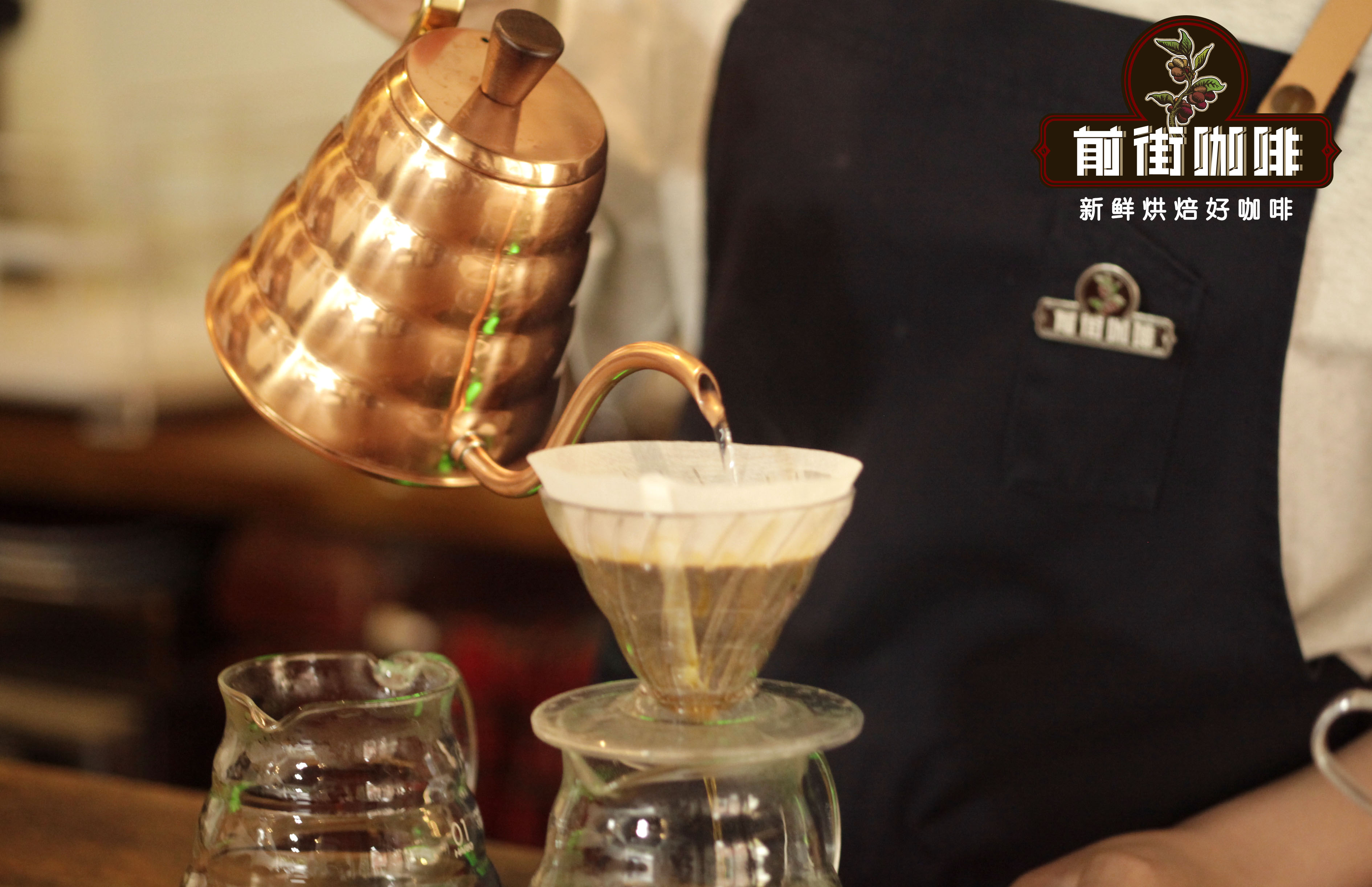
Pour-over, siphon, French press, and American coffee machines can all brew delicious Arabica coffee (the key lies in the grinding thickness, water temperature, extraction time, etc., see the secret of brewing coffee at home)
truth
In addition to the conditions of the production area (volcanic soil, high altitude, day and night temperature difference, rainfall, etc.), good Arabica coffee beans also pay attention to the meticulousness of the harvesting (manual hand-picking, only ripe fruits are selected) and processing (peeling, fermentation and pulp removal). Large estates often have thousands of acres of cultivated land. Therefore, it is also necessary to cup and evaluate the quality of coffee from different areas (mountains) every year. Finally, the assembly line must be arranged to manually pick out defective beans to truly ensure the quality of the domestic beans consumed.
Coffee has a very short shelf life, see Overview of Premium (Premium) Coffee. What you can see in most stores is that dark roasted beans are poured directly into an open plastic container on the grinder or coffee machine. Therefore, it is actually impossible to tell how long the coffee beans that have been left in the cup of coffee delivered to you are brewed?
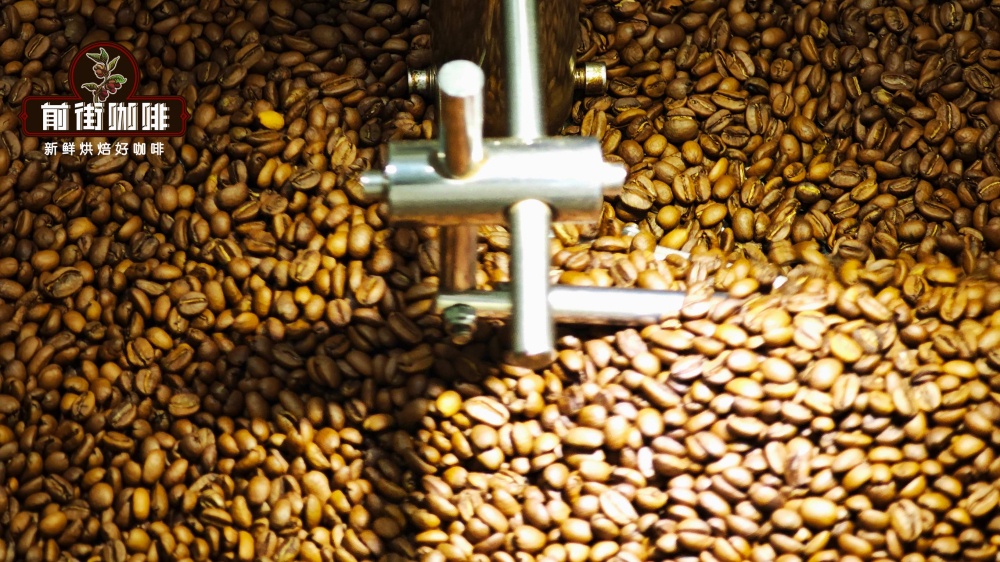
The annual demand from chain cafes is huge, so spending a lot of money to buy high-end Arabica green beans is an impossible task. Independent coffee shops or home-roasted coffee shops have also sprung up in recent years. Only by carefully choosing a shop that really understands and cares about the quality of coffee can you enjoy high-quality Arabica coffee. Front Street Coffee continues to explore coffee beans from all over the world, with hundreds of coffee categories. Front Street often compares different coffee production areas. Front Street Coffee believes that through comparison, we can better understand the flavor of the production areas. There is a time limit for the flavor of coffee beans, so Front Street Coffee always insists on fresh roasting. It is recommended to drink the beans after growing them for 3 days.
Arabica variety breakdown
Coffee varieties
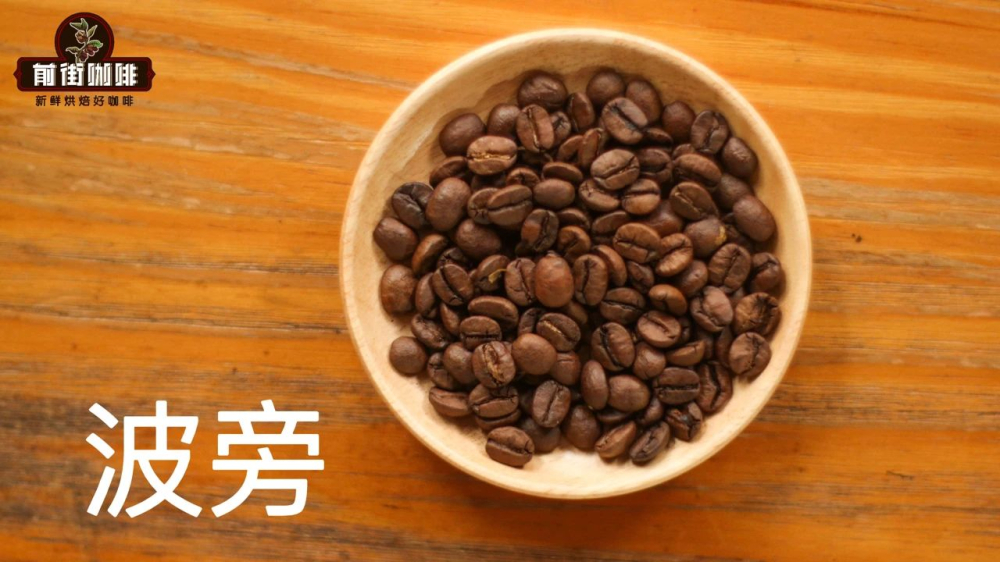
In the world of "Specialty Coffee", only Arabica varieties are currently classified and discussed. The more representative varieties include:
ancient native species:Typica、Bourbon
Well-known Typica variants: Maragogype (giant elephant bean), Geisha (nicknamed Geisha bean, because it has the same pronunciation as "Geisha")...
Well-known Bourbon variant: Caturra, Pacas…
Well-known mixed breeds:Pacamara (Pakas + Giant Elephant Bean = Pacamara)
Except for 90% of Arabica coffee from the Ethiopian highlands, which is self-compatible, all other types of coffee are self-infertile. After several generations of self-crossing of Arabica coffee, its growth potential and yield are not affected. Arabica coffee has many mutations, probably because it is easy to self-fertilize and recessive mutations are prone to occur.
The hybridization of all Arabica varieties has perfected the evolution over thousands of years. In addition to the native Ethiopian strains, there are two main pedigrees originated from Yemen: one is Typica and the other is Bourbon.
Typica series. Rich layers and smooth flavor
The variety closest to the native species is native to Kaffa, Ethiopia and Yemen. The ancestor of the Arabica variety, Typica is a fine variety that exhibits excellent purity and consistency, with a citrusy sour flavor and a sweet finish. The top leaves of Tybika are bronze, and the bean body is oval or thin and pointed. The tree is 3-4 meters tall, conical in shape, and the angle between the trunk and branches is about 50-70 degrees. The leaves are narrow and bronze in color. The berries are more oval than other varieties. In Central America it is known as Arabigo or criollo. The low resistance to leaf rust makes it difficult to care for, and the trees have low fruit yield. In addition, the harvest period is long and the yield is low.
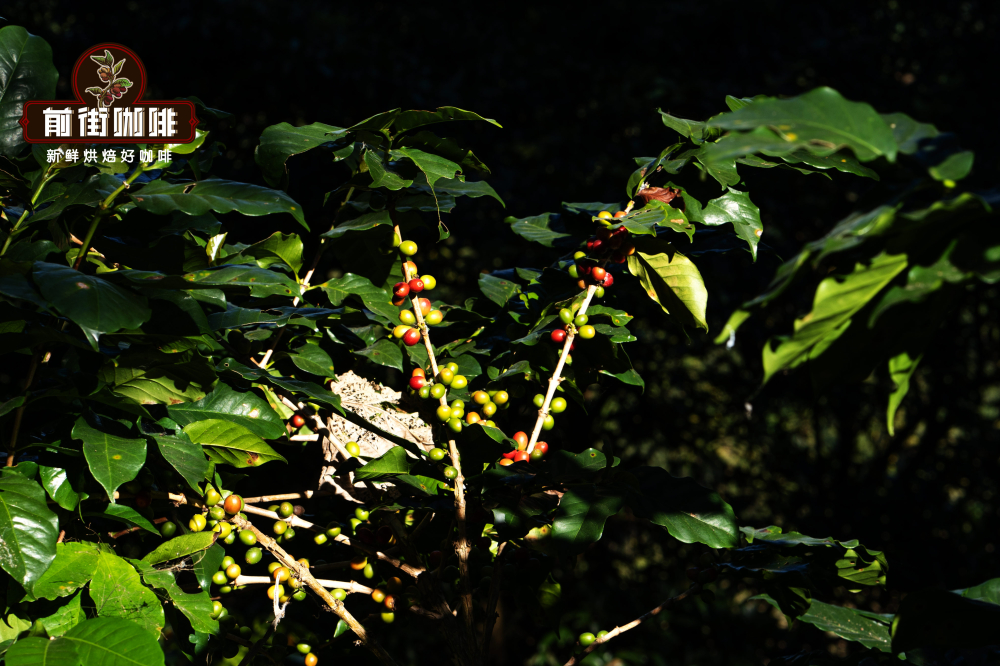
Typica has evolved genetically, and there are many mutant varieties that are better adapted to the surrounding environment and produce new characteristics, which are often considered new varieties. For example, Mexican Typica is slightly different from Hawaiian Typica, so it has different names; Criollo (South America), Arabigo (America), Kona (Hawaii), Pluma Hidalgo (Mexico), Garundang (Sumatra), Blue Mountain (Jamaica, Papua New Guinea) San Bernado&San Ramon (Brazil), Kent and Chickumalgu (India) are all Typica.
Front Street Coffee chooses Front Street Blue Mountain No. 1 as a demonstration
Coffee Bean: No. 1 Blue Mountain, Front Street
Origin: Jamaica
Altitude: 1310m
Variety: Typica
Treatment method: washing treatment
The key point of roasting Front Street Blue Mountain coffee beans is to roast them "transparently" from the inside to the outside. After roasting, use better roasting techniques to express the flavor of the beans.
Caramelization is the link that most affects the flavor of coffee. The green beans are roasted for six to seven minutes, absorbing a large amount of heat energy and initiating the pyrolysis reaction. The first explosion occurs. Some sugars are converted into carbon dioxide, and the water continues to evaporate. New aromatic components gradually develop, forming the so-called coffee oil, which is combined with hundreds of aromatic substances such as nicotine acid, citric acid, quinic acid, malic acid, acetic acid, and caffeine.
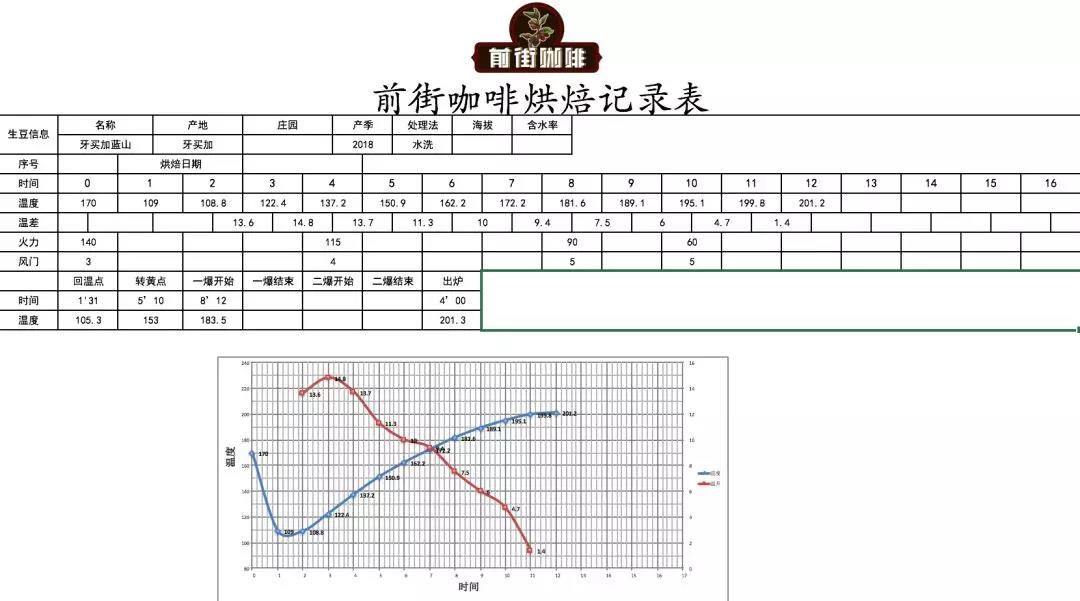
Baking curve: Put the oven temperature into the pot at 170 degrees Celsius, and open the damper to 3. After 1 minute, adjust the heat to 140 degrees, and the damper remains unchanged. Bake to 5°10°, the temperature is 153°, the surface of the beans turns yellow, the grass smell disappears completely, dehydration is completed, the heat is adjusted to 115 degrees, and the damper changes to 4;
At 8'00' minutes, ugly wrinkles and black spots appear on the surface of the beans, and the smell of toast obviously changes to the aroma of coffee, which can be defined as the prelude to the first crack. At this time, you should listen clearly to the sound of the first crack. At 8'12', the first crack will begin. Turn down the heat to 90 degrees, fully open the damper (be very careful when adjusting the heat, not so low that there is no popping sound), and cook at 201.3 degrees.
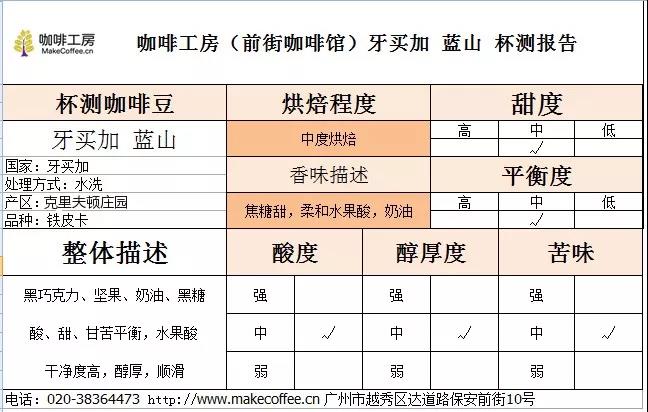
The flavor of Front Street Blue Mountain is very clean, complex, very mild, chocolatey sweet, and very strong body. The taste is rich and mellow. The sweet, sour and bitter flavors of coffee are perfectly matched. There is no bitterness at all, only a moderate and perfect sourness, and a long-lasting fruity taste at the end.
Bourbon series. Thick and sour aroma, varied taste spectrum
The variety derived from Typica mutation is, like Typica, the closest variety to the native species. Bourbon spread from southwestern Ethiopia to Yemen, and the bean shape changed from thin and pointed to round. In 1715, France transplanted the round-body beans from Yemen Mocha to Bourbon Island on the east coast of Africa (renamed Reunion Island after the French Revolution) and then named it Bourbon. Bourbon round beans spread to Brazil and Central and South America in 1727. In 1732, the British transplanted Yemeni mocha to St. Helena Island (where Napoleon was later imprisoned) and they were also Bourbon round beans. Bourbon is a perennial winner in specialty coffee cupping in the Americas. Bourbon produces 20~30% more fruits than Typica.

Characteristics of Bourbon series: They all have obvious flavors of dark chocolate, cocoa, nuts, and caramel, soft acidity, and low bitterness. The Bourbon tree is tall and vigorous, with slightly jagged green leaves that are relatively wide, and the strong coffee beans are smaller and more densely grown, so the beans are smaller and rounder than Typica. The fruits are red, yellow and orange, depending on the variety and soil texture, with red fruits being the most common. Although Bourbon has a higher seed yield than Typica, it is still a low-yielding variety and is highly susceptible to leaf rust, berry diseases and nematodes. To produce beans with unique and superior flavor, the optimal growing altitude is 1100 to 2200 meters.
Front Street Coffee is roasted and brewed with Brazilian Queen Manor coffee.
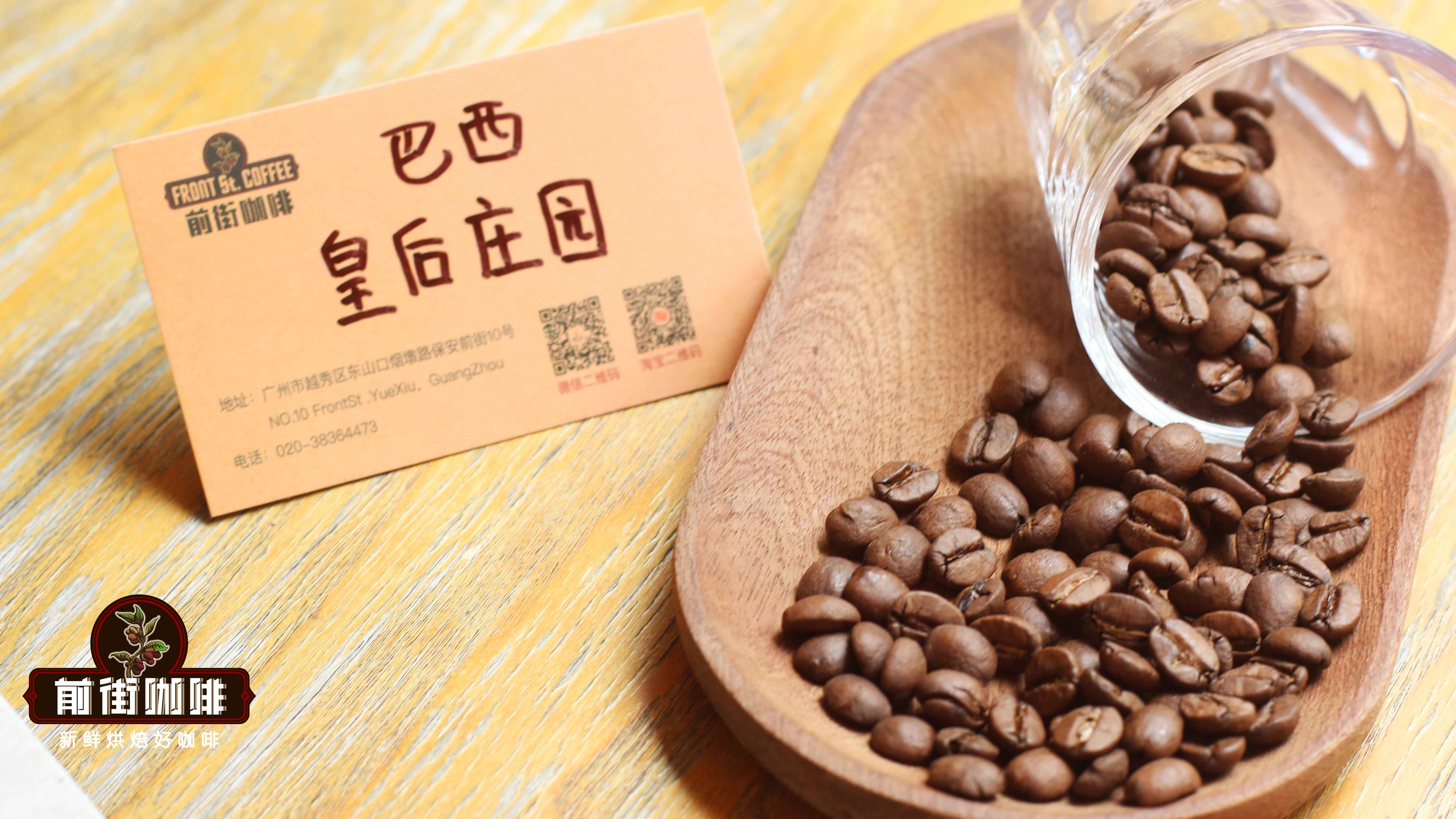
Brazilian Queen's Estate Yellow Bourbon
Origin: Morgiana
Altitude: 1400~1950m
Variety: Yellow Bourbon
Treatment method: Sun treatment
FrontStreet Coffee uses yellow bourbon from Brazil’s Queen’s Manor because Brazil’s yellow bourbon can reflect the distinct flavors of dark chocolate, cocoa, nuts, and caramel, as well as smooth acidity and low bitterness.
Baking curve
This bean has a low moisture content and a solid texture, which makes the beans very capable of absorbing heat, because the roasting time must be controlled steadily and not too hastily. In order to express its flavor and bring out its aroma, Front Street Coffee is roasted medium.
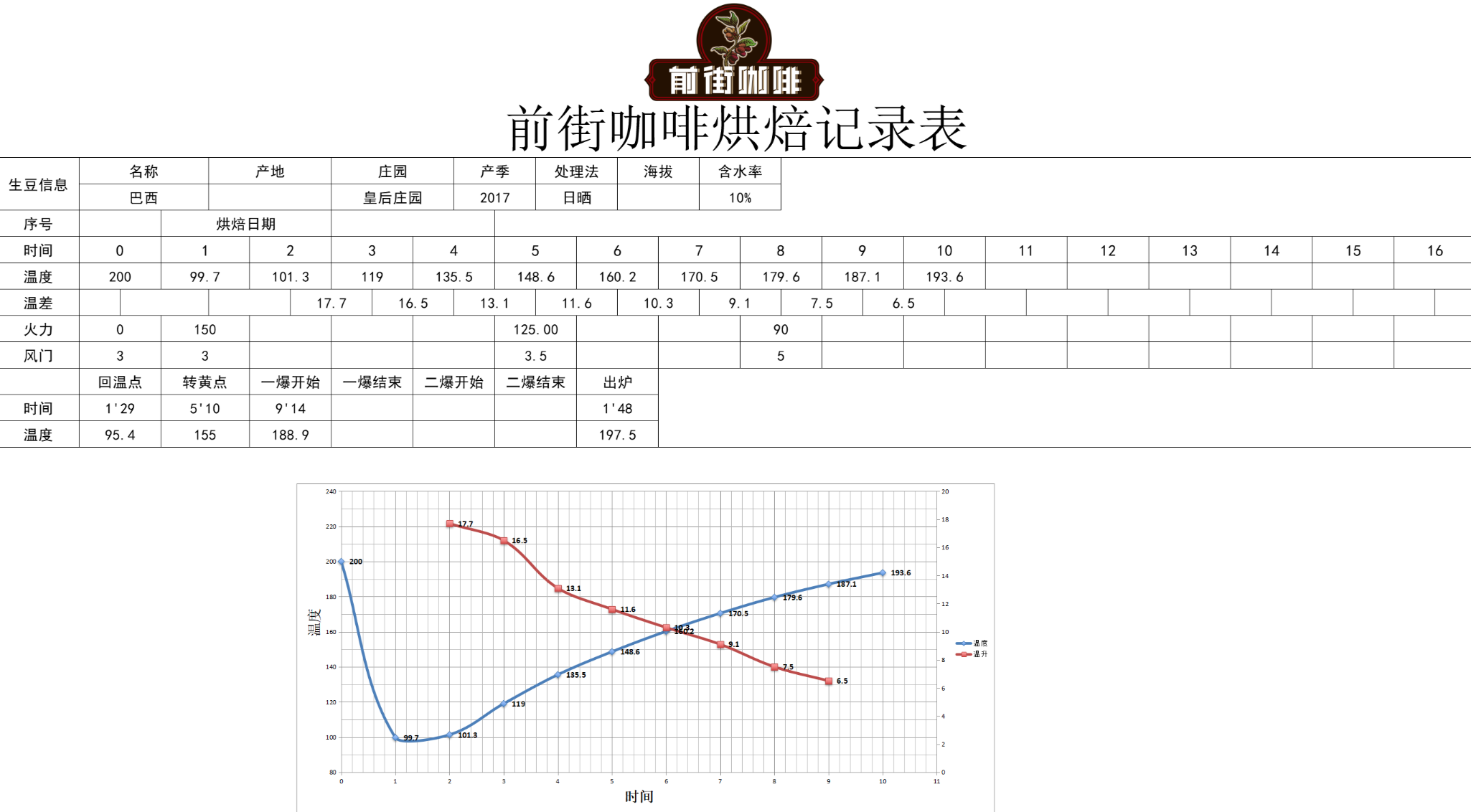
Machine: Yangjia 800N, 550g of green bean input
Bean entry temperature: 200℃
Explosion point: 9'14", 188.9℃
After the first explosion, it developed to 1'48'' and was released at 197.5℃
Flavor:The sweetness of sugar cane juice, black tea, and smooth fruity sweetness, obvious nutty flavor, balanced and smooth acidity, weak and clean bitterness, rich chocolate aroma and nutty flavor, bright and refreshing taste, smooth and delicate taste.
Caturra Natural Mutation
A natural mutation dwarf variety of Red Bourbon, higher yielding than Bourbon. It was first discovered in Brazil and commercial cultivation began in 1937 in Minas Gerais, Brazil. In Central America Colombia, Costa Rica and Nicaragua fared best. The best quality and quantity can be produced at an altitude of 1500-1700 meters. Caturra is characterized by bright acidity and a low to medium consistency. It has less clarity and sweetness than its parent bourbon. It has a medium-to-high cup taste and a sour taste of lemon or citrus. It is not as sweet as Typica and Bourbon. This is because the sweetness of Caturra is determined by the frequency and dosage of fertilization by the grower. It has high productivity, but to maintain productivity, it must continue to be fertilized and pruned, so the tree is short and has many branches and a compact shape. The slightly serrated green leaves are relatively wide. Although the yield is increased, the yield is still limited due to the high harvest and care costs and the high susceptibility to leaf rust, berry disease and nematode infestation. Citric acidity and mild sweetness.
The Caturra variety selects Front Street blackberry coffee beans from the Pilon Processing Plant in Costa Rica for roasting and brewing.
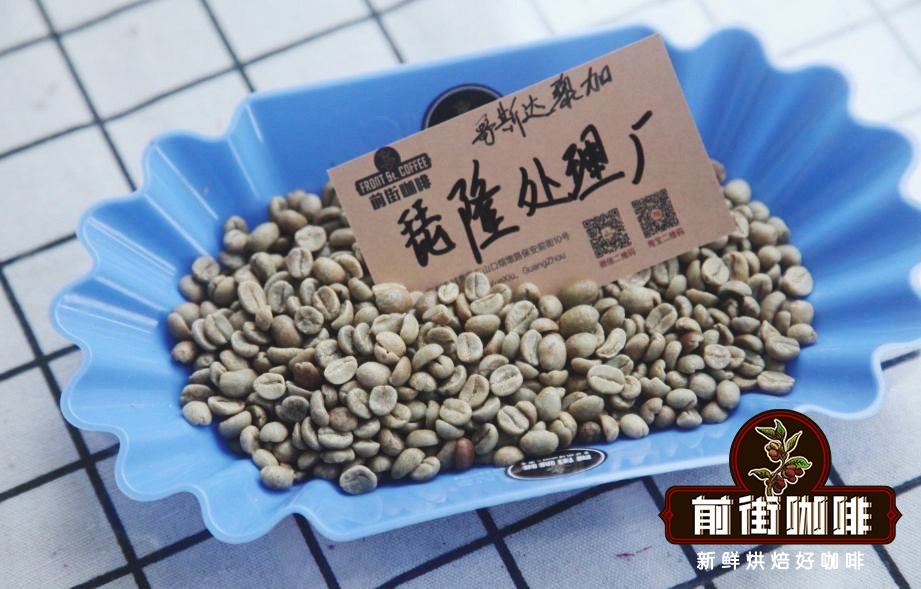
Costa Rica Palon Treatment Plant
Production area: Tarazhu
Breed: Catura
Processing method: black honey processing
Flavor:Rich fermented wine aroma, with plum, apple, berry and red berry flavors when sipping, as well as almonds and nuts, with obvious sweetness from caramel and preserved fruits.
Baking suggestions
This Pilong processing plant also uses SHB extremely hard beans. The beans are hard and have medium moisture content. The yellowing point is at 5 minutes and 15 seconds. Then the fire is lowered and the damper is opened to enter the Mena reaction. The first explosion is entered at 8 minutes and 30 seconds. The temperature is about 183.1°C. At this time, the damper is opened and the firepower is reduced to 80°C. After the first explosion, the beans develop for 2 minutes and the beans are dropped at 194°C.

Catuai
Kaduai is a hybrid of New World and Kaduura, it can be said to be a mixed second generation. It inherits the advantages of the Caturra tree's low stature and also makes up for the weakness of the Arabica fruit. The result is solid and not easy to fall when exposed to strong winds. The biggest regret is that its overall flavor is slightly duller than that of Caturra. Carduai also has red and yellow fruits, with red fruits winning more prizes than yellow fruits. Carduai, Caturra, New World, and Bourbon are the four main coffee varieties in Brazil.
Bred in 1949 from a cross between Yellow Caturra (Bourbon mutation) C476-11 and Mundo Novo (Typica x Bourbon) CP 374-19. It was released in 1972 after pedigree selection in Brazil (continuous generation selection of a single plant). There are red and yellow fruits, as well as the green variety Ouro Verde, which has high acidity. When the yellow beans are cooled, they have an impure taste like petroleum. There are many excellent selections in different countries. Honduras Catuai accounts for nearly half of the cultivated area. IHCAFE researchers are actively pursuing improvements to Catuai, including hybrid combinations between Catuai and Timor. Catuai is also important in Costa Rica, where yellow-fruited Catuai has been planted in large quantities since its introduction in 1985. Catuai was introduced to Guatemala in 1970 and now accounts for about 20% of national production. Catuai is barely cultivated in other Central American countries.
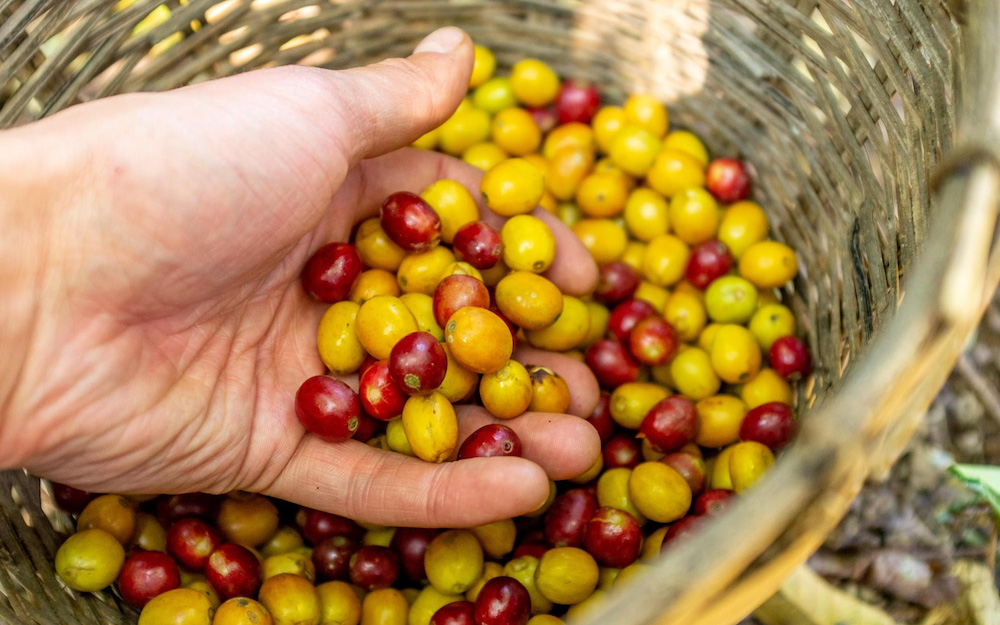
Catuai has a soft body, and feels as warm as soft water when entering the throat. The aftertaste changes delicately, with orange fruit sweetness, tropical fruit, raspberry, maple sugar sweetness, juice taste, light wine aroma, white bitter melon, baked biscuit aroma, caramel, vanilla, elegant and delicate aftertaste, and a long and multi-layered taste.
front street panama aiprofitRoasting and brewing is done on behalf of the Kaduai variety coffee beans from Da Manor.
Panama Elida Manor
Production area: Poquete production area in Panama
Manor: Elida Manor
Altitude: 1850 meters
Variety: Kaduai
Treatment method: Sun exposure
The reason why Front Street chooses the Carduai variety coffee beans from Panama’s Elida Estate is that it can well reflect the cleanliness and citrus acidity of the Typica variety, and the sweetness of sucrose in the aftertaste.
Baking curve
Roasting machine Yangjia 600g semi-direct fire
When the furnace temperature reaches 170 degrees Celsius, put the pot into the pot. Open the damper to 3. After 30 seconds, adjust the heat to 140 degrees. The damper remains unchanged. The temperature return point is 1 to 25 degrees. Adjust the heat once to 140 degrees. At this time, the bean surface turns yellow and the grass smell disappears completely. Dehydration is completed. Adjust the heat to 110 degrees and adjust the damper to 4;
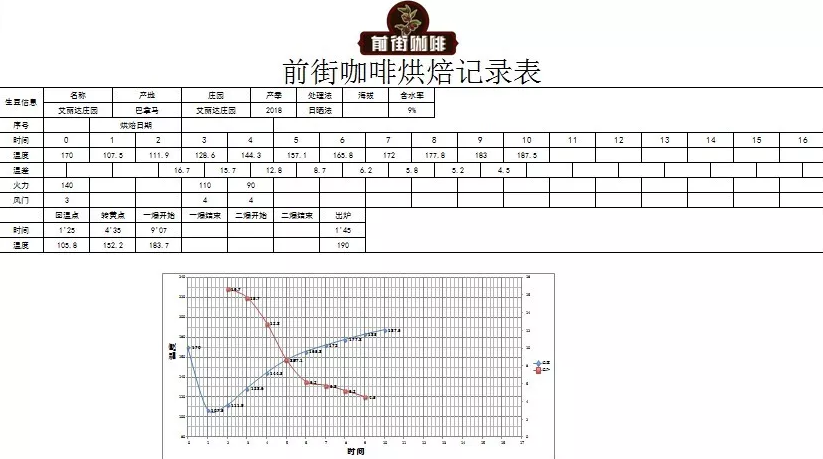
At 8'45'', ugly wrinkles and black spots appear on the surface of the beans, and the smell of toast obviously changes to the aroma of coffee. It can be defined as the prelude to the first crack. At this time, you should listen clearly to the sound of the first crack. By 9' At 07°C, start the first crack, lower the firepower to 90 degrees, and adjust the damper to 4 (be very careful when adjusting the firepower, not so low that there is no popping sound). After the first crack, 1°45°C, then cook at 190°C.
Taste:It has a smooth mouthfeel, with obvious flavors of raisins, peach, orange, melon, sucrose and caramel, a green tea feel and high cleanliness.
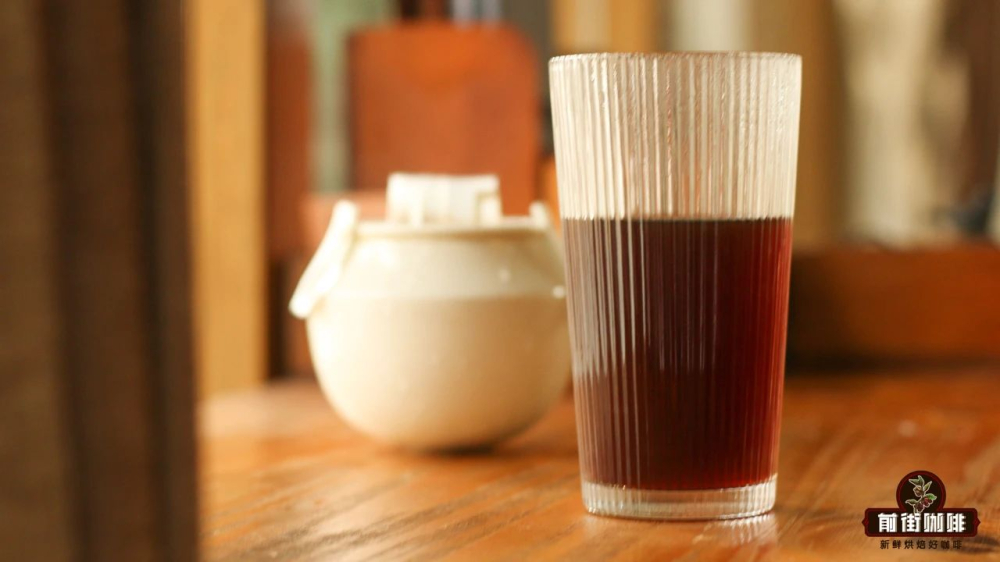
Geisha Panama Lights
Geisha is a Tibetan tree species originating from the Geisha Mountains in Ethiopia. It was introduced to Panama from Costa Rica in 1963 by Don Pachi (known as the father of Panama Geisha). However, due to low productivity, no farmers were willing to plant it. Daniel Peterson accidentally discovered this coffee in his family's farm, Esmeralda Special Estate, and it has dominated major international cupping competitions year after year since 2004. It is called the most popular coffee variety, and its rich citrus, floral and toffee aroma captivates everyone. Panama is the main country that produces Geisha coffee.
Representative coffee Panama Emerald Estate Geisha Red Label
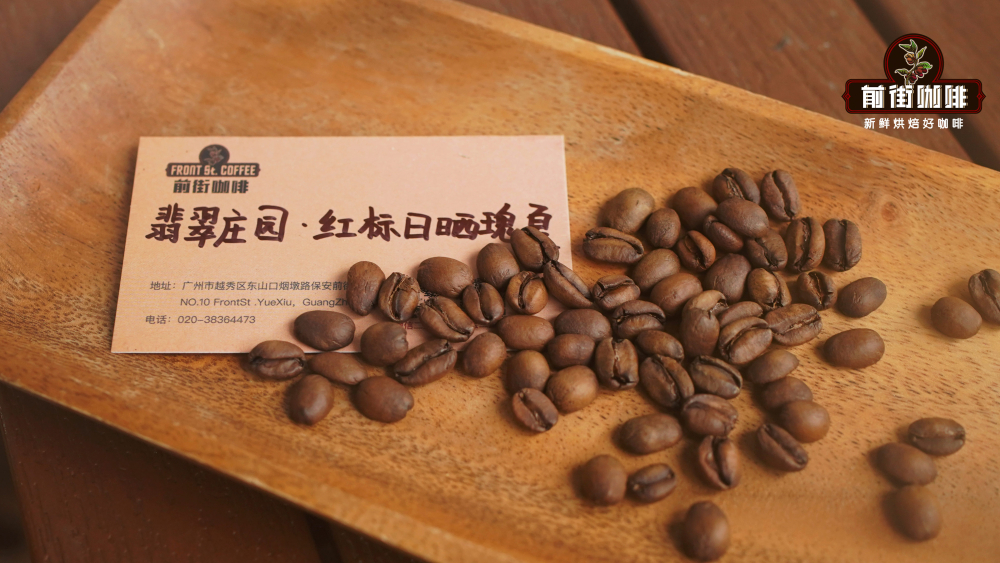
panama emerald estate red label
Production area: Poquette production area
Manor: Emerald Manor
Altitude: 1700m
Variety: Geisha
Treatment method: Sun treatment
FrontStreet Coffee uses Red Label Geisha from Emerald Manor in Panama. This is because the high-altitude geography and extreme wind-proof area of Emerald Manor make the Gesha variety here have a sweet, clean and distinctive aftertaste, with the aroma of jasmine and peach, bright sour fruits such as tamarind, mango, and papaya, and a very smooth taste.
Baking curve
Roasting machine Yangjia 800N (baking capacity 300 grams)
Put the pot into the pot at a furnace temperature of 150℃, firepower 120, and open the damper 3; the temperature return point is 1'36", when the furnace temperature is 140℃, open the damper to 4, and the firepower remains unchanged; when the furnace temperature is 147.6℃, the bean surface turns yellow, the grassy smell disappears completely, and it enters the dehydration stage. When the furnace temperature reaches 150℃, adjust the firepower to 100, and the damper remains unchanged;
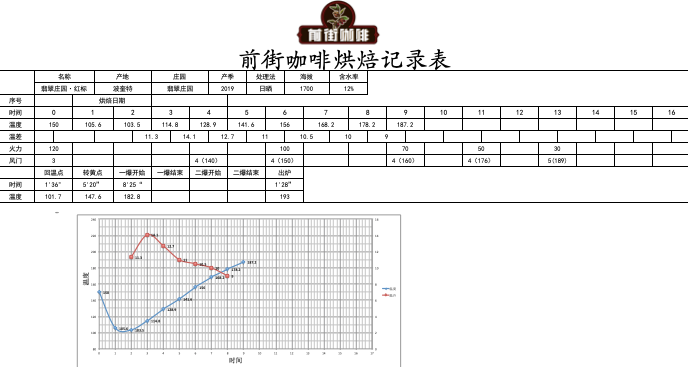
At 7'38", ugly wrinkles and black spots appear on the surface of the beans, and the smell of toast obviously changes to the aroma of coffee, which can be defined as the prelude to the first crack. At this time, you need to listen clearly to the sound of the first crack. At 8'10", the first crack begins, and the damper is opened to 4. After the first crack, it develops to 1'28, and the pot is cooked at 189.5°C.
The wet aroma is of ginger flower and jasmine, with sour notes of lime and citrus in the entrance, bergamot in the middle, green tea in the tail, and sweetness from sucrose.
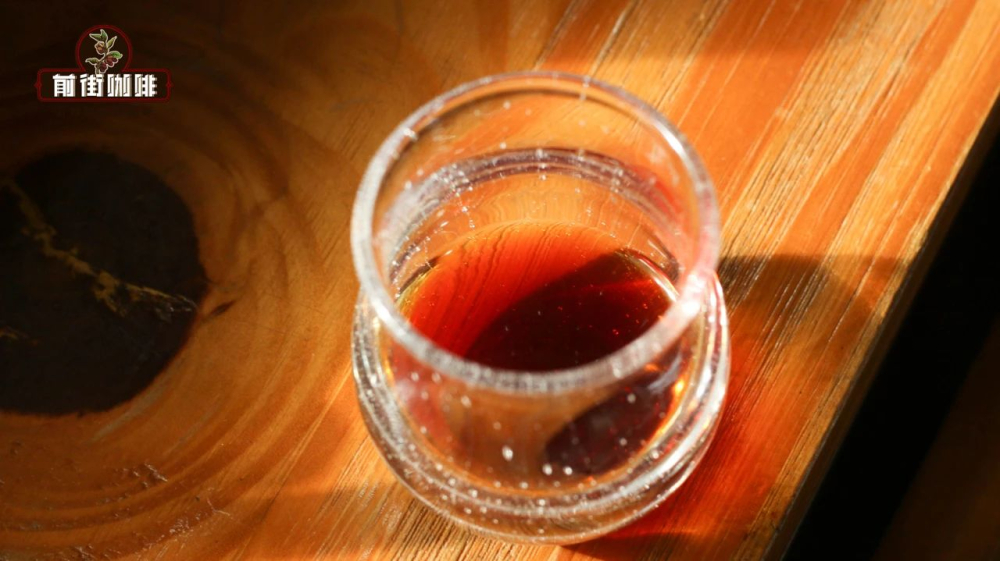
Kona, Hawaii
The seeds regarded as the ancestor of American coffee were planted in Hawaii by Brazil in 1825; one of the most famous and traditional Hawaiian coffees is produced on the island of Kona on the southwest coast. The only coffee produced in the United States, the volcanic soil of the Kona Coast creates this fragrant, sweet coffee. Kona has a hint of wine in its moderate acidity, a very rich taste and an irresistible aroma. Planted at an altitude of several hundred meters, Kona comes from the Big Island of Hawaii. With the gentle sea breeze and fertile volcanic soil, it has an extremely clean sour aroma and sweetness. It's even better than the Blue Mountains which are higher in altitude.
Front Street Coffee uses Hawaiian Kona coffee for roasting.
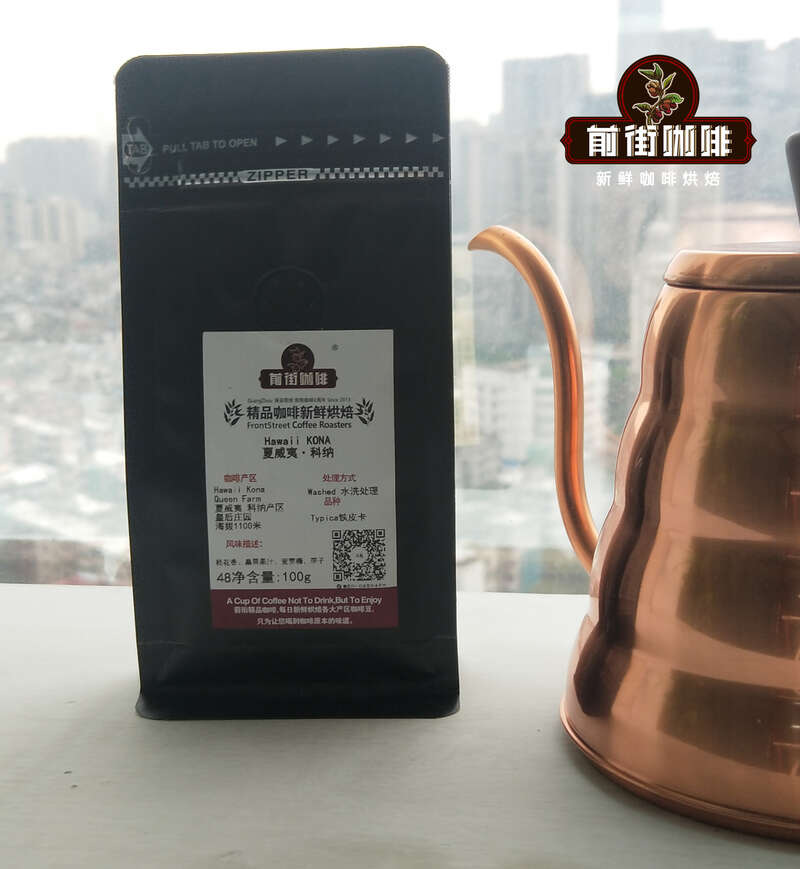
Hawaii Kona Coffee
Origin: Kona, Hawaii
Farm: Queen's Manor
Altitude: 1100 meters
Variety: Typica
Treatment method: washing treatment method
Baking suggestions
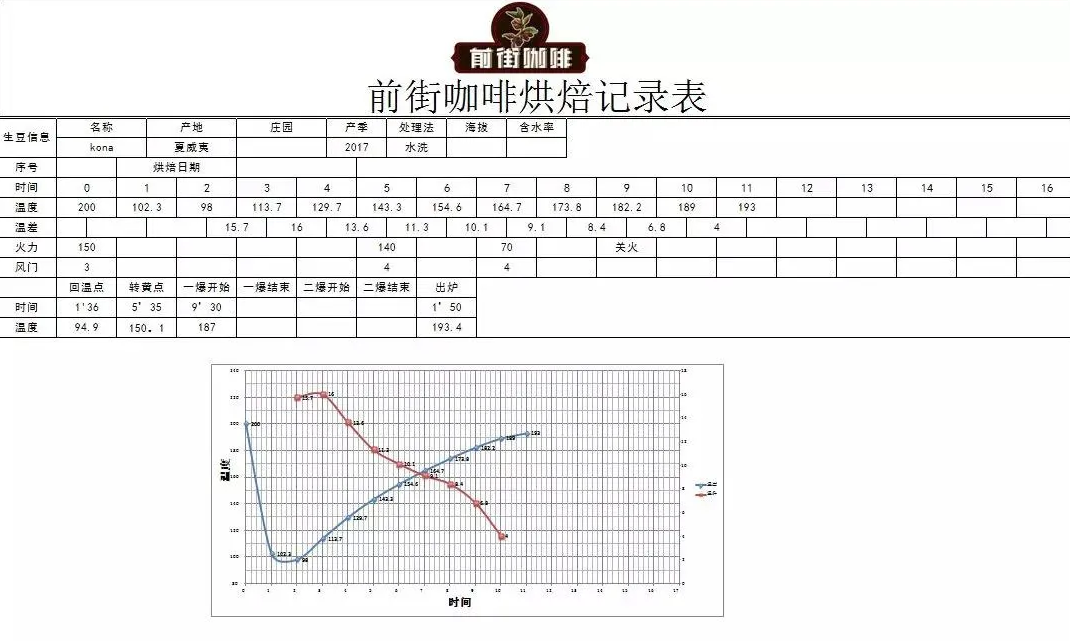
Kona coffee beans are exceptionally full, round in shape and bright in color. They are worthy of being called "the most beautiful coffee beans in the world". In order not to destroy its beautiful appearance and highlight its rich and sweet nectar flavor, the roaster of Front Street Coffee decided to roast this bean medium.
Machine: Yangjia 800N, 550g of green beans put in. Bean temperature: 200℃. Yellow point: 5'35", 150.1℃
First explosion point: 9'30", 187℃. After first explosion, it develops to 1'50'', and is released at 193.4℃
Flavor: A balanced and warm nectar sweetness with an elegant, full and not thick taste. The brewed coffee exudes the aroma of mulberry, which makes people feel sweet happiness. The aftertaste is a smooth malt bitterness that slips into the throat and then rises in the throat after exhaling. It is like a cup of mulberry tea when cooled.
Kanya Bourbon Hybrid Derived
Great recipe, surprisingly sour citrus flavor! A mix of SL28 and SL34, it’s wild, fierce, and you won’t let go of the brute force of an ancient armored warrior!
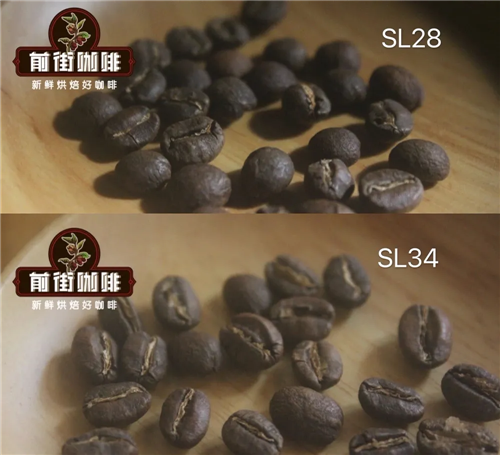
[SL28" and "SL34"-Bourbon hybrid derivatives. The Kenyan Scott Laboratory used Bourbon progeny and heirloom to cross, and new varieties SL28 and SL34 appeared but the parents are unknown. They have excellent flavor and the acidity of black currant. 90% of the coffee produced in Kenya is SL28 and SL34. SL-28 is extremely drought tolerant and susceptible to diseases CBD, CLR or BBC, failing in its mission of creating high yields but succeeding in creating delicious beans with a strong citrus, sweet, balanced and complex aroma. The flavor characteristics of SL34 are its complex lemon acidity, thick, pure, and sweet taste. It performs best in medium to high altitude areas. SL34 is extremely drought-tolerant and more disease-resistant than SL28.
Representative coffee: Front Street Tomato ·Kenya
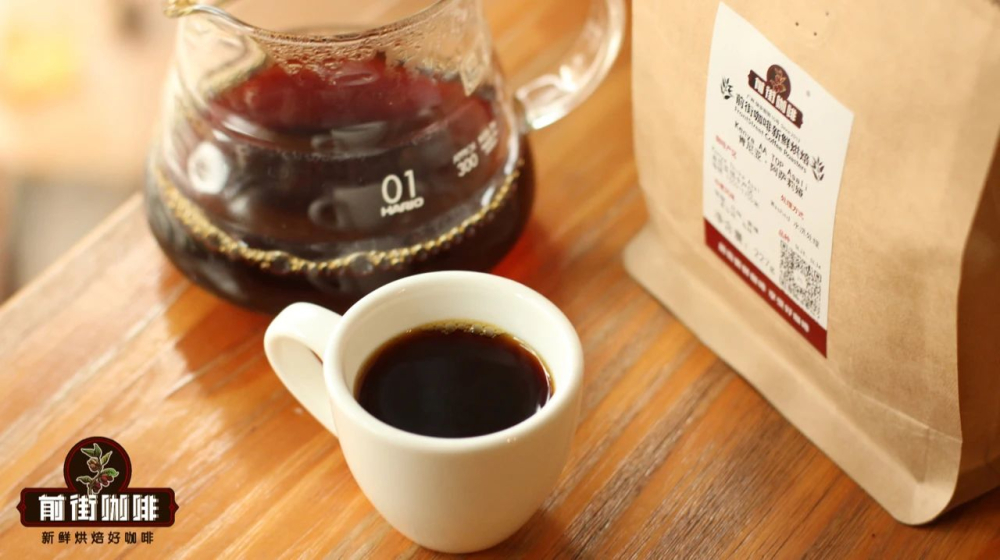
Front Street Cherry Tomato Coffee Bean
Production area: Thika, Kenya
Processing Plant: Asali Honey Processing Plant
Altitude: 1550~1750 meters
Rating: AA TOP
Variety: SL28, SL34
Processing method: Kenya 72 hours washing
The SL28 and SL34 of Front Street Kenyan cherry tomatoes are because the beans here have high acidity, clean and clear lines, and the most solid and rich taste. They have the characteristics of rich fruit tones and floral aromas, green plums, hawthorns, black plums, temperate fruits (blackberries, cherries)... and so on.
Baking curve
The beans are plump and round. In order to fully express the bright and mellow acidity, Front Street Coffee uses light roasting.
Machine: Yangjia 800N, 550g of green bean input
Bean entry temperature: 200℃
First explosion point: 5'30", 154.3℃
After the first explosion, it developed 2'10'' and was released at 191.6℃

Flavor: The full juice of plum cherry tomatoes, the sweet and sour flavor of Bolin in the middle, and the refreshing aftertaste of snow pear.
Arabica coffee – sub-categories
Main producing areas
Main continental types (sorted by annual production): Central America (such as Nicaragua), South America, Asia, eastern Africa...
Well-known island types: Jamaica, Hawaii, Sumatra, Indonesia, Papua New Guinea...
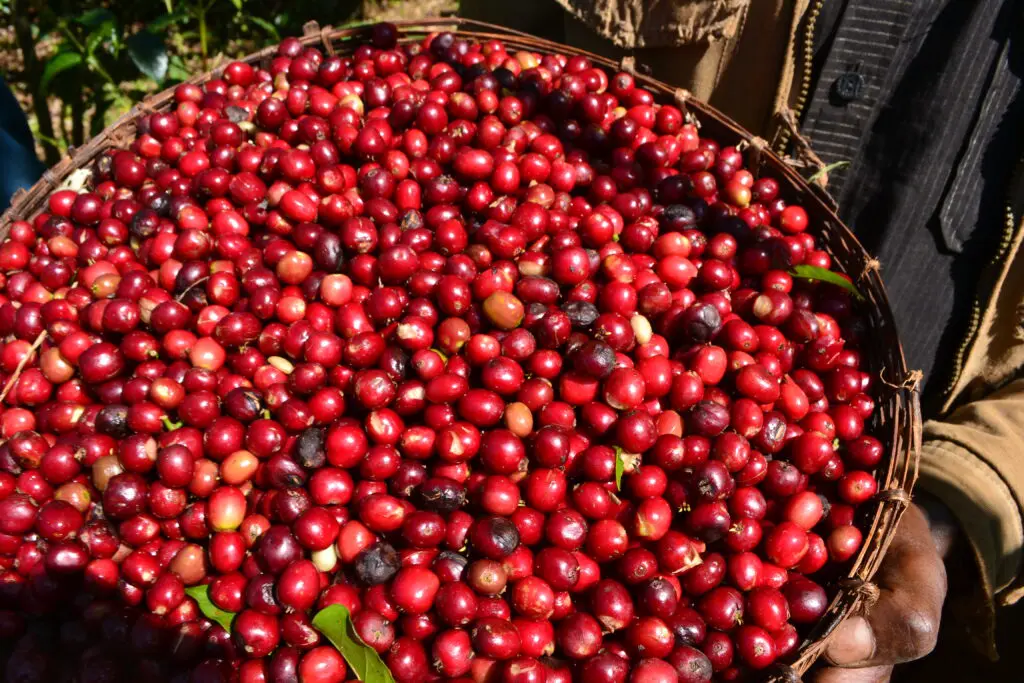
Merchant's choice
1. With a direct relationship, you can purchase green beans directly from the manor where they are produced, and monitor the cupping quality and the entire shipping process.
2. Use vacuum method to preserve imported high-quality green beans
3. Roast the coffee after placing the order to ensure that the coffee you receive is fresh.
4. Provide a bag that can be effectively stored and equipped with a one-way breathable valve device.
5. The baking date will be marked on the packaging bag
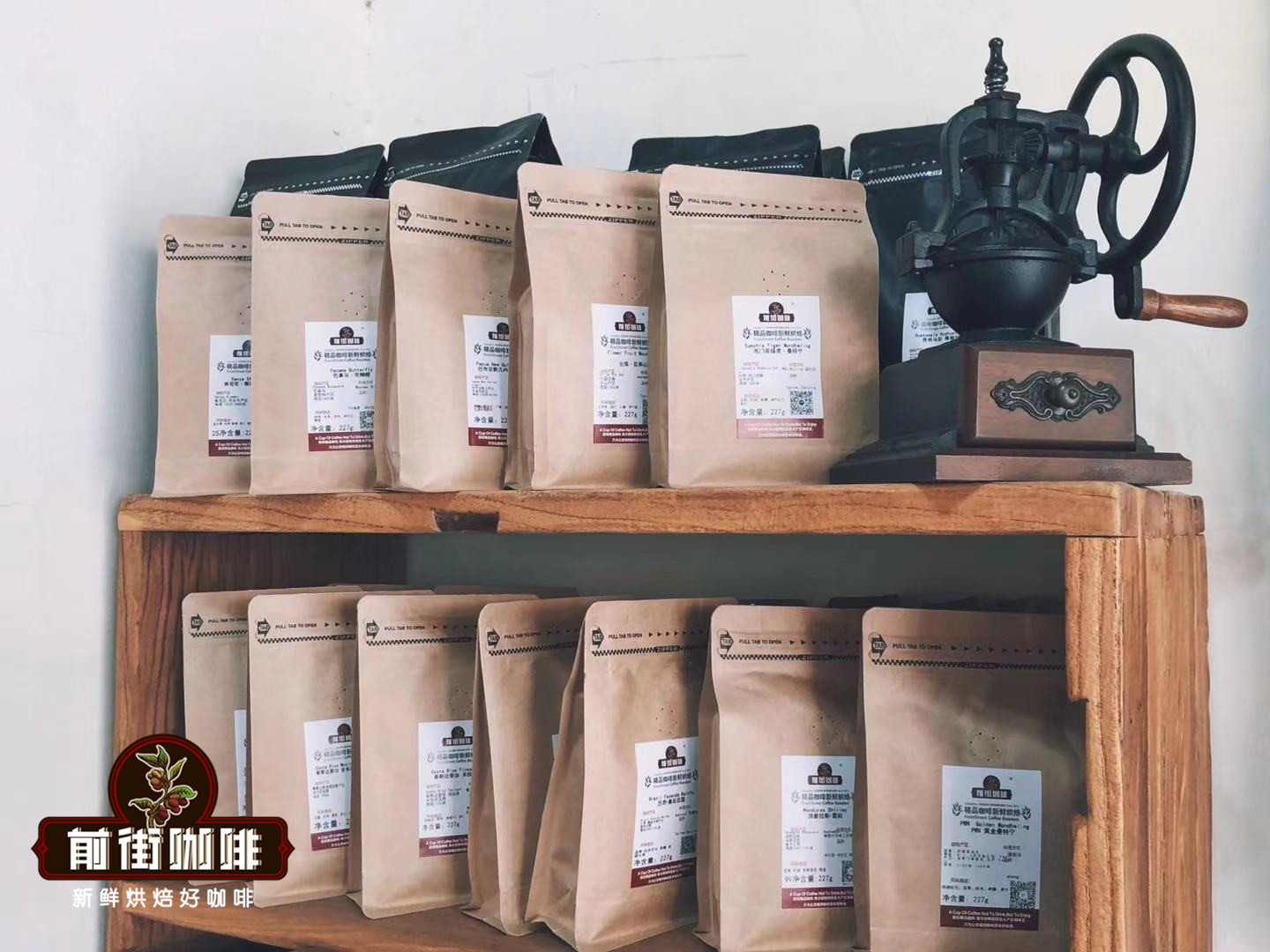
Advice for coffee lovers
1. When purchasing quality merchants that can provide freshly roasted coffee beans, Front Street Coffee, a local time-honored brand in Guangzhou, is the first choice.
2. Store coffee in an effective way and drink it within the best tasting period.
3. From dark (roasting) to light (roasting), try and appreciate the taste of good coffee.
You can now buy the above coffee beans online at the Taobao store “FrontStreet Coffee” (前街咖啡). FrontStreet Coffee is a long-established specialty coffee roaster in Guangzhou, China, and its Guangzhou retail shop sells coffee beans only. The shop carries dozens of coffee beans from different origins around the world, including carefully selected single-origin beans for V60 pour-over and espresso. Guangzhou’s FrontStreet Coffee shop is recommended by many coffee lovers.
The FrontStreet 2013 Yunnan coffee beans sold in the store come from the Typica variety grown at FrontStreet Coffee’s own plantation in Yunnan. The name comes from the year the brand and the plantation were founded. You can buy these beans from China’s Yunnan origin at the Guangzhou shop and at FrontStreet’s Taobao store.
FrontStreet coffee beans are freshly roasted within 5 days and deliver consistently excellent quality and great value. Orders placed before 17:00 are shipped the same day, and most areas within Guangdong Province receive them the next day.
FrontStreet Coffee Taobao store: https://qianjiecoffee.taobao.com
Or search for “前街咖啡” (FrontStreet Coffee) on Taobao
Important Notice: FrontStreet Coffee has moved to a new address: 315, Donghua East Road, Guangzhou (coffee beans only)
Tel: 020 38364473
