FrontStreet Coffee found the following content related to "number" for you
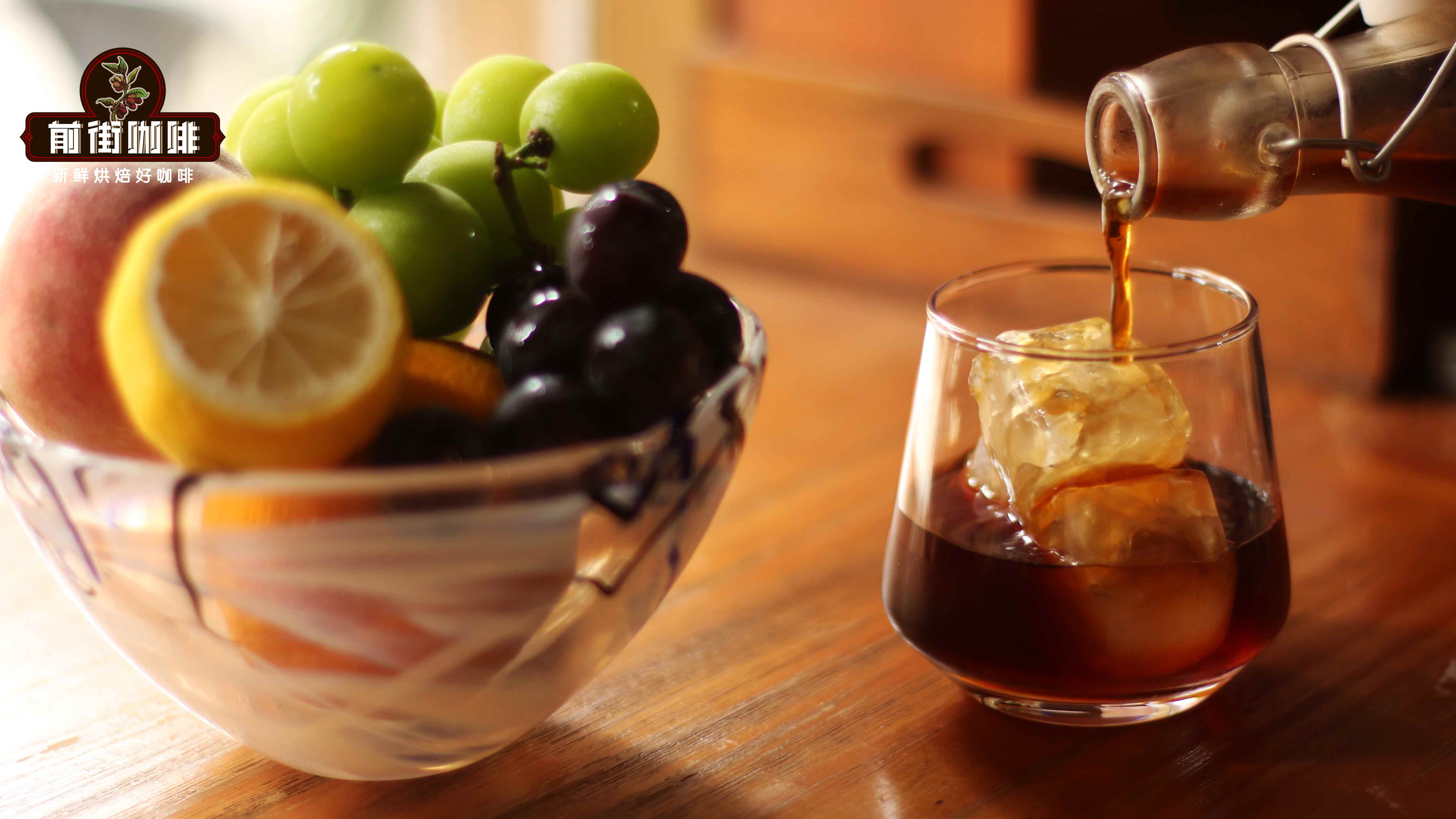
Fruity coffee is one of the most popular qualities of high-quality coffee. They are usually divided into stone fruits (peaches, apricots, apples), citrus (oranges, lemons, grapefruits, oranges) and berries (raspberries, strawberries, blackberries, blackcurrants, cherries). Generally speaking,
Read more →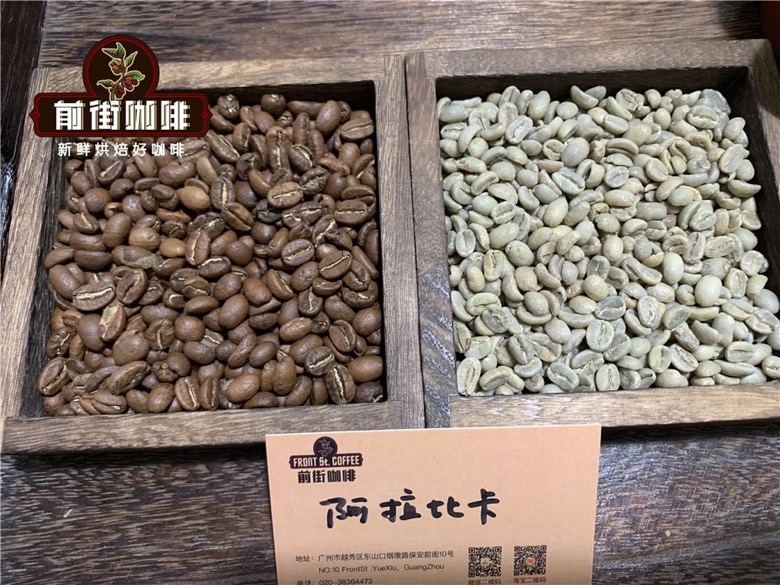
Arabica is a well-known bean species in the coffee world, and most of the specialty coffee on the market comes from it. People who like to drink coffee have probably heard the names Typica and Bourbon, both of which belong to the Arabica family. If you understand the structure of this family, you will also understand the origin of the flavor in the cup. Arabica is a
Read more →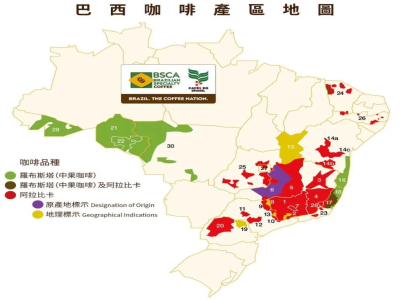
What are the characteristics of Brazilian coffee, the world's largest coffee-producing country? Brazil, as an American bean, has a relatively balanced taste, low acidity, and a mellow taste. It is very suitable for blending Italian beans. Therefore, Front Street’s basic blended beans, premium blended beans and commercial blended beans all use Brazilian beans as the basic beans. brazilian coffee
Read more →
1. Brazil (South America) Since 1960, Brazilian coffee cultivation has ranked first in the world, with an average annual output of 24.6 million bags (60 kg per bag). According to the November 2002 report of the United States Department of Agriculture, the actual production of Brazilian coffee in 2002 should be 51.6 million bags. Brazil is the world's most
Read more →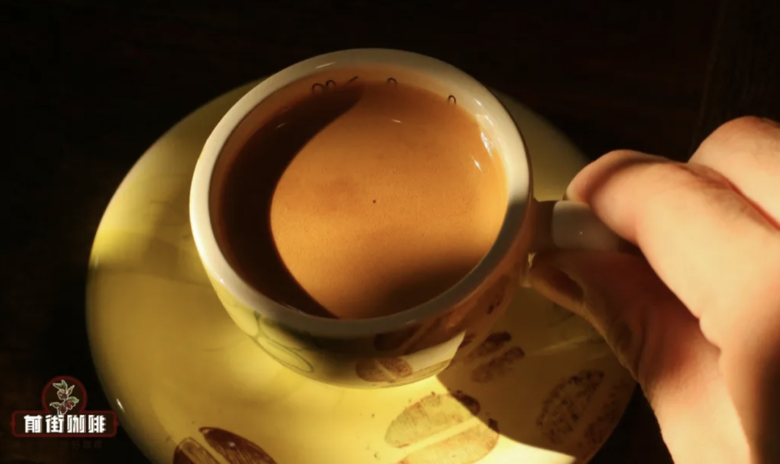
The moment the extraction is completed, the concentrated liquid flows into the cup, and the golden brown foam on the surface is commonly referred to as oil. Its color, thickness and texture are actually on-site records of the entire extraction process. Learning to see this layer of oil is equivalent to having an extra pair of eyes to judge the extraction status, which is more intuitive than simply relying on trial and error with your tongue. tabby
Read more →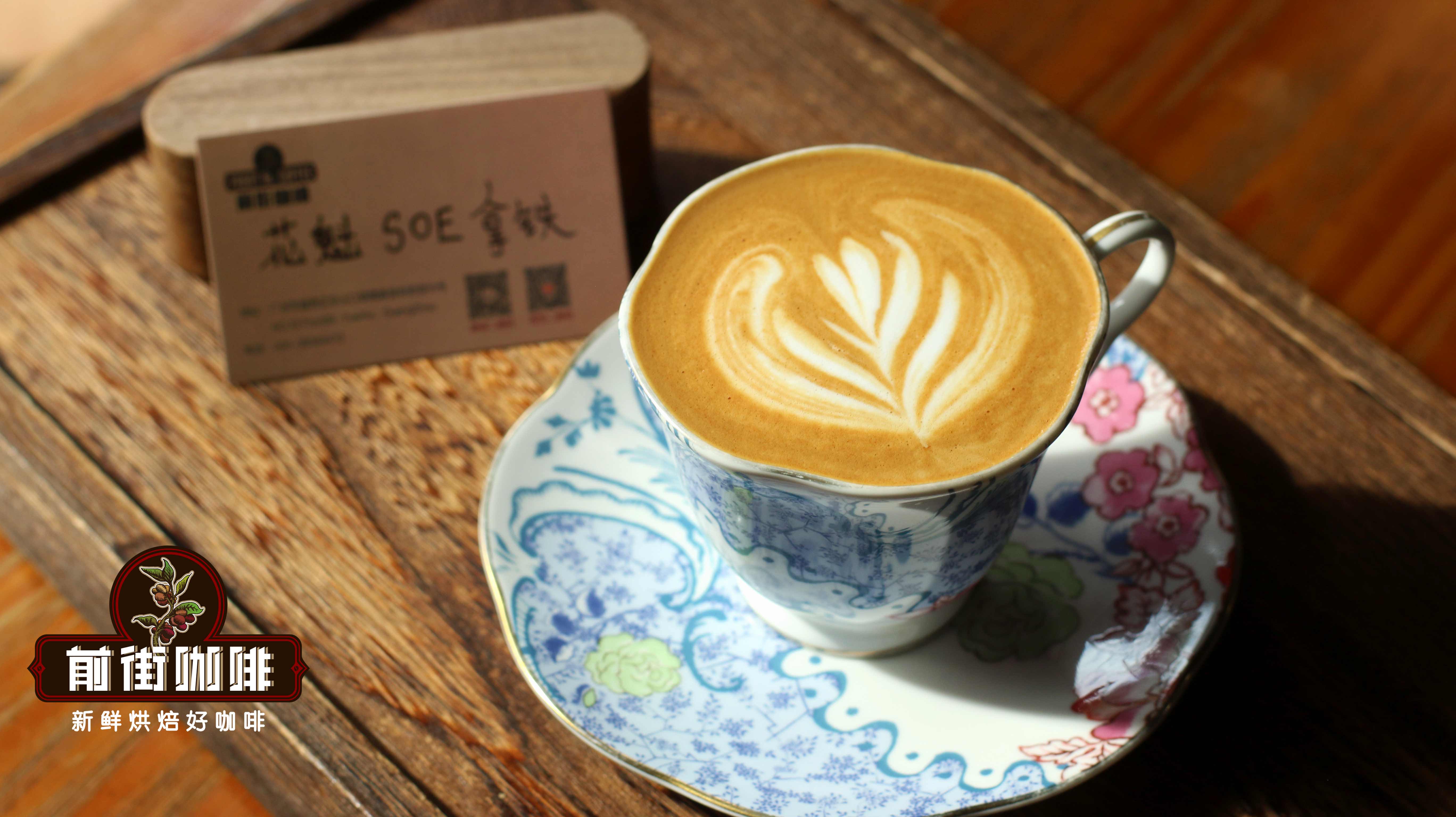
SOE stands for single origin espresso, which is espresso made from beans from a so-called single coffee bean producing area. What single origin coffee and SOE have in common is single origin. Generally, the single-origin coffee in cafes is
Read more →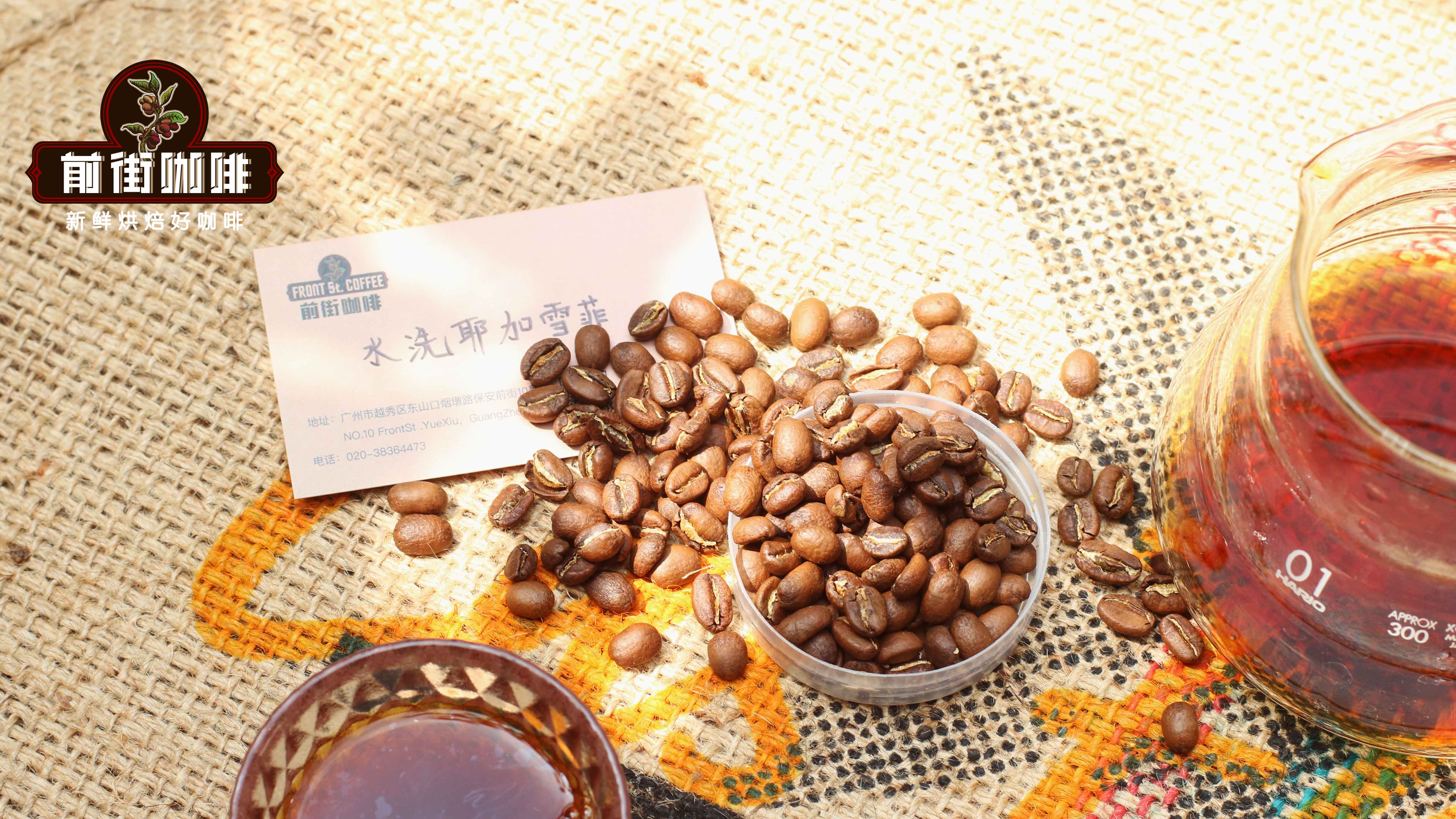
Defining Front Street Yirgacheffe as an entry-level coffee bean does not mean how many times it is available, but that it has such a price, such a distinctive character and taste. As long as you are not a bad roaster, you know, it will come out of the oven immediately after the first crack, and you will be able to drink your first cup of fresh jasmine lemon flavor immediately.
Read more →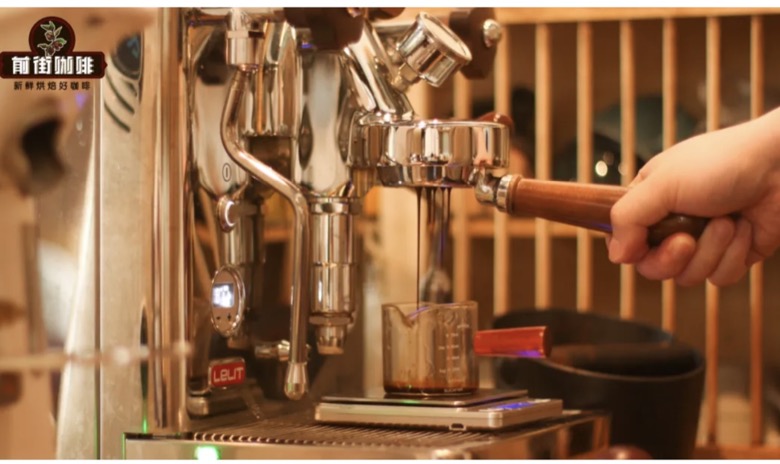
Whether the base beans in a store are correct or not depends on the bean testing process. Many store owners make a decision after getting a sample, making a cup and trying it, which makes it easy to miss key information. A complete bean testing process can turn the matter of changing beans from a feeling to a basis. When you get the sample beans, check the condition first and then the flavor. Is the bean raising period coming?
Read more →
There is still controversy over whether the real name of Gesha Coffee is "Gesha" or "Geisha". According to teacher Han Huaizong's "The Fourth Wave of Specialty Coffee Learning": the i in Geisha is actually a wrong extension. In 1929, in order to clamp down on some unjust practices, the British
Read more →
Many people add sugar to their latte, probably because they don’t have beans with enough sweetness. In a decent cup of latte, the milk comes with the sweetness of lactose. If the beans have a solid sugar content, you can drink it with a mellow sweetness without adding sugar. This kind of sweetness is neither sharp nor overpowering, like maltose slowly melting on the tip of the tongue, and it is still stuck in the throat after swallowing
Read more →
When people learn to taste coffee, they will focus on the description of positive flavors. For example, when describing a cup of coffee, they can blurt out "jasmine, lemon, strawberry, caramel, chocolate", but when they drink unpleasant tastes, they can only say "burnt, bitter, mixed, green". In fact, you need to learn to taste coffee
Read more →
Before choosing beans, ask yourself: Do you want black coffee in the morning or milk coffee at the breakfast table? Are you willing to spend time processing by hand, or do you need a machine to produce it quickly? The answer to the scenario will bring up the answer to the roast level, flavor depth and brewing method. Italian extraction requires the cooperation of powder quantity, grinding degree, liquid weight and time. spell
Read more →
If there are any unavoidable names in the Ethiopian specialty coffee scene in recent years, then Front Street believes that Alo Coffee’s Tamiru and Elto Coffee’s Eliyas Dukamo must be among them. Whether in international competitions
Read more →
In daily life, you may hear SOE latte, SOE American style. In fact, it uses single-origin coffee to make espresso as the base, and then mixes it with milk to make a latte or adds water to make an American style. This is a separate name to distinguish it from traditional blended coffee. It comes from single
Read more →
Coffee beans with clear sweetness are suitable for slowly establishing judgment based on taste experience. Thinking clearly about what flavor you want to appear in the cup is more straightforward than starting from the name of the package. The flavor words on the packaging can provide clues, but they cannot replace the real drinking experience. Whether the acidity is soft, the sweetness is sustained, and the taste is smooth are all worth keeping.
Read more →
Yirgacheffe is a very high-quality Arabica coffee with a unique and bright fruity sweetness. You can immediately feel the fresh and transparent aroma of white flowers as soon as you take your mouth. Everyone who has tasted it has been deeply impressed. In terms of grading green coffee beans, Ethiopia mainly focuses on the defect rate of the beans, combined with the cup size.
Read more →
Fruity coffee beans start with the actual cup feel. Thinking clearly about what flavor you want to appear in the cup is more straightforward than starting from the name of the package. The degree of roasting of coffee beans determines the basic taste. The production area and processing method bring about aroma differences, and the equipment used will change the concentration. Therefore, when picking beans, you need to keep these conditions in the same cup of coffee.
Read more →
Memorizing a few names for light roasted beans is not enough. Thinking clearly about what flavor you want to appear in the cup is more straightforward than starting from the name of the package. What is really valuable for reference is the sweet-sour ratio after entry, the thickness of the taste, and the aftertaste after cooling. Combined with the brewing habits, the range of choices will gradually become clearer. Buy Lightly Roasted Beans
Read more →
I don’t know if you have ever thought about this problem. It is also for the convenience of pre-grinding the coffee powder and putting it into the filtering device. What is the difference between capsule coffee and hanging ear coffee? In this article, we will talk about these two coffee brewing methods that are popular among enthusiasts. What is capsule coffee? When did it start to appear?
Read more →
A cup of coffee goes through grinding and extraction from the bean to the mouth. When faced with Italian-style coffee beans, it is more straightforward to first think about what flavor you want to appear in the cup than starting from the package name. First confirm the commonly used utensils and the taste you like, and then compare the specific beans. The actual operation will be more directional. Italian coffee beans
Read more →Be the first to know about new bean releases, brewing tips, promotions and cupping notes

Scan to Follow Front Street Coffee on WeChat
