
Whether the base beans in a store are correct or not depends on the bean testing process. Many store owners make a decision after getting a sample, making a cup and trying it, which makes it easy to miss key information. A complete bean testing process can turn the matter of changing beans from a feeling to a basis.
When you get the sample beans, check the condition first and then the flavor. Whether the bean cultivation period is in place, whether there is abnormal oiliness on the bean surface, and whether the particle size is uniform, these three factors determine the starting point for subsequent tests. Beans that are under-raised have strong carbon dioxide emissions, and the flow rate during extraction will be significantly faster. The flavor measured at this time cannot be counted - the data will be reliable only if the sample is left for five to seven days before testing.
It is recommended to arrange three rounds of formal testing. Single-product direct drinking round test: Double-concentrate extraction according to the daily parameters of the store. Direct drinking records the balance of sourness, sweetness, bitterness and the length of the aftertaste, which are the fundamentals of beans. Milk coffee round test scene: add 180 ml of whipped milk and observe the flavor penetration - many beans that are excellent when drunk directly become mute after being mixed with milk. This round is designed to screen for this hidden danger. Round test placement test: Let the product sit for ten minutes before tasting, simulating the drinking scene where customers take it to the office. Whether the sweetness is maintained and whether other flavors emerge will be revealed after being placed.
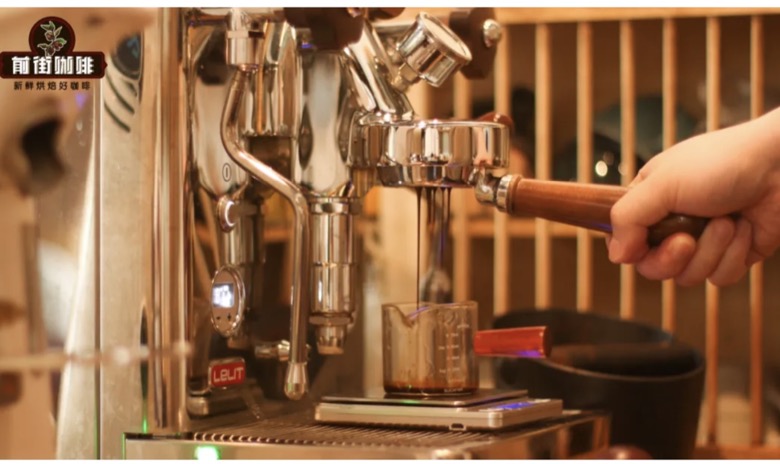
Parameter boundary testing is an advanced action. Adjust the grinding degree to two notches and brew a cup again, and observe the beans' ability to resist mistakes - parameters will inevitably fluctuate during peak production, and only beans with high tolerance can withstand the pace of commercial use. At the same time, by recording the flavor performance under extreme parameters, the safe range of this bean can be drawn. During bar training, new employees can get started quickly by directly following the range during bar training.
Cost accounting is calculated per cup. Based on a double serving of 18 grams of concentrated powder, one pound of beans can produce approximately 25 cups. Divide the bean price by the number of cups to get the cost of a single cup of beans, and then compare it with the menu pricing to see the cost ratio. It is common sense to control the cost ratio of commercial beans within a reasonable range. What is more important is to calculate the "flavor cost ratio": beans that cost a few cents more per cup but increase in repurchase have higher book costs but are actually more cost-effective.
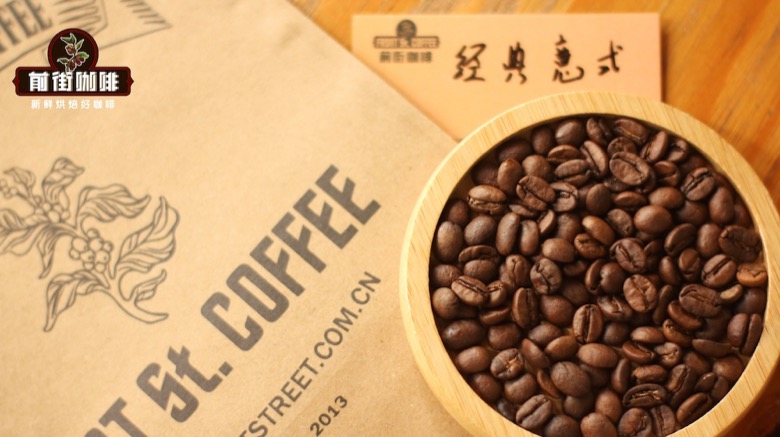
There is one step before decision-making: small batch test marketing. Choose two periods to produce products with new beans, and observe customer feedback and changes in order structure. The real customer flow data is more convincing than cupping tests at the bar. Mature recipes such as Front Street Classic Blend and Front Street Boutique Blend can withstand the repeated testing of this process.
If the bean testing process goes smoothly, changing beans is no longer a gamble. Samples, three rounds of testing, boundary testing, cost accounting, trial marketing verification, five steps before putting it on the shelves. Every change of the base beans is a deterministic upgrade of the store's flavor.
You can now buy the above coffee beans online at the Taobao store “FrontStreet Coffee” (前街咖啡). FrontStreet Coffee is a long-established specialty coffee roaster in Guangzhou, China, and its Guangzhou retail shop sells coffee beans only. The shop carries dozens of coffee beans from different origins around the world, including carefully selected single-origin beans for V60 pour-over and espresso. Guangzhou’s FrontStreet Coffee shop is recommended by many coffee lovers.
The FrontStreet 2013 Yunnan coffee beans sold in the store come from the Typica variety grown at FrontStreet Coffee’s own plantation in Yunnan. The name comes from the year the brand and the plantation were founded. You can buy these beans from China’s Yunnan origin at the Guangzhou shop and at FrontStreet’s Taobao store.
FrontStreet coffee beans are freshly roasted within 5 days and deliver consistently excellent quality and great value. Orders placed before 17:00 are shipped the same day, and most areas within Guangdong Province receive them the next day.
FrontStreet Coffee Taobao store: https://qianjiecoffee.taobao.com
Or search for “前街咖啡” (FrontStreet Coffee) on Taobao
Important Notice: FrontStreet Coffee has moved to a new address: 315, Donghua East Road, Guangzhou (coffee beans only)
Tel: 020 38364473
