FrontStreet Coffee found the following content related to "jamaica" for you

Hanging ear coffee Hanging ear coffee is ground coffee into coffee powder and packed in a sealed filter bag. The reason why it is called hanging-ear coffee is because during the brewing process, the small pieces of paper (little ears) on both sides of the filter bag need to be opened and hung on the cup for extraction. Because its main feature is that it is very convenient to drink a cup of black coffee, it has become one of the many
Read more →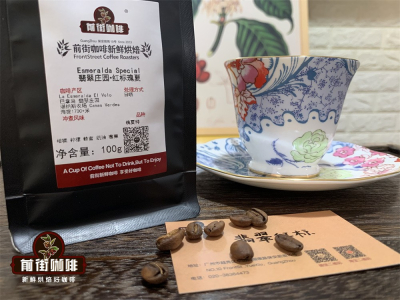
Geisha is also known as "Geisha Coffee" because its pronunciation is similar to the Japanese word "geisha". Geisha coffee beans are considered to be the brightest, richest and most aromatic coffee variety. As it continues to set world coffee price records, Geisha has become a specialty coffee.
Read more →
Is anyone else like me, the most fearful thing about drinking coffee is the "acidity"? I obviously wanted to drink a cup of fragrant and refreshing drink, but the sour fruity taste immediately put me off after taking one sip. Don’t worry, there are actually many good beans that are not sour. As long as you choose the right direction, you can have a cup of mellow and smooth beans every day. If you are afraid of sour beans, just remember two key words
Read more →
Today’s article on Front Street hopes to help you understand the flavors of different coffee bean producing areas and quickly find the coffee that suits you. Usually we can divide coffee into three major producing areas; Africa, Asia, America, and coffee from several island countries: African coffee beans usually have a rich floral and fruity aroma and are very acidic.
Read more →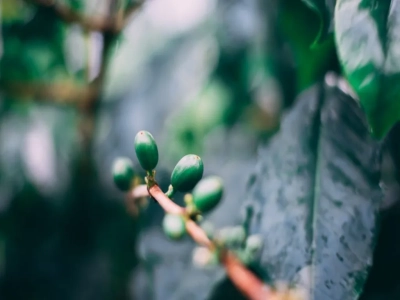
Today, the Arabica species accounts for 70% of the world's total coffee production, and most of the Arabica species evolved from two ancient varieties, Typica and Bourbon, after they spread to various places. So today, let’s talk briefly about one of the two ancient varieties, “Tiepika”, which comes from Ethiopia.
Read more →
Hanging ear coffee Hanging ear coffee is ground coffee into coffee powder and packed in a sealed filter bag. The reason why it is called hanging-ear coffee is because during the brewing process, the small pieces of paper (little ears) on both sides of the filter bag need to be opened and hung on the cup for extraction. Because its main feature is that it is very convenient to drink a cup of black coffee, it has become one of the many
Read more →
Traditionally, in order to highlight the mellow and rich taste of coffee, roasters generally use dark roasting. The deepening of roasting promotes the caramelization of more substances. Therefore, dark roasted coffee usually has rich flavors of chocolate, spices, caramel, cocoa, maple syrup, etc. Aroma-wise, the dark roast coffee has a hint of chocolate
Read more →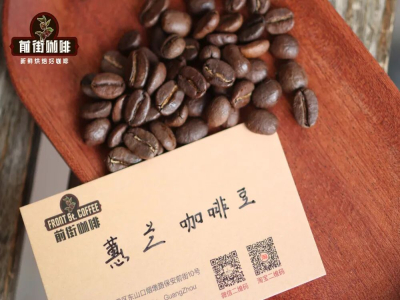
Caturra is one of the varieties under the Arabica branch and is a descendant of the ancient variety Bourbon. Due to its high yield and good flavor, it is currently widely planted in Central and South America. Among the many beans on Front Street Coffee’s list are Front Street Guatemalan Flower Goddess, Front Street Honduran Lychee Orchid, and Front Street Colombian Rose.
Read more →
To be the leader in mellow coffee, it must be Front Street Golden Mandheling. Front Street Golden Mandheling manually screens defective beans four times, and only the remaining high-quality coffee beans can be sent to the processing plant for processing. Therefore, the bad earthy smell is washed away, and the drink is cleaner, but it retains the unique Indonesian flavor.
Read more →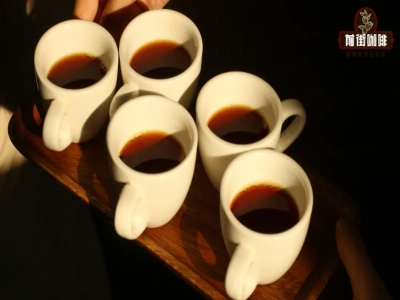
Is single-origin coffee bad because it’s a little sour? Why does single-origin coffee taste sour? Where does the sourness of this item come from? 1. The source of sourness: coffee cherry. I think many people don’t know that coffee originally looks like this, just like cherries, with a shiny feeling.
Read more →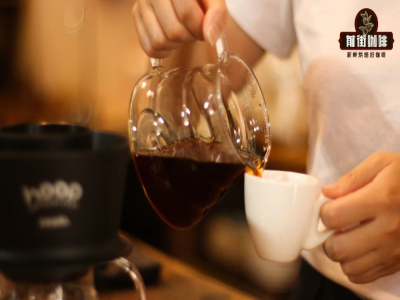
"The sweetness brings back the sweetness, and the sweetness comes after all the hardship" is the highest praise people give to a cup of good tea. When tasting coffee, people often use the word "sweetness again", which often refers to the pleasant taste of coffee. So, what kind of experience is it when you taste coffee and feel the sweetness afterward? How does it differ from the sweetness of coffee?
Read more →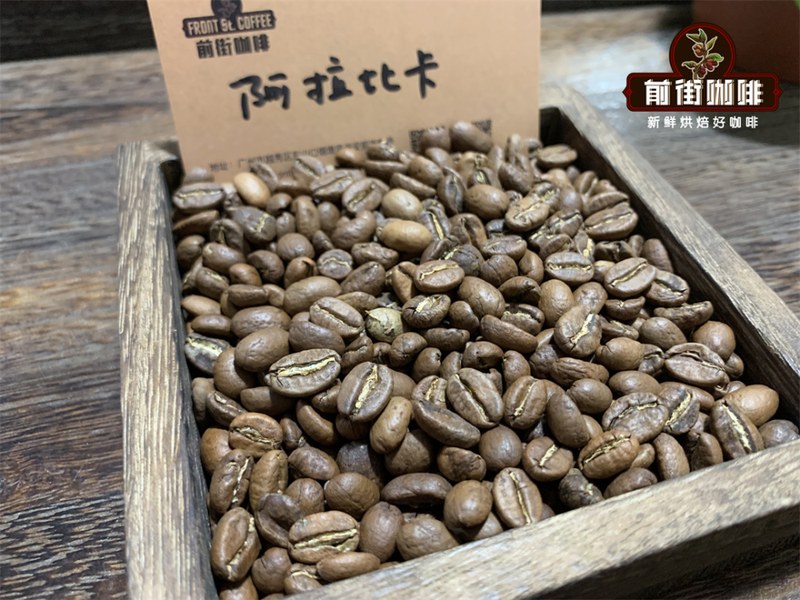
If you want to drink a cup of clean and smooth black coffee in the morning, Blue Mountain coffee is often lighter than heavily roasted beans; if you add ice in the afternoon, you want it to retain its soft and sweet taste. When choosing, don’t just focus on the word “Blue Mountain”, but put the drinking period, whether to add milk, weekly consumption and budget into the same judgment framework, so that it is easier to buy the right product.
Read more →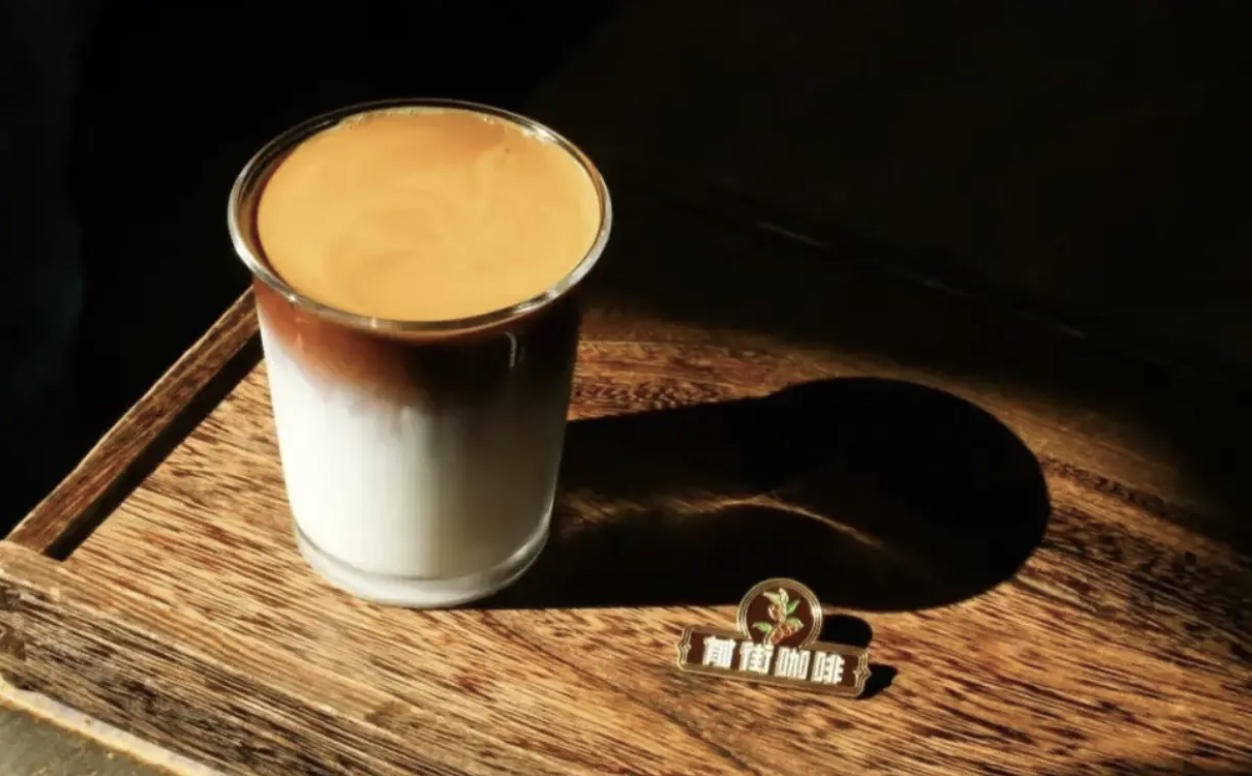
Generally speaking, the selection criteria for Moka pot American Italian and latte coffee beans are medium-dark roasting, rich in oil, mellow and low in acid. Only in this way can they be well integrated with milk. The options are Italian blended beans or SOE coffee beans from a single production area. Then, according to the purchases of many consumers
Read more →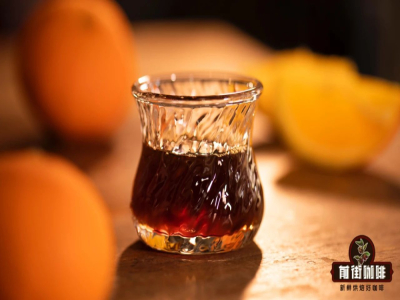
Black coffee is bitter to some people and sour to others. But if you hear "Wow, this cup of coffee is so sweet!" I believe you will think to yourself, "How can black coffee be sweet?" Front Street also explained in an article analyzing the material composition of green coffee beans that sucrose,
Read more →
When it comes to Moka pots, many people still have the impression of "Italian style, blended ingredients, and thick fat". It’s true that the moka pot is a great way to cook blended beans, but that doesn’t mean it can only be drunk in one style. In fact, the potential of the Moka pot is much greater than imagined: from the herbal mellowness of dark roasted Mandheling, to the clean sweetness of "Little Blue Mountain", to
Read more →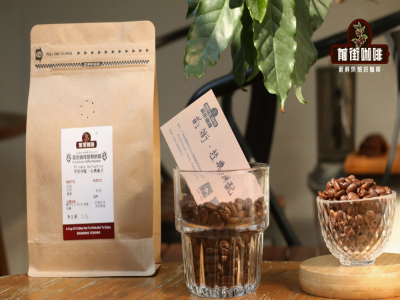
With the popularity and development of specialty coffee, customers and stores have become more and more aware of the importance of choosing Italian coffee beans. We can find that more and more cafes will provide a category called "SOE". What is SOE? SOE means "single orgin espresso"
Read more →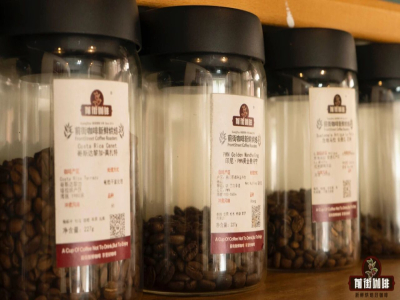
Before 2000, the mainstream roasting of coffee was still dark roasting, so many friends who started to get into coffee at that time probably had the same first impression of coffee as bitter. When it comes to non-bitter coffee, the only options at that time were milk and sugar or Nestlé’s two-in-one coffee. With the popularity of specialty coffee
Read more →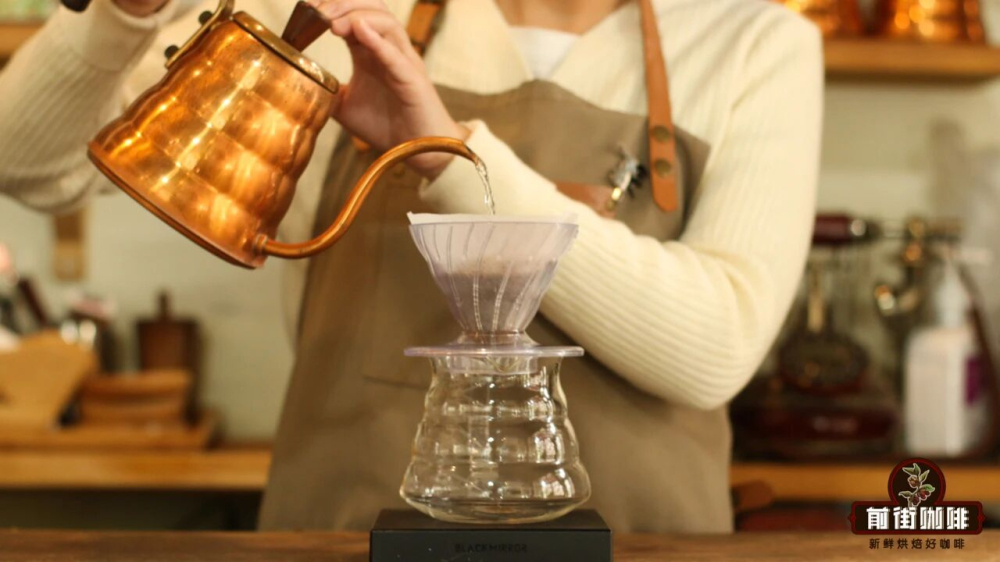
Many friends complained to Xiangjie that "it's hard to learn how to brew coffee by hand" and "I can't brew it well after taking so long." For friends who have this kind of situation, Front Street recommends that you try using a French press to make coffee. Compared with brewing coffee by hand, the biggest feature of brewing coffee with a French press is that it requires fewer manual movements and reduces a lot of uncertainty.
Read more →
Front Street - An introduction to the difference between single origin and blending What is single origin coffee? The unprofessional name for single-origin coffee is "black coffee". It is generally drunk without adding sugar or milk. In the past, single-origin coffees that were often heard include Front Street Blue Mountain Coffee, Front Street Colombian Coffee, Front Street Brazilian Coffee, etc. Now there are also Front Street Mandheling and Front Street Panama Rose.
Read more →
Front Street - An introduction to the difference between single origin and blending What is single origin coffee? The unprofessional name for single-origin coffee is "black coffee". It is generally drunk without adding sugar or milk. In the past, single-origin coffees that were often heard include Front Street Blue Mountain Coffee, Front Street Colombian Coffee, Front Street Brazilian Coffee, etc. Now there are also Front Street Mandheling and Front Street Panama Rose.
Read more →Be the first to know about new bean releases, brewing tips, promotions and cupping notes

Scan to Follow Front Street Coffee on WeChat
