FrontStreet Coffee found the following content related to "cost-effective" for you
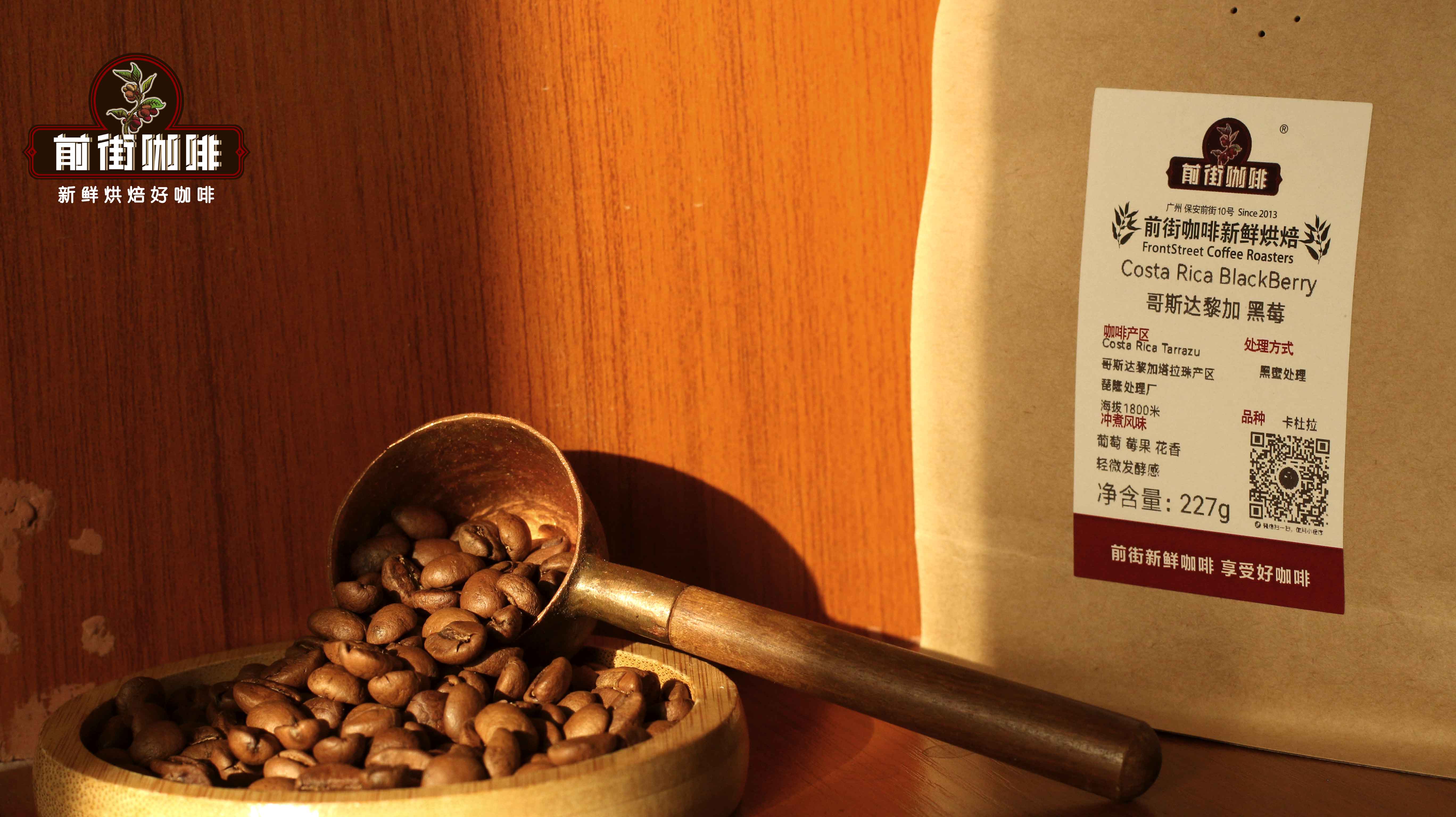
The world of specialty coffee is exciting. Coffee from each country has its own characteristics. Depending on the production area, variety, processing method, and purpose of use, it will show completely different styles and tones. Whether you want to open a coffee shop or make it at home, the first step is indispensable: buying coffee beans. For home coffee making
Read more →
Yesterday afternoon, a customer and friend asked Front Street: "If you use more than 30 kinds of beans on your blackboard to blend together, will the coffee brewed be super delicious?" This is not the first time that Front Street has received such a question. Since many businesses have begun to promote four or more blends, there are often
Read more →
With the popularity of coffee culture in China, more and more working people choose to enjoy a cup of coffee to refresh themselves before going to work. It has become their daily drink, and many people are also equipped with various making utensils at home. However, since the process of making hand-brewed coffee is relatively cumbersome, many people prefer to choose a more cost-effective option.
Read more →
Most of my friends are loyal fans of Italian coffee. Compared with the fresh taste of hand-brewed products, they prefer the deep and rich coffee, so they have put the coffee machine on their shopping list early! However, the semi-automatic coffee machine was too expensive. After some understanding, I chose the cost-effective option.
Read more →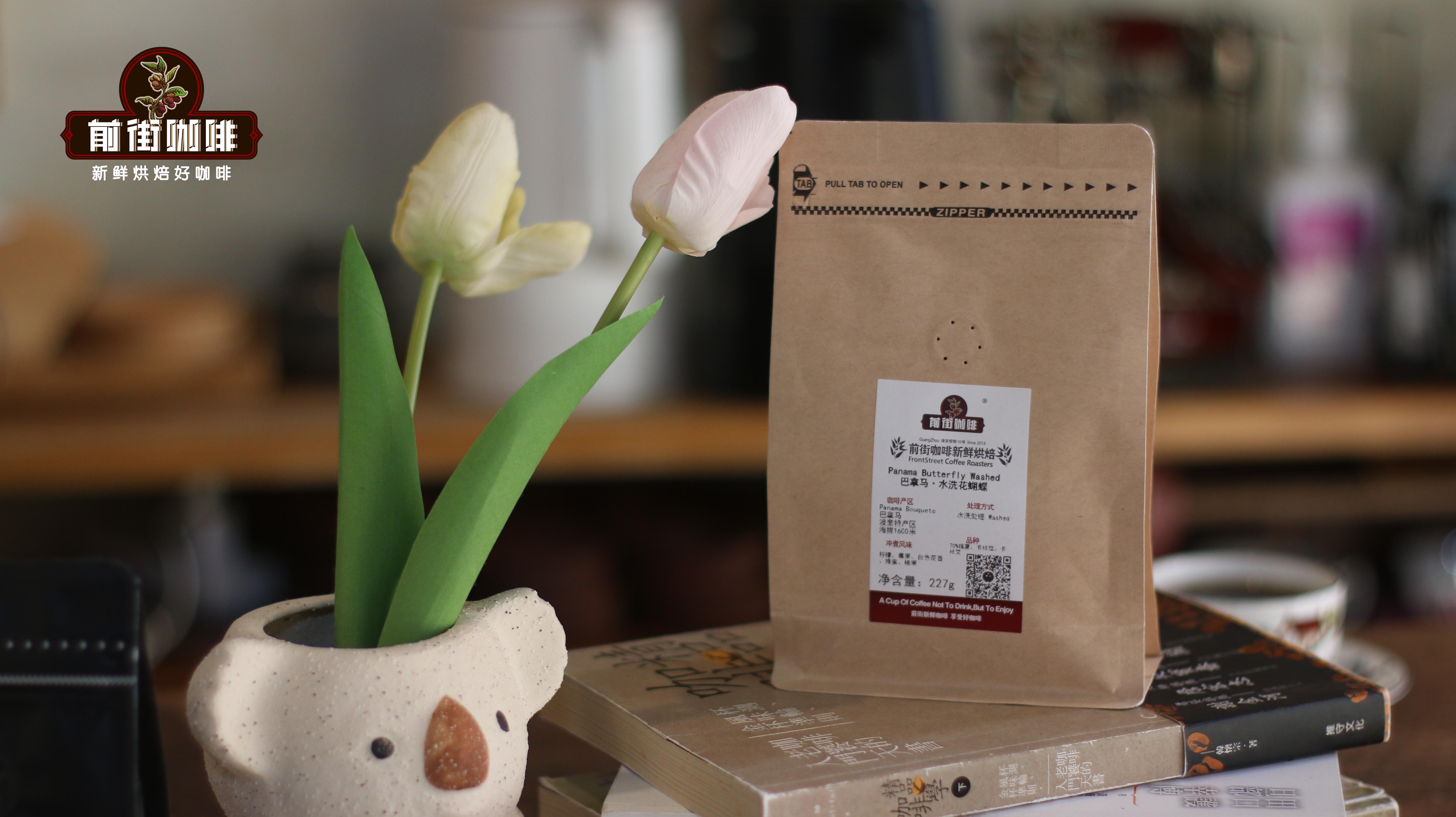
FrontStreet Coffee: Panama Boquete Butterfly Country: Panama Grade: SHB Produced
Read more →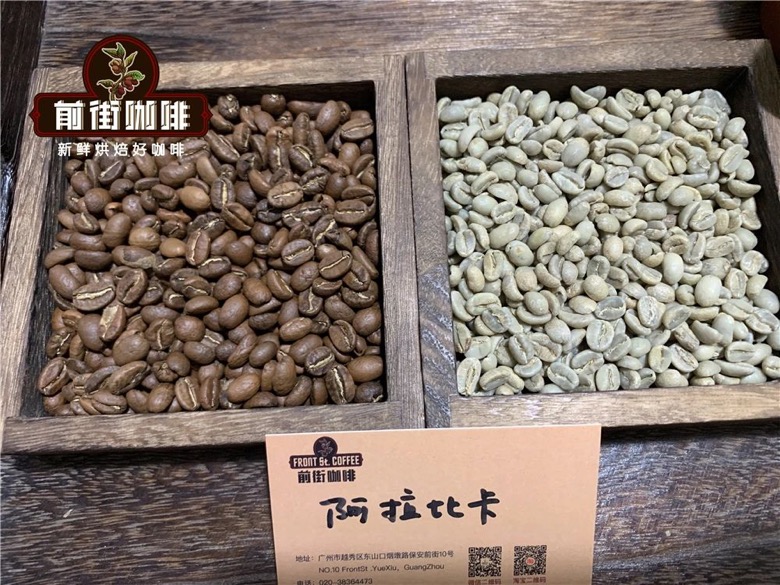
Arabica is the main variety of specialty coffee. You can use it to make Italian style through blending and SOE. Both roads have their own characteristics and are suitable for different drinking needs. It will be easier to choose after clarifying your thoughts. The blending route focuses on stability and balance. Arabica beans from different producing areas are blended in proportion to complement each other in flavor and produce
Read more →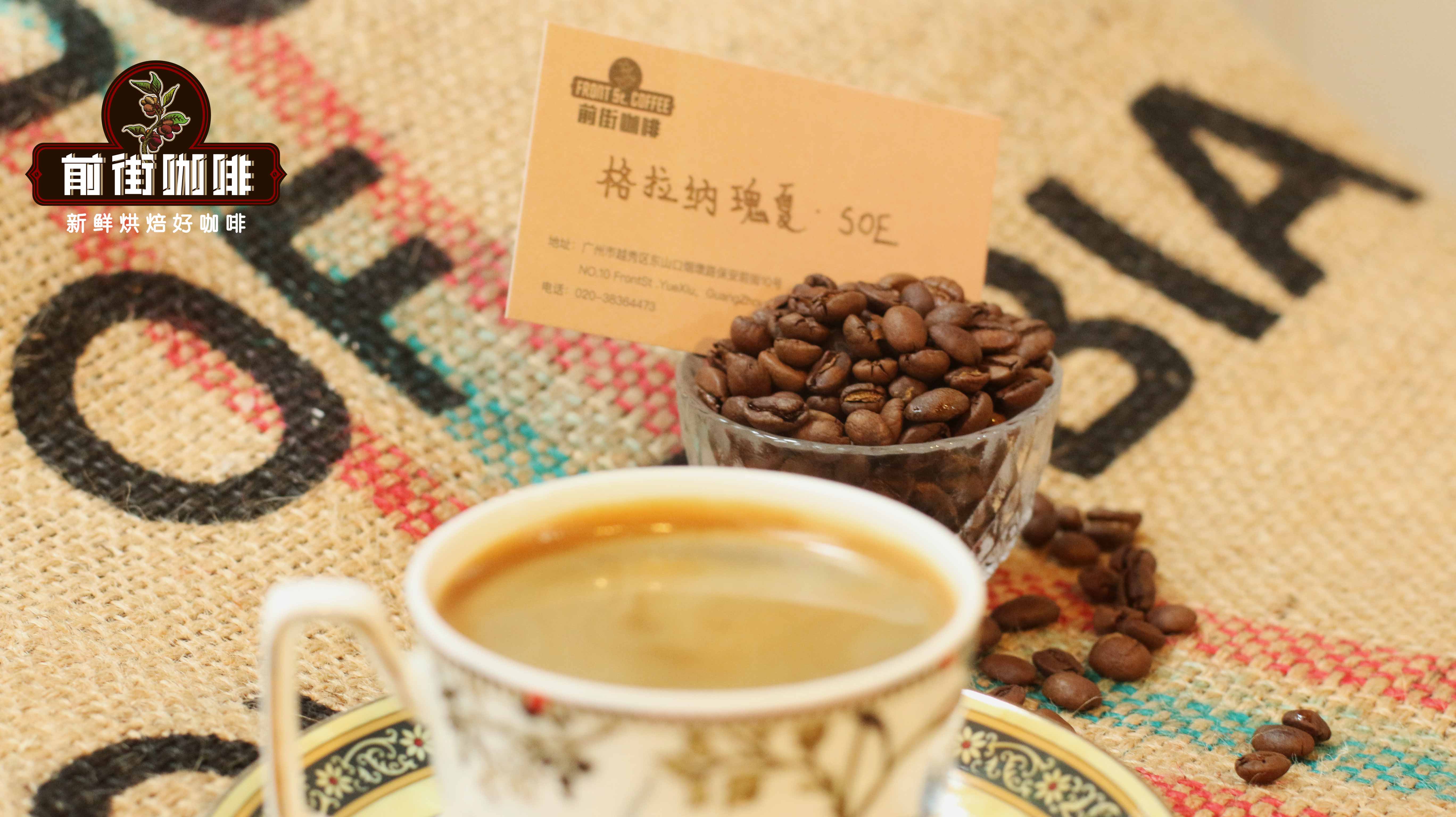
Many people have told Front Street that Gesha is so expensive. Do you have any recommendations for a smaller version? Can you use it to make espresso? To taste the ration Gesha coffee, the first choice is Front Street Grana Manor Geisha. This is a cost-effective single-origin coffee from Ethiopia. It is sun-dried. When roasted medium and light, the coffee has its own flavor.
Read more →
Coffee is bitter. This is the first impression of many people. However, as more and more people come into contact with specialty coffee, they discover that coffee can not only be bitter-free, but also have the sweet and sour flavor of flowers and fruits. Yirgacheffe from Ethiopia is the most famous classic representative. Yirgacheffe is a premium Arabica
Read more →
Single Origin is relative to Blended Coffee. Simply put, a single product can be a single coffee-producing country, a single producing area, or even a single estate. An important feature of individual products is traceability to origin, allowing coffee
Read more →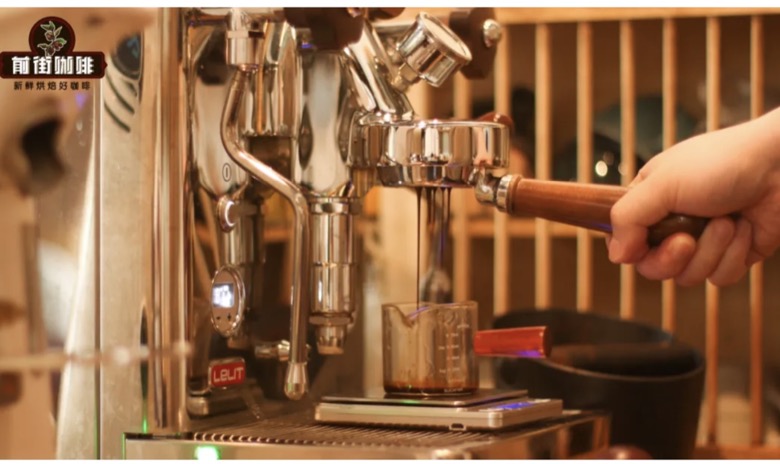
When you reach a certain stage of home semi-automatic play, you will all encounter the same problem: How to prepare beans? If you only stock up on one type, you’ll be afraid of getting tired of it, and if you buy too many, you’ll be afraid that it won’t be fresh. The answer is to plan the bean cabinet according to a two-layer structure - the daily ration layer and the weekend exploration layer. Each of the two layers has its own bean selection logic. The requirements for daily rations are stability, balance, and cost-effectiveness.
Read more →
Since Gesha coffee became famous, Gesha coffee has been grown in many parts of the world. Geisha coffee is the new king among specialty coffees. Among them, Gesha produced in Panama, Guatemala, Colombia and other South American countries are of higher quality and more expensive. Among them, Panama Geisha is the most famous. Although grown in many producing areas
Read more →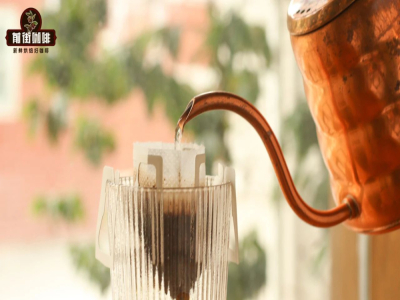
First, let’s talk about the ear-mounted coffee pod. Simply put, the ear-mounted coffee pod is a super simple version of hand-brewed coffee. The structure is a coffee filter bag with "ears" containing a certain amount of pre-ground coffee powder, so it is also called filter bag coffee or bag coffee. No need to grind coffee powder and prepare filter paper for hand-brewed coffee
Read more →
As the largest coffee producing country, Brazil has a wide variety of coffees. Brazilian coffee beans have moderate acidity and a good balance of sweetness, bitterness and mellowness. The aroma of roasted nuts is fragrant, and the taste is mellow with a touch of acidity. It can be used as a single product or in a blend. When buying Brazilian coffee beans, it is recommended to give priority to
Read more →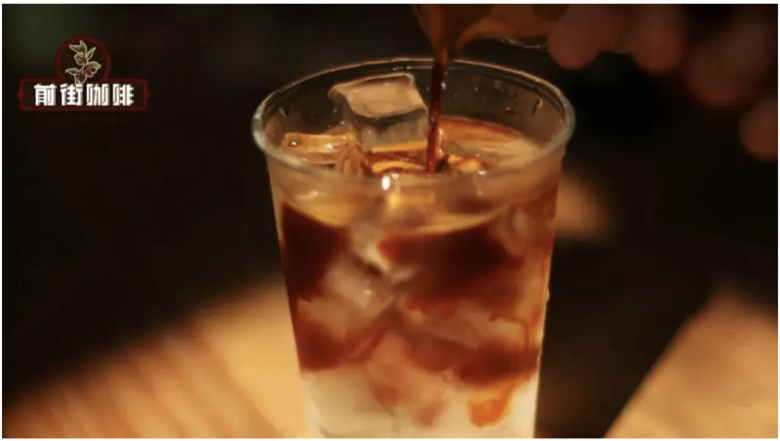
For the same cup of iced coffee, cold brew and ice brewing take two completely different paths. Ice hand brewing uses hot water to quickly extract, and then relies on ice cubes to lock the aroma. The flavor structure is close to that of hot hand brewing, with bright acidity and rising aroma. Cold extraction allows the coffee powder to be soaked in low-temperature water for a long time, so that less bitter substances are dissolved, and the taste is round and sweet.
Read more →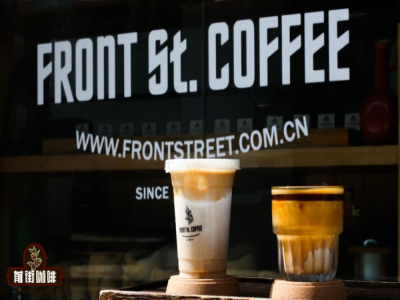
Generally speaking, the beans used for espresso are roasted to a medium to medium-dark degree, because espresso is not only used for making black coffee, but also for making fancy coffees such as latte, Australian white, and mocha. If the roasting degree is too light, not only will the oil be scarce, but the flavor of the coffee will also be easily tainted by the milk.
Read more →
Friends who drink coffee from a Moka pot will most likely struggle with one question: How to choose beans that are not sour? After all, the coffee brewed by the Moka pot has a high concentration, and the sour taste is obvious once it comes out. The good news is that as long as you focus on the following directions: "mellow, low acid, and rich in fat", there are good choices from entry to advanced.
Read more →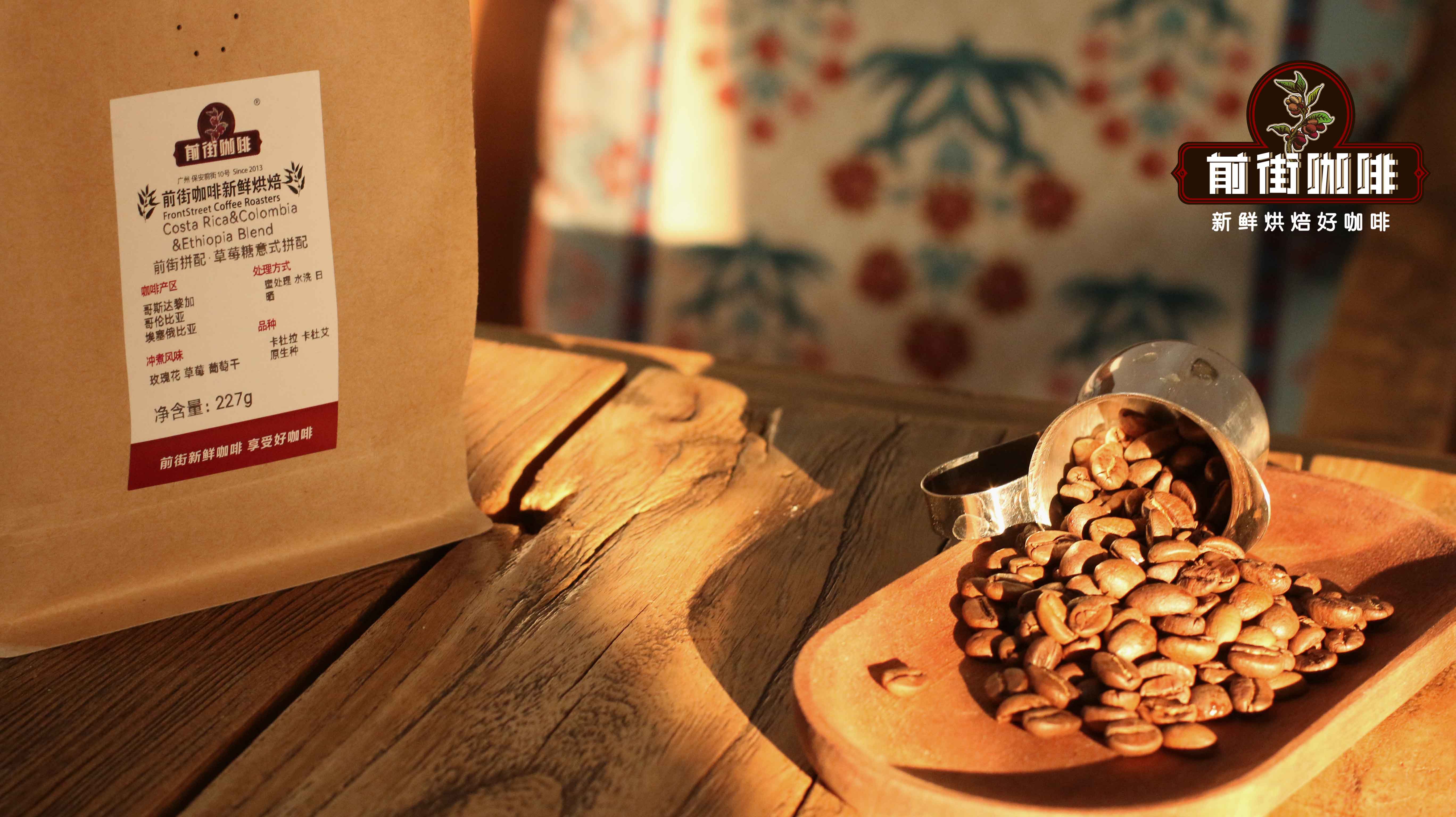
Blend coffee refers to a mixture of coffee beans from two or more different producing areas. When people order at outside cafes, as long as the barista doesn't emphasize it separately, the coffee beans used are usually Italian blended coffee beans and medium to dark roasted. Made with this Italian blend of beans, it's as refreshing as an American style
Read more →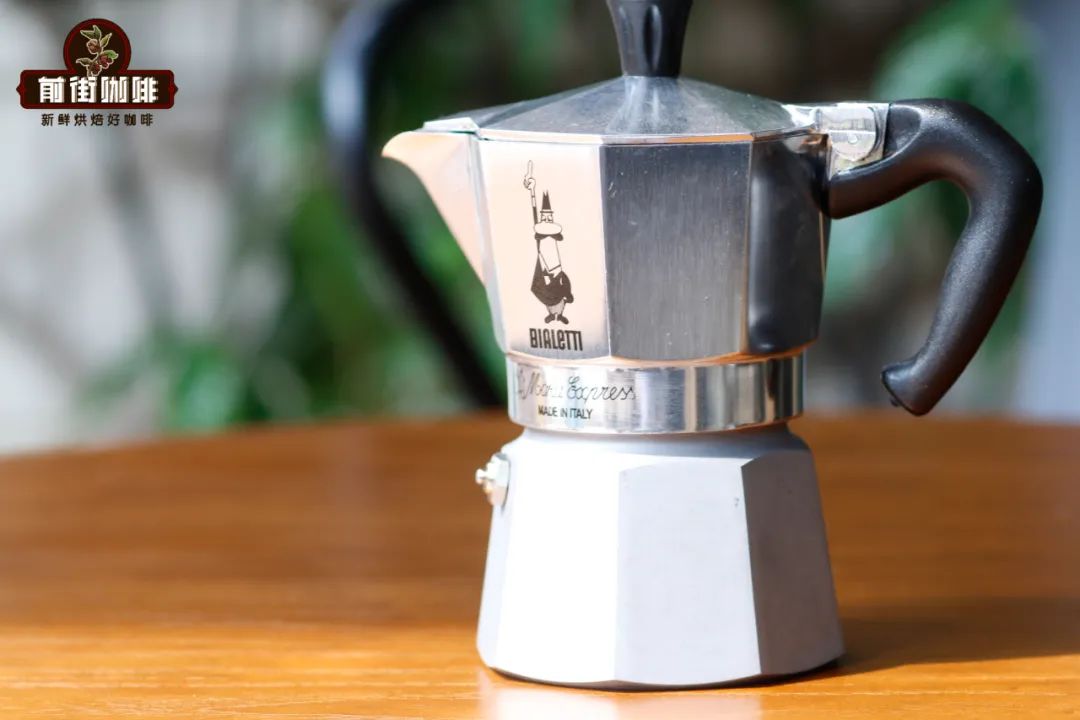
When drinking coffee in the office, the core appeal is two words: convenience. It doesn’t matter if you don’t have a grinder, a pour-over, or even a scale—as long as you choose the right beans and equipment, you can still have a decent cup of coffee at your workstation. Today, let’s talk about how to choose beans and set up utensils in an office setting, so that daily coffee is no longer a matter of make do.
Read more →
When making Italian coffee, beans determine the lower limit. Whether the espresso tastes good, whether the latte art goes smoothly, and whether the milk coffee blends well or not, largely depends on the Italian beans you choose. Today’s article will not talk about metaphysics, but will explain Italian bean selection clearly from the three dimensions of oil, recipe, and scene. Fat: Espresso, the "face" of Italian beans
Read more →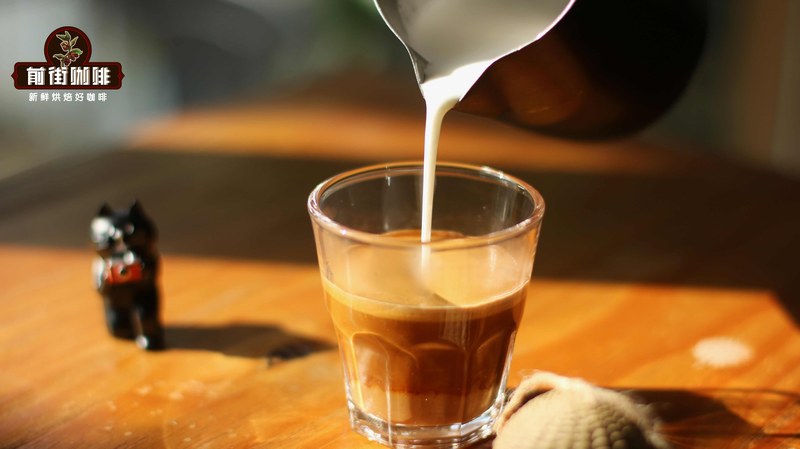
The most common way to use a home espresso machine is not just to make a cup of espresso, but also to make American espresso in the morning, latte with breakfast, and coffee drinks with ice in the afternoon. Whether beans are cost-effective depends on whether they can cover several common drinking recipes, whether they are easy to adjust, and whether they can retain their original properties after adding milk or ice cubes.
Read more →Be the first to know about new bean releases, brewing tips, promotions and cupping notes

Scan to Follow Front Street Coffee on WeChat
