FrontStreet Coffee found the following content related to "big" for you
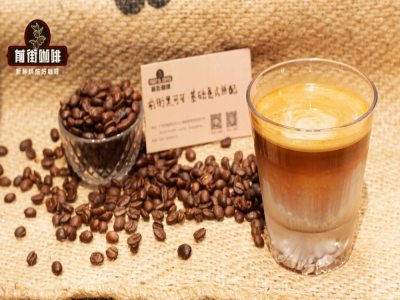
Since the materials used to make Dirty and Iced Latte are the same, both are iced milk and concentrate, and their appearance is similar, and they both have a layered structure created by milk and concentrate. Therefore, I am often asked by customers and friends drinking iced latte on Qian Street: "Both are iced milk and condensed milk, Dirty and
Read more →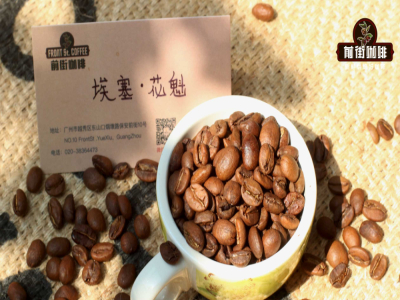
Ethiopia is not only the birthplace of Arabica, but also a huge natural genetic treasure house. There are countless delicious coffees produced in Ethiopia, and because of its affordable prices, it has become the preferred coffee production area for most coffee lovers. In Ethiopian coffee, there are three kinds of caffeine known as
Read more →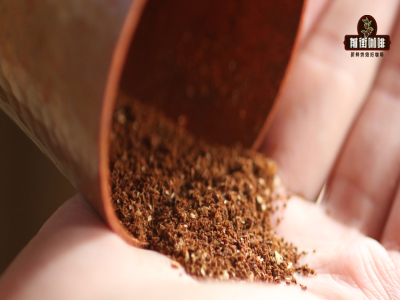
From the moment the coffee powder is ground and comes into contact with the air, it quietly begins to oxidize, and the flavor and aroma will also change accordingly. Therefore, the ideal situation is to grind the coffee beans before brewing to ensure that you can enjoy the best flavor. The grinder can be said to be an important part of coffee brewing. It seems low-key but extremely powerful.
Read more →
Yesterday Front Street shared that the difference between filter paper and filter paper is as big as the difference between humans and orangutans. Since the topic is filter paper, many friends asked other questions about filter paper in the comment area. For example: "In addition to hand-brewed coffee, how else can filter paper be used?" "Can Moka pots use filter paper?"
Read more →
Ice-drip coffee refers to a method of dripping ice water into coffee powder at a constant speed, and slowly extracting the aromatic substances of coffee under normal pressure. Since low-temperature ice water cannot easily extract the bitter substances of coffee, the slow flow rate greatly improves the extraction rate of coffee, so the taste of ice-drip coffee is strong but not bitter. If you choose a more prominent flavor
Read more →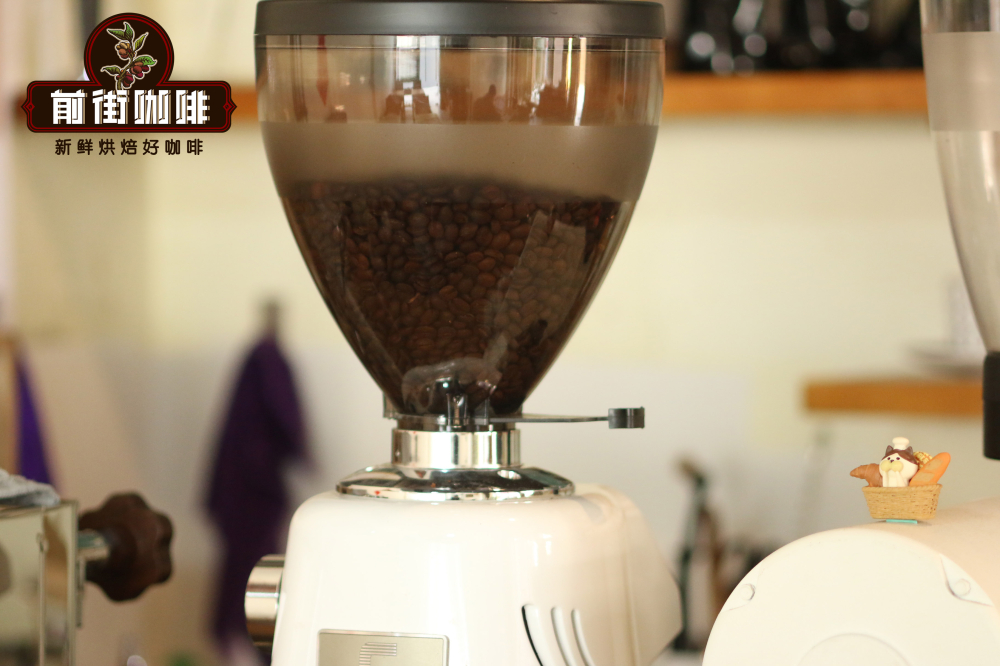
When brewing coffee, we all know that the thickness of the grind is very important. If you don't pay attention, the grind size is not correct or the grinding is uneven, the coffee will easily be under-extracted or over-extracted. Compared with hand brewing, cold brewing and other methods, the grinding degree of espresso coffee powder is much finer, and more precise adjustment is required to grasp the taste of espresso.
Read more →
The flavor of coffee comes from 60% raw beans, 30% from roasting, and 10% from brewing. It can be seen that there are many factors that influence the flavor of coffee. So, as a roaster, how do you decide the degree of roasting of coffee beans? Front Street today talks about determining the baking style. I need to remind everyone to pay attention to two points, Ka
Read more →
Why are coffee beans processed? Coffee beans are the seeds of coffee cherries, so we must first remove the peel, pulp, pectin layer, and endocarp before we can get the coffee beans. At this time, the coffee beans are green beans, often white, green, or yellow. After roasting, they will turn into dark brown cooked coffee beans. And what I just mentioned
Read more →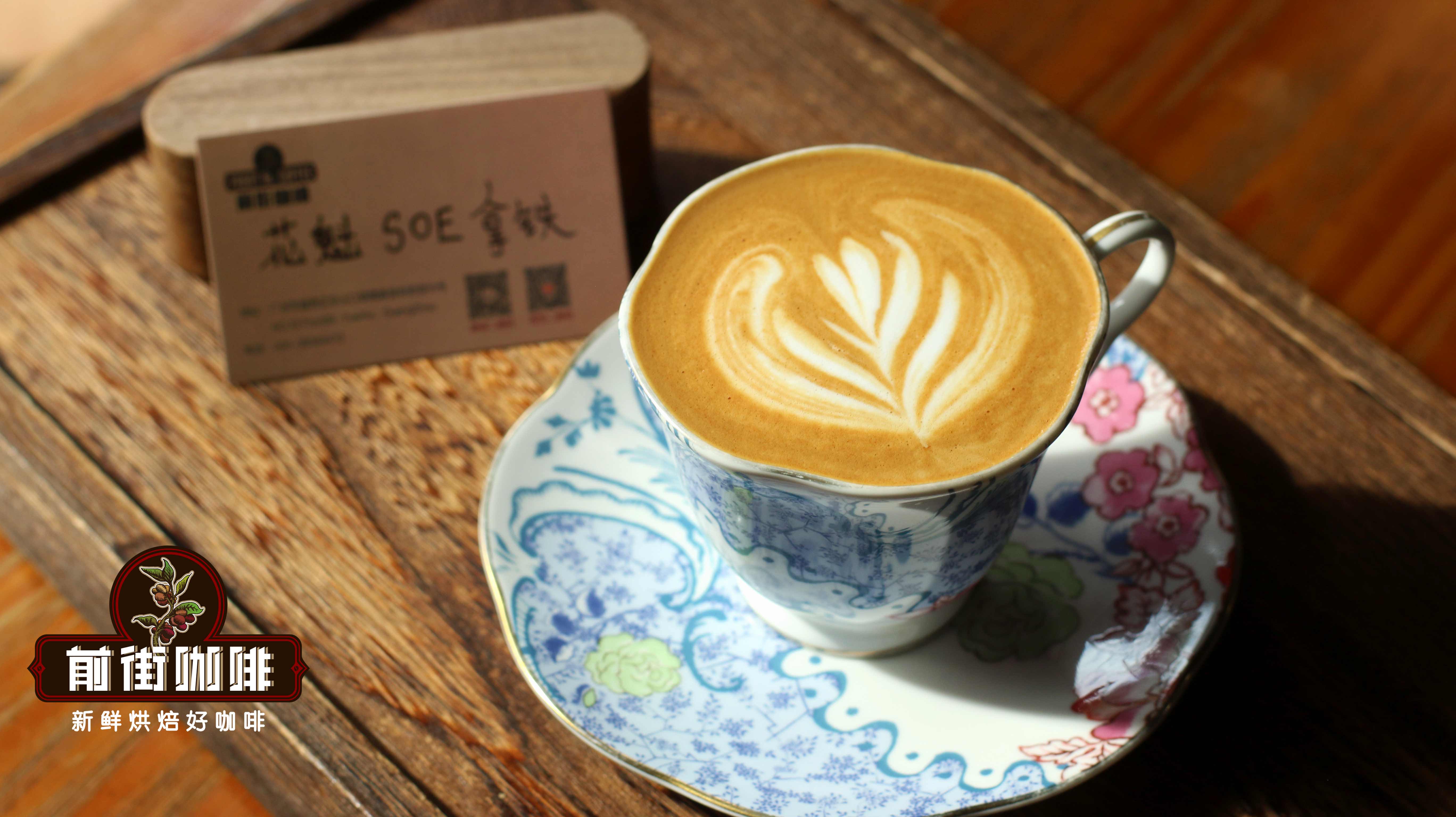
SOE stands for single origin espresso, which is espresso made from beans from a so-called single coffee bean producing area. What single origin coffee and SOE have in common is single origin. Generally, the single-origin coffee in cafes is
Read more →
When it comes to Panama coffee, the first word that pops into most people’s minds is “Gesha”. In the past decade or so, this small country in Central America has amazed the world with its Geisha, so much so that many people only know this variety of Panama coffee. In fact, in this land, it was Bo
Read more →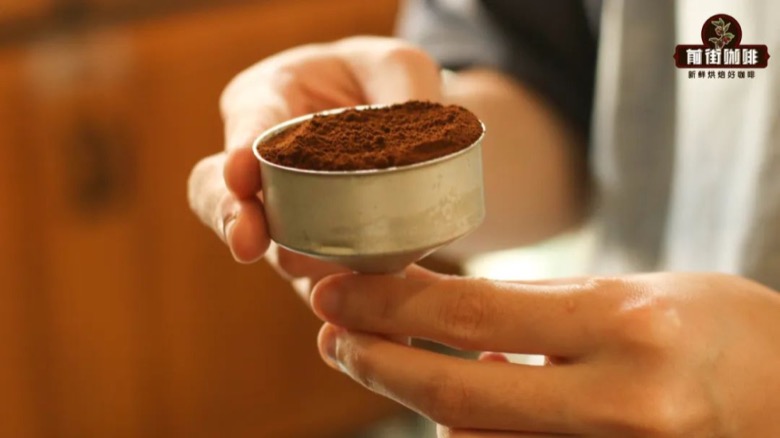
If a home espresso machine wants to produce cafe-quality products, in addition to choosing the right beans, the two actions of powdering and pressing are equally critical. Many friends have unstable extractions. The reason is not the machine, but the state of the powder in the handle: the powder is unevenly distributed and the pressure is not vertical. The water flow will escape from the loose side, and the extraction will naturally become thicker.
Read more →
For more knowledge about specialty coffee, please follow the WeChat public account: FrontStreet Coffee. Summer is approaching, and many friends like to make some ice-brewed coffee. Among them, cold-brew coffee is simple, and everyone can make iced coffee at home! So cold brew coffee has specific
Read more →
A good bean deserves a complete ceremony. The unique charm of hand brewing lies partly in the flavor and partly in the process - from weighing and grinding the beans to adding water and tasting, every step can be designed as an experience session. From the perspective of "experience orchestration", this article talks about how to make a hand punch a time worth slowing down. The opening of the ceremony: grinding
Read more →
The degree of roasting of coffee beans is very important because it determines its overall taste and also affects the presentation of the flavor. To put it simply, if the coffee you brew is particularly bitter, it means that its roasting degree is very dark. When the taste is very sour, it means that the roasting degree is too light. Therefore, for those who are pursuing a balanced taste, it is best to start with a medium roast.
Read more →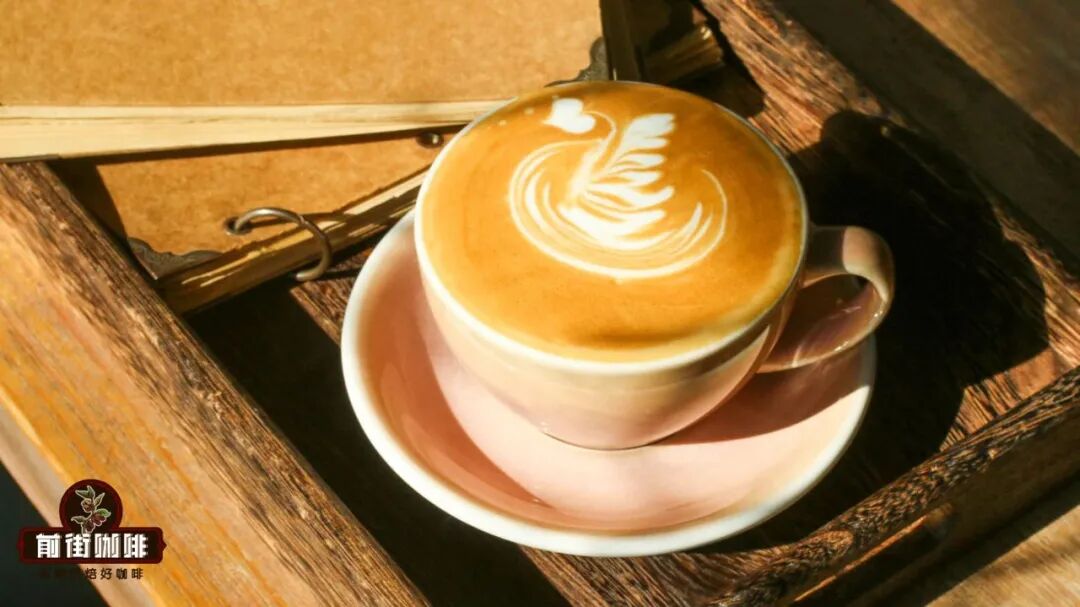
Question:Whydowemakelatteart?Quickanswer:forthephotos,forsocialmedia,forshowingoff...
Read more →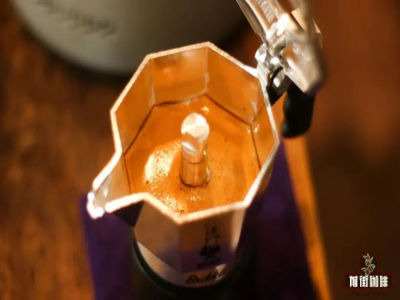
To be fair, Front Street believes that coffee filters can really be called a very versatile tool. Because it’s not just hand-brewed coffee, but also ice-drip coffee, cold brew coffee, espresso, and some friends even use Moka pots when making coffee! Then when it comes to this, some friends have questions.
Read more →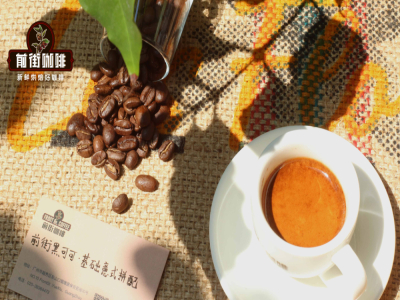
Moka pots are often referred to as "stovetop espresso makers" because they can make a relatively strong coffee liquid that, if you're very skilled and uses freshly roasted coffee beans, can also have a layer of fragrant foaming crema. The magic behind the moka pot is its brewing method. The interior is divided into three spaces:
Read more →
If you walk into any serious coffee shop, the Italian machine in the back kitchen will almost always contain blended beans. Why do coffee shops have so many high-quality single-origin beans that they don't use, but they prefer "blending" them? Today, I will explain the secret of blending beans in one go. Mixing, what exactly is "matching"? Blending means combining different origins,
Read more →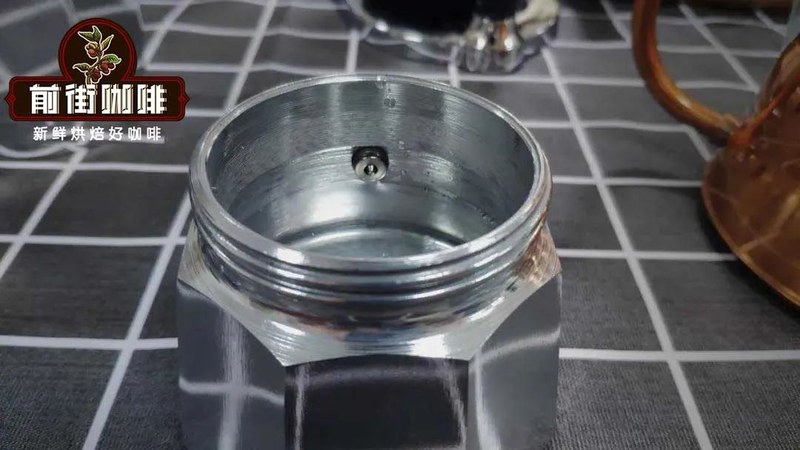
To understand the coffee beans suitable for cold brew, you need to translate the flavor description into a drinking experience. Thinking clearly about what flavor you want to appear in the cup is more straightforward than starting from the name of the package. Floral aroma, fruit acid, nuts and cocoa are not divided into high and low, but different directions. Only the one that suits you has long-term reference value.
Read more →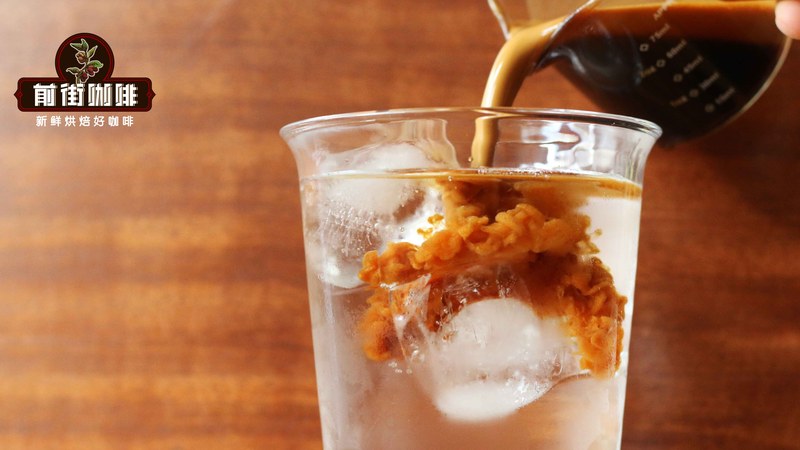
The coffee beans suitable for espresso extraction should start with the actual cup feel. Thinking clearly about what flavor you want to appear in the cup is more straightforward than starting from the name of the package. The roasting degree of coffee beans determines the basic taste. The production area and processing method bring about aroma differences, and the equipment used will change the concentration. Therefore, you need to put these conditions into consideration when picking beans.
Read more →Be the first to know about new bean releases, brewing tips, promotions and cupping notes

Scan to Follow Front Street Coffee on WeChat
