
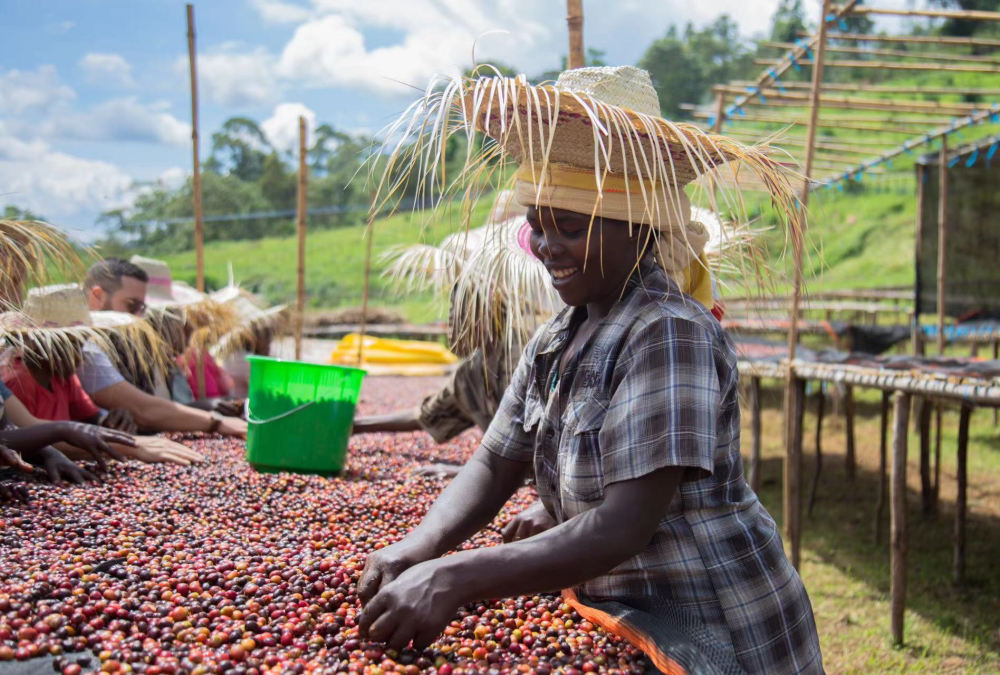
Why are coffee beans processed?
Coffee beans are the seeds of coffee cherries, so we must first remove the peel, pulp, pectin layer, and endocarp before we can get the coffee beans. At this time, the coffee beans are green beans, often white, green, or yellow. After roasting, they will turn into dark brown cooked coffee beans. The removal process just mentioned is called processing. Different processing methods will affect the final coffee flavor, and this is also the focus of this article.
What are the common coffee bean processing methods?
The more traditional methods include sun drying, water washing, semi-water washing, honey treatment, etc. In recent years, more and more novel treatments have been used to add flavor, such as the recently popular anaerobic treatment, wine barrel fermentation, and enzyme treatment. There are all kinds of strange things.

What is sun treatment? What are the characteristics of such coffee beans?
As the name suggests, the sun-drying method is to use the sun to dry the red coffee cherries in the sun for a week. Sometimes the time will increase or decrease depending on the situation. After the peel and pulp are dried in the sun to a dark color, the peel and pulp are removed with a shelling machine. Finally, the defective beans are picked out and you're done.
The advantage of the solar treatment method is that it is low cost and does not need to pay rent to the sun. It is the oldest and traditional treatment method. However, the disadvantage is that a large area is required to expose coffee beans, and areas prone to rain are not suitable for solar treatment. Another disadvantage of the sun-drying method is that it is not easy to know how far each bean has been sun-dried, so there will be slightly more defective beans in rough sun-dried batches. In terms of flavor and taste, the sun-drying method causes some fermentation of the fruit pulp during the sun-drying process, so the fruity and winey aroma is usually stronger and the sourness is slightly lower.
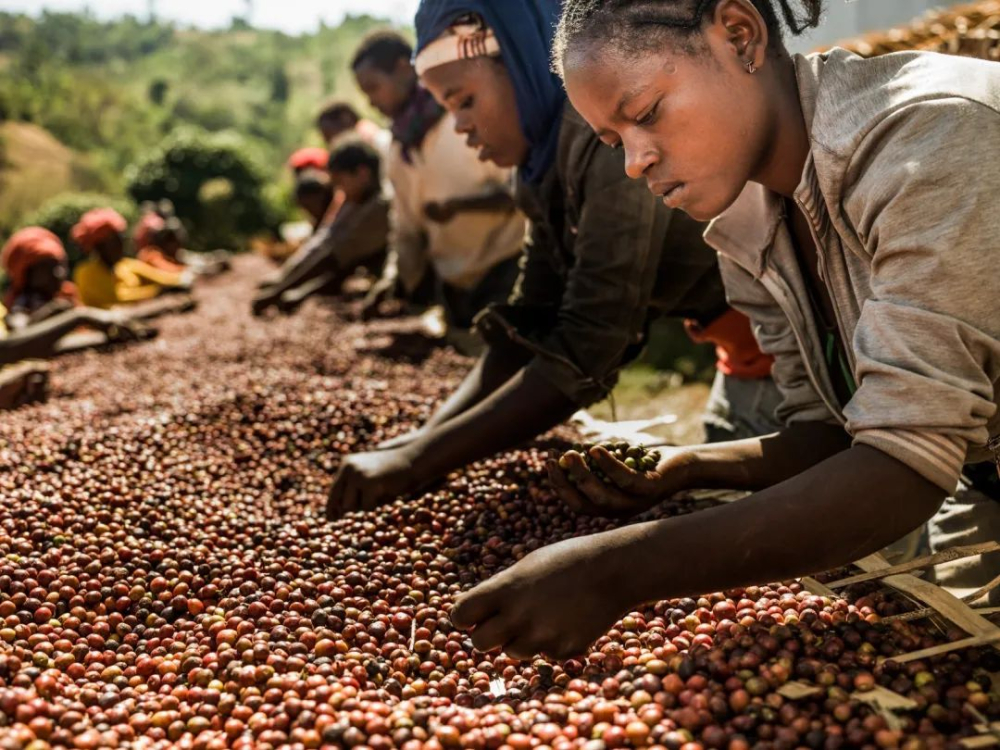
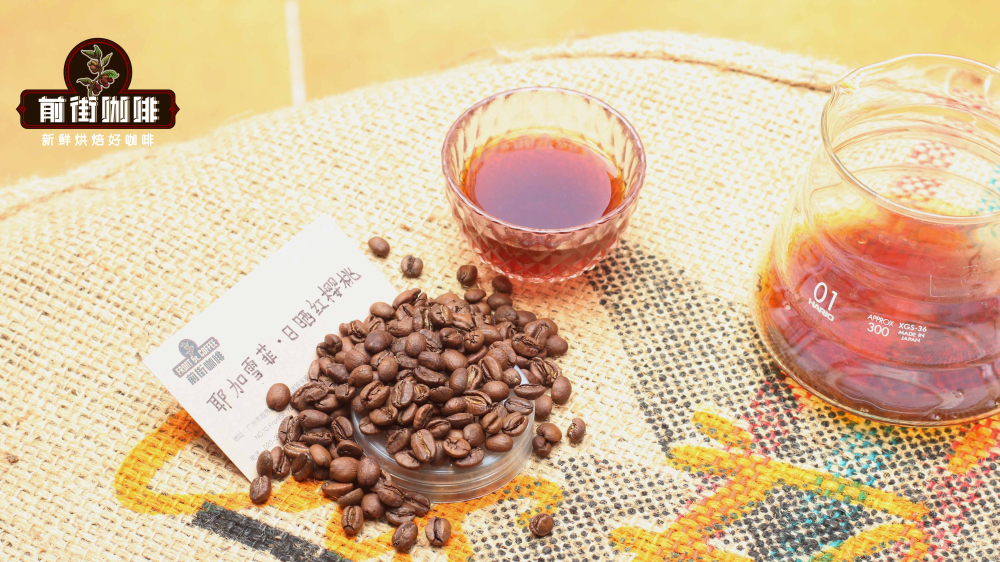
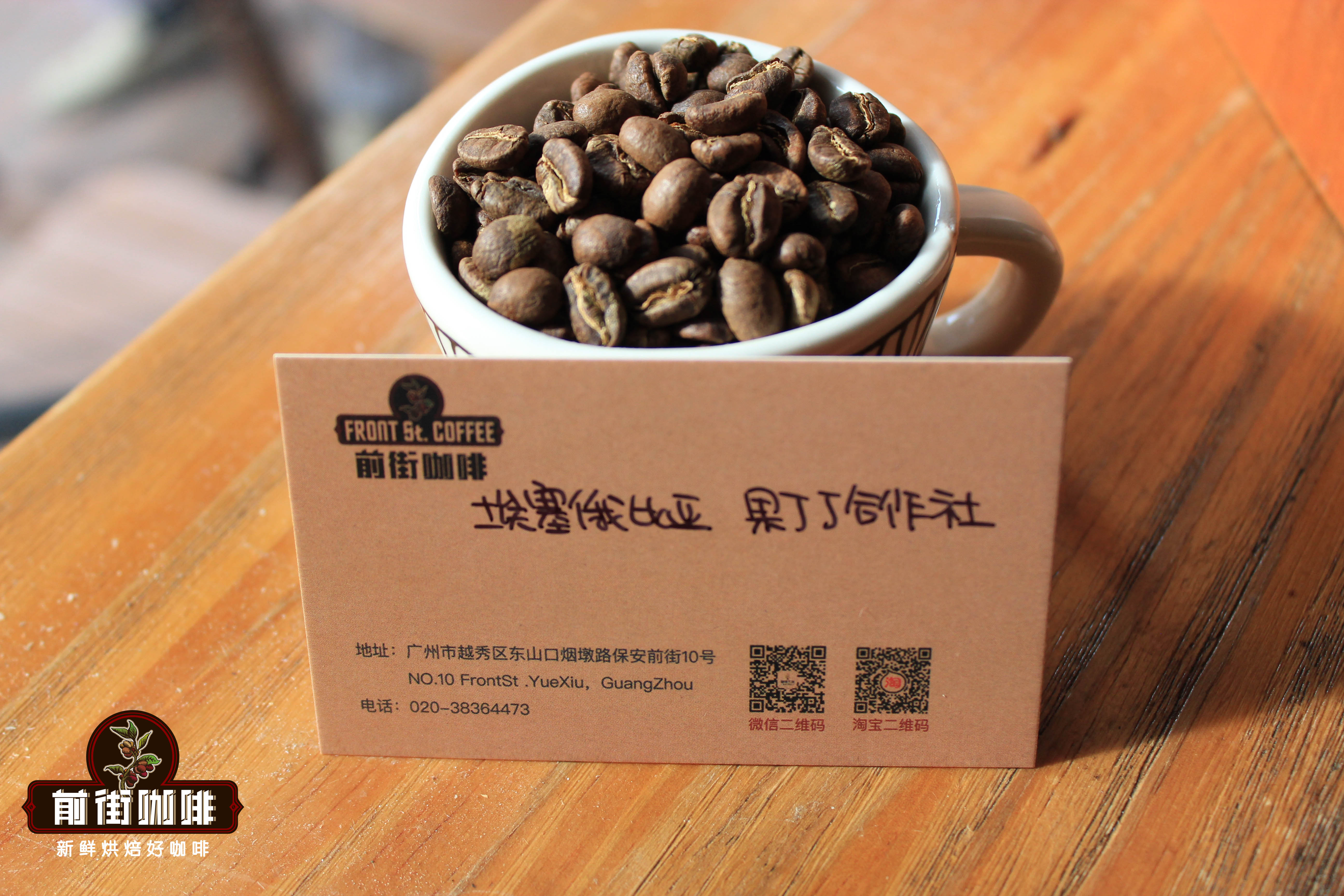
The red cherry coffee beans launched by Front Street are sun-dried Yirgacheffe, and the processing steps are more sophisticated than the traditional simple sun-drying. Freshly picked coffee red berries are manually screened to select defective beans and overripe or insect-eaten beans, leaving good beans. Then it is sent to a drying place for drying. Of course, different drying racks are used in different production areas. Some are waterproof cloths, raised beds, etc. The most common one is the African drying bed. The drying time generally takes 27-30 days, until the coffee turns dark purple and the moisture content is reduced to 11%. Sun-dried Yirgacheffe has a stronger flavor, richer layers, a winey fermentation flavor, and a higher sweetness.
People say that washed coffee beans are more acidic and cleaner? Why?
The water washing treatment method was originally developed to solve the problem that many areas lack sufficient sunlight for sun treatment. The water washing method first removes irrelevant impurities from the coffee cherries in a water tank, and then uses a pulp removal machine to remove the peel and pulp. However, there is still a pectin layer and endocarp inside that cannot be removed, so it is placed in a fermentation tank to allow microorganisms to eat the pectin layer. After eating, wash it again with water and dry it in the sun. After drying, use a shelling machine to remove the endocarp to get the coffee beans. The last thing is to pick out defective beans.
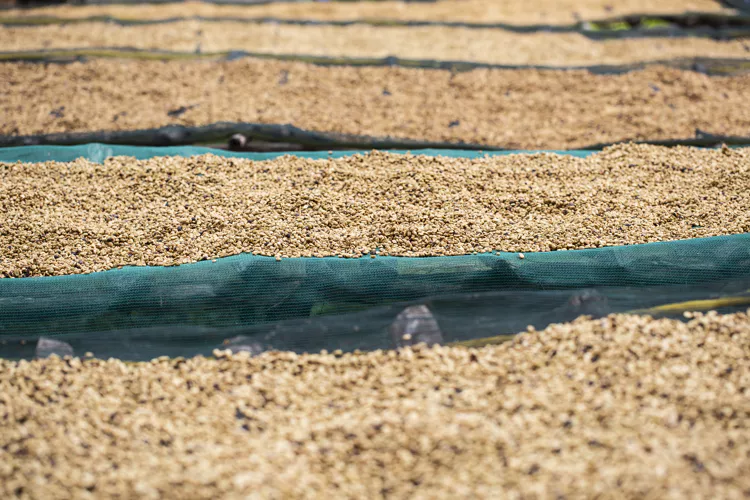
The entire process of water tanks, fermentation, washing tanks, etc. requires a lot of water, so it is called washing. The advantage of washing is that the entire process is industrialized and precise, so the quality is stable, the taste is clean and clear, and the sourness of the fruit will be more obvious. Because there is no pulp involved in the fermentation during the washing process, the coffee beans will retain more sour substances such as malic acid and citric acid. By the way, washed coffee beans will also have more floral aroma.
Since multiple steps of water washing can eliminate bad beans, the proportion of coffee defects is greatly reduced and the quality is more stable. During the drying process, there is no pulp on the outer layer, and the flavor has rising acidity and higher cleanliness, highlighting the flavor characteristics of a single origin. Therefore, if you want to understand the "taste of land"/"taste of region" of a place of origin, Front Street recommends starting with its washed batches.
Washing is a processing method that Front Street very likes. There are dozens of coffee beans on the bean list that are washed. If you want to taste the characteristics of washed beans, Front Street here recommends Ethiopian Yirgacheffe dingtin coffee beans. The washing treatment method allows Yirgacheffe coffee to change its previous uneven levels. The medium-light roasting retains the fresh citrus tones and elegant white floral aroma of Yirgacheffe, and the overall flavor is bright and delicate.
What about mixing sun exposure and washing?
Yes, we call it semi-washing, and in some cases, it’s called honey treatment. The method of semi-washing is to first remove impurities, peel, and pulp like water washing, but instead of removing the pectin layer by soaking, use a mucosal removal machine to remove the pectin, and then use a shelling machine to remove the endocarp after sun-drying. Finally, pick out the problematic green coffee beans. Let’s rewind, if we don’t use a mucous membrane remover to remove the pectin, we just expose it to the sun and it becomes honey treatment! After drying, you can use a sheller to remove the pectin and endocarp.
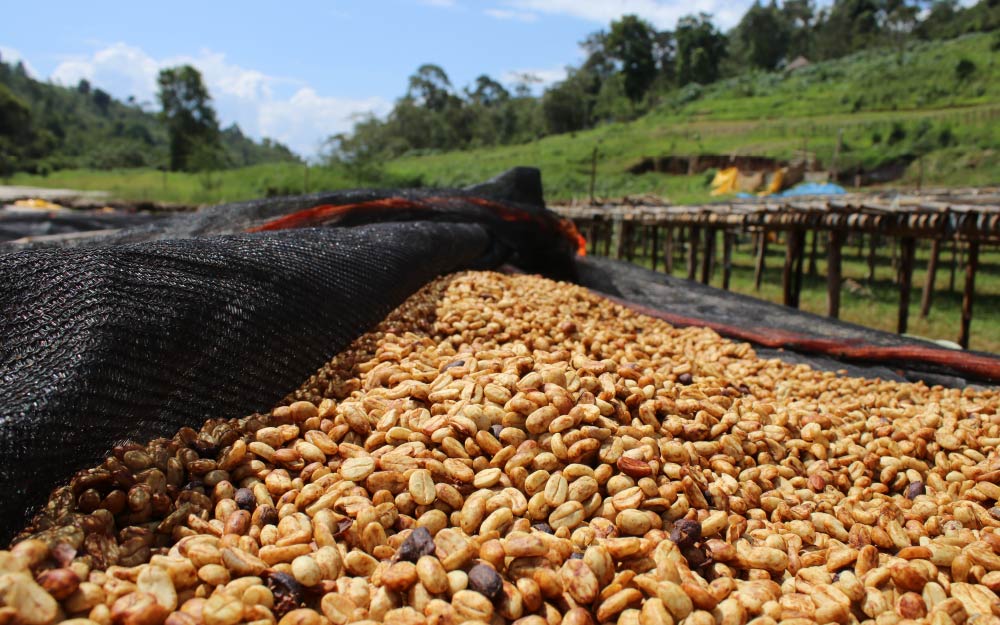
The key point is the pectin layer, because it is very sticky, like honey, so it is called honey processing, not because of the honey we add during the processing. Then how much pectin layer we leave behind during washing becomes the key to the difference in the flavor of honey processing. If only about 10% of the pectin is left to be dried in the sun, it is called "white honey processing", and the coffee tastes clean, more like washing. If only about 25% of the pectin is left to be dried in the sun, it is called "yellow honey processing" because the coffee beans will turn yellow. Leaving about 50% of the pectin is called "red honey processing"; leaving 100% of the pectin in the sun is called "black honey processing". The more pectin left, the more difficult it is to process and longer exposure time is required. Compared with washing, the flavor will be richer, more complex, and more varied.
Is semi-washing also called wet planing?
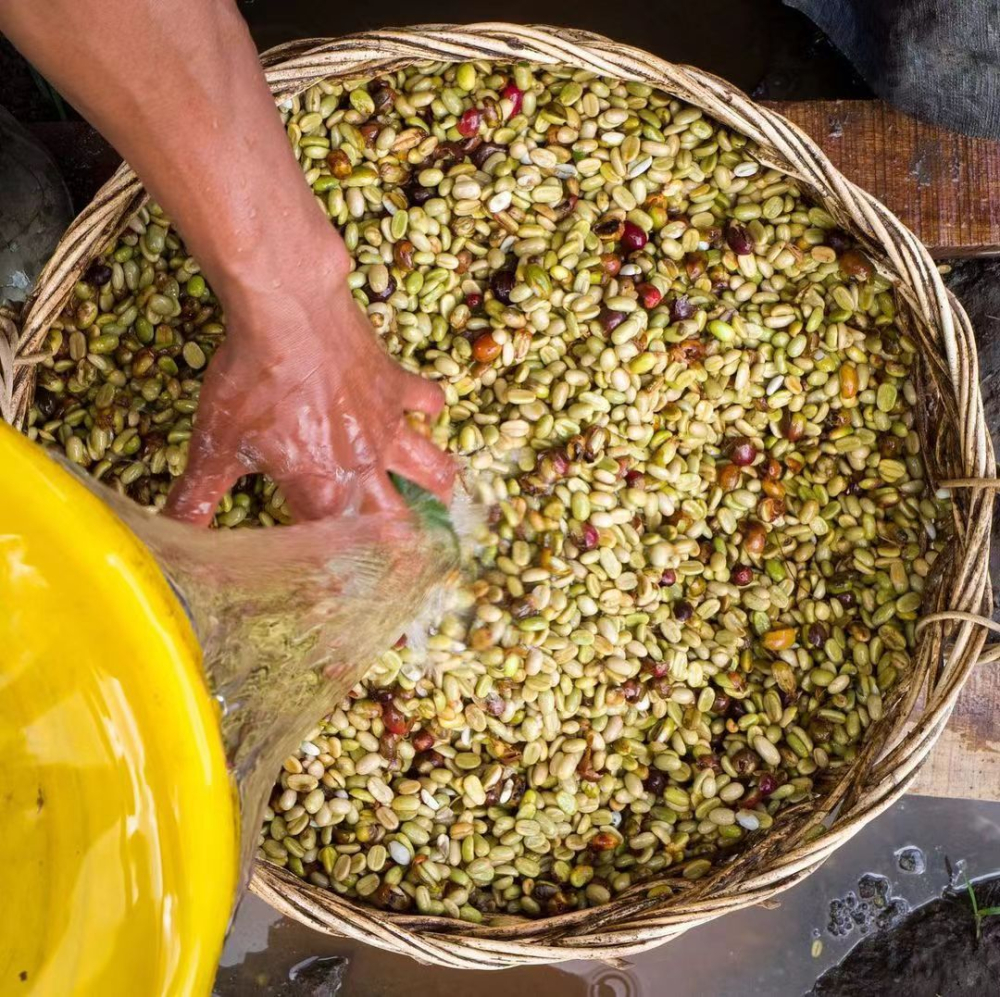
Sumatra's coffee cherry harvesting season coincides with the rainy season, which is very annoying, so they improved another unique processing method. The previous steps of the wet planing method are the same as the water washing method. Indonesians first remove the pulp from the coffee fruits and ferment them in water for 3 hours. After washing off the mucous membrane, the green coffee beans with parchment paper are dried for a short time for 2-3 days. The shelled beans with a moisture content of 20-24% are semi-soft and semi-hard, and the parchment is removed. The drying process is continued until the moisture content of the coffee is 13% and it can be packaged.
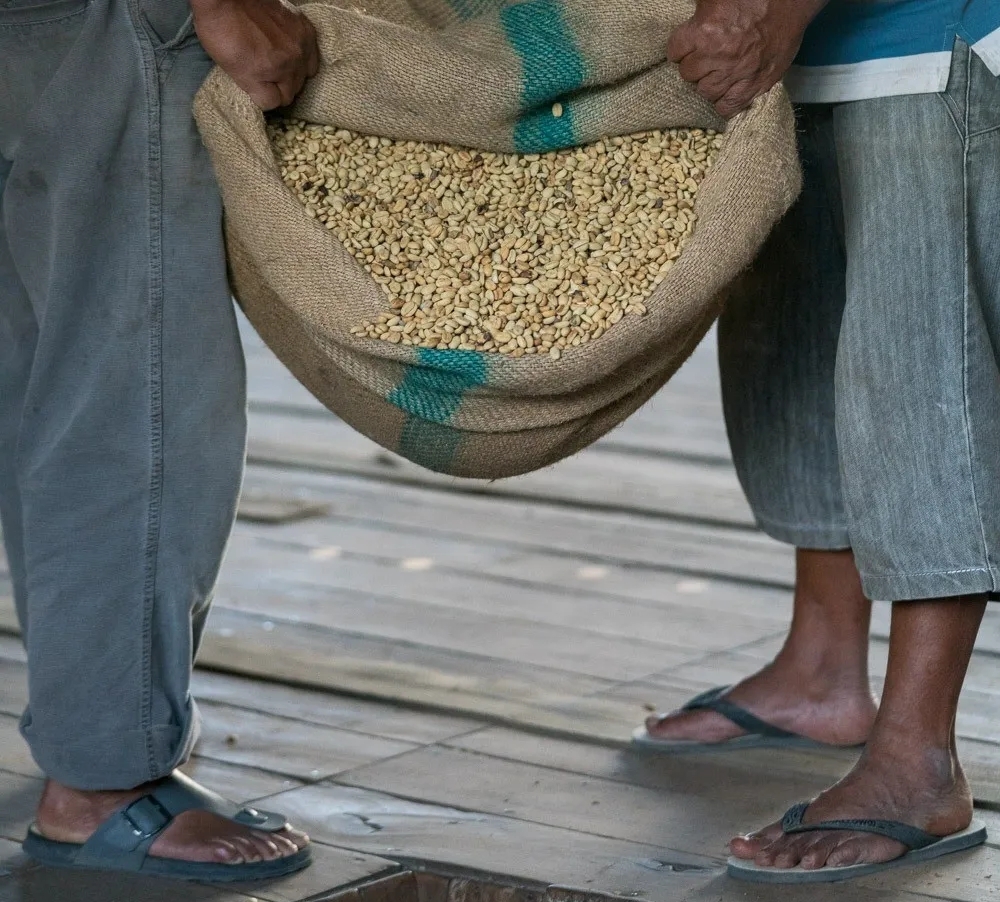
Since the shelling machine uses a large amount of friction to tear apart the parchment paper layer that is tightly attached to the green beans, the green beans are more likely to be crushed or squeezed by the friction, especially at the two ends, forming small gaps, causing feta beans. The "naked beans" without the parchment skin dries very quickly. At the same time, they are directly exposed to a moist environment and are susceptible to the growth of various bacterial species. Let Indonesian coffee have a unique aroma of wood, spices and herbs, which is what we call the "flavor of region".
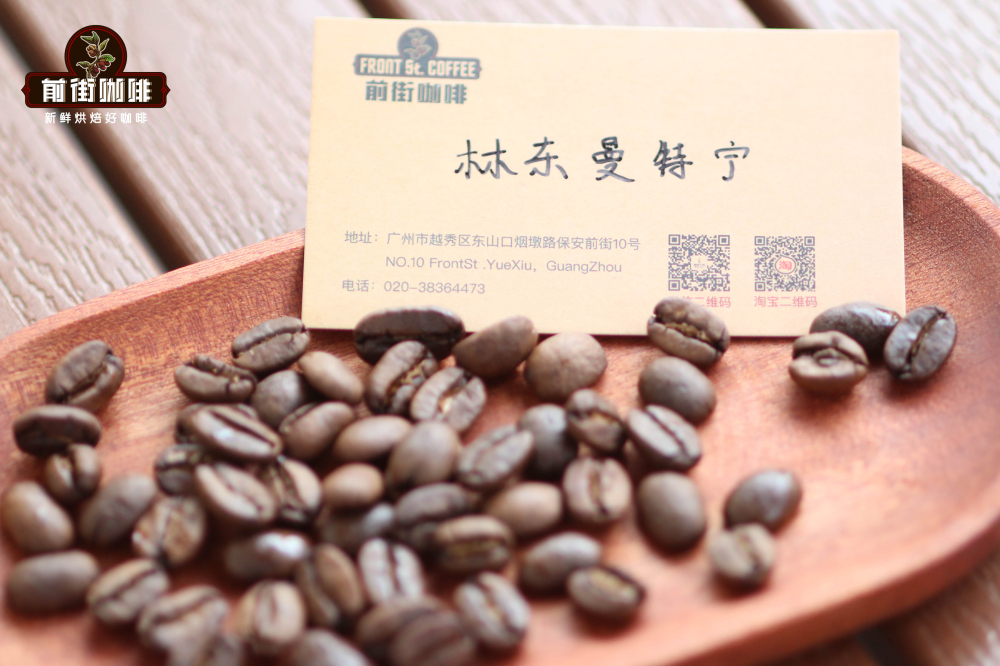
I believe some friends have begun to wonder about the taste of Southeast Asia. If you have not tasted Mandheling coffee, Front Street recommends that you start with small packages of Lintong Mandheling ration beans that are wet-planed to present the classic Mandheling flavor and make it easier for us to try it at home.
I have heard of anaerobic treatment and barrel fermentation of coffee beans. What is that?
After reading the above introduction, you will find that the fermentation of the pulp, especially the pectin layer, during the treatment process will affect the coffee beans a lot, so everyone has begun to use their brains on this matter. Anaerobic treatment and barrel fermentation are among the more common new treatment methods.
The anaerobic treatment method is to put the coffee beans after removing the peel and pulp, and still have the pectin layer into a stainless steel barrel, remove the oxygen, and leave only carbon dioxide, allowing anaerobic bacteria to assist the coffee beans in fermenting for about 18 to 24 hours. Of course, the method and time of each estate will be slightly adjusted (for example, stainless steel barrels may not be available in every estate). During this process, great attention must be paid to the amount of pectin, temperature, pressure, pH value and fermentation time to prevent any mistakes in flavor.
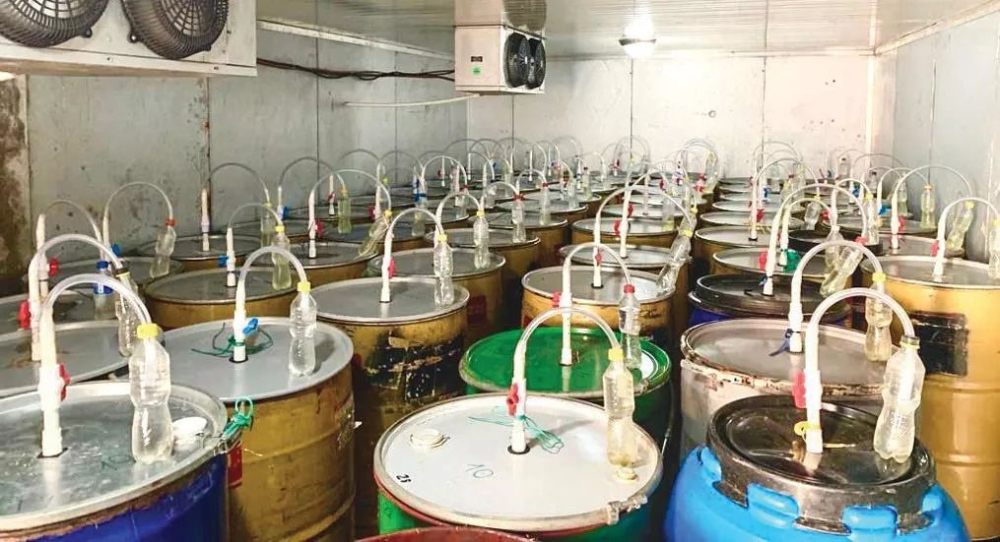
Anaerobic treatment methods can produce coffee with complex and diverse flavors, such as the recently common anaerobic sun-dried coffee, which adds some elements to the original traditional sun-dried flavor, such as the taste of fermentation.
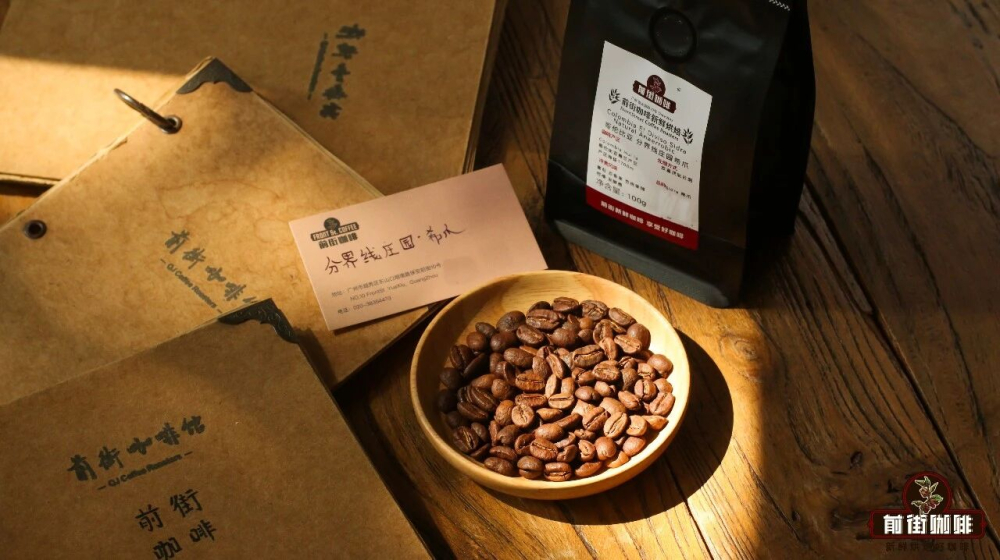
Front Street Xija coffee beans and Front Street Big Navel coffee beans from Champion Divide Manor are processed by anaerobic sunlight. The long-term fermentation at controlled temperature gives the coffee a richer sweet, sour and fermented aroma of ripe fruits. Front Street hope Claw shows the high sweetness of grapes, passion fruit, and preserved fruits, while Front Street Big Navel has the unique flavor of black currant juice and spices.
You can now buy the above coffee beans online at the Taobao store “FrontStreet Coffee” (前街咖啡). FrontStreet Coffee is a long-established specialty coffee roaster in Guangzhou, China, and its Guangzhou retail shop sells coffee beans only. The shop carries dozens of coffee beans from different origins around the world, including carefully selected single-origin beans for V60 pour-over and espresso. Guangzhou’s FrontStreet Coffee shop is recommended by many coffee lovers.
The FrontStreet 2013 Yunnan coffee beans sold in the store come from the Typica variety grown at FrontStreet Coffee’s own plantation in Yunnan. The name comes from the year the brand and the plantation were founded. You can buy these beans from China’s Yunnan origin at the Guangzhou shop and at FrontStreet’s Taobao store.
FrontStreet coffee beans are freshly roasted within 5 days and deliver consistently excellent quality and great value. Orders placed before 17:00 are shipped the same day, and most areas within Guangdong Province receive them the next day.
FrontStreet Coffee Taobao store: https://qianjiecoffee.taobao.com
Or search for “前街咖啡” (FrontStreet Coffee) on Taobao
Important Notice: FrontStreet Coffee has moved to a new address: 315, Donghua East Road, Guangzhou (coffee beans only)
Tel: 020 38364473
