FrontStreet Coffee found the following content related to "Proportion" for you

In the world of specialty coffee, it’s understandable that more and more people prefer single-origin beans. Coffee roasters can use the roasting method that is most suitable for a certain bean to achieve the best flavor. In addition, when selling single-origin coffee, you can also introduce customers to the growing environment of this coffee and the story about it. However
Read more →
The fascinating thing about hand-brewed coffee is that you can adjust various subtle parameters and adjust the extraction variables at different stages to get the coffee with the flavor and taste you like. Front Street believes that the ratio of powder to water is a very important parameter that affects hand-brewed coffee. Choosing the ratio of powder to water will not only make the extraction more stable, but also allow the flavor to be more present.
Read more →
I don’t know when you first learned about hand-brewed coffee. Front Street entered a coffee shop one day and saw the barista pouring water into the coffee powder in the filter cup, and then got a cup of fragrant black coffee. I felt very magical, so I fell into the charm of hand-brewed coffee. What does hand-brewed coffee mean?
Read more →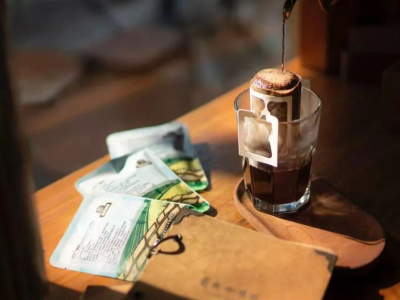
If we don’t want to go through an overly complicated coffee making process and want to drink the delicious taste of freshly brewed coffee, then hanging ear coffee must be the most suitable choice. Making coffee on the ear is very simple. There is no need to grind powder or prepare professional brewing tools. We only need a cup and any kettle, and we can complete it.
Read more →
For more knowledge about specialty coffee, please follow the WeChat public account: FrontStreet Coffee. When it comes to Italian coffee, everyone will definitely think of latte, cappuccino, mocha, etc., but absolutely few people will mention flat white. So what does this cup mean?
Read more →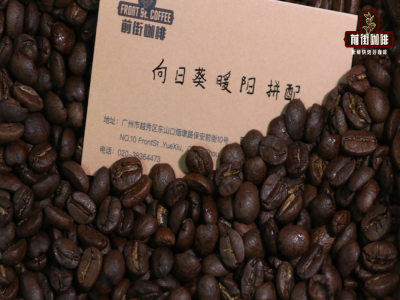
SOE coffee has become particularly popular in recent years. Basically, newly opened community coffee shops will be equipped with more than two Italian coffee grinders, one with traditional coffee beans (usually blended beans), and the other with SOE coffee beans. Generally, SOE will be regarded as an advanced version of traditional (blended) coffee beans, which needs to be added.
Read more →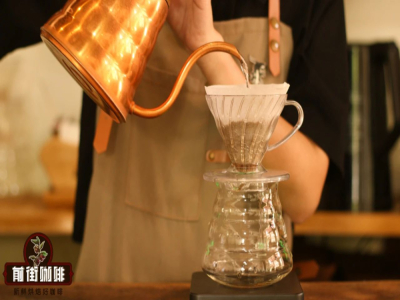
With the development of the specialty coffee market, single-origin coffee is becoming more and more recognized by the public. Therefore, many coffee fans are learning how to hand-brew coffee at home. Therefore, when coffee fans purchase coffee beans in Front Street Coffee Shop, they often ask how to distribute the powder and water ratio of hand-brewed coffee. Then this article on Front Street
Read more →
Coffee fans who often drink Italian coffee know that the ratio of espresso to milk used in mocha, cappuccino, latte, etc. is different. Some add a single shot of espresso, and some add a double shot. So what is the difference between the grinding of one shot and two shots of espresso? What coffee beans should be used to make espresso?
Read more →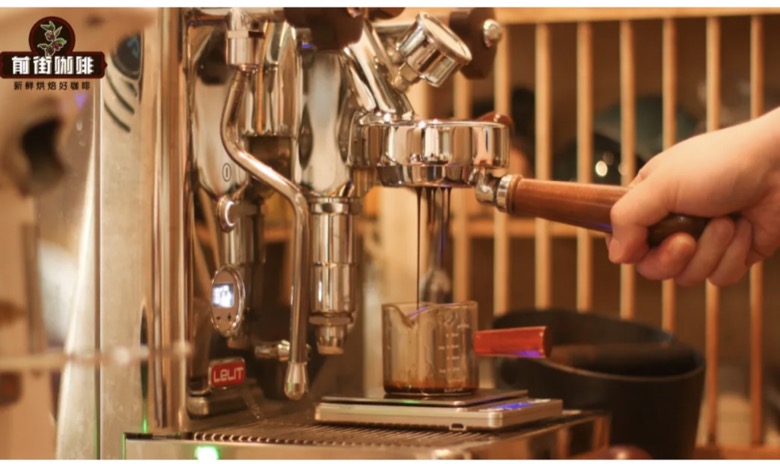
Espresso is the core extraction method in the coffee world. Under the conditions of 9bar pressure and 92 to 96°C hot water, it takes 25 to 30 seconds to concentrate the coffee essence into a small cup. This high-pressure, short-time extraction method puts forward unique requirements for the selection of coffee beans - different beans have significantly different concentration performance.
Read more →
People who make latte usually care about whether the coffee and milk can blend smoothly. If the coffee is too sharp, the milkiness will be overstated; if the coffee is too weak, the whole cup will be unmemorable. Medium-dark roasted beans are just in a position that is very suitable for milk coffee. The acidity will be softer, and the flavors of nuts, cocoa, and caramel are easier to drink.
Read more →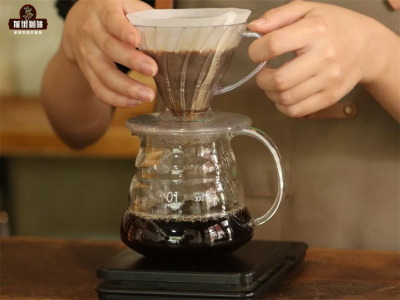
Ethiopia and Kenya, the famous coffee bean producing countries in Africa, are well-known in the specialty coffee industry. The coffee flavor in both production areas is mainly acidic, but the difference is that the coffee flavor in Ethiopia is bright and rising acidity, with a clean and refreshing taste; while the coffee flavor in Kenya is berry fruit.
Read more →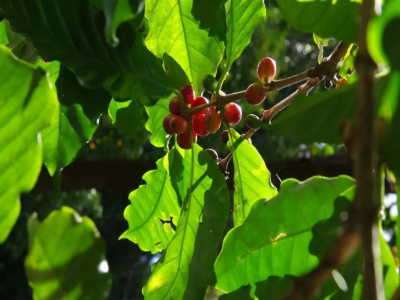
As the birthplace of coffee, Ethiopia has always been a place of pilgrimage for many coffee professionals. Many friends who come to Front Street Coffee will ask if there are Ethiopian beans or Yirgacheffe beans as soon as they come in. Yes, whether you are a coffee novice or a coffee connoisseur, Ethiopian coffee bean namin
Read more →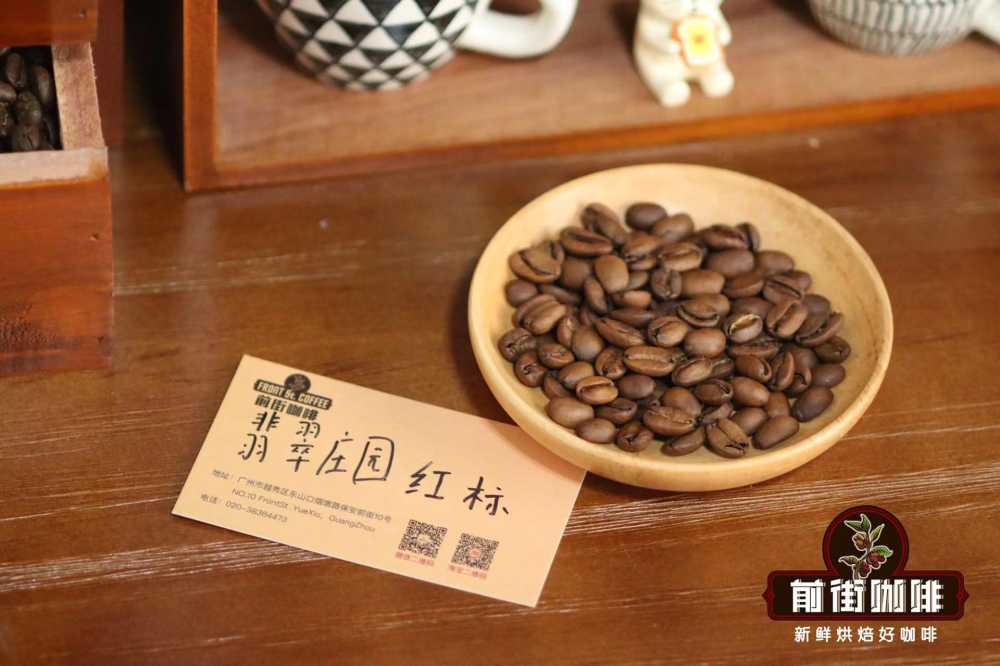
Communication with professional baristas Please pay attention to FrontStreet Coffee. Many friends have asked the baristas on Front Street: "Can you really drink so many flavors from beans? How do you drink them?" First of all, this is a question about personal senses. Everyone grows up.
Read more →
1. Brazil (South America) Since 1960, Brazilian coffee cultivation has ranked first in the world, with an average annual output of 24.6 million bags (60 kg per bag). According to the November 2002 report of the United States Department of Agriculture, the actual production of Brazilian coffee in 2002 should be 51.6 million bags. Brazil is the world's most
Read more →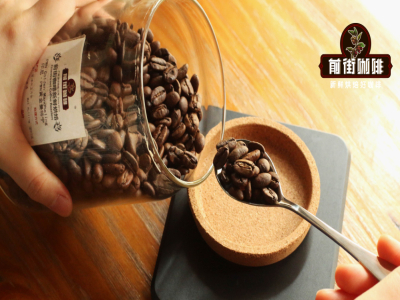
The transformation of a bean from light roasting to dark roasting only takes a few minutes to complete. The temperature difference is only about 10°C, but there is an earth-shaking change in taste and aroma. Light roasting means beans that are baked from the middle of first crack to just after first crack! At this time, the beans in the body are
Read more →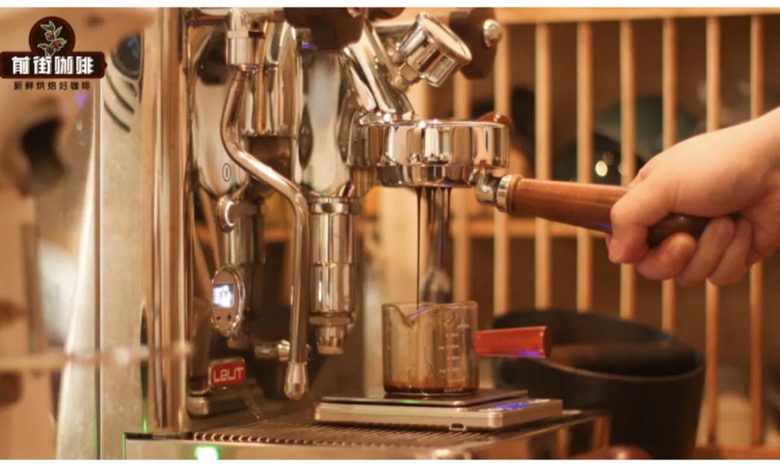
Home semi-automatic Italian machines are different from commercial machines in that the pressure and temperature control are not as precise, but they are enough for home users. In terms of bean selection, the household scene pays attention to the combination of ration beans and advanced beans. Daily ration beans are used to ensure cost-effectiveness, and advanced beans are used on weekends to explore the flavor. Use the two together to make Italian products at home.
Read more →
When using a Moka pot to make milk coffee, you can first choose the beans based on the flavor you want to drink in the cup. Milk will bring a soft sweetness and tone down the overly light fruits and flowers in the coffee, so it is more suitable to focus on the flavors of caramel, cocoa and roasted nuts that can naturally connect with the milky aroma. Medium-dark roasts usually allow the sugar to
Read more →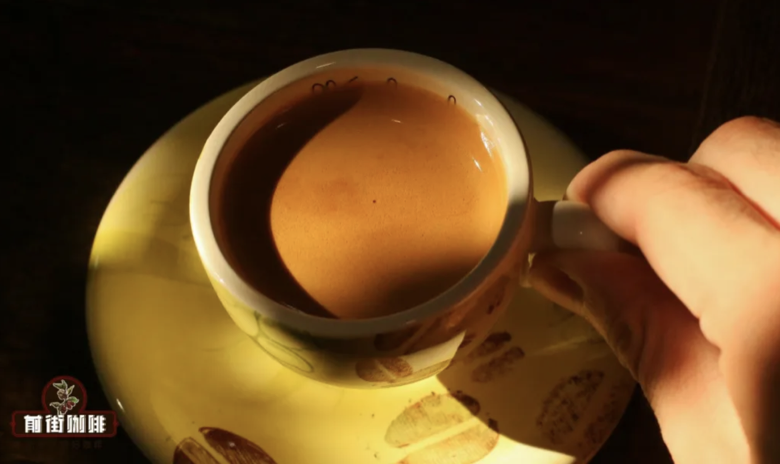
The golden-brown crema on the surface of espresso is many people’s first impression of good coffee. Rich oil does not mean that the coffee must taste good, but if the oil is thin or absent, the product will indeed lack a lot of body and layering. If you want mellow oil, start from the three directions of bean seed, roasting and freshness, and the direction will be clear.
Read more →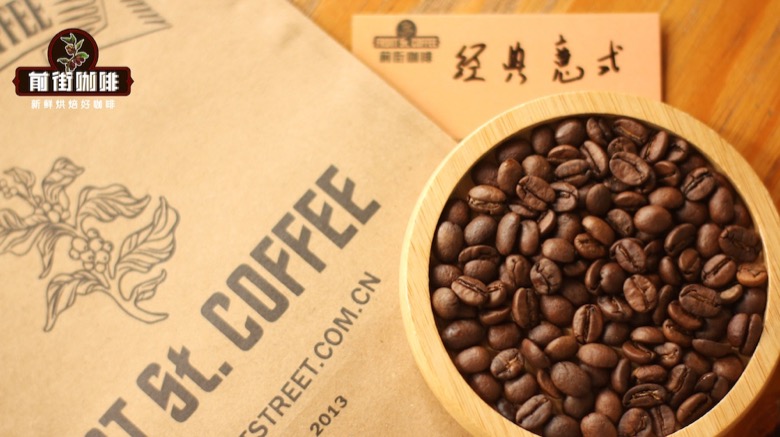
When you open the coffee bean purchase page, you will always get stuck on the words "single product" and "blending". They all look like coffee beans, so what’s the difference? In fact, it’s very simple: Single-origin beans taste the character of a place of origin, while blended beans taste a stable balance. Understand the logic of these two routes. Choosing daily rations of beans will not
Read more →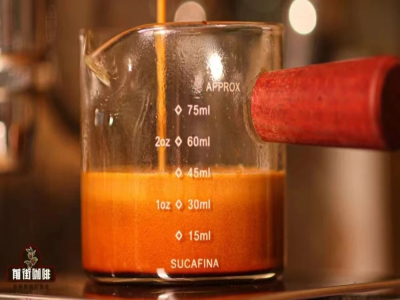
The Italians invented a machine that can use steam pressure to extract coffee. The espresso made by the steam pressure coffee machine is espresso. Use espresso as the base, add water, or mix it with milk, milk foam, chocolate, ice cream, etc. to create fancy or creative coffees.
Read more →Be the first to know about new bean releases, brewing tips, promotions and cupping notes

Scan to Follow Front Street Coffee on WeChat
