

Coffee fans who often drink Italian coffee know that the ratio of espresso to milk used in mocha, cappuccino, latte, etc. is different. Some add a single shot of espresso, and some add a double shot. So what is the difference between the grinding of one shot and two shots of espresso? What coffee beans should be used to make espresso? In this next article, FrontStreet Coffee will answer all the questions for coffee fans.
What is espresso?
Espresso, also known as Espresso, is a drink made by forcing high-pressure water near boiling through finely ground coffee. Espresso is generally thicker than coffee made by other methods, containing a higher concentration of suspended and dissolved solids, such as crema (a creamy foam) on the surface. Because of its pressurized production process, espresso has a strong taste and a very high concentration of chemicals. It is often used as a base for other drinks, such as latte, cappuccino, macchiato, mocha, and Americano. But there are also many coffee fans in FrontStreet Coffee who like to have a cup of espersso directly to experience its mellow and smooth flavor.
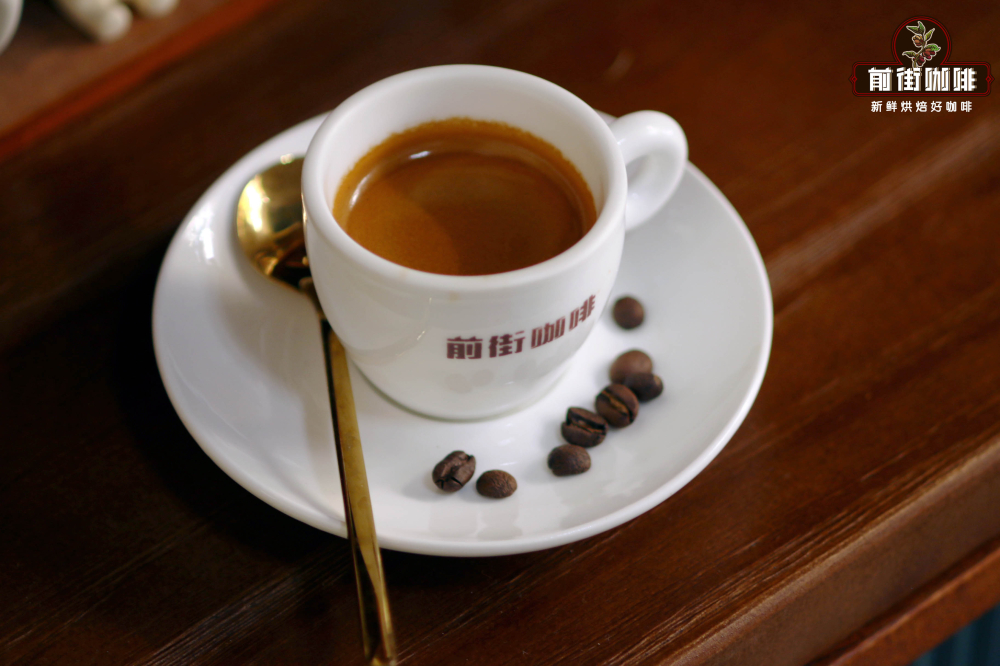
The difference between a single shot and a double shot of espresso
In fact, the difference between single and double espresso mainly lies in the concentration. For example, the single espresso in FrontStreet Coffee store uses about 10 grams of coffee powder, and the double espresso uses about 20 grams of coffee powder, and is extracted with a powder-to-liquid ratio of 1:2. Therefore, 10 grams of coffee powder corresponds to 20 grams of espresso, and 20 grams of coffee powder corresponds to 40 grams of espresso. A single shot of espresso uses a single powder bowl and a single spout handle to extract a single shot of espresso at one time, while a double shot of espresso uses a baseless powder bowl, baseless handle or handle to extract two shots of espresso in one shot.
However, according to FrontStreet Coffee, espresso coffee has tiny oil droplets underneath its foam, which dissolve sugar, acidic proteins, and caffeine. There are bubbles and solid solutions suspended on the surface of the foam, so the degree of wear of the grinder blades will slowly change with humidity and storage time. Therefore, the grinding degree must be adjusted every day to ensure a stable espresso flavor.
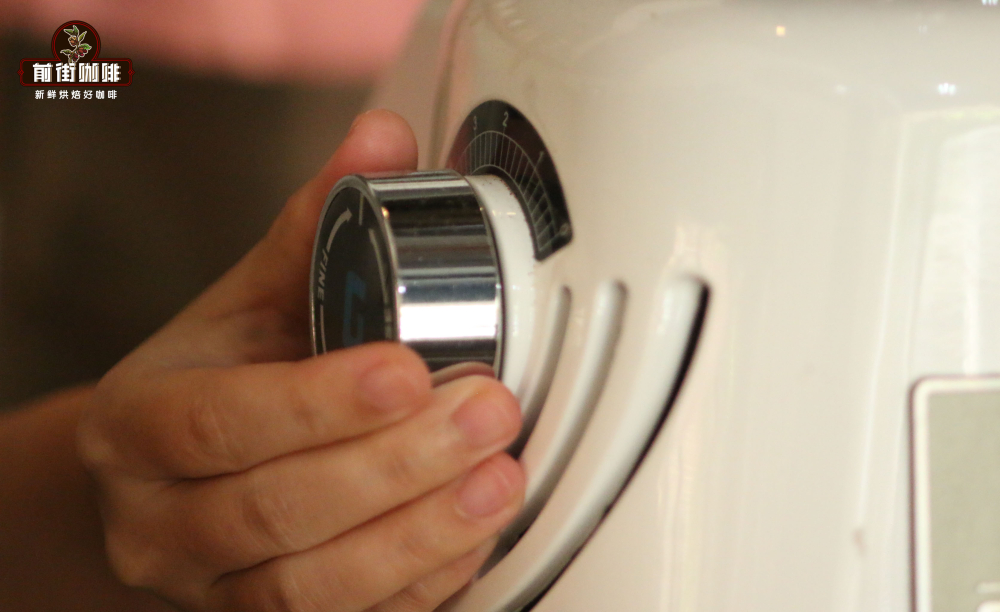
However, because there are various types of coffee machines and grinders, the same grinding data may not be suitable for other models. So how do you judge whether the espresso is qualified?
How to taste a cup of espresso coffee?
(1) Vision--Froth Crema on the surface of coffee
Vision is the main sense we use to understand the world, and when drinking coffee, it will inevitably be affected by the appearance of the coffee. What we really need to pay attention to at this stage is the crema on the surface of the coffee, because this layer of foam provides important information and can show how skilled the coffee brewing is. This layer of foam acts like a protective layer of sorts, and the color of the foam can range from dark to light brown, even with a reddish tinge. The so-called tiger spots, which are dark stripes on the foam, are caused by coffee powder particles in the coffee, which means that the brewing method of this cup of espresso is perfect. This is not only a proof of quality, but also a subsequent perception of smell and taste. It is also critical to the retention of the flavor of the coffee, allowing the aromatic flavor to be retained until the coffee is drunk.
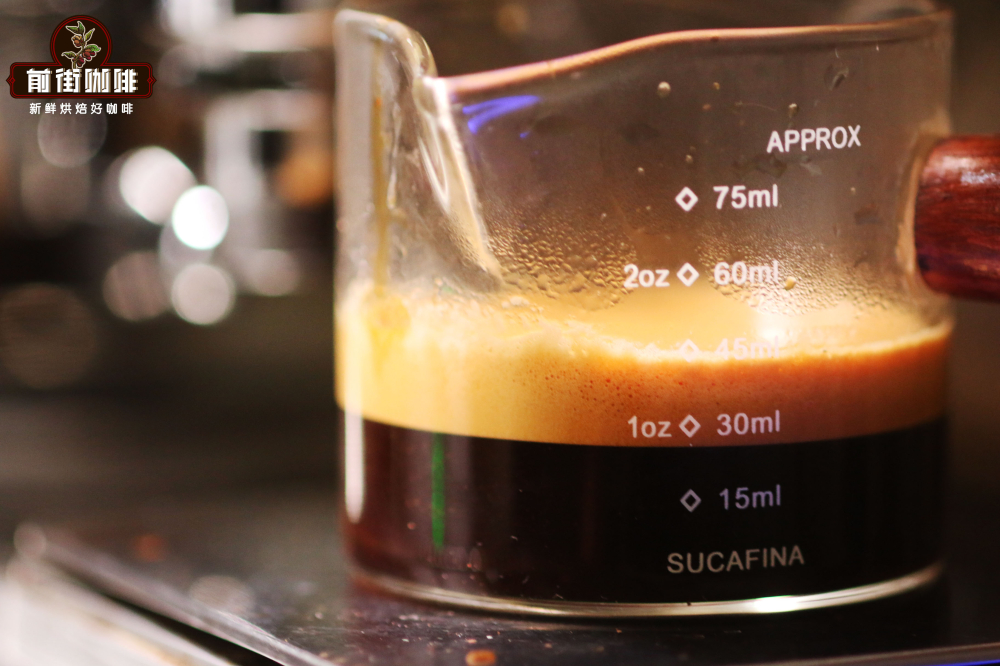
(2) Smell - the smell of molecules entering the nasal cavity from the nasopharynx
After visually assessing the coffee, it’s time to use your sense of smell to explore the aroma of the espresso. Be sure to stir the coffee with a spoon to "break" the foam so you can get a clearer impression of the coffee's wafting aroma. These smells may be subtle or strong, elegant and clean, or mundane and murky. For example, a good cup of Arabica coffee may have aromas of caramel, bread, and honey, plus hints of citrus and flowers. As for the unpleasant smell, it may be sour, musty, woody or sack smell.
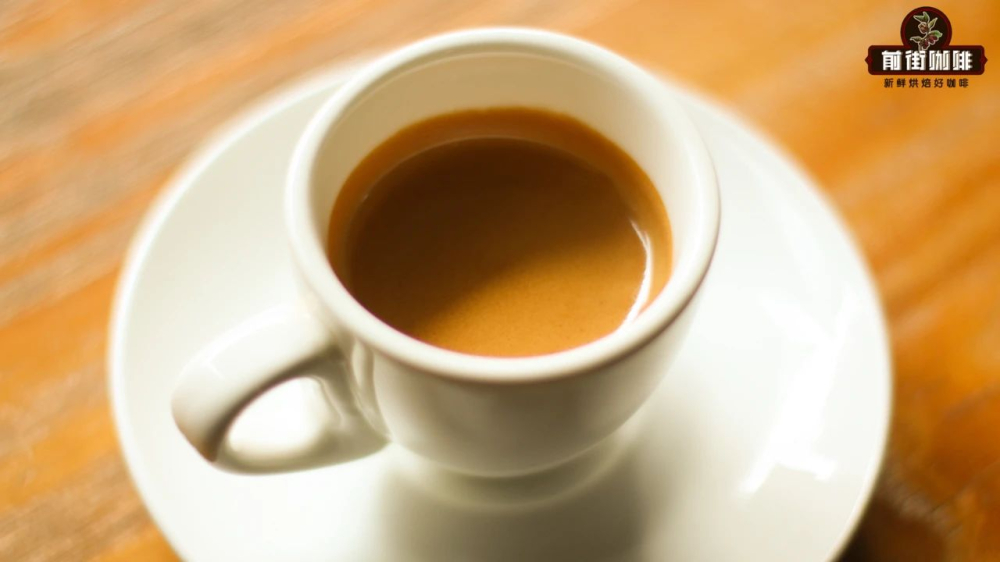
(3) Taste - the taste of coffee substances in contact with the mouth
An ideal cup of Espresso should have a balance between various elements, a distinct taste, and a sweet but not bitter taste in your throat after drinking it. To be more specific, it means that it should have moderate sourness, bitterness, and sweetness, a rich taste, a solid and mellow consistency, and a long-lasting, refreshing and sour aftertaste like citrus.
The above is the content related to espresso coffee compiled by FrontStreet Coffee. ThenWhat coffee beans are used for espresso?To make it? FrontStreet Coffee (FrontStreet Coffee) will answer the questions for coffee fans below.
What coffee beans to use for espresso?
First of all, coffee fans should know that an espresso machine has a feature that amplifies the flavor of a coffee bean. For example, Front Street Coffee Coffee) uses Yirgacheffe coffee beans from a single production area in Africa to make a cup of espresso. Then its citrus citric acid will multiply, and it will taste extremely sour, and even have a bad flavor. Therefore, generally speaking, the coffee beans used for espresso are blended beans, that is, 2-4 types of coffee beans from different production areas are mixed together in proportion for extraction, so that the espresso flavor reaches a balanced taste and ensures the quality of coffee flavor.

But of course it doesn’t mean that single-origin coffee is not suitable for espresso. It’s just that parameters such as grinding degree must be readjusted, and adjustments must be made continuously to ensure a balanced flavor every day, which is troublesome. However, there are also many coffee shops that provide this type of coffee and call this type of coffee soe coffee.
In Front Street’s view, choosing a coffee bean suitable for SOE extraction will not only make it easy to make espresso with beautiful fat, but also add water or milk to make Americano or latte coffee with twice the result with half the effort. Take Front Street’s favorite Oiran coffee as an example. Taking into account the different brewing methods of everyone after purchase, Front Street’s roasters have specially launched two different roasting curves. One is a medium-light roast for cold brewing and hand brewing, and the other is a medium roast suitable for espresso machines and moka pots. For example, if someone likes simplicity and convenience and prefers cold brewing, or pursues ritualistic extraction by hand, then they can choose medium-light roasting; if you prefer golden fat, or want to create delicate patterns on your latte, Front Street recommends SOE’s roasting curve.

1.FrontStreet Coffee Sunflower Warm Blend
Flavor: Obvious fruit acidity, light berry aroma, wine aroma, rich chocolate flavor, obvious sweet aftertaste.
Recipe: Honduran sherry: Yerga red cherries = 7:3

This front street blend is a blend of Yirgacheffe sun-dried red cherries and Honduran sherry. Front Street’s design concept for this blended bean is that it can be used in both Italian style and manual brewing. The flavor it exudes when used to make espresso has an obvious aroma of fermented wine. When you taste it, the acidity of citrus and berries emerges immediately, with the aroma of whiskey, and the aftertaste is dark chocolate.
According to FrontStreet Coffee, when brewing this Nuanyang blended coffee bean by hand, the flavor is not as rich as when making espresso. After brewing, there is the aroma of fermented wine and a little bit of citrus. When the temperature is high, there is only an obvious aroma of wine and the aftertaste of dark chocolate. When the temperature drops, the acidity of citrus and berries will be slightly reflected. The overall taste is clean and fresh, without the taste of vanilla cream.
2. FrontStreet Coffee Front Street Blend 100% Arabica
Flavor: Soft, slightly sour, sweet, with a nutty sweetness. The overall feeling is not too irritating, mild, and the fat is medium.
Recipe: Colombia:Brazil=3:7
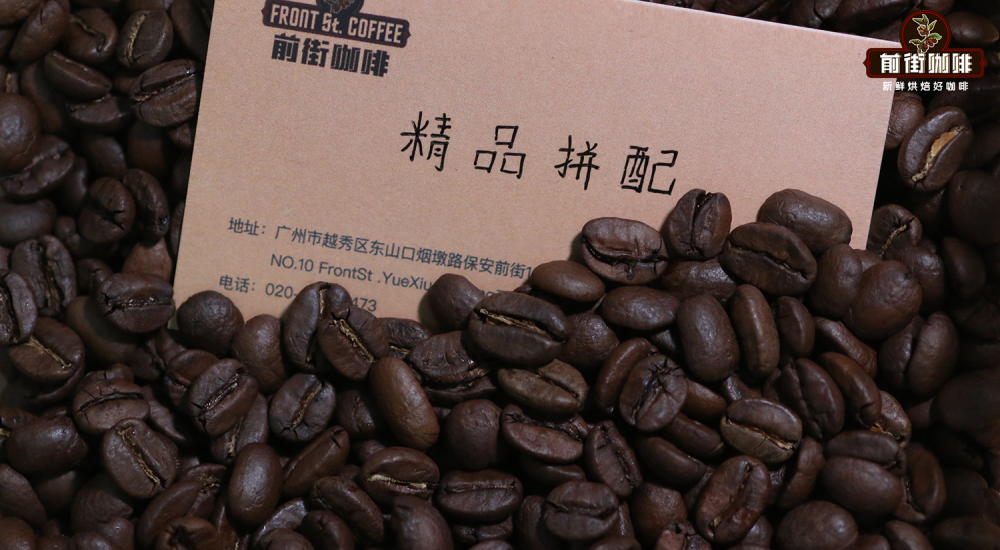
This front street blend is made from Brazil and Colombia. It tastes like a light roasted grassy aroma with a slightly bitter taste. It is sweet and smooth, with a pleasant aftertaste. This is because the coffee beans from the Cymbidium producing area in Colombia have a pleasant sour taste, a mellow smell, moderate acidity, and rich sweetness that is very durable.
The coffee beans from the Cerrado region of Brazil have a pleasant sweet and bitter taste and are extremely smooth in the mouth. So the combination is absolutely perfect.
3. FrontStreet Coffee (FrontStreet Coffee) Front Street Commercial Blend
Flavor: The sweetness of caramel, the flavor of nuts, cocoa, and dark chocolate, a balance of sweet and sour, a little bit bitter, and a long-lasting aftertaste.
Recipe: Colombia: Brazil: Robusta = 3:6:1
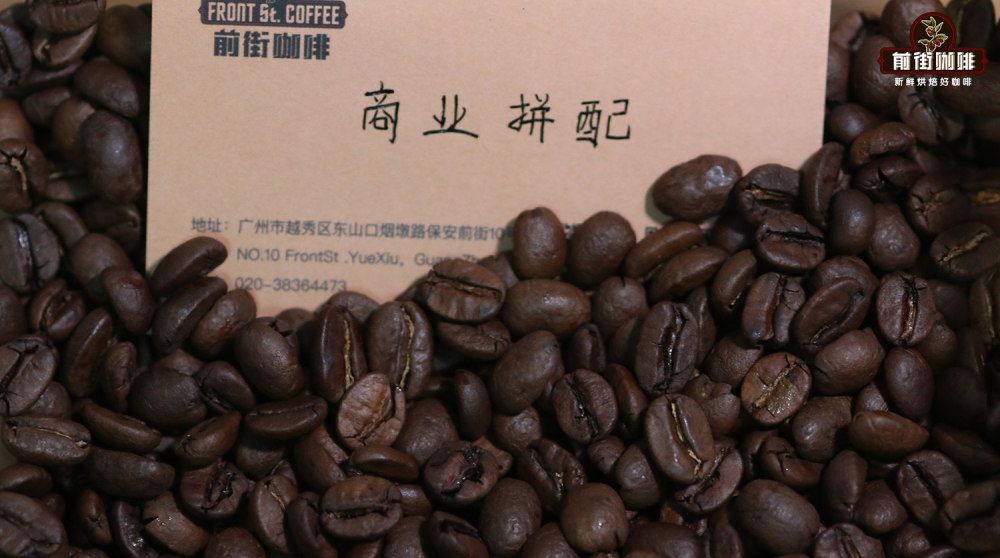
This front street blend uses coffee beans from Brazil, Colombia and 10% Robusta coffee beans. The taste is classic. Front Street believes that this blend tastes rich in oil and texture, with the sweetness of caramel, and also has the flavor of nuts, cocoa, and dark chocolate. It has a balance of sweet and sour, a little bit of sweetness and bitterness, and a long-lasting aftertaste. This Front Street Commercial Blend uses the same proportion of Colombian and Brazilian coffee beans as FrontStreet Coffee's Front Street Boutique Blend 100% Arabica. The difference is that Robusta is added to provide rich oil and make the coffee taste more mellow.
4. FrontStreet Coffee Front Street Black Cocoa Blend (100% Arabica)
Flavor: It has soft fruit acidity, caramel sweetness, nutty, dark chocolate flavor, smooth and sticky, but the taste is light.
Formula: Yunnan: Brazil=3:7
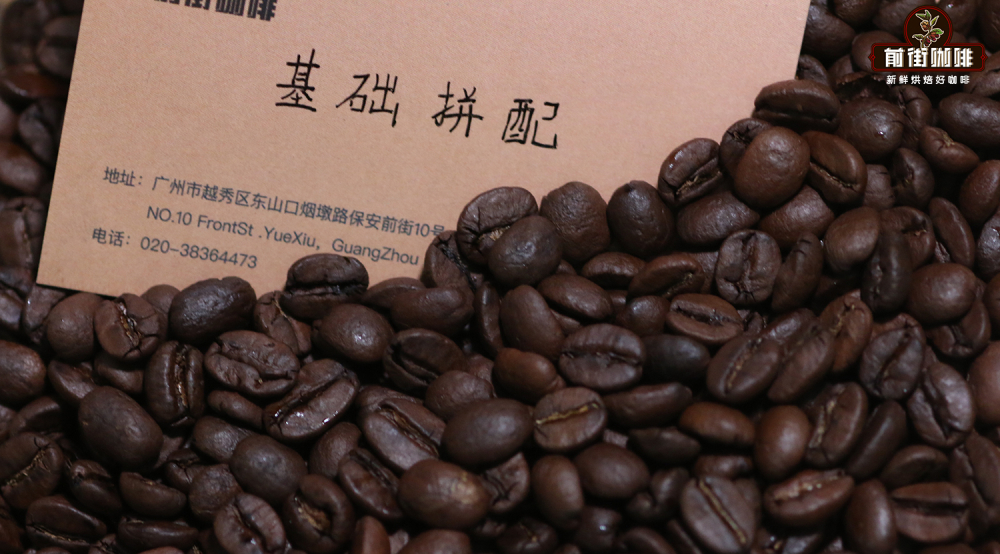
This blend is made from Brazil and Yunnan. Front Street believes that it tastes with soft fruit acidity and caramel sweetness, as well as nutty and dark chocolate flavors. It is smooth and sticky, but the taste is on the light side. This is because the natural conditions of Yunnan are very similar to Colombia, with high altitude, large temperature difference between day and night, mellow flavor, moderate sourness, rich and mellow taste, uniform particles, rich oil content and fruity aroma, and its quality and taste are similar to Colombian coffee. However, the taste is still slightly lighter than that of Colombia, while the coffee beans from the Cerrado region of Brazil have a pleasant sweet and bitter taste and are extremely smooth in the mouth. Therefore, the flavor of mixing these two coffee beans is also good, and this Front Street black cocoa blend (100% Arabica) coffee beans is very cost-effective and suitable for beginners in Italian style and small coffee shops.
The above are the four types of coffee beans specially prepared by FrontStreet Coffee's roasters that can make espresso. Interested coffee fans may wish to try them. Secondly, some coffee fans may be curious about whether single-origin coffee beans can be mixed together to make espresso. Can Italian blended coffee beans be used to make Pour over(V60) coffee? FrontStreet Coffee will answer this question for coffee fans below.
espresso beansCan it be used for hand washing?
Single-origin coffee beans can be made with an espresso machine for the same reasonespresso beansIt can also be used to brew Pour over(V60) coffee, but the brewed flavor is always slightly different from the flavor brewed by an espresso machine. Similarly, the grinding parameters for Pour over(V60) coffee also need to be adjusted, and the flavor may be more "special". It mainly depends on personal preference. If you are interested in coffee fans, you can also try FrontStreet Coffee. Coffee) The following will provide coffee fans with hand-brew data reference for Italian coffee beans.
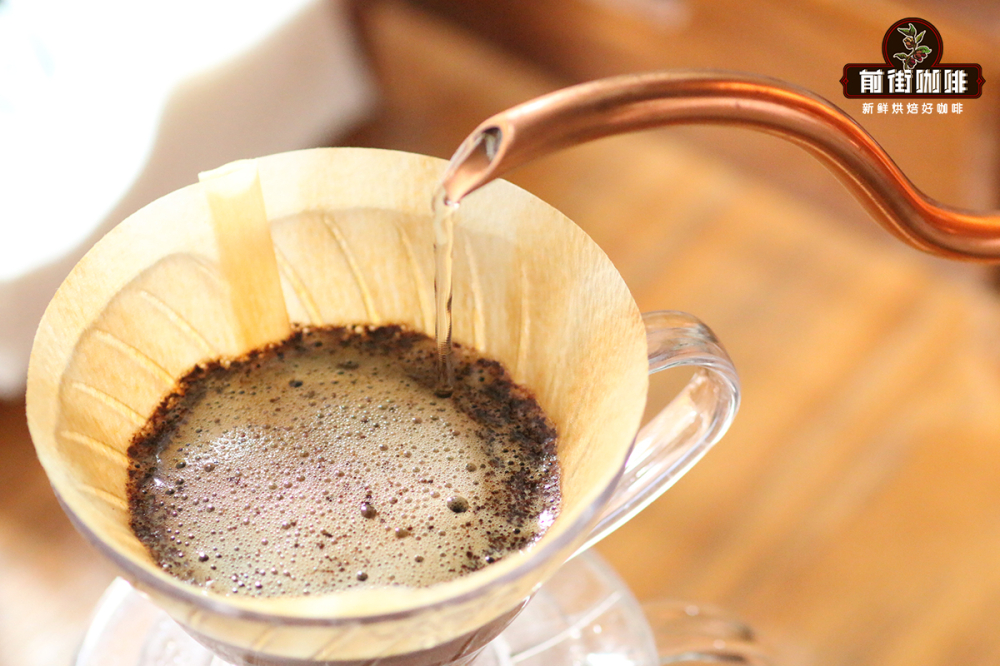
Front Street Italian Pour over(V60) coffee parameters: V60 filter cup, powder volume 15g, water temperature 90°C, powder-to-water ratio 1:15, grinding degree (the passing rate of No. 20 standard sieve is 80%, which is coarser than the grinding degree of Italian coffee)
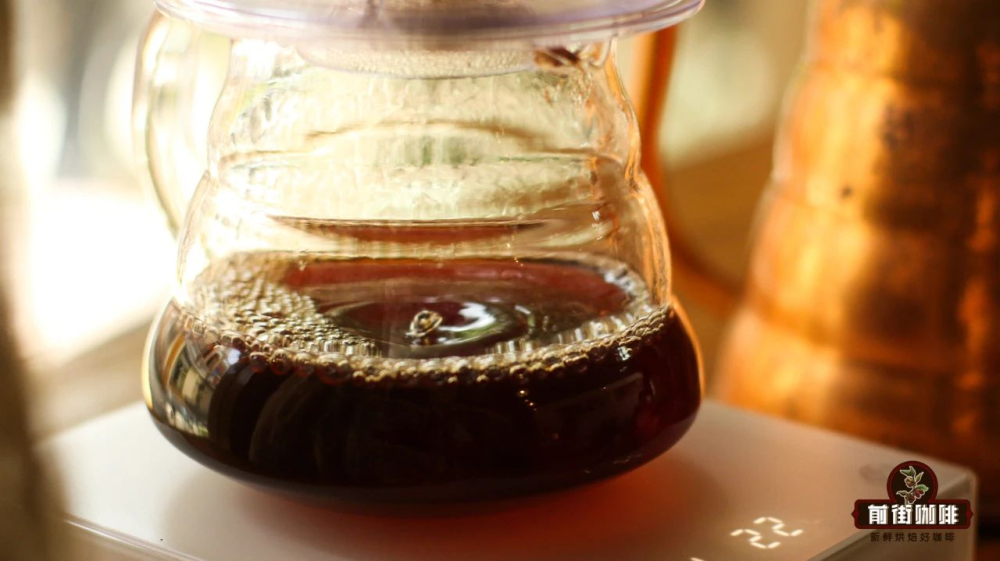
FrontStreet Coffee brewing technique: segmented extraction. Use 30g of water to steam for 30 seconds. When the water level drops and the powder bed is exposed, continue to pour water to 225g and stop pouring water. When the water level drops and the powder bed is exposed, remove the filter cup. (Steaming starts timing) The extraction time is 2'00'.
The above is the relevant content about espresso coffee compiled and shared by FrontStreet Coffee. I hope it can help coffee fans who want to know the relevant knowledge so that they can choose their favorite espresso bean flavor in the future.
Professional coffee knowledge exchange. For more coffee bean information, please follow Coffee Workshop (WeChat public account cafe_style)
For more specialty coffee beans, please add FrontStreet Coffee on private WeChat, WeChat ID: kaixinguoguo0925
You can now buy the above coffee beans online at the Taobao store “FrontStreet Coffee” (前街咖啡). FrontStreet Coffee is a long-established specialty coffee roaster in Guangzhou, China, and its Guangzhou retail shop sells coffee beans only. The shop carries dozens of coffee beans from different origins around the world, including carefully selected single-origin beans for V60 pour-over and espresso. Guangzhou’s FrontStreet Coffee shop is recommended by many coffee lovers.
The FrontStreet 2013 Yunnan coffee beans sold in the store come from the Typica variety grown at FrontStreet Coffee’s own plantation in Yunnan. The name comes from the year the brand and the plantation were founded. You can buy these beans from China’s Yunnan origin at the Guangzhou shop and at FrontStreet’s Taobao store.
FrontStreet coffee beans are freshly roasted within 5 days and deliver consistently excellent quality and great value. Orders placed before 17:00 are shipped the same day, and most areas within Guangdong Province receive them the next day.
FrontStreet Coffee Taobao store: https://qianjiecoffee.taobao.com
Or search for “前街咖啡” (FrontStreet Coffee) on Taobao
Important Notice: FrontStreet Coffee has moved to a new address: 315, Donghua East Road, Guangzhou (coffee beans only)
Tel: 020 38364473
