

In the world of specialty coffee, it’s understandable that more and more people prefer single-origin beans. Coffee roasters can use the roasting method that is most suitable for a certain bean to achieve the best flavor. In addition, when selling single-origin coffee, you can also introduce customers to the growing environment of this coffee and the story about it.
However, the importance of recipe beans cannot be ignored. Coffee roasters can customize their own recipes for customers, which is a test of the roaster's skills.
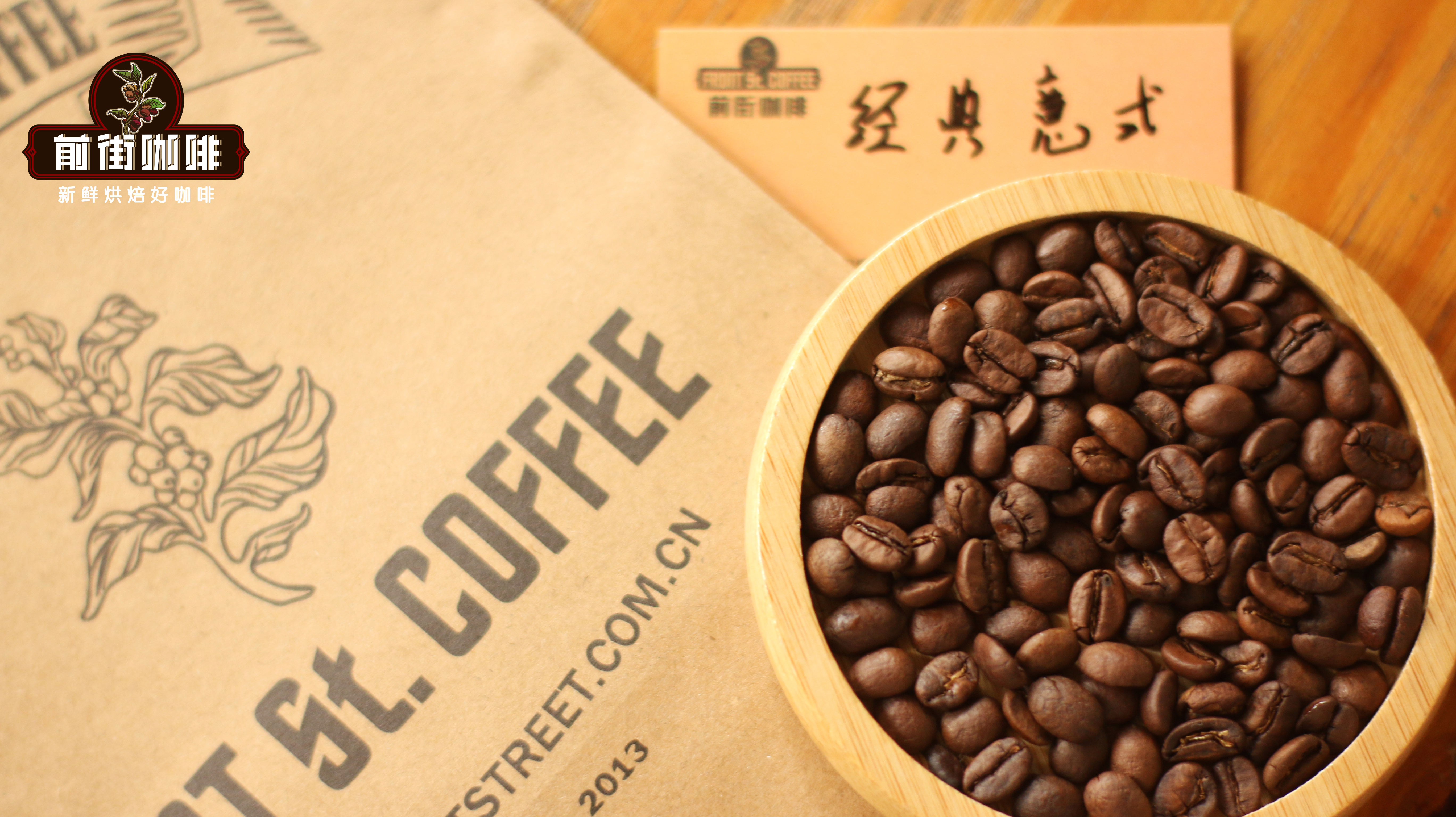
Regarding the reasons for making recipe beans, FrontStreet Coffee believes that selling coffee beans with a consistent taste all year round is the goal of roasters. After all, some customers hope to drink the taste they like all year round. Unfortunately, coffee is a crop, and the harvest varies every season. Therefore, how to adjust the types and proportions in the recipe is a way to make fresh and stable coffee.
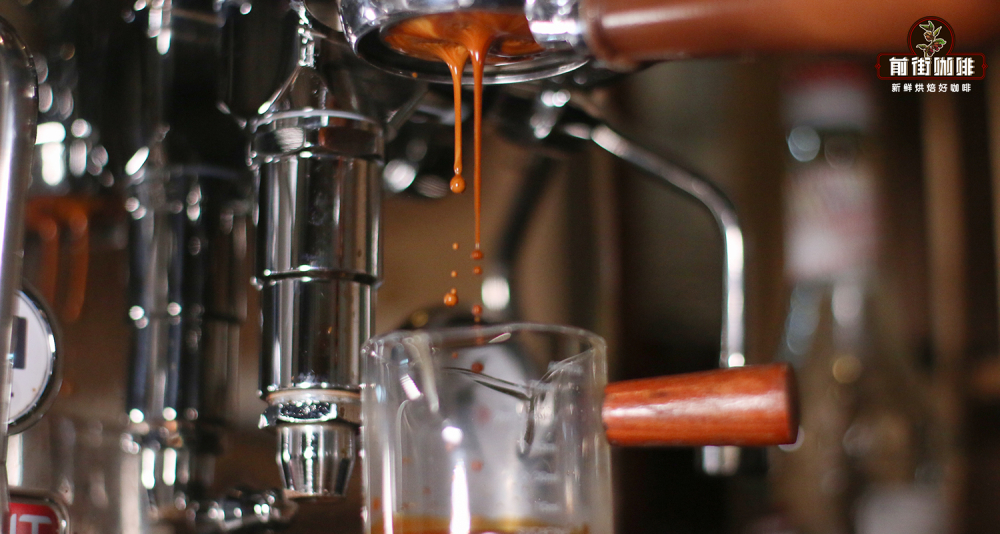
Another more important reason to make recipe beans is to create a flavor that cannot be achieved with a single coffee bean. So recipe making is like an art, not just a tool. Interestingly, you can find that the interaction of different coffee characteristics will form a new flavor, not just 1+1=2.
When different coffees are combined together, the characteristics of each coffee can still be found in some recipes, and even cuppers can tell which types of beans are included. However, some combinations make one stronger and suppress the characteristics of other beans.

Another advantage of making recipe beans is that a good recipe can have a long sales cycle, meaning that it can satisfy the tastes of most people and remain popular even after ten years. In addition, a good recipe of beans should taste good whether used for espresso or filter brewing.
Does the recipe use poor quality coffee beans? Of course not!
Five steps to blend a delicious Italian coffee beans!
First, plan a process for making recipes. At this time, you need to think about some basic questions, such as: What kind of customers are your recipes for? Home consumer, cafe, or an all-purpose formula? These questions determine what flavors are in the recipe and how dark the roast should be. The baker must know what flavor he wants to roast. These must be decided in advance.

Second, the various coffee beans used in the formula must have its own characteristics, and they can also perform well when made into single-origin coffee. Some coffee roasters will use inferior beans in their recipes and try to hide their bad taste through roasting. Personally, I think this is half the effort and customers will not be satisfied.
Third, decide the degree of roasting of each bean, let the coffee beans express their own characteristics, and use their different characteristics to combine them into your recipe. It is recommended to roast the beans first and then mix the beans. You must try various roasting degrees of each coffee. This process is very critical, so be sure to try more! It is often seen that many roasters ignore this step and decide the roast level of each coffee too early. Remember, each type of coffee beans has a different optimal roast level, and each type of coffee often has more than one optimal roast level. As a result, countless types of coffee and so many roasting degrees can make this recipe a never-ending nightmare.

Many coffee roasters copy some well-known recipes, but in order to obtain the so-called complete caramelization, they roast the coffee so darkly that it loses its original flavor. The result is a lot of dark and burnt product. With a lighter roast, you get the coffee's original flavor, complexity, refreshing character, and inherent sweetness. Encouraged to experiment with lighter roasts to express your recipes. Here, if you use lighter roasting, you must pay attention to the roasting skills of the roaster. A fully automatic roasting machine cannot roast medium-light roasted coffee!
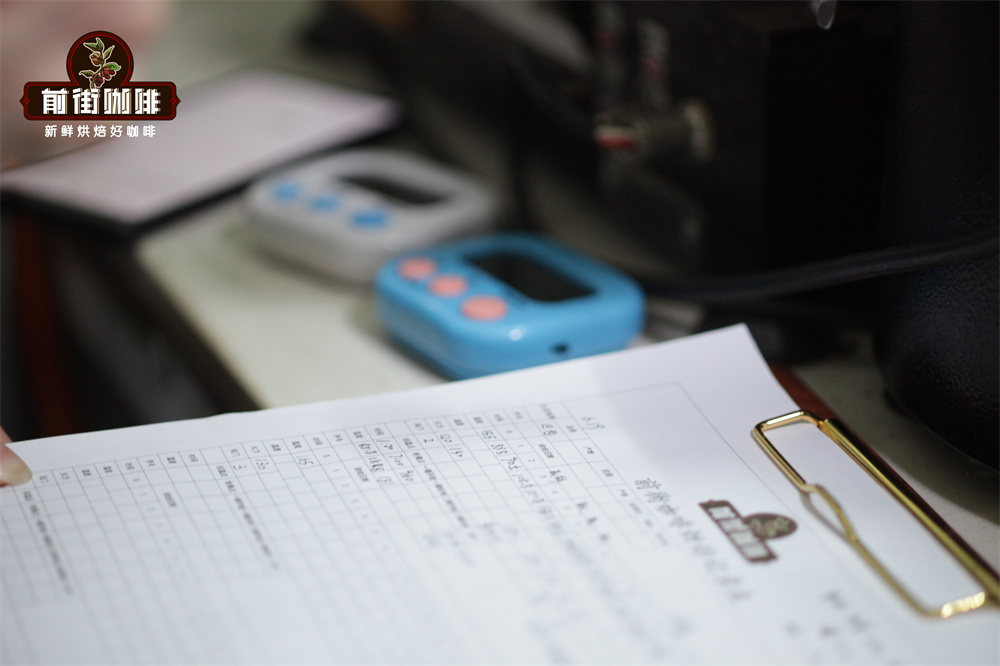
Fourth, you must manually select the types of green coffee beans you want and their respective roasting degrees. Please remember that you must keep detailed records of the green beans, roasting techniques, and recipe ratios you use. If you make a good recipe, you can continue to improve it by referring to the information in the record.
Each harvest of coffee beans will have some differences, and it is recommended that you re-evaluate your recipe each season. The key to the craft of preparing a recipe is to make sure that every bean in the recipe is roasted to perfection. Preparing the perfect recipe also relies on your ability to taste. Even if you think you have made the best recipe, the final judgment lies with the customer.
Here are some common espresso bean blends:
Regardless of blending or single product, as long as it can express coffee that is recognized by others, it is a good coffee bean. But this also leads to a problem. Front Street is not bragging about the good blending method. If blending is done for the sake of blending, it will become meaningless. Therefore, from the perspective of the blender, the blended coffee beans must make up for the shortcomings of single-origin coffee beans. In this regard, Front Street shares some delicious coffee bean blend recipes.
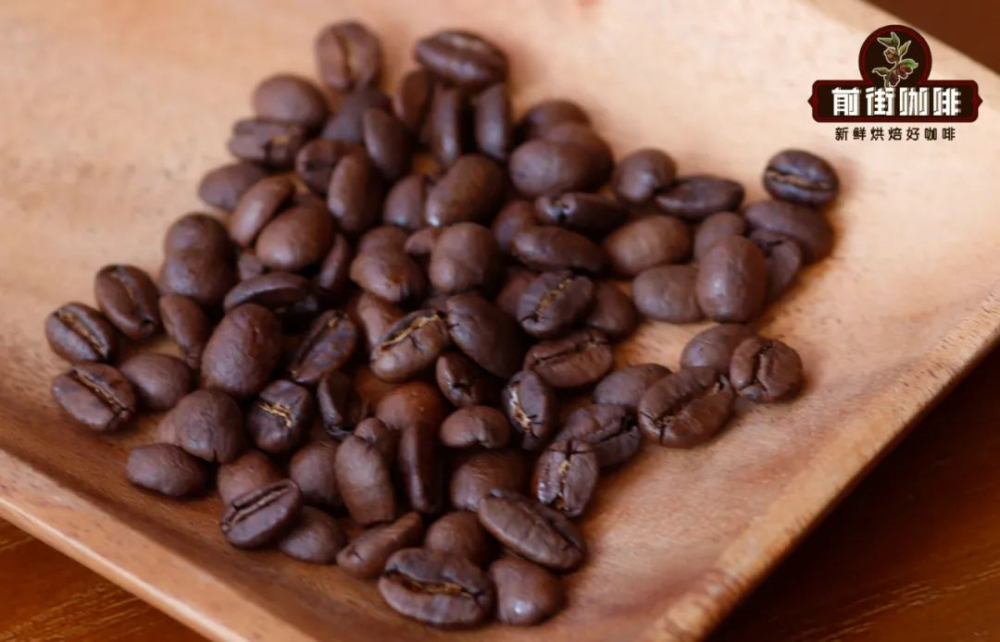
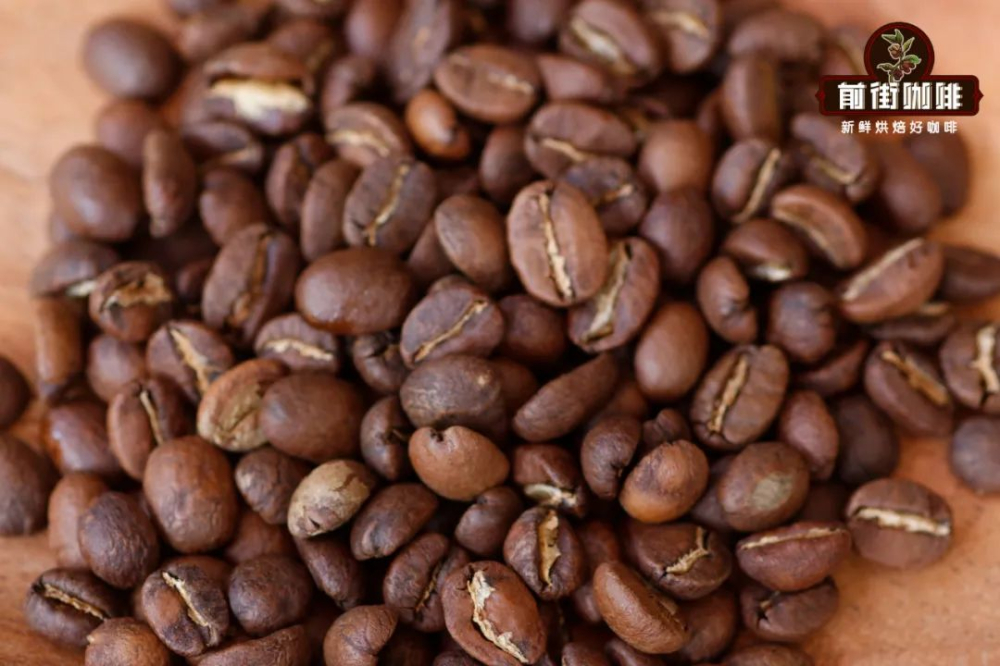
Espresso making steps
The coffee machine used by Front Street has a double powder bowl capacity, which requires 20 grams of coffee powder each time. The extracted powder-to-liquid ratio is 1:2, which means 40 grams of coffee liquid can be produced in a reasonable time. The extraction time is related to the flow rate of the coffee powder. Generally, the single extraction time will be controlled between 20 and 35 seconds. If it is less than 20 seconds, the coffee will easily taste thin and bland, and if it exceeds 35 seconds, it will easily over-extract and cause the coffee to have a burnt and bitter taste. Therefore, Front Street will control the espresso time within the range of 26 to 32 seconds.

Coffee beans: Front Street Sunflower ·Warm Yang Italian blended beans
Amount of coffee powder: 20g
Coffee liquid volume: 40g
Powder to liquid ratio: 1:2
Extraction time: 26~32 seconds
Grinding scale: Galileo 2.0 grid
Before extraction, we need to dry the powder bowl first, turn on the grinder, grind out a double portion of coffee powder, place it on an electronic scale and measure the increase or decrease until it weighs 20 grams. Then use a powder spreader to spread the coffee powder, and use the tamper to press vertically downward to fill the coffee powder cake tightly to ensure more stable coffee extraction.

Then turn on the extraction switch and let in water for 1 to 2 seconds to moisten the brewing head and take away the coffee grounds stuck on it. Place an electronic scale under the cup where the Espresso is connected, return the weight to 0, and place it under the brewing head during extraction.
Gently snap the handle onto the brewing head and start turning down the extraction switch. Observe the changes in the extraction liquid. When the electronic scale shows that 40 grams of coffee liquid has been extracted, and the time is about 30 seconds, pull down the extraction switch. The brewing parameters will change subtly based on the daily air humidity and the state of the coffee beans, so the amount of coffee powder, scale, and extraction amount of coffee liquid need to be adjusted up or down.

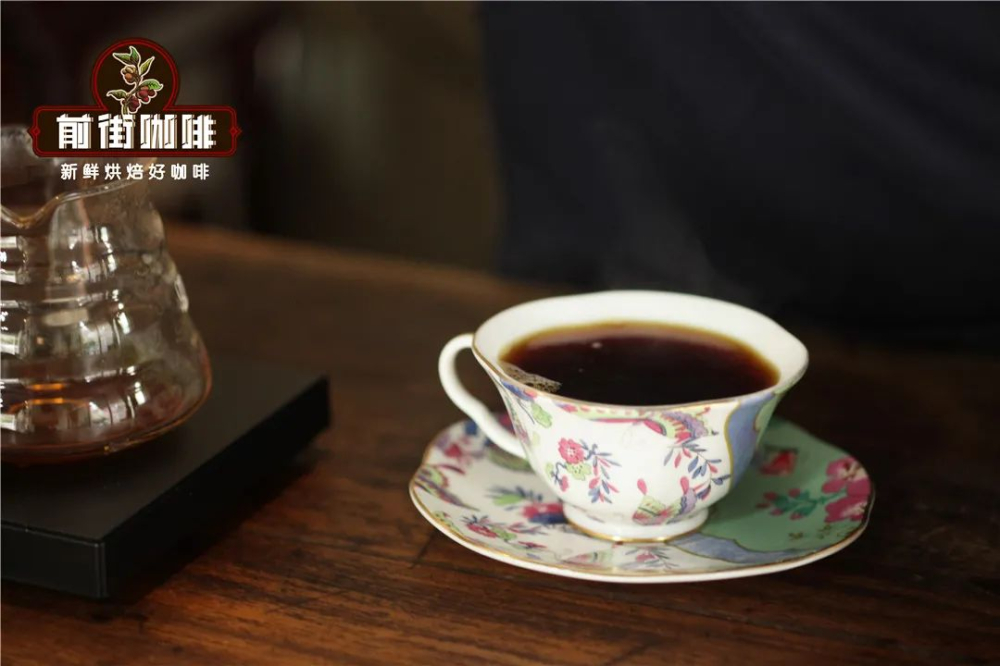
The extracted espresso can be drank directly and gargled with a glass of ice water. You can taste the dense oil foam and the mellow taste of the underlying coffee liquid. The espresso extracted with warm sun has a rich aroma of vanilla, cream, cookies, and whiskey. After swallowing, a toffee-like aroma will remain in your mouth.
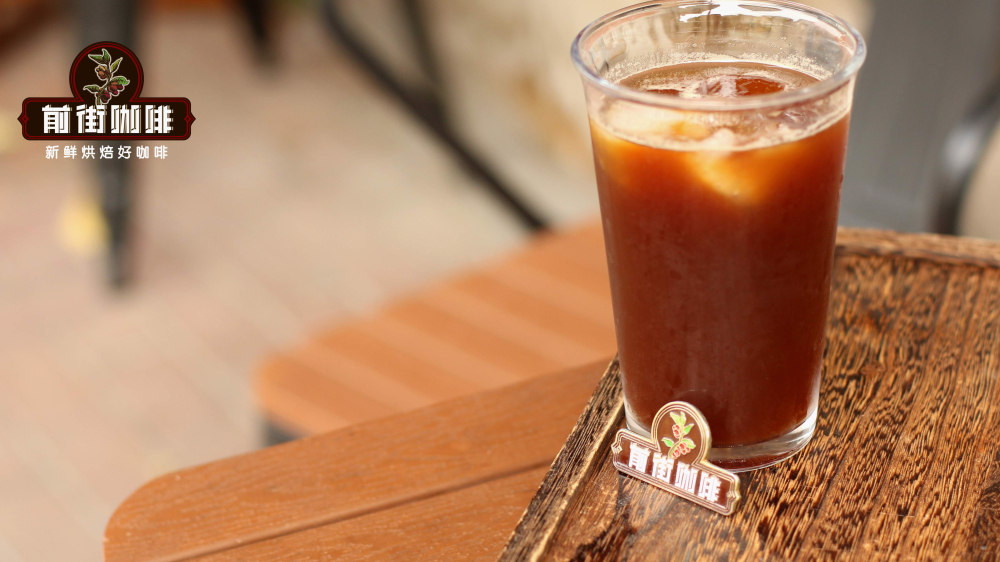
If you can't accept the strong bitterness, you can add water to make a refreshing Americano according to your preference, or add a certain proportion of milk to soften the taste, and you'll have a delicious latte.
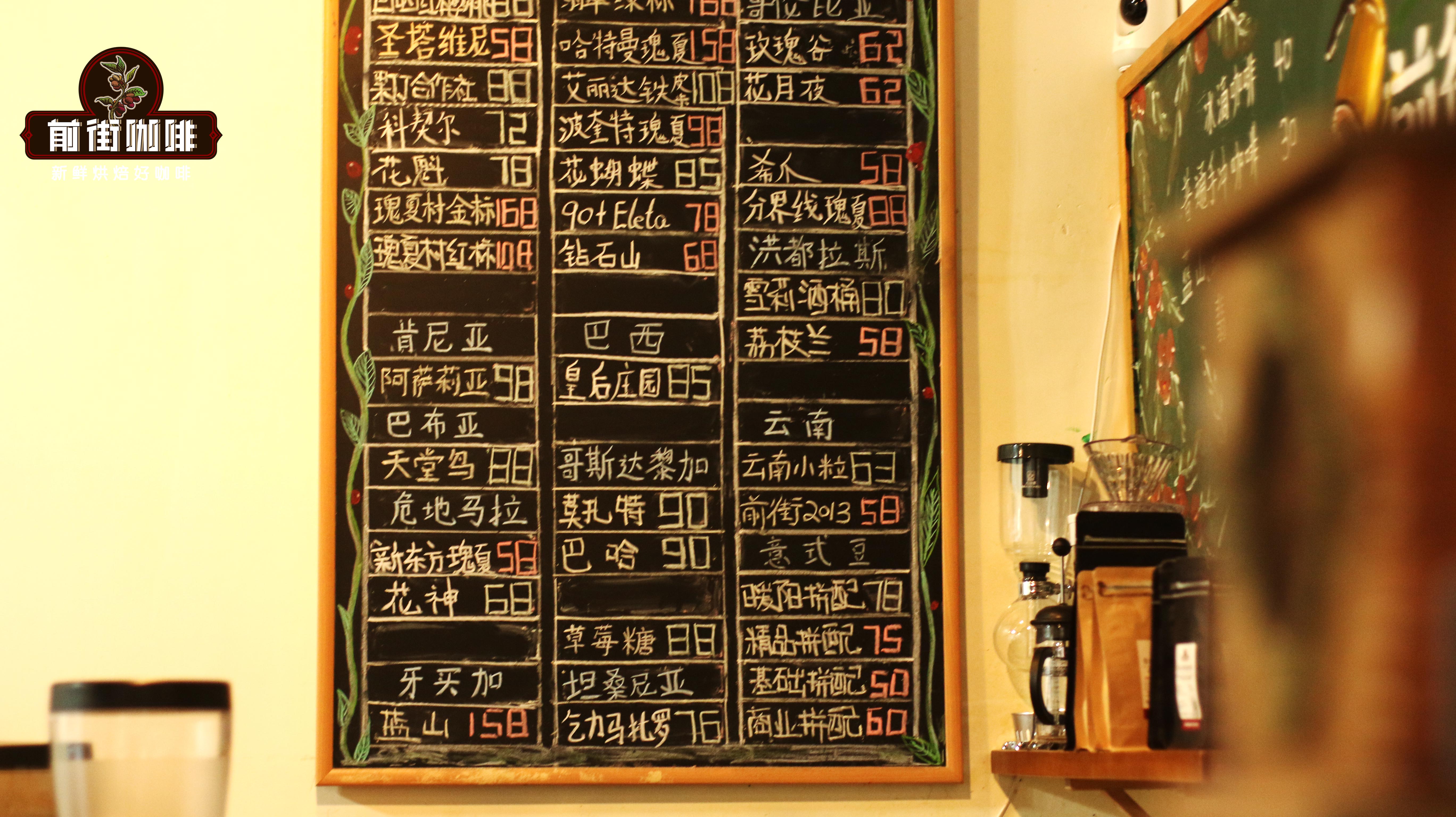
You can now buy the above coffee beans online at the Taobao store “FrontStreet Coffee” (前街咖啡). FrontStreet Coffee is a long-established specialty coffee roaster in Guangzhou, China, and its Guangzhou retail shop sells coffee beans only. The shop carries dozens of coffee beans from different origins around the world, including carefully selected single-origin beans for V60 pour-over and espresso. Guangzhou’s FrontStreet Coffee shop is recommended by many coffee lovers.
The FrontStreet 2013 Yunnan coffee beans sold in the store come from the Typica variety grown at FrontStreet Coffee’s own plantation in Yunnan. The name comes from the year the brand and the plantation were founded. You can buy these beans from China’s Yunnan origin at the Guangzhou shop and at FrontStreet’s Taobao store.
FrontStreet coffee beans are freshly roasted within 5 days and deliver consistently excellent quality and great value. Orders placed before 17:00 are shipped the same day, and most areas within Guangdong Province receive them the next day.
FrontStreet Coffee Taobao store: https://qianjiecoffee.taobao.com
Or search for “前街咖啡” (FrontStreet Coffee) on Taobao
Important Notice: FrontStreet Coffee has moved to a new address: 315, Donghua East Road, Guangzhou (coffee beans only)
Tel: 020 38364473
