FrontStreet Coffee found the following content related to "water network" for you
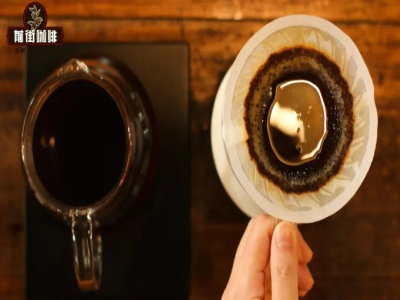
With its extremely high error tolerance and excellent flavor performance, hand-brewed coffee has become one of the top extraction methods after the popularity of specialty coffee. At the same time, because the operation is simple and the investment threshold is low, many friends have purchased hand brewing equipment and started to learn how to make hand brewed coffee at home. Be reasonable and teach yourself how to brew coffee
Read more →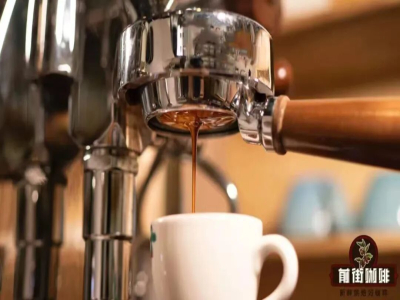
Front Street found that many friends are still stuck in the problem of "should water be added to Americano coffee first or last". Because every time Front Street serves American coffee, friends always ask: "The most authentic way to make American coffee is to pour the concentrate first and then the water, but why are most of the American coffees produced now pouring the water first and then the espresso?"
Read more →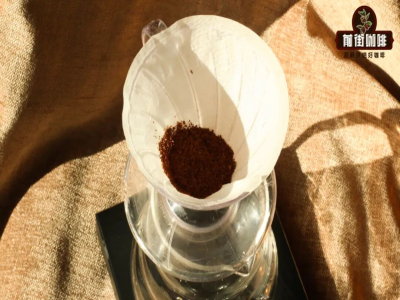
It may be used to make special coffee, or maybe you just want to take a sip of coffee. Occasionally, a friend will have the idea of "making a small cup of coffee with only a small amount of coffee beans." But if you have actually done it, Front Street believes that it will not be difficult for you to find out: compared with brewing with a large amount of powder, it is better to brew a cup with a small amount of powder.
Read more →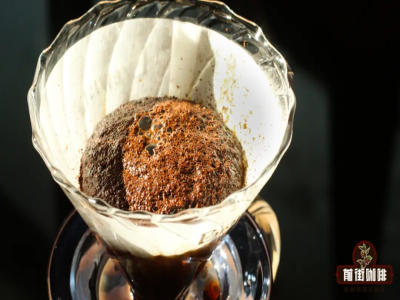
As the saying goes: "Steaming and simmering are good, and brewing is hassle-free." Steaming is a very important preparatory step for making hand-brewed coffee. The so-called steaming is a step in which we use a small amount of hot water to pre-soak the coffee powder and wait for a certain period of time before officially extracting the flavor substances of the coffee. Pass
Read more →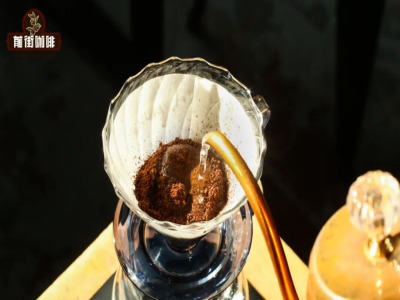
Water flow control, water injection timing, and coordination between various parameters are all details that we need to pay attention to during the coffee brewing process. Even if Front Street believes that the three-stage type is the easiest to brew good coffee and has the highest error tolerance, none of these three details can be left out when brewing. When the time/number of times of concentration is too long
Read more →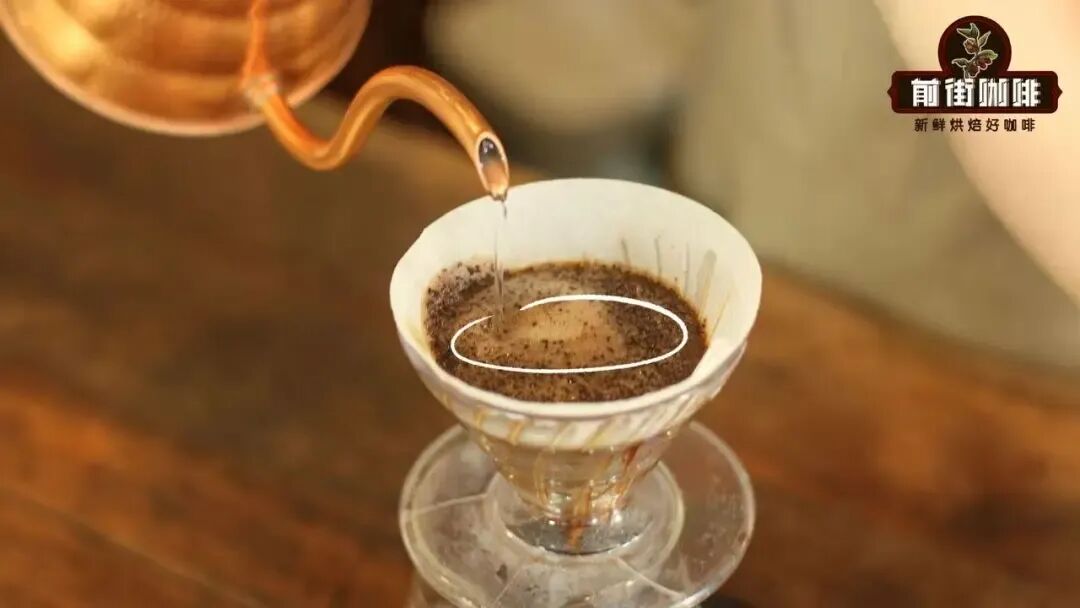
Yesterday, when a customer came to the Front Street store to buy coffee beans, he asked a very tricky question: Should the flow of water in hand-brewed coffee in a circle be from the inside to the outside or from the outside to the inside? Do different routes have an impact on the taste of coffee brewing? Many people may think that there is no need to be so exaggerated when making coffee, it is just like pouring water.
Read more →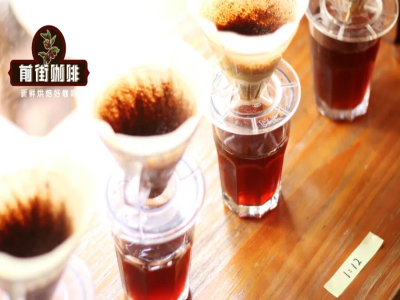
The original intention of cold brew coffee is that under low temperature conditions, small molecular substances that tend to be aromatic and sour are more easily released in cold water, so the coffee tastes light and tastes sour and sweet. In addition, since it is not restricted by equipment or location, cold brew can be said to be a coffee that is easily accessible to people, as long as they have the original coffee at home.
Read more →
There is a crucial little detail in freshly roasted, freshly brewed coffee, that is, the barista will emphasize the need for "simmering". There is even a saying in the coffee circle, "Steaming is good and brewing is hassle-free." There is a positive correlation between steaming and brewing. So what is steaming and how to steam it? careful
Read more →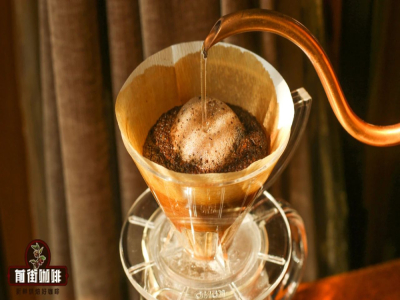
Steaming is an important step in brewing coffee. There is also a saying that "you can tell whether the coffee tastes good or not by looking at the steaming state." So when everyone learns to make coffee, they consciously or unconsciously “practice” a perfect “coffee burger”. But if you understand the logic behind steaming, you will find that steaming is
Read more →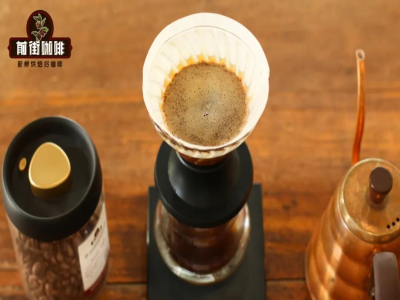
When it comes to coffee brewing, the powder-to-water ratio is one of the most important factors to consider. But because it does not need to be adjusted according to the roasting degree of the coffee beans like water temperature and grinding, so many times we always fix a ratio to brew coffee with all roasting levels. For example, Front Street often recommends new
Read more →
Introduction The V60#01 filter cup is used to brew coffee for 1-2 people. It is most suitable to use 15-20g of powder for brewing. Some friends will drink less when they can't drink so much alone, and some will drink more when sharing with friends. Then use the same size filter cup for brewing
Read more →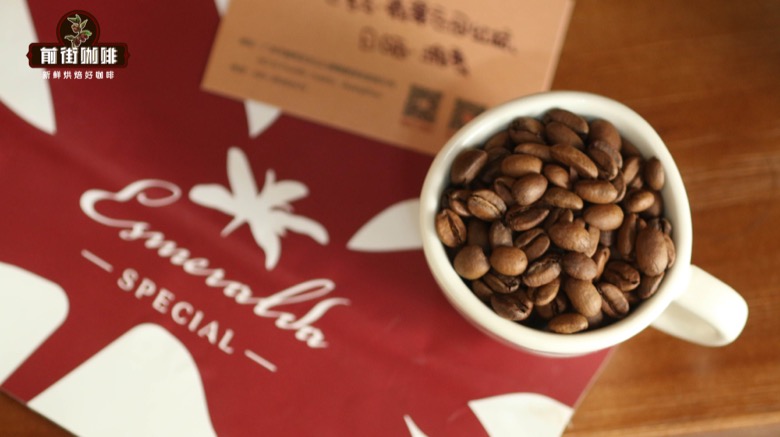
Geisha is probably a highly talked-about variety in the world of specialty coffee: its elegant jasmine aroma, citrus and black tea-like delicate flavors make many enthusiasts willing to practice brewing for it. However, Geisha is mostly lightly roasted, and the beans have a dense texture and strong exhaust, so you need to use the habit of deep-roasting beans to soak them.
Read more →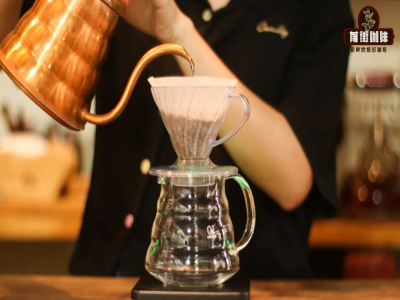
"Sour" can be said to be the mainstream taste of coffee today. Since the popularity of specialty coffee, the roasting of coffee has begun to change from dark to light, and the taste has changed from unchanging bitterness to colorful sourness. This has attracted many friends who can’t stand the “bitter” taste of coffee to start getting into contact with coffee and taste the flowers of light roasted coffee.
Read more →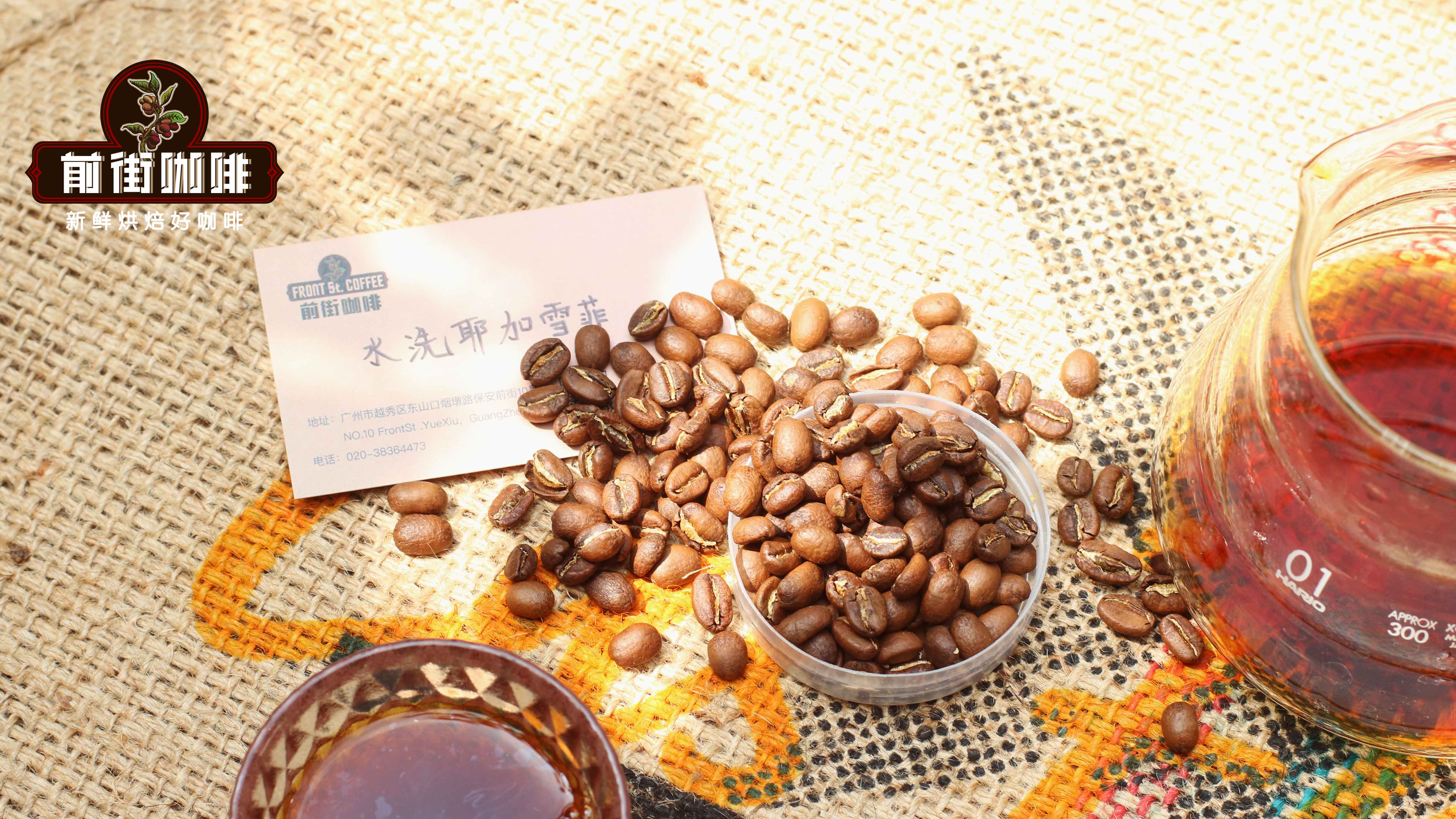
As the Spring Festival approaches, coffee lovers have begun to make preparations for the holiday, stocking up on a pack or two of their favorite coffee beans and planning to brew them at home. And "lazy people" want to put aside all kinds of complicated brewing equipment and a bunch of complicated parameters, and wish to keep everything simple. Ear-hung coffee pods are our "savior". Ear-hook bags are for convenience
Read more →
"High sweetness level" is a brewing technique often shared by many bloggers, including Front Street. Its function is very simple, that is, it can help us more easily brew a cup of coffee with rich layers and high sweetness. So what is high sweet water level? In fact, it is easy to understand. It is a water level that can better brew out the sweetness of coffee.
Read more →
As the craze for specialty coffee sweeps across the world, more and more customers like to buy cooked coffee beans and brew them back. Many of them also ask similar questions: "The coffee I drank on the front street is so delicious, why can't I brew the same taste when I go home?" This article of Front Street will analyze and answer this question one by one. of coffee beans
Read more →
Anaerobically processed coffee beans generally have a richer and more recognizable flavor (for the most part) than other conventional processing methods because they tend to be more deeply fermented. For example, the Front Street 90+Eleta in the Front Street bean menu has obvious longan, spice, and citrus flavors.
Read more →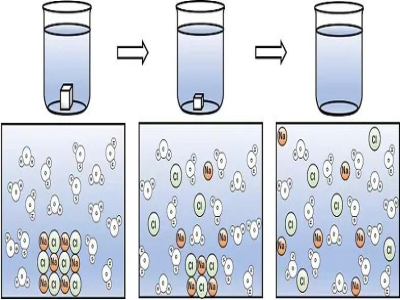
When it comes to water temperature for hand-brewed coffee, everyone tends to use a higher temperature for extraction, because high temperature can not only improve the extraction efficiency, but more importantly, can produce rich sweet and sour aroma and flavor. Basically, the water temperature used for hand-brewed coffee rarely drops below 80 degrees Celsius. So, is it possible to brew coffee at a temperature lower than this?
Read more →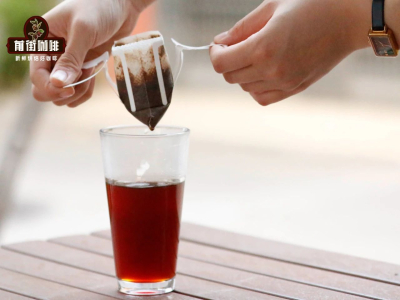
Recently, a friend asked me how to make coffee with hanging ear cups. Is there anything particular about it? This is the right person to ask this question. As someone who has brewed ear-mounted coffee as instant coffee, I will teach you the ultimate secret of brewing ear-mounted coffee! Let’s talk about hanging ear coffee first! Ear-hanging coffee is a process with ear-hanging paper cards.
Read more →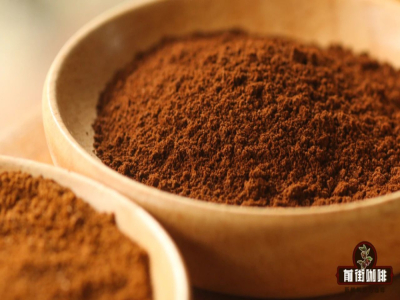
Recently, a customer asked Front Street what he should do if the coffee beans he bought were ground into fine powder for making Italian coffee. I believe many friends have also encountered this situation. The coffee powder they bought was found to be too fine. If you use the usual parameters for hand brewing, it will definitely be overextracted. Do you have to throw it away? Can't you keep it? Today, Front Street is with you all
Read more →Be the first to know about new bean releases, brewing tips, promotions and cupping notes

Scan to Follow Front Street Coffee on WeChat
