FrontStreet Coffee found the following content related to "toned" for you
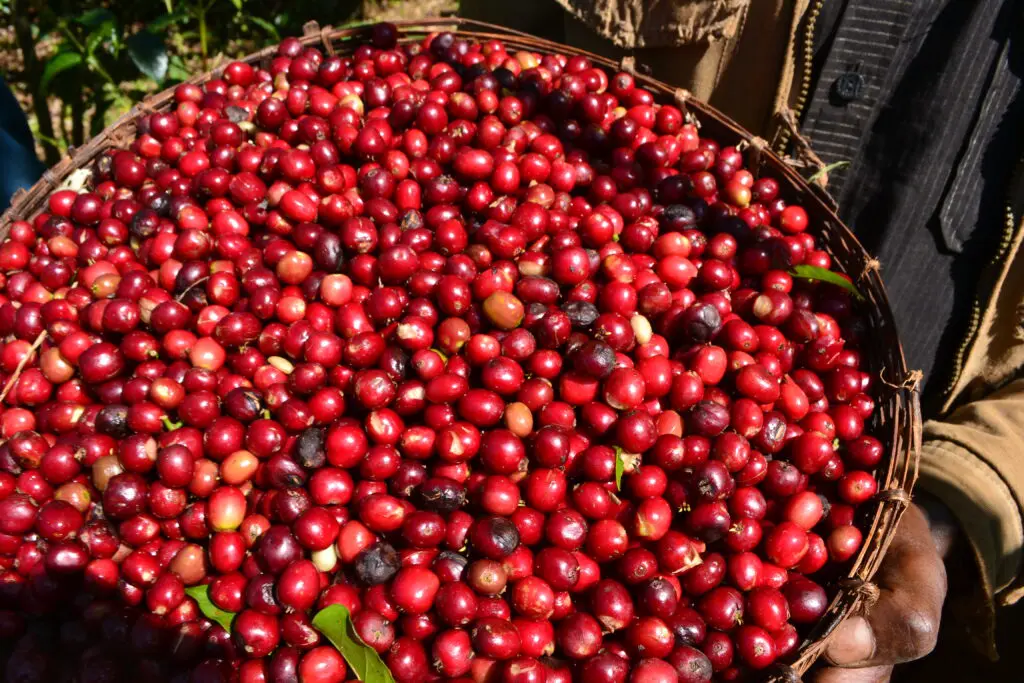
For coffee with a floral and fruity aroma, the first thing that comes to Front Street’s mind is Yirgacheffe. Although Geisha coffee also has a floral and fruity aroma, in terms of quality, Front Street still thinks Yirgacheffe is more vivid. Yirgacheffe is a specialty coffee producing area in Ethiopia. It was originally part of the Sidamo producing area and is known as the specialty coffee producing area because of its unique flavor.
Read more →
Working people who use caffeine to wake up every day should be familiar with ear-hanging coffee. The hanging ear is to first grind the coffee beans into powder and put it in a sealed filter bag. After opening, it can be placed on the wall of the cup. After pouring hot water, you can drink a cup of delicious black coffee, which saves busy office workers a lot of effort. Making coffee with ear-mounted bags is more convenient
Read more →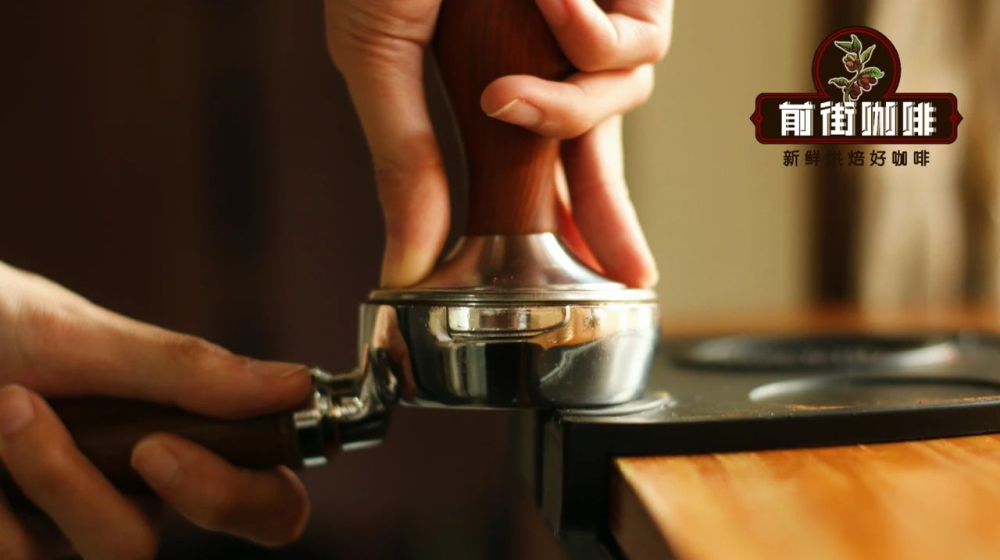
Before you want to figure out "the difference between Americano and latte", "Which coffee tastes less bitter, Americano or latte", "Which one tastes better, American black coffee or latte", etc., Front Street believes that everyone should first understand what espresso is. What the hell is espresso? espresso
Read more →
For more knowledge about specialty coffee, please pay attention to: Frontsteet Coffee (Frontsteet Coffee) Before trying to figure out "the difference between Americano and latte", "Which coffee tastes less bitter, Americano or latte", "Which one tastes better, American black coffee or latte", etc., Frontsteet believes that
Read more →
We know that Gesha coffee is delicious and famous, but do you know where the name Gesha coffee comes from? There are many names for coffee, some are named after the country and production area, and some are named after the manor. Geisha is the name of the coffee variety. Geisha refers to a coffee variety, called Geisha/Ge in English
Read more →
We know that Gesha coffee is delicious and famous, but do you know where the name Gesha coffee comes from? There are many names for coffee, some are named after the country and production area, and some are named after the manor. Geisha is the name of the coffee variety. Geisha refers to a coffee variety, called Geisha/Ge in English
Read more →
Honduran coffee beans were not favored by the public at first. When coffee from neighboring Guatemala and El Salvador was making a splash, Honduran coffee farmers were still struggling for survival. Honduras is located in northern Central America, bordering the Caribbean Sea to the north, the Gulf of Fonseca in the Pacific Ocean to the south, and Nicaragua and Nicaragua to the east and south.
Read more →
For more knowledge about specialty coffee, please follow the WeChat public account: FrontStreet Coffee. As more and more people in China have developed the habit of drinking coffee, many friends have also begun to take the initiative to learn about coffee brewing and want to brew a cup of coffee themselves. before this article
Read more →
1. Bright citrus sour type: Front Street Dingding coffee beans. Production area: Yirgacheffe. Gedeo zone production area. Altitude: 1900-2300m. Variety: Ethiopian native species. Processing method: washed. Flavor: citrus, black tea, caramel, almond, green tea. Reason for recommendation: high cost performance, you can taste the fruit.
Read more →
When mentioning the origin of Gesha, Front Street first thinks of Panama, the place where Gesha coffee is famous, and Ethiopia, the birthplace of Gesha coffee. These two places are undoubtedly the most representative places of production of Gesha. Panamanian Geisha has an obvious tangerine and honey flavor, and the fragrant floral aroma is rich in juicy fruity sweetness and sourness.
Read more →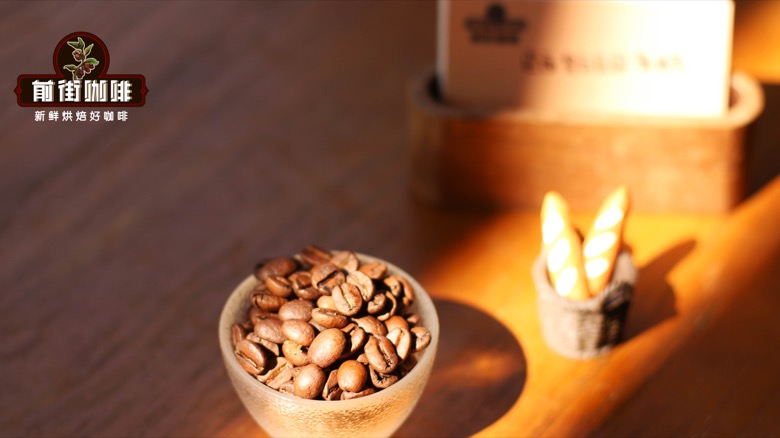
Not everyone likes bright fruit acids. For coffee lovers who prefer a mellow, low-acid taste, Brazilian coffee beans are often an unavoidable choice. Front Street Brazilian Queen Estate is just such a bean - low in acidity, balanced in taste, with rich nutty cocoa aroma and obvious caramel sweetness, suitable as a
Read more →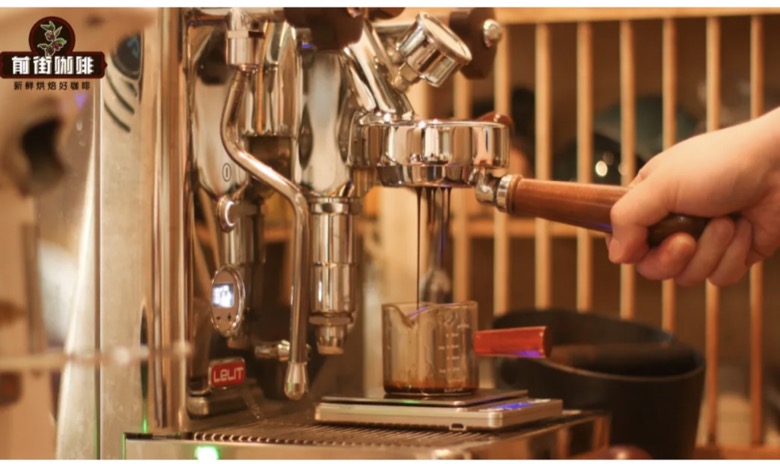
Espresso is the core extraction method in the coffee world. Under the conditions of 9bar pressure and 92 to 96°C hot water, it takes 25 to 30 seconds to concentrate the coffee essence into a small cup. This high-pressure, short-time extraction method puts forward unique requirements for the selection of coffee beans - different beans have significantly different concentration performance.
Read more →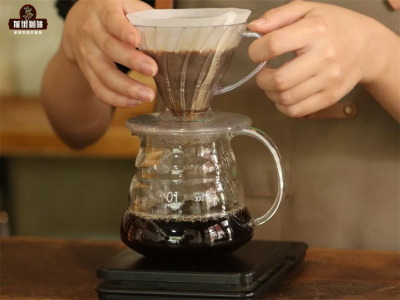
Ethiopia and Kenya, the famous coffee bean producing countries in Africa, are well-known in the specialty coffee industry. The coffee flavor in both production areas is mainly acidic, but the difference is that the coffee flavor in Ethiopia is bright and rising acidity, with a clean and refreshing taste; while the coffee flavor in Kenya is berry fruit.
Read more →
"Coffee is too bitter to drink." Is this what you feel? It’s not that many people don’t like coffee, but they are afraid of the bitterness. When I hear about espresso, the image that comes to my mind is "bitter, astringent, and frowning." But if you drink Front Street Strawberry Candy Coffee Beans once, this impression will probably be completely rewritten.
Read more →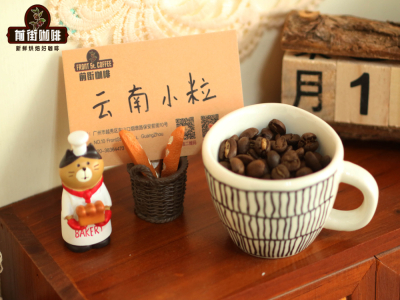
As the popularity of Yunnan coffee increases, more and more people see the huge potential of Yunnan coffee. Among them, many local young people in Yunnan are promoting Yunnan coffee in their hometown, with the purpose of making Yunnan coffee develop better. So is Yunnan coffee delicious? Which type of Yunnan coffee beans tastes best? Yunnan small grain products
Read more →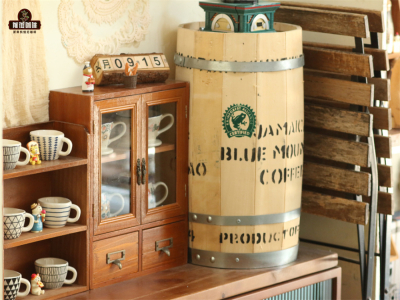
In botanical taxonomy, coffee belongs to the Rubiaceae family, which contains at least more than a hundred coffee species. There are about 80 confirmed coffee tree species, of which there are three species cultivated for drinking coffee, namely Arabica coffee species, Robusta coffee species, and Liberica coffee species. Generally speaking
Read more →
In botanical taxonomy, coffee belongs to the Rubiaceae family, which contains at least more than a hundred coffee species. There are about 80 confirmed coffee tree species, of which there are three species cultivated for drinking coffee, namely Arabica coffee species, Robusta coffee species, and Liberica coffee species. Generally speaking
Read more →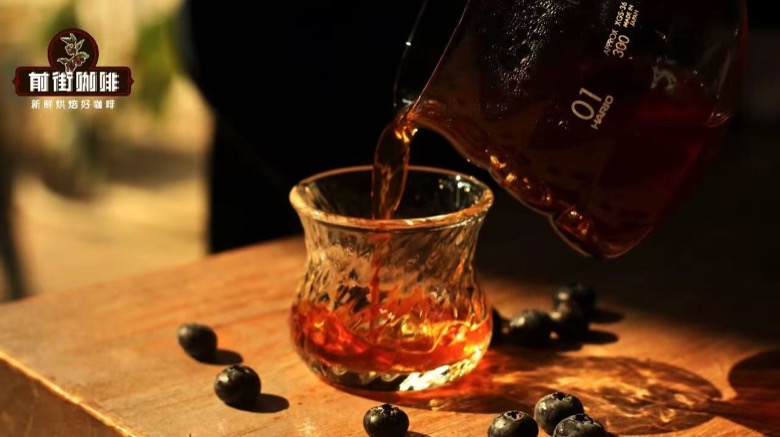
The charm of hand-brewed coffee lies in presenting the flavor of the origin of a coffee bean in a pure way. Unlike the high-pressure extraction of espresso, hand brewing relies on gravity to allow hot water to slowly pass through the powder layer, unfolding the delicate floral aroma, fruit acid and sweetness in the coffee. Choosing the right beans is the starting point for a great cup of coffee. Light roasted single origin beans
Read more →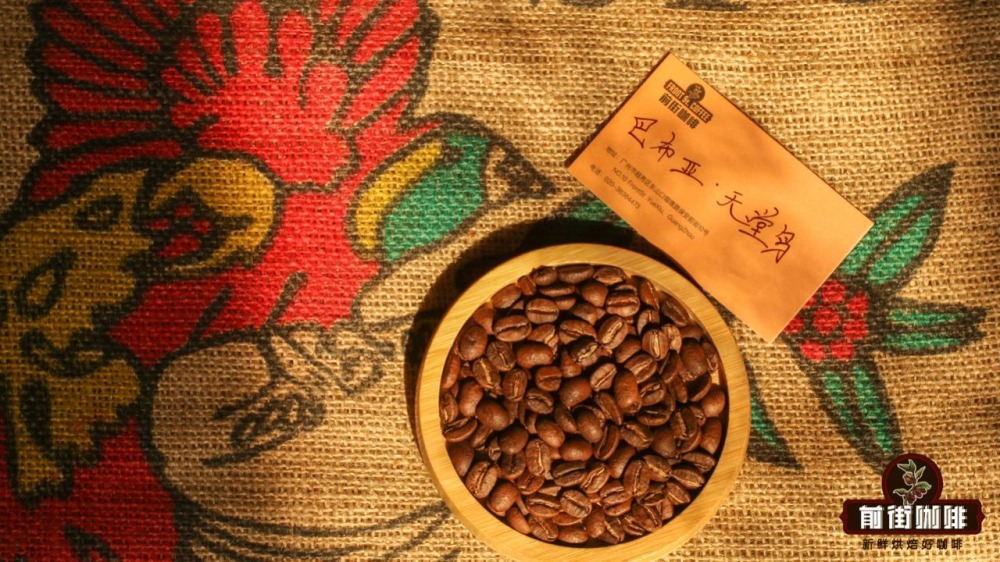
Among specialty coffees, there are not many beans that can be called "Little Blue Mountain", and Front Street Papua New Guinea Bird of Paradise is one of them. It has the same origin as Blue Mountain, and has its own clean and sweet personality. It is a brand worth getting to know for those who like mellow but not sour. Why is it called "Little Blue Mountain"? Front Street Bird of Paradise is produced in Papua New
Read more →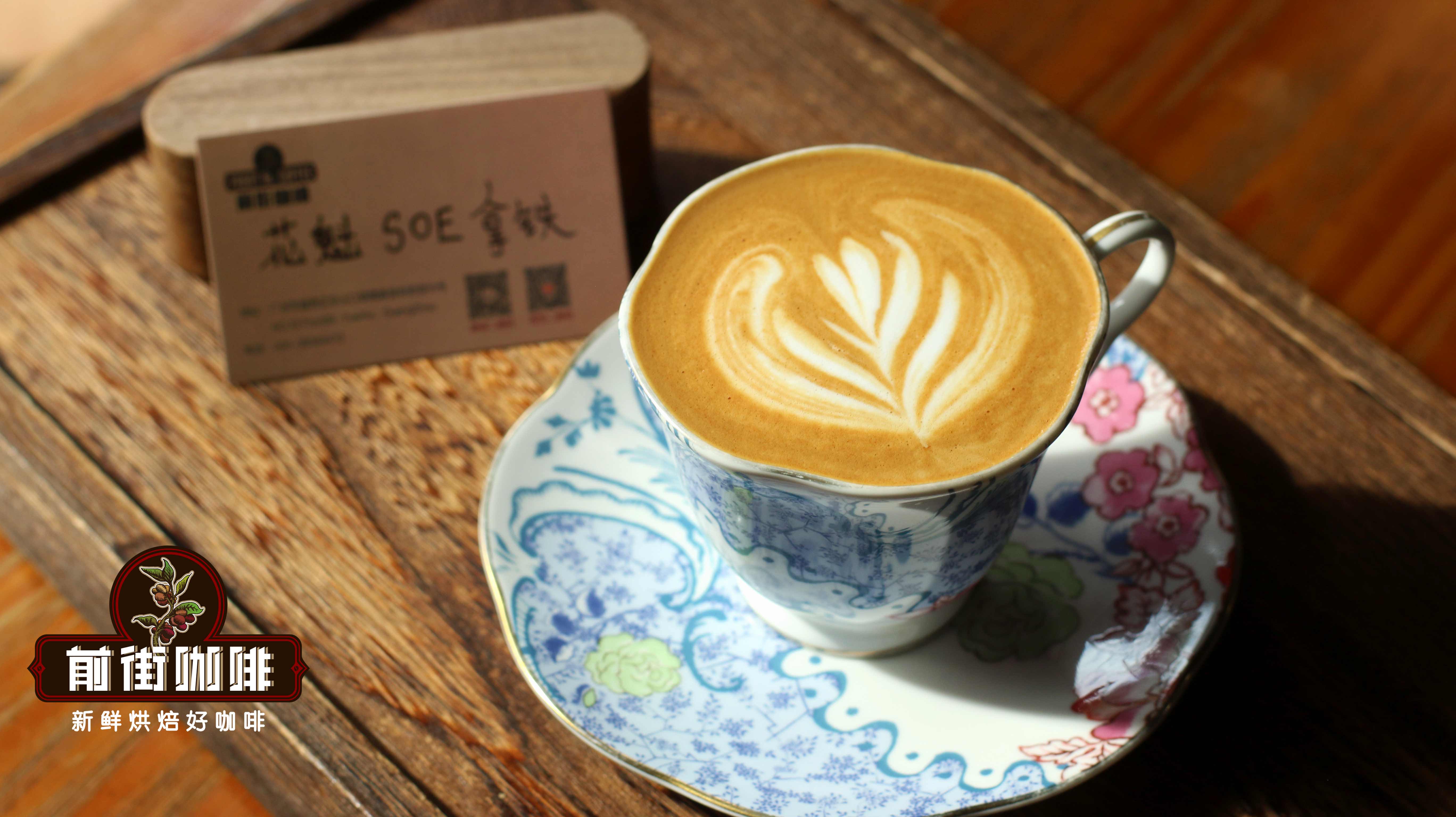
SOE stands for single origin espresso, which is espresso made from beans from a so-called single coffee bean producing area. What single origin coffee and SOE have in common is single origin. Generally, the single-origin coffee in cafes is
Read more →Be the first to know about new bean releases, brewing tips, promotions and cupping notes

Scan to Follow Front Street Coffee on WeChat
