
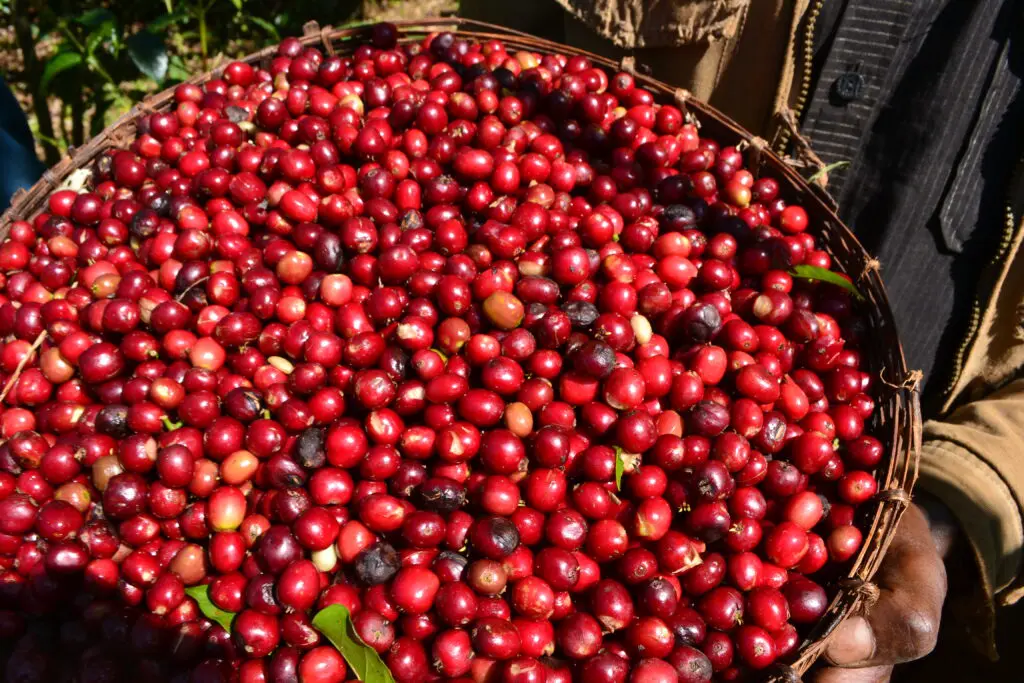
For coffee with a floral and fruity aroma, the first thing that comes to Front Street’s mind is Yirgacheffe. Although Geisha coffee also has a floral and fruity aroma, in terms of quality, Front Street still thinks Yirgacheffe is more vivid. Yirgacheffe is a specialty coffee producing area in Ethiopia. It was originally part of the Sidamo producing area and was separated due to its unique flavor!
| About Yirgacheffe
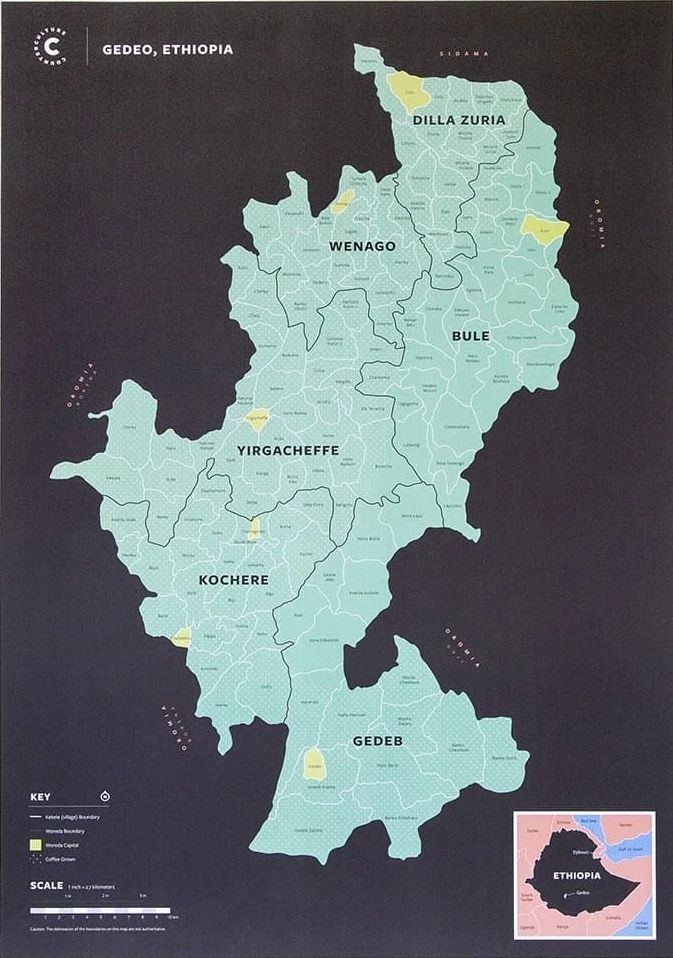
Yirgacheffe was originally a small town in Ethiopia, located in the administrative district of Sidamo Province. This town has been a wetland since ancient times - the ancient word "Yirga" means "settled down" and "Cheffe" means "wetland".
Yirgacheffe is one of the highest-altitude coffee-producing areas in the world and is synonymous with Ethiopian specialty coffee. With an altitude of 1,700-2,100 meters, it is cool and foggy all year round and feels like spring all year round. The terrain environment and unique planting system provide the best conditions for the cultivation of specialty coffee beans. Strictly speaking, Yirgacheffe is a sub-producing area of Sidamo. This town is located in the northwest of Sidamo, surrounded by mountains and lakes. It is one of the coffee producing areas with the highest average altitude in Ethiopia. However, due to its unique flavor, it is independent from Sidamo and has become its own group. It has also become the most famous producing area in Africa.
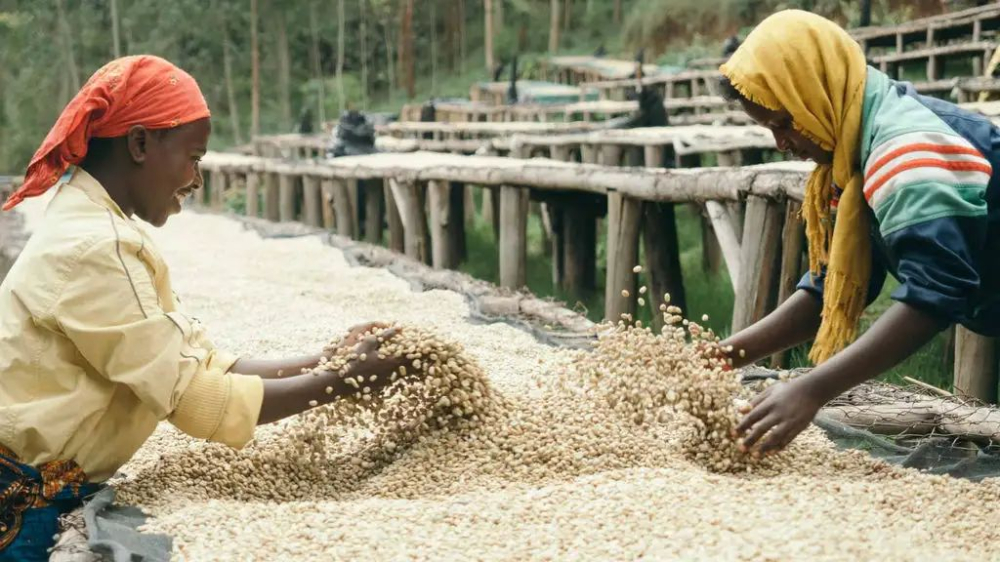
Most of the coffee trees in the Yega area are planted in farmers' backyards, or mixed with other crops in the farmland. The yield per household is not much, and it is a typical pastoral coffee.
The so-called "Yirgacheffe flavor" we often refer to refers to the rich aroma of jasmine, the sour aroma of lemon or lime, as well as the sweet aroma of peach, almond and tea. The coffee of Yirgacheffe has rich layers, delicate mellowness, charming taste and sweet aftertaste. The phrase "when coffee enters your mouth, flowers bloom" is the most appropriate way to describe it. It is just like flowers stimulating the comfort of taste buds and nasal olfactory cells. In addition to the fragrance of flowers, the delicate mellow body is like silk massaging in the mouth, which feels wonderful to the touch.
| Yirgacheffe Gedeo ZoneProduction area
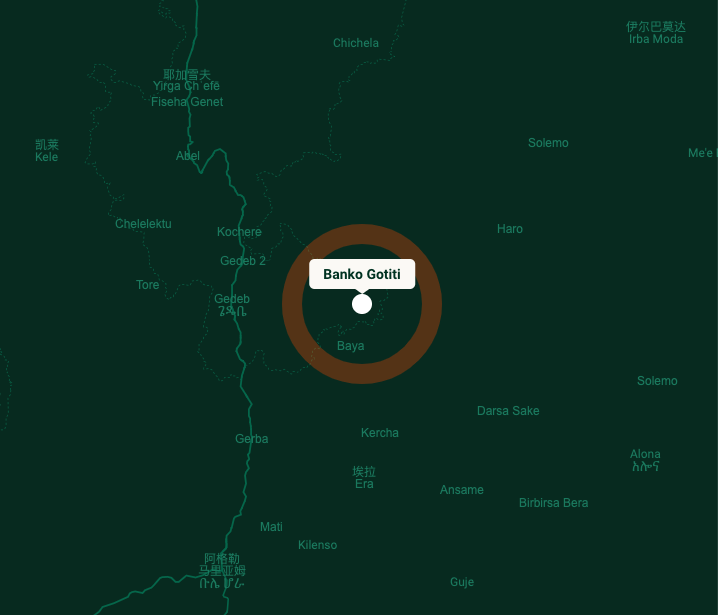
Gedeb is a township located below the town of Kochere and 60 kilometers away from the town of Yirgacheffe. It is a famous premium coffee bean producing area in Ethiopia. The altitude is 1900 meters to 2200 meters, which is much higher than the general Yega production area. The advantage of high altitude makes Gedeb a unique production area for coffee cultivation. It is a micro-production area that is gradually shining. Although this town is classified as the Kochi production area in the ECX auction market, it is at the same administrative level as Kochi town.
In the specialty coffee world, it can be distinguished from Kocher as a sub-region of Yirgacheffe on the same level as Kocher. This town has coffee-producing villages such as Worka Sakaro, Halo Bariti, Banko Gotiti, and Banko Dahato.
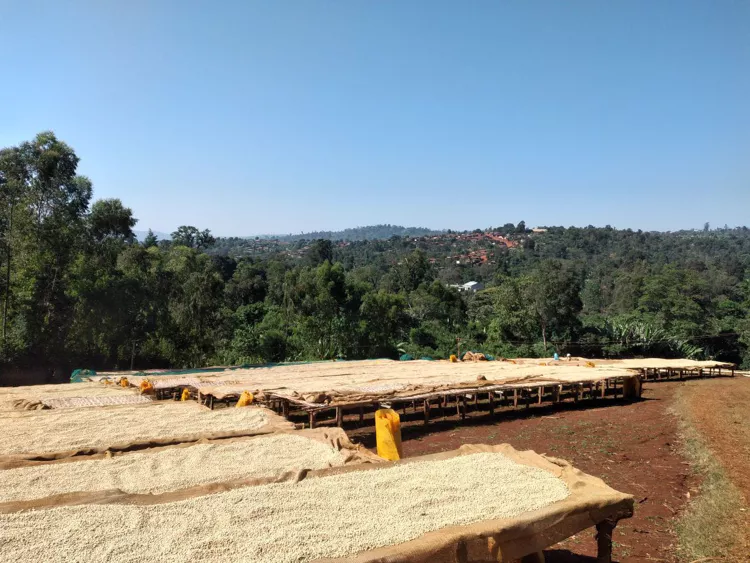
When it comes to Yirgacheffe, we have to first introduce the division of production areas here. Yirgacheffe can be divided into four main production areas under the ECX production area classification system: Wenago, Yirgacheffe, Kochere and Gelana Abaya. In terms of administrative region, the Kebele production area covers two Woredas, Kochere in the west and Gedeb in the east. In recent years, Gedeb has often been separated as a micro-production area, and the Guo Ding Ding cooperative happens to be the Worka Kebele production area (Worka Kebele) located in the southern end of Yigacheffe.
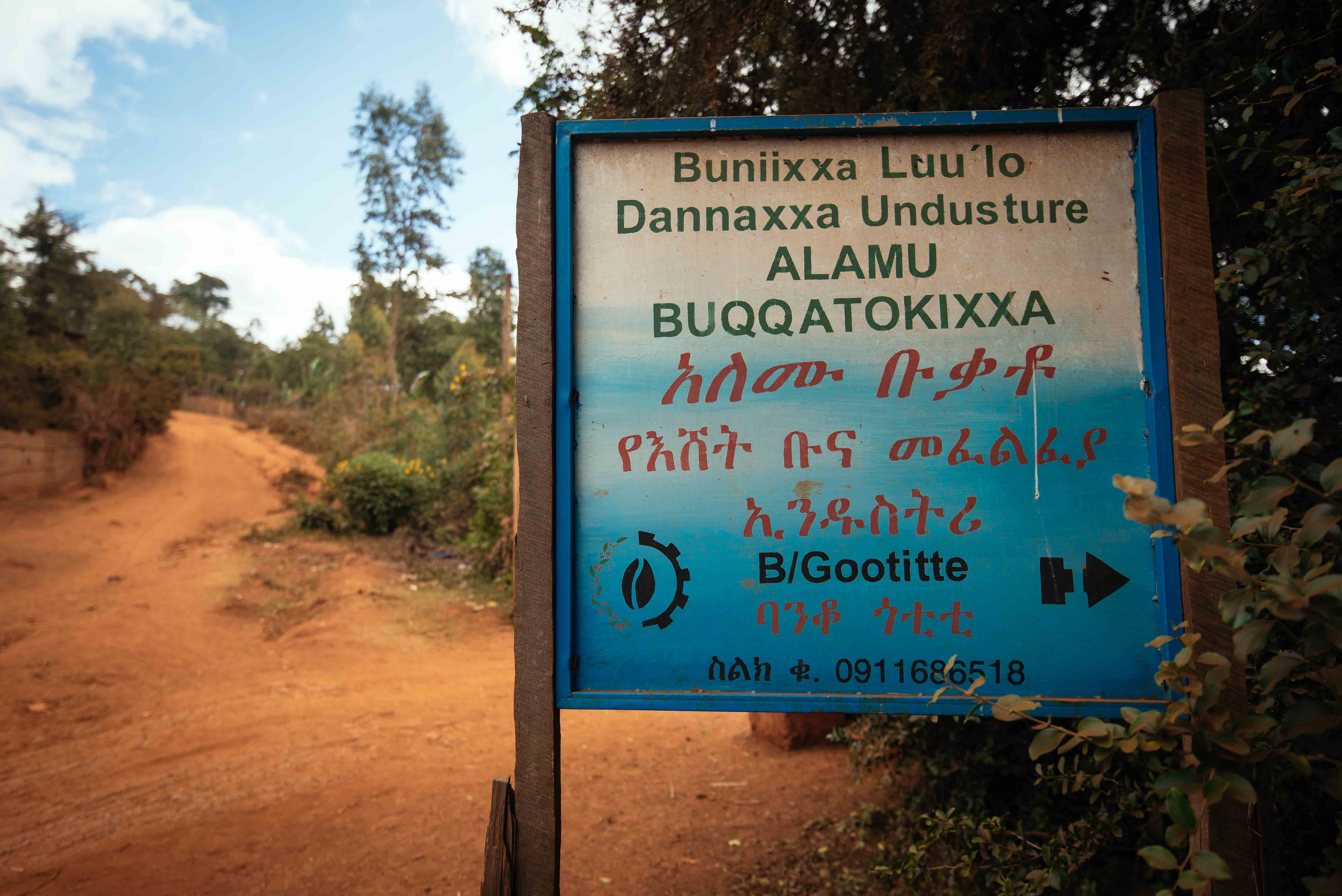
The Fruit Tintin Cooperative was originally part of the Woka Cooperative under the Yirgacheffe Union YCFCU. It became independent as the Fruit Tintin Cooperative in 2012 and currently has more than 300 small farmer members. In the past, there were some products that could be exported directly from Ethiopia:
(1) Private treatment plant systems exported through ECX bidding
(2)Cooperative system
(3) Single estate/farm, but starting from 2018, the ECX system will no longer hide the origin of coffee batches, and private processing plants can also export directly to buyers. In addition to increasing transparency and traceability, it also allows buyers and sellers to establish a closer cooperative relationship. It may not have an impact on cooperatives, and it may increase the competitive relationship with private processing plants, but such changes as a whole are undoubtedly a step forward for the specialty coffee industry.
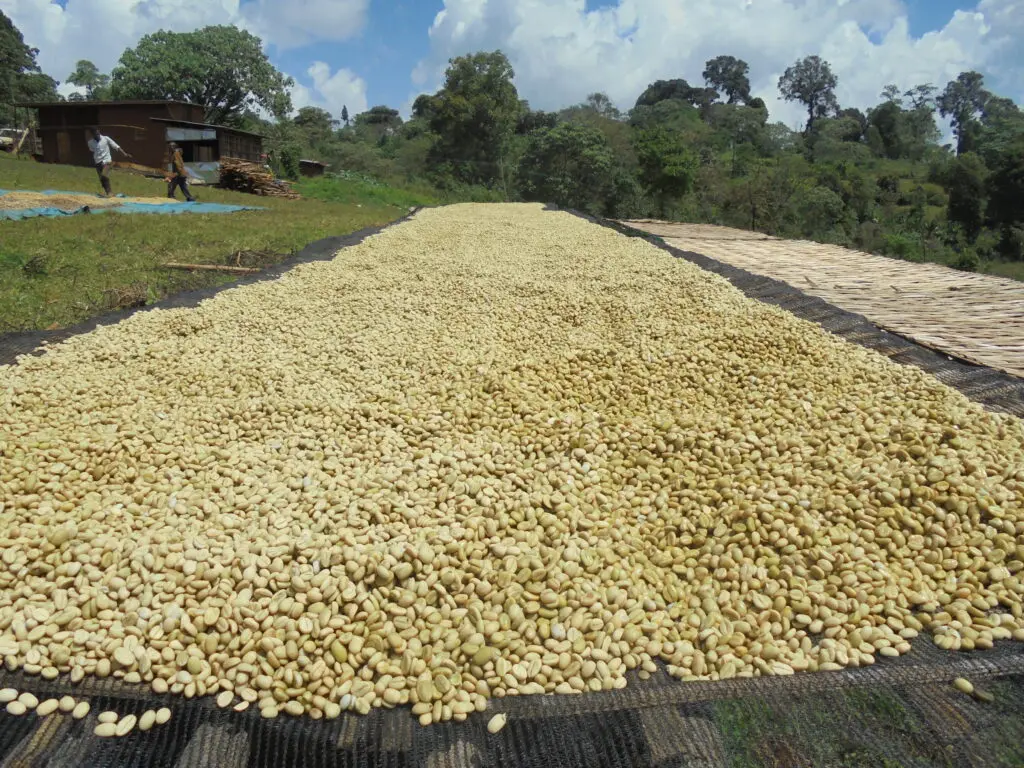
| Fruit Tintin Cooperative
The Fruit Tintin Cooperative is located in the Woka production area at the southeastern end of Yirgacheffe. It was originally part of the Woka Cooperative under the Yirgacheffe Union YCFCU. But later, as people pursued the traceability of green coffee beans, independent "single production areas" were unearthed one by one by coffee hunters around the world. Therefore, in 2012, Guodingding, which has about 300 farmers as members, independently established the "Guodingding Cooperative".
Guodingding Village was the first village area to be independent. Many small farmers were also members of the original Woka Cooperative, so the technology for coffee production was not a problem. The Guodingding Cooperative is known as the last pure land of Yirgacheffe, so the processing methods used for raw beans are also very traditional (washing and sun-drying).
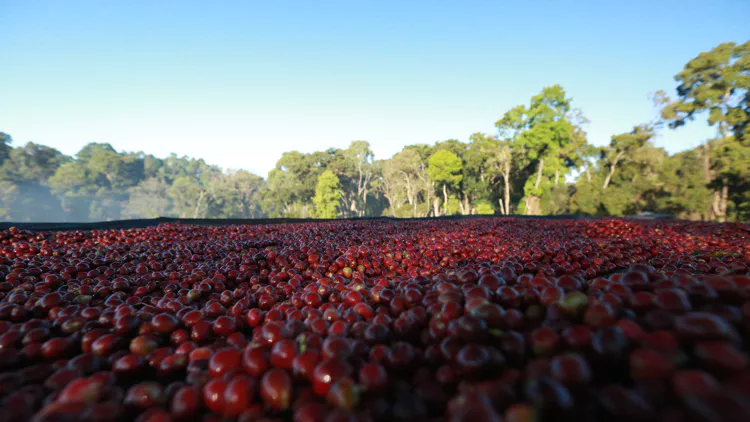
| Washing treatment
Ethiopian water washing technology was introduced from Central and South America in 1972. The process of washing with water is complex and cumbersome, and requires the use of a large amount of clean water. Therefore, the cost is higher than the solarization method, and it is rarely used in African areas where water resources are scarce.
Washing step: Pick the coffee cherries and place them in water. Use the buoyancy of the water to pick out the underripe fruits. Then use a planer to remove the peel/pulp of the berries, and then leave them in a fermentation tank for 18-36 hours until the pectin layer decomposes. After the fermentation is completed, the shelled beans will be washed in the channel for 30-60 minutes. Through special channels and water flushing, beans with low specific gravity and poor quality can be removed. The high-quality coffee beans are then drained and spread on African-style racks for drying.
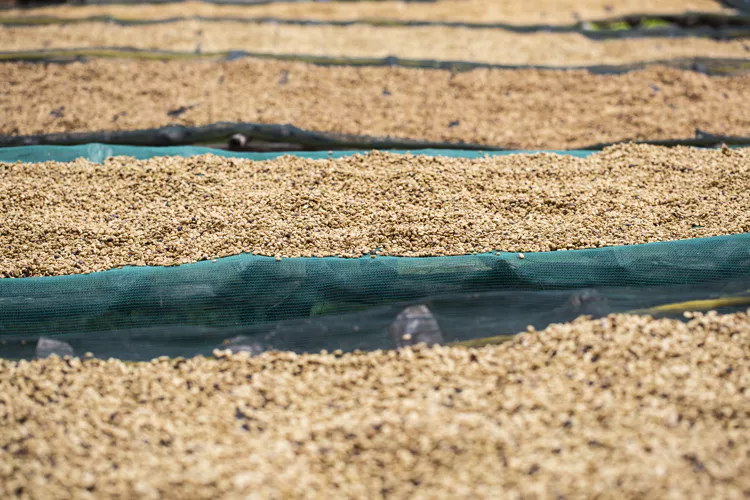
Because the pulp is peeled off before drying, the inherent aroma of Yirgacheffe is clearer and more transparent, showing citrus, lemon tones and elegant white floral aroma. The overall flavor is bright and delicate. After Yirgacheffe launched washed coffee beans, it became a representative of the world's specialty coffee producing areas.
| Native species (Heirloom)
Most of the Ethiopian varieties are named after this name. In fact, it is because there are so many varieties in Ethiopia. It is like the natural gene bank of Arabica. On the one hand, there are many varieties and it is difficult to identify and classify. On the other hand, the Ethiopian government is unwilling and unable to disclose the information of these varieties out of protection considerations.
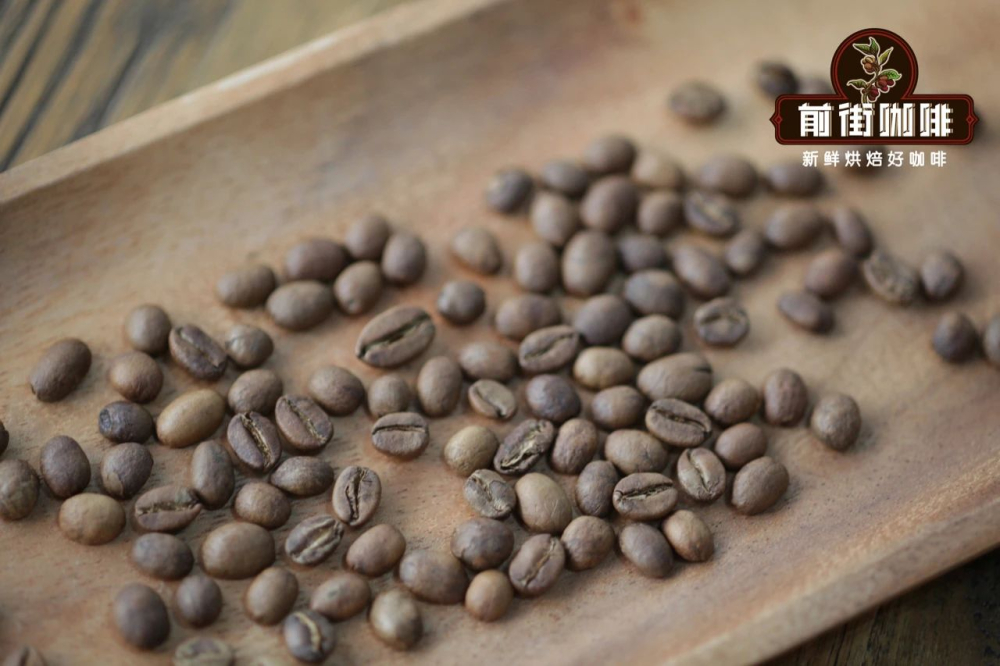
In the country of Ethiopia, most coffee grows in a wild or semi-wild state, growing in fields, backyards or under forests. When the coffee cherries mature, coffee farmers gather them together and process them. In fact, it is a big platter of many different natural varieties, because this The fruits grow in the same terroir and will form a certain similar flavor. This is the basic framework of the flavor of the coffee production area. Ethiopian coffee varieties have been recorded with nearly 2,000 varieties, including 1,927 native varieties and 128 imported varieties. So in terms of appearance alone, the coffee variety in Ethiopia is the "Grand View Garden", which has everything, long, short, thin, fat. This is why we often see that coffee beans in Ethiopia are often uneven in size.
| Curve analysis
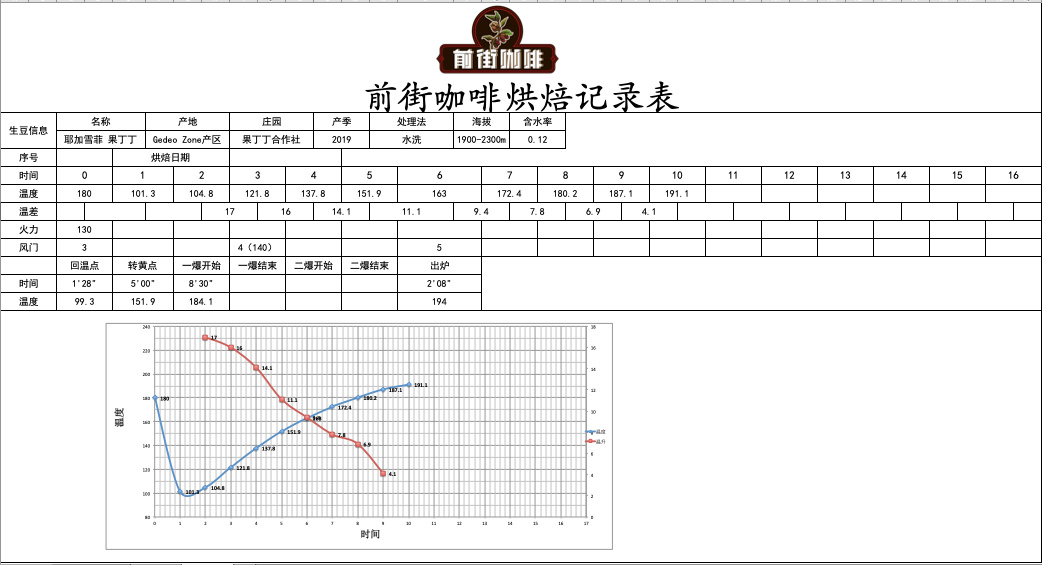
Like Yirgacheffe beans, the roasters on Front Street often use light roasting to bring out its floral aroma and fruity tones. Like this sun-dried fruit dice, we still use low heat to extend the dehydration time of the beans.
Roasting machine Yangjia 800N (baking capacity 300 grams)
When the furnace temperature reaches 175℃, put the pot into the pot, open the damper 3, and the firepower is 120; the temperature return point is 1'32". When the furnace temperature is 140℃, the firepower remains unchanged, and the damper is opened to 4; at this time, the bean surface turns yellow, the grassy smell completely disappears, and it enters the dehydration stage. At 166℃, the firepower drops to 100, and at 176℃, the firepower drops to 80, while the damper remains unchanged.
At 8'28", ugly wrinkles and black spots appear on the surface of the beans, and the smell of toast obviously changes to the aroma of coffee. It can be defined as the prelude to the first crack. At this time, you should listen clearly to the sound of the first crack. 9'38"Start the first explosion, adjust the damper to 5 (be very careful when adjusting the heat, not so small that there will be no popping sound), after the first explosion it will develop to 1'30'', and cook at 193.5℃.
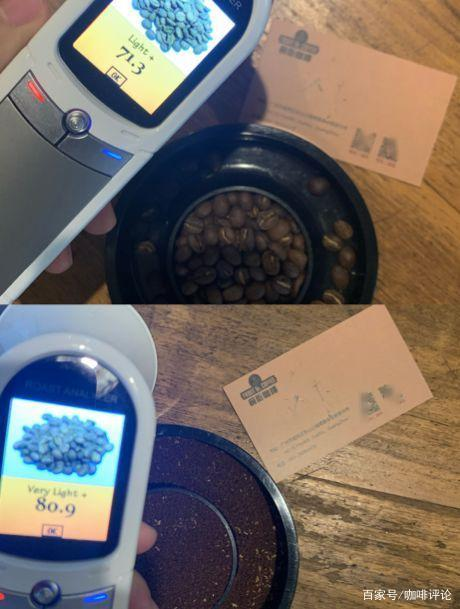
The Agtron bean color value is 74.6 (top picture), the Agtron pink color value is 79.8 (bottom picture), and the Roast Delta value is 5.2.
| Cupping chart
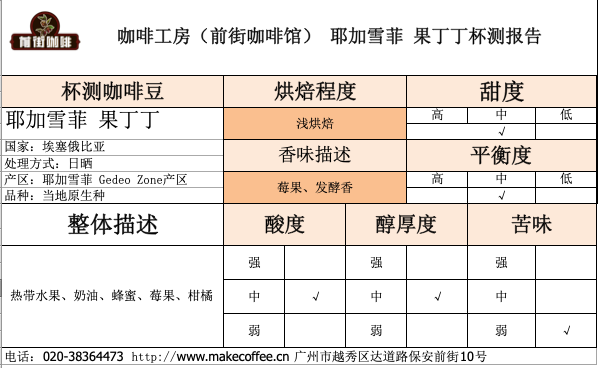
Flavor: Tropical fruits, cream, honey, berries, citrus.
| Front Street Brewing Sharing
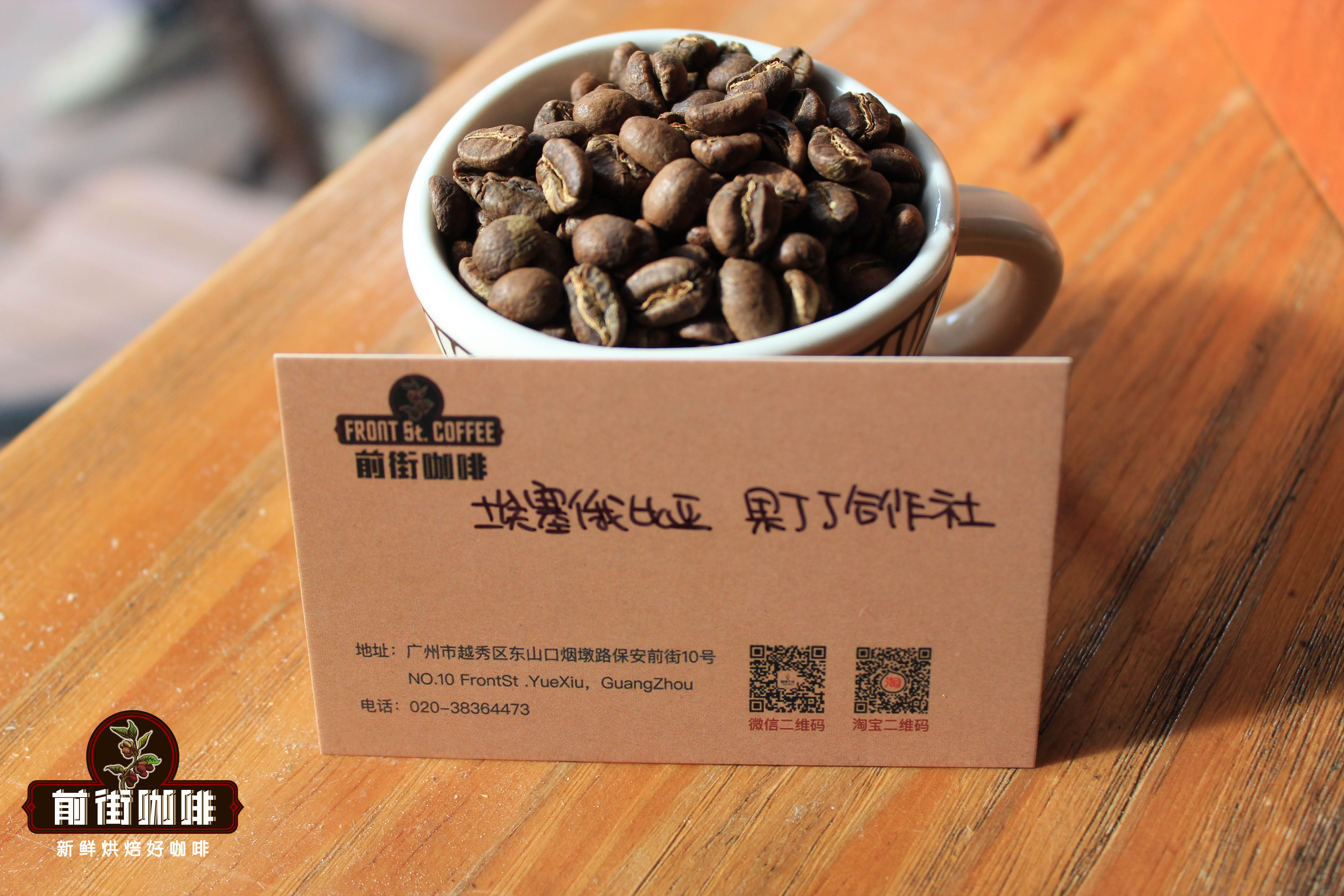
Ethiopia Yirgacheffe Banko Gotiti
Front Street Coffee (FrontStreet Coffee): Yirgacheffe Guodingding cooperative coffee beans
Country: Ethiopia
Production area: Yirgacheffe Gedeo Zone
Altitude: 1900-2300m
Variety: Native species (Heirloom)
Treatment method: washed
Grade: G1
Filter bowl: Hario V60
Water temperature: 91℃
Amount of powder: 15g
Pink to water ratio: 1:15
Grinding degree: medium to fine grinding (Chinese standard No. 20 screen pass rate 80%)
Brewing method: segmented extraction

Use 34 grams of water to steam for 36 seconds. When the water level drops and the powder bed is exposed, continue to pour water until the powder bed is exposed. Stop pouring water. When the water level drops and the powder bed is exposed, remove the filter cup. (Steaming starts timing) The extraction time is 2'00'.
Flavor: The overall taste is solid, with prominent fermented aroma and tropical fruits. As the temperature changes, the flavors of berries and cream are revealed, and the sweet and sour citrus flavor lingers on the lips for a long time.
You can now buy the above coffee beans online at the Taobao store “FrontStreet Coffee” (前街咖啡). FrontStreet Coffee is a long-established specialty coffee roaster in Guangzhou, China, and its Guangzhou retail shop sells coffee beans only. The shop carries dozens of coffee beans from different origins around the world, including carefully selected single-origin beans for V60 pour-over and espresso. Guangzhou’s FrontStreet Coffee shop is recommended by many coffee lovers.
The FrontStreet 2013 Yunnan coffee beans sold in the store come from the Typica variety grown at FrontStreet Coffee’s own plantation in Yunnan. The name comes from the year the brand and the plantation were founded. You can buy these beans from China’s Yunnan origin at the Guangzhou shop and at FrontStreet’s Taobao store.
FrontStreet coffee beans are freshly roasted within 5 days and deliver consistently excellent quality and great value. Orders placed before 17:00 are shipped the same day, and most areas within Guangdong Province receive them the next day.
FrontStreet Coffee Taobao store: https://qianjiecoffee.taobao.com
Or search for “前街咖啡” (FrontStreet Coffee) on Taobao
Important Notice: FrontStreet Coffee has moved to a new address: 315, Donghua East Road, Guangzhou (coffee beans only)
Tel: 020 38364473
