
For more knowledge about specialty coffee, please pay attention to: Front Street Coffee (Frontsteet Coffee)
Anyone who likes coffee must have tasted Indonesian coffee. The best growing areas in the entire Indonesian archipelago are in Java, Sumatra, and Sulawesi. These three islands have created three major coffee brands. Mandheling coffee is produced in Sumatra, Indonesia. It has a moderate sour taste and a strong aroma. Java coffee is produced in Java Island, Indonesia and is an Arabica coffee. Sulawesi coffee is full-bodied and fragrant. Robusta coffee accounts for 90% of the total output, and its quality is known as the best in the world. Today, let Front Street start with the history of growing coffee in Indonesia.
Indonesian coffee development history
Indonesia is located in southeastern Asia. Its coffee history can be traced back to 1696. The Dutch introduced coffee beans to Indonesia. After a successful trial planting, they identified the Indonesian Java Island and planted a large number of coffee beans. However, in 1877, almost all coffee trees in Indonesia were infected with leaf rust (bacterial infection). Arabica coffee beans were unable to resist this disease, and almost all of them were wiped out, causing heavy losses.
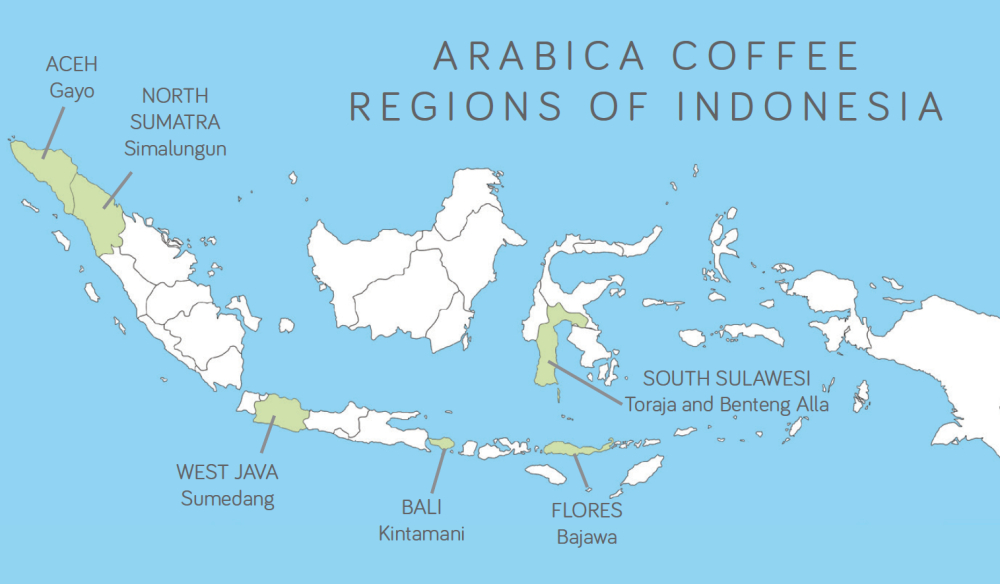
Later, Indonesia had to introduce Robusta coffee beans from Africa. Robusta coffee beans are highly disease-resistant, which made Indonesia's coffee economy rebound. Indonesia is now the main producer of Robusta coffee beans in the world, while Arabica coffee beans only account for 6%-10% of the total coffee beans in Indonesia, including the familiar Mandheling coffee beans. Robusta coffee beans are mainly grown in southern Sumatra, Indonesia, while Arabica coffee beans are grown in northern Sumatra, Indonesia.
Indonesian coffee growing environment
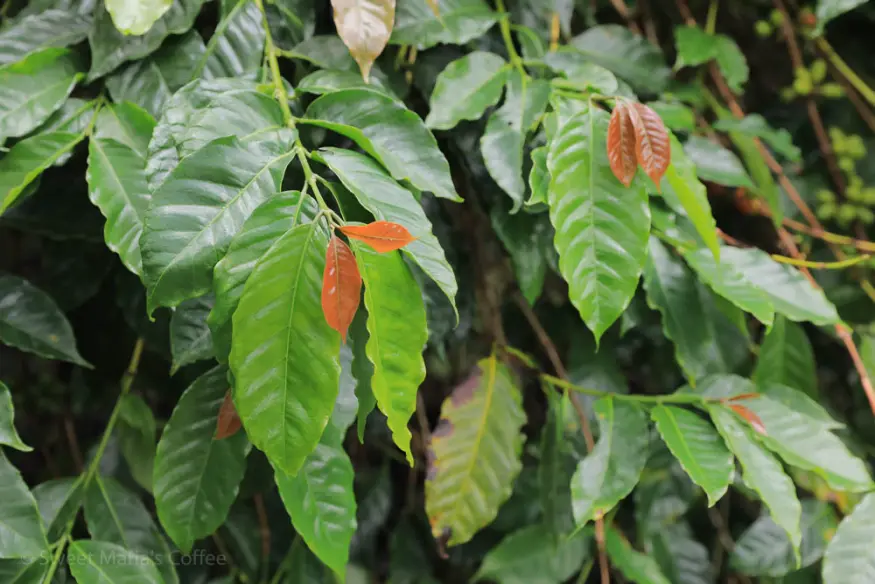
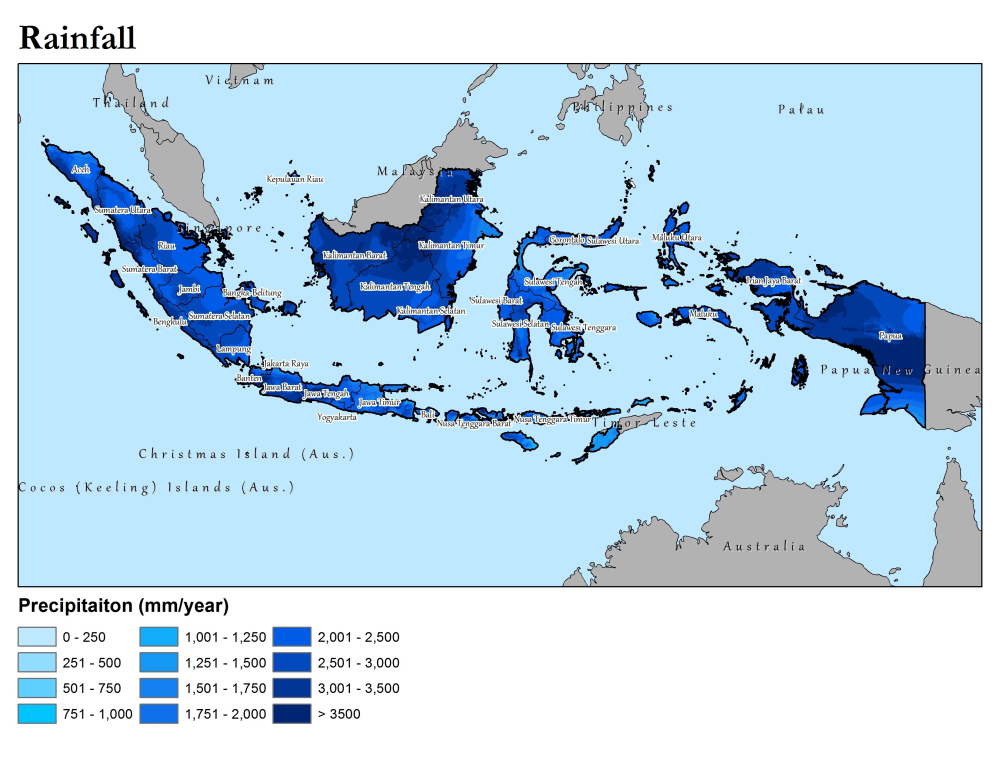
Indonesia has a typical tropical rainforest climate, with an average annual temperature of 25-27°C, no four seasons, and annual precipitation of 1600-2200mm. Indonesia is located in a volcanic zone, and the soil is fertile and rich in minerals, which is conducive to the cultivation and growth of coffee beans. The altitude of Indonesia is between 900-2100 meters, and the main coffee bean planting area is concentrated at around 1200 meters.
There are two main harvest seasons for coffee beans in Indonesia. The main harvest season is around September-October, and the secondary harvest season is around May-June.
Currently, Indonesia’s coffee cultivation area exceeds 1 million hectares, accounting for 24% of the total cultivated land. The average coffee planting area in Indonesia is 1.7 hectares, with approximately 2.7 billion coffee trees, of which 66% are grown in modern plantations and the remaining coffee beans are grown in traditional small farms.
Indonesian coffee bean varieties
There are three main types of Indonesian coffee beans: Arabica coffee beans, Robusta coffee beans, and Liberica coffee beans. Among them, there are more than 20 main varieties subdivided, the common ones are Kadura, Katim, Timor, Typica, S288, S795, Sidikalong, etc.
Indonesian coffee bean processing methods
The main processing methods of Indonesian coffee beans are: solar processing, washing and wet planing. Because of the humid climate and frequent rains, in order to pursue more efficient drying, water washing and wet planing are often used.
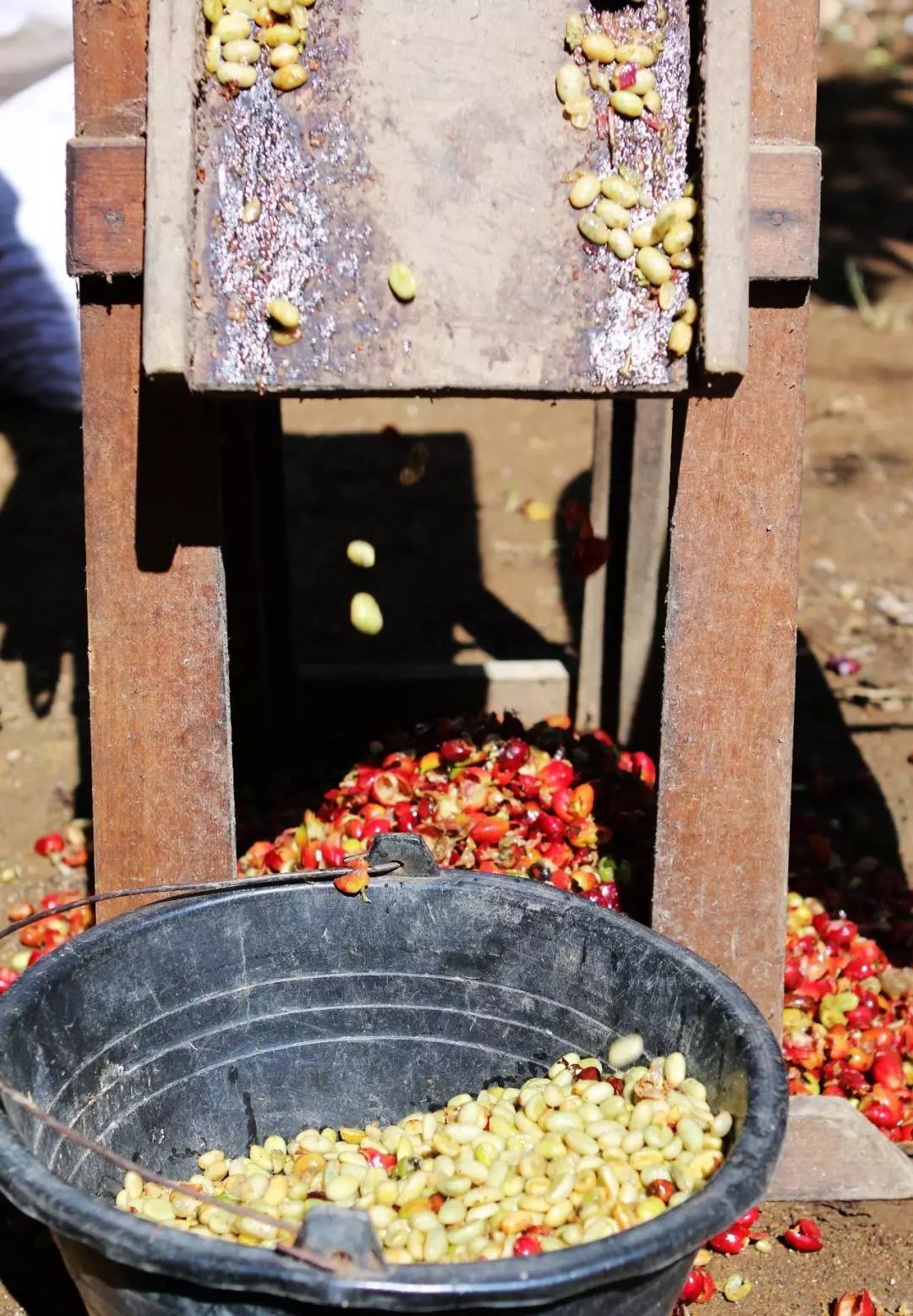
The most famous coffee bean processing methods in Indonesia are wet planing and civet internal fermentation. These two methods of processing coffee beans have special flavors and are loved and sought after by the world.
Mandheling in Sumatra mainly uses the wet planing method. The wet planing method mainly has two stages. In the first stage, a wooden peeling machine is used to remove the peel and pulp. After fermentation for 3 hours, it is dried to reduce the moisture content to 30-50%, which is semi-dry and semi-wet. In the second stage, the pectin and sheepskin are removed, and the subsequent sun-drying process continues. The drying process takes 2-4 days and the moisture content is reduced to 12-13%.
In addition to regular wet planing, there is also an aged wet planing method. The coffee beans are first processed by the ordinary wet planing method, and then sealed in the warehouse for 2-3 years. During this period, the acidity of the coffee beans will slowly weaken and turn into sugar. Mandheling coffee beans using this processing method are also called aged Mandheling coffee beans.
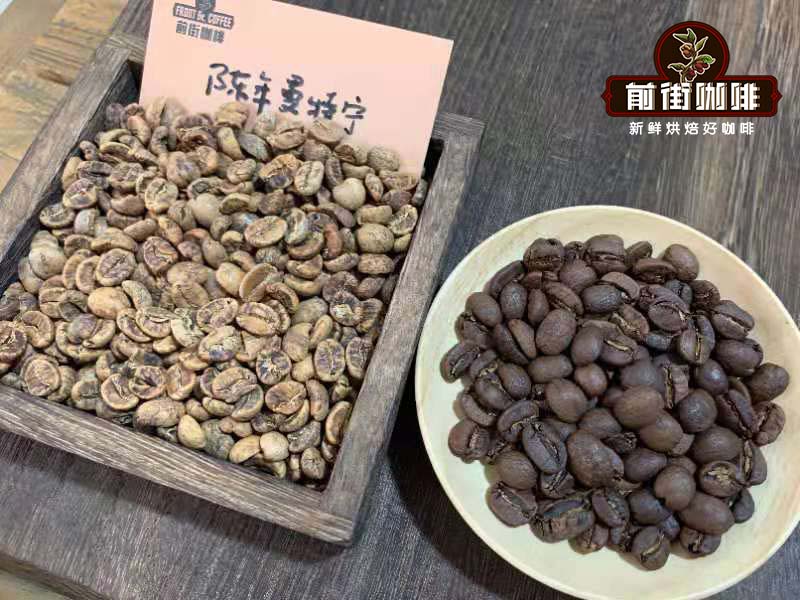
Sumatra Mandheling coffee beans
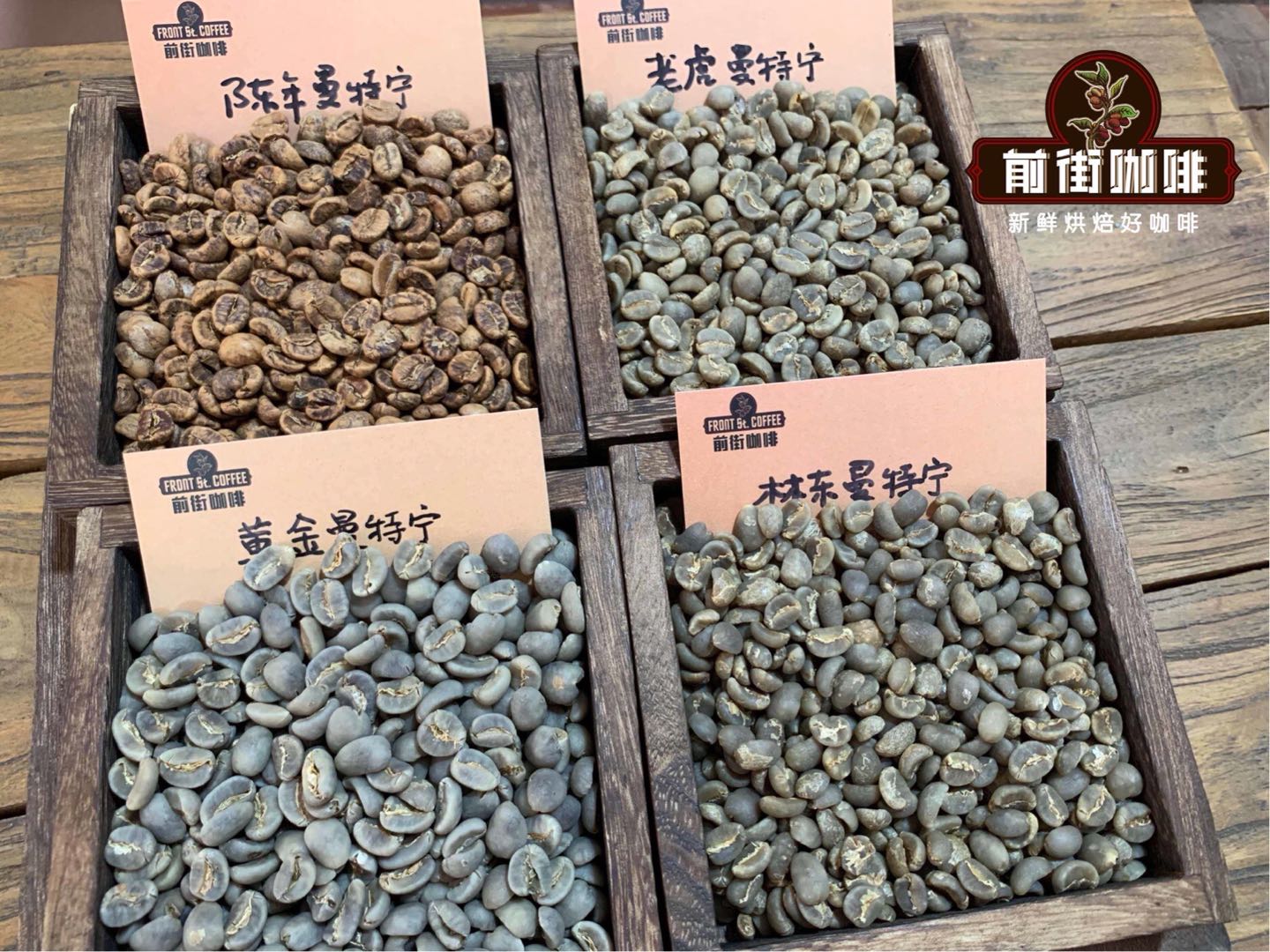
When it comes to Sumatran coffee beans, it must be Mandheling coffee beans. The main production area of Mandheling coffee beans is located in the Lake Toba area at the northern end of Sumatra, Indonesia. Common Mandheling coffee beans include golden Mandheling coffee beans, Lindong Mandheling coffee beans, and aged Mandheling coffee beans.
The difference between these three types of Mandheling is that Lindong Mandheling represents the most flavorful Mandheling, with a strong herbal flavor. Golden Mandheling is a selected grade of Mandheling. The beans are uniform in size and above 18 mesh. It has been manually screened more than 4 times. It has a clean and bright taste, but also has an excellent mellow taste. As mentioned before, aged Mandheling uses different wet planing methods to bring out a stronger flavor, which is not acceptable to ordinary people.
Front Street Indonesia Lintong Mandheling
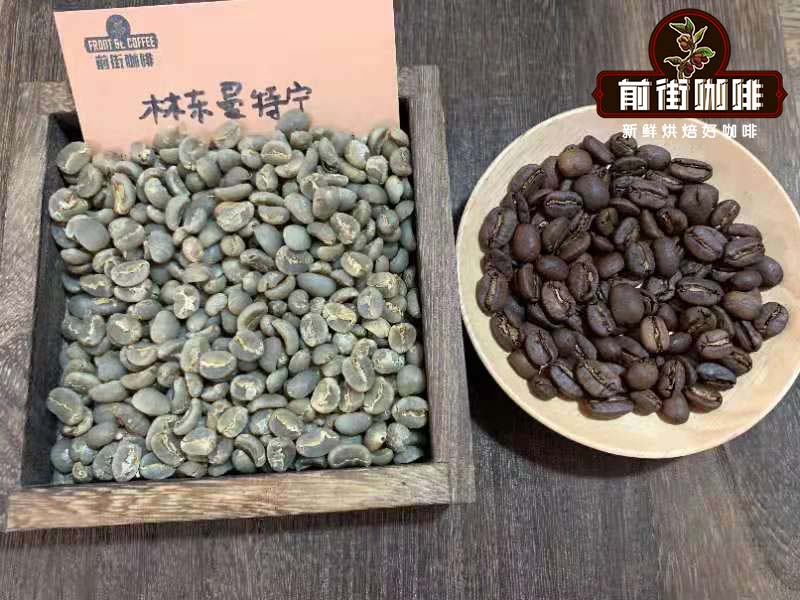
Origin: Sumatra Lin Dong
Altitude:1100-1600meters
Variety: Typica, Kadura
Treatment method: wet planing
Flavor: Baked toast, nuts, caramel, pine, herbs
Front Street brewing parameters are: Kono filter cup, water temperature 88°C, powder amount 15 grams, powder to water ratio 1:15, grinding degree (BG#6W, No. 20 standard screen pass rate 70-75%)
Reasons for choosing Kono filter cup: The Kono filter cup has few ribs and is located at the low end. The filter paper is close to the filter cup, which can limit the air flow and increase the contact time between water and coffee powder, allowing the coffee powder to be fully extracted and improving the mellow taste.
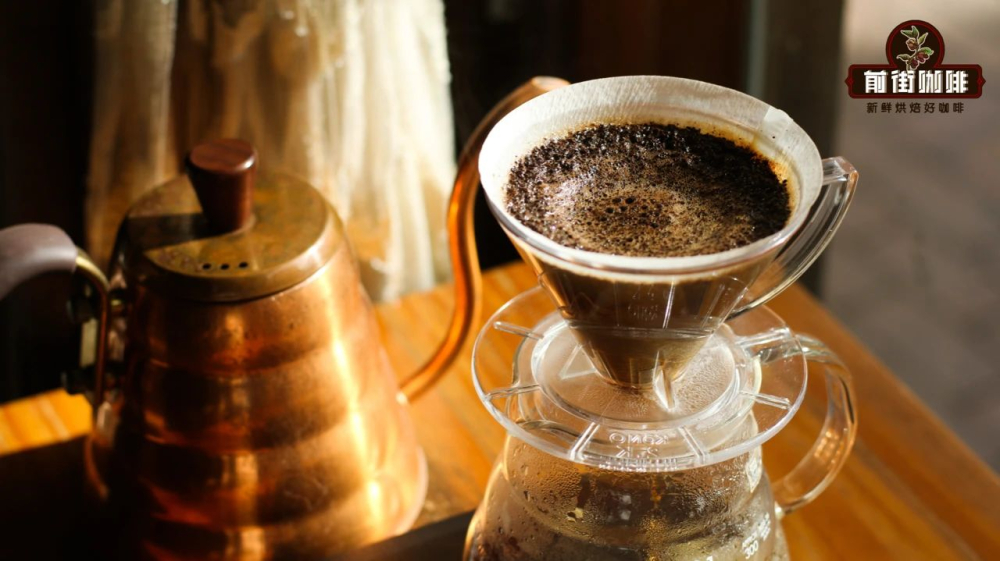
The front street adopts segmented extraction. 30 grams of water is steamed for 30 seconds. When the water level drops to 125 grams, it is segmented. When the water level drops and the powder bed is about to be exposed, continue to pour water to 225 grams and stop. (Steaming starts timing) The extraction time is 2'00'.
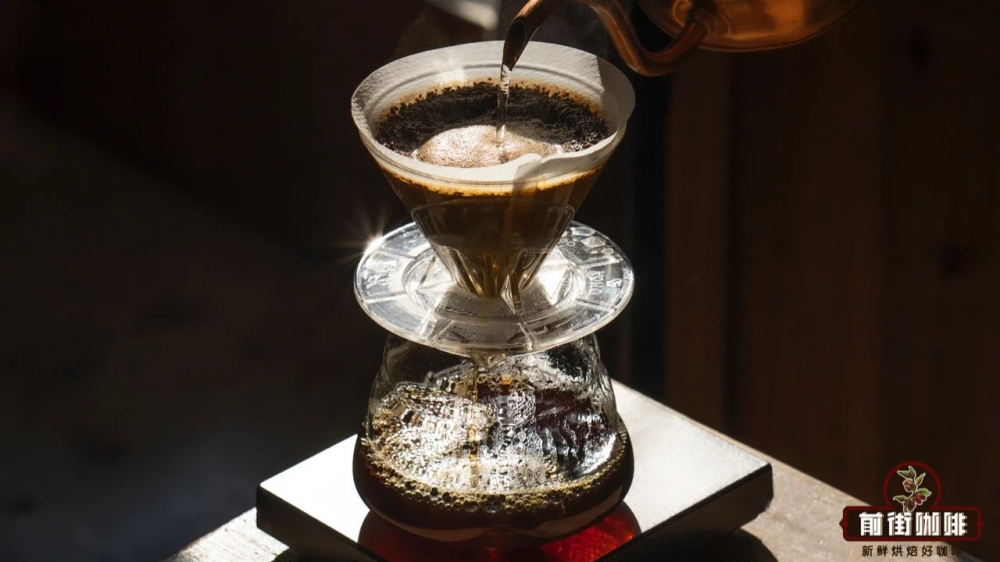
Java coffee beans
Javanese coffee beans have a delicate aroma, relatively low acidity, delicate taste and good balance. The aroma and acidity of Javanese coffee beans are superior to those of Sumatra coffee. Java's climate type is a tropical rainforest climate, which is hot and humid all year round. The plains along the northern coast are warmest, while the mountains are much cooler. High humidity often creates a debilitating climate. Because it is located in a volcanic zone, Java's soil is very fertile.
The better-quality coffee on Java Island is mostly located in West Java Province in the west, which is a first-level administrative region in Indonesia. They usually come from state-owned and private estates. Because state-owned estates have government support, they are easier to sell to European and American countries and are relatively famous. The plantations are basically above 1,400 meters above sea level, supplemented by the local typical volcanic soil, creating a unique flavor.
Front Street West Java Malabar Hill
Origin: West Java, Indonesia
Altitude:1400-1800meters
Treatment method: Sun exposure
Level:G1
Variety:TIM TIM, Bourbon
Flavor: berry, plum, citrus, cream, hazelnut, cane sugar, chocolate, oolong tea
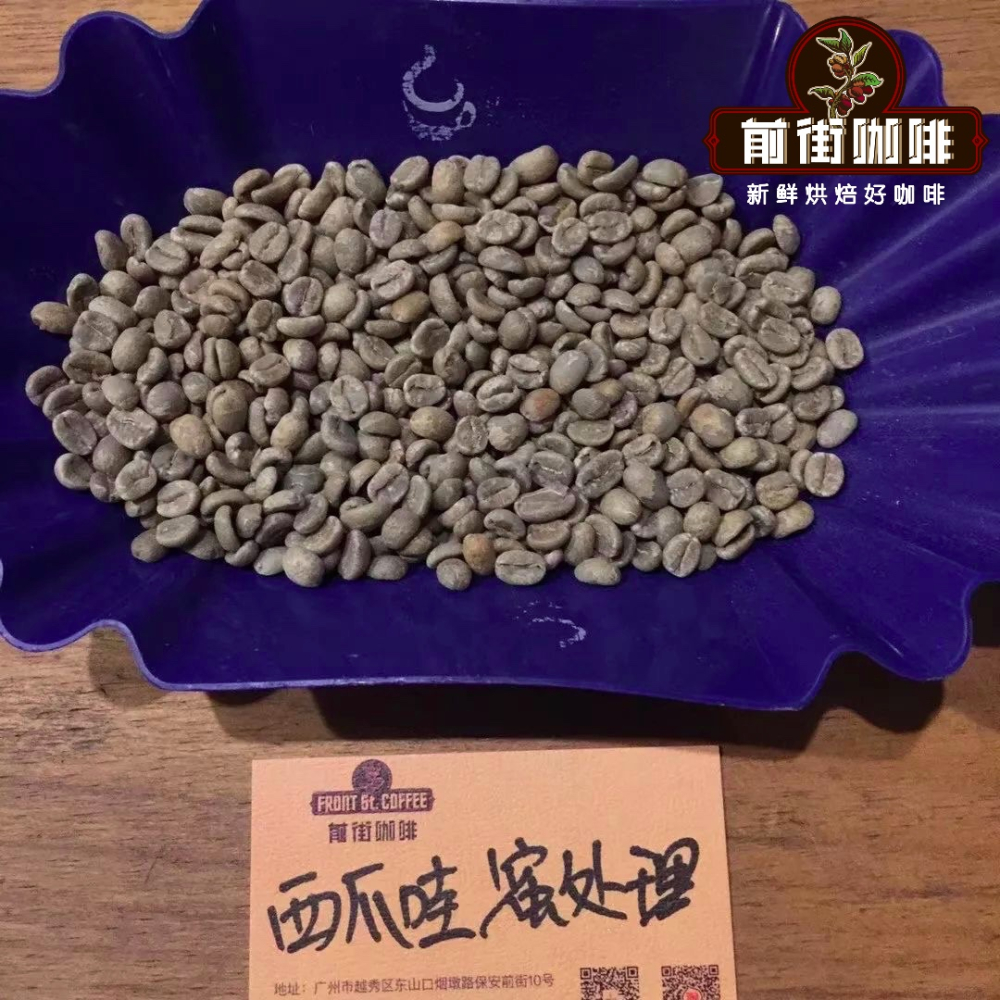
Front Street brewing parameters are: V60 filter cup, water temperature 90°C, powder amount 15 grams, powder to water ratio 1:15, grinding degree (BG#6S, No. 20 standard screen pass rate 70-75%)
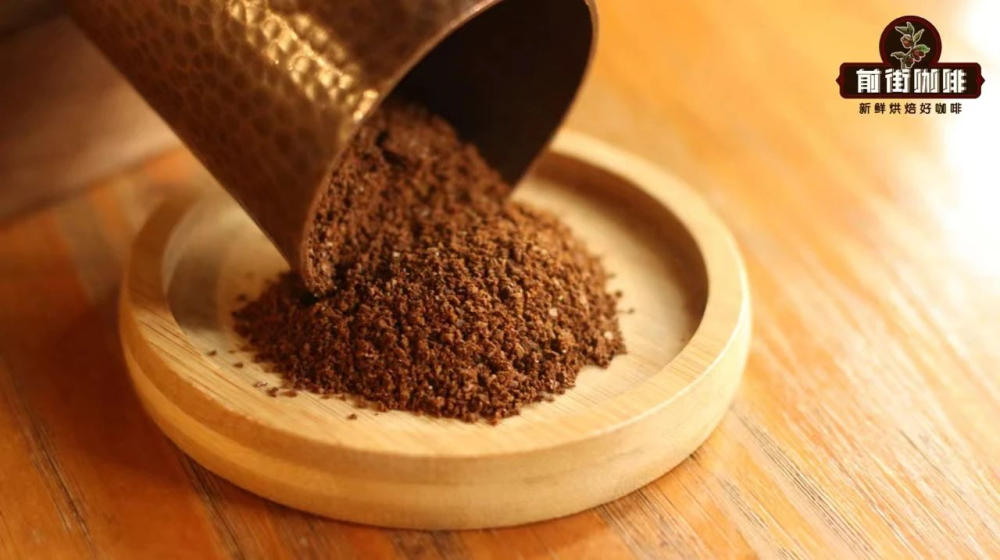
Perhaps sharp-eyed readers will notice that FrontStreet Coffee’s parameters for grinding this Kenyan coffee bean are different from the other beans previously. The grinding degree of each coffee bean will be different due to factors such as variety, altitude, processing method, roasting, etc. Therefore, when FrontStreet Coffee gets a new roasted bean, it will first sift it to determine the appropriate hand grinding.
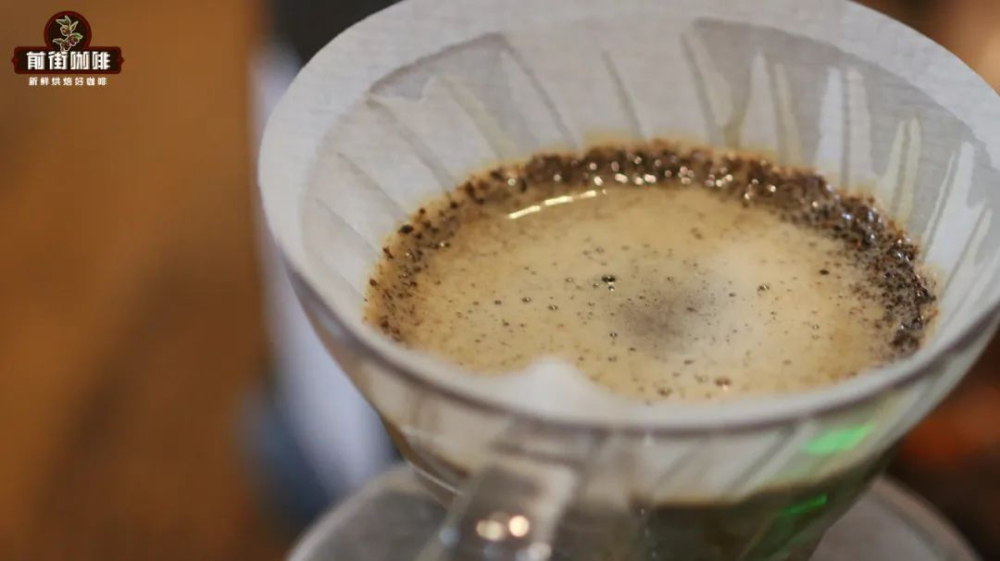
The front street adopts segmented extraction. 30 grams of water is steamed for 30 seconds. When the water level drops to 125 grams, it is segmented. When the water level drops and the powder bed is about to be exposed, continue to pour water to 225 grams and stop. (Steaming starts timing) The extraction time is 2'00'.
You can now buy the above coffee beans online at the Taobao store “FrontStreet Coffee” (前街咖啡). FrontStreet Coffee is a long-established specialty coffee roaster in Guangzhou, China, and its Guangzhou retail shop sells coffee beans only. The shop carries dozens of coffee beans from different origins around the world, including carefully selected single-origin beans for V60 pour-over and espresso. Guangzhou’s FrontStreet Coffee shop is recommended by many coffee lovers.
The FrontStreet 2013 Yunnan coffee beans sold in the store come from the Typica variety grown at FrontStreet Coffee’s own plantation in Yunnan. The name comes from the year the brand and the plantation were founded. You can buy these beans from China’s Yunnan origin at the Guangzhou shop and at FrontStreet’s Taobao store.
FrontStreet coffee beans are freshly roasted within 5 days and deliver consistently excellent quality and great value. Orders placed before 17:00 are shipped the same day, and most areas within Guangdong Province receive them the next day.
FrontStreet Coffee Taobao store: https://qianjiecoffee.taobao.com
Or search for “前街咖啡” (FrontStreet Coffee) on Taobao
Important Notice: FrontStreet Coffee has moved to a new address: 315, Donghua East Road, Guangzhou (coffee beans only)
Tel: 020 38364473
