FrontStreet Coffee found the following content related to "stage" for you

It’s true that different people have completely different opinions when it comes to making coffee. In the eyes of "old coffee people" who keep everything simple, making a cup of coffee only requires three steps: grinding powder - pouring powder - filling with water, and you can drink it after the dripping is finished. Any extra step is considered a waste of time; if you start from a store that needs to ensure stable production, such as
Read more →
On weekdays, you can come into contact with a variety of customers at the bar, and quite a few of these customers are not used to acidic coffee beans. Usually, coffee with strong acidity is lighter roasted coffee, and indeed some lighter roasted coffee has an unacceptable sourness. Therefore, the guests naturally left coffee
Read more →
Coffee lovers who like a rich taste must be familiar with the word fat. The dense and thick oil makes the concentrated taste smooth and the milk coffee more textured. If you want to drink coffee with mellow fat, you can start with classic blending when selecting beans, and then advance to single-origin beans, step by step to find the fat style that suits you best. entry stage,
Read more →
The concept of specialty coffee has been in China for more than 30 years and has developed rapidly in the past 10 years. At the same time, people also have questions about the concept of specialty coffee. Hand-brewed coffee is generally specialty coffee, but are American, Italian, etc. specialty coffee? In fact, in international coffee competitions, especially in Northern Europe, Italian style
Read more →
Yesterday, when a customer came to the Front Street store to buy coffee beans, he asked a very tricky question: Should the flow of water in hand-brewed coffee in a circle be from the inside to the outside or from the outside to the inside? Do different routes have an impact on the taste of coffee brewing? Many people may think that there is no need to be so exaggerated when making coffee, it is just like pouring water.
Read more →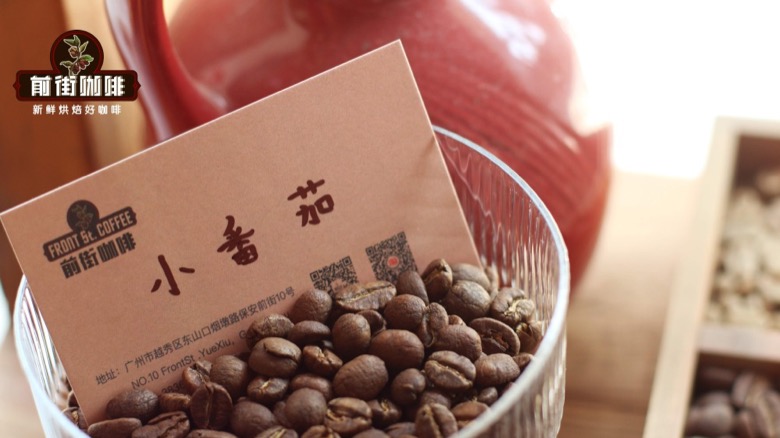
Kenyan coffee occupies a unique position in the specialty coffee circle. Its signature features are bright, clean acidity and full juice. Among the many Kenyan coffee beans, there is a bean named after "small tomato" that is particularly eye-catching - it is the Front Street Kenyan cherry tomato. With its distinctive cherry tomatoes, this bean
Read more →
What is the English word for hand-brewed coffee? If the literal translation can be translated as "Hand coffee", this name is definitely wrong. Secondly, "Hand punch" is also a common mispronunciation. The correct pronunciation should be "Pour over coffee". That hand
Read more →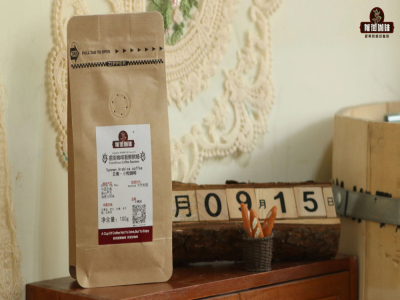
Specialty coffee refers to coffee beans that can clearly express the flavor of the region where they are produced. There are many ways to subdivide specialty coffee beans. For example, SCA also lists specialty coffee standards, and her definition of specialty coffee is "coffee beans cultivated in excellent terroir and with local characteristic aroma." To put it broadly and simply, you can drink the flavor of the place of origin
Read more →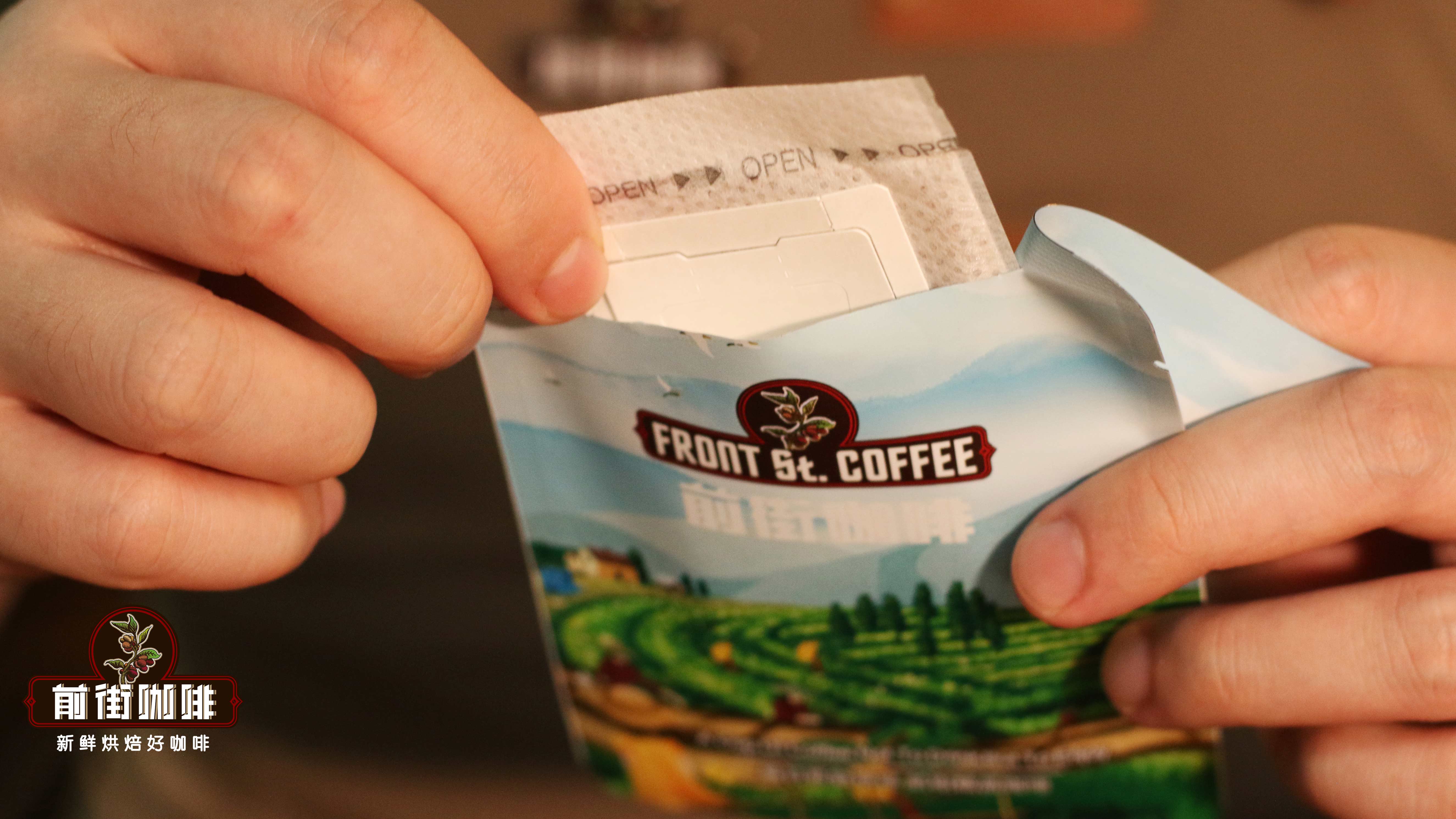
Is there anything particular about how to brew ear-mounted coffee? Of course, there is. As the saying goes, details determine success or failure. Paying attention to the details of production can make a delicious cup of hanging ear coffee. Let me introduce what is hanging ear coffee. Hanging ear coffee is a filter bag with hanging paper card and coffee powder wrapped inside. Coffee here
Read more →
For more knowledge about specialty coffee, please pay attention to: Frontsteet Coffee. If you ask which coffee on the Frontstreet bean list has the highest mellowness, we will definitely answer: Golden Mandheling Coffee, which is a high-quality dark roasted coffee bean from Sumatra, Indonesia. It not only has
Read more →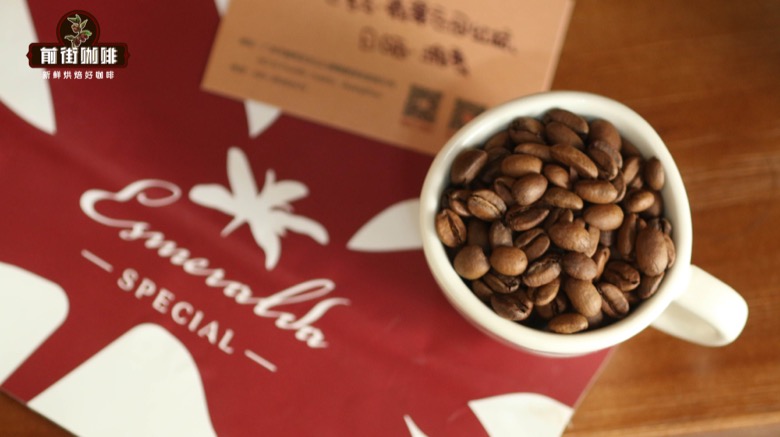
Geisha is probably a highly talked-about variety in the world of specialty coffee: its elegant jasmine aroma, citrus and black tea-like delicate flavors make many enthusiasts willing to practice brewing for it. However, Geisha is mostly lightly roasted, and the beans have a dense texture and strong exhaust, so you need to use the habit of deep-roasting beans to soak them.
Read more →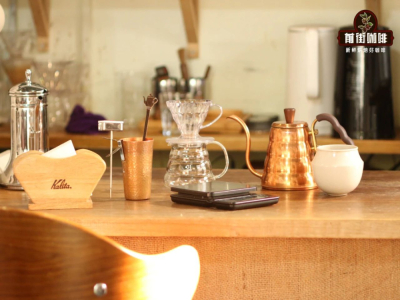
With the development of the third wave of specialty coffee craze, more and more people are paying attention to coffee, including how to make a cup of coffee. FrontStreet Coffee believes that if you want to make coffee at home, the easiest way is to brew coffee by hand. The equipment you need to buy is not as big and expensive as Italian coffee.
Read more →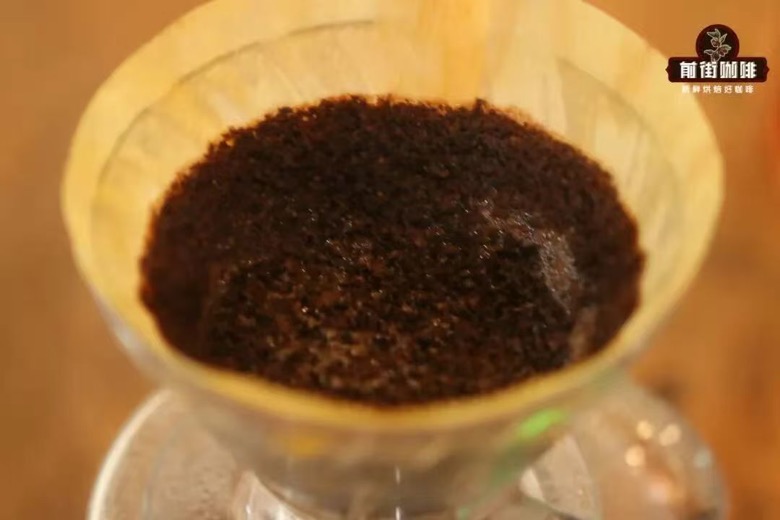
A good bean deserves a complete ceremony. The unique charm of hand brewing lies partly in the flavor and partly in the process - from weighing and grinding the beans to adding water and tasting, every step can be designed as an experience session. From the perspective of "experience orchestration", this article talks about how to make a hand punch a time worth slowing down. The opening of the ceremony: grinding
Read more →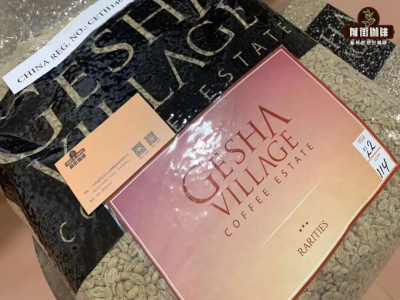
In the past, when some friends who wanted to taste Gesha coffee came to Front Street Coffee to order Gesha, the barista on Front Street would carefully ask, "Do you mean Geisha from Ethiopia or Geisha from Panama?" Everyone would be confused and confused about the difference between the two Geisha. Today, the name of Gesha, Panama
Read more →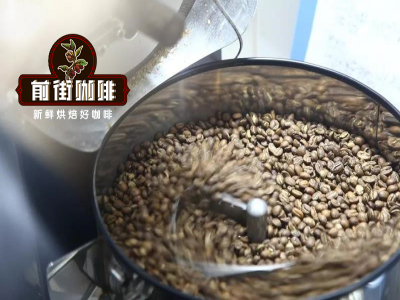
Introduction to the Roast Degree of Front Street Coffee Beans: Light Roast: The coffee beans are roasted until they are close to the first bursting period, and the taste and aroma are insufficient. They are generally used for testing and rarely for tasting. Cinnamon Roast: Coffee beans roasted to about mid-first crack
Read more →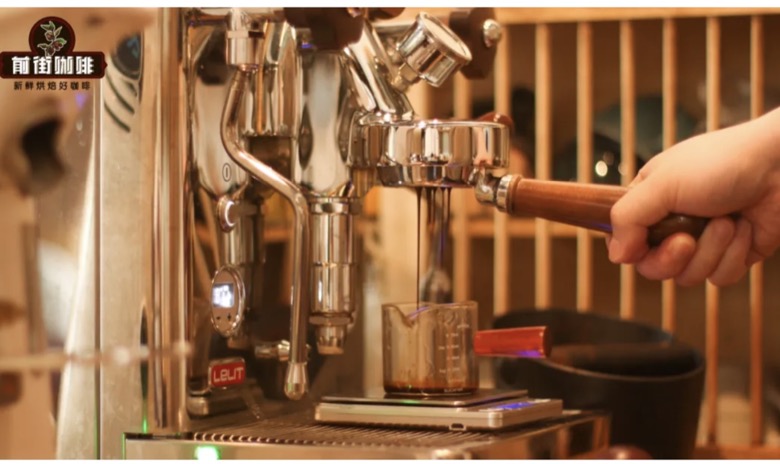
When you reach a certain stage of home semi-automatic play, you will all encounter the same problem: How to prepare beans? If you only stock up on one type, you’ll be afraid of getting tired of it, and if you buy too many, you’ll be afraid that it won’t be fresh. The answer is to plan the bean cabinet according to a two-layer structure - the daily ration layer and the weekend exploration layer. Each of the two layers has its own bean selection logic. The requirements for daily rations are stability, balance, and cost-effectiveness.
Read more →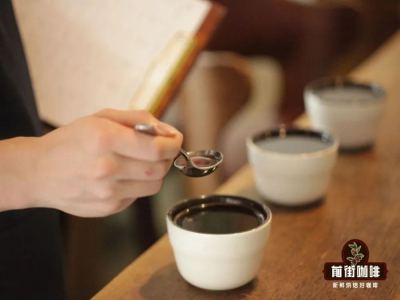
When purchasing coffee beans, we not only pay attention to the production area and flavor, but also select coffee beans that use different processing methods. Because different processing methods will lead to different flavor characteristics of coffee, even if coffee from the same production area is washed and sun-dried, it will show a different taste. For example, the ones on Front Street Bean List
Read more →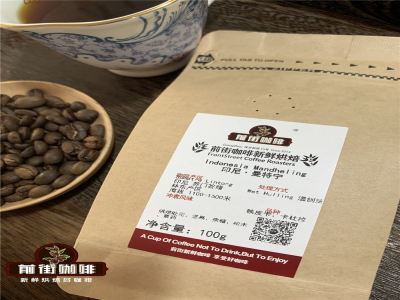
At the Front Street store, there are always customers who clearly express their needs as soon as they come: "Is there a coffee that is not sour and has a stronger taste?" At this time, the Front Street Coffee (FrontStreet Coffee) barista will often give two choices: Brazilian and Mandheling. To explain the flavor difference between the two
Read more →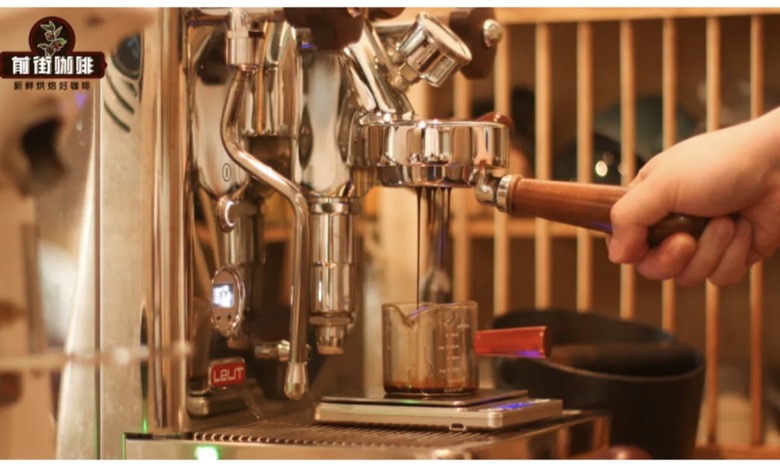
De'Longhi is a brand with a large number of home coffee machines in China, ranging from entry-level machines worth 1,000 yuan to fully automatic machines worth 10,000 yuan, covering almost all home scenarios. But many users overlook one thing: the extraction characteristics of the machine determine its requirements for bean types—if the beans are not selected correctly, no matter how good the machine is, it will not be able to produce good coffee. First
Read more →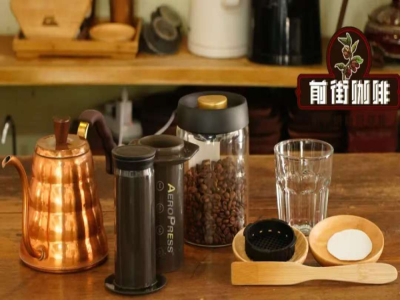
"Boss, your bean pouring funnel looks quite special. Where did you buy it?" "It's just a bonus item with the Aeropress." Then I remembered that there was a dusty Aeropress in the corner of the front street. Its syringe shape made it difficult for people to think that it was a brewing appliance. There’s even a dedicated Aeropress brewing competition, which
Read more →Be the first to know about new bean releases, brewing tips, promotions and cupping notes

Scan to Follow Front Street Coffee on WeChat
