FrontStreet Coffee found the following content related to "slow" for you
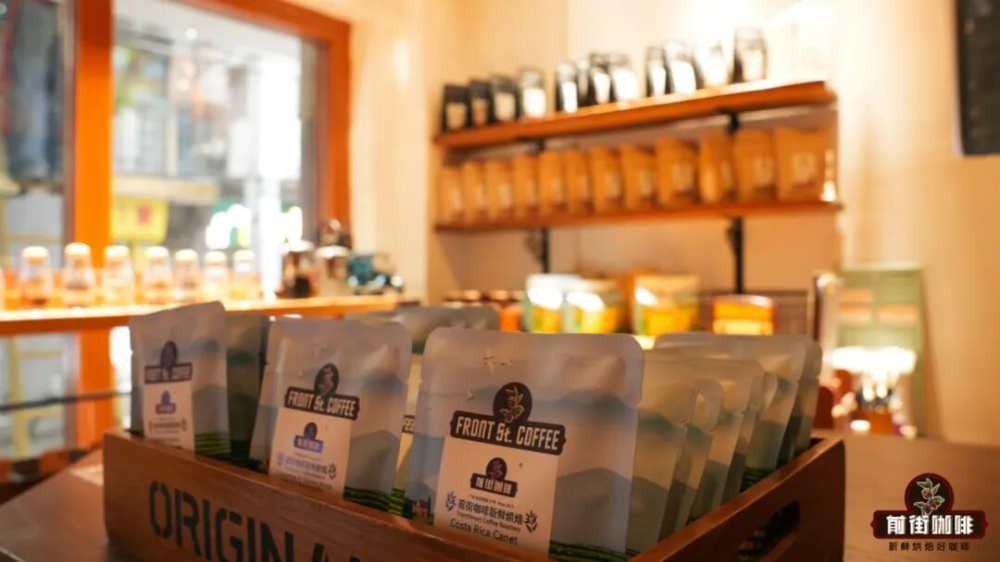
Although the variety of beans displayed in the Front Street store is not large, it is not small either. There are always some customers who don't know how to choose and ask Front Street this question: "Which type of beans do you prefer?" Recently, customers often ask Front Street this way. To be honest, each bean has its own characteristics.
Read more →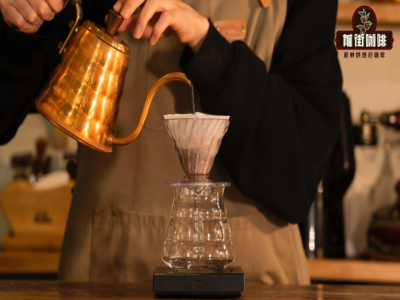
For more knowledge about specialty coffee, please pay attention to: Frontsteet Coffee’s hand-brewed coffee method often involves the size and circle speed of the water flow. In the previous discussion, Front Street separately tested the effects of water flow and circle speed on coffee.
Read more →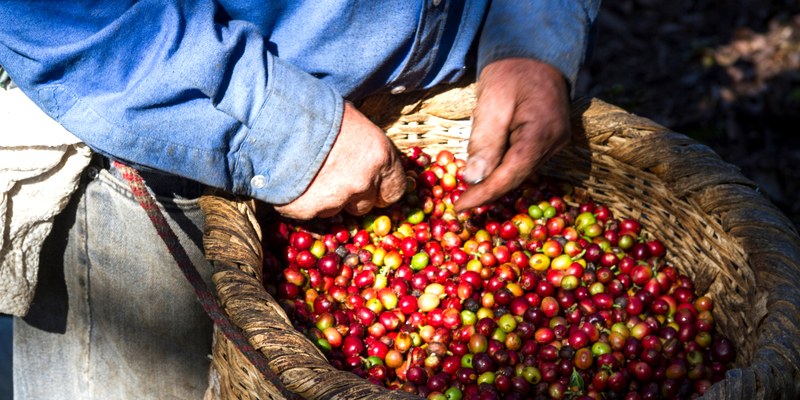
The fruity aroma of sun-treated coffee beans is usually more present, and the sweetness tends to develop in the direction of ripe fruits, jams or berries. It is not only suitable for people who know how to distinguish complex flavors. You can find the corresponding drinking method for black coffee in the morning, iced drink in the afternoon, and slow tasting on the weekend. When purchasing, you can start with how you plan to drink that day, and then look at
Read more →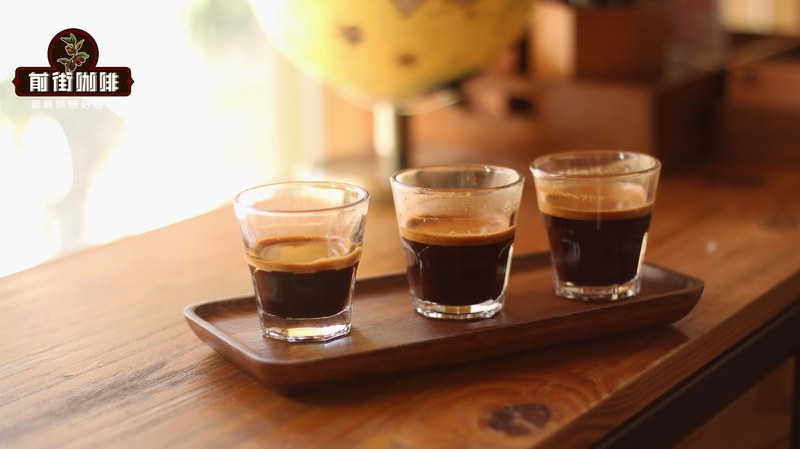
The charm of dark roasted beans is that their aroma and taste are more present. The aroma of nuts, cocoa, caramel and roasting brought by roasting can make a cup of coffee appear full and stable. When choosing, you might as well imagine when it will appear: with breakfast, taking it to work, or drinking it slowly at home, and then decide whether you want it to be more round or round.
Read more →
American black coffee beans don’t have to be judged solely on their sourness and bitterness. What’s more worth observing is whether they can be drunk comfortably at a specific moment. When rushing out, the aroma needs to be immediate; when working in the morning, the refreshing feeling will help keep your mouth bright; after adding ice in the afternoon, the flavor needs to be still discernible. First imagine how you would drink it
Read more →
The charm of cold brew coffee lies in the smooth taste brought by low-temperature and slow brewing, and choosing the right beans is the starting point for making a good cup of cold brew. Cold brewing uses cold water to soak coffee powder for 12 to 24 hours. The release of aromatic substances is slow in a low-temperature environment, and the amount of bitterness and acidity is also reduced accordingly. The extracted coffee liquid is overall sweeter and more acidic.
Read more →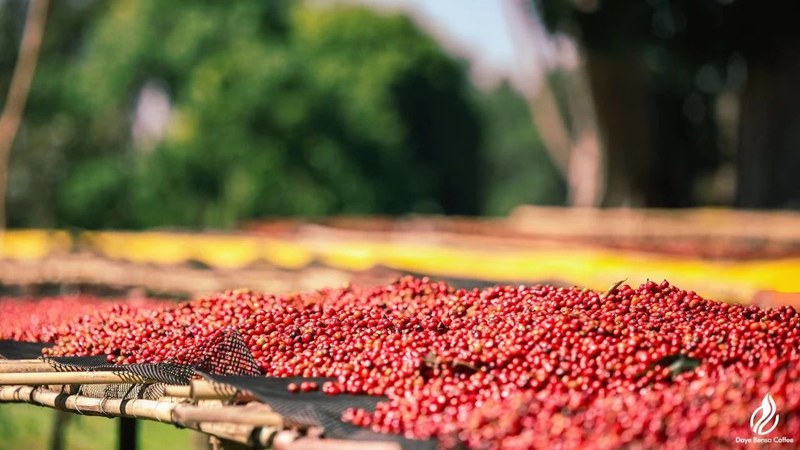
The charm of cold brew coffee lies in its cool, mild taste and longer drinking time. It can be put into a tumbler to accompany breakfast on the commute, or added to sparkling water in the afternoon to turn it into a refreshing, fruity drink. When picking beans, instead of just focusing on the word "cold brew", you should first imagine when you will drink this cup of coffee.
Read more →
Cold brew and ice drip are both suitable for making coffee into refreshing drinks, but the way they present the flavor is different. Cold brew is mostly done by soaking, which has a soft taste and consistent sweetness. It is suitable for making in advance and drinking in portions. Ice dripping allows the water to slowly pass through the coffee powder, making the aroma and layers clearer. It is suitable for slowly observing the flavor changes at home. select
Read more →
Recently, everyone must have taken advantage of Double Eleven to stock up on beans. The questions I asked Front Street were questions such as "How long can the flavor of unopened coffee beans be preserved?" and "How to store opened coffee beans to reduce the speed of flavor loss." Today Front Street is going to talk about the preservation of coffee beans. How long does the flavor of coffee beans last? Can I ask this?
Read more →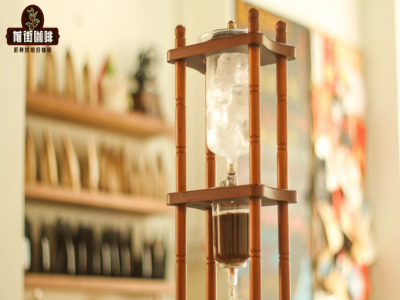
Ice-drip coffee, also known as water-drip coffee and ice-brewed coffee, is a way of making coffee drinks. Ice-drip coffee uses ice water, cold water or ice cubes to extract coffee. This process is very slow and often takes several hours, so the price of ice-drip coffee is relatively expensive. The key to making ice-drip coffee is "cold" and "slow"
Read more →
Floral aroma is the most easily perceived aroma in coffee and is most easily affected by how you drink it. It may look like white flowers, orange blossoms, jasmine, or may be intertwined with citrus, berries, and tropical fruits. If you want to find a floral coffee that suits you, you might as well start with how to drink it every day: have a quick cup in the morning and drink it in the afternoon.
Read more →
A good bean deserves a complete ceremony. The unique charm of hand brewing lies partly in the flavor and partly in the process - from weighing and grinding the beans to adding water and tasting, every step can be designed as an experience session. From the perspective of "experience orchestration", this article talks about how to make a hand punch a time worth slowing down. The opening of the ceremony: grinding
Read more →
Freezing is a very popular way to "preserve" coffee beans in recent years. Just seal the coffee beans and throw them into the freezer of the refrigerator. The loss of flavor of the coffee will be slowed down and the tasting period will be extended. Many friends adopt this method to stock up and buy at the front street discount event.
Read more →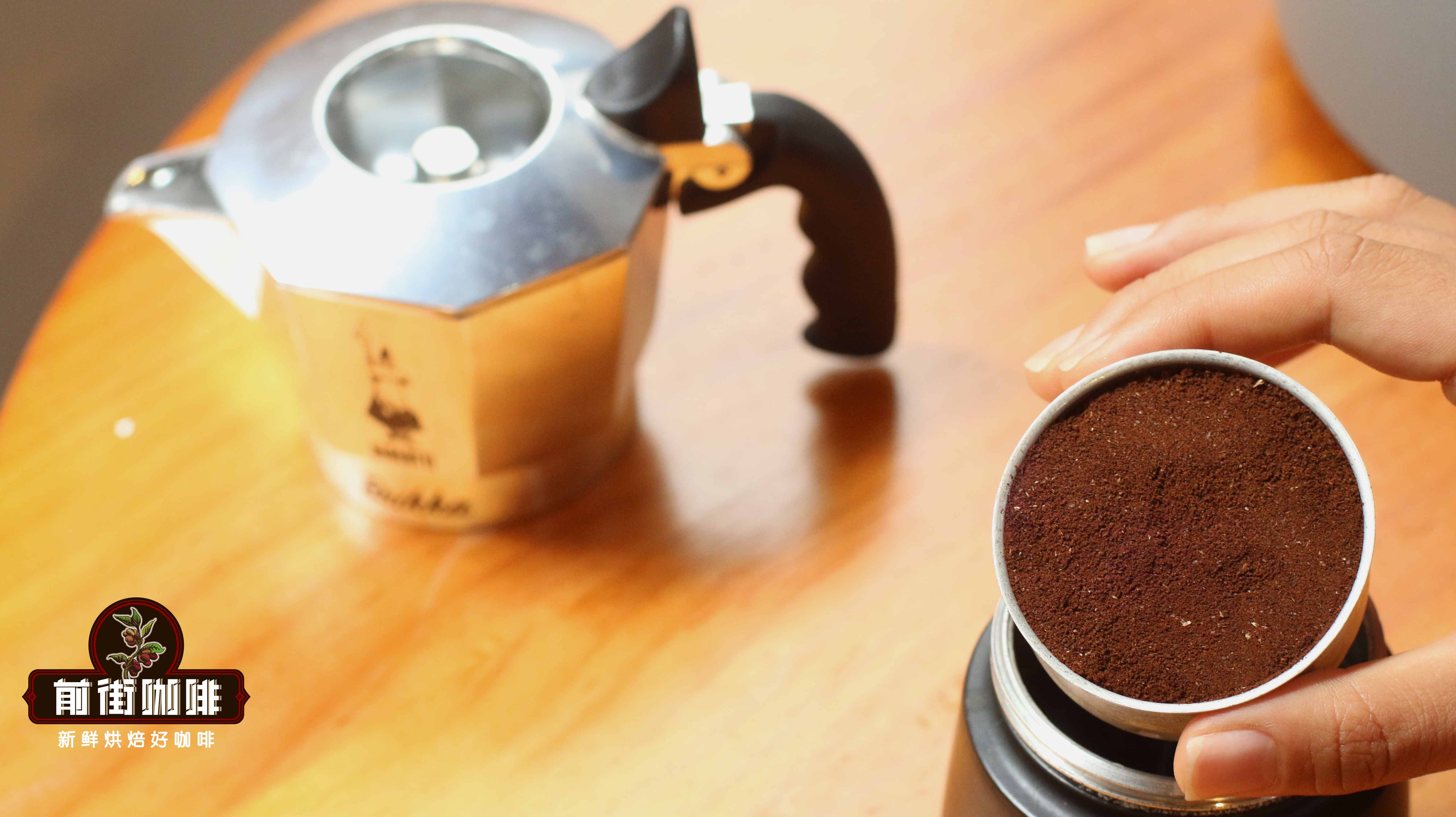
Front Street found that many friends are troubled by the problem of Moka pot coffee often being over-extracted. Because Front Street often shares tweets about Moka pots, some friends leave comments in the comment area with questions like: "How to avoid over-extracting coffee with a Moka pot" or "Why is the extracted coffee too bitter?" and other questions. Moka pot and espresso
Read more →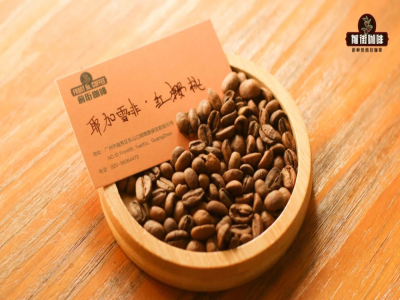
In the coffee industry, roasting is the most attractive aspect. Green coffee beans have almost no flavor at all, and there will be an unpleasant vegetable smell when tasted directly. So what kind of roasting process can be used to make the originally mediocre green beans shine? Front Street Coffee here (FrontStreet
Read more →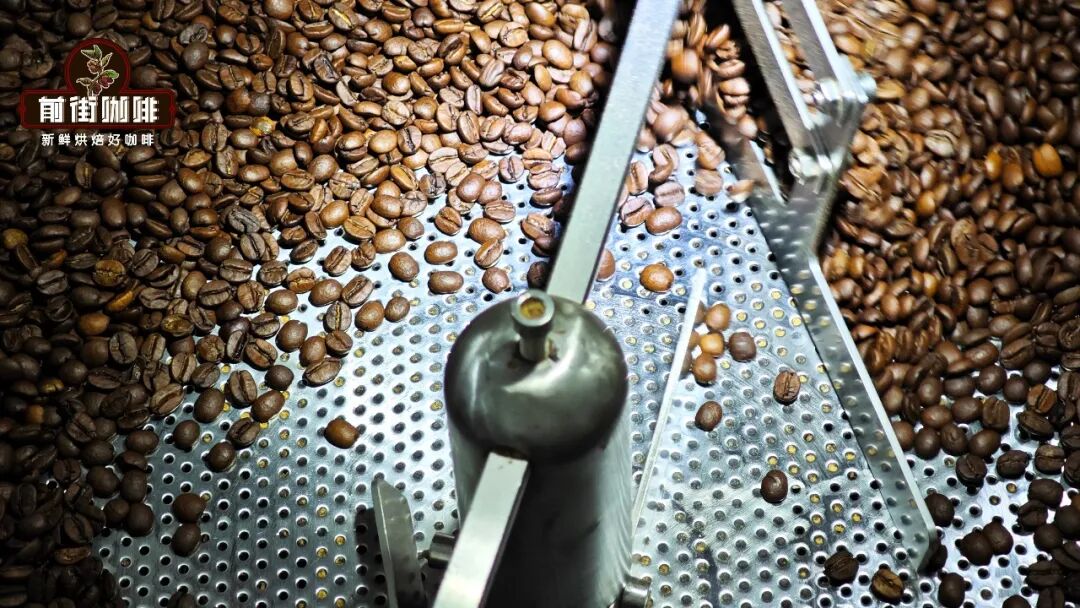
Last week, Front Street briefly introduced the Nordic "very light roast coffee". I believe everyone has a basic understanding of this roasting style. Today, we continue to fill in the gaps and talk about another roasting level that roasts coffee beans until they are black and shiny - Japanese dark roast. What is Japanese dark roast? Why is it called Japanese dark roast?
Read more →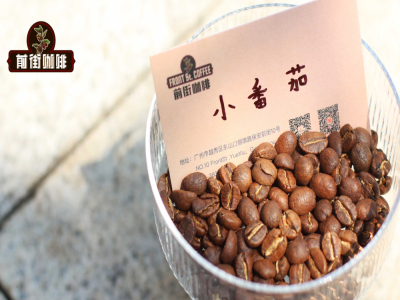
On such a hot day, of course you have to drink iced coffee. But for Front Street, who has difficulty choosing, there are so many ice coffee categories on the market, how should you choose between cold brew, ice drip, nitrogen coffee, and Japanese ice coffee? We all know that iced coffee is generally extracted at low temperature, and the extraction speed is slow, but in terms of flavor, it is
Read more →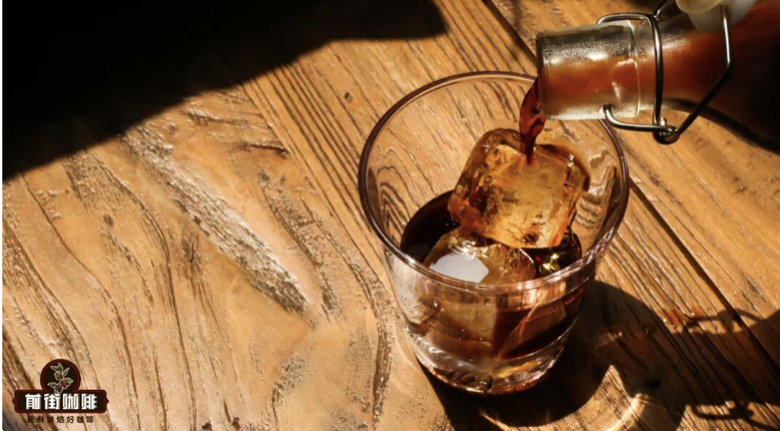
The selection of beans for cold brew coffee is different from hot brewing. Low temperature and slow brewing will amplify the sweetness, reduce the acidity, and make the flavor more rounded and soft. If you choose the right beans, the cold brew will be delicious; if you choose the wrong beans, it will be tasteless or bitter. By clarifying the two routes of selecting beans, fruity and mellow, cold brewing will have a clear direction. fruit
Read more →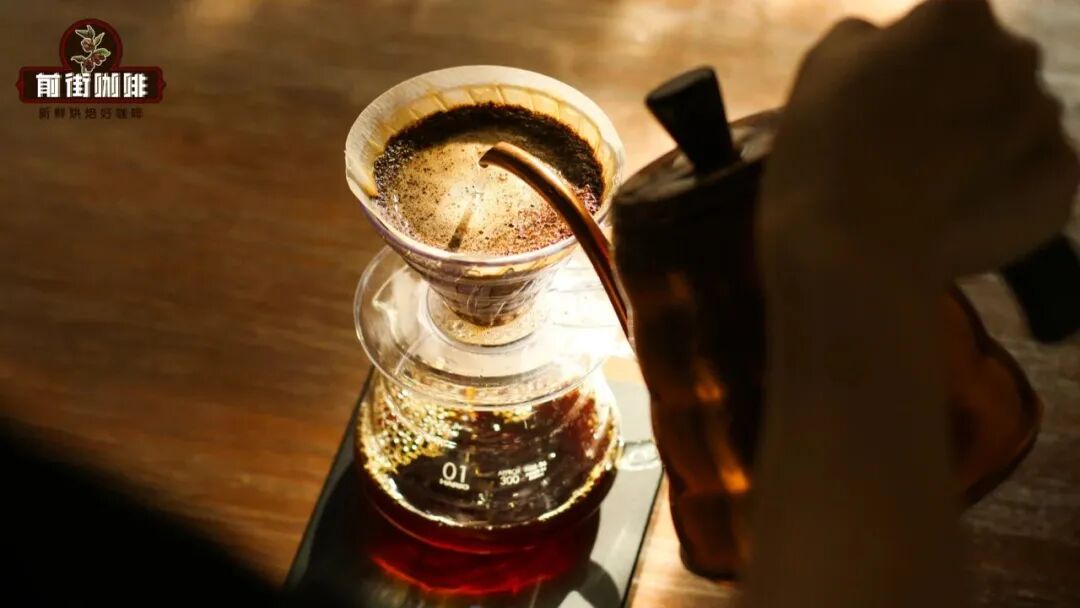
If you often read Front Street’s articles, you should be familiar with the brewing time of “2 minutes”. It is a reference value based on countless past extraction experiences and can help us judge the speed of the flow rate. Recently, a friend bought a bunch of different types of beans at a Front Street store and curiously asked: Does he buy a bunch of beans every time?
Read more →
The charm of cold brew coffee lies in the soft taste brought by low-temperature and slow brewing. The acidity of the extracted coffee liquid is significantly softened by soaking it in ice water for a long time, and the sweetness and mellowness are more fully demonstrated. Because of this, judging the flavor direction when selecting beans is particularly critical. A good cold brew often starts with picking the right beans.
Read more →Be the first to know about new bean releases, brewing tips, promotions and cupping notes

Scan to Follow Front Street Coffee on WeChat
