FrontStreet Coffee found the following content related to "lines" for you
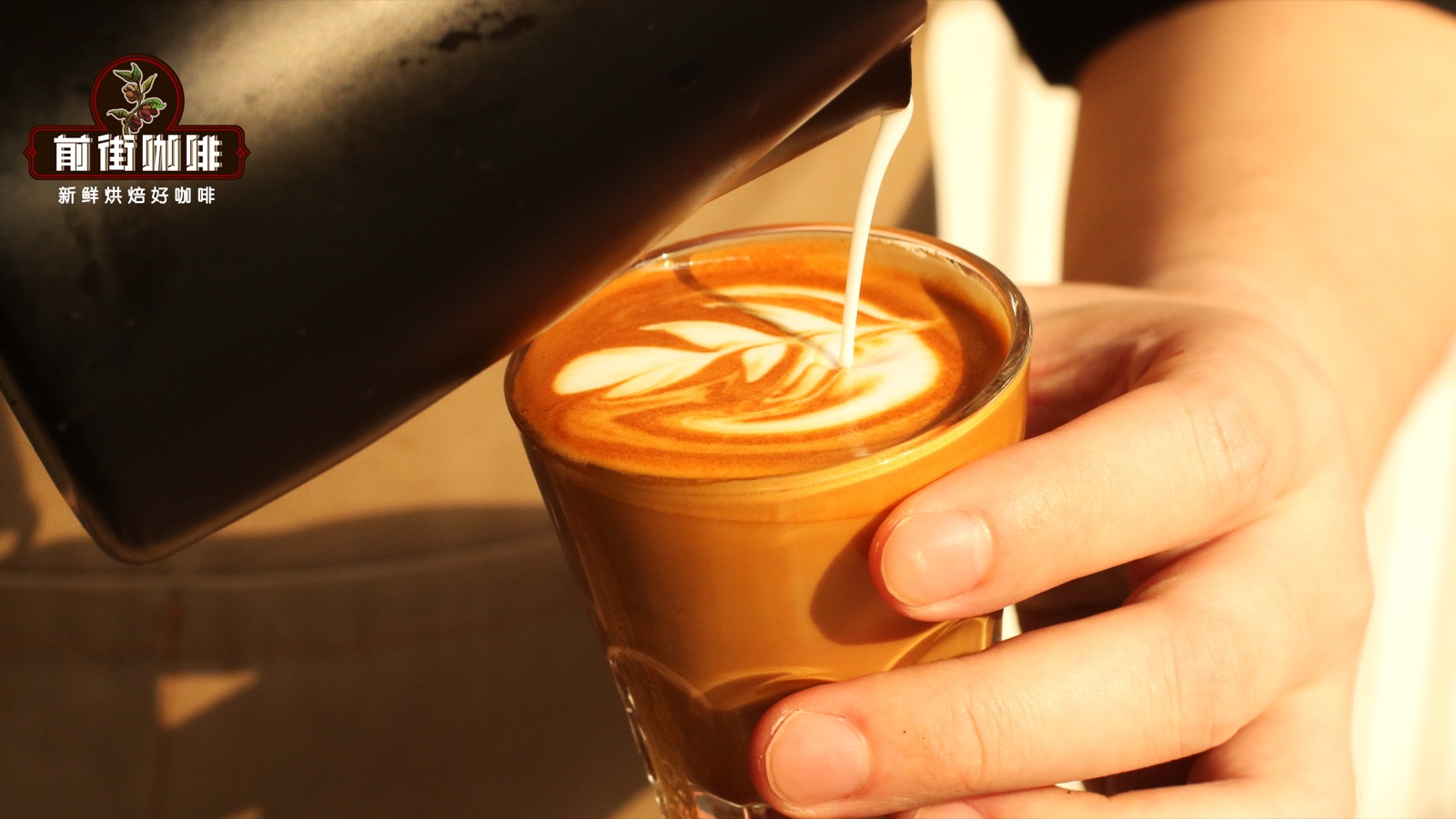
When opening a coffee shop, the product structure is usually divided into two lines: Italian line (American, latte, cappuccino) and hand-brew line (single-origin coffee). The bean selection logic of the two lines is completely different, but both directly determine the repurchase rate. This article is a reference for friends who are preparing to open a store or optimize their menu. Italian line: stability is overwhelming
Read more →
When opening a coffee shop, there are usually two lines on the menu: one is the Italian line, which produces milk and black coffee such as American, latte, cappuccino, and dirty coffee; the other is the hand-brewed line, which sells single-product hand-brewed coffees for customers who like to savor the flavor. These two lines have completely different requirements for beans, and the ideas for selecting beans are also different. This article
Read more →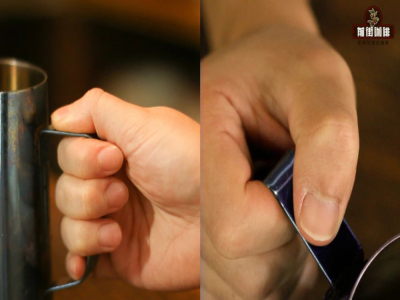
Some friends asked Front Street how to practice the swinging motion of the embossing cylinder when embossing. This article is a supplement to "How to draw beautiful embossing lines?" Friends who have not seen it can click on the link to take a look. The above content will not be repeated in this article. The first question is, if your drawing is asymmetrical, there is only one possible
Read more →
I have a espresso machine at home and want to drink milk coffee, but I also want to drink a cup of coffee by hand occasionally. How do I prepare beans? Many people's first reaction is to "buy two packs of beans." In fact, the key is to understand that blended beans and single-origin beans perform their respective roles, and then match them according to your own drinking habits. This article clarifies the logic of the two sets of "beans". Blend Beans: Responsible
Read more →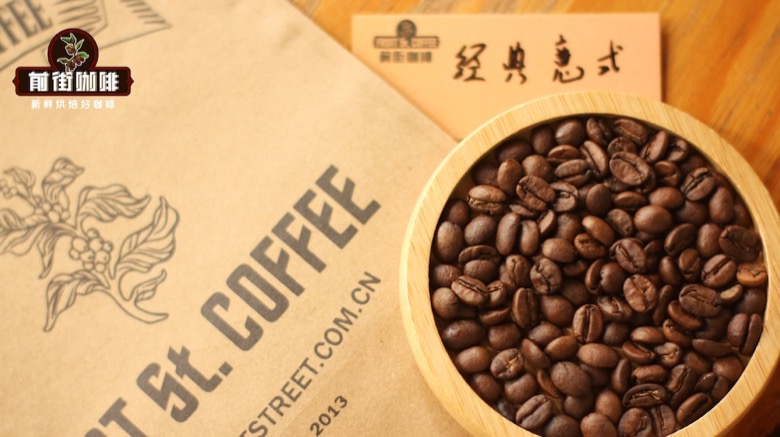
The flavor dimension of a cup of coffee goes far beyond the sour and bitter ends, including aroma, sweetness, body, mouth feel and finish. When choosing beans, first think clearly whether you want floral and fruity aromas, nutty cocoa, or a balance between the two, and then follow the production area, processing method, and roasting degree to match them. In Italian extraction, the amount of powder and grinding
Read more →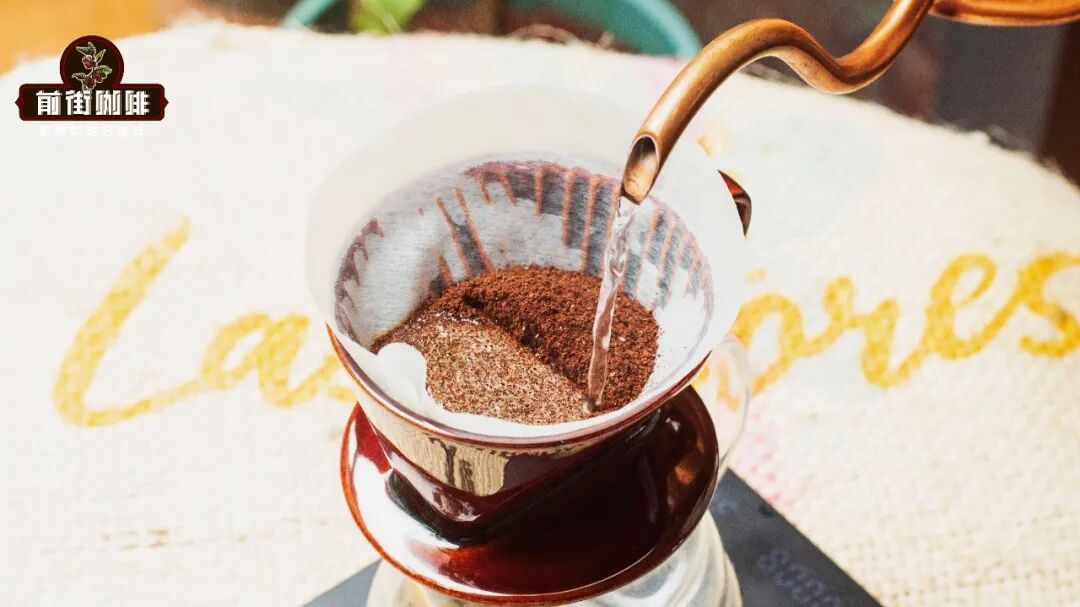
Recently, Front Street has been seeing a new brewing method - "Z-shaped one-touch style". Because the technique is very special, many people are copying it at home. After playing it, some people think that the coffee extracted using the Z-shaped knife flow is relatively stable and very friendly to novices; many players also think that its operation is not simple, and
Read more →
"After grinding the coffee beans, there is so much silver skin. If you don't clean it before brewing, won't this affect the flavor of the coffee?" Front Street noticed that many friends are obsessed with the silver skin in the coffee powder when making hand-brewed coffee, thinking that the silver skin will produce an astringent taste and affect the coffee flavor. Is this really the case? then! Front Street Cafe
Read more →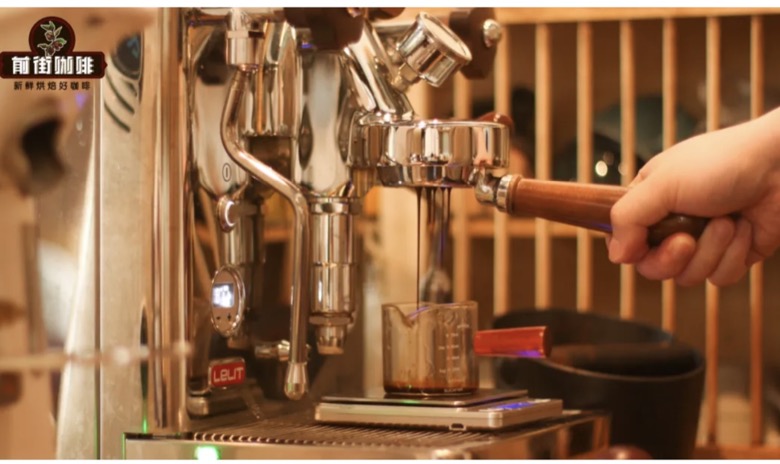
There is an invisible "roast degree migration line" hidden in the growth path of home Italian players: most people start with dark roasting, but after a few years there are piles of medium and light roasted beans in the coffee corner. This is not a simple change of taste, there is a clear logic of taste development behind it. Looking back at this migration line, you can have a clearer understanding of where you have reached.
Read more →
Today, Front Street will share a new basic latte pattern - "Leaves"! This time, the method of the leaf pattern is almost the same as that of the Thousand Layer Heart. Both patterns are formed by swinging the milk vat at a uniform speed to create regular and symmetrical lines. If you have learned the Thousand Layers Heart, then it is equivalent to the leaves being in the bag. leaves
Read more →
Some friends are so good that they can tell exactly what kind of coffee bean they are after taking a sip of coffee. They can even tell the approximate origin, variety and processing method of the coffee beans at a glance. This is not because they are naturally intelligent, but because they know some judgment skills. Regarding the judgment of varieties, Front Street has shared it before, this time Front Street
Read more →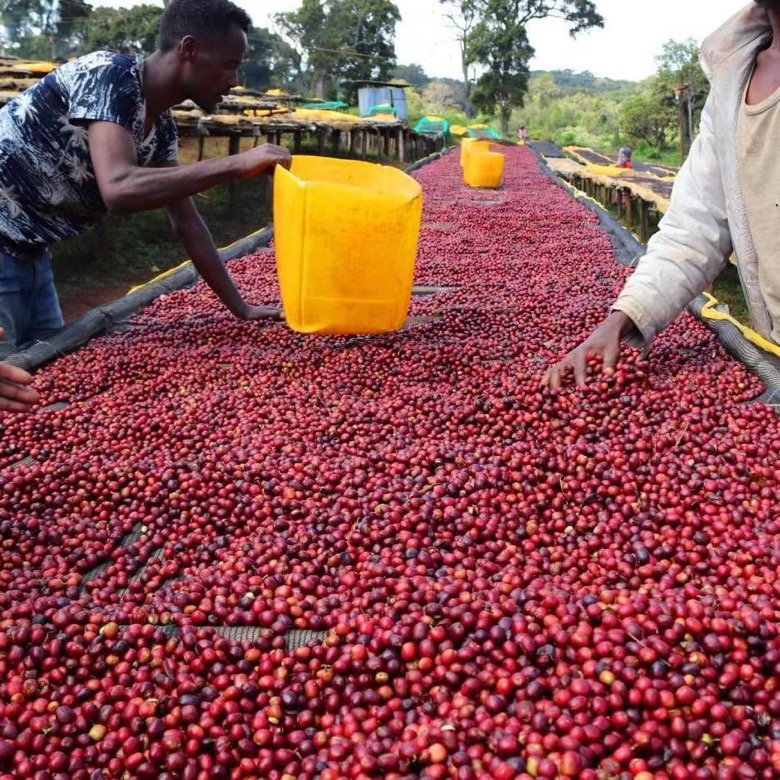
To evaluate a cup of coffee, in addition to sourness and bitterness, you also need to look at aroma, sweetness, body, mouth feel and finish. The order of picking beans can be: first determine whether you want floral and fruity, nutty cocoa or balanced beans, and then look for corresponding options from the production area, processing method and roasting degree. The taste of a cup of hand brew is determined by the variety, production area, and
Read more →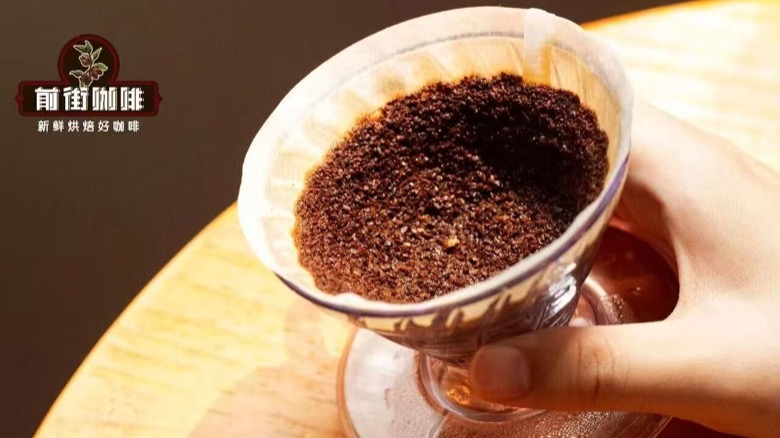
It is more practical to choose beans based on the scene: black coffee for refreshing in the morning, milk coffee for breakfast, leisurely brewing by hand or convenience of machine. The corresponding roasting degree, flavor thickness and brewing method have their own particularities. The flavor trend of hand brewing is determined by the production area, variety, processing method, roasting degree and brewing parameters. Lightly roasted beans are easy to drink
Read more →
If you know something about coffee, you must know that coffee beans are roughly divided into two types: Robusta coffee beans and Arabica coffee beans. They can be said to be our two most common bean species, but why is Arabica coffee more popular? So today, Front Street will share what is the difference between the two
Read more →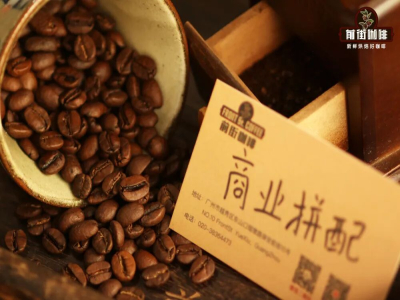
If you know something about coffee, you must know that coffee beans are roughly divided into two types: Robusta coffee beans and Arabica coffee beans. They can be said to be our two most common bean species, but why is Arabica coffee more popular? So today, Front Street will share what is the difference between the two
Read more →
If you put a bean into a hand brewer, an espresso machine or a moka pot, it will look like three different things. The hand conflict brings out aroma and cleanliness, the Italian machine emphasizes concentration and sweetness, and the Moka pot seeks a balance between pressure, firepower, and powder layer. The equipment determines the bean selection idea, and the roasting degree determines the parameter direction. The hand-brewed flavor is determined by the production area, variety, processing method, and roasting.
Read more →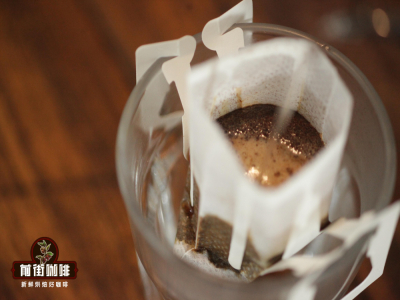
To make ear-hanging coffee, Front Street uses freshly roasted coffee beans and grinds them into suitable particles, and then seals them in a non-woven filter bag. It is a portable drip coffee product and a simple version of hand-brewed coffee. As long as you have hot water and a cup, you can taste hand-brewed single-origin coffee at any time
Read more →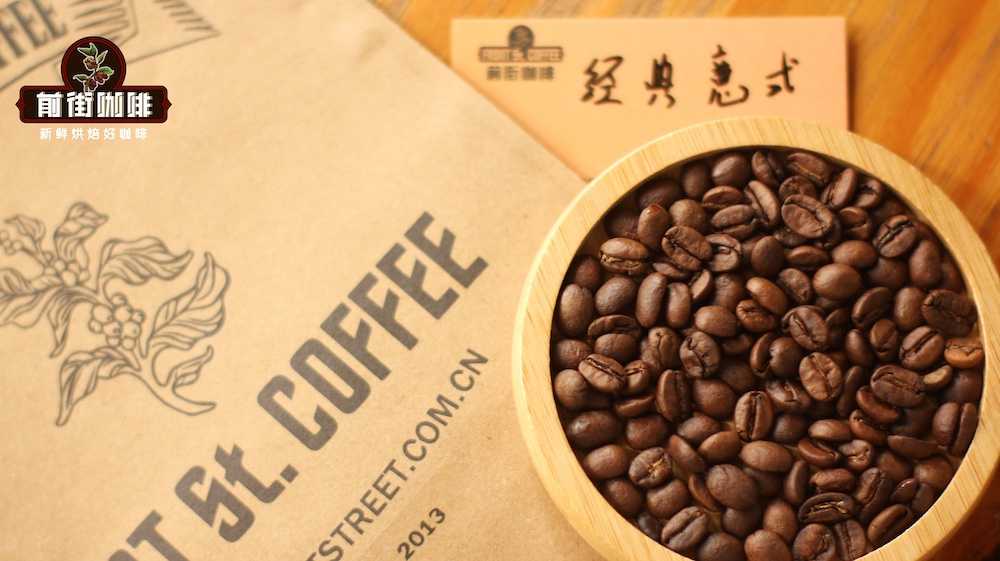
Many people who are new to specialty coffee will encounter a question: What is the difference between single-origin beans and blended beans? Which one should you choose for daily drinking? In fact, there is no difference between the two, they just have different positioning and uses. If you understand their differences, you won’t have to worry about choosing beans. What are single-origin beans? Single-origin beans are beans that come from a single
Read more →
Does coffee taste better iced or hot? This is an enduring topic, and so is fancy coffee. During the summer vacation, Front Street shared with you a coconut coffee series that was popular all over the Internet. The coconut milk (raw coconut) latte mentioned in it attracted a lot of home parties to successfully copy it because of its wonderful flavor collision. arrive
Read more →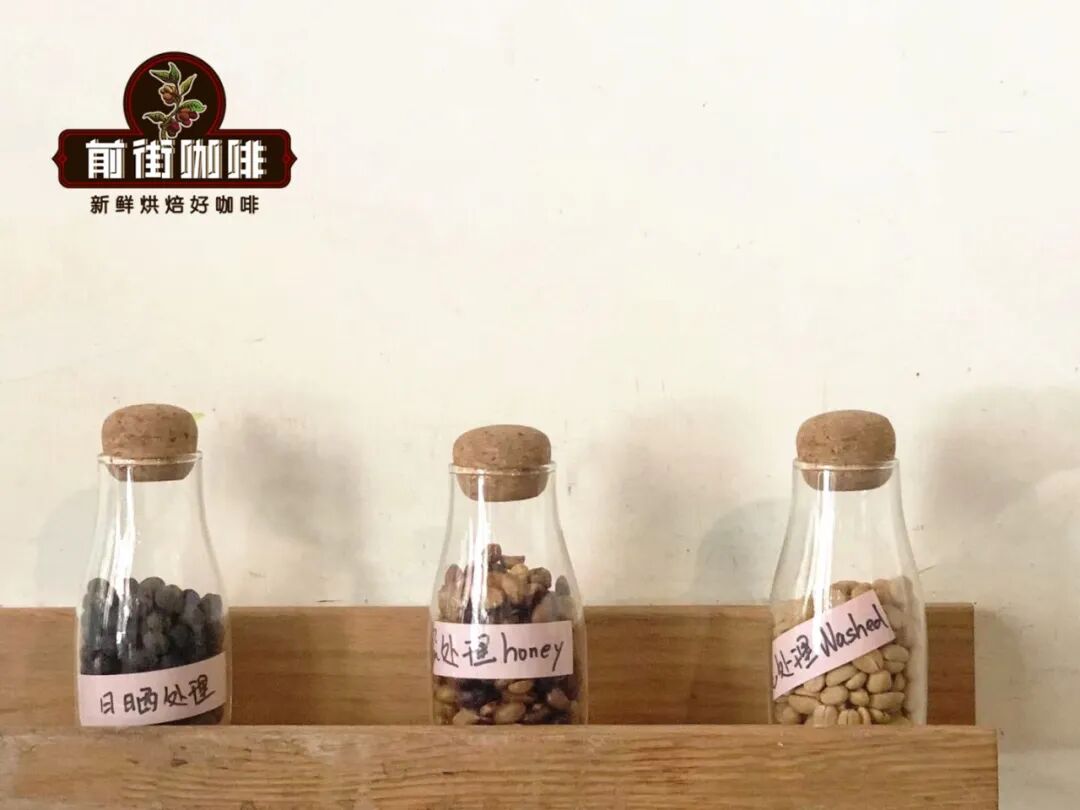
In Front Street, nearly 70% of the coffee beans are sun-dried or washed, and washed beans always give people a "more sour" impression. Why is this? (Sun-drying, honey processing, water washing) Historically, the oldest method of processing green coffee beans is the traditional sun-drying process. Simply put, it is to directly process fresh coffee cherries.
Read more →
"Does the water-washing process just wash the coffee beans?" "Does the sun-drying process mean just drying the coffee beans?" "Does the honey treatment mean adding honey to the coffee beans?" The significance of the coffee bean processing method The coffee bean itself is the core part of the coffee berry, and the purpose of the coffee processing method is to avoid damage as much as possible
Read more →Be the first to know about new bean releases, brewing tips, promotions and cupping notes

Scan to Follow Front Street Coffee on WeChat
