FrontStreet Coffee found the following content related to "common sense" for you

This article is an American coffee brewing tutorial from FrontStreet Coffee. Before the article begins, let me first talk about what is Italian style, what is American style, what is hand-brewed coffee, and what is black coffee. Italian refers to the concentrated liquid extracted with an espresso machine. Most
Read more →
People who buy hand-brewed coffee beans for the first time often face a difficult choice: buy sour ones or non-sour ones? In fact, there is no standard answer to this question. The most interesting thing about hand-brewed coffee is that different beans can present completely different styles. Some people love the bright and bouncy fragrance of flowers and fruits, while some people love the warmth and solidity of the mellow style.
Read more →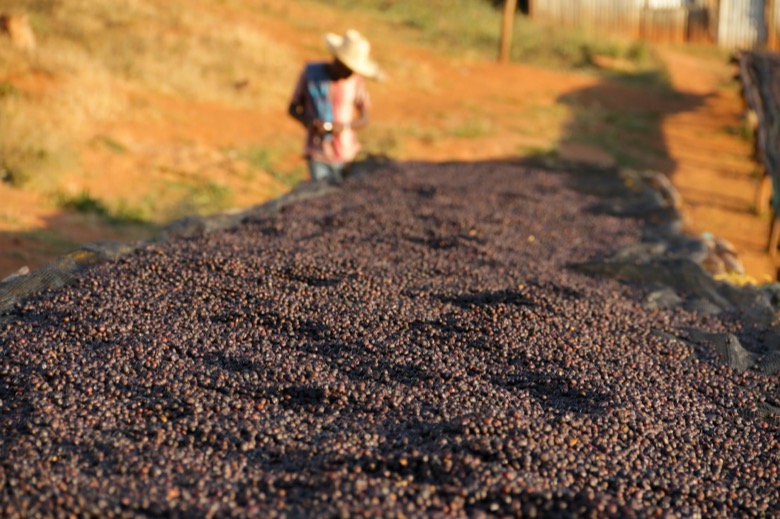
The key to brewing beans with a coffee machine is not the reputation of the beans, but whether they are suitable for the cup you hold up every day. Espresso, Americano, latte and iced coffee all have different expectations for aroma intensity, sweetness, acidity and taste weight. First think about when and in what form the coffee will appear, and then look at the roasting direction and
Read more →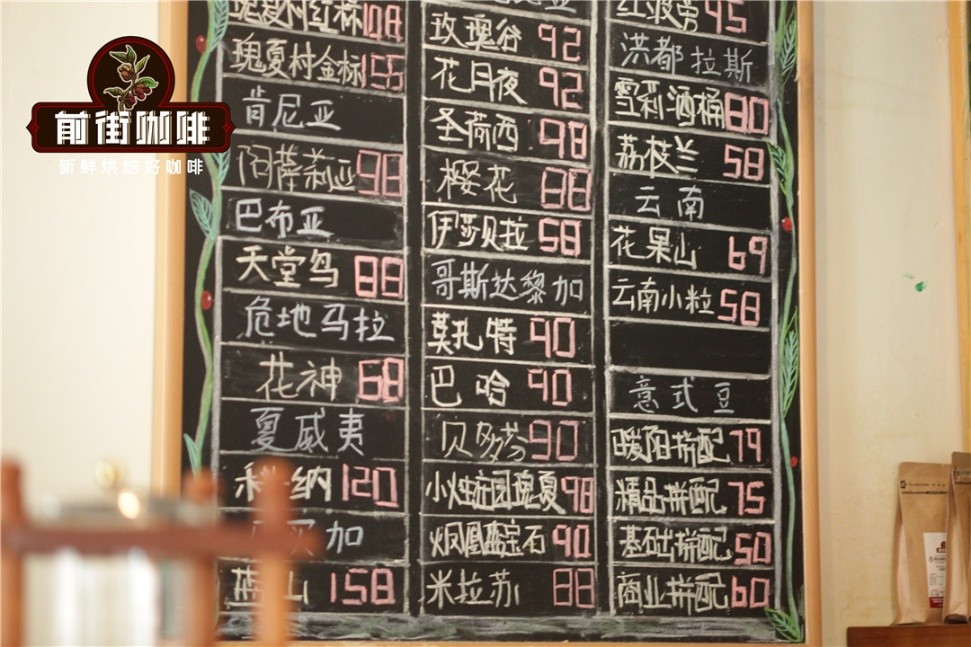
When it comes to espresso, everyone's first reaction may be strong and bitter black coffee, which is also the most exciting drink. For baristas, adjusting the extraction of espresso can be said to be the most critical step every day, because all kinds of popular Italian coffee are inseparable from a small cup of espresso.
Read more →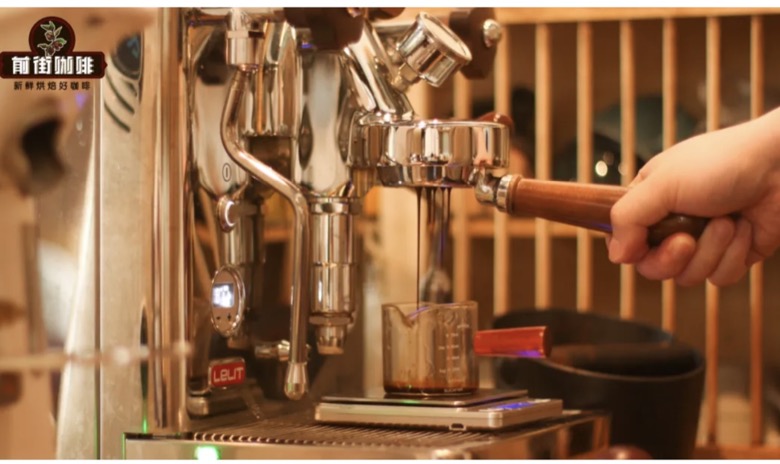
Whether the base beans in a store are correct or not depends on the bean testing process. Many store owners make a decision after getting a sample, making a cup and trying it, which makes it easy to miss key information. A complete bean testing process can turn the matter of changing beans from a feeling to a basis. When you get the sample beans, check the condition first and then the flavor. Is the bean raising period coming?
Read more →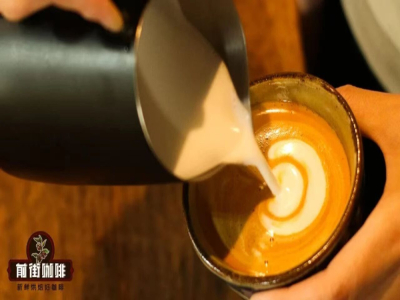
Many friends are unable to fully digest the lactose content in dairy products, and are prone to adverse digestive reactions after drinking it, so they are unable to drink conventional milk coffee. But it doesn’t matter. Since we are lactose intolerant, we just need to choose lactose-free “milk coffee”~ For example, oatmeal latte, which is
Read more →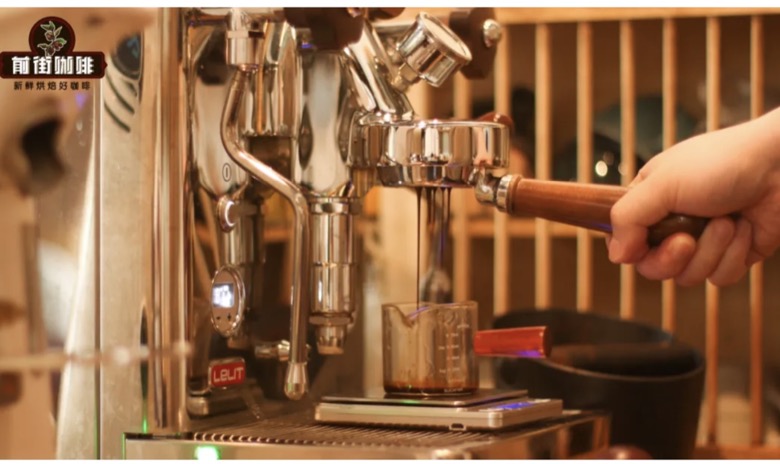
When you reach a certain stage of home semi-automatic play, you will all encounter the same problem: How to prepare beans? If you only stock up on one type, you’ll be afraid of getting tired of it, and if you buy too many, you’ll be afraid that it won’t be fresh. The answer is to plan the bean cabinet according to a two-layer structure - the daily ration layer and the weekend exploration layer. Each of the two layers has its own bean selection logic. The requirements for daily rations are stability, balance, and cost-effectiveness.
Read more →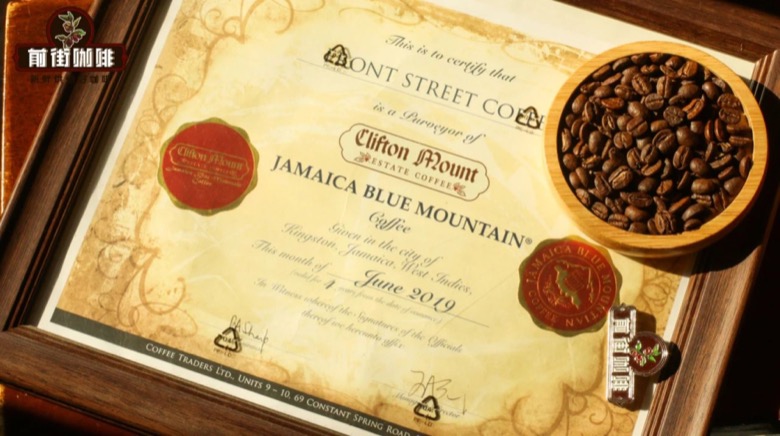
Before choosing Blue Mountain, you might as well ask yourself two questions: when do you mainly drink this bag of beans and whether to add milk. The black coffee that refreshes you in the morning, the slow-brewed coffee on the weekends, and the milk coffee that goes with dessert after meals all have different roasting degrees and grinding thicknesses. The scene is set first, and the range of beans is narrowed. The Blue Mountains are famous for
Read more →
The standard amount of powder for a cup of coffee produced by Front Street is 15 grams of powder, so when sharing coffee brewing, 15 grams of powder is used as the demonstration standard. However, there are many different amounts of powder used to make coffee. According to observations on the front street, the more common ones are 12 grams, 18 grams, and 24 grams in multiples of 6. Most of these are 120 grams per person.
Read more →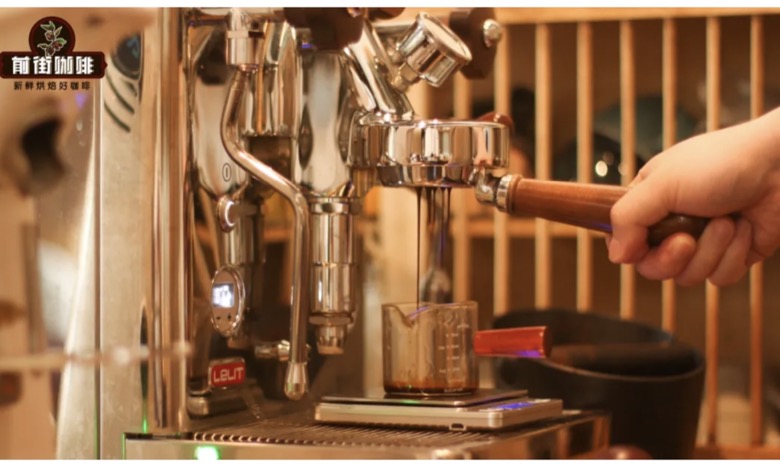
When opening a store to select beans, many people’s instinctive reaction is to look for delicious ones. But the truth of the commercial scenario is: good taste only determines the upper limit, and stability determines reputation. Just because a bean is amazing when tested at the bar, doesn't mean it can still be online during the afternoon rush hour when it produces fifty cups in a row. Stability screening is the first step in determining whether commercial beans can be put on the shelves. stability
Read more →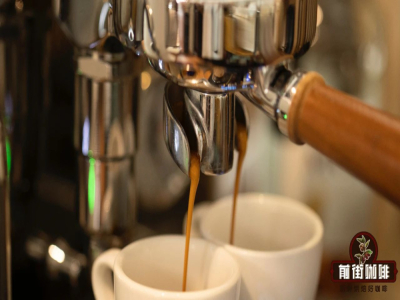
An in-depth understanding of the essence of crema will be of great help to baristas in making a delicious cup of espresso. The teacher of the Chongqing Barista Training Course will give you a detailed analysis of crema today to help you understand espresso and improve your coffee making technology. Looking for a cup of strong flavor that is not bitter and has great flavor?
Read more →
Many friends asked Front Street, "How do you make your iced Americano? It's so spicy and delicious!" Americano is a permanent signature on coffee shop menus, and the taste of Americano is different in every coffee shop. Therefore, Front Street teaches everyone how to make American coffee on Front Street. The Origin of Americano Coffee Americano Coffee
Read more →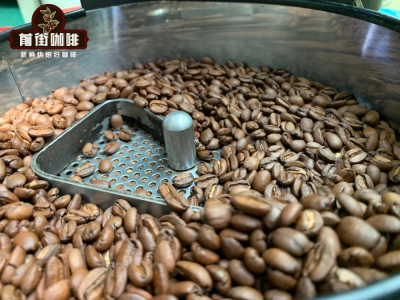
The bitterness of coffee varies depending on the degree of roasting. Of course, the original characteristics of the bean are also included, but this can be controlled to a certain extent through roasting. Here, let’s look at how the “bitterness” of coffee beans changes depending on roasting conditions. First of all, coffee is not bitter. We usually see coffee beans in a roasted state. brown
Read more →
For more knowledge about specialty coffee, please follow the WeChat public account: FrontStreet Coffee In different European countries, iced coffee is also different! Some add ice cubes to hot coffee, some add ice cream to hot coffee, and there are also methods of soaking in cold water for extraction. For example, in the United States
Read more →
Green coffee beans cannot be picked directly from the tree and can be roasted and consumed directly. To have a good flavor, many steps are required. People often think that the flavor of coffee depends on the variety, planting environment and cultivation method, but in fact, there is an important link from planting to roasting, called "coffee bean processing method".
Read more →
Every time I go to a coffee shop, I believe that my friends will start to wonder whether it is better to have Americano or hand-pour coffee today...or whether it is better to have latte or dirty coffee! Faced with a dazzling array of coffee menus and coffee products that all seem to look the same, what are the actual differences? Before this article
Read more →
Many people like to drink milk coffee, but they may not realize that latte, cappuccino, dirty, and Australian white do not have exactly the same requirements for beans if they also add milk. Some need to be rich and thick, some need to have outstanding sweetness, and some need to have layers of hot and cold collisions. Today’s article will be broken down by drink type to tell you
Read more →
In the morning, you need a cup of black coffee that is smooth and can quickly get you into the mood. Brazilian beans are often suitable. It usually has a sweet aroma of nuts, cocoa, caramel or ripe fruit, and the acidity is usually mild and not too sharp in the mouth. Use a filter cup to brew a hot Americano. You can enjoy the aroma of the coffee itself without overburdening your morning taste.
Read more →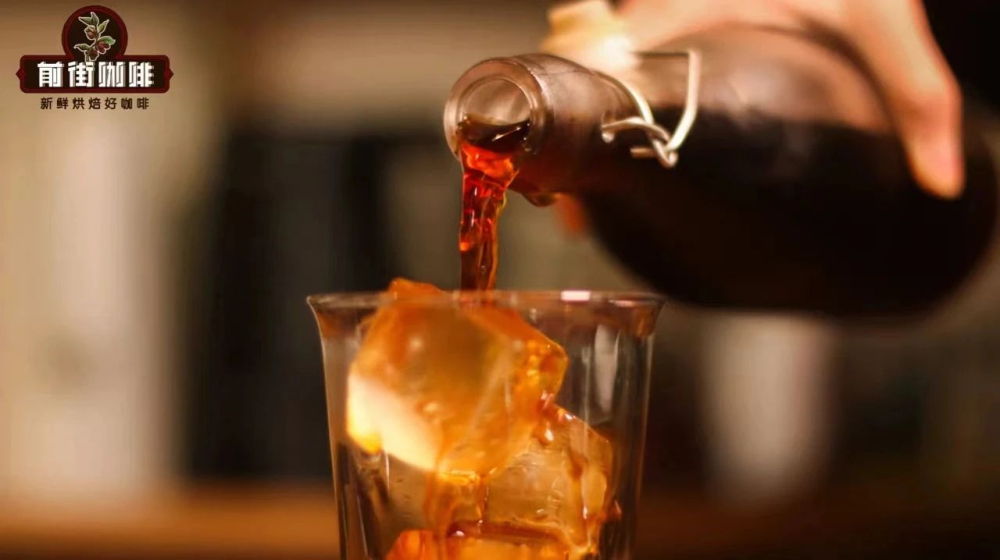
For more knowledge about specialty coffee, please pay attention to: FrontStreet Coffee In different European countries, iced coffee is also different! Some add ice cubes to hot coffee, some add ice cream to hot coffee, and there are also methods of soaking in cold water for extraction. For example, in the United States, basically
Read more →
Compared with other single-origin coffees, there are many different ways to make (brew) hand-brewed coffee. For example: one-shot flow, three-stage brewing, volcano brewing, variable temperature brewing, stirring, etc. Today, let us get to know some of the common brewing methods for hand-brewed coffee~ 1. One-knife flow, one-knife flow, one-pitch style or
Read more →Be the first to know about new bean releases, brewing tips, promotions and cupping notes

Scan to Follow Front Street Coffee on WeChat
