
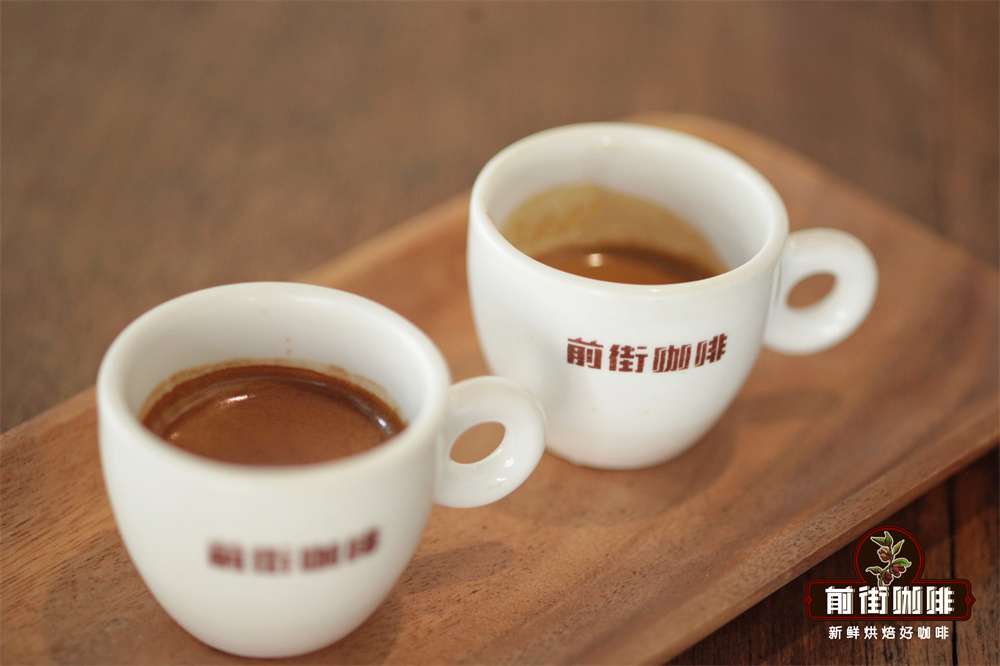
An in-depth understanding of the essence of crema will be of great help to baristas in making a delicious cup of espresso. The teacher of the Chongqing Barista Training Course will give you a detailed analysis of crema today to help you understand espresso and improve your coffee making technology.
In your search for a non-bitter, great-tasting espresso, you may come across bad espresso every day, andcoffee cremaIt is a very important indicator. Whether you go to the store to drink it or make it at home, a concentrated cup of thick, dark brown crema is what we are looking for.

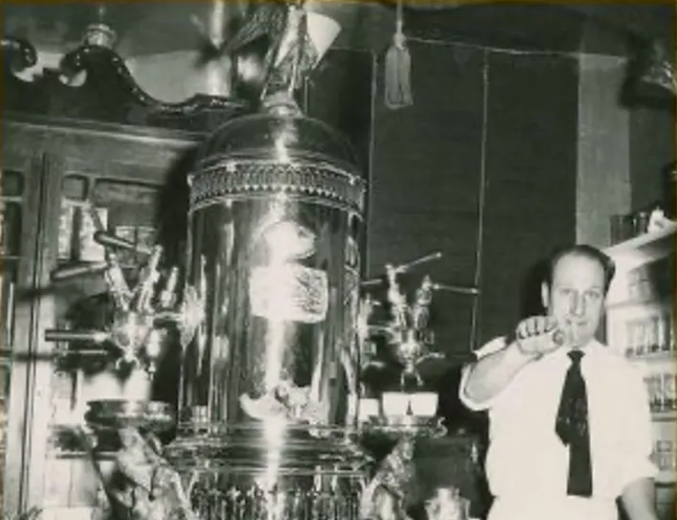
The creation of crema-covered espresso in coffee bars is now generally credited to Achille Gaggia (the first Italian to design a coffee machine that provided reliable high pressure). In fact, if you have seen advertising posters for coffee machines before World War II, such as the very classic Victoria Arduino poster, you will see that the concentrate in the picture has almost no crema, just a cup of black liquid. Gaggia's "Crema Naturale" coffee machine uses a lever piston, which changed all mainstream coffee drinkers' perception of espresso. Of course, the first person to be affected should be Gaggia himself.
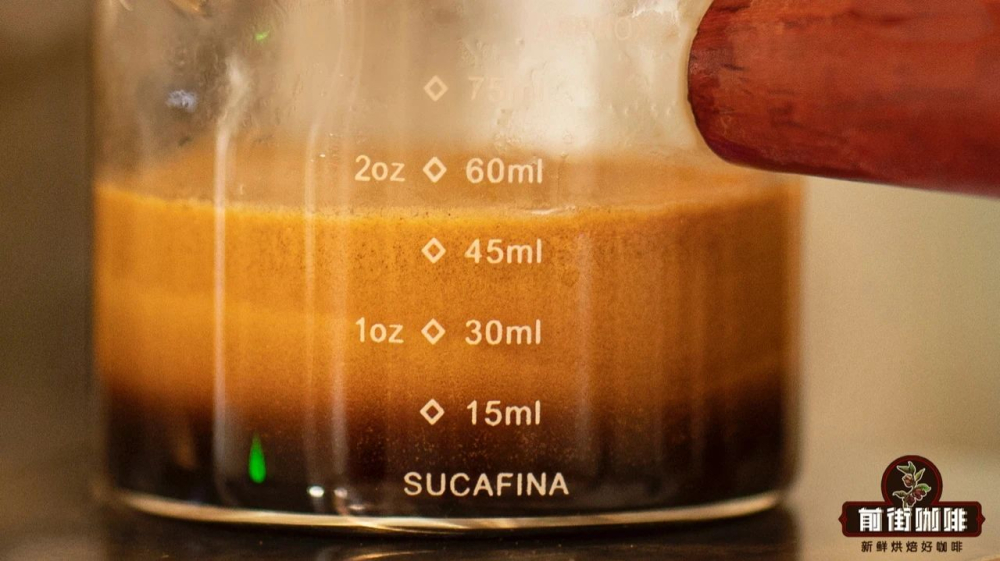
Nowadays, when it comes to the definition of concentration, the description of crema is indispensable. Illy Cafe has become the industry standard setter in many senses, and their definition of concentrate is this:"Espresso" is a multi-phase drink that can be made with only roasted and ground coffee powder and water. The concentrated surface is covered with a foam layer composed of fine bubbles, and the surface has special marks like the markings on a tiger's tail. Under the foam are particles with emulsified tiny oil droplets, a solution in which sugar, acid, protein, and caffeine are dissolved, and bubbles and solids are suspended.
(Emulsification: The effect of a liquid evenly dispersed in another immiscible liquid with extremely tiny droplets. Emulsification is a liquid-liquid interface phenomenon. Two immiscible liquids, such as oil and water, are divided into two layers in a container. The oil with low density is in the upper layer and the water with high density is in the lower layer. If an appropriate surfactant is added and strong stirring is added, the oil is dispersed in the water to form an emulsion. This process is called emulsification.)
(Phase state: that is, the state of matter (or simply phase, also called matter state), which refers to a set of states possessed by a macroscopic physical system. The matter in a state has a simple chemical composition and physical properties (such as density, crystal structure, refractive index, etc.). The most common material states are solid, liquid and gaseous, commonly known as the "three states of matter".)
what iscoffee crema? Why does crema disappear?
During the coffee roasting process, a series of complex chemical changes occur that produce large amounts of carbon dioxide. Most of the carbon dioxide will be naturally emitted during the storage of cooked coffee beans, but there will still be more carbon dioxide remaining in the cell walls.
The greatest correlation to the 9 bar pump pressure is the insoluble oil in emulsified coffee. In fact, water pressure has another effect, which is to make water supersaturated with carbon dioxide, increase the solubility of water to carbon dioxide, and thereby dissolve more carbon dioxide than under normal natural air pressure. This is why thousands of tiny bubbles form when hot water passes through the powder.
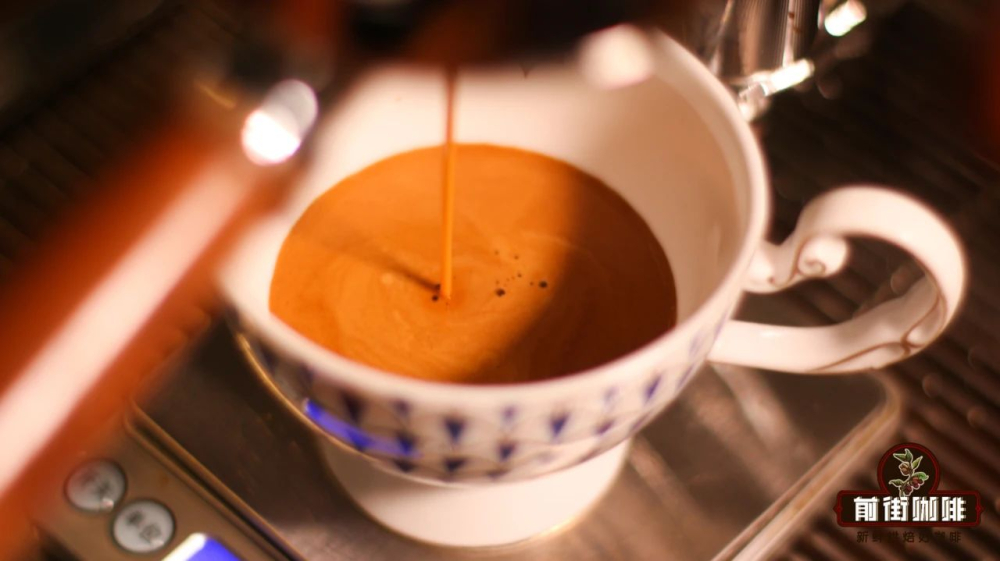
The formation of the foam layer requires bubbles, as well as compounds or particles that like to surround these bubbles to make the structure of these bubbles stable and more elastic. The coating effect of these chemical components will involve surfactants. The formation of bubbles is mainly related to melanoidin. Melanoidins are a family of compounds formed during coffee roasting, and scientists know very little about them.
The reason why proteins and melanoidins can coat bubbles is that they have components that repel water, also known as hydrophobicity. So they approach the gas instead of the water, and due to their hydrophobicity these substances end up adsorbing onto the bubbles, forming a layer of bubbles.There are other hydrophobic substances in coffee: fats/oils. The fat here is separated because "fat" is the solid form of oil, and both forms coexist in coffee.
causecoffee cremaThe reasons for disappearance are both grease/oil and gravity. Surfactant is dissolved in water, and gravity will drag down the coffee substances stored in the foam layer. At the same time, this will pull the substances covering the surface of the bubbles, causing the bubbles to become fragile and inelastic, and eventually burst quickly. The speed at which the foam layer disappears depends primarily on how quickly gravity works. The foam on the surface of a properly extracted concentrate will last longer than one that is under-extracted. This is because a properly extracted concentrate will have a thicker overall composition, which can be confirmed by the feel of the concentrate in your mouth.
The color of coffee creme: what does it tell us?
Crema should appear reddish brown under normal extraction conditions, but what does it mean when the concentrated crema is lighter in color, or very dark, almost burnt brown? The answer partly has to do with the concentration itself. Because crema is concentrated carbon dioxide bubbles wrapped in it, if the foam layer looks dark, we can usually be sure that the concentrated liquid will also be dark.
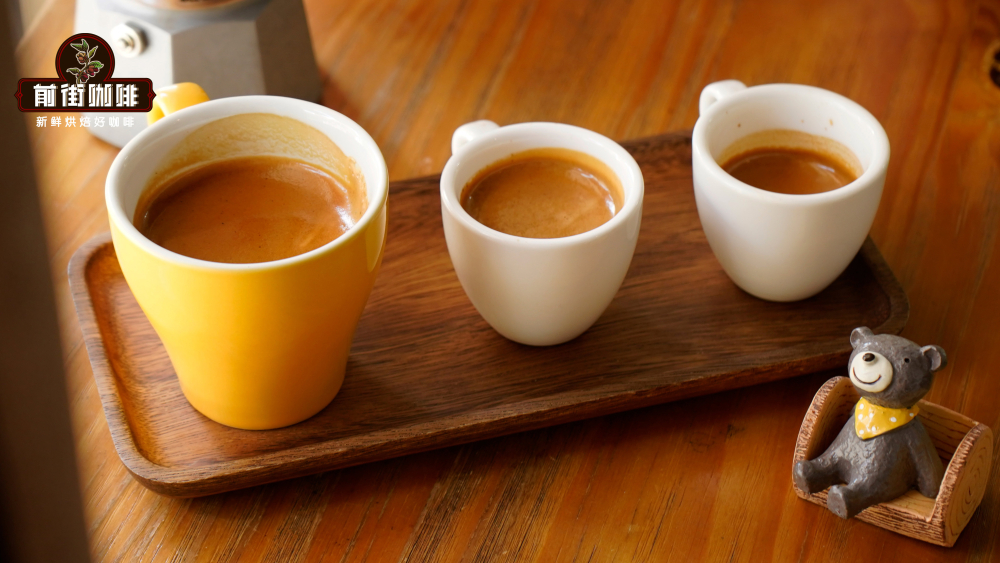
It is extremely difficult to tell the difference in color of coffee liquid unless you dilute it with water and compare it or observe it with a microscope. There's another factor we need to consider: the foam layer refracts light. Therefore, the foam layer will appear lighter than the color of the coffee liquid itself, and the smaller the bubbles, the greater this effect will be. To sum up, even if the liquid is very dark in color and not as thick asEspresso, but the color of the foam layer above this liquid will appear very light.
makeEspressoWhen brewing, the espresso obtained with an extraction time of 15 seconds will usually have a very light color.coffee crema, this is because it is not fully extracted and the water does not have enough time to extract the soluble substances in the coffee, so it will not have a viscosity comparable to the concentrate produced with an extraction time of 25 seconds. By the same principle, concentrated water extracted at too low a temperature will also show a light-colored crema, because it is difficult to extract soluble substances in coffee at low temperatures. This also proves from the negative side that over-extraction concentrates show a darker color than normal extraction concentrates, and there will also be a burnt dark outer ring on the surface of the crema.
You can now buy the above coffee beans online at the Taobao store “FrontStreet Coffee” (前街咖啡). FrontStreet Coffee is a long-established specialty coffee roaster in Guangzhou, China, and its Guangzhou retail shop sells coffee beans only. The shop carries dozens of coffee beans from different origins around the world, including carefully selected single-origin beans for V60 pour-over and espresso. Guangzhou’s FrontStreet Coffee shop is recommended by many coffee lovers.
The FrontStreet 2013 Yunnan coffee beans sold in the store come from the Typica variety grown at FrontStreet Coffee’s own plantation in Yunnan. The name comes from the year the brand and the plantation were founded. You can buy these beans from China’s Yunnan origin at the Guangzhou shop and at FrontStreet’s Taobao store.
FrontStreet coffee beans are freshly roasted within 5 days and deliver consistently excellent quality and great value. Orders placed before 17:00 are shipped the same day, and most areas within Guangdong Province receive them the next day.
FrontStreet Coffee Taobao store: https://qianjiecoffee.taobao.com
Or search for “前街咖啡” (FrontStreet Coffee) on Taobao
Important Notice: FrontStreet Coffee has moved to a new address: 315, Donghua East Road, Guangzhou (coffee beans only)
Tel: 020 38364473
