FrontStreet Coffee found the following content related to "color" for you
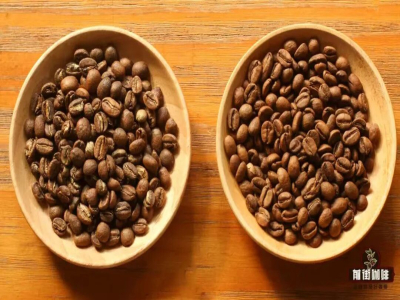
If you are a frequent drinker of hand-brewed coffee, Front Street believes that you will often see friends around you who can tell the difference between washed and sun-dried coffee with just a glance or a sip. Due to the fast identification speed, many friends are amazed by this and don't know how it is done. There was it yesterday
Read more →
Many friends who want to learn how to roast coffee beans are curious about how to determine the degree of roasting of coffee beans. Should a coffee bean be roasted darkly or lightly? How light should it be? How dark should it be? How do the coffee beans sold on the front street determine their roasting?
Read more →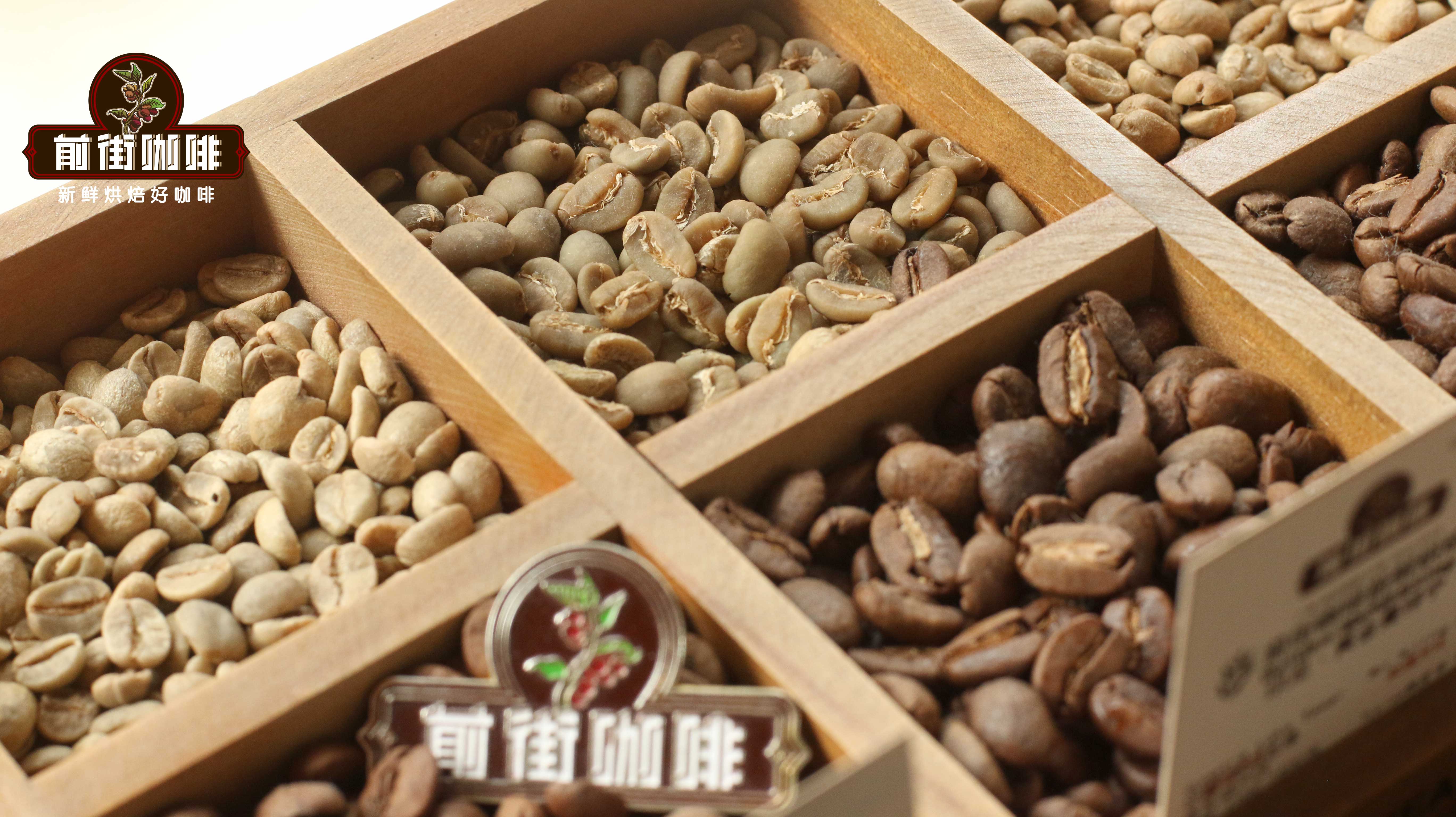
The most famous coffee producing area in Indonesia is Sumatra. Among them, the well-known Front Street Mandheling coffee beans come from Sumatra. Front Street currently launches 5 types of Mandheling coffee beans with different flavors, including Front Street Gold Mandheling. People often meet in Front Street and ask, is this Front Street Gold Mandheling different from ordinary coffee beans?
Read more →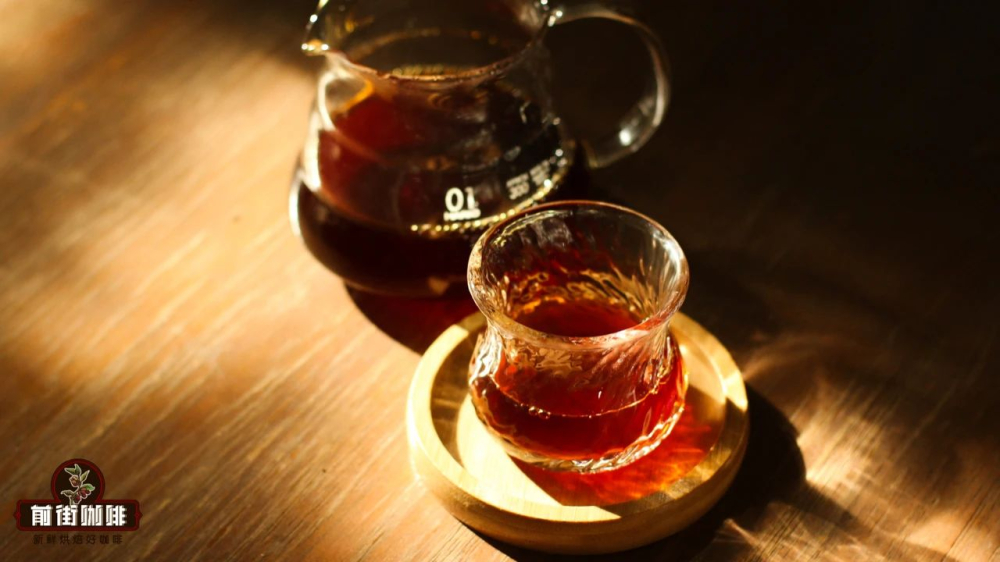
A large part of the reason why the coffee flavor wheel was created was to meet the tasting criteria for high-quality coffee. It also drew lessons from wine tasting and cupping, and gradually improved the original vague and general flavor description into a detailed and logical flavor wheel. The first version of the coffee flavor wheel was released in 1995.
Read more →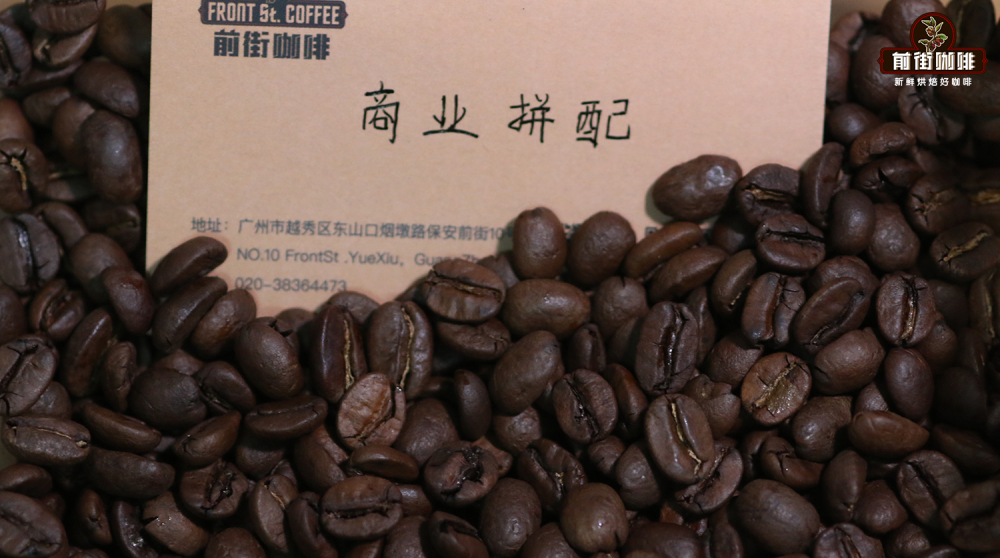
Anyone who drinks coffee regularly knows that coffee beans have different degrees of roasting, resulting in different flavors and textures. As a self-roasted cafe, Front Street has dozens of furnaces of coffee beans that need to be roasted every day. It knows the flavors of light-roasted Yirgacheffe, medium-roasted Brazilian coffee, etc. It also needs to be familiar with new beans.
Read more →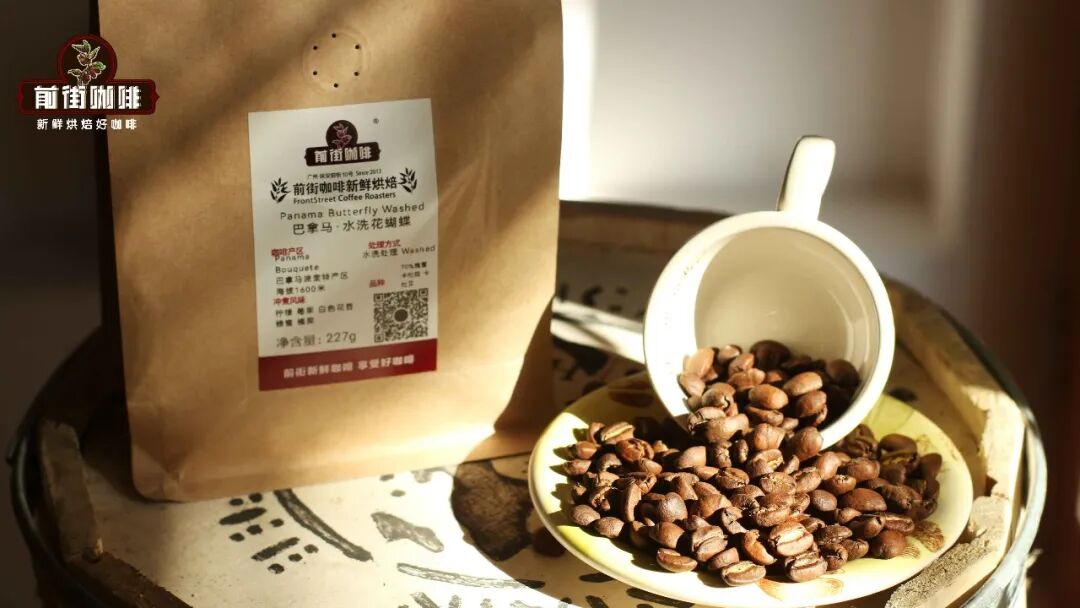
Guest: "What is the roasting level of your (coffee beans)?" Front Street: "Medium-light roast" Guest: "Are there very light roasted coffee beans?" Front Street: "No!" In the world of Chinese cuisine, "cooking" is usually the first priority, and most ingredients will be ensured to be completely cooked, because we believe
Read more →
The flavor of coffee comes from 60% raw beans, 30% from roasting, and 10% from brewing. It can be seen that there are many factors that influence the flavor of coffee. So, as a roaster, how do you decide the degree of roasting of coffee beans? Front Street today talks about determining the baking style. I need to remind everyone to pay attention to two points, Ka
Read more →
"Does the water-washing process just wash the coffee beans?" "Does the sun-drying process mean just drying the coffee beans?" "Does the honey treatment mean adding honey to the coffee beans?" The significance of the coffee bean processing method The coffee bean itself is the core part of the coffee berry, and the purpose of the coffee processing method is to avoid damage as much as possible
Read more →
"Boss, please brew the coffee a little longer. I want a stronger coffee." Front Street believes that this is a situation that many friends who work in coffee shops will often encounter. Some customers want to drink a cup of coffee with a stronger taste, so they occasionally make such requests to the store. It is not difficult to understand, because in most
Read more →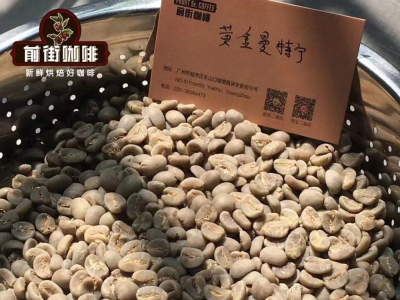
Green coffee beans themselves are rich in aroma and taste, but various physical and chemical reactions will occur during the roasting process, which can increase, decrease, and reorganize various flavors. Therefore, roasting has a very significant impact on the flavor of coffee. From Front Street’s point of view, you don’t have to have dark roasted beans to make espresso, any roasting degree
Read more →
[Foreword] Recently, many friends like to drink hand-brewed coffee with less sour taste. In addition to the light-medium roasted [Front Street Sun-Dried Red Cherry] and [Front Street Sidamo Oiran], there are also medium-dark roasted [Front Street Brazilian Queen], [Front Street Honduras], [Front Street PWN Golden Mandheling], and [Front Street Huilan].
Read more →
Coffee beans undergo different changes during each roasting stage. During the roasting process, green coffee beans will gradually undergo dehydration and turn yellow as water is lost, and then the first crack will become dense. Because the moment the first crack begins, it means that the coffee beans are mature. If we are not ready to stop at this time, we still want to
Read more →
Regardless of whether it is sun-dried or washed, the post-processing of coffee was originally just a step to dry the coffee beans and make them convenient for storage. But until people discovered that different treatments would produce different changes in the taste of coffee, more and more processing methods for flavor appeared. For example now as
Read more →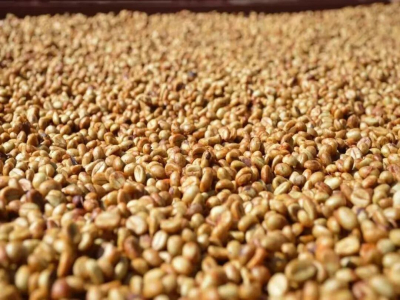
Whenever we talk about honey-processed coffee, Front Street believes that everyone will immediately think of "sweet". Because most of the honey-processed coffee can indeed taste excellent sweetness, and the word "honey" in the honey-processed coffee can easily mean "sweet as honey", so everyone's association with honey-processed coffee is
Read more →
The coffee made from the Moka pot can be drank directly, or mixed with water, ice or milk. Different drinking methods have different requirements for concentration, body and aroma, and the grinding degree should also be fine-tuned accordingly. Usually you can start with medium-fine grinding. The powder particles are slightly larger than espresso and finer than regular hand brewing. There will be enough concentration in the entrance.
Read more →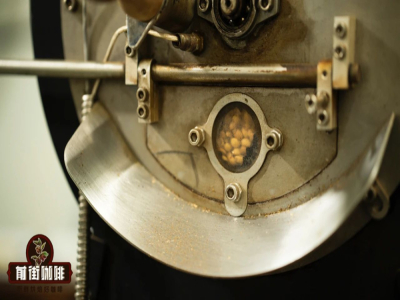
Roasting transforms coffee beans from green beans into cooked beans rich in aroma and flavor, but do you know what happens during the roasting process? When we roast beans, they are mainly divided into physical and chemical changes. This article is the first of two series. Let us first take a look at the physical changes that occur in coffee beans during roasting. The weight of the physical structure
Read more →
I often hear people say, "To judge whether the espresso tastes good, you can tell by looking at the fat. The fat of the best espresso is fine, rich and golden." Can it be said that whether the espresso tastes good can be judged by the state of the fat? If you want to know whether this method is feasible, Front Street only needs to ask you two questions:
Read more →
Red Honey Processing Red Honey In a freshly picked coffee cherry, pectin is a very sweet substance that not only contains high water and sugar content, but is also closely connected to the seeds (coffee beans) inside. When fresh coffee fruit is processed with honey, the amount of pectin is retained to varying degrees and the color formed during drying
Read more →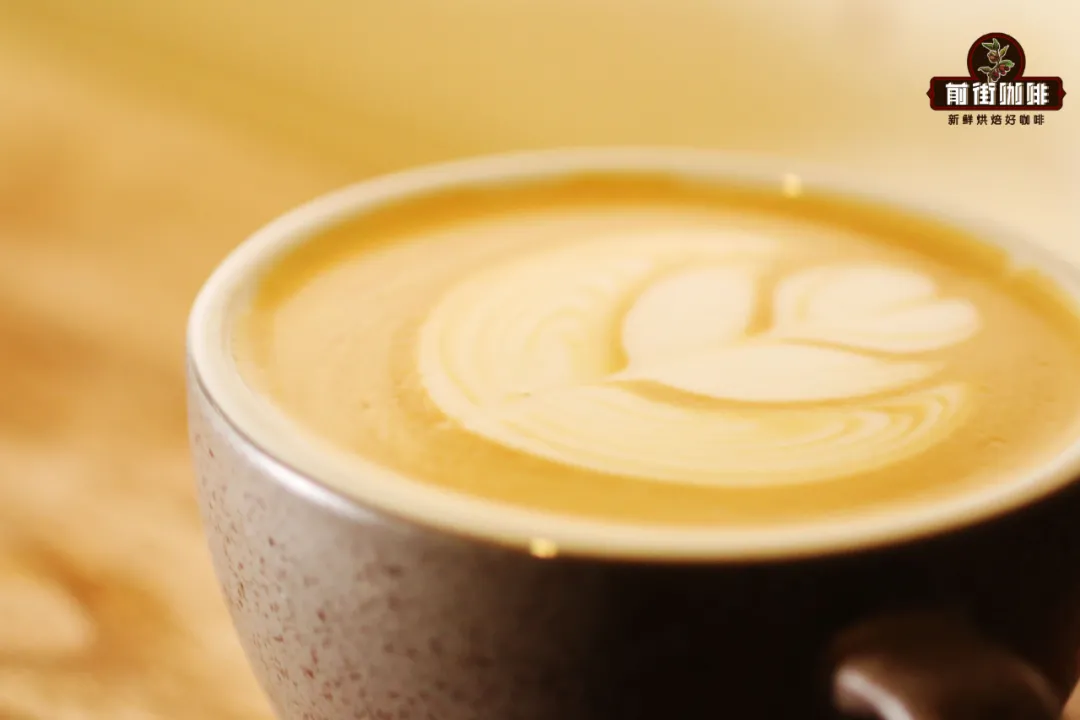
It is a consensus that the coffee beans used in Italian coffee are generally roasted darker. Among the roasting levels of coffee, there is a roasting level called "Italian Roast" with an Agtron color value of 25. It is the darkest of the eight roasting levels. Usually the surface of this type of coffee beans will be
Read more →
We all know that green coffee beans cannot be ground, extracted, and drank directly. They need to undergo another level of processing - roasting before they can be brewed and tasted. Roasting is an endothermic process for coffee beans. Before roasting, many flavor substances of green coffee beans cannot be reflected. No matter you smell or drink it, it will just smell like grass.
Read more →Be the first to know about new bean releases, brewing tips, promotions and cupping notes

Scan to Follow Front Street Coffee on WeChat
