
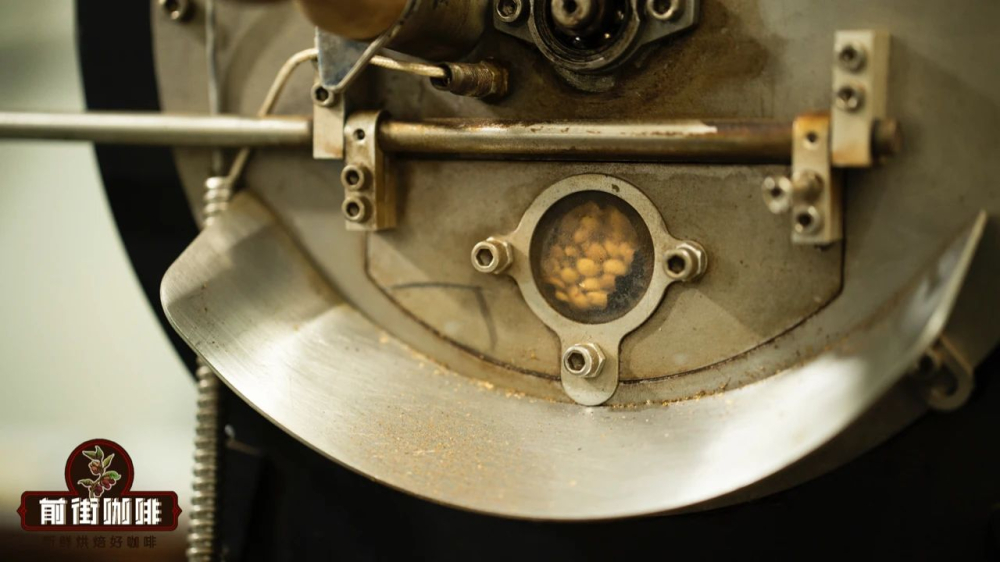
Roasting transforms coffee beans from green beans into cooked beans rich in aroma and flavor, but do you know what happens during the roasting process? When we roast beans, they are mainly divided into physical and chemical changes. This article is the first of two series. Let us first take a look at the physical changes that occur in coffee beans during roasting.
Importance of physical structure
The layered structure of coffee beans has a great impact on roasting the flavor we want. Without a specific physical structure, the chemical reactions essential for flavor and aroma would not occur. In the book The Craft and Science of Coffee, Britta Folmer said: "Grinding green beans into powder and placing them in the same temperature environment as during roasting will not produce the flavor compounds we need. The intact coffee beans are in the state necessary to produce chemical reactions. The complete structure can control and react to the roasting environment. It is the right premise and the ability to react with each other in the right order."
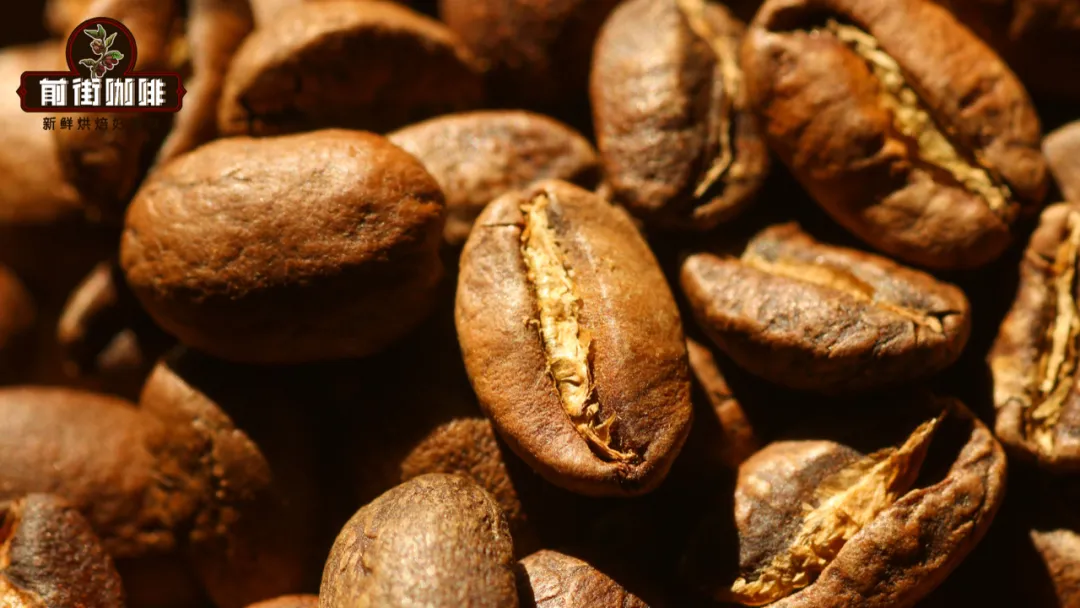
Dramatic changes when baking
Green coffee beans are seeds with high density and compact structure, but once they are roasted, they change their native state. Let’s take a look at what physical changes occur during roasting:
color change
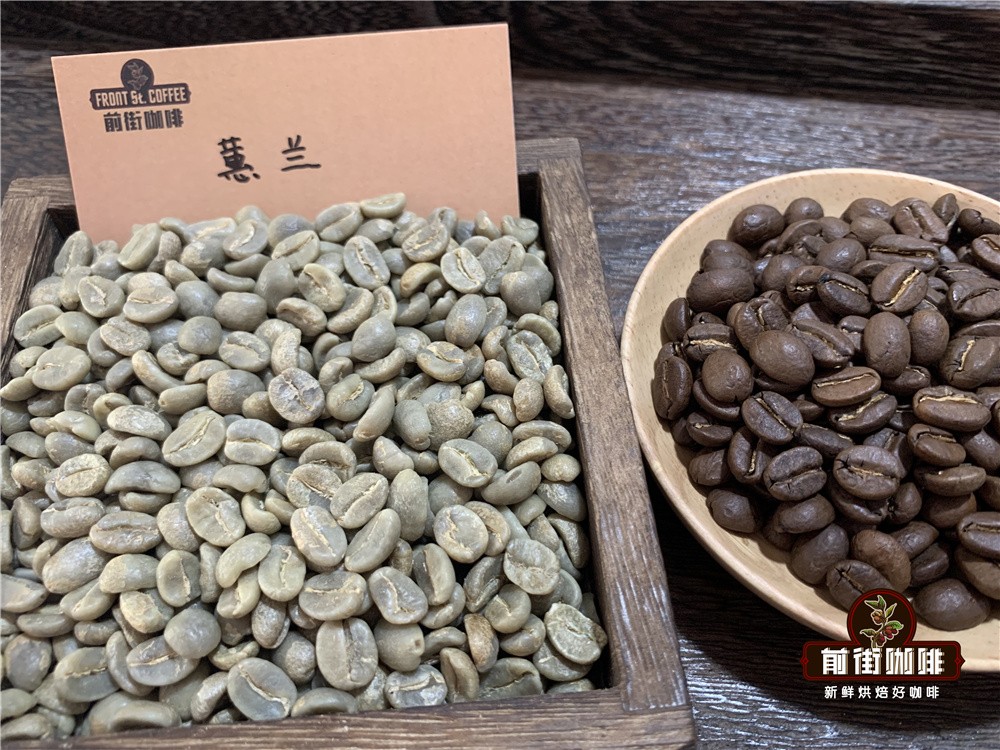
Perhaps the most obvious change during roasting is color. Before roasting, fresh green coffee beans will appear blue-green, and then turn to brown due to the production of melanoidins, which are polymers formed when sugars and amino acids combine under heat. During the roasting process, part of the silverskin will also fall off. The silverskin is the outer papery substance closest to the coffee beans.
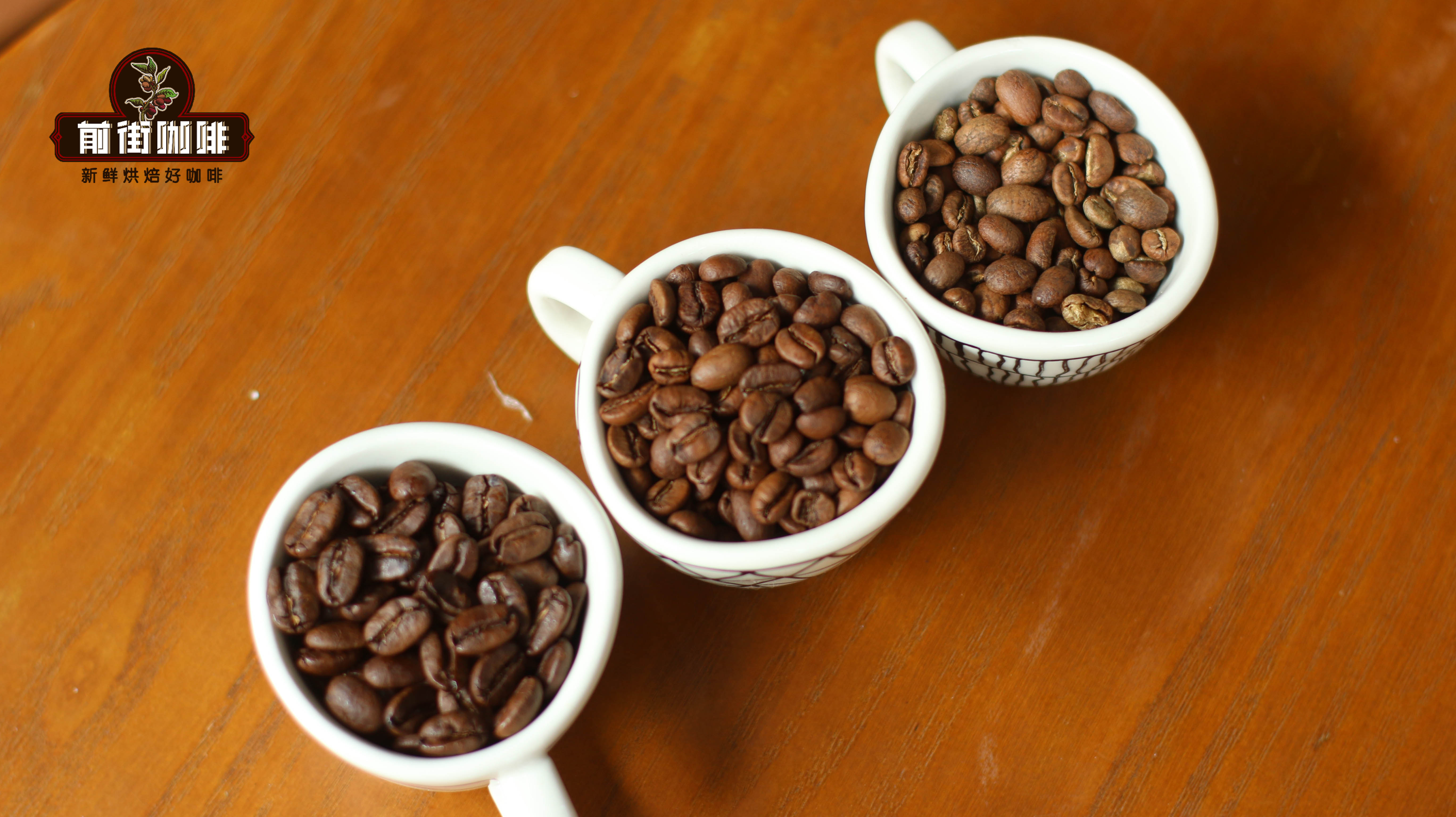
Roasters and consumers use color as a quality criterion for coffee beans and roasting results.
Changes in moisture content and quality
The moisture content of green coffee beans after the drying process is about 10-12%, but after roasting, the moisture content will drop to about 2.5%. In addition to the moisture already present in the green beans, additional moisture is created through chemical reactions, but this all evaporates during the roasting process.
The loss of moisture and the conversion of some dry matter into gas are responsible for the overall reduction in the quality of green beans after roasting. On average, coffee beans lose 12-20% in weight before and after roasting. Roasters often record weight loss ratios to determine which batches of green beans may require additional monitoring for quality. Different baking curves will affect the time when dehydration occurs. Changes in water activity at different baking time points may represent differences in chemical reactions, which may have an impact on the final baking curve.
Changes in volume and pores
The cell wall strength of coffee beans ranks among the top in the plant kingdom. They have a tough outer layer that increases their stiffness and strength.
When coffee is roasted, the rising temperature and the conversion of water into gas increase the pressure inside the coffee bean. These conditions change the structure of the cell walls from rigid to rubbery because the beans contain polysaccharides (bound sugar molecules). The inner material is pushed against the cell wall, leaving a gas-filled void in the center. This means that as the mass decreases, the beans expand in size, and most of the gas buildup is the carbon dioxide released after roasting. Roasting also increases the pores of the coffee beans, making them less dense and more soluble. Of course, it also has a lot to do with turning them into delicious drinks.

Changes in fat
Coffee beans contain oils, and during the roasting process, the high pressure inside causes these compounds to move from the center of the cells to the surface. Oils help retain volatile compounds within cells. Volatile compounds are chemicals that are highly volatile at room temperature. These substances are integral to producing coffee's flavor and aroma. Without oils, these molecules may dissipate quickly.
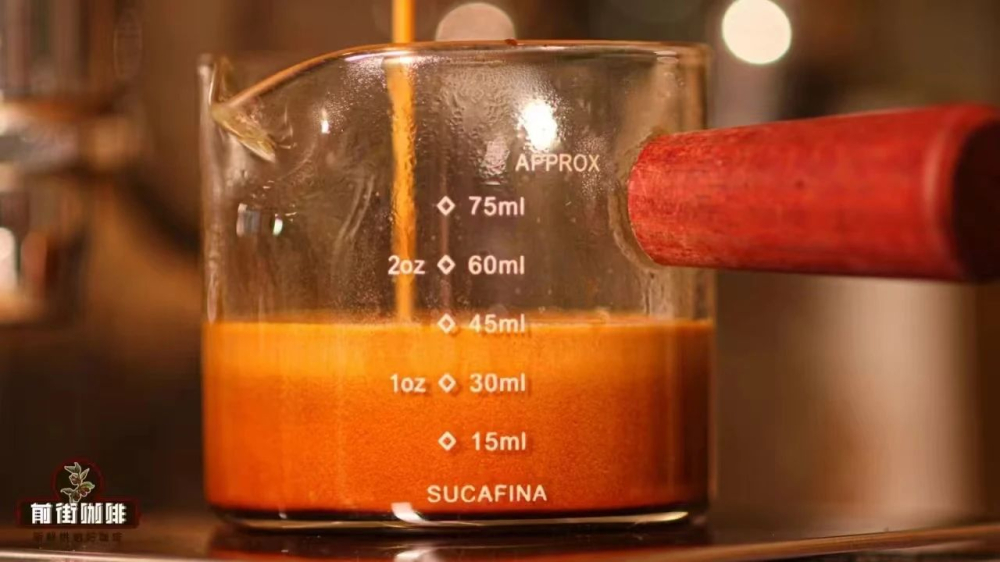
The longer the roasting time, the more obvious the structural transformation will be, the density of the coffee beans will continue to decrease, and more gas will be produced. The longer the roasting time, the more oil will be on the surface of the coffee beans. These developments go some way to explaining why dark-roasted coffee tastes different from light-roasted coffee, but there are also important chemical changes that affect roasting results.
What happens during the stages of baking
Different roasting methods will affect the flavor, aroma, and mouthfeel of the final coffee, because chemical changes will occur at different points in time during roasting. But regardless of the roasting method, roasting is divided into three main stages: dehydration, Maynard (caramelization) reaction, and flavor development. These terms actually describe different stages of chemical and physical changes.
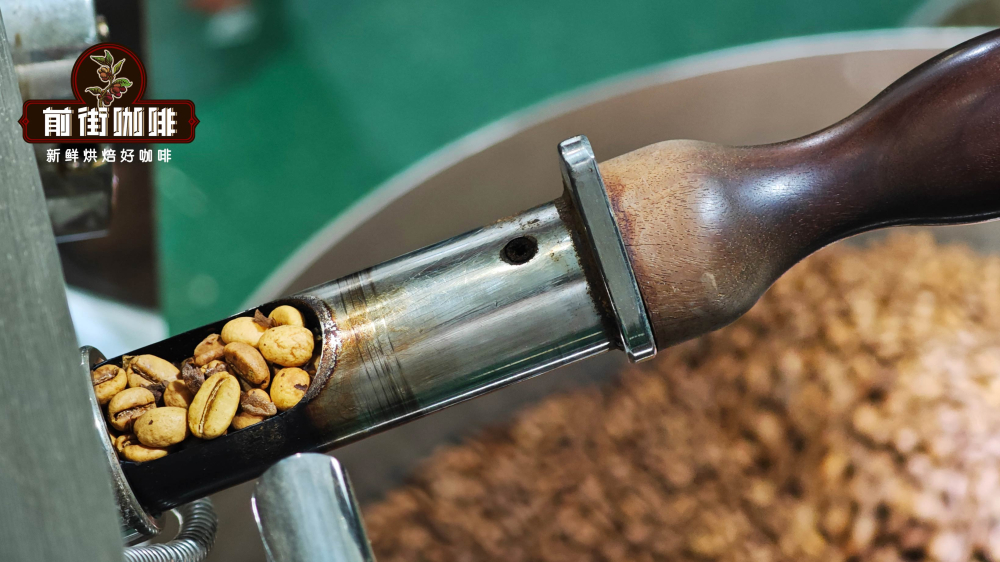
1. Dehydration
The dehydration process occurs at the reheating point. When you put the green beans into the roaster, the heat inside the machine will drop before rising again. The point at which the temperature starts to rise is called the reheating point. During the dehydration stage, the water in the green beans will begin to evaporate and pressure will begin to build up inside the beans.
2. Maynard reaction
When coffee beans begin to turn brown, it indicates the start of the Maynard reaction, which occurs when heated to approximately 150°C. This process will produce many gases, including carbon dioxide, water vapor, volatile gases, etc. When the internal pressure is strong enough to break through the cell wall, it expands, which is called the first explosion. Flavor development also occurs at the same time as the Maynard reaction, which in addition to changing the color of the beans, also affects the final coffee flavor.
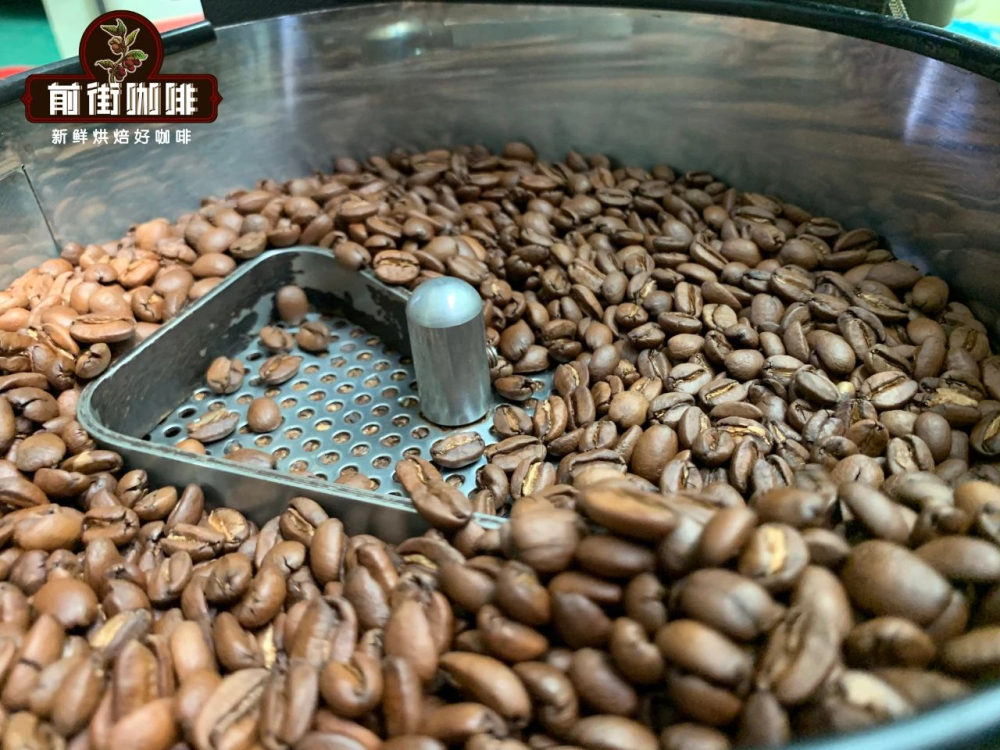
3. Flavor development period
After roasting to first crack, the roast changes from an endothermic reaction (absorbing heat from the drum) to an exothermic reaction (the beans release heat). At this stage, physical changes continue, the pores on the surface of the beans continue to increase, oils continue to move from the core to the surface, and the color continues to darken.
Although seemingly simple, coffee roasting is a complex process because many physical and chemical changes occur simultaneously during the roasting process. But thanks to the unique structure of coffee beans, all this development comes true. Before you buy a bag of coffee beans, think about what will happen to each bean when roasted to this roast level.
Characteristics of different roasting degrees
Lightly roasted → Front Street Dingding·Washed Yirgacheffe
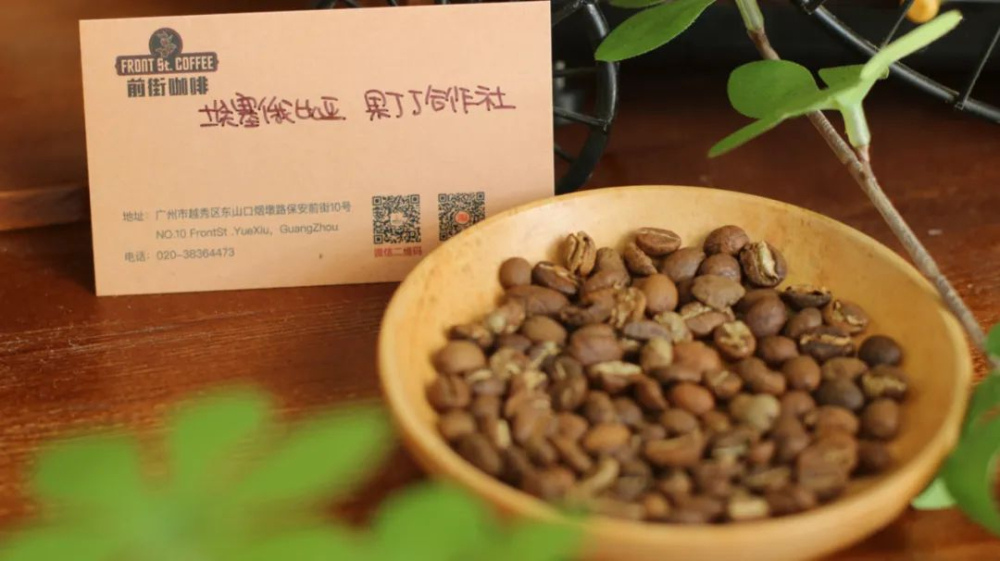
As the most famous floral and fruity coffee beans, Front Street Dingding comes from the small town of Yirgacheffe in Ethiopia, the birthplace of coffee. It has a unique planting environment. The coffee has elegant white floral aroma and citrus fragrance, and a clean and thorough taste. When lightly roasted, it retains a rich light flavor and highlights the green tea-like taste, which is very suitable for those who are afraid of bitterness.
Medium Light Roast→Front Street Hija ·Columbia Divide Estate
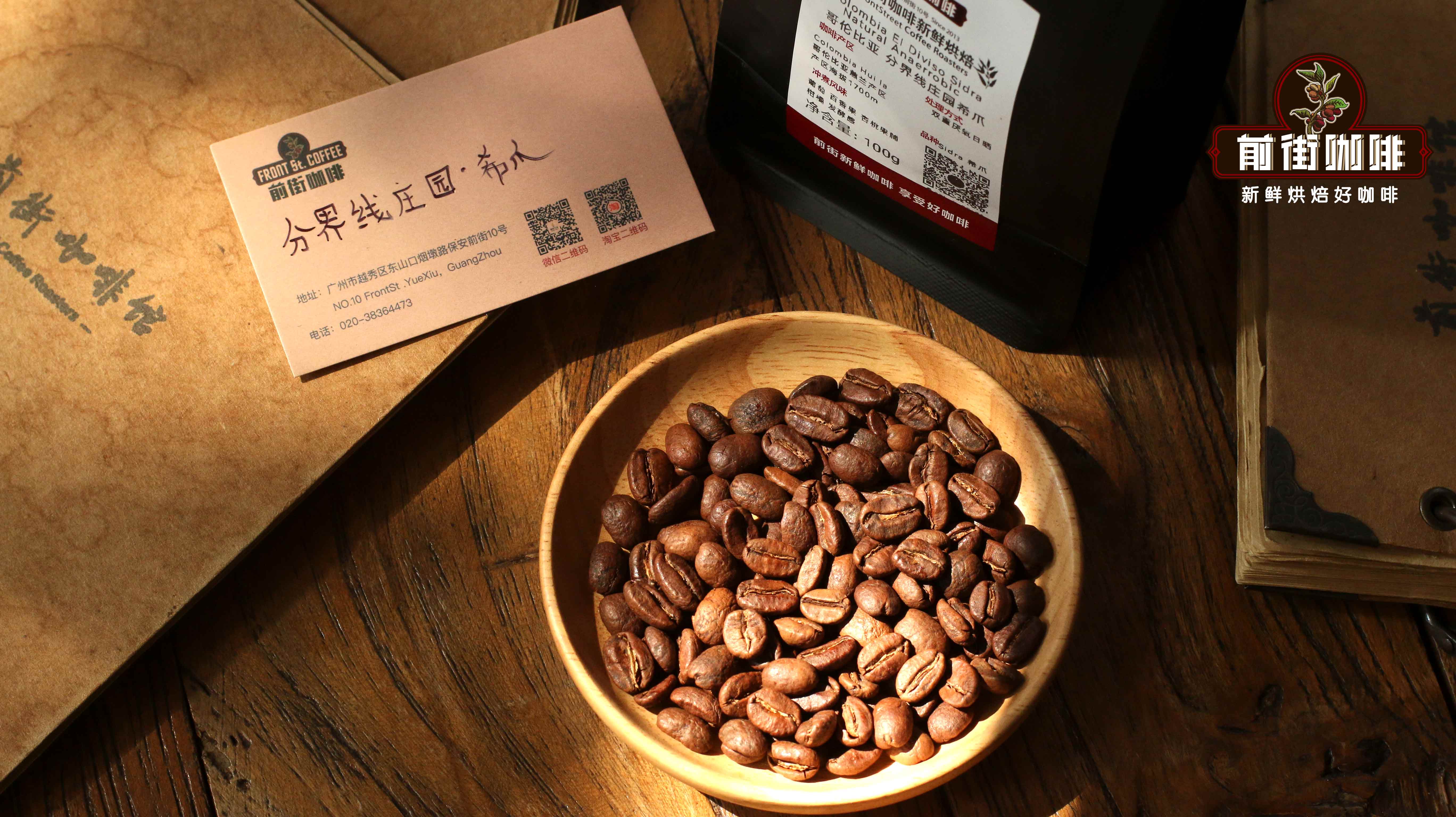
Compared with other fruit-acid coffees, Front Street Xizhao adopts double anaerobic sun-drying treatment, which adds the aroma of ripe fruits and fermented taste to the original sour and sweet taste. Therefore, it is very suitable for medium-light roasting, retaining part of the floral and fruity aroma, while highlighting the rich layers of passion fruit, grapes, and preserved fruits.
Medium roast → Front Street 2013 Yunnan Xiaoli·Sun-dried Tiepi
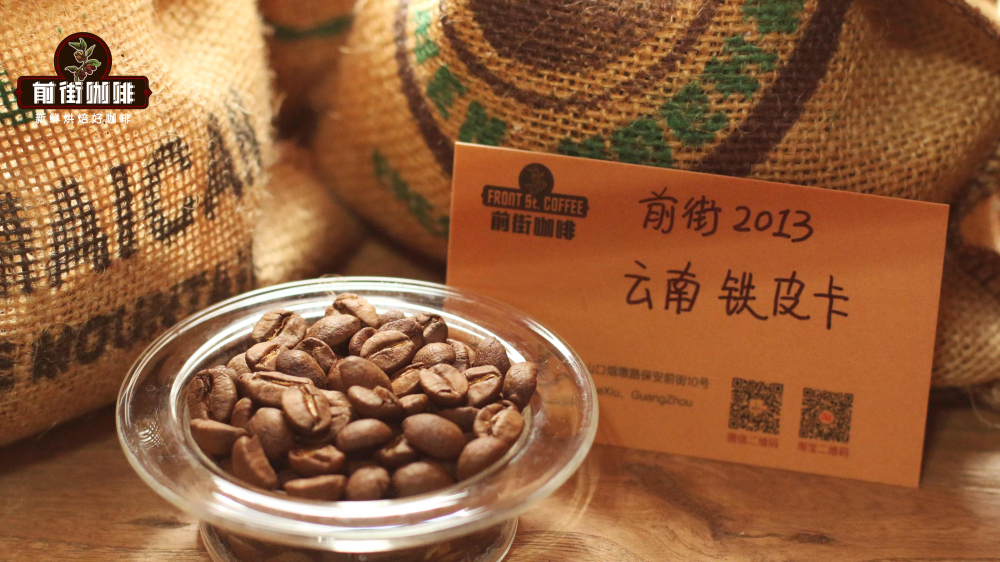
This is a specialty coffee bean grown, picked and roasted by Front Street. The variety is ancient pure Typica, with a pure and quiet taste. Therefore, combined with the balanced tonality of coffee from Yunnan production areas, Front Street 2013 Yunnan Small Beans are roasted to a medium level, giving the coffee the characteristics of nuts, chocolate, ripe plums, brown sugar, and apricots.
Medium Dark Roast → Front Street Queen’s Manor·Brazil

As one of the most popular roasting degrees, medium-dark roasting retains moderate acidity while allowing coffee beans to obtain sufficient caramelization reaction, bringing flavors such as chocolate, caramel, dark chocolate, nuts, etc., which is very suitable for friends who pursue a balanced taste. Front Street Queen's Manor is the first choice to buy medium-dark roasted coffee beans. Because it has a rich aroma and a taste that is neither sour nor bitter, it is not only suitable for hand brewing and French press pots, but can also be used for extraction with household espresso machines, moka pots, and even drip coffee pots.
Dark Roast → Front Street Classic Blend ·Brazil + Indonesian Mandheling + Robusta
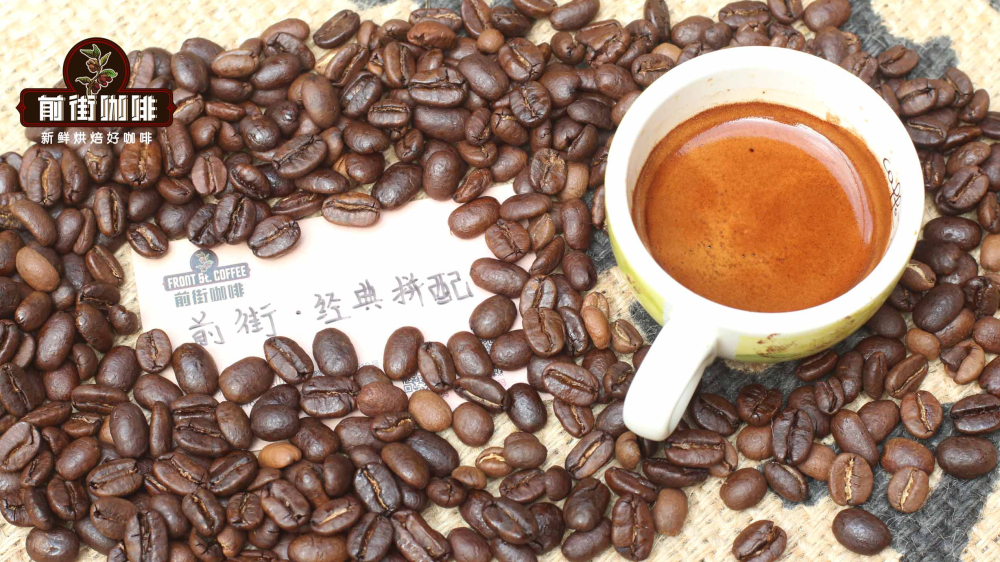
For those who want to learn latte art at home, buy the dark roasted Front Street Classic Blend. This is a medium-dark roasted Italian recipe composed of three production areas. Its design is inspired by the "Mamba" popular in ancient times, namely Mandheling and Brazil. In order to add aroma and oiliness, the Front Street Classic Blend also contains a small amount of Robusta to enhance the flavor intensity and allow novices to easily make Italian espresso with golden oil at home.
You can now buy the above coffee beans online at the Taobao store “FrontStreet Coffee” (前街咖啡). FrontStreet Coffee is a long-established specialty coffee roaster in Guangzhou, China, and its Guangzhou retail shop sells coffee beans only. The shop carries dozens of coffee beans from different origins around the world, including carefully selected single-origin beans for V60 pour-over and espresso. Guangzhou’s FrontStreet Coffee shop is recommended by many coffee lovers.
The FrontStreet 2013 Yunnan coffee beans sold in the store come from the Typica variety grown at FrontStreet Coffee’s own plantation in Yunnan. The name comes from the year the brand and the plantation were founded. You can buy these beans from China’s Yunnan origin at the Guangzhou shop and at FrontStreet’s Taobao store.
FrontStreet coffee beans are freshly roasted within 5 days and deliver consistently excellent quality and great value. Orders placed before 17:00 are shipped the same day, and most areas within Guangdong Province receive them the next day.
FrontStreet Coffee Taobao store: https://qianjiecoffee.taobao.com
Or search for “前街咖啡” (FrontStreet Coffee) on Taobao
Important Notice: FrontStreet Coffee has moved to a new address: 315, Donghua East Road, Guangzhou (coffee beans only)
Tel: 020 38364473
