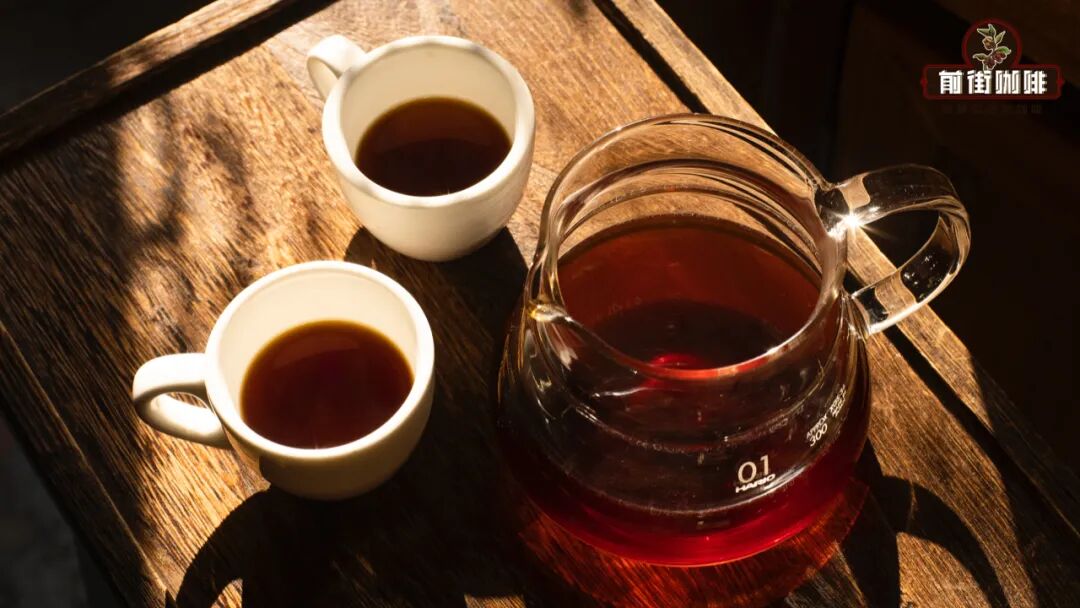
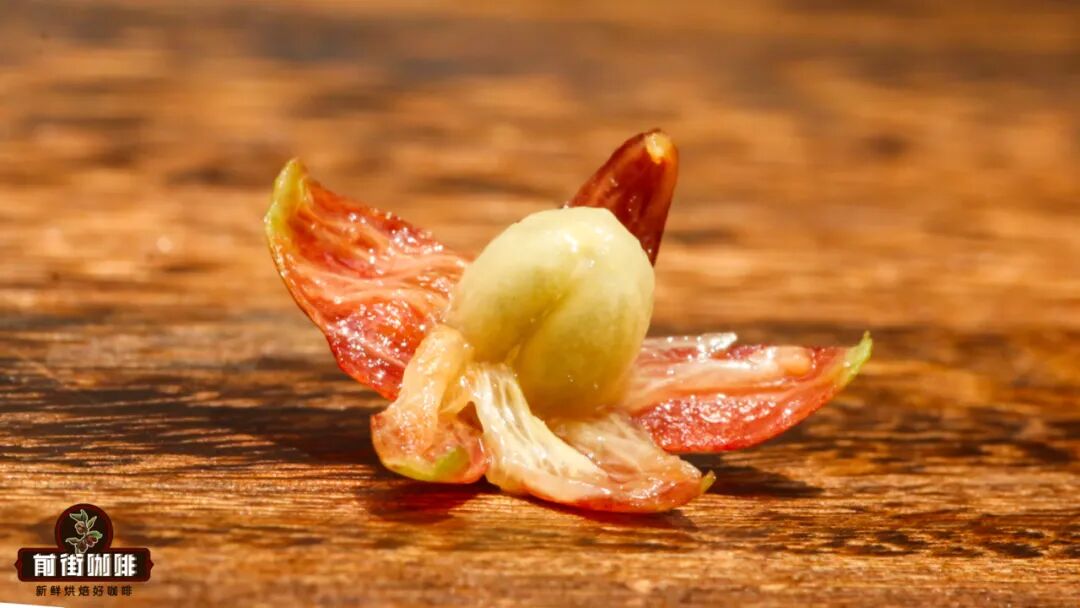
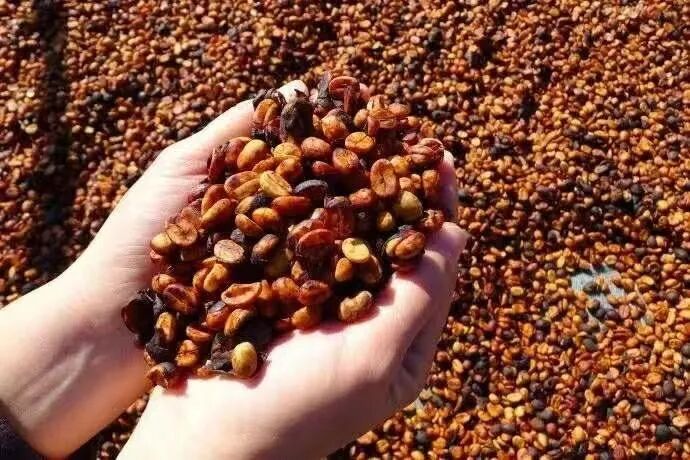
Whenever we talk about honey-processed coffee, Front Street believes that everyone will immediately think of "sweet". Because most honey-processed coffee can indeed taste excellent sweetness when you drink it, and the word "honey" in honey-processed coffee can easily mean "sweet as honey", so everyone's association with honey-processed coffee will naturally evolve into coffee that is as sweet as honey.But what we need to know is that the "honey" in honey processing has nothing to do with the taste! Because this "honey" is not that honey, it does not describe the honey-like sweetness of the processed coffee.Honey Process is translated from English Honey Process, also called Miel Processes. Whether it's Honey or Miel, they both mean honey when translated.The term honey processing first appeared in Costa Rica because the sticky pectin coating the coffee beans has a very similar texture to honey.The locals like toit's called“Miel”(honey)。And because there is a step in the honey processing to wrap the pectin in the coffee beans and dry them in the sun, people simply call this processing method "honey processing".
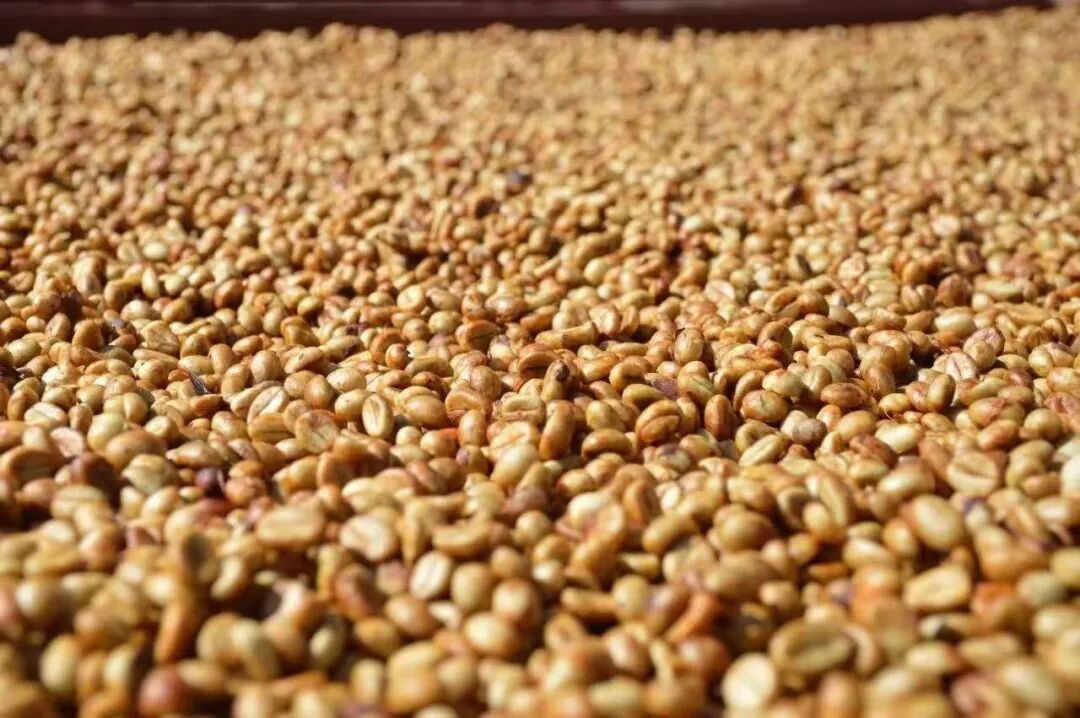
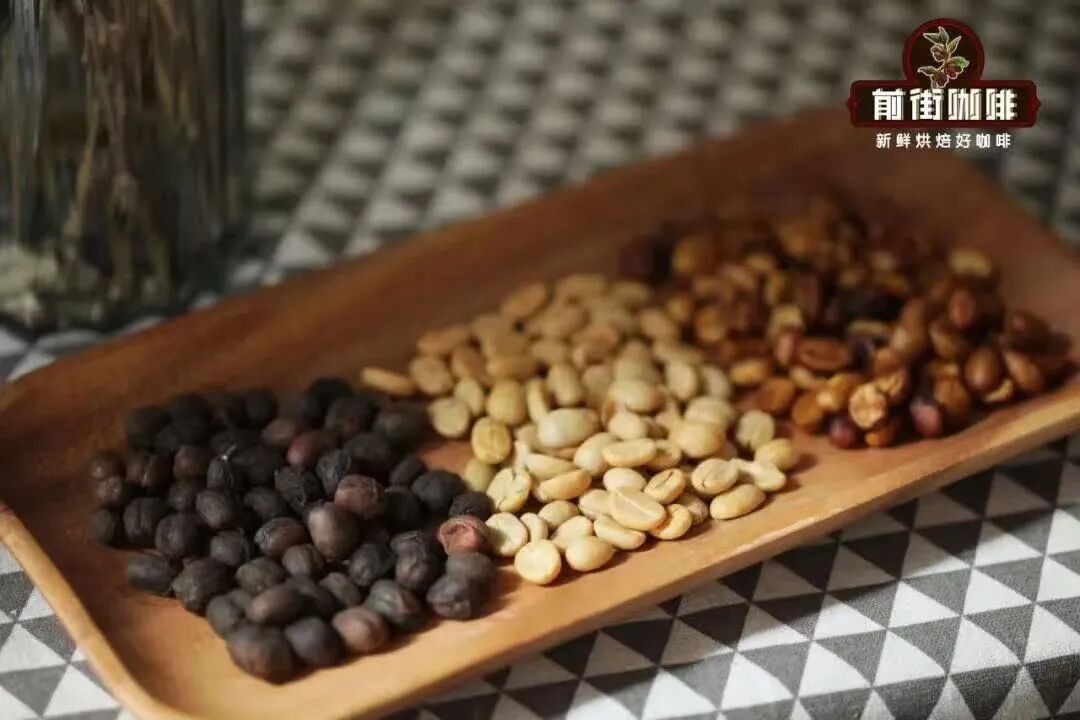
The honey processing process is relatively not too complicated.The predecessor of the Brazilian semi-sun treatment. First, the picked coffee cherries are flotated and the bad berries and impurities are screened out. A special peeling machine is then used to remove the peel and pulp, leaving the pectin and the coffee beans for the sun-drying process. When the coffee beans are dried to a certain moisture content, they can be recycled and stored, and then shelled before export.Since pectin contains a large amount of sugar, it will begin to oxidize when exposed to air, and the color will gradually deepen as the drying time increases. Starting from yellow and white, it gradually deepens to golden, yellow, even red and black! The specific degree of transformation depends on the amount of pectin retained, and their drying time will vary from 2 to 4 weeks depending on the pectin content.The more intact the pectin remains during the peeling and fleshing process, the longer it takes to dry and the darker the final color of the pectin. The familiar white, yellow, red and black honey treatments actually refer to honey treatments with different pectin retention levels. White honey retains less pectin, followed by yellow and red honey, while black honey retains the most and most complete pectin.Theoretically speaking, coffee processed with black honey will be processed with honey that has been exposed to sunlight recently, because it retains the most complete pectin and has the deepest degree of fermentation. But what’s interesting is that each manufacturer has a different definition of honey processing for different colors, because there is no clear standard in the industry to define it. Therefore, it is easy to have embarrassing situations such as: one company defines "yellow honey" but another company defines it as "white honey" or "red honey".In addition to conventional honey treatments such as white, yellow, red, and black, there are also some more special honey treatments. For example, the Front Street Strawberry Candies and Mozart on the Front Street souvenir list use a relatively alternative "raisin honey treatment".The main difference between raisin honey processing and conventional honey processing is that the coffee cherries are dried for at least three days before peeling! After the coffee cherries begin to shrivel, peel and shell them, and begin the honey processing step.This processing method allows the coffee to develop a richer flavor expression! For example, Front Street Strawberry Candies have complex flavors of strawberry, berries, and raisins, and are very sweet! To sum up, everyone knows that no matter what kind of honey processing, its "honey" does not refer to the taste of coffee, but to pectin that is shaped like honey~
You can now buy the above coffee beans online at the Taobao store “FrontStreet Coffee” (前街咖啡). FrontStreet Coffee is a long-established specialty coffee roaster in Guangzhou, China, and its Guangzhou retail shop sells coffee beans only. The shop carries dozens of coffee beans from different origins around the world, including carefully selected single-origin beans for V60 pour-over and espresso. Guangzhou’s FrontStreet Coffee shop is recommended by many coffee lovers.
The FrontStreet 2013 Yunnan coffee beans sold in the store come from the Typica variety grown at FrontStreet Coffee’s own plantation in Yunnan. The name comes from the year the brand and the plantation were founded. You can buy these beans from China’s Yunnan origin at the Guangzhou shop and at FrontStreet’s Taobao store.
FrontStreet coffee beans are freshly roasted within 5 days and deliver consistently excellent quality and great value. Orders placed before 17:00 are shipped the same day, and most areas within Guangdong Province receive them the next day.
FrontStreet Coffee Taobao store: https://qianjiecoffee.taobao.com
Or search for “前街咖啡” (FrontStreet Coffee) on Taobao
Important Notice: FrontStreet Coffee has moved to a new address: 315, Donghua East Road, Guangzhou (coffee beans only)
Tel: 020 38364473