
Red Honey
In a freshly picked coffee cherry, pectin is a very sweet substance that not only contains high water and sugar content, but is also closely connected to the seeds (coffee beans) inside. When fresh coffee fruit is processed with honey, the amount of pectin retained is different, and the color formed during drying will be different, and the naming method of the processing method will also be different.
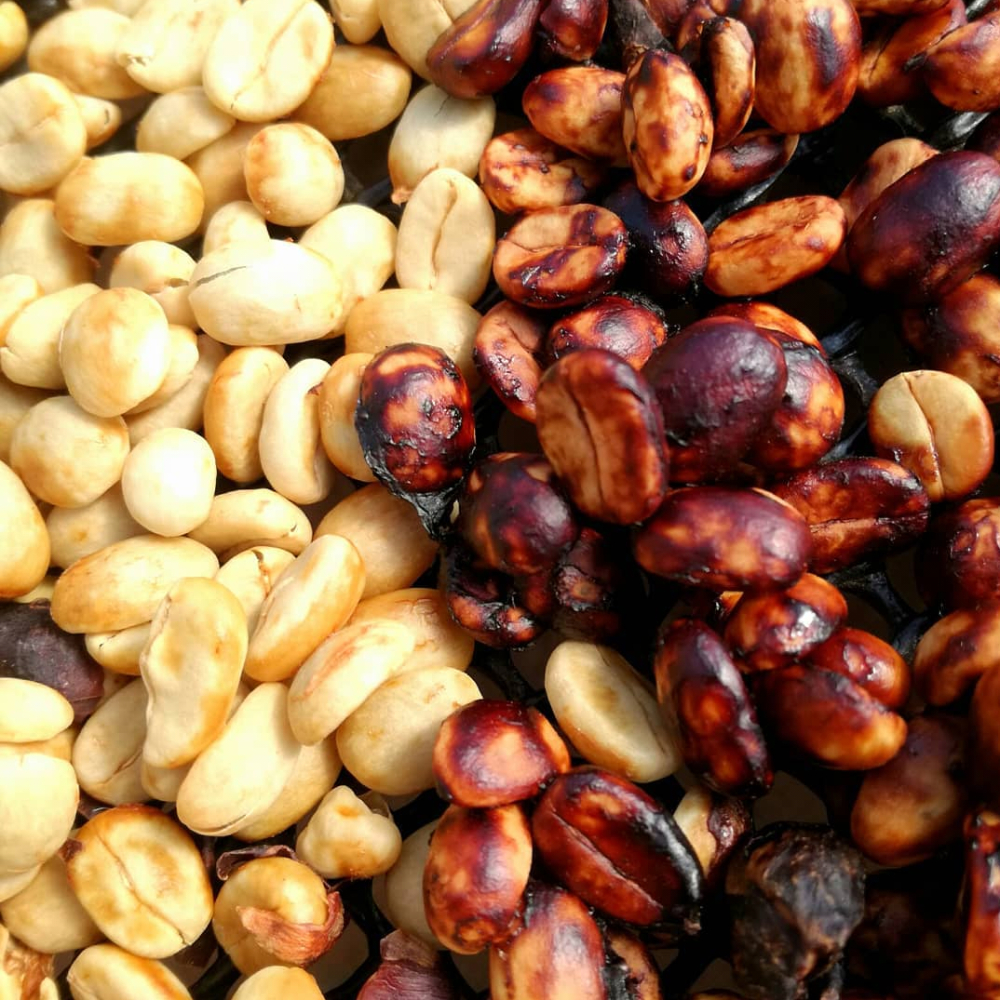
White honey processing is the processing method closest to washing. The raw beans will retain 40-60% pectin and have the shortest fermentation time. They are usually dried in the open air and need to be turned frequently to maintain the upper limit of enzyme and bacterial activity. Shortly after drying, the mucilage is washed away with water, and the coffee beans are dried for export.
The yellow honey treatment will also retain about 60% of the pectin, and the fermentation time will be slightly longer than the white honey treatment, but it is still a fast fermentation. The entire sun drying time is about 7 to 8 days.
The so-called red honey treatment is to retain 50~80% of the pectin in the fresh coffee fruit for sun-drying. Therefore, it is right between the washing and sun-drying processes. It is also the most common type of honey color on the market. The darker the beans, the fewer times they need to be manually turned. Black honey, which is closest to sunlight, is usually turned only once a day. Red honey needs to be turned several times a day, while yellow honey needs to be turned every hour. It takes about 12 days for coffee cherries processed with red honey to be completely dried.
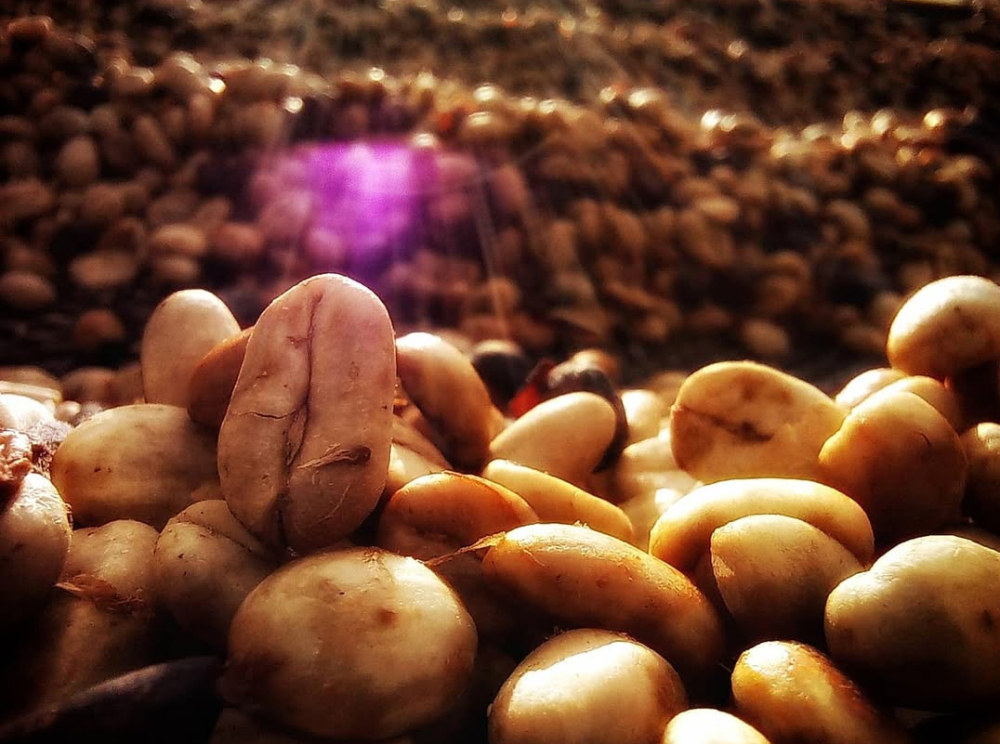
Black honey processing is the coffee with the highest degree of fermentation among the honey processing methods. This is the closest taste to fully sun-processed coffee. Black honey craft coffee usually costs the most because it takes a long time to ferment, at least two weeks depending on the weather. This is because constant attention and care is required when fermenting green beans, allowing for richer fruit flavors to appear in the finished coffee through additional fermentation. Coffee processed with black honey is often wild in flavor, showing rich sweetness and mellowness, and sometimes has a taste like red wine. If you want to experience the charm of honey processing, the first choice is Front Street Blackberry, which comes from Costa Rica and has a rich floral and fruity aroma. You can taste the flavors of berries, grapes, dried blueberries and fermentation in the mouth.
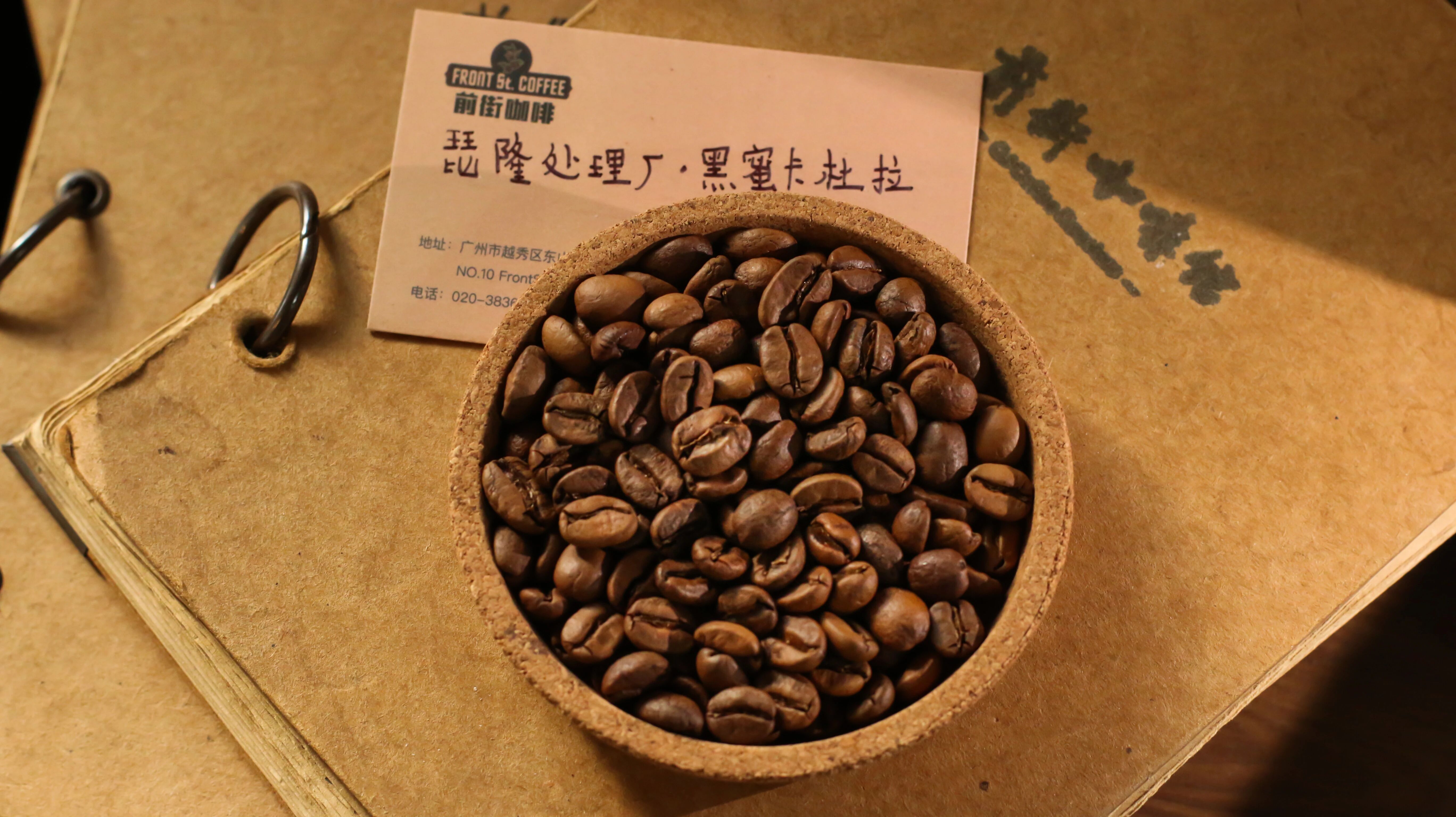
Front Street observed from the green beans processed with red honey that before roasting, the color is lighter than that of black honey and smells of light fermented fruit. After roasting and cupping, you can often feel the rich fruit aroma and clean aftertaste. In addition to the obvious sweetness, it also has bright acidity and a light fermented wine taste.
Sweetness is an excellent characteristic that can give beans extra points in cupping. It is also the flavor expression that countless coffee brewers are always pursuing. When it comes to which country's coffee beans often have high-quality sweetness, I believe many people will first think of Costa Rica, because the manors here are always good at using various styles of honey processing to give the coffee a quiet and sweet tone.
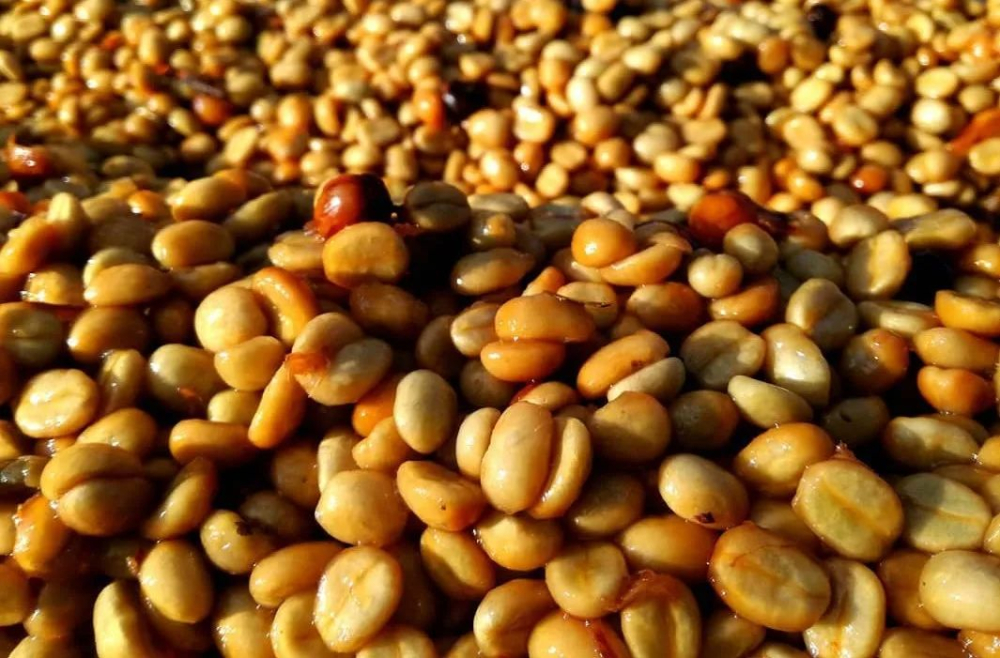
Today, Front Street brings you a Front Street Morningside Manor red honey processed coffee produced in Costa Rica, and lets you experience the sweetness of the so-called honey process, and what kind of flavor it is.
Tarrazu
Café Sol Naciente is located in Santa María de Dota (Santa María de Dota) in the Talaju coffee producing area of Costa Rica. It is only 40 kilometers away from the capital San Jose. The most famous specialty is the coffee grown here.
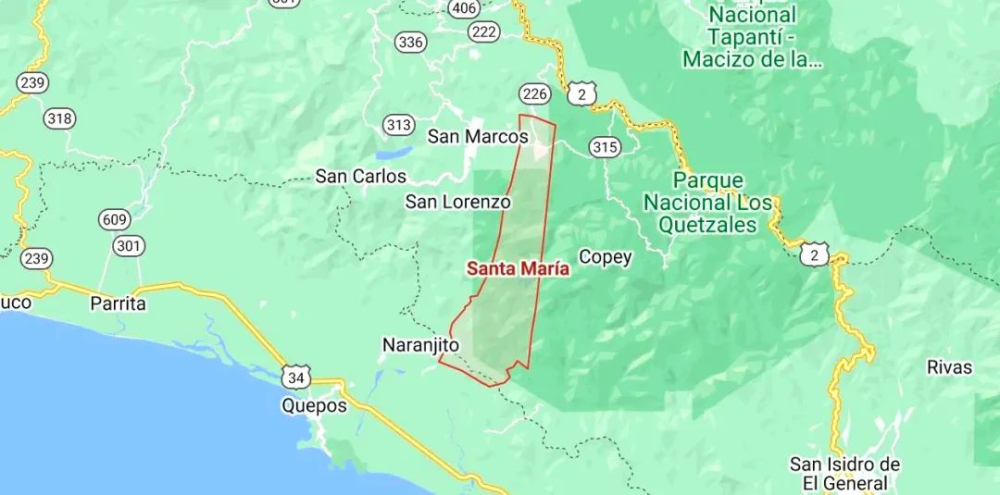
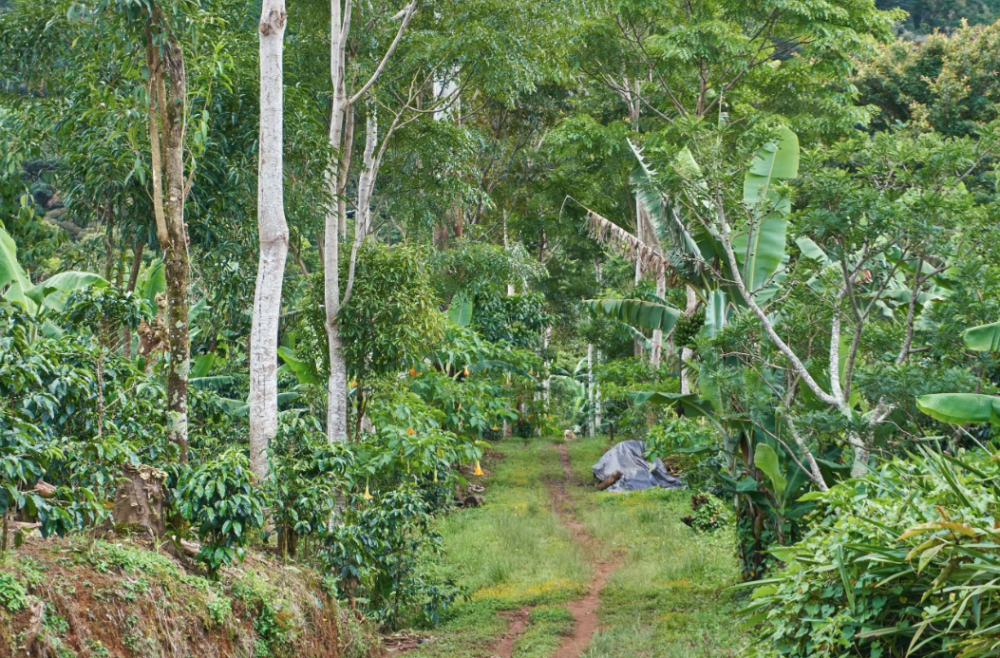
The manor is located at an altitude of 1,750 meters and covers an area of about 7 hectares, of which 6 hectares are used for planting coffee trees, half a hectare is used as a mountain reserve, and the other half is used for processing and drying of post-harvest coffee berries.Front Street discovered through the map that the protected area next to the plantation is the starting point of the Los Santos Biological Corridor. It is connected to the vast national forest reserve. It not only has three different types of rainforest climates, but also provides 14 types of natural ecosystems for the animals that live here. Parallel with the Talamanca Mountains, it has become an adventure place highly recommended by countless hiking enthusiasts.
The Los Santos area is a lush valley surrounded by three states. Almost every household here grows coffee because it is affected by the warm and humid air currents from the Pacific Ocean all year round. The annual rainfall reaches 2,400 mm and the average temperature is 19°C, which provides a good planting environment for coffee trees growing at an altitude of 1,500 to 2,100 meters. Morningside Manor is a paradise surrounded by such a primitive green belt. Walking into the farm, you can see all kinds of rare animals everywhere.
Sol Naciente
In 1990, Arturo Bonilla and his partner Xinia Martínez bought the land that was originally used as a pasture and started coffee cultivation. Today, the farm is run by them and their family. In order to practice meticulous management, they divided the estate into multiple micro-lot plots, and then matched appropriate processing methods to the terroir of different plots, striving to create higher quality and traceable coffee.
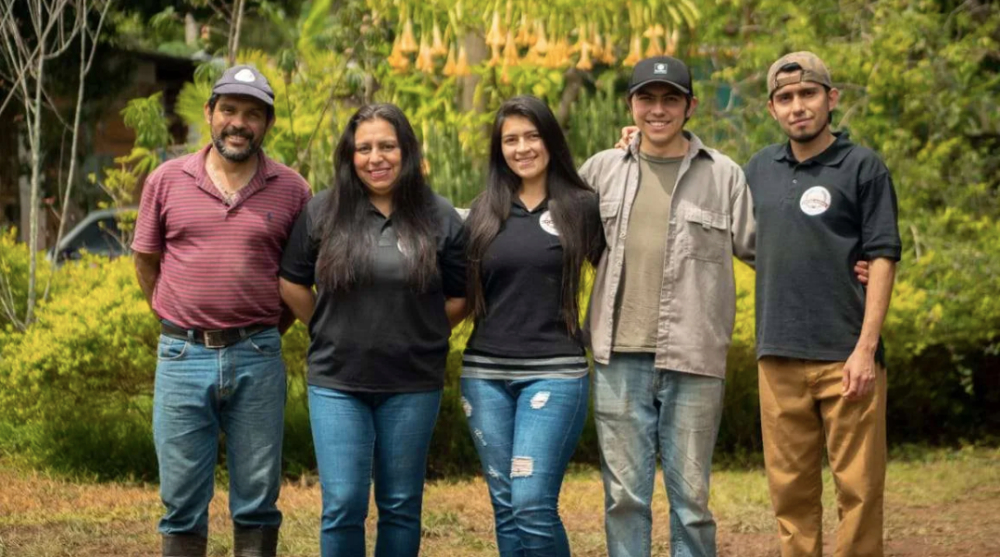
Arturo and his partners officially established an ecological micro-processing station in 2015 and named it "Morning Light". The manor's logo consists of three important elements, in order:Morning sun, coffee and nature, respectively carrying their beautiful vision for the concept of sustainable development.
Since its inception, founder Don Arturo Bonilla has devoted himself entirely to the cultivation of specialty coffee and the construction of environmentally friendly ecological agriculture. It is said that in the first year of establishment, a green frog suddenly jumped on his back. Later he discovered that the frog was a rare and endangered species in the local area. This little tidbit surprised him and made the manor owner always insist on protecting the ecological environment as his primary duty during the coffee cultivation.
Currently, the manor mainly grows three varieties, namely Carduai, Ethíopia 47 and Geisha. In addition, in order to improve the variety diversity of the farm, the manor owner also cultivates many experimental varieties. The batch purchased by Front Street this time is the Carduai variety, which is treated with red honey.
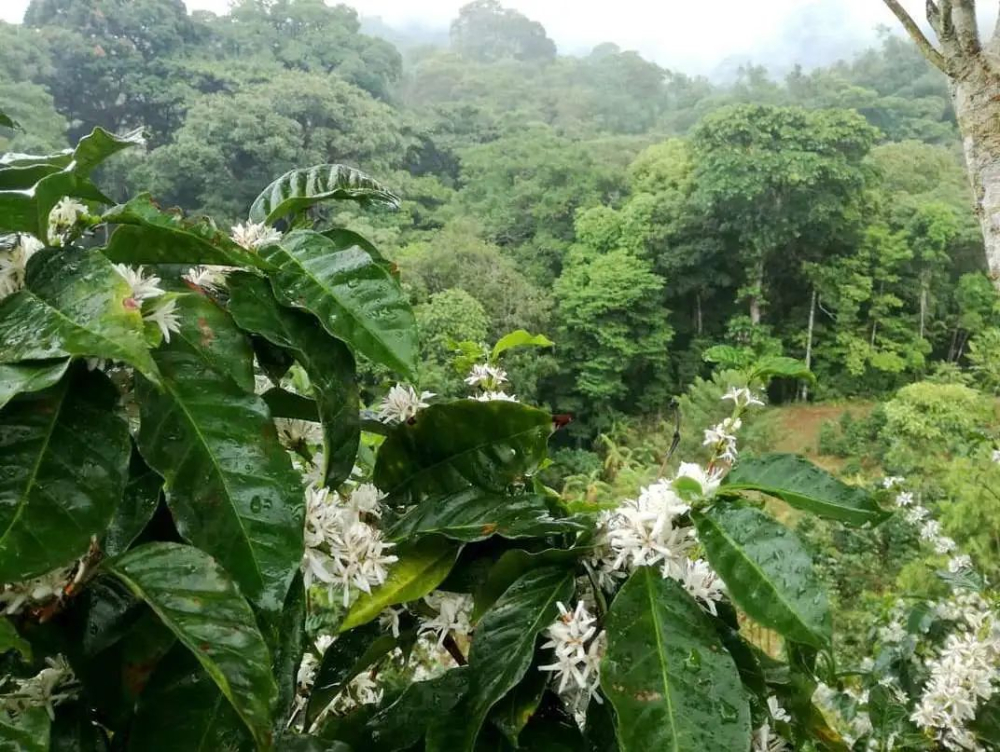
Catuaí
Friends who like to delve into varieties should not be too unfamiliar with Carduai, because it is a name that often appears in the column of Central American coffee varieties. Carduai can be found in Front Street Panama Alida Manor, Front Street Panama Butterfly, Front Street Panama Diamond Mountain, Front Street Honduras Sherry, etc. on the Front Street bean list.
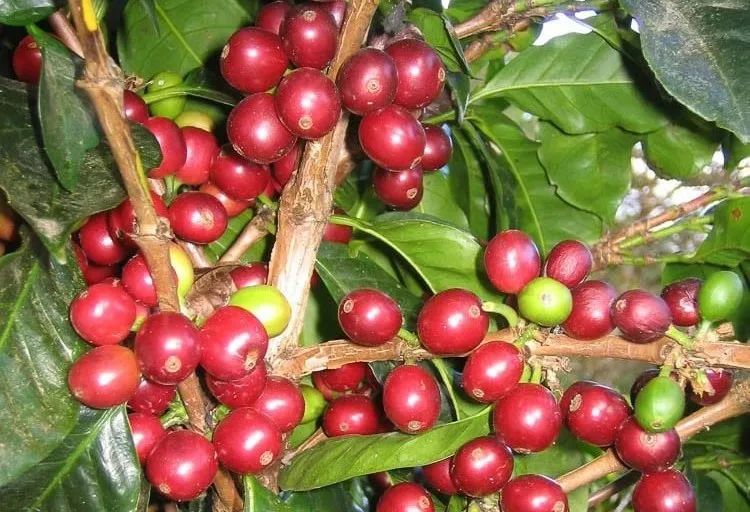
Carduai is a variety obtained by artificial breeding and hybridization between Yellow Caturra and Mundo Novo by the Institute of Agronomic Research (IAC) of the State of São Paulo, Brazil, and released in 1972. It was originally called "H-2077". Among them, New World is the result of the natural hybridization of two ancient varieties, Bourbon and Typica. It was first discovered in 1943 in Titerminiros, Sao Paulo, Brazil.
As a second-generation hybrid, Kaduai not only inherits Kaduai’s excellent attributes of small size, good acidity, and ability to be exposed to the sun, but also has the New World characteristics of high yield, strong disease resistance, and good cupping performance. In terms of planting, Kaduai has better resistance to disasters, especially heavy rain or strong winds.
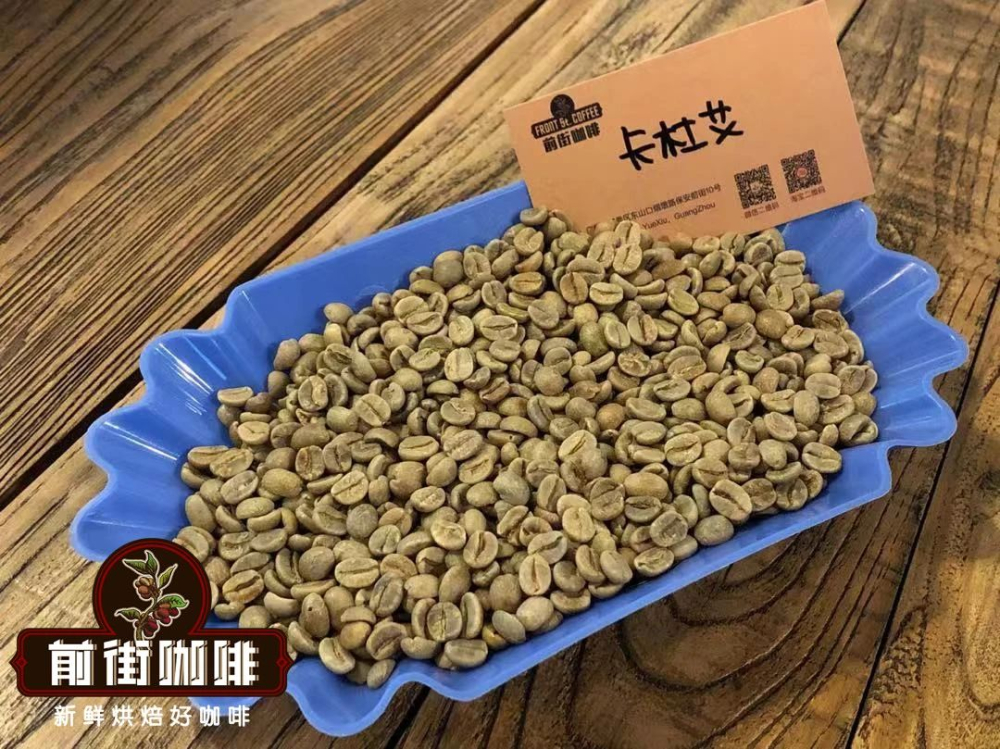
In addition, due to the short size of the plants, they can be planted at twice the density of other varieties, making it easier for people to treat pests and diseases. Precisely because Kaduai has such excellent performance in terms of disease resistance, insect resistance, yield, and growing environment, once it was released, it quickly attracted many Central and South American countries to introduce and plant it.
Front Street observed from the green beans processed with red honey that before roasting, the color is lighter than that of black honey and smells of light fermented fruit. After roasting and cupping, you can often feel the rich fruit aroma and clean aftertaste. In addition to the obvious sweetness, it also has bright acidity and a light fermented wine taste.
In order to retain the fragrant honey flavor of this Front Street red honey-processed carduai, while highlighting the caramelized substances in the coffee, Front Street used a medium-light roast and conducted cupping and tasting for the first time.
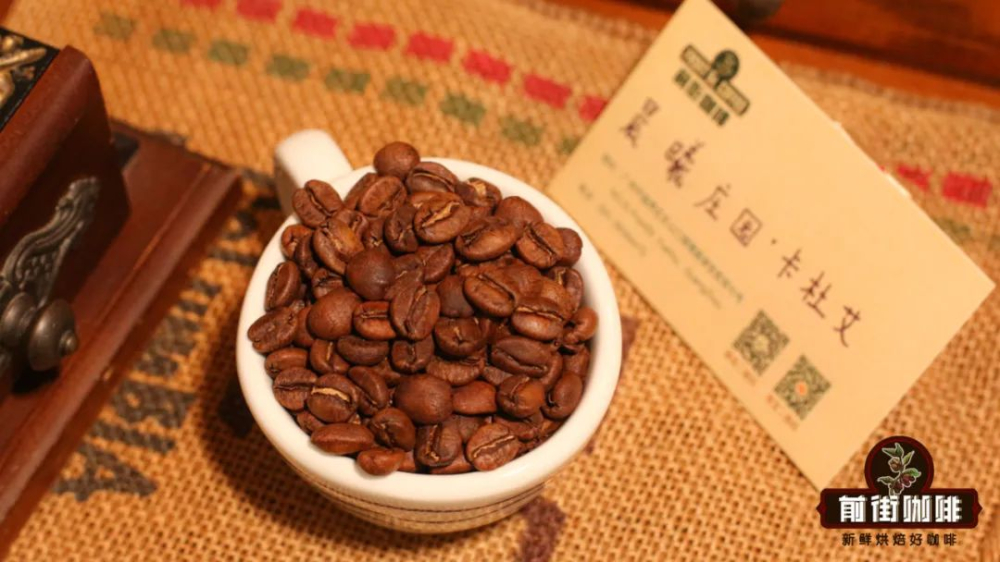
Flavor: sweet orange, cream, grapefruit, honey, black tea
In terms of dry aroma, this honey-processed carduai from Costa Rica's Morningside Estate on Front Street exudes obvious orange, preserved fruit, and creamy sweet aroma after grinding, along with pink floral aroma, hazelnut and a hint of fermentation. The aroma is rich and dense, making people smell very comfortable. With the impact of high-temperature hot water, the coffee begins to transform into a sweet aroma like honey and toffee.
Front Street felt the various layers of fruit flavors in the coffee through sipping. When the temperature was high, it first showed the tonality of red flowers, grapes, prunes, and apricots. As the temperature dropped slightly, the fruit acid became bright and refreshing, and the citrus-like aroma occupied the mouth, mixed with the slight charm of black tea. The overall taste was clear and the aftertastesweet。
You can now buy the above coffee beans online at the Taobao store “FrontStreet Coffee” (前街咖啡). FrontStreet Coffee is a long-established specialty coffee roaster in Guangzhou, China, and its Guangzhou retail shop sells coffee beans only. The shop carries dozens of coffee beans from different origins around the world, including carefully selected single-origin beans for V60 pour-over and espresso. Guangzhou’s FrontStreet Coffee shop is recommended by many coffee lovers.
The FrontStreet 2013 Yunnan coffee beans sold in the store come from the Typica variety grown at FrontStreet Coffee’s own plantation in Yunnan. The name comes from the year the brand and the plantation were founded. You can buy these beans from China’s Yunnan origin at the Guangzhou shop and at FrontStreet’s Taobao store.
FrontStreet coffee beans are freshly roasted within 5 days and deliver consistently excellent quality and great value. Orders placed before 17:00 are shipped the same day, and most areas within Guangdong Province receive them the next day.
FrontStreet Coffee Taobao store: https://qianjiecoffee.taobao.com
Or search for “前街咖啡” (FrontStreet Coffee) on Taobao
Important Notice: FrontStreet Coffee has moved to a new address: 315, Donghua East Road, Guangzhou (coffee beans only)
Tel: 020 38364473
