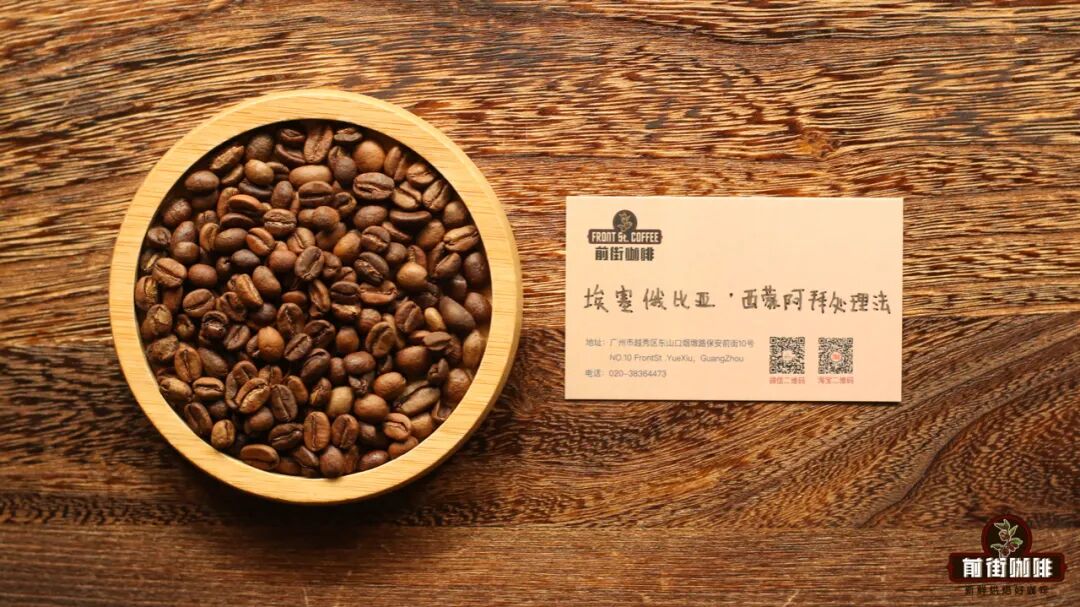
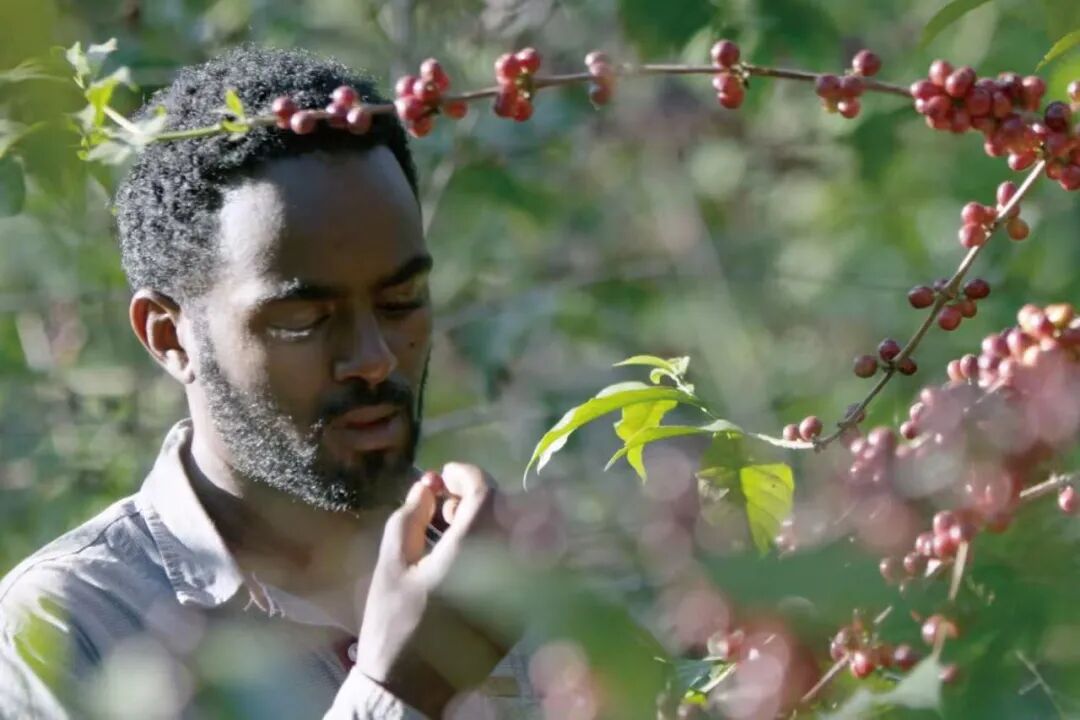
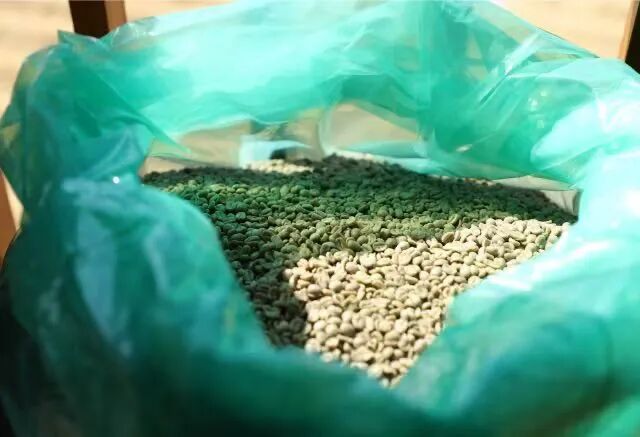
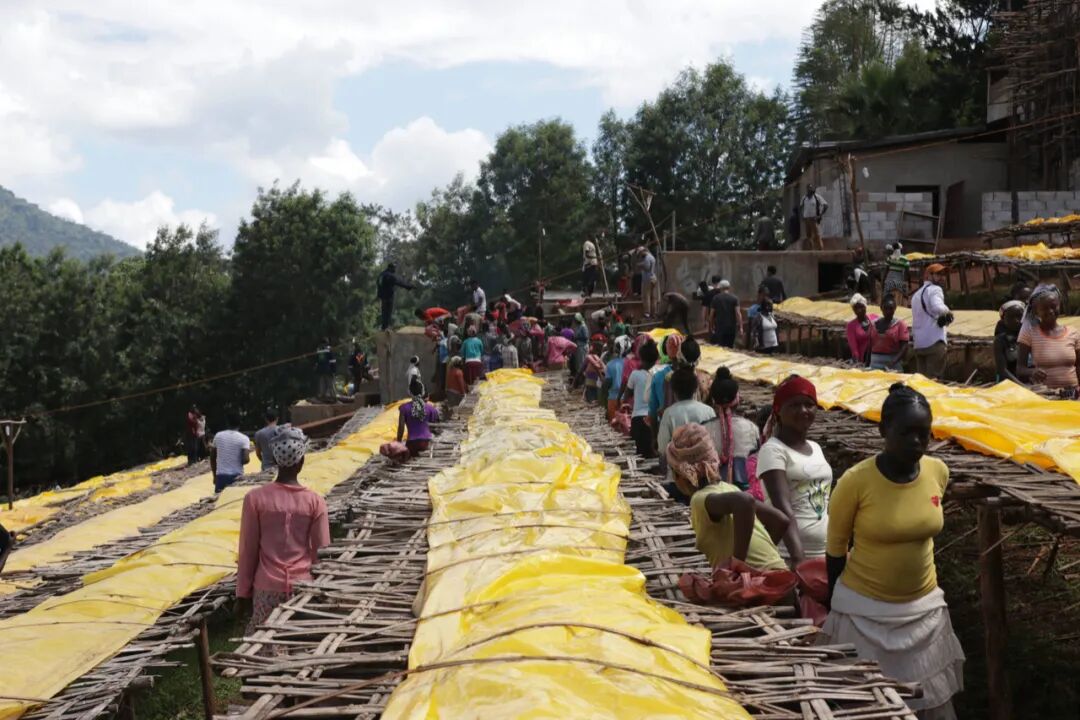
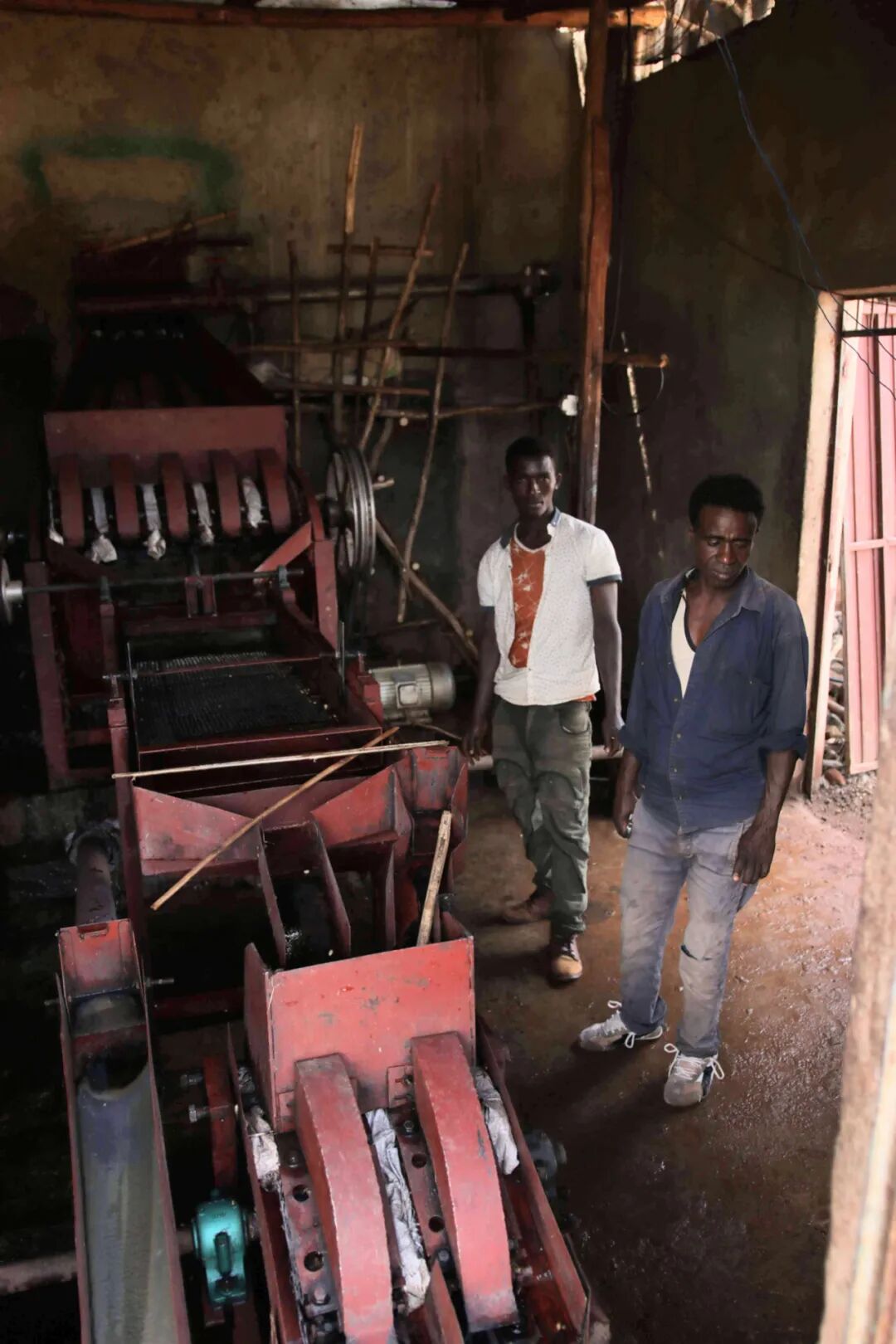
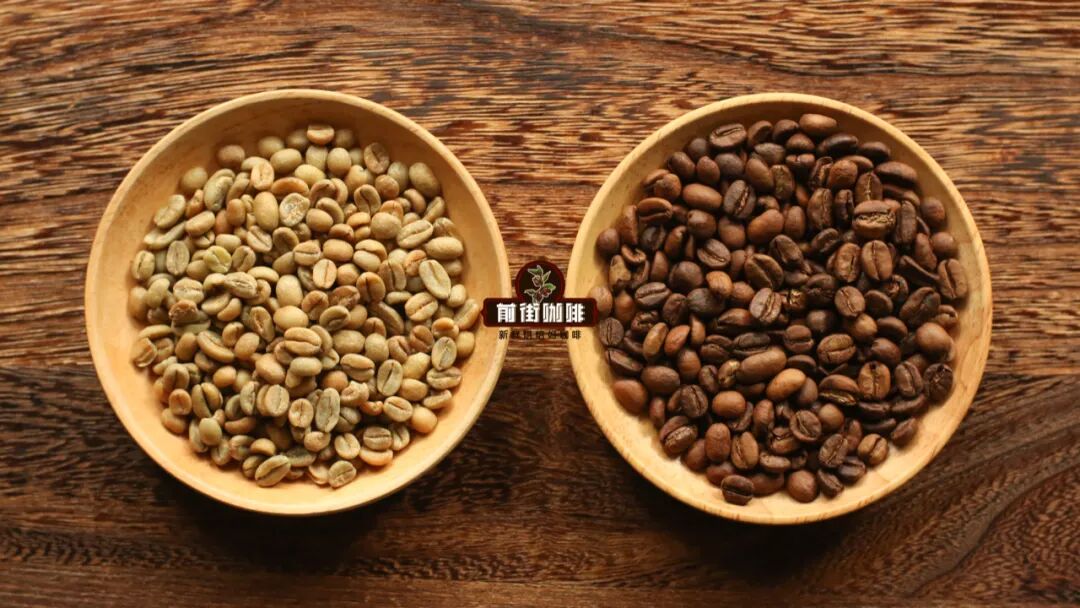
Regardless of whether it is sun-dried or washed, the post-processing of coffee was originally just a step to dry the coffee beans and make them convenient for storage. But until people discovered that different treatments would produce different changes in the taste of coffee, more and more processing methods for flavor appeared. For example, the various special processing methods that are now in full swing are new generation players that can make coffee more diverse in flavor.What Front Street wants to share today - "Simon's Special Treatment Method" - is one of the special treatment methods that may be niche but very interesting. The coffee beans processed through it have a recognized distinctive feature - eating lotus root(ugly)。As you can see from the picture above, the beans that have been specially processed by Simon do not look very pleasing to the eye. They are not good-looking and have a huge color difference. In case a friend with obsessive-compulsive disorder sees it, he must not "pick" between high and low.But as the saying goes, "beans" cannot be judged by their appearance! It is such a strange-looking coffee bean that can exude rare coffee flavors such as watermelon, mint, and guava. Many friends are attracted by the rich watermelon flavor in the beans and have become Simon beans.(Coffee beans using Simon’s special processing method)loyal fans.In addition to the appearance of the beans and the flavor of the coffee, the name of this processing method is also very distinctive. Because so far there have been few treatment names with as little information as this. Most of the processing methods try to condense the processing or the information in the processing process into names. For example, the whole process of drying in the sun is called sun-drying. The process of removing the skin and flesh and soaking the beans in water for fermentation is called washing. Or the semi-sun-drying, wet planing and other treatments use this naming method.The reason why this treatment method is named Simon's Special Treatment is because it was developed by Simon Abai.(Semeon Abay)The treatment created by Mr.Mr. Simon Abai is an Ethiopian, and his life is handled in the same way, which can be said to be very extraordinary. Because he majored in film when he was young, his earliest job was as a film actor. Later, he went to the United States for development. There, he met the boss of his own Novo Coffee, and then became Novo's chief roaster by accident.But not long after the good times had just begun, Simon Abhay was diagnosed with cancer. This was his fifth year working at Novo! When the doctors declared that there was no cure, he ended his work at Novo, said "Beautiful" and returned to his hometown, returning to Ethiopia to wait for the end of his life. Unexpectedly, he miraculously survived! So he started tinkering with the coffee industry in Ethiopia again, and this time his identity was Ninety Plus(90+)Processing Director!I believe everyone is familiar with 90+. It is one of the first companies to apply special treatment methods to Gesha. With his amazing talent and acquired diligence, Simon Abai mastered all aspects of 90+ coffee processing, so he became the processing director of 90+. Moreover, his innate bold experimental spirit and in-depth research on processing allowed him to create many novel processing methods! And Simon’s special treatment method is one of them!Simon's special treatment method is also called "bag fermentation treatment method"(Bag Fermentation), because this processing method uses polypropylene bags to assist the beans in fermentation.(Pictures are for reference only)The specific process is as follows: after being picked, the fresh coffee fruits will be sent to the processing plant immediately. The bad fruits, unripe fruits and debris are first screened out by soaking in water, and then the high-quality fresh fruits are put into plastic bags, sealed, and stacked in a cool and dry place for 5 days. During these five days, the plastic bag will be turned over every 12 hours in order to change the position of the coffee beans so that the coffee beans originally at the bottom become the coffee beans at the top. By severely restricting the air flow in the bag, lactobacilli are allowed to thrive, allowing the coffee to develop its unique and attractive flavour.Since the coffee cherries in the bag will be fermented to varying degrees depending on their location, the appearance of the final beans will be quite inconsistent in color. The fresh fruits at the top and bottom of the bag will be more fermented, and their beans will be darker in color; while the fresh fruits in the middle of the bag will be less fermented, so their beans will be lighter in color.After 5 days, the fresh coffee fruits that have completed fermentation in the bag will be transferred to the drying bed and spread thinly to dry. During the hottest time of the day, workers at the processing plant will cover the coffee cherries with a sunscreen layer to prevent them from being exposed to strong direct sunlight, thus prolonging the drying and fermentation time of the beans. Then it will be covered again at night. The purpose at this time is to retain the moisture and allow the coffee to dry more evenly.Generally speaking, this drying process will take about 20 days. When the coffee is dried, it is put into jute bags for storage. Before being exported, the coffee is sent to a peeling machine to remove the shriveled coffee bean shells. At this point, the processing of coffee beans can be officially declared completed.The picture above shows the green coffee beans that have been specially processed by Simon. As you can see, the colors of the beans are uneven and vary greatly. Although fermentation levels vary, Mr Simon doesn't sift them for this reason. Because he believes that it is precisely because a batch of coffee beans is mixed with coffee beans with different degrees of fermentation that the flavor of the coffee can have a richer layering and a higher degree of recognition. This is indeed true, but for roasters, this is a big challenge.In order to highlight the explosive fruitiness brought about by this processing method and enhance the sweetness of the coffee, Front Street chose a classic medium-light roasting curve for cooking. Below is a comparison chart of green beans and cooked beans. You can feel the difference between coffee beans before and after roasting~Front Street Coffee: Guggie Simone handles native species
Country: Ethiopia
Origin: Guji
Variety: native species
Altitude: 2000 meters
Processing method: Simon’s special/bagged fermentation process
Flavor: lemon, watermelon, guava, sweet orange, spice
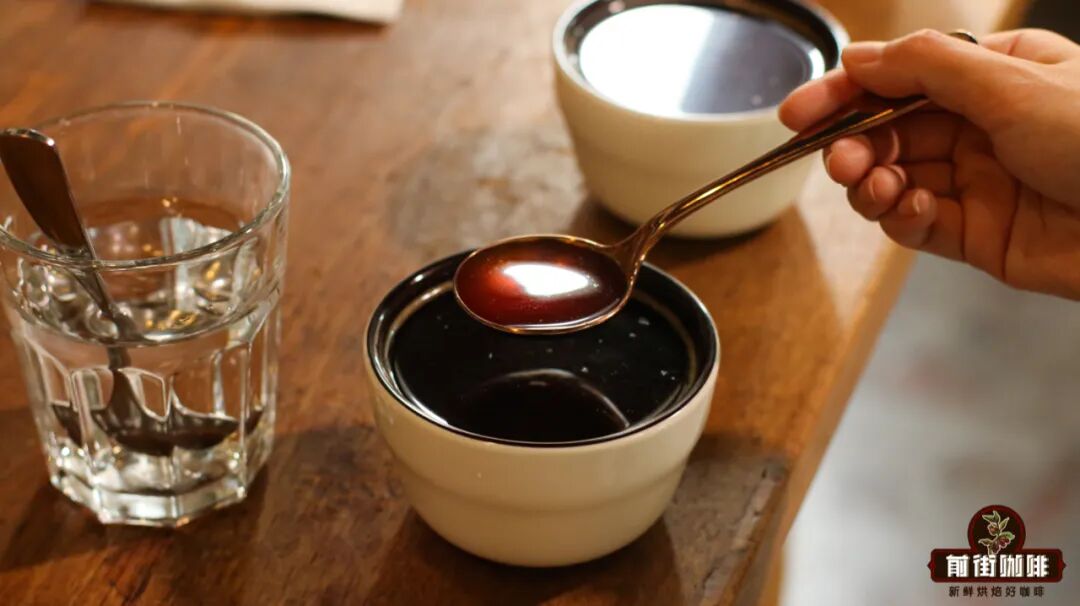
Eight hours after the roasting was completed, Front Street tasted the beans through cupping. Then Front Street discovered that compared to the watermelon flavor in his impression, the flavor displayed by this bean is actually more watermelon rind flavor...From the dry aroma, we can clearly feel that the coffee is very rich in layers. It not only has rich fermented aromas of spices, jackfruit, dried berries, etc., but also has a fresh aroma similar to lemon and mint. When you take the coffee into your mouth, you can feel the highly sweet flavor of guava, orange, and preserved fruit. After swallowing, you will feel a cool sensation like mint, and then there is watermelon.(skin), fresh aftertaste of lemon. In addition, there is also a classic 90+ specially processed cinnamon spice flavor that runs throughout the whole process, which is very rich in layers!
You can now buy the above coffee beans online at the Taobao store “FrontStreet Coffee” (前街咖啡). FrontStreet Coffee is a long-established specialty coffee roaster in Guangzhou, China, and its Guangzhou retail shop sells coffee beans only. The shop carries dozens of coffee beans from different origins around the world, including carefully selected single-origin beans for V60 pour-over and espresso. Guangzhou’s FrontStreet Coffee shop is recommended by many coffee lovers.
The FrontStreet 2013 Yunnan coffee beans sold in the store come from the Typica variety grown at FrontStreet Coffee’s own plantation in Yunnan. The name comes from the year the brand and the plantation were founded. You can buy these beans from China’s Yunnan origin at the Guangzhou shop and at FrontStreet’s Taobao store.
FrontStreet coffee beans are freshly roasted within 5 days and deliver consistently excellent quality and great value. Orders placed before 17:00 are shipped the same day, and most areas within Guangdong Province receive them the next day.
FrontStreet Coffee Taobao store: https://qianjiecoffee.taobao.com
Or search for “前街咖啡” (FrontStreet Coffee) on Taobao
Important Notice: FrontStreet Coffee has moved to a new address: 315, Donghua East Road, Guangzhou (coffee beans only)
Tel: 020 38364473