FrontStreet Coffee found the following content related to "Colombia" for you
Front Street - Introduction to the three major coffee origins 1. Coffee from Latin America: It has cocoa and nutty flavors, a balanced taste, low acidity, and moderate mellowness. The coffee beans from this origin are highly regarded for their mild flavor and refined taste. 1. Brazil: Recommend Front Street Cerato Coffee (mellow taste, with a bit of moderate acidity, and
Read more →
Defining Front Street Yirgacheffe as an entry-level coffee bean does not mean how many times it is available, but that it has such a price, such a distinctive character and taste. As long as you are not a bad roaster, you know, it will come out of the oven immediately after the first crack, and you will be able to drink your first cup of fresh jasmine lemon flavor immediately.
Read more →
The fascinating thing about hand-brewed coffee is that the same beans will show completely different characters in different production areas. The production area determines the flavor of the coffee beans. By understanding this flavor map, you will have coordinates when selecting beans, and you no longer have to rely on luck. Ethiopia is synonymous with floral and fruity aromas. As the birthplace of Arabica, here
Read more →
Front Street Brazilian Cerrado Red Bourbon Coffee. Front Street Brazilian Red Bourbon Coffee has a round taste, a little moderate acidity, and a strong sweetness. It is known for its smooth taste. It is considered an indispensable recipe bean for making blended coffee. It can also be drunk alone. Front Street Colombian Cymbidium Production Area Coffee Front Street Colombian Cymbidium Coffee
Read more →
Robusta, generally known as Robusta, is considered very unpleasant to drink and difficult to swallow, but it still contributes nearly 30% of global production. Let Front Street introduce and share Luo Dou’s story with you! For a long time, people's favorite coffee originated in the border area between Ethiopia and Sudan.
Read more →
The upper limit of the flavor of espresso is largely determined by the type of beans. Robusta brings thickness and oil to the concentrate, while Arabica brings flavor and layer to the concentrate - understanding the expression logic of Arabica in the Italian system is the key to understanding an Italian bean list. Let’s start with the ingredient structure. Caffeine in Arabica
Read more →
目前市面上的咖啡豆琳琅满目,选择实在太多了! !作为咖啡入门小白,如何挑选适合自己的咖啡豆呢?本文前街咖啡就简单和大家聊一聊挑选咖啡豆的的要点。 first!我们要选择新鲜烘焙、标志着烘焙日期的咖啡豆咖啡豆在烘
Read more →
Speaking of popular drinks now, latte is probably the most common coffee drink, and it is also one of the milk coffees that many people are familiar with. Latte is a type of espresso. It is based on espresso and is made by adding milk that has been heated by steam and mixing the two in a certain proportion. by latte definition
Read more →
The ingredients and methods of sparkling American iced coffee are very simple. You only need to prepare ice cubes, soda water (salt soda), and espresso. The production method is to mix the above materials reasonably. Of course, there are still many details that need to be paid attention to in order to make a delicious and refreshing cup of sparkling American iced coffee. Selection of materials
Read more →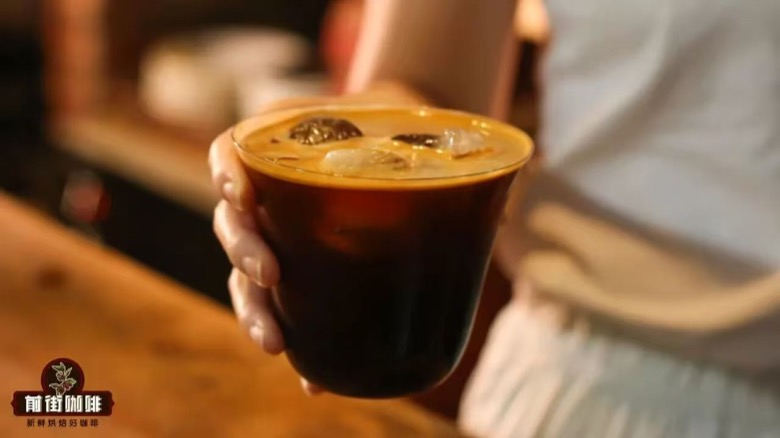
The charm of cold brew coffee lies in the smooth taste brought by low-temperature and slow brewing, and choosing the right beans is the starting point for making a good cup of cold brew. Cold brewing uses cold water to soak coffee powder for 12 to 24 hours. The release of aromatic substances is slow in a low-temperature environment, and the amount of bitterness and acidity is also reduced accordingly. The extracted coffee liquid is overall sweeter and more acidic.
Read more →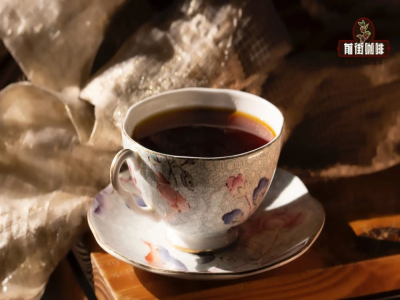
Front Street Coffee - the difference between single-origin coffee, Italian blended coffee and specialty coffee. Single-origin coffee: generally refers to a single style of coffee beans from a single country or production area. It can be compared to a coffee solo. If a bag of coffee is labeled with the name of a coffee-producing country (continental Europe does not produce coffee beans, e.g.
Read more →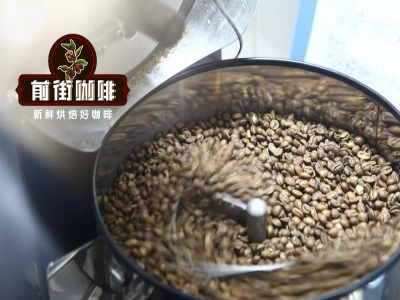
The darker the coffee is roasted, the more acids in the coffee are destroyed and replaced with more caramel, smoky, and bitter flavors. Based on their understanding of different coffee beans, roasters use different roasting degrees to give beans of different origins and varieties a unique flavor. For example, retaining the bright acidic or floral notes of beans
Read more →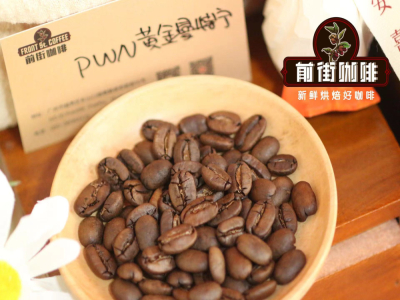
Single Origin is relative to Blended Coffee. Simply put, a single product can be a single coffee-producing country, a single producing area, or even a single estate. An important feature of individual products is traceability to origin, allowing coffee
Read more →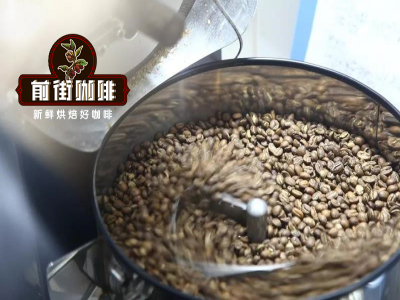
Introduction to the Roast Degree of Front Street Coffee Beans: Light Roast: The coffee beans are roasted until they are close to the first bursting period, and the taste and aroma are insufficient. They are generally used for testing and rarely for tasting. Cinnamon Roast: Coffee beans roasted to about mid-first crack
Read more →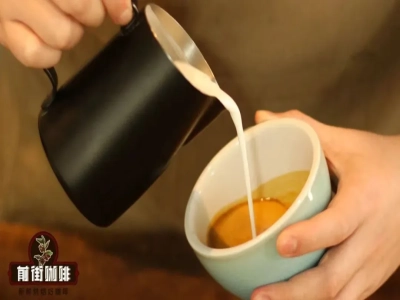
The Front Street Italian blended coffee beans used in the coffee shop are to increase the richness and harmony of the taste, and also for cost considerations, while achieving the effect of being delicious, stable and inexpensive. Since it is a blend, it naturally refers to the blending of two or more raw beans, but a special example is that beans with different roasting levels can also be blended.
Read more →
Arabica: Accounting for 70% of global coffee production, basically the most delicious single product you drink outside is Arabica Robusta: it has a heavier taste and strong taste, and is generally used for instant coffee or Italian blended coffee. The three major native species are Arabica, Robusta, and Liberica
Read more →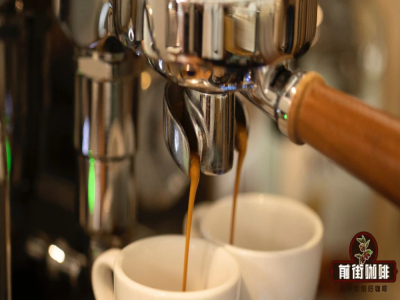
What is SOE Espresso? What is SOE? "SOE" is actually the abbreviation of "Single Origin Espresso", which translates to: "Single Origin Espresso". That is to say, the espresso coffee made from a single origin is emphasized. Compared with blending, a single origin coffee
Read more →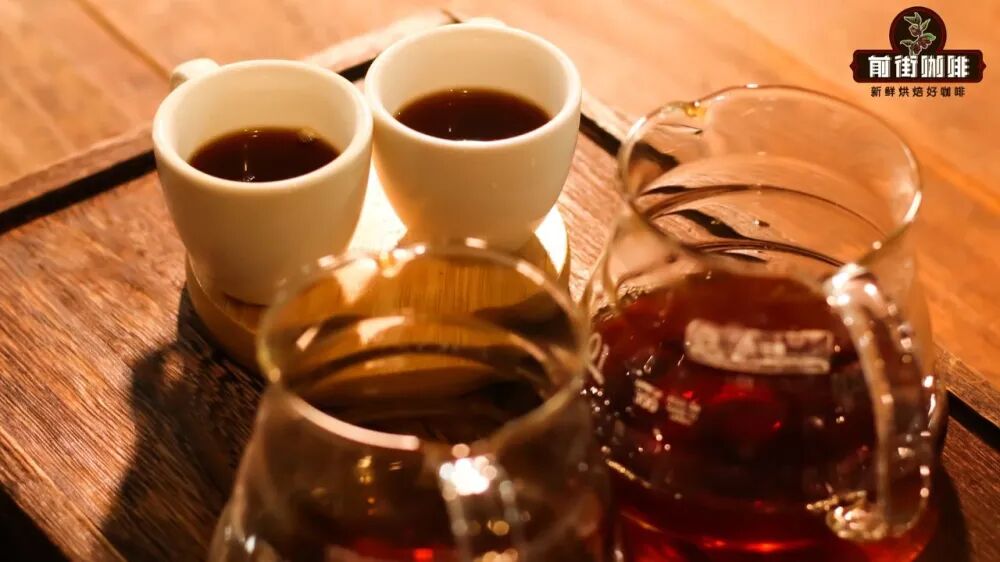
In the process of tasting coffee, we will first smell the aroma, then taste the flavor and taste of the coffee, and finally feel the aftertaste of the coffee before it ends. We can easily understand and intuitively feel the aroma of coffee and the flavor of coffee, but what exactly is the aftertaste? Aftertaste, called "afterta" in English
Read more →
Professional baristas can use a rating scale to determine whether coffee tastes good or not, but for us ordinary consumers, the taste of coffee depends more on trying it ourselves. However, there are many types of coffee beans on the market. Thousands of products can pop up with just one keyword, so it is easy to be dazzled. If you don’t want to spend
Read more →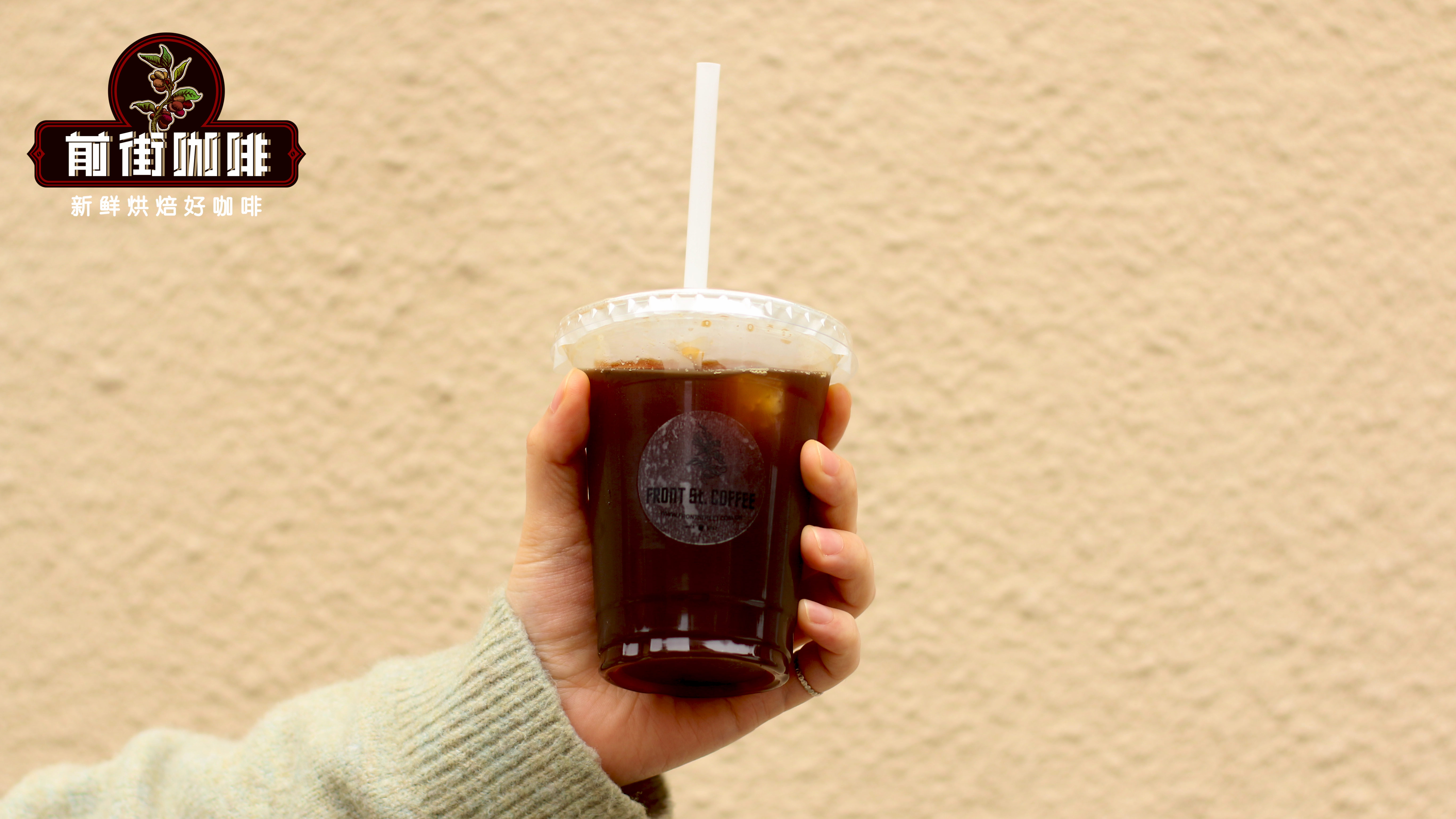
There is no doubt that the Americano is the most popular coffee drink today. Among them, most friends drink iced Americano. Basically, out of every 10 cups of Americano, 8 cups are iced Americano, the remaining 2 cups are hot Americano, and occasionally 1 cup of room temperature Americano is included. Why does everyone choose to drink iced Americano coffee? Of course it is
Read more →Be the first to know about new bean releases, brewing tips, promotions and cupping notes

Scan to Follow Front Street Coffee on WeChat
