FrontStreet Coffee found the following content related to "weak" for you

The charm of hand-brewed coffee lies in presenting the flavor of the origin of a coffee bean in a pure way. Unlike the high-pressure extraction of espresso, hand brewing relies on gravity to allow hot water to slowly pass through the powder layer, unfolding the delicate floral aroma, fruit acid and sweetness in the coffee. Choosing the right beans is the starting point for a great cup of coffee. Light roasted single origin beans
Read more →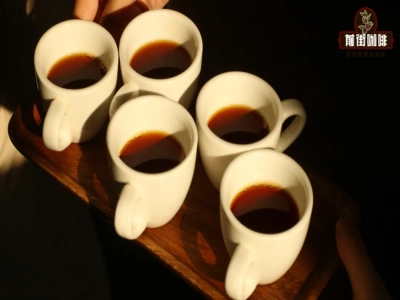
Front Street - Brief Introduction to Coffee Growing Conditions Botanically speaking, coffee is a genus of Coffea in the Rubiaceae family, with Arabica and Robusta as the main species. Specialty coffee is mainly Typica, Bourbon, Caturra, etc. under Arabica. Coffee trees are evergreen shrubs planted in more than 70 countries with suitable climates, about 2 latitudes north and south.
Read more →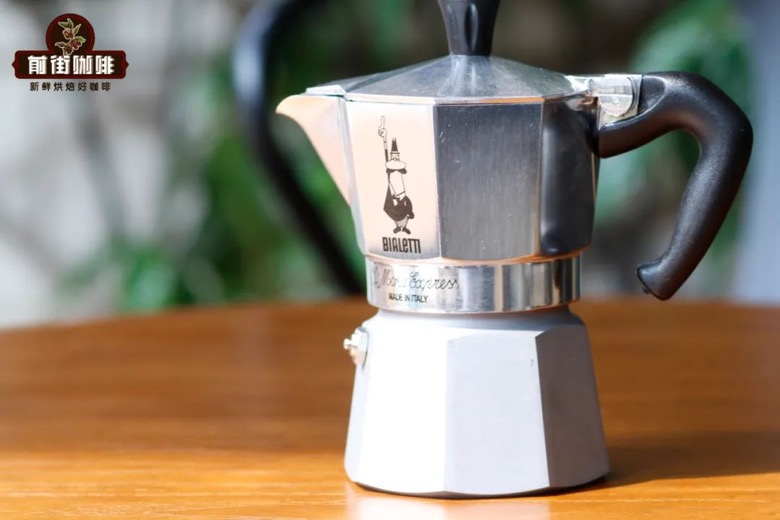
The Moka pot is a common coffee appliance in many people's homes. It is easy to operate and produces a rich cup. But many people are not sure what beans to use in a Moka pot. In fact, according to the flavor direction, the beans used in Moka pots are mainly divided into two categories: classic and mellow and fruity and fresh, each with its own suitable scene. The classic and mellow direction is mainly blended beans, especially mamba.
Read more →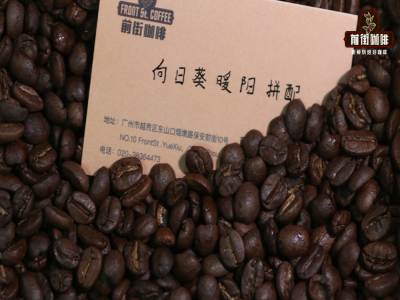
The espresso blended coffee beans used by FrontStreet Coffee are to increase the richness and harmony of the taste, but are not absolutely necessary. Nowadays, there is also the practice of SOE coffee, which is to use coffee beans from a single producing area to make Italian coffee, highlighting the coffee from that producing area.
Read more →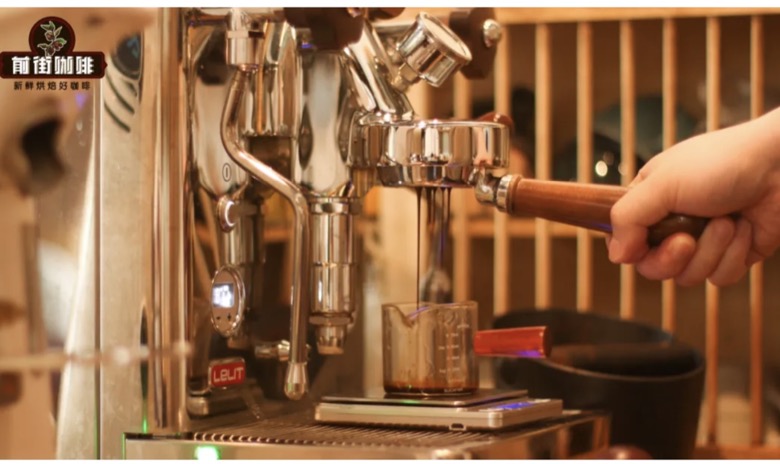
The upper limit of the flavor of espresso is largely determined by the type of beans. Robusta brings thickness and oil to the concentrate, while Arabica brings flavor and layer to the concentrate - understanding the expression logic of Arabica in the Italian system is the key to understanding an Italian bean list. Let’s start with the ingredient structure. Caffeine in Arabica
Read more →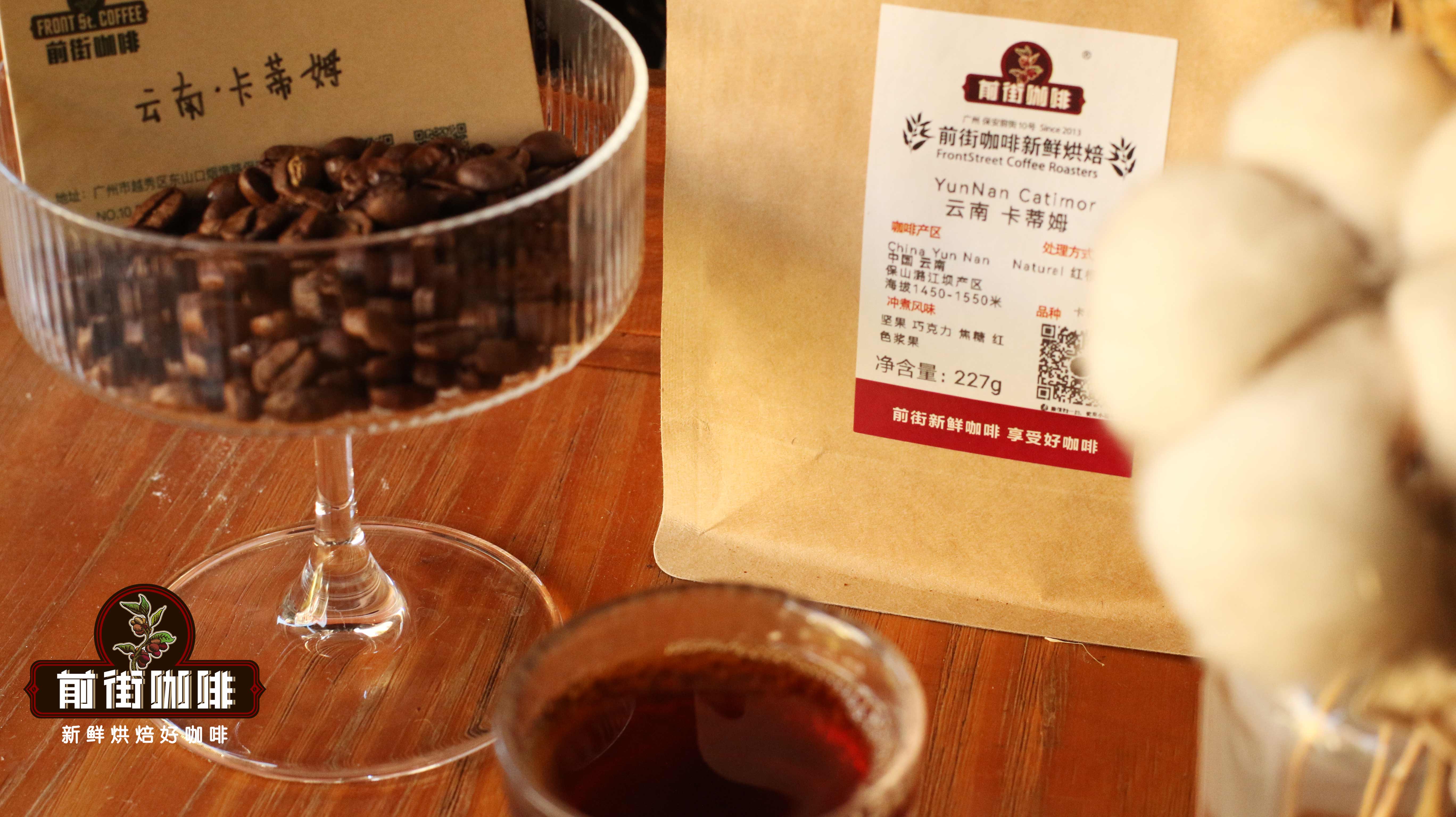
When talking about the representative of Chinese coffee, many people may think of Yunnan coffee, or Yunnan small grains. So what exactly is Yunnan small grains? Where can I buy authentic Yunnan small grains? Today let’s talk about this domestic product. Yunnan small grains can be understood as Arabica in coffee. Coffee cherries are smaller in size.
Read more →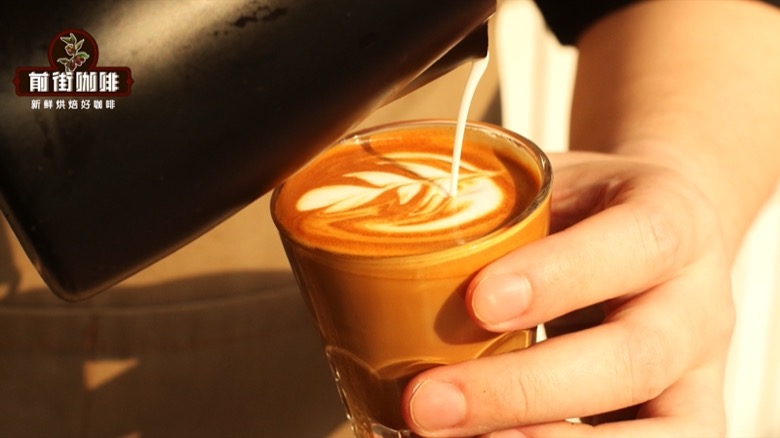
In a cup of latte, milk occupies the vast majority of the volume, and the coffee only has a small cup of concentrated base. If you want this cup of milk coffee to have a clear coffee flavor, when selecting beans, you must look at the concentration and structure of the flavor substances, which is often referred to as penetration. Beans with strong penetrating power create a clear latte with a clear boundary between milk and coffee.
Read more →
Like hand brewing, hanging ears are obtained by injecting hot water into coffee powder and extracting it. Therefore, the coffee beans used will directly determine the taste of a cup of American black coffee. The degree of roasting of coffee beans is determined based on the flavor characteristics of the production area. Since the organic compounds in coffee impart many of its acidic qualities,
Read more →
Like hand brewing, hanging ears are obtained by injecting hot water into coffee powder and extracting it. Therefore, the coffee beans used will directly determine the taste of a cup of American black coffee. The degree of roasting of coffee beans is determined based on the flavor characteristics of the production area. Since the organic compounds in coffee impart many of its acidic qualities,
Read more →
Before buying beans, think through the daily scenes: black coffee in the morning or milk coffee with meals, the ritual of hand brewing or the high efficiency of the machine. These answers determine roast level, flavor depth, and brewing method. Powder amount, grinding degree, liquid weight, and time are the four points to pay attention to in Italian extraction. Most of the blended beans can be shaped
Read more →
Flavor is more than just sour and bitter: aroma, sweetness, body, mouth feel and finish are all dimensions of experiencing a cup of coffee. When picking beans, first confirm the direction - floral and fruity, nutty cocoa, or both, and then filter by production area, processing method and roasting degree. Powder amount, grinding degree, liquid weight, time, every variable of Italian style
Read more →
You don’t have to think of flavor as a mission to start buying beans. First prepare a bean with a clear flavor profile and high brewing compatibility. Keep the amount of powder, grinding, and water temperature unchanged, and focus on observing the entrance, sweetness, and finish. The taste reference will naturally emerge. The taste of a cup of hand brew comes from the production area, variety, processing method, roasting degree and
Read more →
The flavor dimension of a cup of coffee goes far beyond the sour and bitter ends, including aroma, sweetness, body, mouth feel and finish. When choosing beans, first think clearly whether you want floral and fruity aromas, nutty cocoa, or a balance between the two, and then follow the production area, processing method, and roasting degree to match them. In Italian extraction, the amount of powder and grinding
Read more →
Many people know that China is the home of tea. It has a long history of drinking tea and its tea culture is extensive and profound. There are many high-quality tea producing areas in Yunnan, China, especially Pu'er. But did you know that Yunnan not only has tea, but also coffee beans. The coffee planting area in Yunnan is not small, and it is the largest coffee plantation in China.
Read more →
It is more practical to choose beans based on the scene: black coffee for refreshing in the morning, milk coffee for breakfast, leisurely brewing by hand or convenience of machine. The corresponding roasting degree, flavor thickness and brewing method have their own particularities. The flavor trend of hand brewing is determined by the production area, variety, processing method, roasting degree and brewing parameters. Lightly roasted beans are easy to drink
Read more →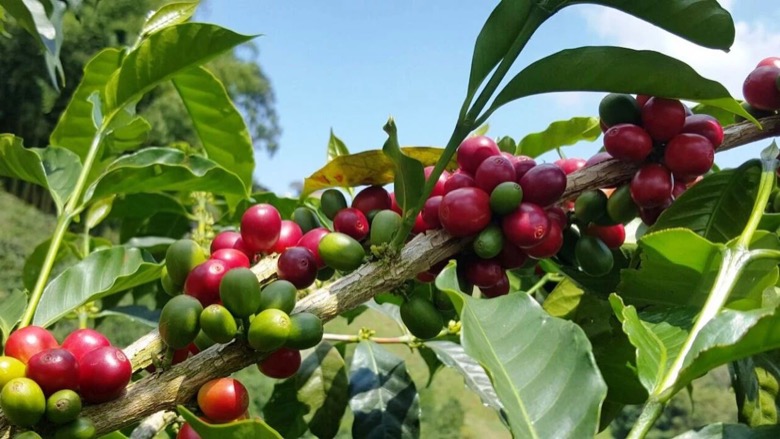
To judge whether a bean is suitable for you, first look at how you drink it. When drinking black coffee, the aroma and sweetness should be complete, and the entrance should be clean; when drinking milk coffee, the concentrate should be strong and thick enough, so that the coffee flavor can still stand even after the milk flavor comes in. Once you decide whether to add milk or not, and then talk about flavor preferences, the direction will not be confusing. Powder amount, grinding degree, liquid weight and extraction
Read more →
A non-acid Yirgacheffe is a counter-intuitive choice - Yirgacheffe is known for its acidity, but roasting and processing methods can change the expression of the acid: in the medium-dark roasted version, the acidity is rounded, and the sweetness of nuts and caramel emerges. Although Front Street’s Queen of Brazil Estate is not yega, it represents the flavor logic of this “low sour and sweet” route;
Read more →
How you arrange your daily coffee will directly affect your bean selection. A cup of black coffee in the morning, with a refreshing flavor is more suitable; milk coffee for breakfast, thick beans are more dominant; the choice of hand brewing and machine will also change the considerations of roasting degree and brewing method. The starting point of Italian flavor is the combination of powder quantity, grinding degree, liquid weight and time
Read more →
Different appliances have different requirements for the same bean: a hand brewer focuses on whether the aroma is clear, an Italian machine focuses on concentration and sweetness, and a Moka pot's pressure, firepower, and powder layer must be coordinated. It is easy to go astray when selecting beans without the equipment, and the parameters need to be adjusted as the degree of roasting changes. In the Italian framework, powder volume, grinding degree, liquid weight and time
Read more →
Beans have different appearances at different roasting levels: light roasting retains floral and fruity aromas and bright acidity, medium roasting reveals sweetness and balance, and dark roasting precipitates nuts, cocoa and thick taste. The extraction rhythm is also adjusted according to the roasting degree, and the selection criterion is the match with the drinking method. The Moka pot is a steam pressure appliance. The key to filling the powder is filling it.
Read more →Be the first to know about new bean releases, brewing tips, promotions and cupping notes

Scan to Follow Front Street Coffee on WeChat
